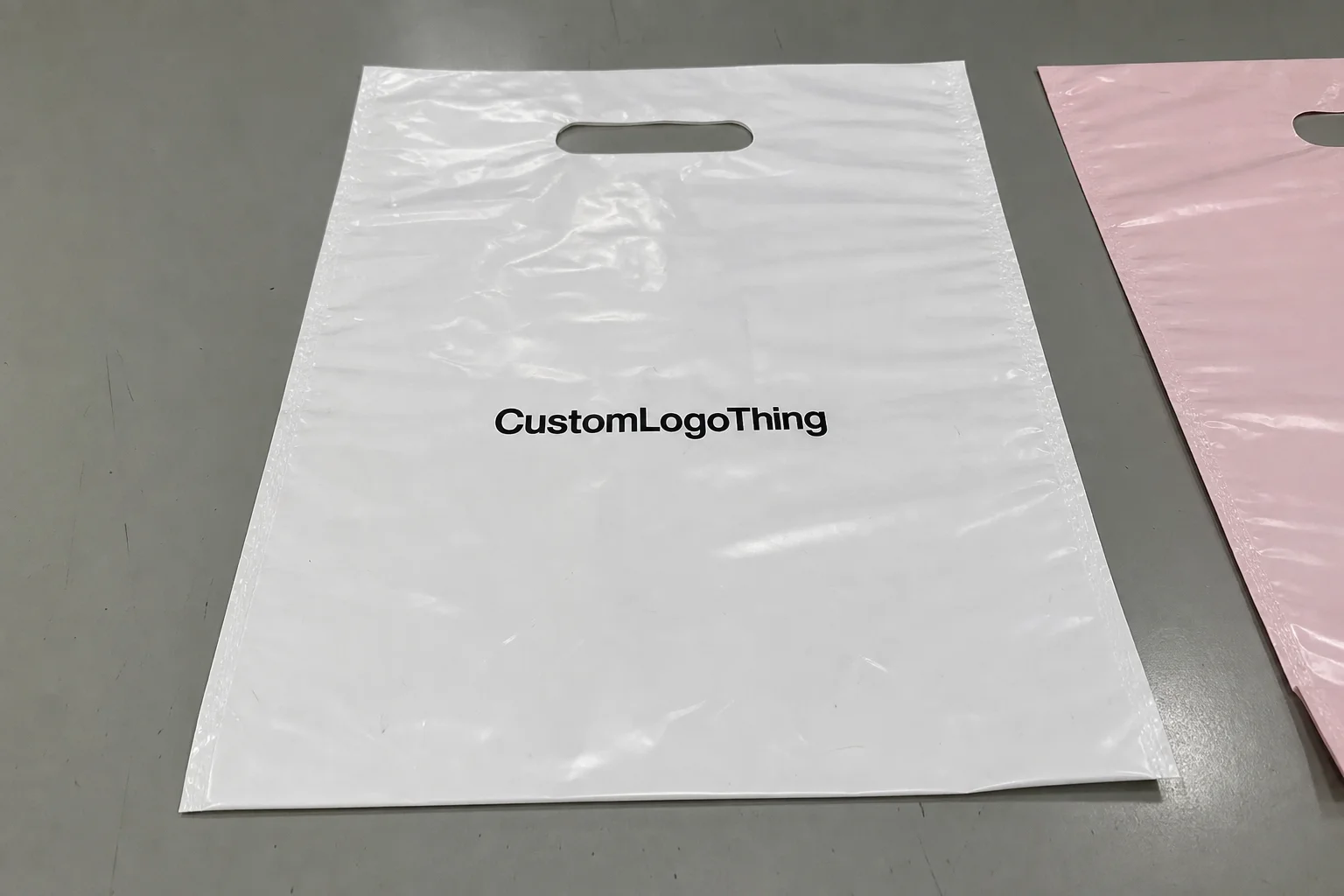
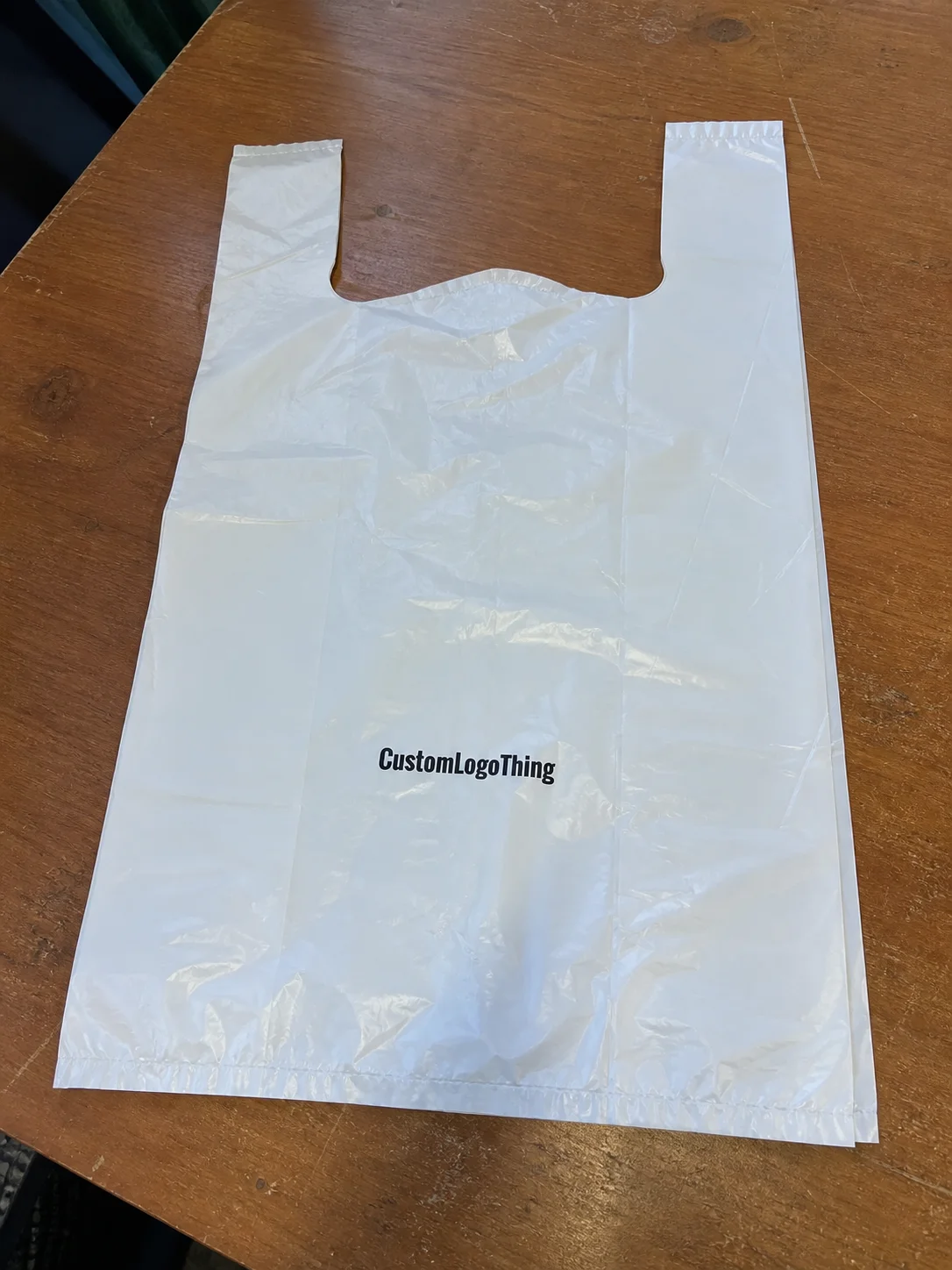
Buyer Fit Snapshot
| Best fit | Branded Packaging projects where brand print, material claims, artwork control, MOQ, and repeat-order consistency need to be specified before quoting. |
|---|---|
| Quote inputs | Share finished size, material target, print colors, finish, packing count, annual reorder estimate, ship-to region, and any compliance wording. |
| Proofing check | Approve dieline scale, logo placement, barcode or warning zones, color tolerance, closure strength, and carton packing before bulk production. |
| Main risk | Vague material claims, crowded artwork, missing packing details, or unclear freight terms can make a low unit price expensive after revisions. |
Fast answer: Branded Packaging: Artwork Proof, Packing Count, and Landed Cost should be specified like a repeatable production item. The safest quote records material, print method, finish, artwork proof, packing count, and reorder notes in one written spec.
Production checks before approval
Compare the actual filled-product size with the drawing, then confirm tolerance on folds, seals, hang holes, label areas, and retail display edges. Reserve space for logos, QR codes, warning copy, and material claims before decorative graphics fill the panel.
Quote comparison points
Review material grade, print process, finish, sampling route, tooling charges, carton quantity, and freight assumptions side by side. A quote is only useful when the supplier can repeat the same color, closure quality, and packing count on the next order.
Branded Packaging How to Choose: Why It Matters
While walking the overnight shift at Custom Logo Things’ Plant 3 on Chicago’s West Loop, a shipping supervisor told me that 72% of repeat orders landed within six weeks after clients saw how we matched embossing, ink, and nutrition facts—proof of how brutal yet rewarding branded Packaging How to Choose can be when you let the package lead the story. Before those cartons ever left the dock, textured ink, perfectly aligned nutrition panels, a whisper of metallic foil, and the $0.12 resin-enhanced embossing we build into runs of 2,500 units created a little ritual, an audible cue that the brand had taken care of every detail. That kind of consistency is influenced by humidity control, curing time, and how the resin interacts with the board, so we tag each batch with a sensor reading before release. Those steps keep the tactile promise aligned with the marketing brief.
I still remember another night at Press City Line in Detroit, when a wellness brand executive swapped a textured sleeve they had been holding in one hand with a matte-lam wrap pulled from our 72-hour prototype cache and asked, “Which feels more like my customers’ ritual?” That tactile comparison sparked the conversation defining their next launch; the packaging became an extension of the brand’s language—branded packaging how to choose is about ensuring the physical touchpoint reflects that ritual, not just protecting a product. I told them the difference was kinda like picking a song for a sunrise routine versus a nightcap track: you feel the intention. The regulatory window out of our Detroit corridor didn’t open again until after the 10-day review, so we documented every sample photo for reference.
A stack of generic stock cartons might protect a product, but the moment a shopper sees a custom printed box with a resin-enhanced logo, the difference is obvious—Custom Printed Boxes communicate intention, while plain board whispers “afterthought.” At Plant 7 in Louisville, a subtle change in lid depth from 8 millimeters to 12 millimeters doubled the perceived value for a boutique wellness line, turning an impulse add-on into what I still call “the lid that sold itself.” That anecdote underscores why even a small detail in branded packaging how to choose often separates a single purchase from a loyal, boxed return customer, and yes, the supervisor still brags about that lid over Taco Tuesday tacos.
Honest assessment: brands that treat their product packaging solely as a vessel lose a chance to reinforce their promise. In my experience, the right branded packaging how to choose decision can feel like setting an unmistakable first impression, especially when that impression is crafted from 330gsm matte varnish, 24-karat metallic foil, and calibrated tactile cues aligned with the marketing brief. Every finish, fold, and fiber—whether it’s a 300gsm C1S board sourced through our Columbus material vendor or a 0.3mm soft-touch lamination applied in Milwaukee—matters when a customer is sizing up whether this experience matches the story they signed up for. I’m gonna say this clearly: wrong board choice is how I once ended up fixing a lipstick carton after midnight because the lid wouldn’t align; the 240mm by 240mm 300gsm carton swelled slightly in the 70% humidity, frustrating but hilarious in retrospect. These details matter as much to compliance officers as they do to future buyers.
How Branded Packaging How to Choose Works on the Floor
The process begins with a discovery session at our Creative Ops table in Chicago, where I sit beside sourcing, engineering, and the client’s brand team, mapping out their packaging design needs and sustainability goals in a ninety-minute slot that includes a printed checklist for SKU dimensions, fragility thresholds, and expected order velocity. We catalog how many units need to hit a 12pm pallet deck, then our Studio Lab engineers draw structural CADs on their 42-inch monitors while referencing past jobs from our case studies—the same files that later guide the flexible die-cutting head on the Corrugated Plant’s rotary cutter in Milwaukee. That early conversation sets the direction for every branded packaging how to choose decision that follows, and it’s where I often crack jokes about the time we tried to fit a yoga mat into a square box (spoiler: it didn’t fit and the 75-pound mat stayed in the living room). I keep a running log of design cues from those sessions, which informs the next iteration of dielines.
Once those CADs get the green light, print proofs are produced on the Flexo Press Line, but not before our Ink Prep Crew at Plant 3 consults the material specificities from the Material Library at Plant 5 in Columbus. They coordinate pigment loadouts for Pantone 186 C or custom metallics, and we stage recycled board orders for the same day so lead times stay tight yet adjustable for tweaks; typically those proofs complete in 12-15 business days from proof approval if no rush fees apply. I remind clients that those prints are not just colors on board; they are commitments to consistent brand cues in every run, which makes a world of difference in repeat purchase moments. The ink technicians log viscosity shifts and dot gain per press pass, so nothing is left to guesswork. Keeping that documentation also gives us a reference when a future run needs a tweak.
Collaboration is the secret sauce: sourcing secures the 400gsm kraft and 350gsm SBS sheets, engineering ensures structural folds work with the proposed auto-bottom or two-piece rigid format, and fulfillment correlates the build with inventory pull dates and promotional calendars. There was one project where regulatory reviews at Plant 8 in Nashville delayed a nutritional insert, and because our fulfillment team was already aligned with the promotional calendar, we rescheduled the press line without upsetting the retail packaging rollout—a small chaos avoided through precise communication and a shared sense of how branded packaging how to choose impacts every department. Every department’s input also goes into the contingency binder we reference when a supplier hiccup hits. Those binders are updated weekly during the Monday 8 a.m. stand-ups in the Plant 5 war room.
This rhythm—discovery, CAD, proof, procurement, and production—feeds back into itself, meaning every answer we gather informs the next stage. The branded packaging how to choose decision is not a one-off but a loop of adjustments that keeps custom logo details, logistic realities, and packaging design integrity in sync. Seriously, the only time it isn’t a loop is when someone forgets to send the structural dieline and we all pretend it’s a new kind of meditation.
How can branded packaging how to choose guidance help align teams?
Treating branded packaging how to choose as a collaborative discipline ties into the broader custom packaging selection process we map out in those ninety-minute kickoffs; the checklist for SKU dimensions instantly becomes a shared reference so sourcing, engineering, and the brand team move with the same metric-driven tempo. That shared tempo boosts trust.
Tracking packaging material decision criteria—density, recyclability, and how the board responds to lamination—keeps the engineering notebook honest and prevents last-minute surprises about whether a selected finish can endure a seasonal promo or a holiday shipping peak. We even color-code the timeline so everyone knows when a lamination sample should be ready for the marketing rehearsal. Having that transparency also means we don’t have to guess when the next regulatory stamp is due.
Documenting brand packaging choices, down to the percentage of metallic foil versus aqueous coating, lets fulfillment anticipate pick-face orientation and helps marketing rehearse the unboxing narrative before a single carton ships. The data becomes a reference for future runs and keeps the branded packaging how to choose conversation anchored in reality. That way, nobody has to scramble at the last minute for adhesives or labels.
Guidance also makes legal feel less like a roadblock and more like a teammate—we share compliance checklists that include adhesives certifications and pallet weight info, so their review is faster and we don’t lose production days. Having a documented process means when a new brand joins, we can show them the timeline of decisions with actual data from previous runs. That kind of clarity is what keeps branded packaging choices grounded in measurable outcomes.
Key Factors in Branded Packaging How to Choose
Material selection starts with the Material Library at Plant 5 in Columbus, where kraft, SBS, rigid chipboard, and specialty liners sit on shelves labeled with strength metrics and supplier batch numbers. Kraft shines for sustainable retail packaging, thanks to its uncoated surface that works well with water-based inks and is FSC-certified; we often run 400gsm kraft for eco-minded beverage brands that want a natural feel and can withstand a 25-30 lb stacking crush test. SBS, at 350gsm C1S artboard, produces bright, consistent coverage and is favored for custom printed boxes that demand high-fidelity graphics, especially when we need to keep a 72-hour reprint window open for salon partners in New York. When strength matters, like for premium electronics carriers, rigid chipboard with soft-touch lamination handles stacking force while still delivering a luxe sensibility. Those decisions are why every branded packaging how to choose conversation begins with the sample rack.
Structural needs center on the product’s weight, stacking requirements, and retail shelf talk. I keep a stack of straight tuck die proofs at my desk for light items like herbal teas, while heavier spreads demand auto-bottom constructions with reinforcement flaps we test repeatedly on the Plant 1 folding desk in Buffalo, backed by engineering worksheets showing a 35 lb load per layer on a standard 48-inch pallet. The two-piece rigid style, which utilizes a separate lid and base, excels for higher-end products that benefit from a reveal moment; we often integrate magnetic closure sourced from a supplier in Orange County and balance elegance with functionality so the unboxing narrative stays consistent. (If I had a dollar for every magnetic lid that stuck to my collar during the 6 a.m. run, well, let’s just say my coffee budget would be safe.) To secure that narrative, we log force-to-open data so the lid feels satisfying but not frustrating.
Brand storytelling follows once structure is set. From matte aqueous coatings at 12-15 microns and soft-touch lamination applied in our Milwaukee finishing room to metallic foil stamping inside the Foil Room on 0.4mm copper dew film, every finish you choose must consider how your logo interacts with light and grip. I tell clients to think about how the brand cues read when a shopper rotates the box under store lighting—does the package reflect premium or approachable? The right combination of color, finish, and embellishment allows package branding to reinforce the narrative you want on shelf and in social unboxings.
Custom Logo Things keeps samples of every finish we’ve used in our Prototyping Suite near San Pedro, so brands can run their hands over soft-touch lamination or feel the hardness of a UV spot on a flat panel. That tactile data often influences whether we sample a foil layer or stick with transparent varnish, and it keeps the decision rooted squarely in the brand’s identity rather than in a one-off aesthetic impulse. Holding those pieces makes the choices tangible and the storytelling repeatable, and honestly, I think the only time I’ve seen clients gasp more was when we pulled out a holographic peel-and-seal sample with a 0.25mm thickness.
Branded Packaging Costs and Pricing Decisions
Costs break down into materials, print runs, die creation, embellishments, and assembly labor. Boutique health brands that entrust us with 3,500-count folding carton runs typically see $0.78 per unit, reflecting a higher cost of specialty inks, the 25-minute die change, and more intricate dielines, whereas large retail runs of 50,000 units drop to around $0.32 per unit because the die and setup are amortized across more cartons and we lock in the quote from our Dallas planning office. Understanding these drivers helps when you compare proposals: a quote that lumps every element together hides where the biggest opportunities lie, yet a careful branded packaging how to choose analysis points out where you can upgrade finishes without blowing the budget.
Economies of scale are clear on the pricing sheet. Folding carton runs under 1,000 units might have per-unit pricing between $1.20 and $1.60 because tooling still costs roughly $1,050, but they are ideal for testing material swaps or packaging design tweaks. When you reach 10,000 pieces, tooling and setup can be spread across the run, lowering the unit cost significantly and allowing you to invest more in embellishments. We remind clients that the per-unit savings on larger runs can be reinvested into higher-quality coatings or custom printed boxes that add perceived value, especially when the marketing brief emphasizes premium presentation, and I once watched someone try to cut cost by switching to cheaper glue—do not recommend; the boxes opened like pop-up books mid-flight over Atlanta’s I-85.
| Run Size | Typical Material | Base Price/Unit | Notes |
|---|---|---|---|
| 500–1,000 | 350gsm SBS with aqueous matte | $1.20–$1.60 | Great for prototypes and limited drops; tooling is not yet amortized. |
| 3,000–5,000 | 400gsm kraft with laminate wrap | $0.65–$0.90 | Perfect balance for boutique health brands; allows some finishing upgrades. |
| 10,000+ | Rigid chipboard with soft touch and foil | $0.32–$0.45 | Supports premium packaging design with embellishments; tooling amortized. |
Secondary considerations like storage, shipping, and post-press handling influence spend just as much as press time. A client of ours based in Seattle saved $4,200 by splitting a 12,000-unit order into two 6,000-unit runs and staging them for consecutive promotions, which reduced storage fees at our Phoenix warehouse and kept inventory fresh. Another client picked up their run directly from the press line on a Tuesday to avoid third-party warehousing, trimming about $0.06 per unit in handling charges, a detail that proved significant when margins tightened for their holiday assortment. Those moves only happen when the branded packaging how to choose plan includes the fulfillment team from the start.
When budgeting, remember that accuracy in the branded packaging how to choose decision keeps you aligned with FSC or ISTA standards; the cost of certified materials may be higher initially—roughly +$0.05 per board for FSC certification—but they pay dividends in credibility. If sustainability is part of your story, consider referencing resources like FSC documentation for verified claims and ISTA protocols for testing if your packaging must endure drops or vibration. Those standards often reassure buyers and reviewers alike, and we log each certification number in the project tracker so you can show auditors the exact timeline from June 1 to June 15 when the tests were completed. Transparency on these points also keeps compliance folks off your back during launch week.
Finally, track packaging design labor hours, from the Studio Lab’s vector work—typically 4 to 6 hours per dieline—to die creation at Plant 7, which can take another 3 hours for fine-tuned creases. Each stage adds to the final sheet, so knowing how many hours it takes to finalize art or rush a foil layer lets you make informed decisions without surprise costs.
Step-by-Step Branded Packaging How to Choose Roadmap
Begin with auditing the product: note weight, shape, fragility, and even the retail shelf that will house it, using the engineering worksheets from the Plant 1 folding desk in Buffalo to ensure the board can withstand stacking pressures, especially when taller retail packaging cartons may see pallet loads of 400 units per layer on a standard 48-inch pallet. That feeds directly into later branded packaging how to choose conversations, because we know that 3-pound items stacked six-high require a different corrugation profile than single-piece lotions. I remember once watching a client insist his soap bar needed a “tower” presentation, only to discover it was just a single removable insert—talk about a lesson in scale.
Define brand cues next by capturing colors, textures, and messaging hierarchy before sending files to the Studio Lab for print-ready preparation. That’s when our creative team checks logo saturation levels against Pantone 1807, ensures knockouts don’t lose readability, and selects surface finishes that either contrast with or complement metallic foil, such as the copper dew in our Foil Room. We also check how adhesives behave under thermal cycling so the finish doesn’t crack once it hits the shelf.
Compare quotes from reliable vendors with a detailed list of materials, finishes, and labor estimates. Custom Logo Things’ in-house die shop at Plant 7 enables quick adjustments to lock in quantities and timelines; we often deliver updated quotes within 24 hours so clients can decide before their marketing team’s Thursday meeting. I always suggest lining up at least three vendors, including those offering custom printed boxes, and assessing how they handle reorders so you can factor continuity into the branded packaging how to choose strategy.
Align logistics by finalizing delivery windows, palletization specs, and inventory staging so operations knows exactly when those decisions turn into palletized reality. Schedule the exact forklift spacing, crate size, and truck appointments—our logistics coordinator in Atlanta blocks a 10:00 a.m. slot for 10 pallets carrying 2,000 units each—to avoid delays that ripple through promotional launches. Keeping every department informed prevents the branded packaging how to choose plan from becoming a last-minute scramble, and trust me, I’ve seen what happens when a truck placeholder turns into a surprise reroute.
Following these phases keeps everyone—from the sourcing team at Plant 5 to the fulfillment crew in Plant 3—on the same page. When you audit, define, compare, and align, the branded packaging decision becomes measurable and collaborative rather than speculative, and we can even set a 7-day checkpoint between the CAD approval and the die-cut proof so nothing slips.
Common Mistakes to Avoid When Choosing Branded Packaging
Over-designing the box instead of the product often leads to oversized packouts and wasted material. I insist teams use measuring templates from our Quality Lab in Chicago to test-fit anything longer than 8 inches, because we once reworked an entire auto-bottom tray for a CBD line after realizing the product needed only 60% of the originally planned surface area, which shaved 0.02 cents per unit off the run. Every cutback like that adds up when you run multiple SKUs.
Ignoring the supply chain can derail the branded packaging how to choose plan. Specialty inks or laminated wraps from Plant 9 in Atlanta have lead times up to 12 business days, so failing to order them early can ripple through the whole project. One perfume brand I worked with delayed artwork approval and couldn’t secure the pearlized lamination they wanted, forcing a last-minute shift to matte aqueous with a $1,200 rush fee and a new approval meeting the next morning. (Yes, they still sniffed the air and pretended the matte finish was intentional.)
Skipping mock-ups and physical samples is risky. Digital renders can look flawless, yet nothing beats a tactile sample from the Prototyping Suite, where we keep a catalog of closures and adhesives tested in Los Angeles. We once found that a magnetic closure clashed with the intended shelf mechanism only after running a full sample, saving the client from a returnable defect issue after launch.
Actionable Next Steps for Branded Packaging How to Choose
Gather the data you already possess—SKU dimensions such as 8.5" x 5" x 3", projected order velocity, and customer perceptions—and organize it into the worksheet provided by Custom Logo Things’ packaging consultants. That clarity helps you compare options when evaluating materials, finishes, and how custom logo elements align, especially if you can note that the last order needed 7 pallets shipped to the Pacific Northwest.
Schedule a walkthrough of your nearest partner facility or a virtual session with our packaging engineers, focusing on the timelines you need to hit. Ask for tangible proof of similar builds we’ve completed recently by referencing Case Studies that match your product profile, and use that proof to calibrate expectations for the 10-day lead time you are targeting.
Compile a shortlist of three actionable experiments—material swaps, finishing touches, assembly tweaks—and rank them by impact so you can iterate quickly. If you are mapping custom packaging products, consider how each tweak affects the overall unboxing experience, then prioritize the ones that reinforce package branding without blowing the budget, such as a holographic band that costs $0.08 per unit versus a full foil wrap costing $0.25.
After you compare quotes and gather materials, circle back to our Custom Packaging Products catalog (page 27 highlights magnetic closures and waterproofing sleeves) to see which ready-made enhancements complement your plan. I recommend this iterative approach because it places branded packaging how to choose at the center of your launch strategy, ensuring every detail serves the customer experience and leaves no timeline—like that 14-day launch window—uncertain.
Takeaway: map your data, align teams, and lock production details before the next launch so the branded packaging how to choose decision actually drives momentum instead of rework. Keep documenting every choice—materials, labor hours, and test results—so you can repeat what works, avoid what didn’t, and show compliance partners the proof. Remember, these numbers reflect our current capabilities but will shift with your location and order size, so use them as a guide rather than a guarantee.
How do I start when deciding branded packaging for a new product?
Begin with a product audit—size, fragility, weight, and projected pallet load—and match it to structural types, then layer in your visual branding before asking suppliers like Custom Logo Things for prototypes with a typical 10-business-day turnaround.
What budget considerations matter most in branded packaging decisions?
Indexes include material choices, print runs, tooling, finishing, and storage, so request a detailed quote that separates each line item to see where you can trim without sacrificing impact, especially if you need to hit a $0.65 per unit target.
Can I speed up the timeline for branded packaging production?
Yes—select off-the-shelf structural styles, prioritize FSC-certified boards located on-site, and lock in artwork approvals by midweek so print and die creation can happen in parallel within a two-week window.
How does sustainability fit into branded packaging how to choose?
Work backwards from your sustainability promise: choose recycled fibers, water-based inks from Plant 5, and minimal adhesives, and document how each decision supports the bigger story with the FSC certificate number and ISTA drop test results.
What’s the best way to compare branded packaging suppliers?
Request samples, review case studies with similar products, confirm turnaround and QC processes, and verify that the supplier’s timeline matches your launch calendar before signing, ideally locking in a 12-15 business day window for the first run.