Approving book merch Brands Zipper Pouch Bags artwork proof checklist items sounds straightforward until a logo lands too close to a seal, a QR code gets boxed in by the zipper panel, or a clean type layout turns muddy on clear film. The problem is usually not dramatic on screen. It becomes dramatic after printing, trimming, filling, and packing.
Zipper pouch bags are used for book merch kits, stationery bundles, inserts, promo packs, and gift sets, so the print area is often small and the tolerances are tight. A solid proof checklist is the buyer’s last practical safeguard before production starts. It should verify size, material, finish, zipper style, print method, and copy with enough care to prevent avoidable mistakes.
For teams managing launches, retailer packs, or author merch drops, proof approval is not just paperwork. It is one of the few moments where design intent can still be corrected at low cost. After the order is released, every correction gets more expensive.
Overview: what a proof checklist prevents before zipper bags go to print
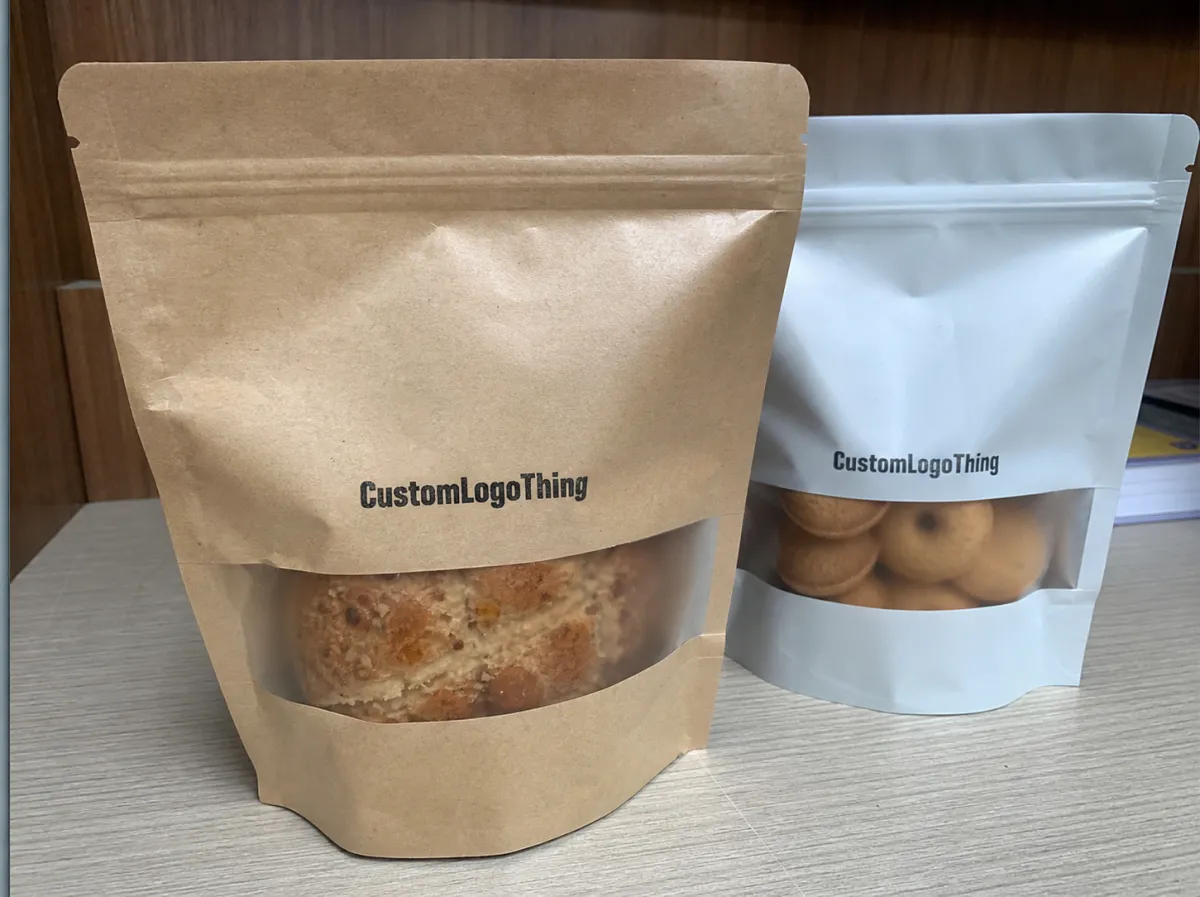
A strong design can still fail if the pouch layout is wrong. On small-format packaging, a few millimeters matter. The zipper track may cut into the top of the graphic, side gussets can distort a logo, and seam allowance can swallow a footer line that looked perfectly centered in the layout file. That is why the book merch Brands Zipper Pouch Bags artwork proof checklist is a control document, not a formality.
From a buyer’s point of view, the checklist is there to catch the things a creative team may not naturally see. It asks practical questions: Is the text inside the safe zone? Does the artwork account for the pouch shape? Is the QR code large enough to scan after print? Are we using the right film thickness and zipper style for the intended use? Those answers save reprints.
It also aligns the people who usually speak different languages. Marketing wants the bag to look polished. Operations wants it to fit the pack-out plan. Finance wants the quote to stay within budget. A shared checklist keeps all three focused on the same approved details.
One useful habit is to align the proof checklist with the quotation request. If the same sheet defines size, print coverage, quantity, and finish, then the quote, proof, and purchase order are all speaking the same language. That is a simple way to avoid surprises later, especially when a project has several stakeholders and one launch date.
“Most proof mistakes are not dramatic. They are usually tiny placement issues that nobody noticed until the bag is sitting flat in front of them.”
How artwork proof approval works for custom zipper pouch bags
The usual sequence is uncomplicated. First, the buyer sends the supplier a spec sheet with the pouch size, material, thickness, zipper type, and use case. Then the artwork is submitted, often as vector-based files with images embedded and colors called out clearly. After that, the supplier sends a digital mockup or production proof for review, revisions are marked, and final approval is given only after everything matches.
Not every proof is equal. A design mockup is often only a visual aid. A factory-ready proof is different. It should show measured dimensions, print area boundaries, bleed, safe zones, zipper placement, and any material or process notes that affect production. That second version is the one to approve.
Good proofing also checks how the art behaves against the actual pouch pattern. On a gusseted bag, the front panel is not the whole story. The graphic can drift when the film folds, and a logo that looked centered on a flat layout may sit too close to the side seal in real use. The proof has to be reviewed against the dieline or mold pattern, not just the design file.
There is a practical reason buyers care so much about measured proofing: a wrong layout can trigger the most expensive outcomes in packaging work, including reprints, delayed launches, chargebacks, and disputes about what was “approved.” Measured approval removes guesswork and gives everyone the same reference.
For teams comparing packaging quality controls across different formats, the Case Studies section on Custom Logo Things is a useful place to see how spec decisions affect the final result.
Key specs that affect artwork, durability, and presentation
The first spec that shapes the artwork is the film or plastic structure. LDPE is common when flexibility and a softer hand feel matter. PP can bring better stiffness and a cleaner presentation. Laminated films can improve barrier performance or surface feel depending on the build. Thickness changes both clarity and rigidity, and that in turn affects how bold the artwork needs to be.
Then there is the pouch construction itself. A flat pouch offers a cleaner canvas than a gusseted pouch, but a gusset gives more capacity for book merch inserts, stationery packs, or bundled promo items. Zipper style matters too: standard press-to-close zippers, slider zippers, and tear-notch closures all affect the top edge and can reduce usable print area if the artwork is not planned around them.
Printing method is another major variable. Flexographic printing works well for longer runs and spot-color setups, while rotogravure can handle detailed repeat work with strong consistency on the right run length. Digital printing is often better for shorter runs or variable graphics, though it still needs clean files and realistic color expectations. None of these methods is magic. Each has limits on line weight, gradations, and very small text.
Finish changes the visual read more than many buyers expect. A glossy pouch tends to increase contrast and make colors pop, while matte or frosted finishes soften the look and can improve readability for some styles of book merch branding. Clear film can showcase the contents, but it also exposes every alignment issue, fingerprint, and text-placement problem, so it calls for a cleaner proof.
Here is a simple comparison that helps buyers think through the tradeoffs before sending art:
| Option | Typical Strength | Common Artwork Consideration | Relative Cost Impact |
|---|---|---|---|
| LDPE clear pouch | Flexible, familiar, cost-effective | Needs strong contrast and safe text placement | Lower to mid |
| PP pouch | Cleaner stiffness and sharper presentation | Print coverage must match material behavior | Mid |
| Laminate film pouch | Better presentation and surface feel | Finish and ink adhesion need confirmation | Mid to higher |
| Frosted pouch | Soft visual effect, premium look | Small text can lose contrast if too light | Mid to higher |
For sustainability-conscious buyers, ask about recycled content claims carefully and confirm any certification language directly. If the supplier references FSC or a similar program, verify the claim against the actual material and paperwork. For reference, FSC information is available at fsc.org.
If the packaging plan includes shipping or storage stress, distribution testing also matters. The ISTA site is a useful reference for transport testing methods that help ensure products survive handling.
Step-by-step process and timeline from artwork to approval
Start with a clean spec sheet. Confirm the bag size, material, thickness, zipper type, closure style, print coverage, and the actual end use. A pouch for loose book merch inserts has different needs than a pouch meant for retail resale or mailer inclusion, so the use case matters as much as the dimensions.
Next comes artwork preparation. Best practice is to build files in the correct format, usually vector-based when possible, with images embedded, fonts outlined or packaged properly, and colors referenced clearly using the system agreed with the supplier. If there are multiple layers, name them logically. A production team should not have to guess which layer is the white underprint, which is the varnish callout, or which elements are decorative only.
Then the first proof arrives. Review it line by line, not just visually. Compare the dimensions to the approved spec sheet, check that the bleed extends correctly, make sure the safe zone protects all important text, and verify that the zipper, seams, and gussets do not interfere with key design elements. This is where the Book Merch Brands Zipper Pouch bags Artwork Proof Checklist earns its place.
Allow time for internal review. Marketing may care about the tone of the copy, operations may care about pack-out dimensions, and finance may care about quantity and unit cost. One person should gather those comments, clean them up, and issue a single response to the supplier. If five different people send five different edit requests, the process stretches out fast.
Typical timing depends on how ready the files are. A print-ready proof cycle can move quickly when the specs are final and the revisions are limited to actual corrections. In practice, if the supplier does not need to redraw the dieline or chase missing file elements, proof approval can often be completed in a few business days. If the art needs rebuilding or the structure changes, expect longer.
- Confirm the spec sheet and intended use.
- Prepare print-ready artwork files.
- Review the first proof against the dieline.
- Mark only true corrections.
- Issue final approval after internal sign-off.
- Save the approved proof as the production reference.
One practical note: the proof should never be treated like a presentation slide. It is a manufacturing document. Review it with that level of seriousness, because that is what the factory will build from once the order is released.
Cost, pricing, and MOQ factors that change the final quote
Pricing for custom zipper pouch bags usually comes down to a small set of variables: bag size, material gauge, print colors, finish, zipper hardware, and order quantity. The more complex the construction, the more the unit price tends to rise. A larger bag uses more film, special finishes add processing steps, and additional print colors can increase setup time and plate or press work.
Minimum order quantity matters a lot. Lower MOQ orders usually carry a higher unit cost because the fixed setup expenses are spread across fewer pieces. That is normal in packaging. Buyers sometimes compare a 1,000-piece quote to a 10,000-piece quote and assume the supplier is simply charging more, but the math is usually tied to setup efficiency, not just markup.
There are real ways to save without weakening the brand presentation. Simplify the color count where possible. Standardize pouch sizes across related book merch kits. Use common film stocks instead of asking for a specialized structure. And avoid unnecessary proof revisions, because every extra round adds labor and time.
Here is a practical pricing comparison to keep in mind:
| Cost Driver | Lower-Cost Choice | Higher-Cost Choice | Why It Changes the Quote |
|---|---|---|---|
| Print colors | 1-2 spot colors | Multiple full-coverage colors | More setup and print complexity |
| Quantity | Lower MOQ | Higher volume | Fixed costs spread over fewer or more units |
| Finish | Standard clear or matte | Specialty texture or premium gloss | Extra processing and material cost |
| Proof changes | One clean revision round | Repeated art rebuilds | More labor and longer schedule |
The hidden cost of poor proofing is often larger than the quote itself. A missed dimension can make stock unusable. A color mistake can mean a reprint. A late content error can trigger rush fees and rescheduling. From a buyer’s side, the cheapest quote is not actually the cheapest if it creates avoidable waste.
When comparing suppliers, use the same spec sheet for every quote request. Otherwise you are not comparing like with like. One vendor may be quoting a thicker film, another may be quoting a different zipper style, and a third may have assumed less print coverage. That is where pricing confusion begins.
Common proofing mistakes that cause delays or print defects
The first classic mistake is approving low-resolution artwork. A logo that looks fine on a laptop may break apart in print if it is not vector-based or if the source image is too small. Fine serif text, thin rules, and tiny icons are usually the first elements to suffer.
The second mistake is ignoring bleed and safe zones. If artwork stops too close to the edge, a small shift in trimming or seal placement can cut it off. On zipper pouches, the top edge is especially unforgiving because zipper tracks and seals already occupy valuable space.
Color assumptions cause another round of trouble. Screen color is not a dependable final reference for film or ink. If brand color accuracy matters, ask for a proof standard or a physical reference when feasible, because a monitor preview alone is not enough to judge final appearance.
Buyers also forget content checks. QR codes, barcodes, legal lines, social handles, web addresses, event details, and book launch copy all need a final read. I have seen clean graphics delayed by a single misplaced character. That is why the book merch brands zipper pouch bags artwork proof checklist should include copy review, not just design review.
And the most expensive mistake of all is changing specs after proof approval. If the size changes, the zipper changes, or the print coverage changes, the supplier may need a new proof cycle. That can push production back and, in some cases, shift delivery dates enough to matter for a launch window.
Expert tips for cleaner approval and smoother production steps
Create a one-page internal checklist before the artwork ever leaves your desk. Include size, finish, material, zipper style, color references, copy text, barcode or QR requirements, and the delivery destination. The goal is to answer the obvious questions early, not after the first proof arrives.
Use one final decision-maker. It sounds simple, but it prevents a lot of circular feedback. If design wants one thing, operations wants another, and finance wants a third, the proof can bounce around until no one feels responsible for the final version. One owner keeps the process moving.
When color really matters, request a physical sample or a reference swatch. Not every job needs that step, but if the packaging has to sit beside a book cover, a branded insert, or other merch with a precise palette, a tangible reference sets expectations better than a screen ever will.
Keep file versions clean. Name them clearly, archive each proof round, and note what changed. “Final_final2” is not version control; it is a headache waiting to happen. A simple naming convention with dates or revision numbers is much easier for everyone on the team to follow.
Treat the proof like a production document. Inspect it with the same discipline you would use on press, on the packing line, or during receiving. That habit separates smooth launches from messy ones. It also makes your book merch brands zipper pouch bags artwork proof checklist more than a formality; it turns it into a real process control.
If you want to compare proof discipline across different packaging programs, it can help to review examples through Case Studies and see how small spec decisions change the final result.
Next steps: how to move from proof review to release
Before you approve anything, gather the final spec sheet, print-ready files, and internal sign-off into one packet. Then compare the proof line by line against the checklist. If a measurement, color callout, or content placement is uncertain, ask for a revised proof rather than hoping it will sort itself out during production.
Confirm quantity, shipping destination, timeline, and a backup contact so the release does not stall later. Once the proof matches the approved details, save it in the project folder as the production reference. That same file should guide receiving inspection and QC when the bags arrive.
That is the cleanest way to protect a packaging budget and a launch schedule. The final approved proof should show that what was designed is what will be made, without hidden surprises in the zipper, the seal, or the print. If you keep the book merch brands zipper pouch bags artwork proof checklist tight, you reduce waste, shorten back-and-forth, and give the project a much better chance of landing right the first time.
What should be on a book merch brands zipper pouch bags artwork proof checklist?
Include bag size, material, thickness, zipper style, print area, bleed, safe zone, and finish. Also confirm logo placement, copy accuracy, barcode or QR readability, and any legal or branding text. Finish with revision notes, approval sign-off, and the exact final file version used for production.
How do I know if my zipper pouch artwork is print-ready?
It should be vector-based when possible, with embedded images and correct color references. Text needs to stay legible at final size, and all critical elements should remain inside the safe zones. A factory proof should clearly show dimensions and print placement before you approve it.
Why does the proof process take longer for custom zipper pouch bags?
Small packaging leaves less room for error, so seams, zippers, and seals must be checked carefully. Color, material, and print method all need confirmation before production starts. When specs are final and revisions are limited, the timeline usually shortens.
What drives the cost of custom zipper pouch bags the most?
Material choice, print complexity, order quantity, and special finishes or zipper types usually drive pricing. More colors and more revisions can increase setup and proofing costs. Higher quantities often reduce unit cost because fixed setup fees are spread across more pieces.
What is the best next step after approving the final proof?
Save the approved proof, final artwork, and spec sheet in one project folder. Confirm quantity, shipping details, and target delivery date with the supplier. Use the approved proof as the reference for incoming inspection and quality control.


