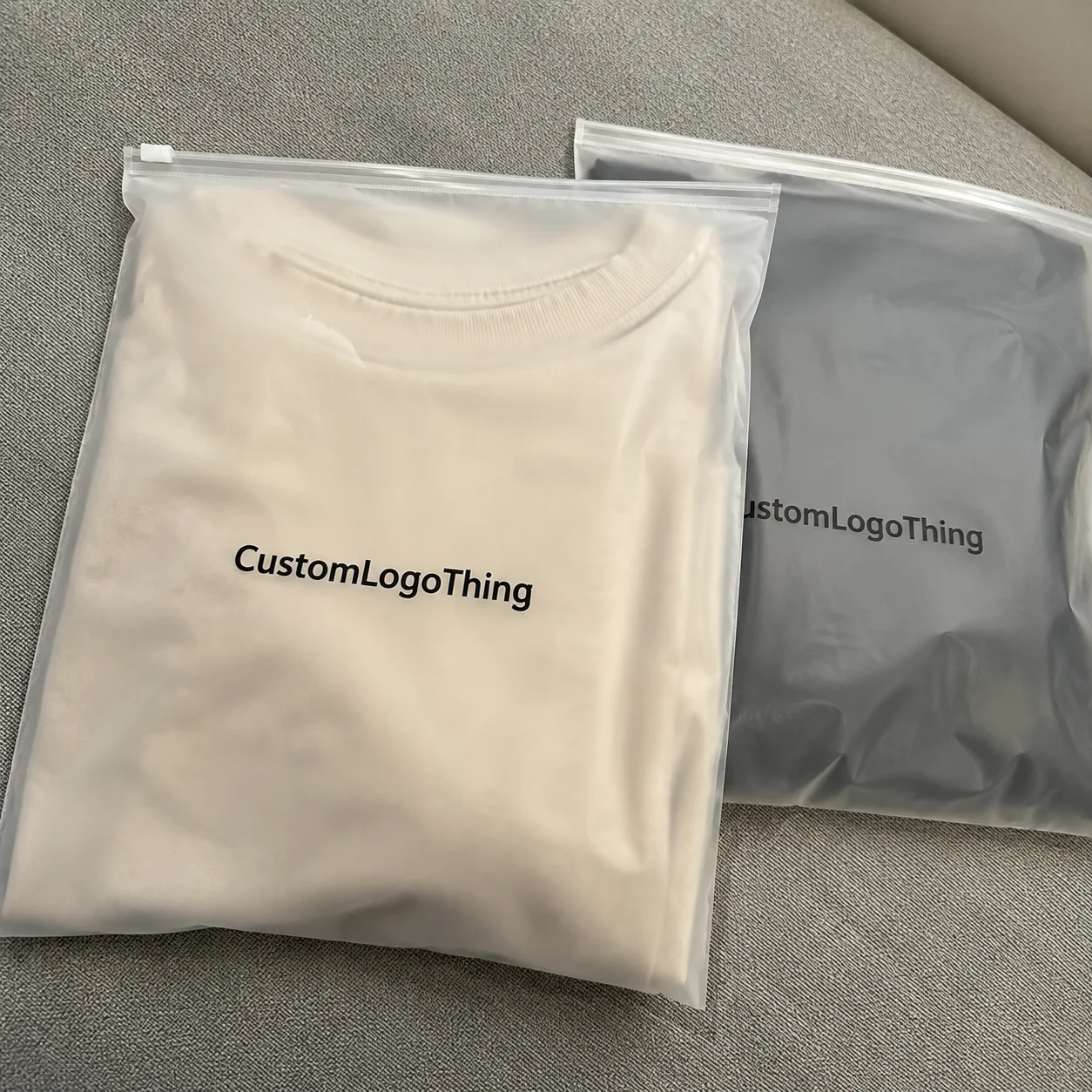
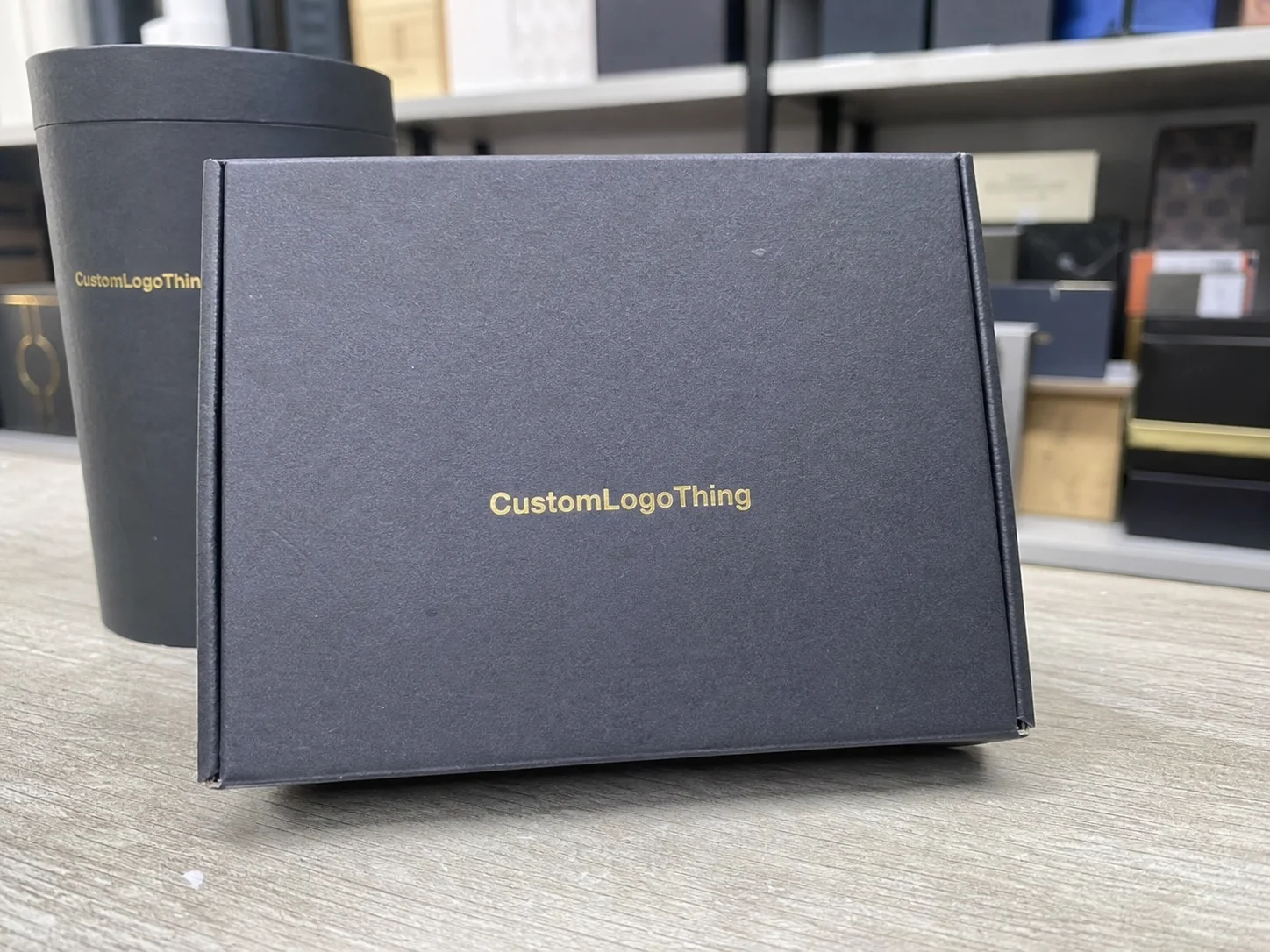
Buyer Fit Snapshot
| Best fit | branded product presentation packaging for packaging buyers who need material clarity, print proof, packing fit, cost control, and repeat-order reliability where brand print, material, artwork control, and repeat-order consistency matter. |
|---|---|
| Quote inputs | Share finished size, material target, print colors, finish, packing count, annual reorder estimate, and delivery region. |
| Proofing check | Approve dieline scale, logo placement, barcode or warning zones, color tolerance, and any recyclable or compostable wording before bulk production. |
| Main risk | Vague material claims, crowded artwork, or missing packing details can create delays even when the unit price looks attractive. |
Fast answer: Branded Product Presentation Packaging: Display, Print, Finish, and Cost should be specified like a repeatable production item. The safest quote includes material, print method, finish, artwork proof, carton packing, and reorder notes in one written spec.
What to confirm before approving the packaging proof
Check the product dimensions against the actual filled item, not only the sales mockup. Ask for tolerance on folds, seals, hang holes, label areas, and retail display edges. If the package carries a logo, QR code, warning copy, or legal claim, reserve that space before decorative graphics fill the panel.
How to compare quotes without losing quality
Compare board or film grade, print process, finish, sampling route, tooling charges, carton quantity, and freight assumptions side by side. A lower quote is only useful if the supplier can repeat the same color, closure quality, and packing count on the next order.
Branded Packaging for Product Presentation Overview
I walked into a Dongguan corrugate line and the supervisor dared me to guess the box cost, then revealed the stunning impact of custom finishes just as the keyword landed on my tongue: branded Packaging for Product presentation. The box arriving from the BOBST folder-gluer had foil-stamped company initials, and he smiled when I admitted I was wrong—it was $0.54 per piece, not the budget-busting $0.85 I feared. That kind of detail changes how retailers think about your name over the shelf edge. Honestly, I think he was secretly betting I’d say $0.9 so he could brag later to the team (and yes, the guy still owes me a coffee for the laugh).
The idea of Branded Packaging for Product presentation stays simple: your packaging becomes the stage that showcases the product instead of hiding it. Retail packaging punches through with graphics, clever structure, and unboxing drama while keeping the SKU safe. Plain corrugate keeps things functional, but a velvet tuck box with a debossed logo, the one that doubled a client’s Instagram shares, transforms a store aisle into a micro influencer backdrop. Customers remember tactile cues for weeks, and the right finish tells a story without a single word. I swear the first time I saw that velvet texture slip into a customer’s hands, their expression went from “meh” to “I need to post this” in under three seconds—graphic design classes don’t teach that kind of instant reaction.
The psychology backs this up. A Nielsen study I watched during a visit to Heidelberg’s experience center showed people assign up to 23% more perceived value when a package layers finishes and adds an unexpected closure. That’s why I still push for a sensory moment—matte lamination paired with spot gloss, or a soft-touch wrap that doesn’t peel when tossed in a tote (and if someone asks for gloss on gloss, I remind them that too much shine makes people squint). One brand switched from shrink-wrapped trays to magnetic closure rigid boxes and saw the unboxing videos spike. It isn’t magic; it’s science plus a damn good tactile experience.
How Branded Packaging for Product Presentation Works
The workflow starts with a concept sketch and ends with a pallet of labeled cartons ready for fulfillment. Think of it as five movements: concept, dieline, sample, production, and fulfillment. Concept sketches usually take two to three days, depending on how fast a designer can iterate through structure options, though I still remember a week where everyone kept changing the flap because a founder “saw something on TikTok” at midnight. Once the dieline is locked, I allocate five to seven business days for prepress—Caldera RIP checks, trapping adjustments, and color-proof passes with Pantone chips.
On the third day the engineering team in Shenzhen brings the die board to me. I check keylines against the product spec (170mm x 120mm x 45mm for a compact beauty kit this past quarter) and tweak glue flaps to match the adhesive vendor’s recommendations. Press proofs on the Heidelberg and BOBST machines are my obsession. I insist on at least two vacation press sheets before release—those sheets reveal how the foil reacts under the UV varnish and whether the embossing cleanly breaks the paper fibers. Nothing replaces that tactile verification (and if you think a PDF can show an embossing bruise, you haven’t felt misery yet).
After approval, most runs take two to three weeks for print and assembly if you order 10,000 pieces, depending on board availability. Assembly usually needs three to four days on the folder-gluer line with four operators. For fulfillment, I schedule three to five days for quality checks, boxing, and consolidation for shipping lanes. Rugged retail packaging requires a drop test (ISTA 3A) before the green light; luxe runs finish with a manual inspection of every eighth unit because the finishes are delicate. I’ve spent entire Saturdays re-slating timelines because our freight partner double-booked a container—just another day in paradise.
Shared project trackers keep everyone honest. I use a Monday.com board with columns for “Art Submitted,” “Prepress Done,” “Press Proofed,” “Production Start,” and “Ready to Ship.” When clients log into it, they see real-time status along with the exact dates each milestone clears. No surprises, just transparency. It’s the sort of accountability I wish more CFOs enforced because nothing says “brand launch panic” like a missed press slot.
Key Factors Shaping Branded Packaging for Product Presentation
Substrate, print method, finishing, and structure are the decisive levers. For a display-ready box I recently specified 350gsm C1S artboard with soft-touch lamination and a UV spot on the logo. That substrate costs about $115 per sheet, which translates to $0.45 per unit on an offset run of 10,000 pieces. For short runs—even 1,500 units—I default to digital with a hybrid engine, which bumped the per-unit cost to $0.72 when we stack foil. Knowing that, I can justify the extra spend to a founder and help them allocate dollars where shoppers actually feel it (because let’s be real, no investor wants to fund “premium packaging” that feels like a 2005 brochure).
The choice between offset and digital matters. Offset wins at volume because it provides color consistency and lower unit costs. Digital is faster and better for variable data. While negotiating with a foil vendor in Ningbo, I pressed them on why the premium was $0.12 per unit. They finally admitted the operator was running a manual pull because their auto feeder was down. I asked for an automated run and saved the client $0.05 per piece while still hitting the same shine. Those little conversations with Heidelberg or BOBST operators, who know the machine quirks, keep quality up without bloating invoices. Sometimes I feel like a therapist for these machines—they’re moody but honest.
Finishing choices move the needle more than most creators realize. Soft-touch lamination adds $0.08 per unit, while gold foil and embossing together make a $0.15 jump. In my experience, a lot of brands stop after choosing a substrate. Instead, I pull the litho-lam coater aside during factory walks and unpack the volume breakout sheet. If laminating 2,000 sheets, I ask the finishing lead how much adhesive is on each square meter; the answer lets me keep lamination below $0.18 per sheet by altering the adhesive mix. That’s how you get elevated package branding without blowing budgets. Also, don’t forget to consult the finishing team before you commit to “matte but shiny” effects—yes, that’s a contradiction, and no, the sample doesn’t lie.
Structure is the foundation. We recently designed a two-piece rigid setup with internal partitions for a skincare launch. The rigid set-up, die number 6007, added $0.11 per unit but allowed a luxe sensory reveal. For rugged products, I lean on e-flute corrugate with an ECT 32 rating and kraft liners. Always match the structure to the product environment, even if the product team insists “this one’s just for Instagram unboxing.”
Step-by-Step Guide to Designing Branded Packaging for Product Presentation
I start by auditing the brand story and product specs. Every team gets a one-pager that includes product dimensions (length, width, height), fragility (will it break on impact?), weight, and channel (retail shelf or direct ship). After a client workshop in Guangzhou, we discovered the actual product was 2mm thicker than stated, which meant rewinding the dieline. I remember when that discovery happened mid-call; the client sighed and said, “This is why we need you.” That’s why the spec doc is the first item I request during kickoff calls.
The next move is collaborating with a packaging engineer. We take the spec, select an appropriate structure, and assess material options. I sit with the art director and a couple of sample sheets—real ones, not PDFs. The dieline for soft-touch tucks gets traced on a table to confirm glue placement and fold accuracy using a tool like ArtiosCAD or Esko’s Studio. We also check structure samples from our Custom Packaging Products to ensure compatibility with inserts or trays. Honestly, watching those samples hit the table is the best part of the day—it’s when drawings become three-dimensional promises.
After that, I share graphics files per the printer’s bleed and color requirements. Printers typically demand 3mm bleed, CMYK + Pantone references for foil, and 300 dpi vector files. I send layered PDFs to the factory in Dongguan, and we preview the layout on a calibrated monitor together with the prepress team. Once the die cut proof is approved, I request physical prototypes before bulk orders, because PDFs lie about embossing depth and glue squeeze (and if you’ve ever watched a client panic over a warped embodiment, you know why).
Next, I run a small pilot and inspect it personally or through QC. The first 100 units go through my hands or to a trusted QC company in Shenzhen. Once I confirm color consistency, glue adhesion, and structure integrity, I greenlight the full run with packing instructions tied to the fulfillment center. I provide notes like “Ship 60 units per master carton with dividers between layers to prevent scuffs,” ensuring nothing gets lost in translation. Case Studies help too—they show clients what a successful rollout looks like, and yes, sometimes I throw in the one I’m still bragging about to prove this process works.
Common Mistakes with Branded Packaging for Product Presentation
Skipping the physical proof is my top complaint. I once had a client rely solely on a PDF, and during the press proof we discovered the matte lamination cracked at the spine because the folder-gluer was set too tight. With no physical proof, that flaw would have made it into the final run. Feeling a sheet under fluorescent factory lights reveals the problem before the whole pallet ships out. Every time I remind clients, they nod and then schedule the proof session. I swear, if I had a dollar for every “We’ll just trust the PDF,” I could buy the entire press line.
Lead time is another stumbling block. A startup once planned the launch event for the third week of a quarter but only started production two weeks prior. When a supplier in Foshan told them the digital press needed maintenance, the job was delayed and rushed through without the usual quality checks. The boxes arrived with offset ghosting, and we had to hold them back. Always add buffer days (minimum five) for press maintenance or freight issues. I write those buffer requirements directly into the project timeline so they don’t get ignored. No one likes hearing “We didn’t plan for downtime” when the press is louder than a rock concert.
Cost transparency is underrated. Many clients accept a lump-sum cost and never ask for a breakdown. When I show the $0.45 per unit offset cost, they think that’s all they pay. But hidden charges for paper handling, lamination, and freight can leap $0.10 per piece. I coach teams to ask for a detailed quote citing materials, finishing, labor, and freight. That’s the only way to avoid surprises and keep the branded packaging for product presentation effort profitable. Seriously, I have the spreadsheets to prove it and the guilt-free look when a founder thumbs through them.
Expert Tips from the Factory Floor
Negotiations are where savings hide. During a recent run, asking about tolerance, adhesive type, and shipping method unlocked a 9% savings. I knew the folder-gluer was using a 16 gsm hotmelt that underperformed in cold weather, so I requested a 24 gsm tacky adhesive. The supplier agreed after I promised to buy the bulk glue they had in storage. That move kept the structure intact during multiple drop tests. Honestly, those conversations feel like speed dating with machines—they’re brief, intense, and usually end with a handshake (or a grease-smudged fist bump).
Every brief should include exact product dimensions, environmental claims, desired unboxing energy, and references to brands that execute it well. Our factory partners respond better when you say, “Think of a Tesla accessory unboxing with velvet lines,” rather than “Make it premium.” The more context, the better. I always pack a sample board into the brief—boards we reviewed in real-time or picked up during factory visits. I remember handing one to a supplier who gave me a skeptical look, then spent five minutes comparing the feel to our spec. That’s the moment they go from “just another job” to “I’m in.”
I still monitor quality personally. I visit the press when the job hits the Heidelberg or BOBST line—smelling the inks, verifying the registration marks, and checking each pack via a checklist. That checklist includes checks on adhesive strength, color uniformity, finish sheen, and packaging weight. If something fails, we hold the line. Trust me, the smell of solvent ink hitting a moist board is unmistakable (and the operators can tell when you’re about to enforce a reprint just by your sigh).
Next Steps for Your Branded Packaging for Product Presentation
Pull your SKU specs, target retail look, and regulatory constraints into a single document. Include details such as the product’s GWP goal, whether it needs FSC-certified paper, and what channels will carry it. That clarity prevents rework. I even keep a folder with the stupid questions, because the ones we ask early save the panic emails later.
Schedule a consult with your packaging partner. Send them the specs, highlight the finishing you care about (for example, “I need soft-touch on the exterior and a vellum liner”), and request a sample timeline with shipping costs. That way, you’re not chasing dates in your inbox while the printer is prepping plates. Honestly, a good partner should respond faster than a press room warning light.
Line up a quality control checkpoint. Inspect the first 100 units before the full run ships—either in-house or through a third party. This checkpoint should confirm all finishing details, structure integrity, and packaging branding consistency with your product story. I always joke that if the first 100 units look like they survived a fight, we probably need to rethink the structure—but in reality, that checkpoint saves the whole run.
Before you move on, remember that branded Packaging for Product presentation isn’t just about looks—it’s about telling your story, protecting the product, and controlling the moment when a customer finally opens it. In every factory, from Shenzhen to Dongguan, I’ve seen the difference between forgetting these steps and nailing them. Do the homework now, and your launch will feel as deliberate as the packaging on the shelf.
FAQs
How much should I budget for branded packaging for product presentation?
Budget per-unit ranges from $0.45 for standard offset boxes with soft-touch lamination to $0.72 for short-run digital jobs with foil accents. The price depends on substrate, finishing, and order volume; always ask for a detailed quote listing paper, coatings, labor, and freight.
What timeline does branded packaging for product presentation usually follow?
Typical flow is 5-7 business days for design and approval, followed by 2-3 weeks for printing, finishing, and assembly, plus another 3-5 days for quality checks and consolidation before shipping.
Can branded packaging for product presentation help with sustainability goals?
Yes. Choose FSC-certified board, water-based varnish, and minimal plastic inserts to lower your footprint while keeping the presentation high-end. Discuss recycled content and post-consumer waste percentages with your supplier.
Do I need a physical prototype for branded packaging for product presentation?
Absolutely. Physical prototypes reveal glue patterns, embossing depths, and finish reactions that PDFs hide. Every project I oversee includes at least one rigid or corrugated proof before full production.
What’s the biggest mistake businesses make with branded packaging for product presentation?
Skipping cost transparency and assuming digital proofs guarantee real-world performance. I once watched a brushed stock peel under retail lights because no one asked about adhesive strength; asking for a price breakdown and verifying samples would have prevented that.