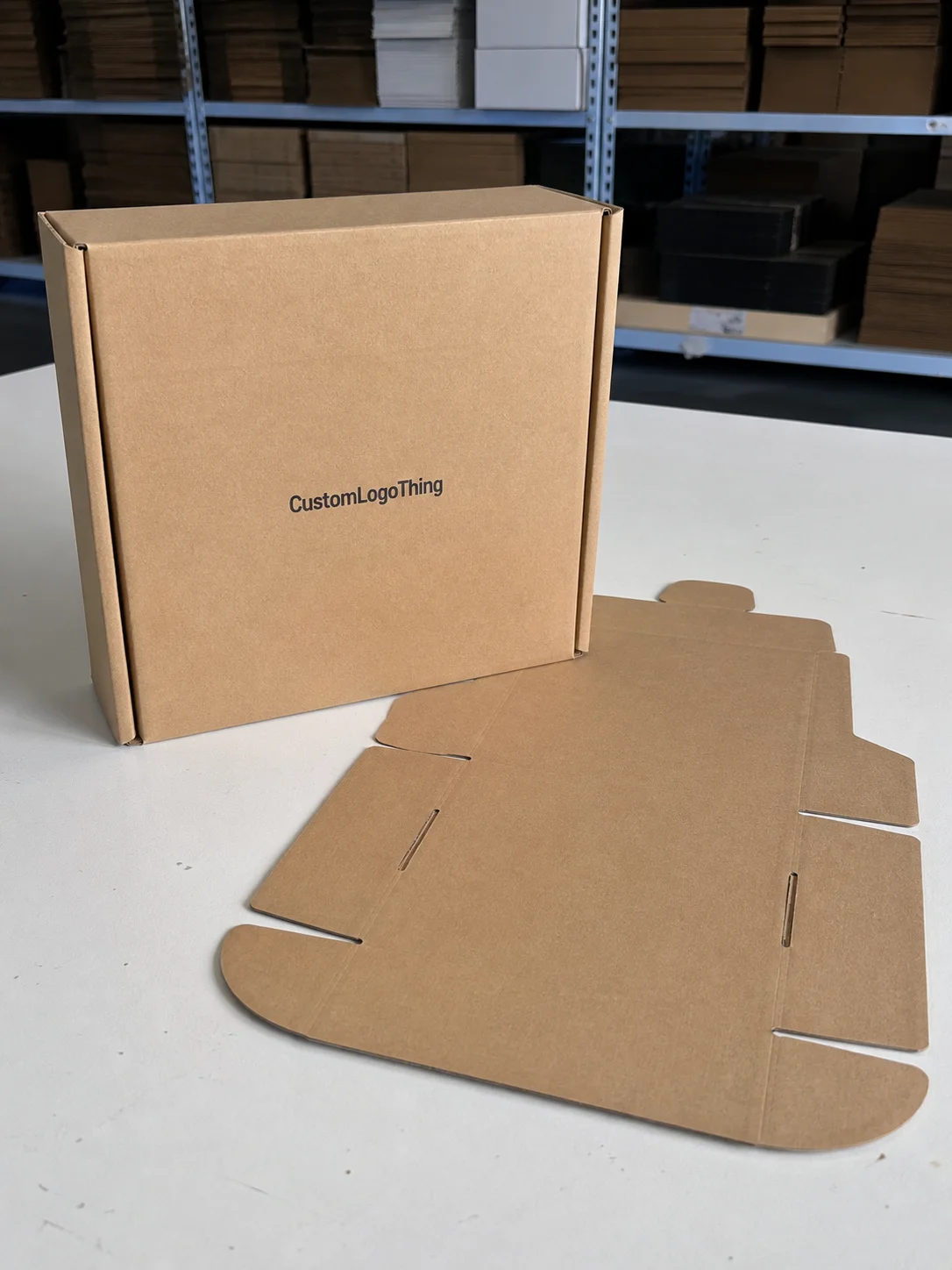
Buyer Fit Snapshot
| Best fit | Branded Packaging Supplier projects where brand print, material claims, artwork control, MOQ, and repeat-order consistency need to be specified before quoting. |
|---|---|
| Quote inputs | Share finished size, material target, print colors, finish, packing count, annual reorder estimate, ship-to region, and any compliance wording. |
| Proofing check | Approve dieline scale, logo placement, barcode or warning zones, color tolerance, closure strength, and carton packing before bulk production. |
| Main risk | Vague material claims, crowded artwork, missing packing details, or unclear freight terms can make a low unit price expensive after revisions. |
Fast answer: Branded Packaging Supplier: Material, Print, Proofing, and Reorder Risk should be specified like a repeatable production item. The safest quote records material, print method, finish, artwork proof, packing count, and reorder notes in one written spec.
Production checks before approval
Compare the actual filled-product size with the drawing, then confirm tolerance on folds, seals, hang holes, label areas, and retail display edges. Reserve space for logos, QR codes, warning copy, and material claims before decorative graphics fill the panel.
Quote comparison points
Review material grade, print process, finish, sampling route, tooling charges, carton quantity, and freight assumptions side by side. A quote is only useful when the supplier can repeat the same color, closure quality, and packing count on the next order.
That midnight run to Custom Logo Things’ Riverbend facility in Memphis, Tennessee, taught me something I still repeat at every kick-off: a single dieline adjustment on a 12-panel mailer printed between 11:45 p.m. and 3:15 a.m. can save a brand $7,200 in wasted board and scrap, and that surprise landing directly inspired this Branded Packaging Supplier guide. It was an uncanny moment when the hum of the Heidelberg XL 106 became my metronome and the pressroom light turned the stacks of 350gsm C1S into a glowing mosaic of prospective packaging futures.
Leaning into that glow, I realized the precise wording in a quote—down to noting the run will require 0.25mm registration—determines whether a marketing team leaves with shared pride or a stack of complaints. Partnership starts to feel like an extension of your brand when the supplier is already thinking ahead about how to encode your palette into that board with an aqueous coating that resists scuffs from the Riverbend retail-shelf trials.
I remember when the night crew at Riverbend’s Memphis floor joked that I was the only person who could coax the XL 106 into 0.25mm registration without threatening to throw the ink key across the room—yes, I still talk to it like a cranky cat (and, yes, it knows I mean business). Those first lessons live in every planning call and every mention of this branded packaging supplier guide, because nothing beats seeing how a quoted Pantone 188 C recipe actually behaves once the press warms up to 270°F and the dampening system stabilizes at 12.5° Baumé.
Branded Packaging Supplier Guide: Why the Right Partner Matters
During a second-shift review at Riverbend, just before we shipped a run of 5,400 Rigid Gift Boxes with soft-touch lamination, the client asked about a structural tweak to align with their unboxing story. I pulled the art director into the corrugated CAD room, and together we adjusted a corner radius from 6.4mm to 7.0mm, keeping the lid’s snap consistent even when the boxes were stacked three high on a holiday pop-up shelf in downtown Nashville. That moment became education: a branded packaging supplier guide is not only about printing; it is about interpreting a brand’s tone through board, foil, and assembly precision.
At Riverbend, the definition of a branded packaging supplier includes managing substrates like FBB from the Georgia-Pacific mill, 1,200lb rigid board, and aqueous-coated litho while keeping the conversation warm and specific. When I walk clients through the pressroom, I explain the Heidelberg sheetfed’s need for 0.25mm registration accuracy with metallic inks and how the Bobst die cutter’s kiss-cut depth—set to 0.6mm on the Glenwood translucent window runs—is calibrated to avoid board tear. Those capabilities turn the supplier into an extension of your team, translating brand narratives into tactile finishes and precision cuts while posting humidity readings (45% RH from the Glenwood hygrometer) in the prepress office to keep curls in check.
Most brands underestimate the degree to which their packaging supplier shapes customer perception. From selecting cold foil sourced from Kurz’s Miami foil hub to layering soft-touch lamination and choosing a hybrid litho-lamination process in the Tulsa finishing cell, the supplier becomes a storyteller in their own right. When your partner walks the floor with you, asks about product weight (like the 1.2-pound serum bottle), retail-display dimensions (the 16-inch by 8-inch floor stack), and required shelf life (18 months in a refrigerated environment), trust starts building in real time. This level of collaboration backed by intense familiarity with material specs and finishing trends is at the heart of this branded packaging supplier guide.
Honestly, I think those shared floor walks are the secret ingredient. You get to see the Bobst operator frown at your structural request (which, yes, might be ambitious) and then hear the reasoning—not the canned response—from the operator who just logged Tooling Log #23-456 with two consecutive 0.2mm tolerance hits. That’s the kind of transparency that lets brands say, “We know how long the punch will take and what the trickiest tolerances are,” before the punchlist explodes.
Understanding the Process and Timeline with Your Supplier
Starting from the first concept call, the workflow at Riverbend follows a familiar rhythm: concept review, structural design, sampling, and production. The initial call gathers your Chicago brand team, our packaging advisor, and the structural engineer in the corrugated CAD room so everyone hears the same goals for archival-quality prints or pop-up displays. After that, prepress art is reviewed against 3mm bleed requirements, and a structural prototype is drafted to test the fit in the die-making shop, which typically schedules the first run one week after the call.
Next up is sampling, usually on the Bobst die cutter with a single running tool. We allocate 12 hours of machine time to create the first physical sample, adjusting per your feedback about locking corners or hinge tension. When sampling is approved—typically within five business days—we move to the Heidelberg XL 106 for short-run sheetfed production, giving the operator time to dial in ink densities that match your package branding. Lead times shift depending on the queue: Riverbend schedules run slots usually 10-14 business days out, but high-demand processes like foil stamping add 4-6 business days for the Kluge unit, as that line handles 250 foil applications a month.
Communication stays crucial while work proceeds. At Custom Logo Things, our project managers host weekly status calls, send annotated digital proofs from the pressroom, and even do on-site visits with clients who want to see stress testing in person. A week-long visit from a luxury skincare brand still stands out; we walked the floor twice daily to review grommet finishing and spot UV coverage while the QA manager documented ISTA 3A drop test results (24 inches, 10 cycles). Transparency—viewing proofs together, hearing the QA lead explain ISTA drop test data, and watching the glue line inspection at our Glenwood facility—keeps surprises down and confidence high in the timeline. Following this branded packaging supplier guide means no one is guessing where a project stands.
And yes, the timeline always has wiggle room for the unexpected. I’ve had nights I’d rather forget when the press threw a temper tantrum and we had to shim the plates, redo the wash-up, and still hit the 8:00 a.m. check-in with the client. That level of stress made it crystal clear why this guide insists on weekly check-ins—otherwise, you are blind to whether the pressroom is humming or just waiting for parts.
Key Factors When Choosing a Branded Packaging Supplier
Matched capabilities Matter More Than price. You might want metallic gradients, cold foil accents, soft-touch lamination, or hybrid litho-lamination, and the right supplier must have the equipment, stocked substrates, and operators to deliver. I’ve stood in front of a cold foil station where we switched from 250 gsm artboard to 400 gsm rigid board within the same shift just to match a retail packaging requirement, and that agility stems from anticipating demand. Ask whether their shop can handle the board weight, keep spare dies for quick swaps, and possess patterned-foil cylinders to keep your product packaging consistent.
Documentation forms another cornerstone. Does your supplier maintain FSC chain of custody documentation for recycled cartons? At our Glenwood facility, every batch of paper arrives with a certificate tracing back to the mill, and our GMI compliance binder includes a log of supplier audits and corrective actions. Quality-control protocols must reference specific ASTM standards for bond strength and ISTA test procedures for shipping. When I tour new clients through the quality lab, I point to the fold profiler that checks every crease for 0.2mm tolerance—rigorous data because customers expect perfection.
Cultural fit completes the triangle. A partner should respond quickly, stay technical when necessary, and invite you to walk the floor. I remember a brand manager in Dallas who wanted to understand die tolerances; our Tulsa rep brought him to the GSE inspection area to see how operators measure corner radii and inspect glue lines every 30 minutes. That willingness to explain bleeds, tolerances, and finishing direction builds real relationships, the kind this branded packaging supplier guide is meant to help you identify.
Also, I always tell folks that a bored supplier partner might deliver on paper but not in spirit. If they treat your call like a checkbox and won’t answer questions about humidity charts (tickers showing 42-48% on the prepress wall) or foil pressure, you’re better off with someone who is genuinely curious. Building a brand experience takes subtle, obsessive care—so if they balk at sharing their tooling wear log (Tooling Log #24 shows die life at 50,000 impressions), I start to worry.
Breaking Down Cost and Pricing Expectations
Cost engineers at Custom Logo Things know that run length, die complexity, finishing choices, and carton strength drive price. I’ve sat through 45-minute pricing sessions where we walk through each component: the $1,950 die on the Bobst, the $0.18/unit substrate for 5,000 pieces of kraft litho, and the $600 per hour foil station. When spend is balanced with ROI, we always note that cold foil adds $0.12 more per unit but elevates perception enough for retail partners to reward better placement. Transparency means showing you the exact $200 per 1,000 square feet of soft-touch lamination film instead of hiding behind averages.
Comparing quotes demands more than glancing at the per-piece number. Look beyond to tooling amortization, freight allowances, and possible rush charges. A quote might say $0.95 per custom printed box yet include a $575 die setup and a $220 rush fee for expedited shipping. I tell clients to ask, “What happens if the press needs an extra hour?” so they know the hourly overtime rate. Freight allowances should be clearly listed, especially with bonded warehouses; a $125 pallet drop fee can sneak in if it is not specified.
Negotiating value feels like a delicate art. Bundle multiple SKUs to share dies, lock raw material pricing during stable commodity windows, and ask for batch production slots that align with your launch. Once, a regional bakery in Kansas City shared four box sizes; we grouped them on a single run, adding a changeover cost of $150 but saving $0.22 per box overall. That strategy, highlighted in this branded packaging supplier guide, gives purchasing teams leverage without sacrificing finish quality.
Honestly, I think the pricing sessions are where trust either blossoms or withers. I have seen clients’ eyes glaze when a cost sheet is full of abbreviations, so I lay it out in simple steps—“here’s your amortized die, here’s your lamination film, here’s the shipping estimate.” No one needs surprise invoices in their inbox, especially after they’ve already gone to market with the wrong finish because nobody called that extra $220 rush charge out loud.
Step-by-Step Guide to Vetting a Branded Packaging Supplier
Step 1 is clarification. Capture dimensions, print specifications, structural requirements, and compliance clauses before calling a supplier. I carry a spec sheet listing product weight, stacking height, color palette with Pantone references, and necessary compliance language (FSC logos, product safety icons). Sharing that sheet ensures no guessing, allowing the supplier to quote accurately and plan for approvals.
Step 2 means requesting capability documents, samples, and a tour. Ask for their press capabilities, substrates, finishing machines, and QC stations. At Riverbend, we send capability sheets detailing what the Heidelberg sheetfed can do—handling up to 450 gsm with 4-color process plus white ink—and provide samples showing embossing, soft-touch, and window patching. If an in-person tour is not possible, a virtual walkthrough covering press sheets, finishing machines, and the inspection bench is a solid substitute.
Step 3 calls for piloting a short run or prototype. Run 200-500 units, measure adhesion strength, inspect edge quality, and watch how the boxes stack. Review inspection reports carefully, ensuring they include humidity readings, die-cut tolerances (±0.15mm), and gloss coverage measurements. That level of documentation is why this branded packaging supplier guide focuses on pilots: they reveal how well a supplier maintains quality before scaling production.
I also remind teams not to skip the question “What happens if a prototype fails?” I’ve seen people gloss over it, assuming the supplier will just fix the board. But the reality is, a failed pilot reroute can cost a whole week and a stressed out launch team. So, keep that contingency chat on the table—no one wants to call the client and say, “Yeah, we’re back to square one.”
Common Mistakes in Working with Branded Packaging Suppliers
Renegotiating after tooling is set causes delays, especially when adjustments reenter the die shop. I have seen clients request a 2mm tab extension after the die is cut; we had to schedule the Bobst machine again, adding five days and $320 to the bill. Catching these issues early, as this branded packaging supplier guide stresses, is critical.
Skipping the production readback leads to misunderstandings about lamination direction or varnish coverage creeping into final boxes. Our best partners require a digital press proof and verbal confirmation of varnish orientation before running sheets, so there is no surprise on launch day. An ecommerce client once failed to confirm lamination direction; the boxes shipped shiny side up when the product team wanted matte, and we had to reprint 1,200 units.
Finally, relying on the lowest cost without robust QA documentation or contingency plans is risky. Ask about their reprint policy, how rush orders are triaged, and whether spare dies are ready for sudden demand. Those elements matter more than a few cents saved per unit, especially when retail deadlines loom in Los Angeles or Miami. Trust this branded packaging supplier guide: your launch depends on reliability, not just the quote number.
Frustratingly, some teams wait until the proofs are approved to ask about reprint timelines—then they act surprised when a reprint means reracking the press week-long. So, consider this your friendly shove: make the big questions part of the first call, not the panic call after the box has already shipped.
Expert Tips from the Factory Floor
Spend time with the prepress lead to understand how separations, trapping, and color profiles influence the final output. I still sit through those sessions, adjusting trapping values from 0.1mm to 0.2mm when metallic ink is involved, and clients appreciate the deeper understanding when they see the press sheet. That perspective is why this branded packaging supplier guide highlights not just the board but how the separations translate to vibrant Branded Packaging on retail shelving.
Collect digital proofs and inspection photos. At Glenwood, the team annotates press tickets with humidity readings and adhesive cure times for die-cut accuracy. Those photos make the QA process tangible, allowing clients to see how each run adheres to spec. We note data like “Humidity 46%, die cut tolerance ±0.12mm,” creating a narrative that keeps everyone aligned.
Plan for storage as well. Long lead times or seasonal surges require coordinated bonded warehouse solutions; Custom Logo Things partners with local warehouses in Atlanta and Chicago so custom printed boxes arrive undamaged and ready to ship. This branded packaging supplier guide always recommends confirming storage and logistics partners upfront because you do not want a crushed shipment sitting in a lot two weeks before launch.
One bit of humor that still comes to mind: I once watched a logistics partner stack pallets with the finesse of a toddler. Thankfully, our crate inspections caught it before the boxes became a Leaning Tower of Pisa. That’s the kind of reality check that keeps me pushing for those inspection photos and annotated proofs in every run.
Actionable Next Steps to Secure Your Branded Packaging Supplier
Assemble your spec sheet with dimensions, print intent, and structural requirements, then schedule a call with a packaging advisor to map that spec onto available capabilities.
During that call, request a timeline tied to your launch window, including prepress approvals, plate making, and QA staging. Request the next available production slot, since the Riverbend floor fills quickly around the foil stamping line.
Compare at least three suppliers on capability and cost breakdown. Some will quote a low $0.65 per unit but omit tooling amortization or rush charges; others will explain how bundling SKUs or sharing dies reduces spend to $0.58 per piece. Use the understanding captured in this branded packaging supplier guide to evaluate not just price but how each supplier Tells Your Brand narrative through material selection and finishing.
Lock in the first production slot by submitting artwork files early, approving samples promptly, and confirming logistics partners. I always remind teams to upload 300 dpi files, flattened for CMYK plus spot or metallic inks, and share them through our portal before the milestone chart hits “art approved.” This allows the supplier to confirm tooling, secure materials like 16-pt rigid board with matte aqueous, and plan distribution to keep your launch on schedule.
And if you are tempted to wait until the night before to send the art files, take it from me: you are gonna rain on someone’s parade. Send the files early, send the files often, and then send them one more time just to be polite (yes, even the production manager appreciates it).
What should a branded packaging supplier guide cover before you pick a partner?
Before you hand over a purchase order, the question people ask me is whether the branded packaging supplier guide they are referencing maps every nuance of a packaging procurement strategy. It should call out who is responsible for compliance sign-offs, detail machine capabilities with gsm ranges, and highlight how proofing rounds will confirm metallic prints before plates are made. That level of specificity keeps the conversation aligned across purchasing, marketing, and engineering.
A strong guide also clarifies how a custom packaging partner will collaborate on logistics and storage, especially when seasonal surges require bonded warehouses or cross-docking. Include the expectations for Sustainable Packaging Solutions when those come into play—whether that means FSC-certified stock, water-based varnishes, or reusable shipping trays—so those decisions are not tacked on later. When everyone sees that roadmap, the supplier becomes an active member of your team rather than a reactive vendor.
Final Thoughts for the Branded Packaging Supplier Guide
Every project reinforces that clarity, communication, and commitment distinguish great partners from adequate ones, and this branded packaging supplier guide captures that journey. Assemble your team, revisit your packaging design, and let the guide anchor conversations so you are asking about tooling costs, QA reporting, and warehouse coordination before deadlines arrive. When you need concrete examples, our Custom Packaging Products page shows the materials we work with, while the Case Studies section highlights how other brands navigate similar decisions. Keep the dialog open, bring the supplier into your story, and let the guide steer you toward retail packaging that feels intentional and powerful.
Honestly, I still get a little thrill when a new brand tells me they read this branded packaging supplier guide and brought those insights into their kickoff call. It means we did more than pass along specs—we sparked a partnership that sees packaging not as an afterthought but as a moment that can make someone's day (or at least look fantastic on the shelf while doing it). I can’t promise every factory plays by the same rulebook—supply-chain hiccups happen—but if you follow these steps, you’ll spot red flags early and keep your launch on pace.
FAQs
How do I vet a branded packaging supplier for my product line?
Ask for capability sheets, factory tour access, sample libraries, and references from nearby brands. Review QC reports, sustainability certifications, and their ability to hit your structural and finish requirements. Validate their communication style—timely, technical, and transparent about timelines.
What should be included in a branded packaging supplier guide for pricing?
Break down costs: tooling amortization, substrates, print runs, finishing, and logistics. Highlight how run length influences per-unit spend and where savings can be found by sharing dies or standard sizes. Discuss escalation clauses for material surges and how to negotiate bundled SKUs.
How long does working with a branded packaging supplier typically take?
Prototype phases take 2-3 weeks depending on tooling and approvals; full production adds another 3-5 weeks. Timeline depends on current press load, finishing availability, and how quickly you sign off proofs. A reliable supplier will share a milestone chart covering artwork review, prepress, production, and shipping.
What are red flags when choosing a branded packaging supplier?
Vague answers about lead time, no photos of their production floor, or missing quality certifications. Lack of detailed costing or refusal to show sample reports and tooling plans. Poor response time and reluctance to explain how they handle reprints or rush orders.
How can I use this branded packaging supplier guide to improve my packaging program?
Use the guide to align internal teams on specs before engaging suppliers. Follow the step-by-step vetting process and check off common mistakes to avoid. Apply expert tips on communication, tooling, and storage to keep launches smooth.
For reference on industry standards, review ISTA’s shock testing protocols and FSC chain of custody requirements—these help contextualize the documentation suppliers should provide.