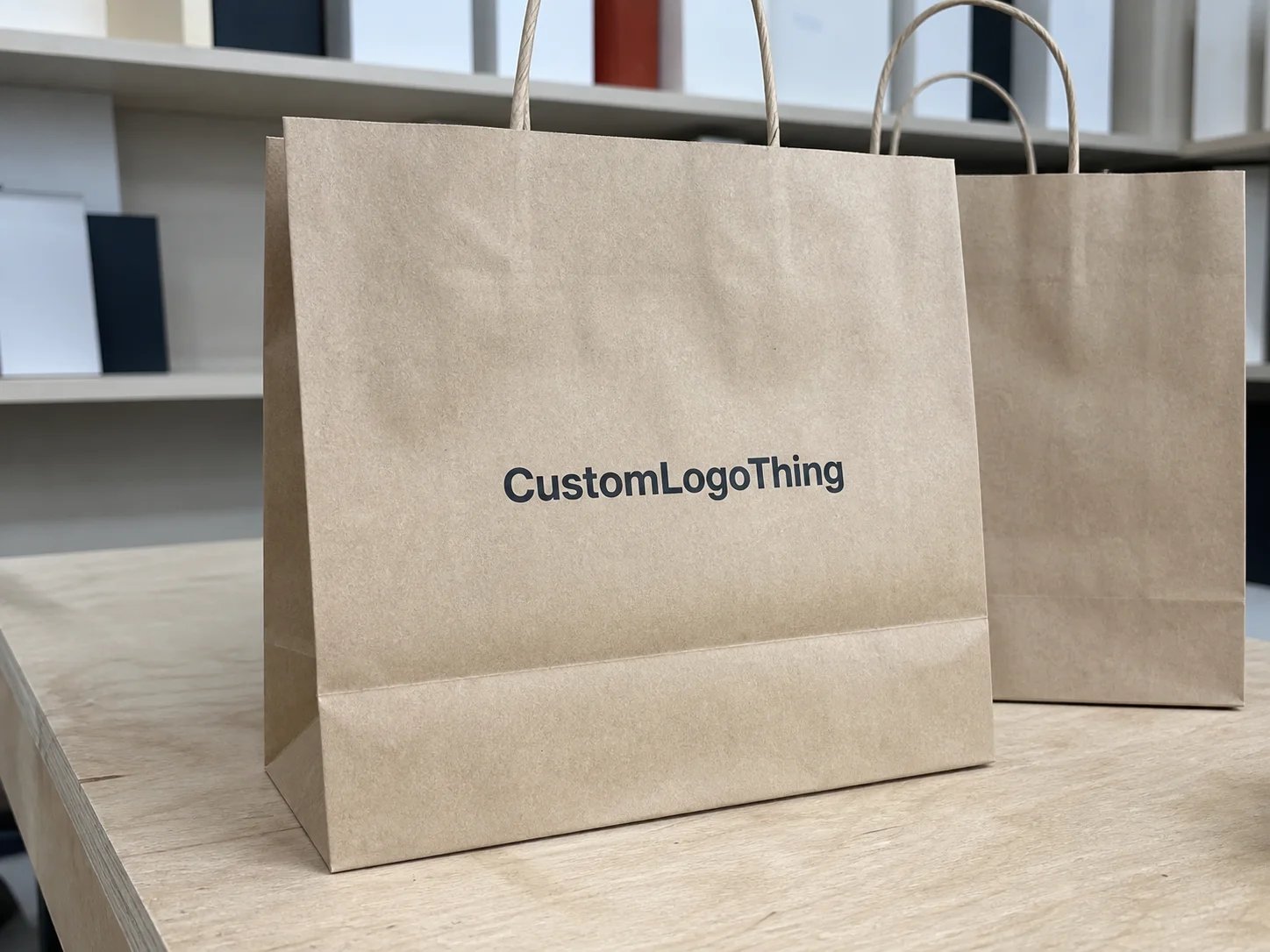
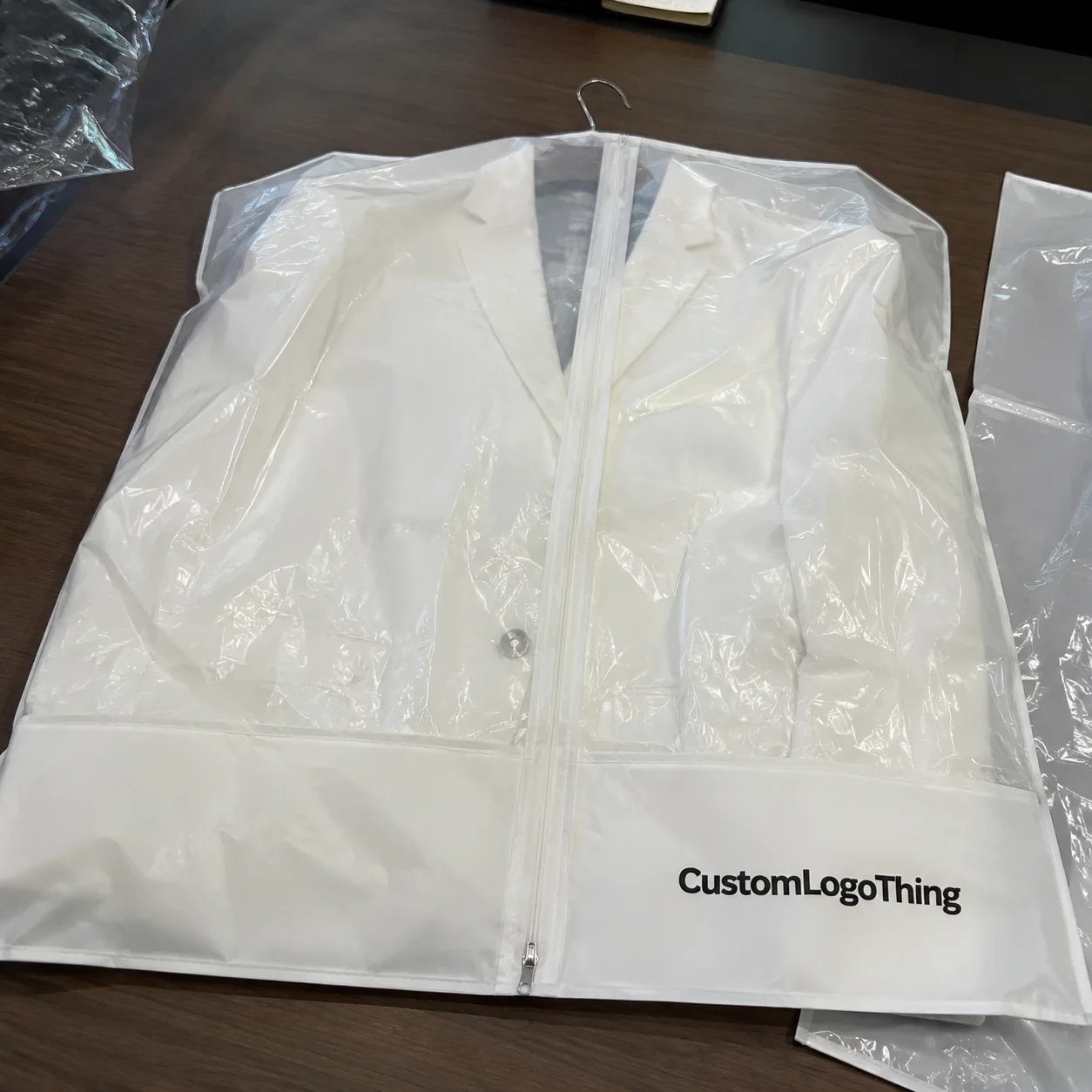
A candle can arrive unbroken and still feel disappointing the moment the customer picks up the parcel. That usually happens when the outer mailer feels too thin, the print looks flat, the seal lifts at the edge, or the package is oversized enough that everything shifts inside. Branded Padded Mailers for candle brands prototype sample approval is the stage where those issues should be caught, corrected, and documented before a full production run turns a small mistake into a pallet of expensive inventory.
For candle brands, shipping packaging has to do two things at once. It must protect products that may be heavy, brittle, heat-sensitive, or oddly shaped, and it also has to support a brand image that often leans premium. A padded mailer is not the answer for every candle SKU. It can work well for wax melts, travel tins, accessories, refill pouches, discovery sets, and branded outer protection around an inner carton. It is much less forgiving if someone tries to use it as a shortcut for shipping bare glass without enough structure.
The approval stage is where practical packaging decisions get made. Not on the rendering. Not in the quote. On the physical sample.
Why sample approval matters so much for candle mailers

Once a candle brand has dealt with breakage, scuffed presentation, or a spike in replacements, outer packaging stops feeling like a minor detail. Even a low damage rate gets expensive fast if the item inside is a fragranced product in glass, packed with inserts, and shipped individually through parcel networks.
Candles create a tricky packaging profile because the weight is often concentrated in a small footprint. A glass vessel can put pressure on seams and corners in a way soft goods never will. Add summer heat, adhesive labels, tissue, warning cards, or an inner carton, and the pack-out changes again.
Padded mailers tend to make the most sense for:
- Wax melts, sachets, and other low-profile formats
- Travel tins and smaller metal vessels
- Accessories such as wick trimmers, snuffers, or matches with suitable inner wrap
- Refill pouches and soft-format goods
- Discovery kits and lighter sample sets
- Branded secondary shipping protection around a properly packed inner box
That last use case is common for candle brands. A padded mailer can add brand presence and some abrasion protection around an inner carton, but it does not replace the structural role of a box if the product itself needs rigid support.
The point of sample approval is simple: confirm the mailer works in real conditions. Does it fit the actual loaded product? Does the padding match the shipment risk? Does the seal hold after handling? Does the print look clean enough for the brand standard? Can fulfillment load it quickly without crushing corners or fighting the opening?
If those answers are still based on assumptions, the sample is not ready for sign-off.
What prototype sample approval actually includes
Prototype approval is a preproduction checkpoint, not a design formality. It covers visual quality, structure, usability, and whether the quoted specification still makes sense once it is turned into a physical pack.
Buyers often blur different sample types together, which creates confusion and delays. Most custom mailer projects involve some combination of these four:
- Digital mockup: useful for artwork placement and general presentation, but not for fit or performance testing.
- Plain structural sample: unprinted, built to size, and best for checking pack-out, insertion, and loaded dimensions.
- Preproduction printed sample: shows material, finish, color behavior, and print placement more realistically than a screen proof.
- Production reference sample: the approved physical standard used for manufacturing and quality checks.
For Branded Padded Mailers for candle brands prototype sample approval, appearance is only one part of the review. A proper sign-off should cover size, film thickness, padding style, adhesive strip performance, print registration, color tolerance, barcode readability if needed, and the way the mailer behaves once loaded.
This matters more with candle products because load concentration changes how a mailer performs. A 6 oz or 8 oz glass candle in an inner box does not stress the package the way a flat apparel order does. Seams, corners, and closure areas see more force. If the brand also wants a rich matte finish, dark flood color, or soft-touch feel, those choices can affect scuffing and transit appearance.
Mailers should also be reviewed with the actual contents they are meant to carry, including any Custom Packaging Products inside them. A sample that looks spacious when tested with an empty inner box can become tight, slow to load, or structurally awkward once the real inserts and protective materials are included.
There are limits to what a padded mailer can do. It cannot rescue a weak inner pack-out. It cannot make bare heavy glass safe just because the outside is branded and cushioned. If the shipment still needs a rigid carton, sample approval should confirm that reality rather than trying to argue with it.
Practical rule: review the mailer with the real packed item inside it. Empty samples hide fit problems, seam stress, and packing inefficiency.
Timeline from artwork to sign-off
The workflow is usually straightforward, even if the project itself is not. A brand submits dimensions, quantity, artwork, and target use. The supplier recommends a size or dieline, confirms material and padding, builds the sample, ships it for review, then waits for consolidated comments and final approval.
A typical sequence looks like this:
- Submit product dimensions, packed weight, quantity, and use case
- Receive size recommendation or dieline
- Place artwork and confirm print-safe areas
- Confirm material, thickness, padding, and closure style
- Build the sample
- Ship the sample for review
- Collect comments and revisions
- Approve the final version for production
| Stage | Typical Range | Common Delay |
|---|---|---|
| Artwork prep and dieline review | 1-3 business days | Missing dimensions, incorrect files, no color targets |
| Sample making | 3-7 business days | Special finishes, unusual format, unclear construction notes |
| Transit to buyer | 2-6 business days | Economy shipping, customs, remote delivery points |
| Internal review | 2-5 business days | Too many reviewers, no owner, scattered feedback |
| Revision round | 4-8 business days | Spec changes after review, vague markups, finish changes |
A basic project can move in 7 to 10 business days if the structure is standard and the buyer responds quickly. More often, the cycle lands around two to three weeks once transit time and at least one revision round are included. That is a normal schedule for a custom mailer project, not a sign that anything is going wrong.
The biggest delays are usually buyer-side. Missing packed dimensions. No clear quantity target. Last-minute finish changes. Brand review and operations review happening separately, with conflicting comments sent back in different threads.
The cleanest setup is to divide the review by function. Operations checks fit, loading speed, seam stress, and closure behavior. Brand checks artwork, finish, and color expectations. Fulfillment checks label placement, barcode scanning, and workflow at the packing table. Finance checks whether the sample supports the target unit cost. One person then sends back a single approval file.
Skipping the printed sample can save a few days and some upfront cost, but it also raises the chance of catching color shift, poor white underprint coverage, weak matte coating, or edge registration issues only after the purchase order is placed. For candle brands with premium positioning, that is usually a false economy.
Specs that decide whether the mailer works
Not every specification matters equally. For candle mailers, a handful of details do most of the work.
1. Size and loaded fit
The mailer needs enough room for the real pack-out, not just the product. Measure the loaded item with insert cards, protective wrap, warning labels, and any inner carton included. Too tight, and fulfillment struggles to load it without crushing edges. Too loose, and the contents shift, the parcel feels cheap, and shipping efficiency drops.
For lighter formats such as boxed melts or travel tins, roughly 0.25 to 0.75 inch of clearance around the loaded item is often workable. Heavier boxed candles need a more cautious fit check because corner pressure and seam load increase quickly.
2. Film thickness and outer feel
Flexible mailers are commonly specified by mil thickness or film gauge. A lighter custom padded mailer may use an outer layer around 2.5 to 3.0 mil. Thicker constructions can improve puncture resistance and give a more substantial hand feel, but they also raise cost and add material weight.
Thin film is one of the easiest ways to save a few cents and one of the fastest ways to regret the decision later. Samples that look acceptable on a desk can show whitening, stretch marks, or corner punctures once they go through normal parcel handling.
3. Padding style
Bubble lining is common because it is familiar, relatively economical, and effective against minor impacts. Foam-lined mailers can feel smoother and more premium, though the cost is higher and disposal options may be less straightforward. Paper-padded constructions appeal to brands trying to simplify material streams, but stiffness, bulk, and cushioning performance vary a lot by build.
Any sustainability claim should be checked against how the package is actually disposed of in the customer’s market, not just how the material is described in a sales sheet. General guidance from the EPA recycling resources is useful for framing those conversations.
4. Adhesive strip and closure strength
The seal is easy to overlook until it starts lifting in transit. Check initial tack, peel behavior, and whether the closure still holds after dust contact or repeated handling. Permanent hot-melt adhesive is common for shipping mailers. Return programs may need a dual-strip format, but that should be specified early because it affects cost and construction.
5. Print method, color, and finish
Dark flood coverage can look strong and premium, but it usually shows scratches and rub marks more easily. Matte coatings tend to feel elevated in hand and photograph well, yet they can scuff more visibly than buyers expect. Gloss often gives better color pop and can disguise some surface wear.
White underprint also matters more than many teams expect. On tinted or translucent film, skipping proper white support can leave brand colors muddy and weak. Flexible packaging will not reflect light exactly the same way a rigid carton does, so color matching should be judged as a close substrate-appropriate match, not a fantasy of total sameness across materials.
6. Basic durability checks
Useful testing does not have to be elaborate. Load the sample with real contents. Run a few short drops. Check seam integrity. Press the corners. Apply the shipping label and see whether it bonds well. Stack a few parcels and watch for distortion. Leave one loaded sample in a warm room or vehicle for a controlled period and check the adhesive strip and film reaction.
If the parcel profile is more fragile or the brand is shipping nationwide through mixed conditions, it helps to review recognized guidance from ISTA. Not every candle mailer project needs formal testing certification, but every one of them should meet some version of real handling.
Cost, MOQ, and where pricing changes
Pricing is usually driven by size, film thickness, padding type, print coverage, finish, order volume, and freight. Those seven factors explain most of the range buyers see in quotations.
For a standard custom printed padded mailer, an order around 5,000 units may fall roughly in the $0.28-$0.65 per piece range, depending on dimensions, construction, and artwork coverage. Orders in the 10,000 to 25,000 range often improve the unit price noticeably. Larger formats, heavier film, specialty padding, and premium finishes move the price up fast.
Prototype samples are expensive relative to the number of pieces produced. A printed sample round may cost $75-$250+ once setup, manual handling, and shipping are included. That is normal. Sample pricing follows development economics, not production economics.
Most custom flexible packaging also has a meaningful MOQ. If a candle brand is still testing pack formats or launching small seasonal runs, it helps to separate the decision into two parts: first validate the structure, then optimize the production volume.
The lowest quoted unit price is not always the cheapest option in practice. Underbuilt material, oversized dimensions, and poor pack-out efficiency can erase savings through slower fulfillment, higher freight, more damage claims, and more replacements.
| Cost Lever | Potential Savings | Tradeoff |
|---|---|---|
| Standardize one or two sizes | Lower setup cost and simpler inventory | Less precise fit across every SKU |
| Reduce full-bleed printing | Lower print cost and less visible rub wear | Less visual impact |
| Choose a common finish | Faster production and easier repeat ordering | Fewer tactile effects |
| Use sensible, not excessive, thickness | Avoid overbuilding the mailer | Less margin against puncture |
| Increase order volume | Lower unit cost | More cash tied up in stock |
Oversizing is a common hidden cost. Bigger mailers use more material, create dead space, and can increase dimensional shipping charges depending on the parcel shape. Another common mistake is turning a shipping mailer into a decorative showcase piece with effects better suited to retail packaging. If the brand needs a simpler benchmark, reviewing formats such as Custom Poly Mailers can help clarify where utility should take priority.
Approval checklist before production
A clean approval process is methodical. Random comments usually produce random outcomes.
- Confirm final packed dimensions. Measure the item exactly as it will ship, not as it sits on a product development table.
- Load the sample with real contents. Include inserts, tissue, labels, cartons, and any promotional pieces that affect fit.
- Check loading and sealing speed. The mailer should work at the packing table without forcing the contents.
- Inspect seams, corners, and stress points. Watch for whitening, bulging, stretching, or edge pressure once loaded.
- Review artwork placement and finish. Look at logo centering, edge tolerance, ink coverage, and scuff visibility.
- Check color against approved references. Review under more than one lighting condition.
- Test labels and barcode scans. A good-looking mailer that slows shipping is not fully approved.
- Run simple handling checks. Short drops, light compression, and stack tests reveal a lot quickly.
- Photograph the sample. Capture front, back, closure, seams, and loaded side profile.
- Document a clear decision. Use “approved,” “approved with exact listed change,” or “rejected pending revision.”
For candle brands, the loaded sample is the only version that really matters. A wax melt mailer should include the actual inserts and labels. A boxed candle should be tested in the same arrangement fulfillment will use at scale.
Simple in-house checks are often enough to uncover obvious problems:
- Drop the loaded sample from desk height for a quick handling check
- Rub dark print with a dry cloth to see how easily it scuffs
- Apply shipping labels and test adhesion after a few hours
- Check whether handwriting works if some orders are manually marked
- View the mailer in daylight and indoor light before approving color
Documentation matters almost as much as the test itself. Use marked-up dielines, sample photos, material notes, and one approval sheet owned by one person. Vague responses such as “looks mostly good” or “please proceed if possible” create trouble because nobody interprets them the same way.
Approval threshold: if fit, presentation, and packing usability do not all pass, production should wait.
Mistakes that cause reprints, delays, and damage
The most common mistake is approving a mailer on appearance alone. For candle products, that usually means the sample looked polished in a meeting but was never tested with the actual packed item inside. The problem shows up later as seam strain, awkward loading, or parcel movement.
Color mismatch is another familiar issue. Teams compare flexible film to a rigid carton and expect a perfect match under a single set of office lights. Different substrates absorb ink differently, reflect light differently, and show matte or gloss effects differently. The right question is whether the sample is within an acceptable brand range for that material.
Dimension errors are less dramatic and often more expensive. Someone measures only the product, not the loaded pack-out. The approved mailer arrives too small for efficient insertion or too large to ship neatly. Both outcomes cost money.
Process errors create their own failures:
- Several stakeholders giving separate, conflicting comments
- No final approver with authority to close the round
- Pricing approved on one construction, then changed later
- Brand approving aesthetics while fulfillment rejects the format in practice
Warehouse and fulfillment concerns also get ignored more often than they should. Case pack count, storage footprint, label placement, and pack-out speed are not glamorous details, but they affect labor and reorder planning every day.
Skipping the sample to save money is usually false savings. It just moves the lesson to production scale, where every correction costs more.
How to request, review, and approve the right sample
Before requesting a sample, gather the details that actually shape the build: product dimensions, packed weight, whether the item ships in an inner box, target quantity, preferred finish, artwork files, destination market, and launch timing. Missing information nearly always leads to a slower and more expensive approval cycle.
The best sample path depends on where the risk sits in the project:
- Request a structural dummy if fit and size are still undecided
- Request a printed preproduction sample if finish and brand presentation matter closely
- Request extra loaded samples if the pack-out is new or the product has breakage risk
Useful supplier questions at the start include:
- Which material options suit this packed weight and product type?
- What dimensional and print tolerances should the buyer expect?
- How closely can Pantone references be matched on this substrate?
- What are the sample lead time and transit estimate?
- How many revision rounds are included before extra charges apply?
- At what MOQ does the production price become reasonable?
Internally, keep the review disciplined. One owner gathers comments. One deadline controls the round. One marked-up file goes back. One written approval releases production.
After sign-off, archive the final artwork version, dieline, approved sample photos, material notes, and quantity breakdown. Those records make repeat orders smoother and reduce the chance of spec drift on future runs. Teams that do this well tend to avoid the slow erosion that happens when each reorder relies on memory instead of documentation.
Handled properly, Branded Padded Mailers for candle brands prototype sample approval is not a formality near the end of a packaging project. It is the moment where structural reality, brand standards, fulfillment speed, and cost control meet in one physical sample. That is why the review deserves more attention than the render ever will.
FAQ
How many samples should a candle brand review before approving a padded mailer?
For a standard structure, one physical round may be enough if the brief is complete. For new sizes, fragile pack-outs, or premium printed finishes, two stages are more reliable: a plain structural sample for fit, then a printed preproduction sample for appearance and performance.
What should be tested during sample approval for candle mailers?
Test the mailer with the real packed item inside. Check fit, seam stress, puncture resistance, adhesive seal strength, print scuffing, label adhesion, barcode readability where relevant, and how quickly fulfillment can load and close it.
How long does prototype sample approval usually take?
A straightforward project can move quickly if artwork, dimensions, and material specs are ready at the start. In most cases, allowing two to three weeks is more realistic once sample production, transit, internal review, and at least one revision round are included.
What affects the cost of branded padded mailers the most?
Size, film thickness, padding type, print coverage, finish, order volume, and freight usually drive the price. Prototype samples cost more per piece because setup and manual handling are spread across a very small quantity.
Can a padded mailer replace a box for shipping glass candles?
Usually no, not for bare glass moving through standard parcel systems. A padded mailer is better used for lighter products, metal tins, wax melts, accessories, or as branded outer protection around a properly packed inner carton. If someone claims a thin mailer alone will protect heavy glass consistently, ask for actual test data.