Buyer Fit Snapshot
| Best fit | Branded Pouch Packaging Wholesale for Growing Brands projects where brand print, material claims, artwork control, MOQ, and repeat-order consistency need to be specified before quoting. |
|---|---|
| Quote inputs | Share finished size, material target, print colors, finish, packing count, annual reorder estimate, ship-to region, and any compliance wording. |
| Proofing check | Approve dieline scale, logo placement, barcode or warning zones, color tolerance, closure strength, and carton packing before bulk production. |
| Main risk | Vague material claims, crowded artwork, missing packing details, or unclear freight terms can make a low unit price expensive after revisions. |
Fast answer: Branded Pouch Packaging Wholesale for Growing Brands should be specified like a repeatable production item. The safest quote records material, print method, finish, artwork proof, packing count, and reorder notes in one written spec.
Production checks before approval
Compare the actual filled-product size with the drawing, then confirm tolerance on folds, seals, hang holes, label areas, and retail display edges. Reserve space for logos, QR codes, warning copy, and material claims before decorative graphics fill the panel.
Quote comparison points
Review material grade, print process, finish, sampling route, tooling charges, carton quantity, and freight assumptions side by side. A quote is only useful when the supplier can repeat the same color, closure quality, and packing count on the next order.
Branded pouch packaging wholesale can shift how a product is read before anyone opens it. A pouch that feels substantial in the hand, prints cleanly, and keeps its shape through shipping and display gives the product a more finished, more trustworthy presence. I have seen strong products lose momentum because the pouch looked temporary, the color wandered from one run to the next, or the structure simply did not fit the way the product was being packed, stored, and sold.
That is why branded pouch packaging wholesale should be treated as a packaging decision, not just a print order. The right structure helps control unit cost, keeps color and finish steadier across reorders, and gives a brand enough volume to support a launch calendar, a subscription program, or a growing e-commerce line without scrambling for one-off replacements every few weeks.
From the buyer's side, the pouch has to do three jobs at once. It must protect the product, carry the brand story, and move efficiently through fulfillment. If one of those jobs fails, the packaging starts creating labor instead of reducing it. That is where branded pouch packaging wholesale begins to make practical sense, especially for brands comparing it with Custom Printed Boxes or other product packaging formats.
The choices that matter early on are familiar ones: material, barrier performance, closure style, finish, and quantity. Get those decisions right at the start, and the rest of the buying process becomes easier to manage. Skip them, and the order gets fussy fast.
Why branded pouch packaging wholesale can cut shelf friction
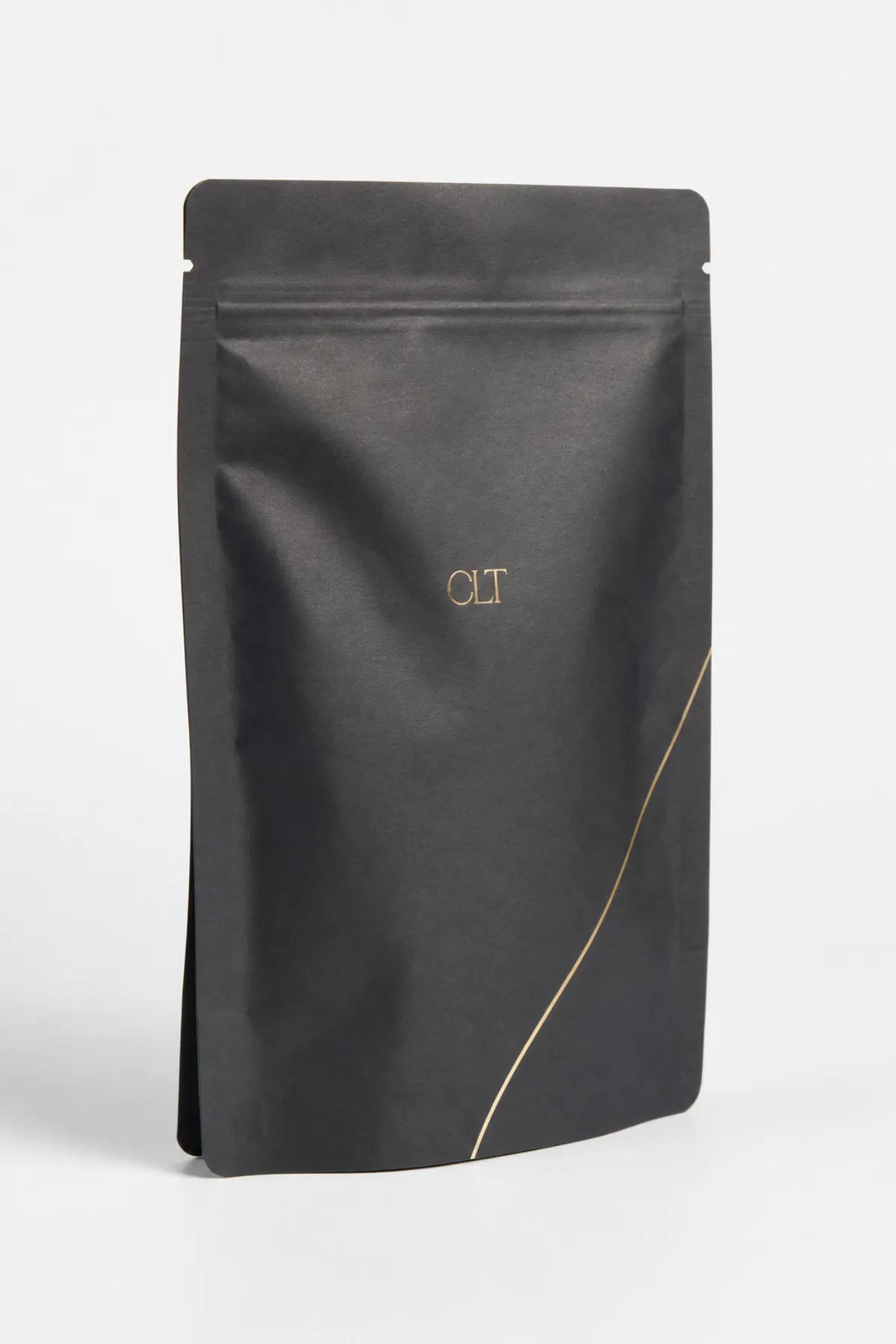
Many products do not lose the sale because the product itself is weak. They lose it because the pouch looks uncertain. A bag that wrinkles badly, seals inconsistently, or prints unevenly sends a signal that the brand is still finding its footing. Branded pouch packaging wholesale reduces that kind of shelf friction by giving you a planned structure, a defined print approach, and enough quantity to keep the look stable from first shipment to reorder.
That stability matters in retail packaging and in e-commerce. On shelf, the pouch has to read quickly from several feet away. In a parcel, it has to survive compression, rubbing, and repeated handling without the corners whitening or the artwork dulling. Branded pouch packaging wholesale helps line up those requirements before production starts, instead of trying to correct them after the first shipment lands.
Wholesale ordering also changes the cost structure in a useful way. When setup, prepress, tooling, and production changeover are spread across a larger run, the unit price usually improves. The result is not only lower packaging cost; it is packaging that can support a real launch plan. For many brands, that means the difference between ordering 1,000 pieces at a time and building a supply plan that keeps pace with demand.
Another advantage gets overlooked more often than it should. Wholesale volume makes color matching easier across reorders because the approved standard stays in place. A brand can lock in a specific matte black, kraft tone, or metallic accent and keep it recognizable. That is part of package branding, and it is one reason branded pouch packaging wholesale performs better than piecemeal buying for brands that care about consistency.
A pouch that looks polished on screen but scuffs in shipment is gonna cost more than it saves.
These pouches also work across channels. A single structure might move from a retail peg display to a subscription kit to a fulfillment center without changing the core packaging design. That kind of flexibility helps when a product needs to travel through more than one channel. branded pouch packaging wholesale gives you room to plan for that from the start instead of redesigning the package every time the sales channel changes.
I have also noticed that a lot of packaging problems show up only after the first real shipping cycle. A sample can look great on a desk, then arrive at a warehouse looking a little tired because the finish picked up scuffs or the seal area was too narrow for the fill behavior. That is why the practical side of branded pouch packaging wholesale matters just as much as the mockup.
If you are comparing packaging paths, it helps to look at the full system, not just the artwork. Our Wholesale Programs page is a good place to start if you want a supply plan that scales without constant one-off buying.
Product details: pouch styles, materials, and closures
One reason branded pouch packaging wholesale works so well is that it covers a wide range of product types without forcing every brand into the same shape. Flat pouches, stand-up pouches, resealable pouches, gusseted pouches, and specialty formats each solve a different packaging problem. The right choice depends on fill weight, shelf visibility, shipping needs, and how much space you want for package branding.
Flat pouches are often a strong fit for sample packs, single-serve products, wipes, supplements, and lightweight dry goods. Stand-up pouches bring more shelf presence because the bottom gusset gives them a face-forward display. Resealable pouches are common for snacks, coffee, pet treats, and refill items where the customer may open and close the pack many times. Gusseted formats are useful when the product needs extra volume without moving to a rigid container.
Material choice is where the technical work begins. PET/PE structures offer a common balance of print surface, sealability, and cost. Foil laminates add stronger moisture and oxygen barrier performance, which matters for coffee, seasoning, nutraceuticals, and products with a longer shelf-life target. Kraft laminate structures create a more natural look, but they usually need the right inner barrier layer if the product is moisture-sensitive. Clear windows help the buyer see the fill, which is useful for granola, tea, candies, and cosmetic powders, but every square inch of transparency reduces the area available for print.
Paper-based cues can also support the story. FSC-certified material may help when a brand wants the warmth of kraft while keeping sourcing documentation organized around responsible forestry. The certification itself does not make the pouch right for every product, yet it does help when a buyer wants a cleaner supply story. You can review the standard at FSC.
Closures and features deserve the same attention as the print. Tear notches help the consumer open the pouch cleanly. Zip locks make repeat opening easier. Spouts work for liquids or semi-liquids. Hang holes help with peg displays. Degassing valves are important for coffee. Child-resistant and tamper-evident features are worth discussing for regulated categories. These are not decorative extras; they are functional parts of product packaging, and they should be built into branded pouch packaging wholesale from the beginning.
- Flat pouches for samples, sachets, and light fill weights.
- Stand-up pouches for retail visibility and stronger shelf presence.
- Resealable pouches for products opened over multiple uses.
- Foil laminates for stronger barrier protection.
- Kraft laminates for a natural look with controlled print treatment.
The practical point is simple: the pouch is not only a container. It is part protection, part marketing surface, and part fulfillment tool. If those three jobs are not balanced, branded pouch packaging wholesale can become expensive in ways that do not show up on the first quote.
One more thing that tends to get missed in early planning: the opening experience. A pouch can look elegant in renderings and still feel awkward if the tear notch sits too high, the zipper lands too close to the top seal, or the consumer has to fight the opening the first time. Those little frictions add up, and they are the kind of detail that makes a pouch feel kinda right or kinda off in actual use.
Specifications that control print quality and performance
If a buyer wants branded pouch packaging wholesale to run cleanly, the specification sheet has to be specific enough to manufacture from, not just attractive enough to present in a meeting. Size, fill weight, film thickness, seal width, and barrier target all affect the final result. A pouch that looks correct on paper may still fail in use if the dimensions do not account for the real fill behavior of the product.
Start with size and product weight. A 200 g granola pouch, a 200 g protein powder pouch, and a 200 g coffee pouch may not need the same structure, because particle shape, settle behavior, and headspace needs are different. Film thickness typically sits in a range that balances stiffness and sealing performance, often around 70 to 140 microns across the laminate stack, but the final choice depends on product type and shipping method. Seal width also matters; a wider seal gives more room for process tolerance and can improve package integrity, while it reduces printable area.
Artwork details influence print quality just as much as material choice. Most designs need bleed, a safe area away from trims and seals, and a clear understanding of whether the print is reverse printed behind a transparent layer or printed on the surface. Reverse printing protects the ink layer better. Surface printing can be simpler in some constructions, but it leaves the artwork more exposed. White ink layers become essential on kraft or clear structures where the design needs contrast. These are the kinds of details that separate average packaging design from packaging that holds up in production.
Finishes also change how the pouch performs visually. Matte finishes can feel upscale and reduce glare, but they may show scuffs differently than gloss. Gloss can make artwork punchier and easier to read under store lighting, though it does not automatically solve abrasion concerns. A high-clarity window can be very effective for a product that wants to show its fill, but it narrows the printable area and can complicate the composition if the artwork was built without thinking about the window placement.
There is also the matter of how the pouch behaves after the consumer opens it. If the product is meant to be used over several days or weeks, the closure has to keep working after repeated cycles, not just on the first close. That is one of those unglamorous packaging realities that separates good branded pouch packaging wholesale from packaging that only looks good in a photo shoot.
When you are gathering specs, a short checklist keeps the project moving:
- Product type and fill weight.
- Pouch style and opening direction.
- Material structure and barrier target.
- Closure style, hang hole, or valve requirement.
- Artwork files, color references, and barcode placement.
- Compliance notes for food contact, cosmetics, or other regulated use.
That checklist saves time because it turns a general idea into a manufacturable plan. It also helps a packaging supplier compare options without guessing. In practice, branded pouch packaging wholesale works best when the buyer gives enough information for the quote to reflect real production needs instead of a rough placeholder.
For products that will ship through parcel networks, it is also smart to think about vibration, drop, and compression testing. The ISTA test families are a useful reference point for that kind of planning, especially when the pouch has to survive the trip from warehouse to doorstep.
Branded pouch packaging wholesale pricing, MOQ, and quote factors
Pricing for branded pouch packaging wholesale is usually driven by the same few variables: pouch size, film structure, print complexity, number of colors, special finishes, closure hardware, and whether the job needs custom tooling or additional embellishment. A small shift in any one of those areas can change the quote more than a buyer expects, which is why comparing pouches only by headline price can be misleading.
MOQ matters because setup costs have to be spread across the run. Lower quantities almost always carry higher per-piece pricing, not because anyone is trying to overcharge, but because prepress, plates or cylinders, machine setup, and changeover time are fixed costs. Once the volume increases, the unit cost usually improves. That is one reason branded pouch packaging wholesale is so attractive for brands that know their launch volume and want a more stable cost per unit.
Honestly, the cheapest quote is often the most expensive decision if the pouch fails barrier needs, prints inconsistently, or creates fulfillment waste later. A poor seal, a weak closure, or a scuff-prone finish can cost more than the original savings. The right quote is the one that balances material performance, shelf appearance, and production reliability.
One trap I see a lot is buyers underestimating how much the ink coverage and finish can influence the final bill. A full-coverage dark pouch with metalized accents, white ink underlays, and a specialty coating is not in the same lane as a simple two-color matte pack, even if both sizes are close. The spec sheet has to tell that story plainly, or the quote is basically guessing.
| Option | Best for | Typical quote range at 5,000 pcs | Relative cost | Notes |
|---|---|---|---|---|
| Flat printed pouch | Samples, single-serve items, light dry goods | $0.12-$0.24 per unit | Lower | Simple structure, limited shelf volume, efficient for short fill formats |
| Stand-up pouch with zipper | Retail packaging, snacks, powders, wellness products | $0.20-$0.45 per unit | Moderate | Popular balance of display value and functional closure |
| Kraft laminate pouch | Natural branding cues, artisan food, lifestyle products | $0.24-$0.52 per unit | Moderate to higher | Visual warmth is strong, but the barrier layer still has to suit the product |
| Foil barrier pouch | Coffee, oxygen-sensitive products, longer shelf-life needs | $0.28-$0.60 per unit | Higher | Better barrier performance, often chosen when product stability matters most |
| Spouted pouch | Liquids, sauces, refill formats, body care | $0.38-$0.85 per unit | Higher | Hardware adds cost, and fill compatibility has to be confirmed early |
That table is not a promise; it is a buying frame. Actual numbers move with quantity, print coverage, material availability, and whether the job needs added features like valves, child resistance, or special coatings. For a meaningful quote, you want to know what is included, not just what is advertised. Good branded pouch packaging wholesale pricing should show material spec, pouch dimensions, print method, lead time, freight assumptions, and whether samples or tooling are part of the package.
The best wholesale price is the one that still holds the seal, protects the fill, and reproduces the artwork the same way on the next run.
If you are comparing a pouch quote against custom printed boxes, compare more than the unit price. Look at pack-out speed, storage volume, shipping efficiency, and how much product protection each format gives you. A lower-cost pack that increases returns or waste is not really a lower-cost pack.
When buyers ask me which line item deserves the most attention, my answer is usually the same: the structure first, the print second, the price third. If the structure does not fit the product, the rest of the order is just decoration, and decoration is not gonna save a weak pack.
Process, timeline, and lead time for branded pouch packaging wholesale
The ordering process for branded pouch packaging wholesale usually starts with an inquiry and a spec review. That first exchange should identify the product, size, material preference, print coverage, quantity target, and any compliance requirements. The better the initial brief, the fewer revisions you need later. A clear brief also helps the supplier point out practical issues before the artwork is already in motion.
After the initial review, the next step is artwork prep and proofing. This is where many delays begin. If the dieline is not final, if the brand colors are still changing, or if the buyer has not decided between two structures, the proof stage slows down quickly. In many production cycles, proof approval takes a few days when files are complete, but it can stretch longer if measurements or copy still need work. branded pouch packaging wholesale moves faster when the buyer treats proofing as a decision step, not a design brainstorm.
Production timing depends on the run size and the chosen structure, but a realistic planning window often includes 5 to 10 business days for sample development when samples are needed, 1 to 3 business days for proof review, and roughly 12 to 20 business days for production after approval. Transit time is separate. Sea freight, air freight, and domestic delivery all have different timelines, so the real delivery date is not just the time on the press schedule. It is the full path from approval to arrival.
Here is where some buyers get caught off guard: a pouch order can be delayed even when the factory is ready if the brand is slow to approve a detail. Missing barcode placement, unclear seal dimensions, or a late color correction can all push the schedule. The factory cannot print what has not been approved, and branded pouch packaging wholesale depends on that approval chain being clean.
A practical process usually looks like this:
- Submit product information and quantity target.
- Review the pouch structure and finish options.
- Approve artwork placement and technical proof.
- Confirm sample, prototype, or preproduction check if needed.
- Move into production and final packing.
- Arrange freight and receiving details.
Decision speed matters as much as factory capacity. If your launch calendar is tight, plan backward from the date you need inventory on hand and give yourself enough room for proofing, production, and transit. That is the safest way to keep branded pouch packaging wholesale from becoming a schedule risk.
The strongest projects I have seen always have one thing in common: somebody owns the spec sheet and keeps it from drifting. That sounds boring, but it is exactly what keeps the order calm when production gets busy.
Why choose us for branded pouch packaging wholesale
Custom Logo Things is a practical partner for branded pouch packaging wholesale because the focus stays on what buyers actually need: consistent print, dependable material sourcing, and clear communication. There is no value in a polished quote if the spec is vague or the production plan creates avoidable surprises later. A good packaging supplier should make the order easier to manage, not harder.
That means straightforward specifications, transparent pricing, and support that helps reduce revision loops before the order enters production. It also means understanding how the pouch will be used. Is it a retail package? A fulfillment pack? A sample format? A refill pouch? Each of those use cases changes the technical priorities. The goal is to help you Choose the Right structure for the job, not push every product into the same template. That approach matters for branded packaging, especially when a brand is comparing pouch runs with Custom Packaging Products or other product packaging formats.
Good wholesale support also makes reorders easier. Once artwork records, approved specs, and prior production history are organized, the second order is usually cleaner than the first. That is where the real value shows up. Fewer questions. Fewer mistakes. Faster handoff. Better consistency in branded pouch packaging wholesale from one run to the next.
Strong packaging support is measured by fewer surprises, cleaner handoffs, and a repeatable result when the reorder comes back around.
If you want to see how packaging decisions shape a real project, our Case Studies page is useful because it shows the kind of tradeoffs buyers work through: finish, fill protection, shelf presentation, and budget. That kind of context is often more useful than a short product list. And if you are building a larger roll-out, the structure of our Wholesale Programs can help you plan volume with more confidence.
For brands moving from a first launch to a steady reorder cycle, branded pouch packaging wholesale is not about chasing the lowest number on the page. It is about getting the same pouch, the same color, and the same functional performance every time the order comes back. That is the standard buyers should expect, and it is the standard that keeps packaging from turning into a recurring headache.
In practice, that means documentation matters. Save the approved dieline, note the exact film structure, record the closure type, and keep the barcode placement locked. The next order should not require a fresh round of guesswork just because a few months passed. The work is a lot easier when the history is written down.
Next steps to order branded pouch packaging wholesale
The fastest way to move forward with branded pouch packaging wholesale is to gather the real job details before you ask for pricing. Confirm the product type, fill weight, pouch size, closure style, and target quantity. If you already know the print method or finish you want, include that too. A complete brief usually produces a more useful quote on the first pass.
Next, collect the files and compliance notes that affect production. That usually means vector artwork, editable text, logo files, barcode requirements, and any mandatory copy for food, supplement, cosmetic, or other regulated product categories. If you have brand colors, provide them in a way that can be matched consistently. If your product needs a barrier target or shelf-life requirement, say so early. Those details are part of the actual packaging design, not afterthoughts.
Ask for samples when the pouch will support retail, food, or subscription fulfillment. Samples help you verify size, feel, opening performance, seal quality, and shelf presentation before committing to a full run. If the finish matters, request that too. Matte, gloss, soft-touch, and kraft-style looks can all change how the product reads on shelf. A written spec sheet is worth asking for because it becomes the reference point for future orders and reorders.
Use this final checklist before approval:
- Does the pouch size match the fill weight and product shape?
- Does the structure provide enough barrier for the product?
- Are the artwork, barcode, and seal areas correctly placed?
- Do the MOQ and unit cost fit the launch plan?
- Is the lead time compatible with the inventory calendar?
If those answers line up, you are in good shape. If they do not, pause and fix the weak point before production starts. That is the cleanest way to keep branded pouch packaging wholesale aligned with actual product performance instead of letting packaging become a source of waste, delay, or shelf doubt.
For brands that want packaging to support growth instead of complicating it, branded pouch packaging wholesale is a practical path. The right structure protects the product, strengthens package branding, and keeps production predictable as the order volume grows. Before you place the order, lock the size, barrier, closure, barcode position, and reorder tolerance in writing; that one page of decisions is what keeps the project steady when it goes back to press. When the material, specs, pricing, and timing all line up, the pouch does its job without drama, and that is the kind of result worth building around.
What is the usual MOQ for branded pouch packaging wholesale?
MOQ depends on pouch size, print method, and material structure, but larger wholesale runs usually lower the unit cost. A simple structure may start lower than a foil barrier or spouted format, while specialty finishes often need a higher minimum to cover setup. Ask for MOQ tied to your exact dimensions and finish so you can compare the real startup requirement for branded pouch packaging wholesale.
Which material is best for branded pouch packaging wholesale?
The best material depends on the product, shelf life, and branding goals rather than a single universal option. Use barrier laminates for moisture-sensitive products, kraft blends for a natural look, and clear windows when product visibility matters. If the pouch needs to do more than look good, the structure has to support the fill and the shipping environment as well. That is especially true in branded pouch packaging wholesale.
How long does branded pouch packaging wholesale production take?
Lead time usually includes artwork proofing, prepress, production, finishing, and shipping, so the full schedule is longer than press time alone. Fast approvals and complete specs shorten the timeline more than anything else. For many orders, a realistic plan includes a few days for proofing, a couple of weeks for production, and additional transit time depending on the shipping method.
What files do you need for branded pouch packaging wholesale artwork?
Vector artwork, editable text, logo files, and correct color references make proofing much smoother. Provide dieline-ready layouts if possible, along with barcode placement and any mandatory copy. If you have notes on reverse printing, white ink, or special finishes, include those as well so the technical proof reflects the real job. That saves time and reduces revision rounds in branded pouch packaging wholesale.
Can I order samples before branded pouch packaging wholesale production?
Yes, sampling is the best way to check size, feel, print clarity, and functional details before full production. Use samples to verify seal performance, closure fit, and shelf presentation before approving volume. A sample can also reveal small issues that are easy to fix early, such as a barcode that sits too close to the seal or a window that cuts into key artwork. That is one of the safest steps in branded pouch packaging wholesale.


