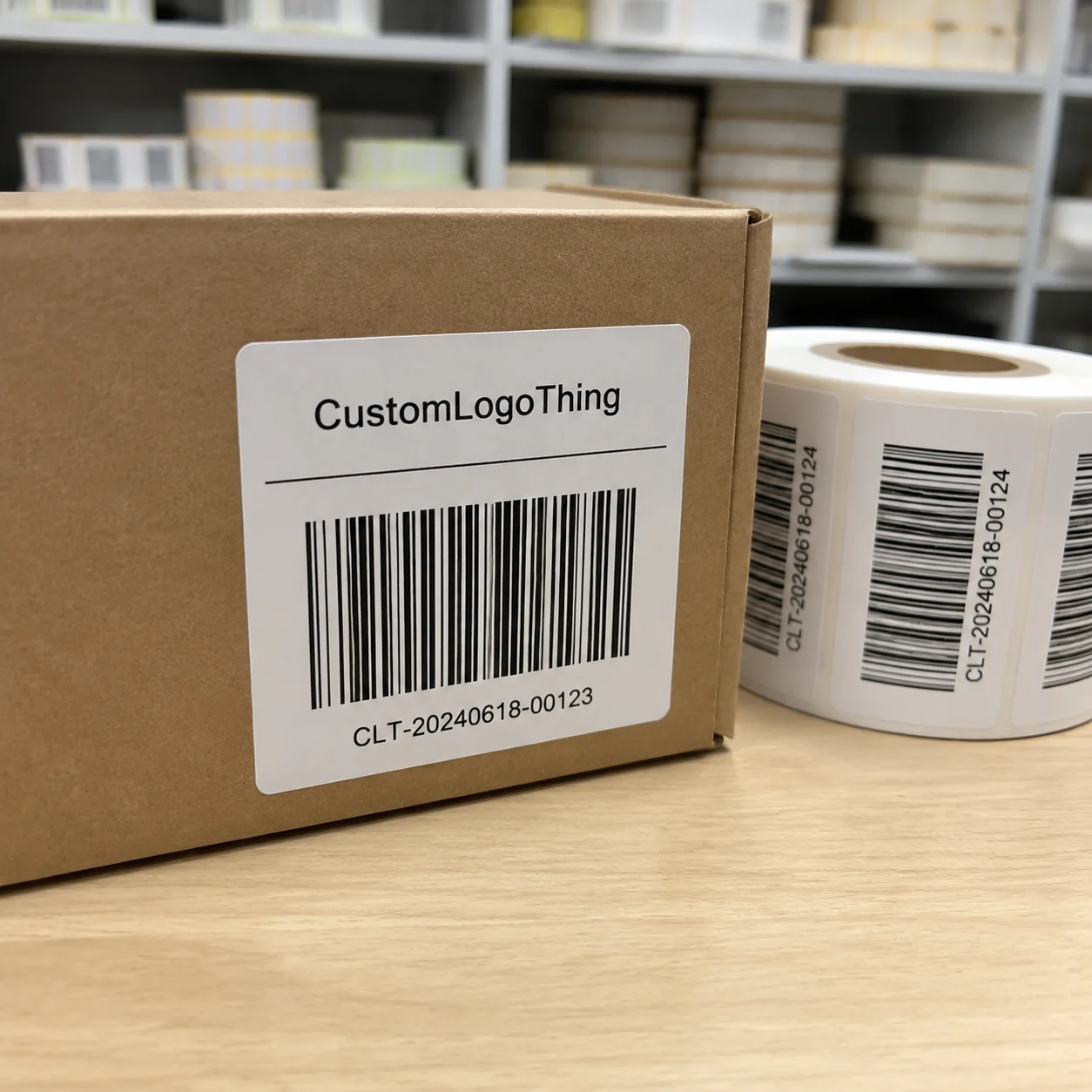
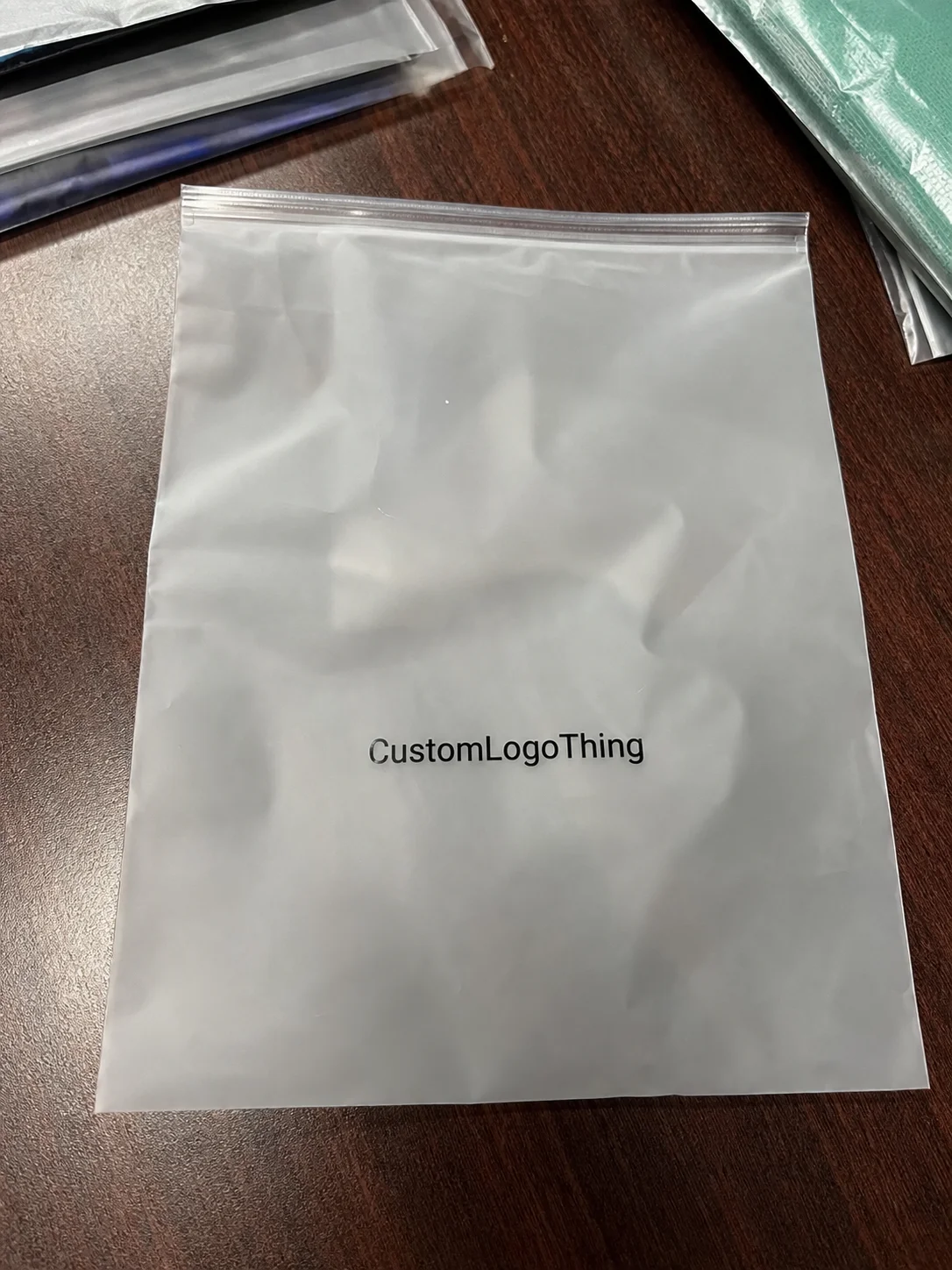
Branded shipping bags do more work than their footprint suggests. They carry the logo, protect the product, and shape the first physical impression a customer gets before the item is even opened. That combination sounds simple until the bag tears in transit, the print scuffs on the conveyor, or the closure peels early. Then the packaging stops being a branding asset and becomes a complaint.
For ecommerce teams, the right bag is not a decoration. It is a transit component. The best spec depends on product weight, route conditions, print complexity, and how much abuse the outer package will see before it reaches the doorstep. A flexible mailer can be the cleanest option for lightweight apparel or soft goods. It can also be the wrong choice for anything with hard edges, irregular bulk, or fragile inserts.
That is why buyers should evaluate branded shipping bags as part of a packaging system rather than as a print-only purchase. The bag has to perform in the warehouse, on the truck, and at delivery. If it only looks good in a mockup, the spec is not finished.
For teams comparing formats, it helps to review the bag against current Custom Poly Mailers and broader Custom Packaging Products. The right decision is usually driven by function first, then cost, then appearance. Reversing that order tends to create expensive fixes later.
What branded shipping bags are and why they punch above their weight
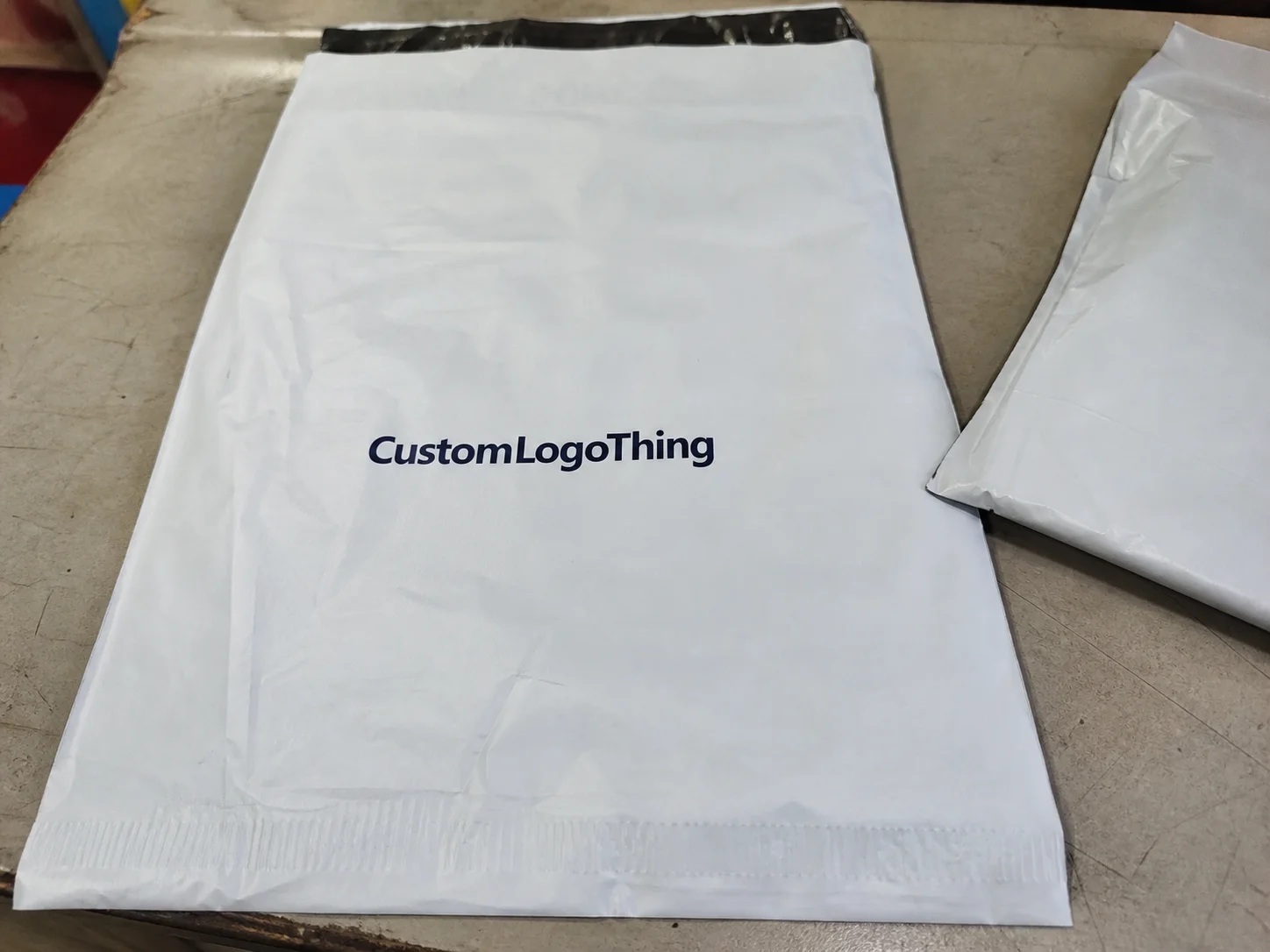
Branded shipping bags are flexible mailers or bags used to protect products while carrying a logo, pattern, message, or security feature. They are most common for apparel, accessories, subscription kits, and other soft goods that do not require a rigid carton. A well-made mailer can make an ordinary shipment feel intentional without dragging the order into box-level material and freight costs.
The business logic is straightforward. A consistent outer package improves recognition, and recognition matters because customers remember the full arrival experience, not just the item inside. They notice whether the package looked dirty, wrinkled, or underbuilt. They notice whether the opening process felt secure or flimsy. Those details shape how the brand is remembered after the product itself has been set aside.
There is also a cost story hidden in the packaging choice. Flexible bags usually weigh less and occupy less space than cartons, which can help with dimensional weight charges and warehouse handling. That does not make them cheaper in every case, but it often changes the shipping math in a way that matters once order volume climbs. A small per-unit difference can become real money at scale.
Still, the bag should never be chosen just because it is lighter. A thinner format is not a win if it causes product damage or forces the brand to add extra inner protection that erases the savings. The better question is whether the bag matches the route and the product. A basic tee or socks can usually travel safely in a printed mailer. A product with a sharp accessory, a breakable component, or a liquid element often needs more structure.
That is also why packaging teams should think beyond the print surface. The outer bag is part of package protection, but it is also part of customer experience, warehouse efficiency, and return-rate control. If those goals conflict, the spec needs adjustment instead of optimism.
How the construction and print process actually work
Most shipping bags begin with a film or laminated substrate, then add seals, closures, and printed layers that have to hold up under sorting, stacking, sliding, and delivery friction. On paper, that sounds uncomplicated. In practice, every choice affects the next one. A change in gauge can alter seal behavior. A change in closure style can affect how the bag opens. A change in ink coverage can influence scuffing and color consistency.
Construction quality usually shows up in small details. Seal width matters because weak seals are one of the fastest ways to lose product protection. Closure adhesive needs to peel cleanly without premature opening. Tear strips should open in a predictable line rather than pulling the bag apart. If the bag is meant to be resealed for returns, the second-use adhesive has to work without making the first opening awkward. None of that is glamorous, but all of it affects whether the bag performs as intended.
Print method matters too. One-color flexographic printing is common on larger runs because setup is efficient and unit cost can stay low once the run is large enough. Digital or multi-pass printing is usually a better fit for shorter runs, tighter color requirements, or artwork that changes often. A simple logo on a matte bag is usually low risk. Full coverage art, gradients, fine type, or high-contrast edge-to-edge layouts introduce more room for distortion and registration problems.
A good supplier should talk about film gauge, seal integrity, and print placement before discussing the artwork file itself. That is a useful signal. It means they are thinking about the bag as a physical object, not just a print job. For buyers, that difference matters because the failures usually happen in the production details, not in the concept.
Testing should not be skipped for higher-value orders. Ask how the bag was validated for transit, whether sample approval was done against a realistic load, and whether the supplier uses packaging test standards such as ISTA-related procedures for rough-route shipments. The point is not paperwork for its own sake. It is verifying that the bag survives handling, vibration, and stacking before the full run is approved. The International Safe Transit Association publishes widely used guidance at ISTA.
Key specifications that change durability, brand impact, and returns
The spec sheet is where most of the useful decisions happen. Thickness is the most obvious variable. A light-gauge film can save a little money, but if it punctures or tears, the replacement cost and customer service burden wipe out that savings quickly. A heavier film adds protection, though there is a limit. Overbuilding a soft, low-risk product wastes material without improving the customer outcome.
Typical mailer programs often sit in the 2.5-4 mil range for standard poly structures, while heavier or more abuse-prone applications may require more. That is not a universal rule. The right film depends on product shape, whether the contents have corners or hardware, and how much compression the bag will see during sorting and delivery. A bag that feels fine in hand can still fail if the contents are awkwardly packed or the seals are too shallow.
Size matters just as much as thickness. Bags that are too large allow the product to shift, which creates wrinkles and a less polished arrival. Bags that are too tight stretch the seams and can distort the printed logo. A buyer should not size around the retail display dimensions alone. Ask for fit testing against the folded product, the bulkiest SKU, and the version with the most unforgiving edges or add-ons.
Finish changes perception faster than many teams expect. Opaque bags hide the contents and usually look cleaner in transit. Matte surfaces can read as more premium, but they also show scuffing differently than gloss. Gloss can make color pop, though it may reveal scratches and fingerprints. No finish is automatically superior. The better choice is the one that survives the route and still fits the brand’s visual language.
Sustainability claims need precision. Recycled content, recyclability, and material labeling are related but not the same. A bag can contain recycled material and still be difficult to recycle if it is built from multiple layers or mixed resins. Another structure may be simpler to dispose of but less protective in wet or rough conditions. If the brand is making public environmental claims, verify the exact material make-up and check the language against local disposal rules. The U.S. EPA offers helpful guidance at epa.gov.
For procurement teams comparing format options, the useful question is not whether the packaging looks expensive. It is whether the structure fits the item and the route. That distinction determines returns, damaged goods, and the amount of labor spent fixing packaging problems after launch.
| Option | Typical Best Use | Relative Cost | Strength | Brand Impact |
|---|---|---|---|---|
| Lightweight poly mailer | Tees, socks, flat soft goods | $ | Basic package protection | Moderate with simple print |
| Thicker printed mailer | Bulky apparel, multi-item orders | $$ | Better puncture resistance | Strong with full-coverage graphics |
| Recycled-content mailer | Brands with sustainability targets | $$ to $$$ | Depends on resin and seal quality | Strong if claims are documented |
| Paper-based mailer | Light goods that do not need moisture resistance | $$ to $$$ | Moderate, route dependent | Distinct, natural look |
One practical buyer lesson: the cheapest bag is rarely the least expensive option over time. If the structure is too light, the losses show up elsewhere in replacements, labor, and customer support. If the print looks good but the bag arrives warped or weak, the packaging budget was spent in the wrong place.
Shipping bag pricing: unit cost, MOQ, and quote drivers
Pricing for branded shipping bags is driven more by the packaging engineering than by the logo itself. Material choice, bag size, print complexity, color count, closure style, and order volume usually have the biggest effect. A single-color logo on a standard-size mailer can be inexpensive. A full-coverage, multi-color design on a specialty film will almost always cost more, sometimes much more than buyers expect on the first quote.
Minimum order quantity changes the math quickly. Setup, proofing, tooling, and waste are spread across the run, so a lower-volume order carries more overhead per unit. As the quantity rises, unit cost often falls even if the artwork does not change. That is why two quotes can look close at 5,000 units and diverge significantly at 25,000 units. Buyers need to understand where the pricing break actually sits, not just the first number that appears in the inbox.
For a standard ecommerce program, a simple printed poly mailer might land around $0.10-$0.18 per unit on larger runs. Heavier gauge films, recycled-content structures, specialty finishes, or more complex print coverage can move into the $0.18-$0.35 range or higher. Those numbers are directional, not universal. Freight, sampling, and the production lane can move the landed cost enough to change the decision. A quote that looks cheap on paper may not stay cheap once shipping and proof cycles are included.
That is why quote comparisons need discipline. One supplier may quote ex-works pricing, another may include delivery. One may include tooling in the total, another may separate it. Sampling, color matching, and rush scheduling can be buried in different places. A buyer who compares only unit price risks choosing the wrong vendor for the wrong reason.
Ask for the same dimensions, material, print method, closure type, and quantity across every quote. Otherwise you are not comparing suppliers. You are comparing assumptions.
Hidden costs are common in this category. A lower-price quote can turn expensive if the seals are inconsistent, the print is dull, or the dimensions vary enough to slow fulfillment. The extra spend often shows up in labor, returns, and damaged shipments rather than on the invoice. That is the part procurement teams should account for before approving a run.
If it helps to benchmark the format against a more rigid structure, compare it with Custom Shipping Boxes. The two formats solve different problems, but the comparison shows where bags save money and where they stop making sense.
Production steps and turnaround: from artwork approval to delivery
A predictable production sequence reduces mistakes. The usual path is brief, spec or dieline check, artwork setup, proofing, sample approval if needed, production, quality inspection, and shipment. It reads as linear on a schedule and less so in real life. Revisions happen. Someone changes a line of copy. The artwork is nudged for print safety. The supplier flags a closure issue. Time is lost in small increments, and the schedule compresses before anyone notices.
Lead time is shaped less by the press run itself than by the steps around it. Artwork readiness, material sourcing, and proof sign-off usually determine whether a job moves quickly or drags. If the dimensions are final and the spec has already been validated, the run can move without much friction. If the supplier still needs clarification on gauge, finish, or seal style, delays are likely.
For standard programs, 12-18 business days after proof approval is a reasonable planning window. Complex print work, custom materials, or tight freight lanes can push that longer. That should be treated as a baseline, not a promise. Fast approval often matters more than squeezing a vendor for a lower lead-time estimate that only works if no one changes anything.
Reorders deserve the same attention. If the bag supports a launch, seasonal drop, or refreshed product line, build in a buffer for sampling and freight. The cost of missing a launch window is usually larger than the packaging cost itself. That is especially true for promotional drops or apparel seasons where the packaging is tied to a specific calendar date.
There is also an operational benefit to standardizing packaging across related SKUs. A consistent spec reduces packing errors, simplifies receiving, and makes reorders easier to manage. Warehouse teams do not need three different ways to load three nearly identical products. That saves time every day, which is why good suppliers ask for product mix details early instead of only requesting artwork.
Common mistakes that make mailers look cheap or fail in transit
The most common mistake is designing the artwork as if the bag were a flat poster. Flexible packaging moves. Creases cut through text. Seams interrupt graphics. Corners distort under fill. A layout that looks balanced on a box can look crowded or unstable on a mailer, especially when the logo is oversized or low-contrast. The print surface needs room to breathe.
Another mistake is approving samples from a desk instead of a real pack-out. A mailer can look fine in hand and still fail after it sees corners, pressure, vibration, and stacking. A proof checks placement and color. It does not prove seal strength, scuff resistance, or how the finish behaves after rough handling. That is why sample fit tests matter more than internal opinions about which mockup looks prettier.
Late spec changes create a different kind of damage. If the dimensions move after the artwork is set, or the closure changes after samples are approved, the job may need a new proof cycle or even a fresh sample round. That is how a small revision becomes a delay and an extra bill. Production is less forgiving than a design review.
There is also a structural mistake that shows up often in ecommerce shipping: using an outer bag that looks premium while the product inside still needs protection. Branding does not replace cushioning, sleeves, or secondary barriers. If the item can scratch, leak, or bend, the mailer has to work with internal protection, not instead of it. Transit packaging should be judged as a system, not as a single surface.
If the spec feels uncertain, ask for a sample fit test and compare it against the most common damage points in your current orders. That will tell you more than a long internal debate about color or finish. A bag that ships safely and presents cleanly is worth more than one that only photographs well.
The real standard is practical: will the package still look intentional after it has been sorted, stacked, and delivered? If the answer is no, the structure needs work. If the answer is yes, the packaging is earning its place.
Expert tips and next steps for a cleaner supplier brief
Start with a one-page brief. Include product weight, folded dimensions, shipping method, print goals, and any non-negotiable closure or finish requirements. That simple document saves time because it removes ambiguity before quotes are built. Suppliers can price accurately only when the target is clear.
Ask for the variables that matter in production, not just the sample image. Request sample options, color tolerance guidance, total landed cost, and reorder terms against the same spec. If a supplier cannot explain what changes as volume increases, that is a warning sign. A competent vendor should be able to tell you which cost drivers are real and which ones are cosmetic.
Use a simple decision stack. Protect the product first. Then check whether the bag supports the brand. Only after that should price be optimized. Too many teams reverse that order and end up with a bag that misses the functional target, which means the cheapest quote turns into the most expensive mistake.
External references can help keep claims honest. FSC certification is relevant if paper-based components are part of the program. ISTA testing matters if the shipment route is rough or the product is fragile. Those references are useful because they give procurement, design, and operations a common language for quality and performance rather than a vague discussion about “better packaging.”
If a supplier can show how similar specs have been handled, use that material to pressure-test your own brief. Review Case Studies and compare the bag against the rest of your Custom Packaging Products. That is usually enough to see whether the brand needs a better mailer, a stronger structure, or a different format entirely.
The final question is blunt and useful: will this bag still feel deliberate after it passes through the mail network? If the answer is yes, the spec is probably close. If the answer is no, something in the material, size, print layout, or closure needs another round of work. Branded shipping bags earn their place only when they protect the product, survive transit, and still look intentional at delivery.
What size should branded shipping bags be for apparel orders?
Size the bag to the folded garment dimensions, not the hanger or retail display size. Leave enough clearance to avoid seam stress, but not so much space that the product shifts in transit. Ask for a sample fit test with your most common SKUs before you approve production.
What affects branded shipping bag pricing the most?
Material type, thickness, size, print colors, closure style, and order volume usually drive price more than the logo itself. Setup and tooling matter most on smaller runs, while scale helps reduce unit cost. Freight, sampling, and rush timing can change the true landed price.
How long does production usually take for branded shipping bags?
Turnaround depends on proof approval, artwork readiness, and whether custom materials or samples are required. Simple jobs move faster; complex print specs or sourcing issues add time. Build in buffer time if the bags are tied to a launch, seasonal shipment, or rebrand.
Can branded shipping bags be recycled or made with recycled content?
Yes, depending on the material structure and local recycling rules. Some bags use recycled content, but multilayer constructions may be harder to recycle than single-material options. Confirm the exact material spec and disposal guidance before making sustainability claims.
What should I ask for in a quote for branded shipping bags?
Request the same dimensions, material, print method, closure type, and quantity across every quote so comparisons stay clean. Ask whether tooling, sampling, freight, and taxes are included. Confirm the lead time, reorder terms, and whether the quote covers color matching or proof revisions.