How to Choose a Roll Labels Private Label Supplier
What a roll labels private label supplier actually does
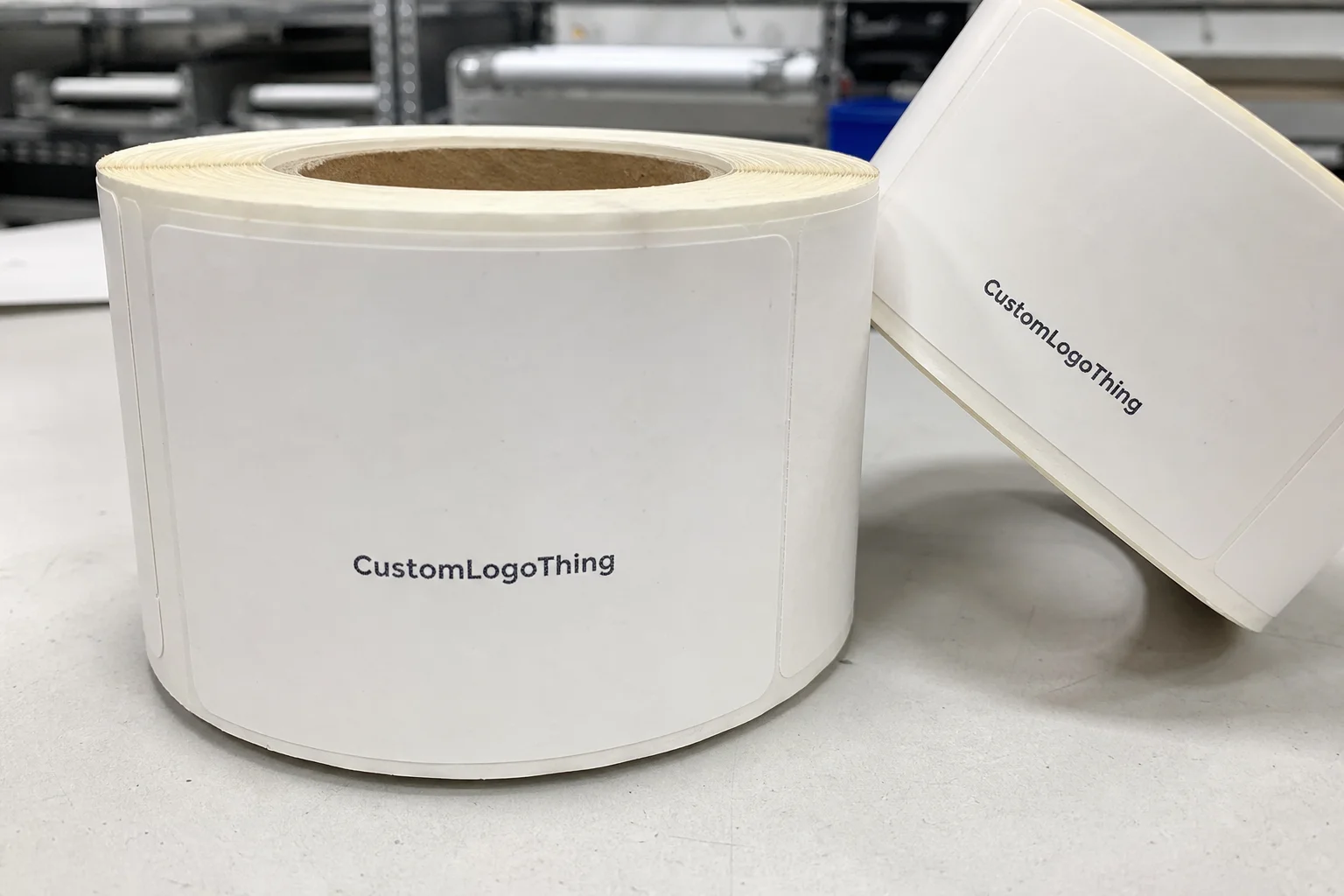
Most shoppers judge a product before they read the ingredients, dosage, flavor, scent, or claims. They see the label first. A roll labels Private Label Supplier helps brands, contract packers, resellers, and agencies produce branded labels on rolls for jars, bottles, pouches, tubes, boxes, candles, cans, cartons, and shipping-ready packaging.
The label does a surprising amount of unpaid sales labor. It signals price point, category, cleanliness, shelf position, and whether the product belongs next to established competitors. No pressure. Just the first thing people notice.
Roll labels are pressure-sensitive labels supplied on a roll instead of flat sheets. They can be hand-applied for small batches or machine-applied for faster production. Common options include paper, BOPP film, clear film, metallic film, waterproof stocks, removable adhesives, freezer-grade adhesives, high-tack adhesives, and textured materials for boutique private label packaging.
Private label means the labels support products sold under the buyer's brand, not the manufacturer's brand. For resellers and agencies, it can also mean the printer stays behind the curtain while the agency manages the customer relationship. That arrangement only works if the supplier understands confidentiality, repeat-order consistency, blind shipping, and clean packing slips.
Typical buyers include beauty brands, supplement sellers, food startups, candle makers, coffee roasters, CBD brands, beverage companies, fulfillment houses, and agencies managing several SKUs. A good label supplier is not just pushing ink onto sticky paper. They help match material, adhesive, finish, roll direction, core size, and compliance needs to the way the label will actually be used. Wild concept, apparently.
If you are building a product line and need retail-ready labeling, Custom Logo Things supports Custom Labels & Tags for short runs, branded launches, and repeat private label packaging programs.
How a roll labels private label supplier handles production
The production path looks simple: quote request, artwork review, proofing, material selection, printing, finishing, die cutting, rewinding, quality check, and shipping. Problems usually start when buyers skip the dull details. Dull details run the factory, unfortunately.
Artwork should be built as a vector file when possible, usually AI, EPS, or press-ready PDF. Fonts should be outlined. Raster images should be high enough resolution, commonly 300 dpi at final print size. Bleeds usually need at least 0.0625 inch beyond the cut line, though some suppliers request 0.125 inch. Colors should be defined before production, especially if a brand color needs to match boxes, pouches, inserts, hang tags, and custom roll labels.
Digital label printing is usually the practical choice for short runs, frequent copy changes, multiple SKUs, and launches where the brand is still testing demand. Flexographic printing can make more sense for very large runs because plates and setup costs spread across more units. If you need 500 labels across five scents, digital is probably your friend. If you need 250,000 of the same label every quarter, flexo deserves a serious look.
A capable roll labels private label supplier will explain which print method fits the order instead of forcing every job into the same workflow. Digital and flexographic production solve different problems. One rewards variation and speed. The other rewards volume and repetition.
Finishing affects appearance, durability, and cost. Gloss lamination adds shine and shelf pop, but it can glare under bright retail lighting. Matte lamination feels more premium, though cheap matte films can scuff when products rub together in shipping. Soft-touch coatings can look expensive on cosmetics and wellness packaging, but they show oils from fingers more readily. Varnish, foil, embossing, spot UV, and writable surfaces all add different constraints.
Practical callout: production problems usually begin before printing. Bad files, vague specs, and last-minute copy changes are not supplier problems. They are planning problems wearing a tiny hat.
Roll specifications matter if labels go through an applicator. Confirm roll direction, unwind position, core diameter, maximum outer diameter, gap between labels, and label orientation. A 3-inch core is common for machine application, while smaller cores may work for hand application or compact dispensers. The wrong unwind direction can stop a line cold, which is a very expensive way to learn vocabulary.
Proofing should confirm layout, copy, dimensions, barcode placement, color expectations, and the relationship between the dieline and live artwork. Digital proofs are standard and usually enough for routine custom roll labels. Press proofs or physical samples may be worth the extra time for premium launches, metallic effects, transparent labels, tight registration, or sensitive brand colors.
Key label specs that decide material, adhesive, and finish
Start with use case first, decoration second. A beautiful label that peels off in a cooler is not premium. It is evidence.
Paper labels are cost-effective for dry goods, boxes, candles, coffee bags, and indoor retail packaging. They print well and can look warm or textured, but unprotected paper dislikes water, oil, and heavy abrasion. BOPP film labels are better for waterproof, oil-resistant, refrigerated, bathroom, and high-handling products. Clear film creates a no-label look on glass or PET bottles, but it needs careful white ink planning so text stays readable. Metallic film brings shine without full foil stamping. Textured paper fits boutique wine, candles, apothecary, and specialty food lines.
Adhesive choice is just as important as face stock. Permanent adhesive works for most retail packaging. Removable adhesive is useful for temporary labels, promotions, or containers where residue is a problem. Freezer adhesive is built for cold environments and can perform better around frozen storage or condensation. High-tack adhesive helps on textured, curved, recycled, or low-energy surfaces. Wash-off adhesive may fit reusable glass programs, but it needs testing because wash systems are not identical.
Containers behave differently. Glass is usually friendly, until condensation changes the equation. PET bottles can flex. HDPE has lower surface energy, so some adhesives struggle. Aluminum cans may be cold, wet, and curved. Kraft paper can be fibrous and uneven. Flexible pouches move. Squeezable tubes punish stiff label films. A supplier should ask what the label sticks to before recommending a material. If they do not ask, ask them why.
Environmental exposure also drives specs. Refrigeration, bathroom humidity, oils, sunlight, abrasion, shipping friction, and freezer storage can all change the correct material. ASTM test methods are often used in packaging and material evaluation, including adhesion, abrasion, and environmental performance checks. For broader packaging performance, resources from ISTA are useful when shipping conditions matter.
Compliance and readability need real space. Nutrition panels, supplement facts, cosmetic ingredients, warnings, country-of-origin details, batch codes, best-by dates, and barcode quiet zones should be planned before the design gets clever. Small legal text can become unreadable fast, especially on a 1.5-inch round label or a curved bottle shoulder.
Measure the actual label panel. Leave room for curves, seams, and taper. Test wrap labels on tapered jars and bottles before approving the size. Digital mockups lie by omission; they never show bubbling, edge lift, or how a label bridges across a curved surface. For refrigerated, oily, squeezable, or luxury products, request material samples from your roll labels private label supplier and test them on the real container for several days before placing a large order.
| Label Material | Best Use | Typical Tradeoff | Common Finish Pairing |
|---|---|---|---|
| Paper | Dry goods, boxes, candles, coffee bags | Lower moisture resistance unless laminated | Matte or gloss varnish |
| White BOPP Film | Beauty, food, beverage, refrigerated products | Costs more than basic paper | Gloss or matte lamination |
| Clear Film | Glass jars, PET bottles, no-label look | Needs white ink planning for opacity | Gloss lamination |
| Metallic Film | Premium retail, cosmetics, candles, drinks | Can reduce readability if overused | Spot white ink or varnish |
| Textured Paper | Boutique food, wine, apothecary, luxury goods | Less suitable for wet handling | Embossing or foil |
Cost, MOQ, and quote details that change unit price
Roll label pricing is driven by quantity, label size, material, adhesive, number of SKUs, print method, finish, die shape, setup requirements, and shipping location. That is why two labels that look nearly identical on screen can price very differently in production.
Small digital runs may start around a few hundred labels per SKU. Unit pricing usually improves once quantities move into the low thousands, especially at 2,500, 5,000, and 10,000 labels. For a basic 2 x 3 inch paper or BOPP label, a small run might land around $0.18 to $0.45 per label depending on coverage, finish, and quantity. Larger standard runs can drop below that, while foil, specialty films, custom dies, and exact color matching can push costs up quickly.
MOQ depends on the production method. Some suppliers offer low minimums for digital roll labels, which helps startups test packaging without buying a garage full of inventory. Minimums rise when the job needs specialty materials, custom tooling, flexographic plates, foil stamping, premium varnishes, or tight color matching. A serious supplier will explain the MOQ instead of throwing out a number and hoping you stop asking questions.
One large order often costs less per label than many tiny orders because setup, proofing, press calibration, material waste, die cutting, rewinding, and packing labor still happen. Tiny labels are not magically free. Tragic, but true.
For a useful quote, provide label size, shape, quantity per SKU, number of designs, material preference, finish, roll direction, core size, application method, delivery location, and target in-hand date. If you are not sure about material, say so. A roll labels private label supplier can quote options like paper, white BOPP, and clear BOPP so you can compare the practical spread.
Hidden cost traps include changing artwork after proof approval, ordering the wrong unwind direction, choosing material before testing adhesion, underestimating shipping weight, and splitting too many SKUs into tiny runs. Ask for pricing tiers at 500, 1,000, 2,500, 5,000, and 10,000 labels. The break point is often obvious once the numbers are in front of you.
For related branded packaging pieces, pair roll labels with Custom Labels & Tags so hang tags, stickers, and product labels do not look like they came from three different planets.
What should you ask a roll labels private label supplier before ordering?
Ask a roll labels private label supplier about material options, adhesive recommendations, minimum order quantity, pricing tiers, proofing steps, lead time, roll direction, core size, reordering process, and private label confidentiality. Then ask how they would label your exact container under your exact storage conditions. The second answer is usually more revealing than the first.
For machine-applied labels, ask whether they can match your applicator's unwind direction, gap, core diameter, and maximum outside roll diameter. For hand-applied labels, ask how rolls will be packed and whether the liner, label spacing, and finish are practical for manual work. A label converter that understands application conditions can prevent expensive rework before a single roll ships.
Ask for samples if the product faces water, oil, cold, heat, flexing, abrasion, or retail handling. A few test labels can expose problems that a digital proof cannot. The right supplier should welcome those questions because they reduce risk for both sides.
For private label or reseller work, ask about blind shipping, packing slips, box labels, reorder naming, and whether supplier branding appears anywhere in the shipment. None of this is glamorous. All of it matters when an agency or distributor is protecting a customer relationship.
Process timeline and lead time from quote to delivery
A complete quote review can take 1 to 2 business days when the specs are clear. Artwork proofing often takes 1 to 3 business days, depending on file quality and how many SKUs need review. Production can range from several business days to a few weeks based on quantity, material availability, finishing, die cutting, and quality control.
What speeds things up? Print-ready artwork, approved dielines, confirmed roll direction, standard materials, digital printing, fewer SKUs, and fast proof approval. A buyer who sends final artwork, label dimensions, material preference, and applicator specs on Monday is in a much better position than someone who sends a screenshot and says, "Can you make this?"
The slowdowns are predictable: missing files, unclear dimensions, custom dies, specialty adhesives, foil stamping, color matching, imported materials, compliance copy revisions, and repeated proof changes. Private label resellers should also build in extra time for client approvals, brand owner revisions, and sample sign-offs before the final production order is placed.
Separate production lead time from delivery time. Buyers often forget freight. Then everyone acts surprised when physics remains undefeated.
Rush production may be possible for standard digital labels, especially on common materials like white BOPP or paper. It usually costs more and leaves less room for sampling, revisions, or adhesion testing. Use rush service for reorders or low-risk labels, not for a first production run on a cold-fill beverage bottle with a custom finish.
A practical launch schedule starts label sourcing before packaging is finalized, not after bottles arrive. Test labels on containers before inventory needs to ship. If the product will sit in a cooler, freezer, shower, warehouse, or fulfillment bin, test there too. Repeat orders are faster when approved specs, dielines, materials, and unwind direction stay on file.
Common mistakes buyers make with private label roll labels
The biggest mistake is choosing labels from a mockup instead of the real container. Screens do not test adhesive, curvature, moisture, scuffing, or applicator performance. They just sit there looking pretty and causing future problems.
Wrong material selection is common. Paper labels on wet bottles fail. Non-laminated labels on oily cosmetics stain or scuff. Weak adhesive lifts on textured packaging. Stiff films can wrinkle on squeezable tubes. For products with water, oil, cold storage, or heavy handling, BOPP labels with the right adhesive and lamination are usually safer than basic paper.
Artwork problems are just as painful: low-resolution logos, missing bleed, tiny legal text, poor contrast, RGB colors submitted for print, and barcodes placed on tight curves. Barcodes need quiet zones and enough size to scan reliably. Run a scan test before approving production, especially for retail channels that will reject unreadable packaging without offering emotional support.
Application errors can wreck an otherwise good label order. The wrong roll direction, wrong core size, wrong label gap, or wrong orientation can stop machine application. Hand application is more forgiving; machines are not sentimental. Confirm applicator specs before ordering, including maximum roll outer diameter and unwind position.
SKU chaos costs money. Too many versions ordered in tiny quantities increase unit price, create inventory headaches, and make reorders messy. Group similar SKUs by size, material, finish, and shape where possible. If five flavors can share the same 2.5 x 4 inch white BOPP label with only color and text changes, you will usually get cleaner production and better pricing from a roll labels private label supplier.
Compliance mistakes are not cosmetic. Ingredient updates, net weight rules, allergen statements, supplement facts, cosmetic warnings, batch code space, and country-of-origin details should be checked before proof approval. For sustainability claims or recycled content claims, review current guidance from the EPA and avoid vague claims that cannot be supported.
Overbuying and underbuying both hurt. Too much inventory becomes waste when formulas, regulations, or branding changes. Too little inventory causes emergency reprints at premium cost. Before ordering, confirm that the container has been tested, material approved, artwork proofread, barcode scanned, roll specs confirmed, quantity checked, and delivery date verified.
Next steps before you pick a label supplier
Start with the physical product. Gather container samples, measure label panels, decide the application method, list all SKUs, confirm storage conditions, and collect print-ready artwork. Do this before asking for a final quote. A vague quote is not a quote; it is a placeholder with confidence issues.
Create a simple spec sheet. Include label size, shape, quantity, material preference, finish, adhesive needs, roll direction, core size, maximum roll diameter if machine-applied, delivery location, and target delivery date. For multiple SKUs, show which versions share the same size and material. That one detail can save money.
Ask suppliers for material samples, pricing tiers, proofing steps, production lead time, reordering process, and whether they support private label or reseller confidentiality. If you are an agency, distributor, or contract packer, confirm blind shipping and document handling before the order is live. Awkward surprises are still surprises.
Compare more than price. Look at response quality, file review process, material knowledge, sample options, ability to manage multiple SKUs, consistency on repeat orders, and how the rolls are packed for shipment. A low quote is not useful if labels arrive crushed, wound incorrectly, or made from a material that fails in storage.
For higher-risk categories such as food, beverage, beauty, refrigerated products, freezer products, and high-touch retail goods, run a small test order before a major launch. Test adhesion after 24 hours, then again after several days. Rub the label. Chill it. Ship it. Put it through the abuse it will actually see.
Custom Logo Things can help buyers build practical specs for Custom Labels & Tags, from basic retail stickers to private label product labels with roll direction, finish, and repeat-order details locked down.
Do not choose solely on the lowest quote. Cheap labels that fail on the shelf are not cheap. They are a delayed invoice. The right roll labels private label supplier should help you lock in specs, avoid production surprises, and reorder cleanly as your product line grows.
FAQ
What should I ask a private label roll label supplier before ordering?
Ask about material options, adhesive recommendations, roll direction, core size, proofing, production lead time, pricing tiers, MOQ, reprint process, and whether they can test samples on your actual container. Provide label size, quantity, number of SKUs, finish preference, application method, and target delivery date so the quote is useful instead of decorative.
How much do custom roll labels usually cost?
Cost depends on label size, order quantity, material, finish, adhesive, number of designs, tooling, and shipping. Small digital runs often cost more per label, while larger runs usually lower the unit cost. Ask for tiered quotes at 500, 1,000, 2,500, 5,000, and 10,000 labels to find the practical break point.
What is the best material for private label product labels?
Paper works well for dry goods and lower-cost retail packaging, while BOPP film is better for waterproof, oil-resistant, refrigerated, oily, or high-handling products. The best material depends on the container surface, storage conditions, application method, and whether the label needs lamination or specialty adhesive.
How long does it take to produce roll labels for private label products?
Simple digital roll label orders can often move quickly once artwork is approved, while specialty materials, custom dies, foil, color matching, or large quantities add time. Build in time for quote review, proof approval, production, quality checks, and shipping. Delivery time is separate from production time.
Can a roll label supplier handle multiple SKUs for one brand?
Yes, many suppliers can print multiple SKUs with shared sizing, materials, and finishes, which helps keep the product line consistent. To control cost, group SKUs by label size and material when possible, and confirm minimums for each version before approving the order with a roll labels private label supplier.