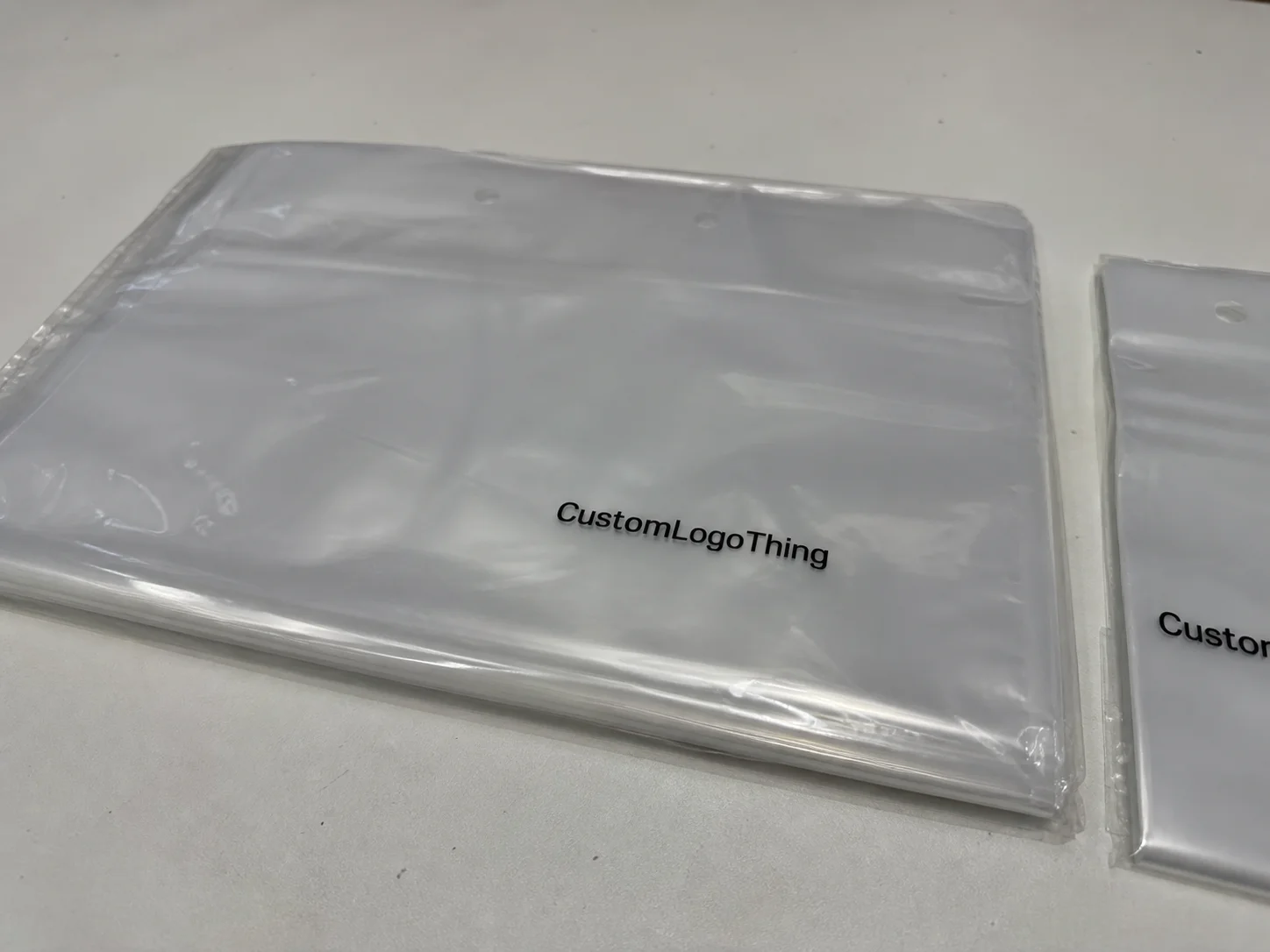
Buyer Fit Snapshot
| Best fit | Branded Shipping Mailers Supplier projects where brand print, material claims, artwork control, MOQ, and repeat-order consistency need to be specified before quoting. |
|---|---|
| Quote inputs | Share finished size, material target, print colors, finish, packing count, annual reorder estimate, ship-to region, and any compliance wording. |
| Proofing check | Approve dieline scale, logo placement, barcode or warning zones, color tolerance, closure strength, and carton packing before bulk production. |
| Main risk | Vague material claims, crowded artwork, missing packing details, or unclear freight terms can make a low unit price expensive after revisions. |
Fast answer: Branded Shipping Mailers Supplier: Film, Print, MOQ, and Carton Packing should be specified like a repeatable production item. The safest quote records material, print method, finish, artwork proof, packing count, and reorder notes in one written spec.
Production checks before approval
Compare the actual filled-product size with the drawing, then confirm tolerance on folds, seals, hang holes, label areas, and retail display edges. Reserve space for logos, QR codes, warning copy, and material claims before decorative graphics fill the panel.
Quote comparison points
Review material grade, print process, finish, sampling route, tooling charges, carton quantity, and freight assumptions side by side. A quote is only useful when the supplier can repeat the same color, closure quality, and packing count on the next order.
Choosing a branded shipping mailers supplier looks easy until the first reprint hits the calendar, the first damage complaint lands in customer service, or a launch ships in mailers that crease faster than anyone expected. The mailer is often the first physical brand touchpoint after checkout, so a clean seal, crisp print, and properly sized format can shape the customer's impression before the package is even opened.
The right branded shipping mailers supplier does far more than print a logo on a pouch. The best partner helps you choose the material, match the size to the product, refine the artwork, and think through the realities of order fulfillment, ecommerce shipping, and package protection. A mailer has to survive sorting belts, stacking in transit, occasional moisture, and the kind of compression that happens when one carton ends up under another. It still has to look like your brand, not a compromise made at the last minute.
For Custom Logo Things, the practical question is not simply whether a package can be printed. The better question is whether the mailer will hold up, ship efficiently, and support the brand experience with enough consistency that reorders feel predictable. That is the standard a thoughtful branded shipping mailers supplier should meet, and it is the one worth holding onto.
What a Branded Shipping Mailers Supplier Actually Does
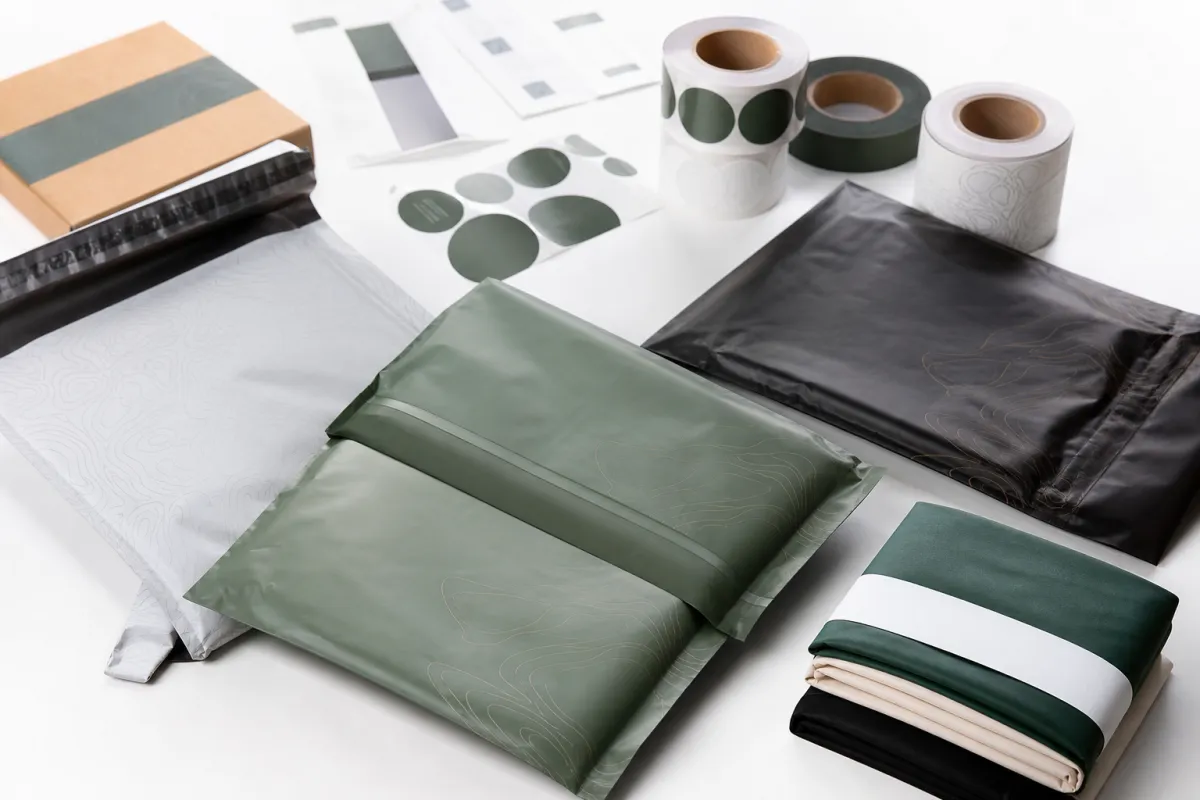
A branded shipping mailers supplier turns a plain shipping pouch into a branded package through material selection, print setup, sizing, and production planning. In plain terms, they help you decide what the mailer is made from, how it closes, how it prints, and how it should be packed for warehouse use. That sounds basic, yet the details matter because shipping materials do two jobs at once: protecting the product and carrying the brand message.
There is a real difference between decorative packaging and functional shipping packaging. Decorative pieces can focus almost entirely on appearance. Shipping mailers cannot. They have to tolerate rough handling, friction, drops, stack pressure, and the occasional damp surface without opening up or shredding at the seams. A solid branded shipping mailers supplier understands that the mailer has to work in the physical world first and look good while doing it.
Most suppliers will offer a few core formats, and each one has a place:
- Poly mailers for apparel, soft goods, and lightweight ecommerce shipping where moisture resistance matters.
- Paper mailers for brands that want a curbside-recycling-friendly feel and a more natural presentation.
- Compostable mailers for specific sustainability programs, provided the claims match the actual end-of-life path in the market you ship to.
- Padded mailers for small, fragile items that need extra cushion without moving to a full box.
- Specialty formats for beauty, accessories, subscriptions, and lightweight goods that need a tighter fit or a more premium opening experience.
The supplier role also includes a lot of quiet problem-solving. If the artwork is too close to the seal, that needs to be flagged early. If the product dimensions create too much empty space, the mailer size may need to change. If the design uses dense coverage on a thin substrate, the supplier should explain how that can affect cost, drying, or scuff resistance. A good branded shipping mailers supplier acts a little like a packaging adviser, a little like a production planner, and a little like a logistics translator.
In my experience reviewing packaging specs, the weak point is usually not the logo. It is the fit, the seal, or the way the material behaves once it starts moving through a real warehouse. That is the part that people kinda underestimate until the first batch goes out.
A mailer should never be treated as a throwaway item. If it is part of the customer experience, it deserves the same kind of spec discipline you would apply to a carton, label, or insert.
For brands building out their packaging program, it also helps to think in terms of a wider system. Mailers do not live alone. They sit beside labels, cartons, inserts, and void fill. If you are comparing formats, the broader Custom Packaging Products page can help you see where mailers fit into the full packaging stack. And if your line includes boxes for some products and mailers for others, comparing both makes the spec conversation sharper.
How the Process and Timeline Work
The process with a branded shipping mailers supplier usually starts with a brief. You share product dimensions, monthly volume, shipping method, target appearance, and any constraints like moisture resistance or recycled content targets. From there, the supplier recommends a format, sizes the mailer, and maps out the print method. A well-run project usually follows a simple path: inquiry, material recommendation, artwork review, proof approval, sample review if needed, production, inspection, and shipment.
Artwork prep can add time, especially when the files are not built for packaging. Maybe the logo needs resizing to fit the printable area. Maybe the color values need cleanup because what looked fine on screen will print differently on film or kraft paper. Maybe the dieline needs a small shift so the seal area and graphics stay out of each other's way. A strong branded shipping mailers supplier will catch those issues early instead of letting them show up in finished goods.
Lead time depends on several variables, and these are the ones that usually matter most:
- Print method and whether the art is one color, spot color, or full coverage.
- Order size, because larger runs can take longer to schedule but sometimes move more efficiently once on press.
- Material availability, especially for specialty substrates or custom gauges.
- Finish, such as matte, gloss, soft-touch, or protective coatings.
- Whether the mailer is stock or made-to-order, which changes both timing and flexibility.
Sampling matters more than many teams expect. Yes, it adds time upfront. It can also prevent a much costlier mistake later. A sample lets you check size, closure strength, print placement, color feel, and pack-out behavior with actual products, not just a render. From a packaging buyer's point of view, that is time well spent. A thoughtful branded shipping mailers supplier should be comfortable walking you through a sample stage because it protects both sides from avoidable rework.
A practical timeline example helps. If you are launching a seasonal collection or a new product line, start the mailer conversation six to eight weeks before you need freight on the dock. That gives room for brief development, proofing, sample review, and a production window that is not squeezed by a last-minute campaign. Simple repeat jobs may move faster, often 12 to 15 business days after proof approval, but custom work should not be planned as if every step will go perfectly on the first pass. The best branded shipping mailers supplier will say that plainly.
If you want to see how packaging programs are handled in practice, the Case Studies page is a useful place to compare formats, finishes, and use cases. It can help you spot the difference between a package that looks nice in a mockup and one that actually supports order fulfillment at scale.
Key Factors for Choosing the Right Supplier
Material performance should come first. If the mailer tears too easily, lets moisture in, or fails when stacked on a pallet, the branding will not matter much. Ask about film gauge for poly mailers, paper weight for paper mailers, tear strength, puncture resistance, and closure reliability. In rougher shipping lanes, a slightly heavier substrate can save a lot of trouble. A capable branded shipping mailers supplier should be able to explain those tradeoffs in plain terms, not jargon.
Print quality is the next layer. Brand color matters more than many teams realize, especially for repeat orders. A logo that shifts from one production run to another can make the program look inconsistent even if the package itself is technically fine. Ask how the supplier manages registration, ink coverage, and color matching. If they can keep repeat orders stable, that is a strong sign you have found a dependable branded shipping mailers supplier.
Sustainability claims deserve careful reading. Recycled content is not the same thing as recyclability. Compostable is not the same thing as biodegradable in a general sense. Source reduction is often the simplest sustainability win because the lightest package that still protects the item tends to use fewer materials and less freight. If you ship into multiple regions, the end-of-life story may change by market, so the supplier should be able to explain what the claim actually means in practice. For standards and verification, it helps to review recognized references such as ISTA for transit testing concepts and FSC for responsibly sourced fiber claims where paper-based packaging is involved.
Sizing strategy is another place where teams either save money or create hidden waste. A mailer that is too large costs more in material, takes up more freight volume, and often creates an awkward opening experience because the product shifts inside. A mailer that is too tight can stretch seams, distort graphics, or make packing slow enough that the warehouse feels the pain. A practical branded shipping mailers supplier should be exact here, not just agreeable.
Operational support matters as much as physical spec. A great price does not help if the supplier disappears when artwork needs a change or a reorder is due. Ask about sample availability, documentation, account support, and how they handle demand spikes. Can they scale without changing your material? Can they keep the same print setup on the next run? Those are the questions that separate a transactional vendor from a dependable branded shipping mailers supplier.
Here is a simple comparison that often helps teams think clearly about material choices:
| Mailer Type | Typical Strength | Best Fit | Common Price Range | Notes |
|---|---|---|---|---|
| Poly mailer | High moisture resistance, good tear resistance | Apparel, soft goods, lightweight ecommerce shipping | $0.18-$0.45 per unit at mid-volume | Often the best balance of cost and package protection |
| Paper mailer | Moderate protection, better fiber story | Brands prioritizing curbside-recycling-friendly presentation | $0.24-$0.60 per unit at mid-volume | Works well when the item is not sharp or moisture-sensitive |
| Padded mailer | Moderate to high cushioning | Accessories, small hard goods, fragile lightweight items | $0.32-$0.80 per unit at mid-volume | Can reduce the need for additional inner packaging |
| Compostable mailer | Varies by construction, usually moderate | Programs with clearly defined sustainability goals | $0.30-$0.70 per unit at mid-volume | Verify actual disposal pathway before making claims |
The range above is not a promise, because volume, print coverage, thickness, and freight all move the number around. Still, it gives a buyer a realistic starting point. A good branded shipping mailers supplier should be able to explain why one quote is higher than another instead of hiding behind a single unit price.
Step-by-Step: From Quote to Final Delivery
The cleanest projects start with a very clear needs brief. List the product dimensions, the shipping method, the monthly volume, the target unboxing feel, and any priorities around sustainability or package protection. If you have packers in a warehouse, include pack-out speed and whether the team needs a mailer that is easy to load by hand. A careful branded shipping mailers supplier will use that brief to narrow the field fast.
From there comes quoting and spec alignment. This is where you want the supplier to confirm the exact dimensions, material, thickness or weight, print method, closure style, and packing format. Is the mailer shipped flat or bundled in cartons? Is the artwork print-ready, or will the supplier need to make adjustments? If the supplier asks a lot of detailed questions here, that is usually a good sign, not a nuisance.
Proofing should be treated like a final check, not a formality. Look closely at color expectations, trim lines, seal placement, mail panel needs, and any barcode or regulatory notes. If there is a shipping label area, verify that it remains clean and readable after pack-out. This step is where many brands save themselves from a painful reorder. A disciplined branded shipping mailers supplier will not rush you past proof approval because the downstream cost of a mistake is far higher than the few minutes needed to inspect the file properly.
Production and inspection are where the supplier turns the approved spec into physical goods. A normal workflow includes printing, curing or laminating if needed, batch checks, and final packing into cartons or master cases. Some suppliers include more rigorous quality checks than others, so ask how they monitor registration, seal integrity, and print consistency. If a supplier cannot describe their inspection step clearly, that is a warning sign for any branded shipping mailers supplier conversation.
Receiving and rollout deserve a little discipline too. When the shipment arrives, open a few cartons, check the print quality, verify dimensions, and test fit with real products. Do not assume the first carton tells the whole story. Then document the approved spec in one place so future reorders do not drift. This is a small operational habit, but it saves time, money, and arguments later. If you also use boxes in your program, it can help to compare the mailer spec with Custom Shipping Boxes so every format stays aligned with the same brand rules.
Cost, Pricing, and MOQ Basics
Pricing for a branded shipping mailers supplier is driven by material choice, print colors, dimensions, finish, and how efficiently the order fits the supplier's production setup. A mailer with one-color print on stock material will usually cost less than a full-coverage design on a custom substrate. If the order needs special lamination, unusual sizing, or a very specific closure style, the price will move upward accordingly.
MOQ, or minimum order quantity, is often where buyers start negotiating emotionally instead of practically. A lower MOQ can help you test a new design or launch a limited run without tying up too much cash. A higher MOQ may reduce unit cost enough to improve the overall packaging budget. The right answer depends on cash flow, forecast confidence, and storage space. A sensible branded shipping mailers supplier should explain how MOQ affects the per-unit price instead of pretending every quantity is equally efficient.
Setup costs can also appear in custom projects. That may include print preparation, plate or tooling work for certain processes, or extra time for color matching and artwork adjustments. If you are comparing quotes, ask whether those fees are included or separate. The same applies to overage allowances and spoilage assumptions. A quote that looks cheaper can become more expensive once freight, packing, and print prep are added. That is why experienced buyers compare landed cost rather than the sticker price alone, especially for transit packaging and ecommerce shipping programs.
Here is the easiest rule I use: choose the option that balances durability, brand impact, and unit economics. If the cheapest quote saves a few cents but fails in transit, the real cost is much higher than the invoice suggests. If a slightly better mailer reduces damage, speeds pack-out, and protects the brand experience, it often pays back quickly. A reliable branded shipping mailers supplier will help you make that call with clear numbers.
For many brands, it also helps to understand the cost relationship between mailers and the broader package system. If you move a product from a box to a mailer, dimensional weight can shift in your favor, but only if the mailer still protects the item properly. If you are testing that tradeoff, compare mailer options with the other items in your shipping setup and consider whether some SKUs belong in mailers while others still need cartons. The right branded shipping mailers supplier should help you model that choice instead of pushing one format for everything.
Common Mistakes When Sourcing Mailers
The first mistake is approving a design before testing real product fit. A mailer that looks clean on a screen can fail once the product, label, insert, and closure all go inside it. That can lead to bulging seams, wrinkled artwork, or a pack-out that takes too long for warehouse staff. A good branded shipping mailers supplier will encourage a fit check before final approval because that is where a lot of hidden problems show up.
Another common problem is ignoring shipping abuse. Mailers ride through sorting systems, get stacked, slide across belts, and can sit through temperature swings or damp conditions depending on the route. If the substrate is too light or the seal too weak, the package may look great leaving the warehouse and fail before delivery. That risk is especially real for paper-based formats and lightly cushioned designs, so a strong branded shipping mailers supplier should talk honestly about package protection rather than only about appearance.
Vague spec sheets cause a surprising amount of trouble. If the supplier does not get exact dimensions, target thickness, print expectations, and packing requirements, rework becomes much more likely. One team may think the size is obvious, while the other is working from a different measurement convention. That is how small errors become expensive ones. The best branded shipping mailers supplier relationships are built on specs that leave little room for guesswork.
Some teams also focus too much on how the mailer looks in a photo and too little on how the warehouse will live with it. Can packers close it quickly? Does it lay flat in cartons? Does the adhesive hold without extra pressure? Does the finished bundle fit the available shelf space? Those are not glamorous questions, but they matter. A package that is beautiful and slow is still a problem. A smart branded shipping mailers supplier understands the warehouse side of the equation.
Reorder consistency is the last trap worth naming. The first run looks excellent, everyone is happy, and then six months later the color shifts, the size drifts, or the paper feels different because the original spec was never documented properly. That is why you want a clear approval record, a saved proof, and a named spec file. If your branded shipping mailers supplier cannot support repeatability, the whole program becomes harder to trust over time.
For sustainability-focused brands, another mistake is making claims that the actual disposal environment cannot support. A mailer may contain recycled content and still not be recyclable everywhere. A compostable material may need industrial composting conditions that a typical household cannot provide. This is where the packaging standards matter. Referencing recognized guidance from organizations such as the EPA recycling resources can help teams stay grounded in real-world waste pathways rather than wishful thinking.
How to Work With a Branded Shipping Mailers Supplier
Start by asking for sample sets. Not just one sample, either. Ask for options that reflect different material thicknesses or finishes so you can compare how each one feels in hand, loads on the packing line, and survives a simple abuse test. A practical branded shipping mailers supplier should be willing to show you tradeoffs instead of steering every customer into the same default format.
Then test the mailers with actual products and actual packers. That is where a lot of assumptions fall apart. A design that looks tidy in a mockup may be awkward for the people doing the packing, or it may require too much attention during close and seal. Real packers notice that kind of thing quickly. A good branded shipping mailers supplier will respect that feedback because it leads to a better production spec.
Build a reorder file that includes the size, material, artwork version, approved proof, closure style, and the name of the last run. That one habit saves a surprising amount of time later. It also helps if multiple people on your team touch packaging sourcing, because the history of the approved spec stays visible. For growing brands, consistency in shipping materials matters almost as much as the first purchase order. A trustworthy branded shipping mailers supplier will appreciate a customer who keeps that record organized.
If you want to make the first order safer, compare two or three comparable quotes side by side. Make sure each one uses the same dimensions, same material class, same print coverage, same finish, and same quantity. If one quote is based on stock inventory and another is custom-built, the pricing and timing will never be apples to apples. That is exactly why a serious branded shipping mailers supplier conversation should stay anchored to spec.
Before you place the order, verify the timeline, MOQ, and shipping method in writing. Check whether the freight is included, how the cartons will be packed, and whether there is any overage or spoilage allowance built into the run. Then keep one final question in mind: does this mailer support the product, the warehouse, and the brand all at once? If the answer is yes, you are probably working with the right branded shipping mailers supplier.
For brands that are still building their packaging system, the safest path is to shortlist one branded shipping mailers supplier, confirm the spec in writing, request a sample, and then move into production only after the fit and print are approved. That is a steady way to buy packaging: not flashy, not rushed, just disciplined enough to prevent surprises and strong enough to support growth.
If you are also mapping other packaging formats around the mailer program, the broader Custom Packaging Products catalog can help you compare options without losing sight of the whole system. A mailer should fit the product, the process, and the promise your brand makes to the customer. That is the real job of a branded shipping mailers supplier, and the reason a careful choice pays off long after the first shipment goes out.
FAQ
What should I ask a branded shipping mailers supplier before ordering?
Ask about material options, print method, MOQ, turnaround time, and whether the supplier can share samples that match your product size and shipping method. Confirm how they handle proofs, color matching, overages, and reorder consistency so the first run and the next run stay aligned. Request a landed-cost estimate, not just a unit price, so freight and other charges do not surprise you later.
How do I compare branded shipping mailers supplier quotes?
Compare the same spec across every quote: dimensions, material, thickness, print colors, finish, closure, and quantity. Look beyond the headline price and compare unit cost, MOQ, setup fees, freight, and any charges for artwork changes or special packing. Ask which quote is based on stock material and which is custom-built, since the production path can affect timeline and consistency.
What is a normal turnaround time for custom shipping mailers?
Turnaround time depends on proof approval, material availability, print complexity, and order size, so the clock starts after the spec is finalized. Simple repeat orders move faster than first-time custom runs because the artwork and production settings are already approved. Build in extra time if you need samples, sustainability documentation, or a launch tied to a fixed campaign date.
What MOQ should I expect from a branded shipping mailers supplier?
MOQ varies by construction and print method, but custom mailers usually require a minimum that makes production efficient for the supplier. A lower MOQ can be helpful for testing a new design, yet a slightly higher MOQ may reduce unit cost enough to improve your overall packaging budget. Ask whether the supplier offers flexible reorder tiers so you can start small and scale once demand is proven.
Are branded shipping mailers worth it for small businesses?
Yes, if the mailer helps reduce damage, improves unboxing, and supports repeat purchase behavior without creating packing delays. Small brands often benefit from a simple, clean design that looks premium without requiring expensive finishes or oversized quantities. The best approach is to choose a format that fits your product tightly, ships efficiently, and can be reordered consistently as volume grows.
Clear the spec before you place the order, test the fit with real product, and save the approved proof in one place. If you do those three things, the next reprint is a lot less likely to turn into a headache, and your branded shipping mailers supplier can actually do what you hired them to do.