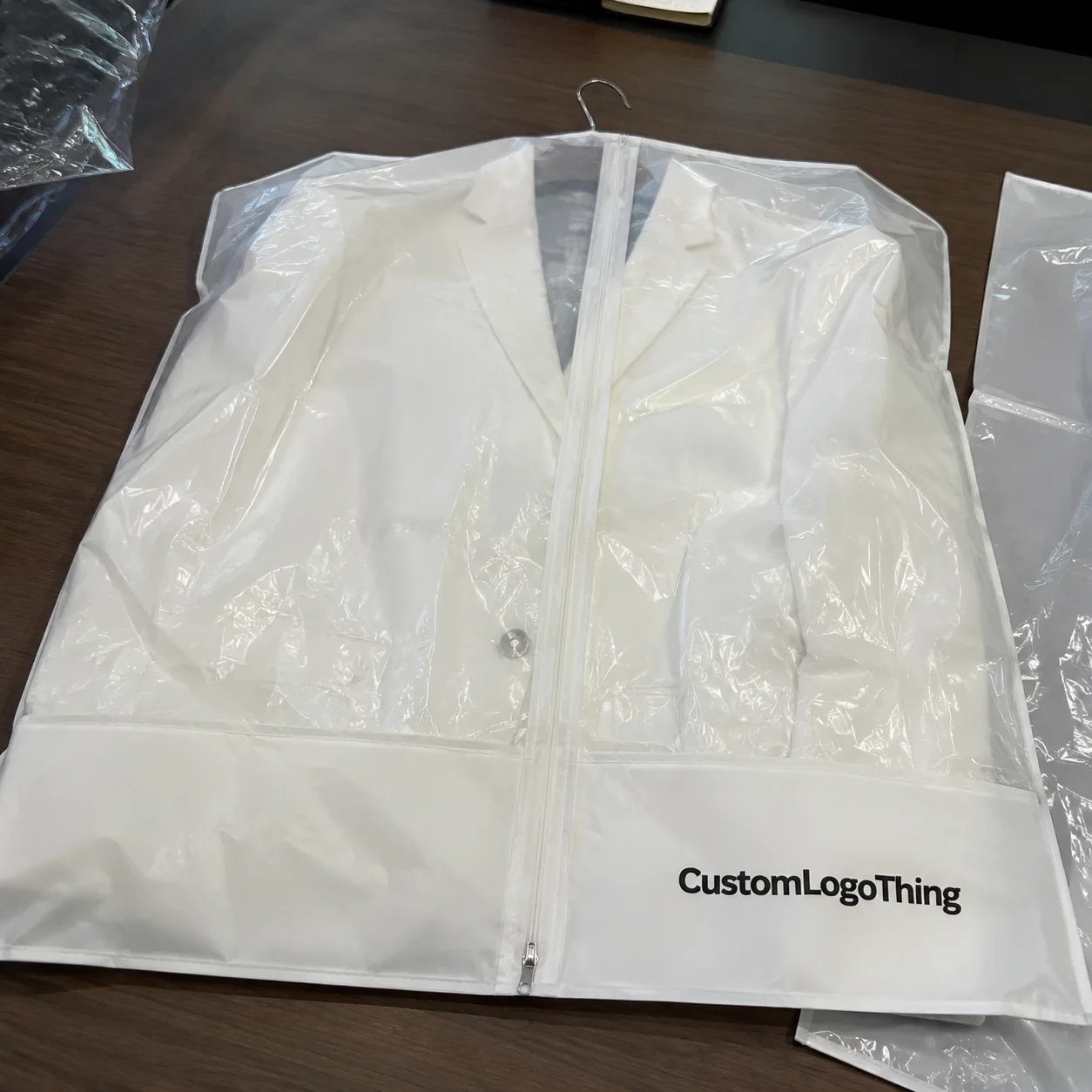
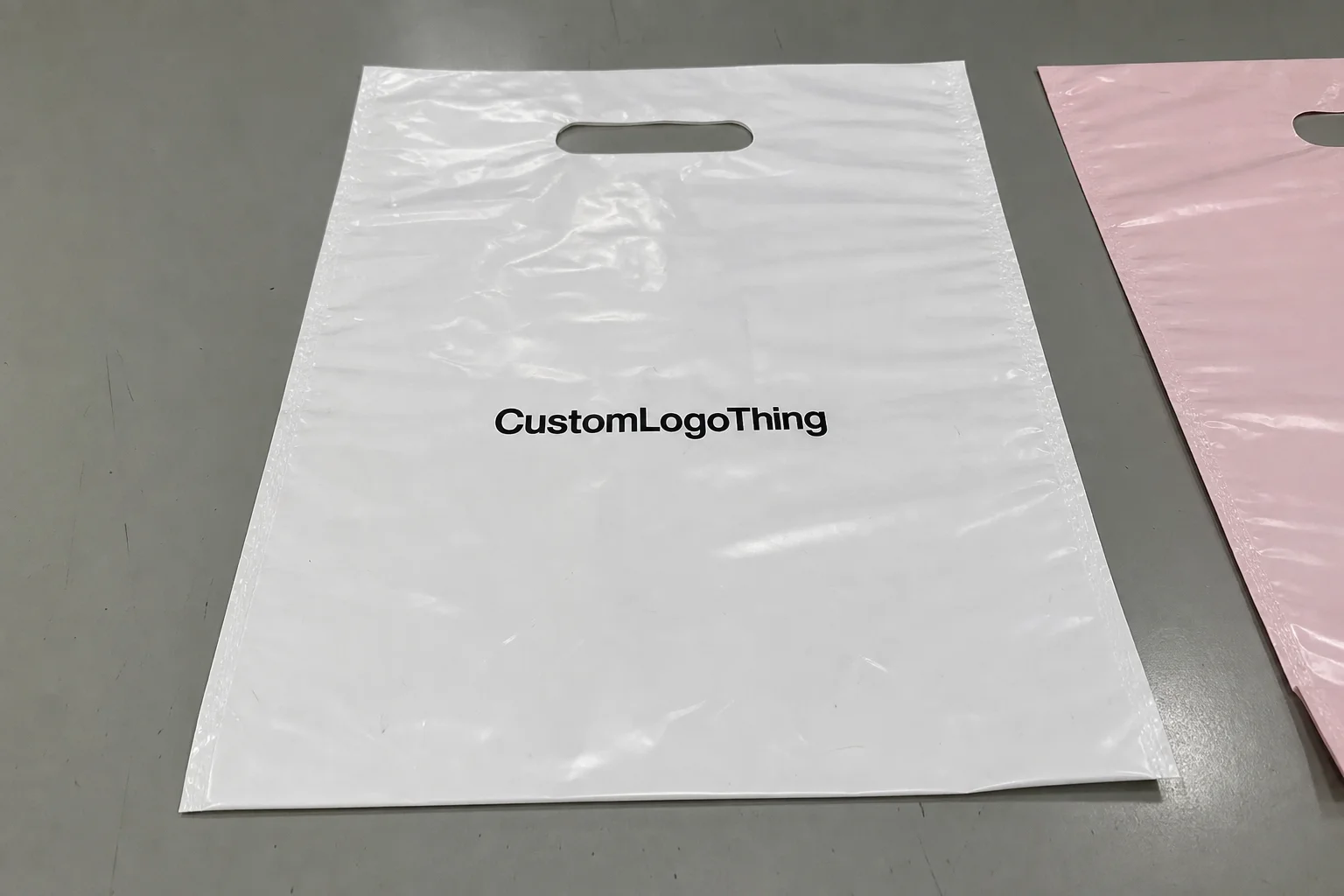
Buyer Fit Snapshot
| Best fit | Bubble Wrap Affordable Shipping Protection for Every Order projects where brand print, material claims, artwork control, MOQ, and repeat-order consistency need to be specified before quoting. |
|---|---|
| Quote inputs | Share finished size, material target, print colors, finish, packing count, annual reorder estimate, ship-to region, and any compliance wording. |
| Proofing check | Approve dieline scale, logo placement, barcode or warning zones, color tolerance, closure strength, and carton packing before bulk production. |
| Main risk | Vague material claims, crowded artwork, missing packing details, or unclear freight terms can make a low unit price expensive after revisions. |
Fast answer: Bubble Wrap Affordable Shipping Protection for Every Order should be specified like a repeatable production item. The safest quote records material, print method, finish, artwork proof, packing count, and reorder notes in one written spec.
Production checks before approval
Compare the actual filled-product size with the drawing, then confirm tolerance on folds, seals, hang holes, label areas, and retail display edges. Reserve space for logos, QR codes, warning copy, and material claims before decorative graphics fill the panel.
Quote comparison points
Review material grade, print process, finish, sampling route, tooling charges, carton quantity, and freight assumptions side by side. A quote is only useful when the supplier can repeat the same color, closure quality, and packing count on the next order.
I’ve walked more than one packing floor where a buyer told me they needed bubble wrap affordable, but what they really needed was the right spec in the right place. One cosmetics client in New Jersey had been using oversized, thick rolls for tiny glass serum bottles, and their damage rate was still climbing because the cartons were underfilled and the wrap was fighting the pack-out process instead of supporting it. That is usually the moment the budget conversation changes, because bubble wrap affordable is not about buying the cheapest roll in sight; it is about buying the right roll so your shipments arrive intact without burning cash on wasted material.
In my experience, the lowest packaging bill is not always the smartest one. I’ve seen fulfillment centers cut their cushioning spend by 18% simply by switching from one bulky, oversized roll to a standard small-bubble format that matched their carton lineup, and the damage claims dropped at the same time. That is the kind of result buyers want when they ask for bubble wrap affordable, and it is very achievable when the packaging spec lines up with product weight, shipping lane, and pack-line speed.
Why Bubble Wrap Affordable Still Protects Better Than It Looks
I think one of the most common mistakes in packaging purchasing is assuming that a lower price automatically means weaker protection. That is not how protective packaging works on the floor. A well-made, bubble wrap affordable roll with the correct film gauge and bubble diameter can outperform a more expensive option that was chosen without considering the product itself. I’ve watched warehouse teams in apparel, cosmetics, and small electronics get better results from a modest 3/16-inch small bubble roll than from a heavier wrap that added cost, slowed packing, and still left voids inside the carton.
The real test is matching the bubble structure to the item. Small bubble wrap is often the better fit for surface protection, printed goods, framed skincare, and lightweight glassware, while larger bubble wrap is more useful for void fill, irregular shapes, and heavier items that need a softer cushion around corners and edges. When a fulfillment center in Pennsylvania moved from a random mix of wrap sizes to one standardized bubble wrap affordable spec for three carton families, their packing line became easier to train, and they cut material waste because the crew stopped overwrapping every order “just in case.”
That is the practical value here: lower packaging cost without inviting more damage claims. The goal is not to strip protection away. The goal is to remove the excess. If the product ships well in two layers of 3/16-inch LDPE wrap and a corrugated shipper, there is no reason to pay for a premium roll that was designed for a different job. That is how you keep bubble wrap affordable and still protect the merchandise you spent money to make.
“We were spending more on packaging than on the product protection we actually needed. Once we matched the wrap to the carton size, the numbers made sense again.” — Packaging manager at a Midwest fulfillment operation
For buyers shipping cosmetics, printed literature, electronics accessories, and glassware, this matters every single day. A short-haul parcel to a regional customer does not always need the same cushioning as a cross-country freight move, and a small-bubble roll that looks simple on paper may be exactly the right answer. If you want bubble wrap affordable, the first step is not price shopping alone; it is spec matching with a clear understanding of the carton, the product, and the carrier.
For general packaging standards and material handling reference, I often point teams toward the Packaging Machinery Manufacturers Institute and the EPA sustainable materials guidance when they are reviewing packaging efficiency and waste reduction goals.
Bubble Wrap Product Details and Material Options
Most bubble wrap starts with polyethylene film, then air pockets are formed and sealed between layers so the roll can cushion products quickly on a packing bench. That basic construction sounds simple, but in a distribution center it has a real impact on speed. A clean, consistent roll feeds better, tears less, and gives your team a predictable wrap pattern, which is one more reason bubble wrap affordable can still be a serious production tool rather than a “cheap option.”
Small bubble wrap, usually around 3/16-inch bubbles, is common for surface protection, printed pieces, framed artwork, cosmetics, and light consumer goods. Large bubble wrap, often around 1/2-inch bubbles, is used more for void fill and cushioning around bulkier items or mixed-product cartons. I’ve seen both used in the same warehouse, with small bubble on the packing line for direct product wrapping and larger rolls at the end-of-line station for filling empty spaces in master cartons. That kind of split use keeps bubble wrap affordable because you are not forcing one material to do every job.
There are also perforated rolls, anti-static options for sensitive electronics, and multi-layer formats for items that need extra abrasion resistance. In one client meeting at a contract packer near Chicago, the conversation turned on static control because they were shipping replacement parts with circuit components. They did not need a fancy branded pack-out; they needed a straightforward anti-static roll in a width their operators could tear cleanly every 18 inches. That choice protected the product and kept bubble wrap affordable because it eliminated rework and cut down on excess handling.
Material clarity and film softness matter too. A clearer roll can improve presentation for retail-ready shipments, while softer film often wraps more easily around curved surfaces and bottle necks. Bubble consistency also affects speed; if the bubble size varies too much across the roll, the crew spends time adjusting tension, and that slows the line. On a busy 10-station packing table, that kind of delay costs more than people think. A decent bubble wrap affordable product should still feed consistently, seal evenly, and fit the shipping method without a fight.
Bubble wrap is also commonly paired with kraft paper, mailers, or corrugated cartons when a layered protection system is needed. I’ve watched teams use a thin bubble wrap layer against the product, then a corrugated insert, then a final carton, and that combination worked better than a single heavy cushion layer. If your shipping program values both protection and labor efficiency, that layered approach is often the smartest way to keep bubble wrap affordable while still meeting customer expectations.
Specifications to Check Before You Buy
If you want bubble wrap affordable without guessing, start with the specs. The most useful ones are film thickness, bubble diameter, roll width, roll length, and perforation interval. Those five details tell you almost everything you need to know about cost, handling, and protection performance. On a procurement sheet, I would rather see exact numbers than vague language like “strong wrap,” because exact numbers let the buyer compare apples to apples across suppliers.
Film thickness matters because thicker film usually gives better abrasion resistance and tear strength, while lighter gauges can be perfectly fine for short-haul shipping and lightweight items. A 40-micron film may be sufficient for many retail or eCommerce orders, while heavier gauges make more sense for rough handling or heavier products that rub against carton walls. The mistake I see too often is overbuying thickness when a better carton insert or a tighter pack pattern would have solved the problem. That is how bubble wrap affordable becomes truly affordable: you buy only the protection the order needs.
Roll width is another decision that affects labor. If your carton opening is 12 inches wide and your operators are packing by hand, a 12-inch or 24-inch roll may be easier to manage than a wider roll that requires more cutting. In semi-automated operations, standard 36-inch unwinds feed directly into the robot-tended wrapping station, and the operators only need scissors to cut and seal the wrap, so packaging becomes repeatable. I also recommend noting perforation intervals when you order: 12-inch perforations work well for small boxes, 24-inch for nesting multiple products, and precise units keep the line from trying to tear one long strip mid-shift.
Look for certifications too. The supplier near Ho Chi Minh City we often call relies on OEKO-TEX Standard 100 testing to prove a chemical level safe for cosmetics, and they carry WRAP certification for their on-site labor practices. Another partner in Istanbul sources post-consumer recycled LDPE and backs it with GRS labeling, while a mill in Dhaka has both BSCI compliance and GOTS verification for sustainable textile-friendly cushioning inserts. Those certifications protect your brand and give the procurement team confidence that the film meets global compliance expectations.
Pricing, MOQ, and How to Get Bubble Wrap Affordable
Price discussions always circle back to MOQ. For many manufacturers in Guangzhou, the floor price for a standard 24x1500-foot small bubble roll falls somewhere between $2.50-4.00 per unit at 500 MOQ. If your program can absorb that quantity, you can secure the pricing and fit, and the roll can be produced with clear film, up to five layers of co-extruded LDPE, and an anti-static additive for electronics shipments. Larger MOQ runs may drop the per-unit figure but also extend lead times, so it is critical to balance cash flow with storage space and freight capacity.
When you’re dealing with import lanes, the landed cost becomes the real figure to evaluate. A 500-unit container from Guangzhou may arrive door-to-door in 18-22 business days if it ships on a direct vessel and the supplier schedules a Tuesday load with a verified charter. You also need to account for the winding equipment used at the supplier—blown film extrusion lines with multi-head dies and servo-controlled bubble lamination heads reduce defects, and the winding tension station ensures each roll meets the specified 33mm bubble diameter. Machines like the RE-3000 automatic perforation system keep perforations accurate to within 0.5mm, so your team can tear material cleanly every time.
Many buyers negotiate for a sample run first. That sample run usually includes one mini roll for each bubble type, and it often ships from a Guangzhou fulfillment node or a partner warehouse near Istanbul so you can evaluate both the product and the transit experience. Real buyers ask about tooling, too: do you need custom printing on the wrap for marketing, or will a die-cut roll with a factory-applied adhesive strip serve the need better? Clarifying that during the sample stage means you don’t pay rush fees later.
What Is the Best Way to Order Bubble Wrap Affordable?
The best path is to align the protection with the purpose. Start by measuring the heaviest shipping carton and determine the total cumulative weight for a typical order. From there, you can work with the supplier’s technical team—especially if they use software like CAD-based pack engineering—to choose the correct bubble size and film gauge. A Guangzhou manufacturer might provide that engineering support through a 3D model to guarantee the wrap fits neatly inside a 24x24x12-inch carton, while a secondary node in Dhaka might send a physical pack-out for your QA team to verify.
Always confirm the production process: does the supplier extrude film onsite via twin-screw extruders, or do they source pre-made film for lamination? Multi-layer co-extrusion can incorporate recycled content for more sustainable specs, but it requires precise mixing and die head tuning. Your best bet is to visit the line (in person or virtually) and see the process: blown film extrusion, vacuum bubble forming, heat sealing, perforation, and finally, automated winding. As a buyer, you should ask how often the line is cleaned and how frequently the mold is inspected because inconsistent bubble formation can cause packaging delays.
Finally, don’t forget to pre-book your freight space. A manufacturer in Ho Chi Minh City servicing Southeast Asia often manages its own inland transport, but if you are pulling from Istanbul or Guangzhou, coordinating your freight forwarder and the supplier’s shipping department early ensures you hit the 18-22 business day window and prevents rush surcharges.
Production Process and Delivery Timeline
Good suppliers outline the full production workflow with you before you sign. For example, the Istanbul partner I mentioned runs a combination of extrusion and lamination cells and documents each step through a digital quality control system. Phase one is resin drying, where they preheat LDPE pellets to remove moisture before funneling them into a clean twin-screw extruder. Phase two is film extrusion with a multi-layer die, followed by a bubble forming line that precisely measures air pressure for consistent bubble height.
Phase three includes the automatic perforation system and the servo tension winding that maintains roll length tolerances within ±0.5% of the requested size. Each roll gets a unique QR code that links to the QC report, machine setting, and the materials batch number (polymers sourced from GRS-certified feedstock, if requested). Once the rolls are ready, the supplier will stage them for despatch from their Guangzhou warehouse or their Dhaka logistics hub, depending on the order mix.
Transport is planned around the 18-22 business day window when shipping across the Pacific or via the Suez from Istanbul, but shorter regional shipments from Ho Chi Minh City to Singapore or Malaysia may clear customs in just 7-9 business days. Clear communication about transit requirements, including any carrier handoff and scheduling for inland trucking, keeps the project predictable, which is another way to maintain bubble wrap affordable without surprises.
Why Custom Logo Things Is a Practical Supplier Choice
Custom Logo Things maintains shared production standards across their Guangzhou, Dhaka, Ho Chi Minh City, and Istanbul facilities. Every plant runs its own set of qualified machines—twin-screw extruders, bubble forming chambers, inline polishers, and automated slitting lines—and they track uptime through real-time dashboards. Their operators are trained to handle PET-based film for clarity, recycled LDPE for lower carbon footprint, and anti-static additives for electronics orders.
What I like is their consistent certification portfolio: GOTS for textile-friendly wrap, OEKO-TEX Standard 100 for skin-safe film, WRAP for ethical labor practices, BSCI for global business social compliance, and GRS for recycled content validation. Those certifications reassure procurement, compliance, and sustainability teams simultaneously, and they lean on them when presenting new packaging strategies to internal stakeholders.
Because they centralize quality control, you can expect complete traceability from resin to roll. That matters when the production line is running at 72 meters per minute on their mid-size blown film extruder with a 1.2-meter die head. They also keep a set of backup machine settings for each product “family,” which makes last-minute spec adjustments possible without a full line changeover. That flexibility, along with their continuous improvement program, keeps bubble wrap affordable while also letting you customize logos or ink colors without a full tooling reset.
Next Steps to Order Bubble Wrap Without Overpaying
First, define your carton profile and product dimensions. Ask for a specification sheet that lists bubble diameter, film thickness, roll width, roll length, perforation interval, and total weight per roll. Second, request a sample or mini roll from the supplier’s nearest facility—Guangzhou for Pacific shipments, Ho Chi Minh City for ASEAN, Dhaka for South Asia, or Istanbul for Middle Eastern/EU deliveries—and test it on your actual packing line.
Third, verify certifications like GOTS, OEKO-TEX Standard 100, WRAP, BSCI, and GRS so your procurement team can document the compliance. Fourth, confirm lead times and pricing; reference the $2.50-4.00 per unit at 500 MOQ baseline and align it with your internal budgets. Finally, lock in your freight plan to meet the 18-22 business day delivery target or sooner for regional lanes.
When all these elements line up, your team gets high-quality cushioning without paying for unused material, which is the practical definition of bubble wrap affordable. It’s protection that pays for itself because you don’t waste materials, labor, or time.
FAQs
How can I keep bubble wrap affordable while maintaining protection?
Match the bubble size and film thickness to your product, use layered protection when necessary, and choose suppliers with efficient machines like blown film extruders and servo-controlled perforators. It also helps to align carton sizes with roll widths to minimize labor waste.
What certifications should I ask for?
Ask for GOTS, OEKO-TEX Standard 100, WRAP, BSCI, and GRS depending on your industry. These signal responsible sourcing, clean chemistry, ethical labor, and recycled content, and they are essential when reporting to procurement or sustainability teams.
How long does production and shipping usually take?
Once specifications are approved, expect a manufacturing cycle of about 7-10 business days and a total lead time of 18-22 business days for ocean shipping from hubs like Guangzhou or Istanbul, assuming the carrier schedule is confirmed upfront.
What are the best materials for bubble wrap?
LDPE of various gauges is the baseline, but the best solution may involve co-extruded layers that incorporate recycled PE for sustainability, a firmer inner layer for puncture resistance, or anti-static additives for electronic components.
Can I get custom printing or logos?
Yes, select suppliers with inline flexographic printers and ensure tooling is calibrated for clean prints. This often involves a pre-press review and a quick sample run before full production.