Printed Shipping Bags for Retail That Protect Brands
The first thing a customer touches after checkout is not always the product; very often, it is the mailer or bag that brings it home. That is why printed shipping bags for retail deserve real attention, not just a quick approval because the logo looked fine on screen. A good retail shipping bag has to protect goods in transit, keep order fulfillment moving, and still feel like part of the brand rather than a leftover logistics item.
In practice, the best bags do three jobs at once. They carry the item safely, they carry the message clearly, and they do both without adding wasteful cost or slowing the packing line. The details matter: film gauge, print coverage, closure style, bag size, and order quantity all shape performance and price. If you are comparing them with Custom Poly Mailers, Custom Shipping Boxes, or the broader range of Custom Packaging Products, the right choice usually comes down to how the product ships, how much branding you want to show, and how much abuse the package will take before delivery.
What Printed Shipping Bags for Retail Are and Why They Stand Out
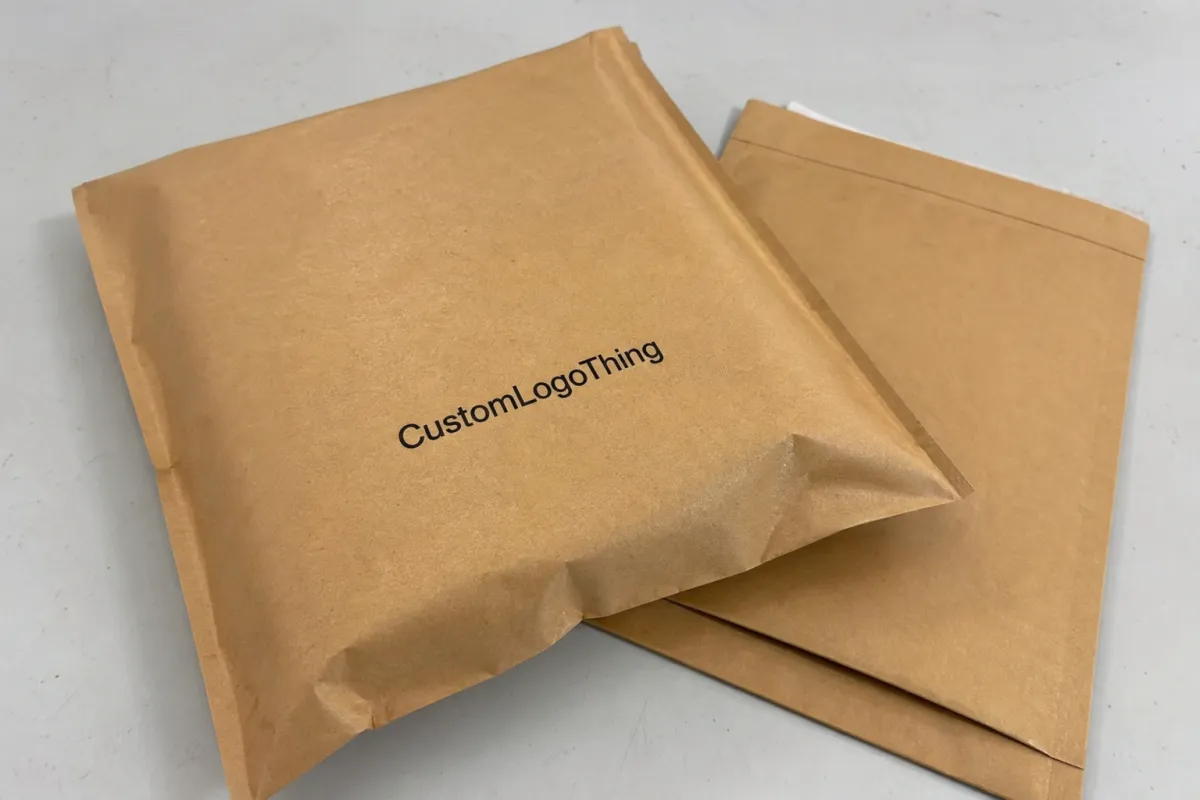
Printed retail shipping bags are flexible bags, usually made from polyethylene film, that combine brand graphics with the practical features needed for ecommerce shipping and fulfillment. They are built to seal, protect, and present the product in one piece of transit packaging. For apparel, accessories, soft goods, and many light-to-medium weight items, they can do the job with less bulk than a carton and far less dead space than a box that is too large for the product.
What makes them stand out is the continuity they create. The customer sees the brand on the website, then on the confirmation email, then again on the package that lands at the door. That kind of visual consistency helps with recall and makes the shipment feel intentional. It is a small thing, but buyers notice it. A plain bag moves a product. A printed bag carries the brand story with it.
A good shipping bag should disappear in transit and speak for the brand at the doorstep. That is the balance most retailers are aiming for. If the bag is too thin, the product risks damage. If the graphics are too busy, the print can look muddy or off-register. If the closure is awkward, packing speed drops. The right spec keeps those tradeoffs in check.
For reference, material and packaging basics are covered well by industry groups such as Packaging.org, while transit test methods from ISTA are useful when a pack needs to survive drops, vibration, and rough handling in real distribution lanes.
How the Print, Film, and Closure Work Together
The structure of the bag does the heavy lifting. Film gauge controls strength and puncture resistance, the print controls how visible and crisp the branding looks, and the closure controls security and packing ease. Those three pieces should be chosen together, not one at a time, because a beautiful print on weak film still fails, and a strong bag with a poor seal still creates problems.
LDPE is common because it is flexible, forgiving, and easy to handle on a packing line. Blended films can add stiffness, better puncture resistance, or a different surface feel. For heavier apparel, boxed goods inside a bag, or items with rough edges, a 2.5 to 4.0 mil film may be a smarter starting point than a lighter gauge. For soft goods, a 1.5 to 2.25 mil bag may be enough, but only if the seam design and load profile are suitable.
Print method changes both appearance and cost. Solid color fields need good coverage control. Thin line art and small logos demand tighter registration. A simple one- or two-color design is often more consistent than a full-background graphic, especially when the run is long. If a design uses fine text, keep it large enough to survive the film texture and the inevitable movement of the bag during packing.
Closures are a bigger part of the user experience than many buyers expect. Peel-and-seal strips are fast and familiar. Permanent seals are secure but less forgiving if the pack has to be reopened. Tamper-evident options can give customers confidence, especially for higher-value goods or returns-sensitive ecommerce shipping programs. If you want to size the bag against actual product risk, ask for film test data or compare the spec against common methods such as ASTM film strength checks and ISTA-style transit testing before you approve the final construction.
If you are choosing between formats, think about the whole shipping system, not just the mailer itself. A custom shipping bag may be the most efficient choice for a light garment, while a box may still be better for rigid accessories or premium presentation. The right transit packaging protects the product and keeps the line moving.
Printed Shipping Bags for Retail Cost and Pricing Factors
Price is driven by a small set of variables, and once you know them, quoting becomes much clearer. Bag size, film thickness, number of print colors, print coverage, and order quantity usually matter more than anything else. MOQ is especially important because setup time, press time, and proofing cost have to be spread across the run. A 5,000-piece order and a 50,000-piece order are rarely priced on the same curve.
As a broad working range, a simple printed retail mailer might land around $0.16-$0.26 per unit at 5,000 pieces, while a thicker, more heavily branded bag with tamper-evident features or recycled-content film can move into the $0.24-$0.48 range. That is only a planning range, not a quote. Size, freight, and artwork complexity can move the numbers quickly. Still, it helps buyers compare options without getting trapped by a single unit price that hides the rest of the landed cost.
| Option | Typical Build | Best Fit | Approx. Unit Cost at 5,000 | Notes |
|---|---|---|---|---|
| Simple branded LDPE bag | 2.0-2.5 mil, 1-color print | Light apparel, simple order fulfillment | $0.16-$0.26 | Lowest setup burden, cleanest artwork |
| Mid-weight retail mailer | 2.5-3.0 mil, 2-color print | Most ecommerce shipping programs | $0.22-$0.38 | Good balance of image and durability |
| Heavy-duty tamper-evident bag | 3.0-4.0 mil, security seal | Higher-value goods, returns control | $0.28-$0.48 | Better package protection, more material cost |
| Recycled-content printed bag | 2.25-3.0 mil, branded layout | Sustainability-led retail programs | $0.24-$0.42 | Needs careful spec review and color control |
Where can you save without hurting performance? Standardize sizes where you can. Limit the color count if the artwork allows it. Keep finish choices simple. One strong logo and a clean layout often outperform a crowded design that costs more to print and is harder to register. Also, compare quotes on the same basis: same material, same gauge, same printed area, same carton pack count, same freight terms. Otherwise, the cheaper quote may only look cheaper.
Process and Timeline: From Artwork Approval to Delivery
The path from idea to delivery is usually straightforward, but it has a few points where delays like to hide. First comes spec gathering: product size, weight, shipping method, target bag size, closure type, and print intent. Then artwork prep begins, often with a dieline or template that shows the printable area and any seal zones. After that comes the digital proof, where color, placement, and copy get checked before production starts.
Late changes are the usual source of trouble. Missing dielines slow artwork setup. Low-resolution logos can force redraws. Type that looks fine on a monitor may disappear once it is reduced onto film. If the graphic has gradients, small reverse type, or tight registration between colors, expect a proof cycle that is a little more careful. That is not a problem; it is just part of getting a clean result on flexible material.
Most buyers should plan for approval time separately from production time. A fast proof cycle can make the overall schedule feel short, but the factory still needs time for setup, printing, curing or finishing, packing, and transit. A reasonable planning window is often 12-15 business days after proof approval for production, with shipping time added on top. Larger or more complex runs can take longer, especially if there are multiple bag sizes or custom security features.
Seasonal peaks make timing even more important. If a launch depends on several SKUs, or if a retailer expects a heavy promotional surge, the buffer should be built early. Reorders usually move faster because the spec is already known, but only if the artwork and print setup are still on file. A rush order is possible in some cases, yet it almost always costs more and gives everyone less room to fix problems before they become expensive.
Step-by-Step Guide to Specifying the Right Bag
The best spec starts with the product, not the printer. Measure the item in its packed form, not just the naked product. Include any inserts, tissue, poly wrap, hang tags, or protective layers that affect the final footprint. Then look at shipping method and handling risk. A bag for soft apparel in a controlled fulfillment center is a different job than a bag for mixed returns or items with harder edges.
- Record the packed dimensions. Width, length, and thickness matter because the bag should close comfortably without leaving excess slack.
- Note the packed weight. Weight guides film gauge and seal strength better than product category alone.
- Choose the bag size. Leave enough room for easy loading, but avoid oversized film that makes the pack look loose and wastes material.
- Set the print goal. Decide whether the design should feel premium, promotional, minimal, or purely functional.
- Confirm packing-line needs. Seal style, stackability, carton pack count, and how quickly the bag opens all affect labor.
That last point gets overlooked more than it should. A bag can look excellent in a mockup and still slow the line if the opening is too tight, the peel strip is awkward, or the print lands in a spot that makes the operator second-guess which side faces up. For order fulfillment teams, those seconds matter. Multiply a small slowdown by thousands of orders, and the difference is real.
If the brand is new to printed shipping bags, a sample or material mockup is worth the time. A short run reveals things a proof never will, such as glare on dark ink, film slip on a conveyor, or whether the bag collapses the wrong way when stacked. Those are normal production realities, not surprises, and they are much easier to correct before the full order is released.
Common Mistakes That Hurt Strength, Print, or Margin
The first mistake is chasing the lightest film possible. Thin material can lower unit cost, but only until splits, seam failures, or punctures start creating returns. The savings disappear fast once a retailer has to replace damaged goods or absorb customer service issues. Package protection is not a nice extra here; it is part of the economics.
The second mistake is approving artwork before checking print limitations. Tiny type, thin reverse lines, and dense gradients can look sharp on a computer and weak on film. If the design relies on fine detail, the printer may need a different screening approach, a stronger contrast, or a simpler layout. That is normal. What causes trouble is pretending the film will behave like paper.
Another common issue is SKU sprawl. Too many bag sizes, finishes, or color variants inflate inventory and create awkward reorders. A leaner spec list usually helps both margin and packout speed. Buyers sometimes assume a special finish will upgrade the customer experience, but if the finish does not change handling or presentation in a meaningful way, it may only add cost.
One more trap is treating dimensional weight as a box-only problem. Shipping bags usually help here because they reduce air and keep transit packaging compact, but an oversized mailer can still waste cubic space and create unnecessary charges. The best spec respects the carrier math as much as the branding goals.
Printed shipping decisions get easier when the team asks one simple question: will this choice improve the package in real transit, or just make the proof look nicer?
Expert Tips for Better Branding, Packing, and Unboxing
Print placement matters more than many people expect. A logo that sits perfectly centered on the front can look great on a flat proof, but if the bag is stacked in a carton or folded during handling, the mark may disappear from view. Put the strongest branding where the pack is likely to be seen first: on the face that appears when the bag is picked, stacked, or opened. That simple move can lift the perceived value of the shipment without adding ink coverage everywhere.
Keep the packaging language coordinated. If the shipment uses tissue, inserts, labels, or a branded carton for some orders, the bag should feel like part of the same system, not a separate decision. The customer should see one brand voice across the packout, not a collection of unrelated parts. That kind of consistency helps the unboxing moment feel deliberate, even in a warehouse-built process.
For heavier goods or new formats, a short test run is worth more than a long internal debate. A sample carton of bags can show how the film behaves on the packing line, whether the seal opens cleanly, and whether the print stays readable after handling. If the bag is carrying sharp edges or mixed products, test it under real conditions rather than assuming the spec is enough.
And do not ignore the feel of the bag. Gloss, matte, and recycled-content films all signal something different. A soft finish can support a premium look, while a slightly stiffer film can feel more secure in hand. There is no single best answer. The right answer depends on the product, the audience, and the role the bag plays in the full retail experience.
Next Steps: Build a Quote-Ready Spec Sheet
A strong quote starts with a clean spec sheet. List the product dimensions, the target bag size, the packed weight, the material preference, the print colors, the closure style, and the estimated annual usage. Add any special requirements too, such as tamper evidence, recycled content, or a more rigid film for better stackability. If you are unsure about one of those points, say so. A good supplier can usually narrow the field once the basic job is clear.
Gather artwork files and brand rules before requesting pricing. Logos in vector format, approved color references, and notes about type size or margin limits save time and prevent rework. If the design is still moving, ask for a feasibility check before quoting. That step alone can prevent a round of revisions that would otherwise delay the schedule and muddy the comparison between options.
Quotes should be compared on the same terms: identical bag specs, the same print coverage, the same lead time, and the same freight assumption. That is the only way to judge value cleanly. Once samples are reviewed, tolerances are confirmed, and the run is approved, place the order early enough to protect the next sales cycle from stockouts. For many retail programs, that bit of planning is what keeps printed shipping bags for retail from becoming a rushed afterthought instead of a dependable brand touchpoint.
Are printed shipping bags for retail strong enough for ecommerce shipping?
Yes, when the film gauge and seal style match the product weight and the shipping lane. Heavier or sharper items usually need thicker film, stronger seams, or a protective inner wrap. If the bag will face rough carrier handling or returns, sample testing is the safest way to confirm package protection before a full run.
What material works best for printed shipping bags for retail?
LDPE is common because it is flexible, durable, and prints well for many retail uses. Blends or recycled-content films can make sense when a brand wants a different feel or a stronger sustainability story. The right choice depends on product weight, puncture risk, desired finish, and budget.
How many colors can be printed on retail shipping bags?
That depends on the print method, the artwork, and the order size. Simple logos and spot colors are usually the most cost-efficient, while fuller graphics need more setup and tighter color control. Clean artwork usually gives the sharpest result on film.
What affects the price of printed shipping bags for retail the most?
Bag size, film thickness, number of colors, and MOQ usually have the biggest impact. Setup, proofing, freight, and special finishes can also raise the landed price. Standardizing specs and simplifying the artwork are two of the easiest ways to keep cost in line.
How long does it take to produce printed shipping bags for retail?
Timeline depends on proof approval, tooling or plate setup, production queue, and shipping distance. Fast approvals can shorten the schedule, while artwork revisions or custom finishes add time. Building a buffer before a seasonal launch helps avoid a stockout while the replenishment is in transit.
