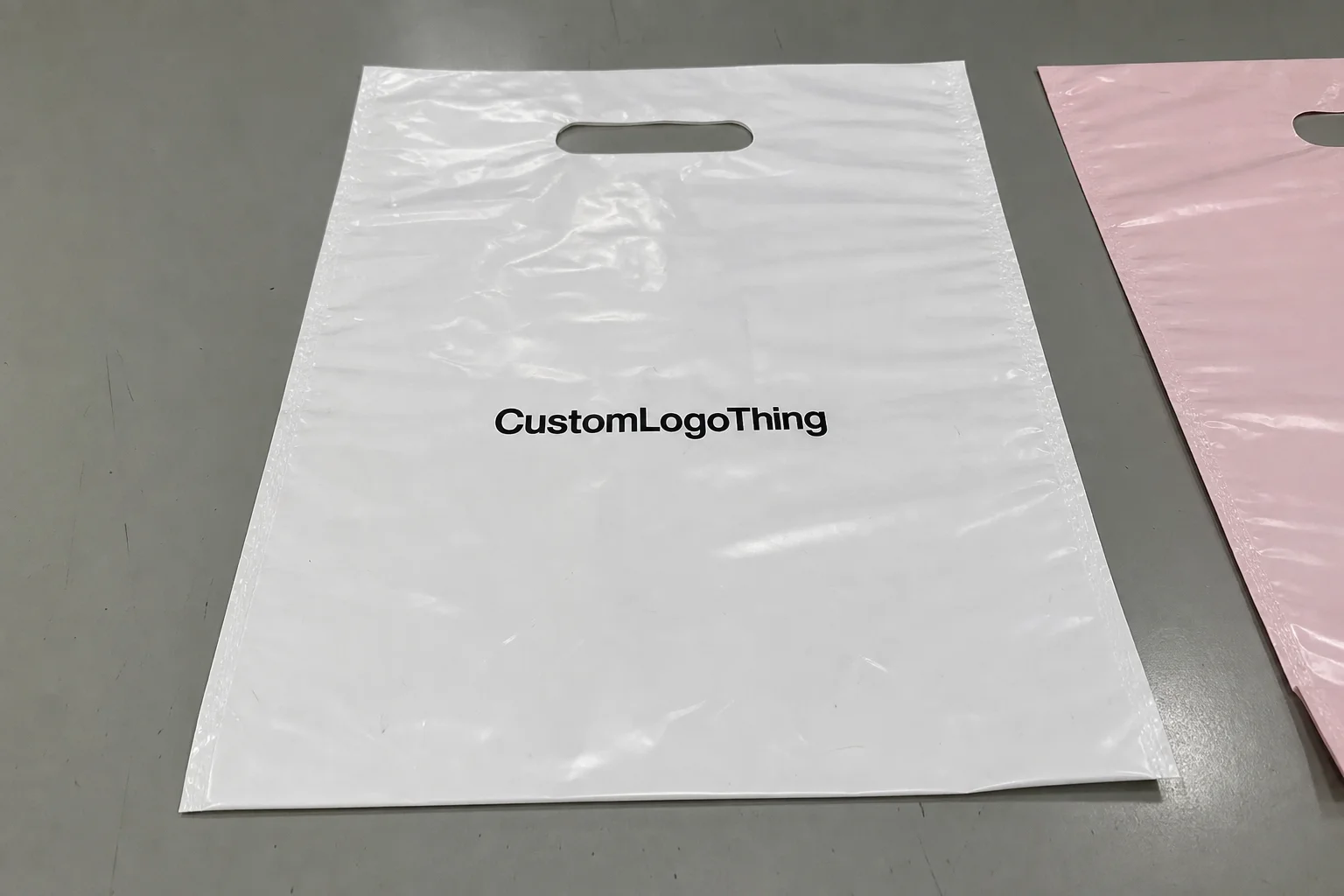
Buyer Fit Snapshot
| Best fit | Bubble Wrap Selection projects where brand print, material claims, artwork control, MOQ, and repeat-order consistency need to be specified before quoting. |
|---|---|
| Quote inputs | Share finished size, material target, print colors, finish, packing count, annual reorder estimate, ship-to region, and any compliance wording. |
| Proofing check | Approve dieline scale, logo placement, barcode or warning zones, color tolerance, closure strength, and carton packing before bulk production. |
| Main risk | Vague material claims, crowded artwork, missing packing details, or unclear freight terms can make a low unit price expensive after revisions. |
Fast answer: Bubble Wrap Selection: Film, Print, MOQ, and Carton Packing should be specified like a repeatable production item. The safest quote records material, print method, finish, artwork proof, packing count, and reorder notes in one written spec.
Production checks before approval
Compare the actual filled-product size with the drawing, then confirm tolerance on folds, seals, hang holes, label areas, and retail display edges. Reserve space for logos, QR codes, warning copy, and material claims before decorative graphics fill the panel.
Quote comparison points
Review material grade, print process, finish, sampling route, tooling charges, carton quantity, and freight assumptions side by side. A quote is only useful when the supplier can repeat the same color, closure quality, and packing count on the next order.
I’ve watched a pallet of perfectly good glass bottles turn into a claims file because the pack line used thin film, tiny bubbles, and almost no edge protection. That is why bubble wrap how to choose is not just a buying question; it is a protection decision that affects damage rates, labor time, and customer trust. If you have ever opened a carton and found a scratched frame, a dented cosmetic jar, or a chipped ceramic mug, you already know the answer is rarely “just add more wrap.” In a 2024 damage review I saw from a fulfillment center near Louisville, Kentucky, a 0.6% breakage rate sounded small until the team realized it meant 38 claims per 6,200 shipped units in a single month, each claim averaging $18.70 in freight, replacement, and support time.
I remember one afternoon in a warehouse outside Chicago when a supervisor told me, “We’re using bubble wrap, so we’re covered.” Ten minutes later we opened a carton and found a lamp finial snapping around like it had been packed by an optimist with no regard for physics. That’s the part people skip: bubble wrap works, but only if you Choose the Right type for the actual abuse the shipment will see. In my experience, the right answer comes from matching the wrap to the product, the ship method, and the reality of the packing floor. A 2,000-square-foot e-commerce room with hand packers and mixed SKUs has very different needs than a contract packer loading LTL pallets in a Chicago warehouse with stretch wrap, corner boards, and half a dozen carton sizes. bubble wrap how to choose starts with protection science, but it ends with practical details like roll width, bubble size, film gauge, and how fast your team can actually use the material without wasting it. On a line moving 450 orders per shift, even a 12-second delay per pack station can add up to nearly 30 labor hours a week.
What Bubble Wrap Really Does in Shipping
Bubble wrap is simple on the surface: two thin plastic films with sealed air pockets trapped between them. But that little pocket of air does a lot of work. It compresses when the carton takes a hit, spreads force across a wider area, and helps reduce the sharp point loading that causes cracks, chips, and scuffs. On a busy dock or a parcel conveyor, that matters more than most buyers realize. bubble wrap how to choose is really about deciding how much compression resistance and surface protection you need for the item you are sending. In practical terms, a 3/16-inch bubble sheet made with 2.5 mil film behaves very differently from a 1/2-inch bubble roll made with 4.0 mil film, especially after a 24-inch drop or a side-impact on a moving conveyor.
One thing I saw again and again on factory floors in New Jersey and Southern California was this: failures usually happened at the edges, corners, and protruding parts, not in the middle of the product. A lamp base, a bottle neck, a printed frame corner, or a metal bracket can all create localized pressure that thin wrap simply cannot absorb. That is why edge protection, carton fit, and void fill are part of the conversation too. Bubble wrap is one piece of the system, not the whole system. In one plastics operation in Newark, a sharp aluminum bracket kept puncturing standard small-bubble wrap until the team added a 1.5-inch kraft corner sleeve and a second wrap pass on the leading edge, which cut puncture failures to zero over the next 1,200 shipments.
It helps to compare it with other cushioning materials. Foam sheets are often better for surface-sensitive items like polished acrylic or piano black electronics housings. Kraft paper works well for light void fill and some scuff prevention, but it does not give the same air-cell rebound under impact. Molded pulp is strong for tray-style support, while air pillows are excellent for filling space but weak for direct surface wrapping. Bubble wrap sits in the middle: it offers wrap-around contact, some abrasion resistance, and decent shock absorption, which is why bubble wrap how to choose remains such a common question for shippers across retail, industrial, and DTC packaging lines. For instance, a 350gsm C1S artboard retail carton may need only scratch control inside the box, while a 32-ounce glass bottle set usually needs both wrap pressure and void stabilization.
“The biggest mistake I see is buying bubble wrap by price per roll instead of by the damage risk it actually solves. A roll that saves $8 can cost you $80 in returns.”
Honestly, I think that quote could come from half the warehouse managers I’ve worked with. A low-cost roll that crushes flat after one impact is not a bargain if the shipment is going through UPS sortation, cross-dock handling, and a final-mile truck route. The better question is: what role should the wrap play in your packaging system? Once you answer that, bubble wrap how to choose becomes much more manageable. I’ve seen a $42 roll of standard small-bubble film perform better than a $31 “heavy duty” alternative simply because the first roll held bubble height more consistently across a 500-foot run off the master roll.
How Bubble Wrap Works as a Cushioning Material
The mechanics are straightforward, and that is part of the beauty of it. When a carton is dropped from 24 inches, tilted on a conveyor, or stacked under another case, the bubble cells compress and then rebound, dispersing the energy across a larger area. The trapped air acts like a spring, while the film keeps the bubbles intact long enough to perform. If the film is too thin, the bubbles pop too easily. If the bubbles are too small for the load, they may protect the surface but fail to absorb enough impact. That is why bubble wrap how to choose must account for both force and fragility. In controlled drop testing at a facility in Grand Rapids, Michigan, a 2.5 mil 3/16-inch wrap held up through three drops, while a 1.8 mil version showed bubble collapse after the second impact.
Small-bubble wrap, often around 3/16 inch bubble diameter, is commonly used for surface protection, printed graphics, cosmetics, and lightweight electronics accessories. It conforms well around corners and gives a cleaner wrap on compact items. Larger bubbles, such as 1/2 inch formats, are typically better for heavier items, irregular shapes, or cartons that may see harsher handling. I’ve seen larger bubble wrap used successfully on metal parts kits, small appliances, and denser glass products where the goal was not only to prevent scratches but also to cushion the item during a more violent impact profile. A Midwest contract packer I worked with in Indianapolis standardized 3/16-inch wrap for fragrance sets, then moved to 1/2-inch wrap for cast-iron décor once the average parcel weight crossed 7.5 pounds.
Film construction matters just as much as bubble size. Single-layer film can be adequate for light-duty wrapping, but two-layer constructions generally resist abrasion better and hold their bubbles more consistently under repeated handling. In extrusion lines I visited, the most reliable rolls came off equipment with tight process control: uniform air pocket formation, stable sealing temperature, and good lamination alignment. When the process drifted, bubble height varied from one end of the roll to the other, and that inconsistency showed up quickly in pack-out performance. For anyone learning bubble wrap how to choose, that consistency is worth asking about. At a plant in Monterrey, Mexico, a ±0.3 mil gauge swing across the web was enough to create weak spots that failed during pallet corner rub tests after only 72 hours in storage.
Different products stress the wrap in different ways. Cosmetics need clean surface presentation and scratch control. Glass needs shock absorption and minimal rubbing inside the carton. Electronics often need protection from both abrasion and static concerns, especially if circuit boards or accessories are in the same pack-out stream. Printed items, such as framed posters or branded boxes, can suffer from imprinting if the wrap is too aggressive against a soft finish. Industrial components may have sharp edges that puncture thin film in seconds. So when people ask me about bubble wrap how to choose, I usually ask back: what is the actual failure mode we are trying to stop? A ceramic mug with a rolled rim needs different treatment than a matte-finish Bluetooth speaker in a mailer, and the difference often shows up in the first 10 shipments.
For reference, packaging testing and handling methods are commonly discussed through groups like the International Safe Transit Association and broader packaging standards bodies. If you want to compare performance concepts, the ISTA resource library is useful: ISTA. For material and recycling guidance, the Sustainable Packaging Coalition and EPA resources can also help frame the discussion, especially if you are balancing protective performance with disposal expectations. The EPA’s packaging and waste reduction information is here: EPA. These references are especially handy if your shipping program includes 200, 500, or 1,000 box trial runs and you need a documented pass/fail standard before scaling up.
Bubble Wrap How to Choose: Key Factors Before You Buy
The first filter is product fragility. Some items need mostly scratch prevention, which means a lighter wrap may be enough. Others need true shock absorption, which changes everything. If I am advising a buyer on bubble wrap how to choose, I start by sorting products into three groups: surface-sensitive, moderately fragile, and highly fragile. A polished acrylic sign and a boxed cast-iron tool will not live in the same category, even if they both fit in a 12 x 10 x 8 carton. A matte acrylic sign in a 24-inch mailer might only need 3/16-inch small bubble, while a cast-iron accessory weighing 9.4 pounds may need two complete wrap layers and an outer divider.
Weight and shape come next. Heavy items build more kinetic energy during handling, so they need stronger film and usually more wrap layers. Sharp-edged items are notorious for puncturing weak bubbles, especially at corners and seams. Irregular products, like molded parts or decorative home goods, often need a combination of bubble wrap, corner pads, and void fill so the item cannot shift inside the carton. Here again, bubble wrap how to choose is less about a generic “heavy duty” label and more about your exact load profile. A 14-ounce glass diffuser bottle with a narrow neck behaves differently from a 14-ounce steel accessory block, even though the weights match.
Shipping method and distance matter too. Parcel carriers like UPS, FedEx, and DHL create a lot of touchpoints, from conveyor drops to sortation slides. LTL freight introduces pallet movement, forklift vibration, and stack pressure. International transit can add humidity swings, longer dwell times, and more repacking events. I once helped a client shipping decorative lighting from a warehouse in Atlanta to distributors in five countries, and the wrap that worked beautifully for domestic parcel deliveries failed in export transit because the cartons sat longer and were stacked heavier. bubble wrap how to choose has to include the route, not just the product. A shipment leaving Savannah on Thursday and sitting in a transload facility until Monday will face different compression and rub conditions than a next-day parcel order in Phoenix.
Environmental concerns are real, but they should be handled honestly. Many bubble wraps are made from polyethylene and can be recyclable where local collection exists, though the practical answer depends on facility access, contamination, and local rules. Reuse is often the simplest win; I’ve seen fulfillment teams flatten and reuse clean bubble sheets for internal transfers, sample shipping, and reverse logistics. But if your customer base or warehouse has disposal restrictions, you need to ask those questions before standardizing a format. Sustainability claims without actual end-of-life planning can create more confusion than value. A plant in Portland, Oregon, for example, might accept clean film in store-drop bins, while a small town distribution center 40 miles away may have no film recycling route at all.
Cost matters, yet price per roll is only one number on the invoice. Roll width, length, bubble diameter, film gauge, anti-static treatment, and perforation spacing all affect the true cost. A roll that costs less but tears during pack-out can slow operators, increase rework, and raise damage claims. In one meeting with a Midwest fulfillment director, we calculated that a slightly thicker roll at $0.03 more per square foot reduced overall labor by 11% because packers stopped double-wrapping failed cartons. That is the kind of math that makes bubble wrap how to choose a finance conversation, not only a packaging one. For a 5,000-piece monthly program, that labor shift can mean $1,200 to $2,500 in monthly savings depending on wage rates and rework volume.
Storage and dispensing are often overlooked. A 12-inch roll works in a small packing cell, but a high-volume fulfillment line may need a wider roll with perforations to keep pace. Manual stations can tolerate some extra handling, while a conveyor-fed line usually needs standardized cuts and predictable roll tension. If your packers are reaching, cutting, and tearing all day, the wrong format will cost time every single shift. That is why bubble wrap how to choose should include the physical layout of the packing area. In a 28-foot packing room with six benches, a 48-inch master roll may reduce hand-offs, while a 12-inch perforated roll is better for a single-station boutique shipper in Nashville.
- Fragility: scratch prevention, cushioning, or both
- Weight and shape: sharp edges and irregular forms need stronger protection
- Shipping route: parcel, LTL, or export transit
- Material handling: manual bench packing or high-speed fulfillment
- Total cost: not roll price alone, but damage, labor, and waste
Step-by-Step: How to Choose the Right Bubble Wrap
Step 1: Assess the product surface and fragility level. Look at what actually fails first. Is it a scratch on a glossy finish, a crack on a glass edge, a dent from corner impact, or movement inside the carton? In a cosmetics plant I visited near Charlotte, the team assumed they needed more cushioning, but the real issue was surface scuffing from carton abrasion. Once they switched to a smoother outer presentation and adjusted the wrap orientation, damage dropped quickly. This is a classic bubble wrap how to choose moment: diagnose the problem before you buy material. On a six-week sample run, the team found that 3 out of 11 returns were finish-related, not breakage-related, which changed the spec entirely.
Step 2: Match bubble size to the item. Smaller bubbles work well for delicate finishes, light electronics, and items that need a tighter wrap profile. Larger bubbles are better for heavier products and shipments that may see rougher handling. I like to think of small-bubble wrap as a neat shirt collar and larger bubbles as a padded jacket. Both are useful, but not for the same weather. If the item is a framed print, a perfume box, or a polished gift set, the small format is often the safer first trial. If it is a ceramic vase or a dense metal component, the larger bubble may be the better starting point. That simple distinction is central to bubble wrap how to choose. As a rule of thumb, 3/16-inch bubbles are common for items under 3 pounds, while 1/2-inch bubbles often make more sense once the package weight climbs above 5 pounds.
Step 3: Select film thickness and roll format. Thicker film generally resists popping, tearing, and edge abrasion more effectively. On the factory floor, thicker film also feels different to the packer; it feeds more consistently and tends to survive faster handling. But thicker is not automatically better. It can add cost and bulk, and if the item only needs surface protection, that extra gauge may be unnecessary. Roll format matters just as much. A 12-inch roll is easy for small stations, while a 24-inch or 48-inch roll can speed up larger pack-outs. Perforations can save time, but only if the cut lengths match your SKU profile. That is a detail many buyers miss when they search for bubble wrap how to choose. In a Phoenix fulfillment center running 700 orders per day, switching from unperforated 24-inch rolls to 12-inch perforated sections cut average wrap time by 9 seconds per parcel.
Step 4: Test the wrap in a real packing trial. I’m a big believer in trial packs because paper specs never tell the full story. Set up five to ten sample packages, use the actual carton sizes, and simulate drop, vibration, and stacking conditions similar to your supply chain. The simplest test is not glamorous: pack the item, shake the carton, and inspect movement; then drop from a realistic height based on your shipping mode. For parcel goods, a 24-inch drop is a common benchmark in internal testing conversations, though your actual standard may differ depending on ISTA or customer requirements. One distributor I worked with in Ohio discovered during a pilot that a wrap they loved on the bench failed once cartons were stacked three high on a pallet. That pilot saved them from a costly rollout. bubble wrap how to choose becomes much easier when the product tells you the answer. In one 10-sample test, a change from 2-layer to 3-layer wrap reduced internal movement from 6 mm to under 1 mm.
Step 5: Refine the usage rules for your team. Write down how many layers to use, whether bubbles should face in or out, where tape should go, whether void fill is required, and what carton size is acceptable. Your team should not guess. If the item has a glossy finish, they may need a smooth sheet or tissue between the surface and the bubbles. If the item has corners, they may need a double layer on edges before the main wrap goes on. If the carton is oversized, add void fill so the wrapped product cannot shift and abrade against the sidewall. This is the practical heart of bubble wrap how to choose: standardize what works so packers are not reinventing the process on every order. In a 14-bench operation, a one-page SOP reduced packaging variation enough to lower damage claims from 1 in 83 orders to 1 in 241 orders over a 60-day window.
One more point from the floor: packer buy-in matters. I’ve seen a technically correct specification fail because the roll was awkward, too wide, or hard to tear cleanly. The operators went back to old habits, and the damage rate crept up again. A good spec should work for the warehouse team, not just the lab report. If the people at the bench hate the format, they will find a shortcut. That is why bubble wrap how to choose includes usability, not just performance. A roll that dispenses cleanly from a $95 wall-mounted cutter in a 10-foot packing lane can outperform a stronger film that slows the line by 15% because nobody wants to wrestle with it.
“If the packer has to fight the material, the material is already costing you money.”
Pricing, Roll Formats, and Timeline: What to Expect
Pricing for bubble wrap usually moves with a handful of variables: material gauge, roll width, roll length, bubble diameter, anti-static treatment, and custom perforation. A thicker, wider, longer roll will cost more, and specialty features can add another layer to the quote. I have seen standard stock rolls priced in ways that look attractive at first glance, only to discover the buyer was comparing apples to oranges because one quote used a 3/16-inch small bubble, another used a 1/2-inch large bubble, and a third included perforations. If you want to master bubble wrap how to choose, compare the exact specification line by line. For example, a 12-inch x 250-foot standard roll may land near $28.00, while a 24-inch x 500-foot roll with heavier film and perforations can come in around $74.00 depending on resin pricing and region.
Stock bubble wrap is usually the fastest option to source because it can ship from existing inventory. Specialty orders, such as anti-static film for electronics or custom perforation lengths for a high-speed packing line, may need more lead time. In many supplier conversations I’ve been in, standard stock material could ship in 2 to 5 business days, while custom specifications took typically 12 to 15 business days from proof approval depending on capacity and material availability. That timing matters if your warehouse is already short on protection material and you have inbound freight scheduled for the next cycle. bubble wrap how to choose should include timeline risk, not just unit cost. A custom anti-static roll produced in Ohio might leave the plant faster than an imported order from Guangdong, but only if the spec is finalized before the production slot closes.
Warehouse timelines change the economics too. A same-day packing operation may need larger rolls with easy dispensing, because labor is the expensive part. A scheduled bulk fulfillment program can sometimes tolerate narrower rolls or more manual cuts if the schedule is predictable. A client with a subscription box line in Texas once showed me that they were saving 6% on material but spending 19% more in labor because the rolls were too short and the packers had to swap them constantly. When we adjusted the format, the line speed improved. That is the kind of detail that makes bubble wrap how to choose a real operating decision. On a 20,000-order monthly program, even a 4-second reduction in wrap time can equal roughly 22 labor hours saved each month.
My practical advice is to calculate cost per protected item, not cost per roll. If one roll protects 120 items at a total wrap cost of $36, that is $0.30 per item. But if a cheaper roll only protects 90 items because the team needs to double up, the real cost might be higher. Add in labor, claims, and customer service time, and the least expensive roll on paper may be the most expensive one in reality. That is why bubble wrap how to choose should always include a rough total-cost estimate, even if it is only done on a spreadsheet with three columns. At scale, a shift from $0.26 to $0.31 per protected item can still save money if it eliminates a 2.4% breakage rate.
- Ask for: gauge, bubble size, width, length, and perforation details
- Compare: cost per item protected, not cost per roll
- Check: shipping lead time and inventory availability
- Verify: operator fit, dispensing speed, and waste rate
Common Bubble Wrap Mistakes to Avoid
The most common mistake is using one layer for a product that clearly needs more. I’ve seen this with framed artwork, small ceramic goods, and metal parts with projecting edges. The carton looks full, the packer feels done, and then the damage report comes back a week later. More wrap is not always the answer, but too little wrap is a very expensive shortcut. If you are serious about bubble wrap how to choose, test the minimum safe wrap count instead of guessing. In one gallery shipment program moving product from Miami to Denver, moving from one layer to two layers reduced corner chips from 14 cases per 1,000 to just 2 cases per 1,000.
Another mistake is placing the wrap without thinking about the protection goal. For cushioning, many packers place bubbles against the item so the air cells contact the surface and absorb impact efficiently. For delicate finishes, though, that same orientation may leave an imprint or cause a texture mark on soft coatings. Sometimes a smooth sheet, tissue layer, or foam interleaf is smarter. I’ve had clients in high-end home decor who had to rework their pack-out because their glossy lacquer finish was picking up bubble marks in transit. That’s a real example of bubble wrap how to choose depending on the finish, not just the item shape. A 0.8-mil tissue interleaf added before the bubble wrap solved the issue without changing the outer carton size.
Carton size and void space get ignored more often than they should. Even a well-wrapped item can shift if the box is oversized, and that movement creates abrasion and impact loads. If you can hear the product move when you shake the carton, the system is not finished. Add void fill, resize the carton, or use dividers if needed. The wrap protects the item; the carton contains it. That distinction matters, and it is central to bubble wrap how to choose in a complete packaging setup. A carton with 1.5 inches of uncontrolled headspace can turn a protected object into a rattling hazard during linehaul vibration.
Buying by price alone is another trap. I once sat in a supplier negotiation where the cheapest option looked attractive until we reviewed the breakage numbers. The low-price roll had weaker bubble retention and inconsistent sealing, which led to more popped cells after a few weeks in storage. The customer’s return rate went up, and the supposed savings disappeared in replacement freight. If you are evaluating bubble wrap how to choose, ask for samples and run actual shipping trials before making a volume commitment. In one case, a savings of $0.012 per square foot disappeared once the team had to add a second wrap pass on 38% of orders.
Finally, people sometimes treat bubble wrap as if it solves every packaging problem on its own. It doesn’t. Tape, carton strength, internal partitions, labels, pallet stability, and outer cushioning all matter. A strong wrap inside a weak carton can still fail. A perfect carton with poor internal stabilization can still fail. The whole stack has to work together, and that is the honest truth behind bubble wrap how to choose. A 200-pound pallet on a 32 ECT carton with weak top stacking will still crush, even if the inner wrap is perfect.
Expert Tips and Next Steps for Choosing Better
Start with a packaging audit. List your top shipped items, the most common failure points, and the return reasons you see in your customer service notes. Then match each product to a bubble specification. I like to separate SKUs by fragility, weight, and ship method, because that gives a clear path to standardization. A beauty brand, for example, may need one small-bubble spec for glass skincare jars and another for outer cartons containing printed inserts. That is a far more useful approach than buying whatever roll is on sale. For bubble wrap how to choose, a short audit often beats a long debate. In a North Carolina catalog operation, auditing the top 18 SKUs uncovered that 11 of them could be covered by just three wrap specs.
Keep a simple test log. Record the roll type, bubble size, film gauge, carton size, drop results, packer comments, and any damage findings after delivery. Even a spreadsheet with twelve rows can reveal patterns. In one plant visit, a team in Pennsylvania discovered that a 3/16-inch wrap performed perfectly on short-haul orders but underperformed on long-distance shipments because the outer cartons were getting compressed in the linehaul network. Without a test log, they would have blamed the carrier. With the log, they found the material issue quickly. That is how bubble wrap how to choose turns from opinion into evidence. A simple red-yellow-green scorecard can work surprisingly well if your team updates it after each 50-order batch.
Work with suppliers who can explain material terms in plain language. If a rep cannot tell you the bubble diameter, the film gauge, the roll yield, or how the product is manufactured, that is a warning sign. You do not need jargon; you need facts. Ask for consistency data if they have it, and ask whether the film is made for general cushioning, anti-static use, or heavier duty applications. A supplier should be able to talk you through the tradeoffs without hiding behind sales language. That kind of conversation makes bubble wrap how to choose much easier. A vendor with a plant in Aurora, Illinois, or Long Beach, California, should be able to tell you whether the roll is produced on a blown-film or cast-film line and what the nominal gauge tolerance is.
I also recommend starting with a pilot before switching every SKU. A pilot of two or three roll types, tested on five to ten packages each, can save a lot of pain. If your operation currently uses foam or kraft alternatives, the pilot tells you whether bubble wrap actually lowers damage, speeds pack-out, or creates new issues such as imprinting or excess bulk. A good pilot is not about proving your favorite option right; it is about finding the option that performs best in the warehouse you actually run. That distinction is the heart of bubble wrap how to choose. A 3-week pilot window usually gives enough data to spot repeat failures, packing slowdowns, and carton fit problems before you place a larger order.
Here is a practical checklist I’ve used with clients in meetings from Los Angeles to Savannah:
- Measure your top three product sizes and weights.
- Identify the most common damage type: scratch, dent, chip, or break.
- Request two or three bubble wrap samples with different bubble sizes and gauges.
- Pack five real shipments with each sample.
- Track drop results, operator feedback, and any carton movement.
- Standardize the best performer and write the packing rule into your SOP.
If your business also cares about recycled content, end-of-life disposal, or FSC-aligned secondary packaging, it can help to review broader packaging resources alongside your wrap choice. FSC details are available at FSC, and packaging performance references can be cross-checked with industry groups such as ISTA. The point is not to drown in standards. The point is to make bubble wrap how to choose part of a packaging program that is measurable, defensible, and easy for your team to follow. A specification written with 3/16-inch bubbles, 2.5 mil film, and a 12-inch perforated format is much easier to enforce than a vague instruction to “add more protection.”
Bubble Wrap How to Choose: decision table
| Decision area | Best fit | What to verify | Risk if skipped |
|---|---|---|---|
| Board or flute choice | Product protection, stacking strength, and shipping distance | Caliper/flute, crush resistance, and sample fit | Weak structure or oversized cartons increase damage and freight cost |
| Print and finish | Retail presentation, unboxing, and shelf recognition | Color proof, coating, scuff resistance, and logo placement | A good dieline can still look cheap if finish and color drift |
| Packing method | Hand packing, ecommerce fulfillment, or retail-ready cartons | Inner count, master carton, label position, and warehouse handling | Good packaging slows operations if pack-out is ignored |
Frequently Asked Questions
Bubble wrap how to Choose the Right size bubble for fragile items?
Use smaller bubbles for delicate finishes, light electronics, and items that need surface protection more than deep cushioning. Use larger bubbles for heavier products, irregular shapes, and shipments that face rougher handling. If you are unsure, test both on five sample packages and compare the results after a real shipping trial. A 3/16-inch bubble is often a good starting point for items under 3 pounds, while a 1/2-inch bubble is often better once the package gets heavier or the route includes LTL freight.
How do I choose bubble wrap thickness for shipping?
Choose thicker film when products are sharp-edged, heavy, or likely to be stacked in transit. Thin film can work for light retail items, but it is more prone to popping and abrasion in demanding shipments. If the wrap needs to survive multiple touches in a fulfillment center, thicker film is usually the safer bet. For many shippers, 2.5 mil film is a practical starting point, while 4.0 mil is often better for harsher handling or repeated contact points.
What is the most cost-effective way to buy bubble wrap?
Compare cost per protected item, not just cost per roll, because a cheaper roll may require more material or cause damage. Bulk rolls, the right width, and perforations can reduce labor and waste in busy packing areas. The best value is the roll that protects the item consistently while keeping pack-out fast. If one roll costs $0.15 per unit for 5,000 pieces and another costs $0.12 per unit but doubles the damage rate, the lower sticker price is not the better buy.
Should bubble wrap face in or out when wrapping a product?
For cushioning, many packers place bubbles against the item for closer contact and better energy absorption. For delicate surfaces, a smooth outer layer or additional protective sheet may be better to prevent imprinting or scratching. The right answer depends on whether the priority is shock absorption or finish protection. In a gloss-finish pack-out, a 0.5 mm tissue interleaf can keep bubble texture from transferring to lacquer or soft paint.
How do I choose bubble wrap for warehouse packing vs. e-commerce orders?
Warehouse packing often benefits from wider rolls, perforations, and thicker film for speed and consistency. E-commerce orders usually need a balance of protection, pack-out efficiency, and carton fit to avoid wasted material. In both cases, bubble wrap how to choose should be based on the item, the route, and the labor environment. A 48-inch roll may suit a multi-bench warehouse in Dallas, while a 12-inch perforated roll can be the better choice for a small Shopify operation shipping 40 orders per day from a back room in Portland.
Choosing the right wrap is not about grabbing the biggest roll on the shelf. It is about matching film, bubble size, and roll format to the product and the shipping reality. That is the real lesson behind bubble wrap how to choose, and it is the one that saves the most money over time. If you test your options, standardize the winner, and keep a close eye on damage reports, your packaging gets stronger without becoming more complicated. A well-chosen specification can be as concrete as 3/16-inch bubbles, 2.5 mil film, 12-inch perforations, and a 12-15 business day reorder rhythm from proof approval to dock receipt. Start with the item’s failure mode, then choose the smallest, cleanest wrap spec that prevents it without slowing the pack line.