Buyer Fit Snapshot
| Best fit | Custom Padded Mailers for Skincare Launches Quote projects where brand print, material claims, artwork control, MOQ, and repeat-order consistency need to be specified before quoting. |
|---|---|
| Quote inputs | Share finished size, material target, print colors, finish, packing count, annual reorder estimate, ship-to region, and any compliance wording. |
| Proofing check | Approve dieline scale, logo placement, barcode or warning zones, color tolerance, closure strength, and carton packing before bulk production. |
| Main risk | Vague material claims, crowded artwork, missing packing details, or unclear freight terms can make a low unit price expensive after revisions. |
Fast answer: Custom Padded Mailers for Skincare Launches Quote: Film, Print, MOQ, and Carton Packing should be specified like a repeatable production item. The safest quote records material, print method, finish, Artwork Proof, Packing Count, and reorder notes in one written spec.
Production checks before approval
Compare the actual filled-product size with the drawing, then confirm tolerance on folds, seals, hang holes, label areas, and retail display edges. Reserve space for logos, QR codes, warning copy, and material claims before decorative graphics fill the panel.
Quote comparison points
Review material grade, print process, finish, sampling route, tooling charges, carton quantity, and freight assumptions side by side. A quote is only useful when the supplier can repeat the same color, closure quality, and packing count on the next order.
If you are sourcing custom Padded Mailers for Skincare Launches supplier quote checklist, start with the unglamorous part first. Size. Structure. Closure. Then price. Artwork can wait until the build is right. A bad mailer turns a polished launch into cracked glass, crushed cartons, and a customer who remembers the damage more than the serum.
Skincare buyers care about presentation because packaging is part of the product story. The outer mailer has to protect glass bottles, pump tops, droppers, sachets, and boxed kits, but it also has to look deliberate in a customer unboxing video. That means the quote is not just a price sheet. It is the paper trail for material, print, padding, closure, and lead time decisions that affect margin, retail packaging quality, and package branding from the first shipment onward.
A mailer that survives transit but looks cheap on arrival still fails. Pretty is not the job. Protection with a clean finish is the job.
Custom padded mailers for skincare launches: why the wrong mailer costs the sale
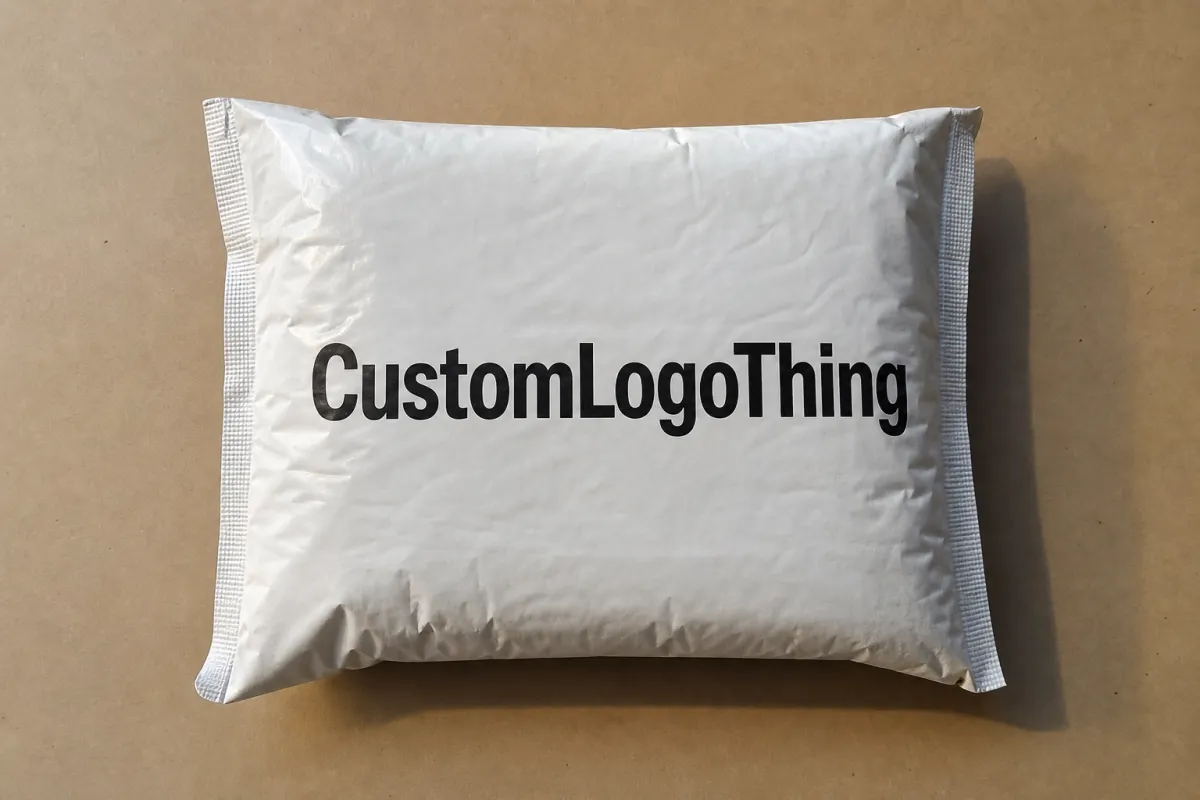
Launch day is busy enough without packaging failures showing up like uninvited guests. One dented serum box can make a premium brand look careless before the customer even opens the flap. One weak seal can split in transit and turn a carefully planned sendout into a refund request. That is not drama. That is basic math.
From a packaging buyer’s point of view, the outer mailer does three jobs at once. It protects the product, supports branded packaging, and gives the customer a first impression that matches the price point. If the mailer looks thin, oversized, or generic, it weakens the perception of the formula inside. That matters more in skincare than in many other categories because the product is often small, high value, and visually scrutinized in photos, social posts, and repeat orders.
The hidden cost of weak product packaging is rarely just the damaged item. A bad mailer can trigger replacement shipments, extra customer service time, negative unboxing posts, and slower repeat purchase rates. Launch teams often focus on unit price and miss the bigger hit: a cheap mailer can cost more after the fact than a better one would have cost up front. Fancy slogans do not refund lost margin. Better specs do.
Vague quoting causes most of the mess. If a supplier gives you one number without listing size, padding style, print coverage, material gauge, and freight assumptions, the quote is incomplete. You may think you found a bargain. Then the invoice lands with setup fees, rush charges, thicker stock upgrades, or an unexpected minimum. The savings vanish, and the launch calendar starts slipping.
For skincare launches, the buyer should treat the mailer the same way they treat custom printed boxes or any other core retail packaging item. The outer pack is part of the product experience, not a shipping afterthought. If the mailer arrives looking on-brand, the customer notices. If it arrives crushed, they notice that too, and usually with less patience.
Product details: what custom padded mailers should actually be built from
The right material depends on the product, the route, and the brand image. There is no universal winner here, which is why anyone selling you a single “best” option is either oversimplifying or trying to clear stock. That is not a strategy.
Kraft paper padded mailers work well for brands that want a natural look and a cleaner sustainability story. They can feel more premium than plain poly if the print is restrained and the structure is crisp. A common build is a 120gsm to 170gsm kraft outer with a 3mm to 5mm paper cushion or recycled fiber liner. That works well for lightweight skincare kits, sample sets, and brands that want the outside to align with FSC-style sourcing claims. If the launch leans into clean beauty, the visual match is usually better than glossy plastic.
Poly padded mailers usually win on moisture resistance and cost. They are often a better fit for launches where the priority is shipping efficiency, not shelf-like presentation. A common spec is 60 to 90 micron outer film with a bubble or air-cell liner around 3mm to 4mm. For standard ecommerce fulfillment, they handle abuse well and can be lighter than paper alternatives. If the brand already sells through discount-heavy channels or cares more about protective performance than a tactile unboxing feel, poly can be the practical answer.
Hybrid builds sit in the middle. A paper outer with a protective inner layer can give a better balance of print quality, puncture resistance, and price. These are useful for premium skincare lines that want stronger package branding without jumping to an expensive fully bespoke structure. Hybrid constructions are often the sweet spot for launch teams that want the mailer to look like a real branded package, not a generic shipping sleeve with a logo slapped on.
Padding style matters just as much as the outer skin. Bubble lining gives excellent cushion and is familiar to most suppliers, but it can feel bulky and less premium if the customer opens a small carton. Paper padding is more brand-friendly in appearance and easier to position as part of an eco-minded story. Air-cell structures or embossed cushioning can reduce weight while still giving decent protection, though they are not always the most forgiving choice for heavy glass. If your serum is riding in a glass bottle with a heavy cap, do not pretend thin padding is enough. It usually is not.
Seal and closure details are where good intent turns into actual performance. A peel-and-seal adhesive strip is usually the baseline. Tamper-evident seals are worth considering for higher-value skincare or products that ship through retail packaging programs where visible integrity matters. Re-sealable closures can help with returns processing, but they add cost and are not always necessary for one-way ecommerce shipments. For most launch mailers, a 25mm to 30mm adhesive strip is enough, but ask for peel strength data if the carton travels through hot warehouses or humid routes.
Print options should be judged with a cold eye. One-color logos on kraft often look cleaner than full-coverage artwork that fights the texture of the material. Metallic accents can give a strong premium signal, but they also increase cost and can create registration headaches if the supplier’s print control is sloppy. A simple logo, a focused color palette, and controlled white space often do more for package branding than a noisy all-over print job. If the artwork needs tight brand color control, request Pantone references and ask for a physical proof, not just a screen file that “looks close.” Close is not a color standard.
| Mailer build | Best use | Typical unit cost at 5,000 | Strengths | Tradeoffs |
|---|---|---|---|---|
| Kraft paper padded | Premium skincare, clean beauty, giftable sets | $0.26-$0.58 | Natural look, strong brand feel, better for tactile unboxing | Can cost more than poly; print needs good ink adhesion |
| Poly padded | High-volume ecommerce, moisture-prone routes | $0.18-$0.40 | Lightweight, moisture resistant, usually lower cost | Less premium feel; harder to position as upscale retail packaging |
| Hybrid paper/poly | Mid-to-premium launches needing balance | $0.24-$0.52 | Good middle ground on protection and appearance | Spec details matter; not every supplier builds it well |
For branded packaging, finish is not decoration. It affects how the print sits, how the mailer photographs, and how well the surface resists scuffing. A matte finish can hide fingerprints and look more expensive. A gloss finish can make colors pop, but it also shows scratches more easily. If the launch relies on customer-generated content, test how the mailer reads under indoor light, phone flash, and warehouse handling. That is the reality, not a mood board.
If the mailer is carrying a heavier set or multiple SKUs, ask whether the base stock has enough stiffness to keep corners from collapsing. A pretty mailer with weak board is just expensive confetti with branding on it. For related shipping formats, many teams also compare the structure against Custom Poly Mailers or broader Custom Packaging Products to see which format protects margin better across the full launch plan.
For sustainability claims, ask for actual material documentation rather than fuzzy marketing language. If the paper is FSC-certified or if recycled content is being promoted, get the supplier to state the exact percentage and certification status. The same applies to claims about compostability or recyclable components. Keep the wording defensible. Customers forgive simple packaging. They do not forgive nonsense.
For transit testing, suppliers should understand the difference between a decorative sample and a package that has to survive distribution. Industry bodies like ISTA provide common transit test frameworks, and those standards are useful when the product includes glass, pumps, or multiple inserts. If the mailer is going into retail channels, ask whether the build can support drop and compression testing aligned to the shipment profile the brand actually faces.
Custom padded mailers for skincare launches supplier quote checklist
Here is the part that saves time and money: send a quote request with enough detail for the supplier to price the real job, not an imaginary one. A useful RFQ should be specific enough that two different factories would calculate roughly the same answer. If they do not, the spec is still too loose. That is the whole point of a custom Padded Mailers for Skincare Launches supplier quote checklist: make the first quote close enough to the final answer that nobody is guessing in circles.
Start with dimensions. Not “small mailer” or “mailer for serum.” Give the finished outside size, the usable internal space, and the exact product dimensions you need to fit. If the shipment includes bottles, jars, droppers, sample sachets, or boxed kits, list each item separately. Skincare sets are notorious for being off by a few millimeters, and those millimeters decide whether a closure seals correctly or bulges like a bad suit jacket.
Then define the structure. Tell the supplier whether you want kraft, poly, or a hybrid build. State the padding style, the target thickness, and any moisture or puncture resistance requirement. If the mailer needs to include inserts, sample cards, or a return form, say so now. A buyer who forgets the insert depth often ends up paying for a second round of samples because the first one looked fine on paper and useless in the hand. For heavier skincare sets, call out an actual product weight range, such as 180g, 280g, or 450g, because that changes the cushion requirement more than people expect.
Print details should be equally clear. List the number of ink colors, logo placement, bleed requirements, and whether the artwork must stay readable on matte, textured, or recycled stock. If the design includes white ink, metallic foil, or full coverage, call that out explicitly. Artwork that looks simple on screen can become expensive on press if the supplier has to reinterpret it from scratch. If the launch uses a brand color that matters, ask for a print proof on the actual stock, not a color chip held up to the sun by a hopeful salesperson.
Closure specs matter too. Ask for peel-and-seal adhesive strength, tamper evidence, and whether the closure is intended for one-time shipping or occasional returns handling. If the brand sells high-value skincare, the closure should close cleanly and stay closed under compression. “Mostly seals” is not a useful feature. For a stronger spec, request the adhesive strip width, the liner type, and whether the seal is tested for hot and cold warehouse conditions.
Do not forget compliance and test language. If the launch is retail-facing, ask whether the supplier can provide material data sheets, FSC documentation where relevant, and test references for drop resistance or compression resistance. The buyer does not need a thesis. The buyer needs enough documentation to avoid awkward conversations with distributors or retail partners later. If the supplier can also state whether the paper content is virgin, recycled, or mixed, even better. Ambiguous paper claims are how procurement people start eyeing you like a liability.
Use this checklist before requesting quotes:
- Finished size and internal usable space
- Product dimensions for each SKU in the shipment
- Product weight if the mailer must support glass or multi-item kits
- Material choice such as kraft, poly, or hybrid
- Padding type and target thickness
- Print details including colors, coverage, and logo placement
- Closure style and any tamper-evidence needs
- Finish such as matte, gloss, or soft-touch
- Compliance needs like FSC, material data, or transit test references
- Quantity tiers and whether you need samples before production
- Launch date plus shipping destination for landed-cost pricing
If you want a faster first reply, attach product photos, rough artwork, and any reference packaging you like. A supplier can quote a lot more accurately when they see the actual skincare bottle or carton instead of guessing from a sentence. That is especially true for product packaging that has to nest around unusual shapes, pump heads, or tight kit dimensions.
For brands already working on a larger launch system, keep the mailer spec aligned with the rest of the packaging design. If the carton, label, and outer shipper all speak different visual languages, the customer feels the mismatch immediately. Good package branding is usually quiet and consistent, not loud and confused. A mailer in one finish, a carton in another, and a label in a third is how a premium launch starts looking like three vendors fought in the parking lot.
Pricing, MOQ, and unit cost: what a real supplier quote should show
A Real Supplier Quote should show more than one number in a box. It should break out the costs that actually change the final landed price. If it does not, you are comparing guesses, not suppliers.
The first line is the unit price by quantity tier. Ask for at least three tiers, such as 3,000, 5,000, and 10,000 units. That gives you a clear view of the breakpoints. Lower minimums often cost more per unit because setup is spread over fewer pieces. Larger runs pull the unit cost down, but they also tie up more cash and storage space. Every buyer wants the lower number until the warehouse invoice shows up.
Typical MOQ logic for custom padded mailers depends on the structure and print method. A simpler one-color build on an existing size may start around 2,000 to 3,000 units. A more customized build with specialty print, a specific padding type, or a unique size often moves into the 5,000 to 10,000 range. Fully bespoke structures can go higher. That is not a flaw. It is just how manufacturing works when material, setup, and quality control are involved.
The quote should also show setup or plate fees, sample charges, freight assumptions, and any tooling costs if the structure is not standard. A buyer may see a low unit price and miss a $150 setup fee, a $90 artwork revision charge, or a freight estimate that doubles once the cartons are packed. Hidden add-ons are where margin goes to die quietly. If the supplier is quoting a paper build with a custom print plate, ask whether the plate is a one-time charge or included in the run price. That detail matters when you compare two offers that look “the same” on a spreadsheet.
Below is the kind of comparison that helps a launch team think clearly:
| Volume | Typical unit price range | Sample / setup impact | What it usually means |
|---|---|---|---|
| 2,000-3,000 | $0.30-$0.70 | Higher relative setup cost | Useful for pilot launches and tighter cash planning |
| 5,000 | $0.22-$0.58 | Better balance of price and flexibility | Common sweet spot for skincare launches |
| 10,000+ | $0.16-$0.45 | Lower unit cost, more inventory risk | Best when demand is proven and artwork is locked |
Those ranges are not promises. They depend on print coverage, material choice, finish, and freight direction. Still, they are useful because they stop teams from chasing fantasy pricing. A 5,000-piece run with one-color branding on kraft is not priced the same way as a full-coverage soft-touch piece with special closure features. Pretending otherwise is how budgets fail in polite silence.
You should also ask for a landed-cost view. That means the factory price plus freight, duties, local handling, and any repacking or warehousing costs. A supplier quote that ignores landing costs is only half a quote. It may help their sales target. It does not help your margin.
In some cases, it makes sense to compare padded mailers against other options in the same program. If your team is already sourcing shipping cartons or Custom Packaging Products for a broader launch kit, the real question is not “What is cheapest?” It is “What gives the best protection per shipped dollar?” The answer changes by product weight, damage risk, and how much presentation matters to the brand.
For paper-based builds, ask if the supplier can confirm FSC sourcing where relevant. That is not just a marketing checkbox. It can matter for retailer expectations, procurement review, and how your packaging story is presented to customers. If the supplier does not know the difference between an environmental claim and a certification, keep shopping.
Process and timeline: from artwork approval to warehouse arrival
A clean process saves more time than a heroic rush ever will. The normal sequence should be simple: inquiry, spec confirmation, quote, sample, artwork proof, production, quality check, and shipment. If any supplier skips steps because they want to move quickly, the result usually shows up later as a correction order or a pallet full of almost-right mailers.
The biggest delays usually come from bad files and late decisions. Missing dielines, unclear color specs, and artwork changes after sampling starts are the classic time killers. If the brand team is still arguing over logo placement after the sample is underway, the schedule is already bleeding.
Realistic lead times vary by complexity. A simple, stock-based customization with minimal print often moves from proof approval to production in about 12 to 15 business days. A fully printed custom build usually needs 15 to 25 business days. If new material sourcing, custom tooling, or special finishes are involved, the window can stretch longer. Freight then gets its own personality contest. If the supplier is quoting 7-day production on a fully custom, full-color mailer with special adhesive and a new size, that is not fast. That is suspicious.
Sample timing matters just as much as production timing. A standard sample can arrive in 3 to 7 business days if the structure is already familiar to the factory. A true custom prototype may take 7 to 12 business days or more, especially if the supplier has to build a new die, confirm color matches, or test the closure. If the first sample misses the mark, budget time for a second round. That is normal. Rushing the only prototype is how mistakes make it onto the truck.
Build your timeline backward from launch date. Work out when final artwork must be approved, when payment must clear, when the sample needs to be signed off, and when the warehouse needs goods in hand. Then add a buffer for freight delays and customs holds. If the launch depends on the packaging showing up exactly on time, that is not a plan. That is optimism wearing a badge.
For teams dealing with both ecommerce and retail packaging, the schedule should also account for channel-specific packaging rules. Retail partners may want barcode placement, master carton labels, or proof of material claims. Ecommerce teams may care more about drop resistance and unboxing feel. The best suppliers can talk through those differences without pretending every channel needs the same structure.
If your brand also uses sealed shipping components or outer cartons, keep the same supplier conversation open across formats. One coordinated quote often beats five disconnected ones. That is especially true if the project includes related items like custom printed boxes, sleeves, or a simpler secondary mailer for samples.
For reference, packaging testing resources from organizations like FSC are useful when you need to confirm paper sourcing claims, while transit-testing guidance from ISTA helps you define performance expectations before a damaged shipment becomes a customer service problem. Standards do not guarantee success, but they do keep people honest.
Why choose us for skincare launch mailers that protect margin
The value of a good supplier is not just that they can print a logo. Plenty of vendors can do that. The useful supplier is the one who can balance protection, appearance, and cost without turning the quote into a scavenger hunt. That is where launch teams save the most time.
At Custom Logo Things, the practical advantage is cleaner quoting and fewer assumptions. You get a packaging partner that is used to thinking through size, material, finish, and print in the same conversation. That matters because custom padded mailers for skincare launches are never just a shipping choice. They are part of the launch economics, the unboxing experience, and the brand’s package branding all at once.
Consistency matters more than flashy claims. A supplier who can hold sizing within the expected tolerance, keep print colors stable across a run, and communicate clearly about lead times is worth more than a vendor who promises impossible speed and delivers surprises. In packaging, surprises usually cost money. Rarely a fun kind.
Sample support is another real advantage. Before you place a full order, you want to see how the mailer handles the actual product weight, how the closure behaves, and whether the print looks sharp on the chosen stock. That is especially important for skincare launches that include glass, multi-piece gift sets, or branded inserts. You can guess. Or you can sample. One of those is cheaper.
Good communication also reduces revision loops. If the supplier asks for the right measurements, art files, and delivery target up front, the quote comes back more accurate. That shortens approval time and helps the team avoid production mistakes. It also means your first order is less likely to become a training exercise for everyone involved.
If you need a broader packaging plan, the team can coordinate mailers with other Custom Packaging Products so the outer shipping layer does not clash with the rest of the launch. That is useful if the line also includes boxed sets, influencer kits, or a premium retail package that needs a stronger shelf look than a plain transit mailer can provide.
If you are comparing materials, ask for practical guidance, not just a product sheet. For example, if a lighter mailer solves the damage risk while cutting freight weight, that may be the smarter choice. If a stronger outer layer helps preserve premium presentation and reduce replacements, that may be worth the higher unit cost. Good purchasing is not about picking the fanciest thing. It is about picking the thing that protects the launch economics.
If you want help starting the quote conversation, use our Contact Us page with your dimensions, artwork, and target quantity. The faster the spec is complete, the faster the quote stops being theoretical and starts becoming useful. If you already have a reference sample, send that too. A physical sample often clears up more than three pages of adjectives.
Next steps: how to send a quote request that gets a fast answer
Send a tight RFQ. Not a rambling paragraph. Not a mood board with one sentence about “premium vibes.” A proper request should include the finished size, the product dimensions, the desired material, print colors, closure type, target quantity, launch date, and shipping destination. That gives the supplier enough information to price the actual job instead of making polite guesses.
Attach artwork files if they are ready, even if they are rough. Include photos of the skincare product, especially if the bottle is oddly shaped, heavy, or fragile. If the packaging needs to fit multiple SKUs, show the range. The more concrete the inputs, the less time the supplier wastes asking questions that should have been answered in the first email. If you have a reference spec from a past order, include that too. It is faster to improve an existing build than to translate a vibe into a dimension.
For a fast and useful reply, ask every supplier for the same three things: unit price by tier, MOQ, and lead time. Then ask for a separate line item for sampling and freight. That format makes it easier to compare offers and easier to spot the one quote that is suspiciously low because it left out half the job. If a supplier cannot tell you whether the quoted price assumes FOB, DDP, or something in between, the answer is not complete yet.
Do not skip the sample stage if the mailer has to protect glass, pumps, or several pieces in one shipment. A prototype tells you more in one physical test than ten emails ever will. Check fit, sealing, print sharpness, and scuff resistance. If it is a returnable or repeat-use format, test opening force too. The perfect-looking sample that tears like wet paper is not a win.
If your launch team is buying multiple packaging items at once, keep the message organized. A supplier can usually handle mailers, labels, inserts, and related branded packaging more effectively when the specs are grouped logically. That is especially useful when the launch also includes retail packaging or a coordinated shipping experience across DTC and wholesale channels.
Here is the short version: give the supplier the facts, ask for tiered pricing, and make them show the real lead time. That is how you avoid guesswork, keep the margin intact, and get custom padded mailers for skincare launches that actually do their job.
FAQ
What should I include in a quote request for custom padded mailers for skincare launches?
Include the finished mailer size, product dimensions, material preference, print colors, finish, closure type, target quantity, launch date, and shipping destination. If the shipment includes bottles, jars, or boxed kits, list each one separately so the supplier can size the mailer correctly. Add artwork files, product photos, and any sample or freight requirements if you want a quote that is actually usable. If you know the product weight, include that too. A 120g sample kit and a 420g glass serum set do not belong in the same quote lane.
What MOQ is normal for custom padded mailers for skincare launch orders?
MOQ depends on the build, print method, and whether the supplier is using an existing structure or creating something more custom. Smaller runs often start around 2,000 to 3,000 units, while more customized orders commonly land around 5,000 to 10,000 units. Ask for tiered pricing so you can see how the unit cost drops as volume increases instead of guessing from one number. If the supplier offers a stock size with custom print, that can sometimes move the MOQ down. New die-cut sizes usually push it up.
How long does production usually take after artwork approval?
Simple customizations can move faster than fully custom builds, but you should still plan for proof approval, sample review, and production time. A straightforward order may take about 12 to 15 business days after approval, while more complex builds often need 15 to 25 business days or longer. Add freight and a launch buffer, because packaging arriving late is just an expensive problem in a cardboard costume. If the supplier is also making new tooling or matching a difficult brand color, build in extra time.
What should a supplier quote for padded mailers actually show?
A proper quote should show unit price by quantity tier, setup or tooling fees, sample charges, freight assumptions, and any extra costs tied to artwork changes or upgraded materials. It should also repeat the key specs: size, material, print, finish, and closure type. If the quote does not show those details, it is hard to compare suppliers or control landed cost. A quote that only lists the piece price is not a quote. It is a teaser.
Are paper padded mailers or poly padded mailers better for skincare products?
Paper usually looks more premium and is easier to position for sustainability-minded branding, while poly often offers better moisture resistance and lower cost. The right choice depends on product weight, shipping conditions, and how much unboxing presentation matters to the brand. If the shipment includes glass or premium kits, sample both before you lock the order. If the route includes humidity, long transits, or rough handling, that matters too. A pretty outer layer does not help if the adhesive fails in a hot warehouse.
Custom padded mailers for skincare launches work best when the supplier gets the spec right the first time, the quote shows every cost that matters, and the launch team leaves enough time to test before production. That is how you protect the product, the margin, and the brand at the same time.

