Buyer Fit Snapshot
Use this page when the candle label must feel premium next to skincare cartons, gift boxes, and cosmetics inserts.
| Decision point | What to specify before quoting |
|---|---|
| Label material | Film, paper, adhesive, moisture resistance, and candle-jar surface. |
| Brand finish | Matte, gloss, foil, embossing, white ink, or varnish details. |
| Production control | Artwork dieline, batch-code space, MOQ, sampling, lead time, and packing method. |
A Branded Candle Labels for cosmetics brands Supplier Quote Checklist is not a branding exercise. It is a practical filter. Candle labels have to survive warm glass, wax residue, warehouse handling, coated shelves, freight vibration, and the kind of rough treatment that turns a nice proof into a slightly battered retail sample. A label can look perfect on screen and still fail the moment the adhesive softens, the jar curves more than expected, or the finish goes dull under store lighting.
That matters even more for skincare, fragrance, and bath brands that are adding candle SKUs. The packaging has to sit inside the same brand system as the serum box and body oil bottle, but candle jars bring their own problems. Curved glass. Heat swings. Condensation. Fingers touching the jar after filling, shipping, and shelf setup. A sloppy quote checklist misses all of that and acts surprised later. That surprise is usually expensive.
Packaging buyers usually get stuck with the quote that looks tidy and hides half the job in the margins. The cheapest number is rarely the real issue. The real issue is the quote that leaves out finishing, blurs the material spec, ignores reorder consistency, or pretends every jar size behaves the same. One surprise reprint or one delayed approval can wipe out the savings quickly. This is a buyer-focused supplier quote checklist for branded Candle Labels for Cosmetics Brands supplier quote checklist decisions, not brand poetry.
Why branded candle labels fail before the candle does
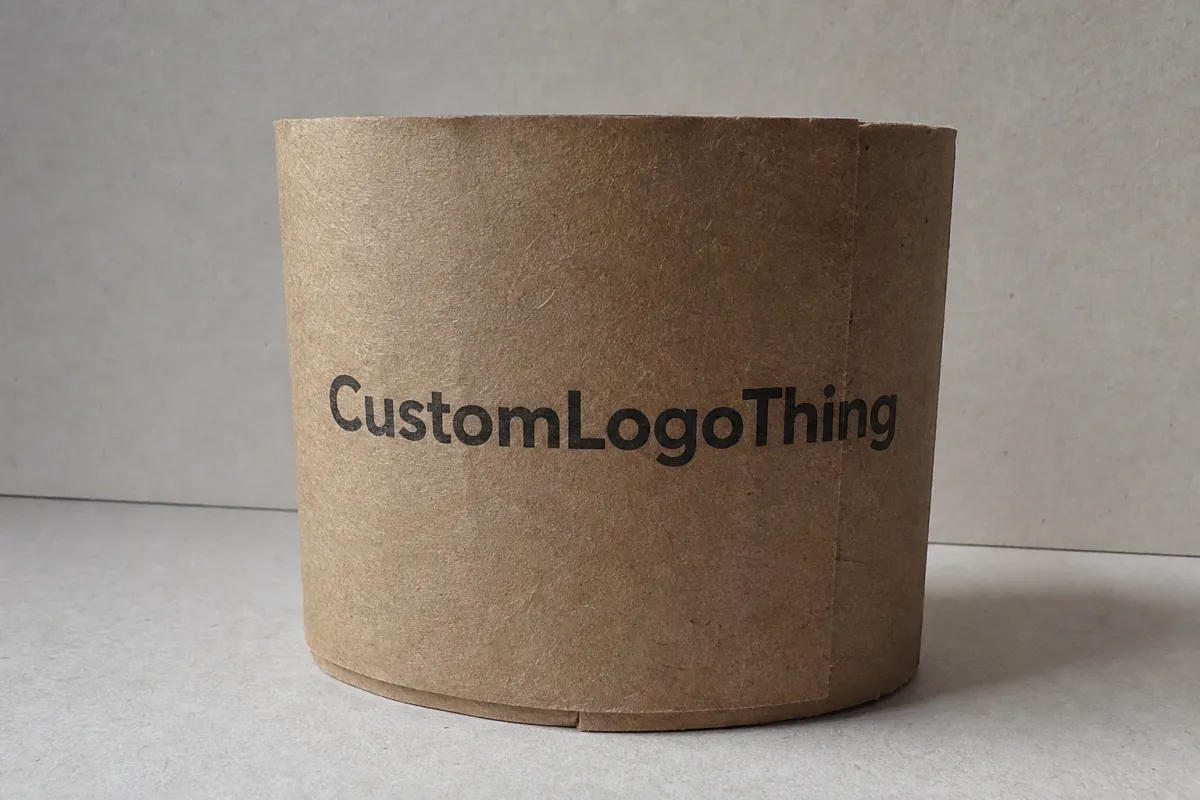
The label is usually the first part of the candle to fail, and the failure is often mechanical rather than visual. A label can print cleanly and still lift at the corners after a warm-fill run, wrinkle on a slightly out-of-round jar, or scuff while cartons move across a warehouse line. Cosmetics-branded candles have a higher bar than generic home fragrance. They have to look like they belong next to prestige skincare, not like a side project somebody rushed out between two meetings.
Consumers also judge candle packaging quickly. They do not inspect die lines or ask about adhesive chemistry. They see alignment, opacity, edge quality, and whether the finish belongs on the shelf. A matte label on one scent and a glossy one on another can make the range feel stitched together instead of planned. That kind of mismatch hides in a PDF and stares back at you in-store.
The cost of getting it wrong shows up in three places. Reprints happen when the stock or finish is off and the launch date refuses to wait. Delays happen when a supplier underquotes proofing or sampling and the timeline slips by a week or two. Waste happens when one scent uses a slightly different jar diameter or label panel and the quote never captured the difference. A label quote should protect margin, not turn the project into a scavenger hunt.
A good quote is not the lowest number. It is the one that tells you exactly what will arrive, how it will behave on the jar, and what a reorder looks like when the next batch rolls around.
The best supplier conversations start with a blunt question: what does the finished label need to survive? Heat, humidity, handling, and shelf lighting are not edge cases. They are normal conditions. If the answer is fuzzy, the quote will be fuzzy too. Fuzzy quotes are where launch mistakes like to hide.
Cosmetics brands also need line consistency. A candle might sit beside a facial mist, a body scrub, or a holiday gift box. If the label stock prints slightly warmer than the carton stock, or the foil accent hits harder on one SKU than another, the line starts looking disconnected. Smart buyers compare suppliers on repeatability first and unit price second. That is the part people skip right before they complain about the shelf set.
What to specify in your candle label brief
A supplier cannot quote accurately if the brief is half-empty. The best candle label brief reads like a compact technical package: product dimensions, container material, artwork files, print goal, compliance copy, quantity by SKU, and finish expectations in plain language. The more complete the brief, the fewer surprise emails everyone has to read later.
Give the supplier the vessel details first
Start with the jar. Glass and coated metal behave differently, and jar shape matters just as much as diameter. A straight-sided 8 oz vessel can take a wider label than a tapered jar with a heavy shoulder. Specify the outside diameter, the printable height, and the exact placement area. If the label wraps partially around the vessel, say that. If it needs to stop before a seam, handle mark, pour line, or molded ridge, write it down before pricing starts.
- Jar material: clear glass, frosted glass, amber glass, ceramic, or coated metal.
- Jar diameter and usable label panel width.
- Curvature, shoulder height, and any recessed panels.
- Wrap length: front-only, partial wrap, or full wrap.
- Application method: hand-applied, automated, or semi-automatic.
If the candle line uses more than one vessel, separate them in the quote request. A supplier should not have to guess whether a 10 oz jar and a 14 oz jar share the same label. They do not. The cost impact can be real, and one millimeter can be enough to alter the die-cut, the bleed, and the waste rate. Tiny detail, big budget mess.
Separate artwork data from compliance copy
Artwork and legal text need to be treated as two different inputs. Send final logo files, preferably vector artwork, plus a list of every line that must appear on the label. That includes scent name, net weight, company name, website, batch code location if needed, country of origin, and any warning language the brand uses. If the label includes a barcode or QR code, spell out the symbology and the required size.
Color references matter too. A supplier can only quote the right process if they know whether the brand wants CMYK only, spot colors, Pantone matching, or metallic accents. A vague note like "make it luxe" is not a spec. It is a guess wearing a blazer. A better brief says: warm ivory background, black type, one PMS metallic accent, matte finish, and no more than 5% gloss detail. That gives the production team something usable.
Group quantity by SKU, not just by project
Buyers often ask for "10,000 labels" when the real need is 2,000 labels across five scents. Those are not the same job. The supplier needs to know how many versions exist, how many labels each version needs, and whether any scents share artwork with only a small text change. A quote gets sharper when it sees the actual SKU split instead of one big vague pile of numbers.
Use a simple structure:
- SKU name or scent name.
- Jar size and label dimensions.
- Quantity per SKU.
- Version differences, if any.
- Launch date and reorder expectation.
This is also the point where a packaging team decides whether to order enough extra for launch events, media kits, or short-term retailer demand. A slightly larger run can lower unit cost enough to justify a modest safety stock. The right answer depends on storage space and shelf life, but the supplier should see the forecast, not just the first order.
If you want help turning an internal spec sheet into a supplier-ready request, start with Custom Labels & Tags and compare that structure to the candle project before you send it out.
Specifications that decide print quality and durability
This is the section where quotes stop looking the same. Two suppliers can both write "premium label" and mean very different things. One may be quoting coated paper with standard adhesive. Another may be quoting a moisture-resistant film with specialty finishing and tighter die-cut control. The spec determines how the package looks, but also how it behaves after it leaves the print room and enters the real world, which is where things get messy.
Choose the substrate for the real storage conditions
Paper, film, and specialty facestocks each have a job. Coated paper works for dry retail shelves and lower-cost runs, especially when the candle is part of a seasonal gift set or a short promotional line. It can print beautifully. It also gets cranky around condensation, lotion residue, and rough handling. Film stocks such as BOPP or PET are usually better when the jar may face humidity, oil exposure, or frequent handling before purchase.
Textured papers can support a more expensive cosmetic look, especially for brands already using soft-touch cartons or rigid gift boxes. Texture can also make life harder for fine type, tiny legal text, and barcodes. Specialty facestocks, including clear or metallic constructions, can add shelf impact, but they need tighter proof control. That tradeoff is not glamorous. It is just the job.
If the label uses paper and the brand wants responsible sourcing claims, ask for FSC chain-of-custody documentation and verify supplier claims through FSC. That does not solve print performance. It does help the brand support the sourcing story with actual documentation instead of vibes. For secondary packaging pieces, a common spec is 350gsm C1S artboard for cartons, sleeves, or product cards. That is not a jar label material, but it matters if the candle launch includes inserts or outer packaging that needs to match the label system.
Match the adhesive to heat, oil, and moisture
For candles, adhesive performance matters as much as print quality. A permanent acrylic adhesive is often the practical baseline for glass jars because it holds up through filling and warehousing conditions. If the brand wants clean removal later, or if the candle belongs in a refillable system, the supplier needs that detail early because the adhesive choice changes the build. A removable adhesive that peels cleanly may not tolerate the same heat or shelf life.
Ask direct questions: what is the service temperature range, how does the adhesive behave on curved glass, and what happens if the product sits in a warm transit lane or a humid bathroom? Labels do not live in a fantasy retail environment. They live in the messy one with trucks, heat, and people who pick up the jar and put it back twice. A good supplier should explain whether they use a high-tack adhesive, a high-clarity film, or a formula tuned for short-term promotional packaging versus permanent beauty SKUs.
Ask what happens after the label is removed from a jar. Some brands want no residue. Others care more about initial hold than clean peel. The answer changes the specification, and the quote should reflect that instead of pretending all adhesives are interchangeable. They are not.
Control color, tolerances, and finish before production starts
Color drift can quietly wreck a beauty line. If the label has a cream background, a charcoal logo, and a metallic accent, the supplier should explain how color will be matched and what proof standard will be used. Pantone references help, but only if the supplier confirms whether the job is being matched to coated or uncoated stock and whether the final finish will shift the tone. Matte materials can mute color. Gloss can deepen it. Soft-touch can make the label feel more expensive while reducing contrast.
Die-cut tolerances matter just as much. If the label must sit close to a jar edge or wrap seam, ask for the acceptable cut variance in writing. Small shifts show up as crooked placement, especially on transparent glass. Ask how the supplier checks registration, how they control overprint areas, and whether they provide digital, press, or production proofs before the run begins. For repeat orders, ask whether they keep master records so the same candle label can be rerun with the same specs months later.
A buyer should also ask about varnish, lamination, or overlaminate choices. A matte varnish can support a skincare-style presentation, while a gloss or satin finish may hold up better on a jar that gets handled constantly. These are not decorative extras. They affect abrasion resistance, fingerprint visibility, and how the label reads under store lights.
Stress-test the repeat order before the first one ships
The smartest quote checklist includes the second order, not just the first. Ask the supplier what happens if the same artwork is reordered after a few months, or if the jar supplier changes by a millimeter. Ask whether the same material lot is available, whether they store color data, and whether they can confirm repeatability if the brand wants a second production run for a holiday launch. That question matters even more for cosmetics brands, where related SKUs need to look like they came from the same family.
Transit behavior matters too. If the candle ships in a gift box or multi-unit set, ask whether the outer pack or master carton has been checked against transit test logic such as the procedures described by ISTA. A label does not only fail on the jar. It can fail when the jar, insert, and carton move together through shipping and the whole stack gets bounced around like nobody's business.
Cost, pricing, MOQ, and quote comparison
Label pricing comes from several pieces, and buyers need to see each one. Material choice, print method, finishing, die setup, inspection, packing, and freight all affect the final number. A quote that only lists a unit price is not enough for a real decision. It may look cheaper because the supplier left out sampling, shipping, or revision steps that show up later on the invoice. That trick is older than most packaging teams want to admit.
MOQ matters because it changes the launch math. A lower minimum can look attractive, especially for a new candle line with uncertain demand. A slightly higher quantity can sometimes lower unit cost enough to offset storage, backup inventory, and future reorder risk. The right MOQ is not the smallest one available. It is the smallest one that still makes the launch commercially sensible.
Use a comparison table built on the same assumptions
For a fair comparison, ask every supplier to quote the same jar size, label dimensions, artwork version count, finish, and delivery address. Then compare line by line. That is the only way to know whether one quote is actually better or whether it simply excluded more of the job. Below is the kind of table a buyer can use before making a supplier call that turns into a spreadsheet argument.
| Label construction | Typical MOQ | Typical unit price range | Best fit | Watch for |
|---|---|---|---|---|
| Coated paper label | 2,500-5,000 units | $0.06-$0.14 | Dry retail shelves, lower-cost launches, short seasonal runs | Less resistance to moisture, oil, and abrasion |
| BOPP or PET film | 3,000-5,000 units | $0.08-$0.18 | Humidity exposure, handled products, long shelf life | Finish still has to match the cosmetics line visually |
| Textured premium paper | 2,000-5,000 units | About $0.15-$0.24 per unit for 5,000 pieces, depending on size and print coverage | Luxury positioning, gift sets, fragrance-led collections | Fine type, barcode clarity, and scuff resistance need attention |
| Foil or specialty finish build | 5,000+ units | $0.18-$0.35 | Hero SKUs, prestige candles, strong shelf impact | Setup fees, proof time, and lead time often rise |
Those ranges are planning numbers, not promises carved into stone. Size, ink coverage, finish complexity, and label shape can move cost up or down. A 2-inch square label is not priced like a large wrap label with a metallic accent and variable scent text. The quote should say that clearly so nobody pretends the jobs are the same.
Make the supplier itemize every charge
- Setup or tooling fee.
- Sampling or proof charge.
- Plate or die cost, if applicable.
- Shipping, freight, and duties.
- Taxes, brokerage, or import handling.
- Rush fee or expedited production fee.
- Reprint policy for approved-file errors versus production defects.
Ask about the format of the labels too. Are they delivered in rolls, sheets, or cut pieces? Does the application method require a core size or unwind direction? Those details can affect labor at the filling partner and should be treated as part of the quote, not an afterthought. A low label price can disappear fast if the labels arrive in a format that slows production.
A practical comparison table should also include lead time and sample terms. One supplier may quote a lower unit cost but require a longer proof cycle and no color-matched sample. Another may charge more but offer cleaner approval steps and less rework risk. That is not a branding issue. It is production math.
Process, timeline, and production steps from quote to delivery
A quote is only the first move in the workflow. The best suppliers map the process clearly so the buyer knows what happens next and when. If the quote does not explain the path from inquiry to delivery, the project can drift. That gets ugly fast when a launch depends on retailer dates, media plans, or ecommerce bundles that need the labels on time.
- RFQ submission: The buyer sends dimensions, art, quantity, finish, and delivery requirements.
- Specification review: The supplier confirms substrate, adhesive, shape, and any compliance details.
- Artwork check: Files are reviewed for bleed, resolution, barcode quality, and text safety.
- Proof approval: Digital or physical proofs are checked and signed off.
- Sampling: If needed, the supplier sends material or press samples for jar fit and appearance.
- Production: Labels are printed, cut, inspected, and packed.
- Quality control: Final checks cover color, cut accuracy, and count.
- Shipping: Freight is arranged and delivery milestones are confirmed.
Lead time depends on the number of SKUs, the finish complexity, and how quickly the brand approves proofs. A straightforward candle label on standard stock can move faster than a multi-SKU fragrance line with metallic detail, translucent windows, or variable scent names. Seasonal order spikes matter too. A supplier may quote a normal production window and then land in a queue if the order arrives near a holiday rush. For a standard run, many suppliers often quote about 12-15 business days from proof approval on paper or film labels, assuming the artwork is final and the material is in stock. Add a few more days if there is a foil layer, special die-cut, or an unusually complex inspection step.
Buyers should watch for a few warning signs. Vague dates, missing approval milestones, no sample schedule, or a quote that says "production after confirmation" without a real calendar window all deserve follow-up. So does any quote that fails to say whether the clock starts at art approval, deposit receipt, or file sign-off. Those definitions change the schedule by days, sometimes by more than a week. Ambiguity is not a timeline.
There are ways to shorten turnaround without cutting corners. Send final dielines early. Consolidate SKUs where the artwork allows it. Name one decision-maker for sign-off. Keep the label size stable if the jar is already locked. If the outer pack is part of the same launch, coordinate the label and carton timelines together so one item is not waiting around for the other. Projects move faster when the supplier gets one organized brief instead of five partial messages and a panic note.
If the label sits inside a broader packaged set, use the same discipline on the outer pack. The label should fit into the full structure of the product, not arrive as a loose side task. Our case studies show how better planning cuts resubmits and keeps related packaging pieces aligned.
Why choose a supplier built for cosmetics packaging
Cosmetics packaging has different expectations from commodity labeling. The finish has to feel deliberate, the color language has to stay consistent across related products, and the supplier has to understand that one label may sit beside a carton, a cap, and a secondary gift box. That cross-packaging consistency is what separates a serviceable candle label from a line that looks ready for retail instead of ready for excuses.
A supplier with cosmetics experience is less likely to treat the label as an isolated print job. They understand that a candle can be part of a broader brand system with skincare, fragrance, bath, and seasonal gift packaging. Small inconsistencies, like a warmer white, a shinier varnish, or a heavier metallic, can make the candle feel detached from the rest of the range. Tiny flaw. Big visual noise.
Cosmetics packaging is judged as a set. If the candle label looks premium but drifts away from the rest of the line, the packaging system starts to feel less credible, even when the label itself printed correctly.
Operationally, a supplier with category experience often adds value in the places buyers do not always notice right away. They keep cleaner reorder records, flag weak artwork before production, and provide clearer proofs when a brand is launching multiple scents. They are also more likely to ask the useful question: is this candle supposed to sit next to the serum line, the bath line, or the holiday gift set? That one question changes finish and color choices in a way generic label vendors often miss.
The commercial upside is lower risk. Better documentation means fewer surprises. Better proofing means fewer resubmits. Better category experience means fewer awkward last-minute conversations when a candle SKU is nearly ready but the label does not fit the jar or does not look like the rest of the brand. That matters a lot for growing cosmetics brands that do not want to rebuild packaging plans every season because somebody guessed instead of checking.
If you want to compare options before committing, keep the list short and practical. Ask how each supplier handles repeat orders, whether they retain art history, and how they manage packaging changes between releases. The right partner should make those answers easy, not act like you just asked for state secrets.
Next steps for ordering branded candle labels
If you are ready to request pricing, gather the information a supplier needs to give a real number. That means more than sending a logo file and crossing your fingers. The cleaner the brief, the cleaner the quote. Packaging does not reward optimism.
- Final artwork files, ideally vector and print-ready.
- Jar dimensions, surface material, and label panel measurements.
- Quantity by SKU and total quantity.
- Target finish, such as matte, gloss, soft-touch, or metallic accent.
- Compliance copy, barcode data, and any mandatory warnings.
- Preferred application method and delivery timeline.
- Any reorder expectation for the next production cycle.
Then ask each supplier to quote the exact same assumptions. Do not let one vendor quote a paper label and another quote a film label unless you want a fake comparison dressed up as procurement. Ask for the same die size, same artwork count, same finish, same pack format, and same ship-to location. That is the only fair way to compare pricing, MOQ, and Lead Time.
Assign one internal approver too. Label projects slow down when marketing, operations, and compliance all try to sign off at once with no final owner. One decision-maker can move the proof forward, keep changes under control, and stop the last-minute revisions that create extra setup cost and unnecessary drama.
Before launch, decide your reorder threshold. If the candle line is expected to sell through faster than planned, do not wait until inventory is almost gone to start the next run. A small buffer can save a launch from a stock gap, especially if the label has a longer lead time than the jar or carton.
Use this branded candle labels for cosmetics brands supplier quote checklist as the working document for your next RFQ, then send the specs, artwork, and target dates to a supplier that can quote the job as a complete packaging task rather than a loose print request.
FAQ
What should be on a branded candle labels for cosmetics brands supplier quote checklist?
Include jar dimensions, label size, material, finish, adhesive, artwork files, quantity by SKU, and all compliance copy. Ask the supplier to itemize setup fees, sampling, freight, duties, and any rush or tooling charges. Request lead time, proofing steps, and reprint policy in writing so you can compare proposals without hidden assumptions. If the candle also ships with an outer carton or insert, add that spec too; a 350gsm C1S artboard insert or sleeve is a different job from the jar label, and the quote should say so plainly.
How do I compare candle label quotes for cosmetics brands fairly?
Compare only quotes built on the same specifications and order quantity. Check whether the supplier included finishing, shipping, taxes, revision costs, and pack format. A side-by-side table for unit price, MOQ, lead time, and sample terms usually shows which quote is genuinely stronger and which one simply left out part of the job. If one supplier is quoting a simple matte paper label and another is quoting a film label with foil, that is not a fair fight. It is two different products wearing the same name.
What MOQ is typical for custom branded candle labels?
MOQ varies by material, print method, and finishing complexity. Paper labels often have lower minimums than specialty films or premium finishes, and more elaborate work usually raises the minimum. In many supplier quotes, 2,500 to 5,000 pieces is a common starting range for standard label work, while premium foil or specialty builds may need 5,000 pieces or more. If you are at 5,000 pieces, a well-specified premium paper label can land around $0.15-$0.24 per unit depending on size and print coverage, which is why "cheapest MOQ" is not the same thing as "best value."
Which materials work best for candle labels in cosmetics packaging?
Choose materials based on heat exposure, moisture, oil contact, and shelf appearance. Film stocks usually offer stronger durability, while textured or premium papers can support a luxury cosmetic look. Coated paper can work for dry retail displays and short runs, and BOPP or PET is usually safer for humid conditions or frequent handling. The best choice depends on jar shape, application method, and the brand's visual direction, not just the lowest price per label.
How long does it take to produce branded candle labels?
Lead time depends on proof approvals, sampling, print method, and order size. Simple jobs move faster; multi-SKU or premium finish orders usually take longer. For a standard run, many suppliers quote about 12-15 business days from proof approval, assuming the artwork is final and there are no material delays. Add time if you need a new die, special finish, or a second proof round. Ask for milestone dates so you can plan launch, inventory, and reorders accurately instead of guessing when the labels will land.
If you are comparing vendors now, send the jar specs, artwork, and delivery target together and ask for one like-for-like quote from each supplier. That is the fastest way to turn a branded candle labels for cosmetics brands supplier quote checklist into a real purchasing decision, and it is the cleanest way to protect margin before the first production run begins.


