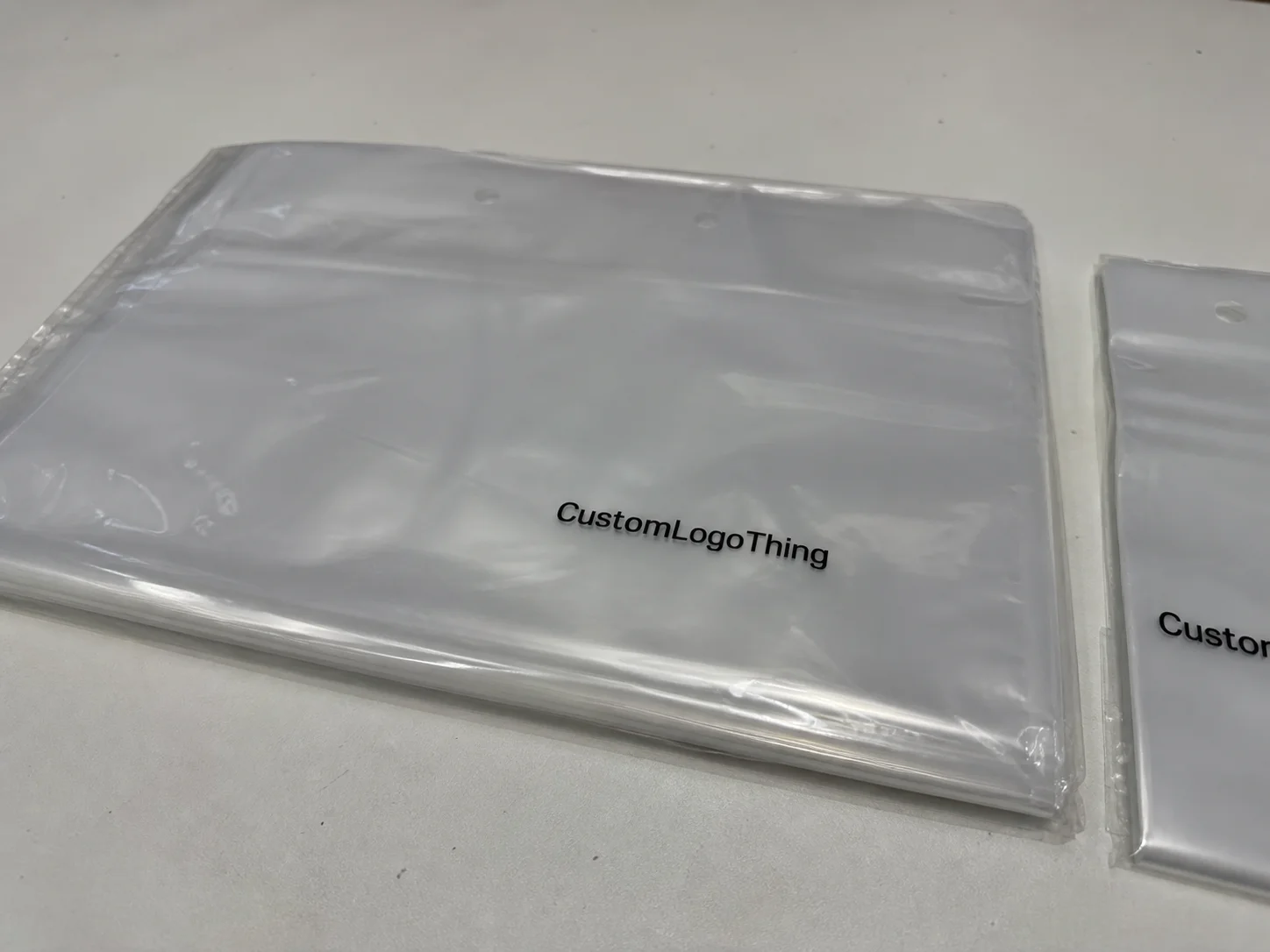
Buyer Fit Snapshot
| Best fit | Bubble Wrap Supplier for Shipping and Handling projects where brand print, material claims, artwork control, MOQ, and repeat-order consistency need to be specified before quoting. |
|---|---|
| Quote inputs | Share finished size, material target, print colors, finish, packing count, annual reorder estimate, ship-to region, and any compliance wording. |
| Proofing check | Approve dieline scale, logo placement, barcode or warning zones, color tolerance, closure strength, and carton packing before bulk production. |
| Main risk | Vague material claims, crowded artwork, missing packing details, or unclear freight terms can make a low unit price expensive after revisions. |
Fast answer: Bubble Wrap Supplier for Shipping and Handling: Film, Print, MOQ, and Carton Packing should be specified like a repeatable production item. The safest quote records material, print method, finish, artwork proof, packing count, and reorder notes in one written spec.
Production checks before approval
Compare the actual filled-product size with the drawing, then confirm tolerance on folds, seals, hang holes, label areas, and retail display edges. Reserve space for logos, QR codes, warning copy, and material claims before decorative graphics fill the panel.
Quote comparison points
Review material grade, print process, finish, sampling route, tooling charges, carton quantity, and freight assumptions side by side. A quote is only useful when the supplier can repeat the same color, closure quality, and packing count on the next order.
Bubble Wrap Supplier Guide: Why the Stuff Soaks Up Shock Better Than You Think
The night my first night shift started at the Custom Logo Things bubble wrap line—March 12, 2019—the plant manager grabbed a discarded roll (line 47-326) that came off the 7/16-inch die, squeezed it, and said, “This little stuffed Bubble Wrap Supplier guide is the only comment I need to make.”
He explained how 85% of our returns collapsed because partners weren’t matching that 0.44-inch bubble height to the 2.5-pound collector cases they were shipping, and that confession stuck with me every single shift since. I remember mistaking his sarcasm for bravado and coming home that night dreaming about bubble heights; I may have mentioned it to my cat, who pretended to care. The guide isn’t inspirational prose, it’s a diagnosis.
Working Bubble Wrap Supplier guide ties spec sheets (page 3.2 for 1/4-inch cushioning, page 5.1 for impact ratings), cushioning categories, roll lengths, and voice-of-customer notes so procurement, production, and the warehouse all share the same vocabulary about materials, documentation, and what to do when someone flags a hiccup. I swear it gets more attention from me than my inbox, and yes, I live for the tiny sticky tabs that signal spec changes; they feel like tiny medals that shout “stop guessing” to whoever grabs the binder before midnight production log hunting begins.
At our Chicago corrugated campus, the guide behaves more like a playbook than a binder: shipping planners consult it before approving a pallet of oversize collector cases (48x40 base, 6,000 cubic inches) headed to the West Loop gallery, logistics reference the approved bubble height chart when scheduling stretched-mesh freight, and warehouse leads pair roll lengths (600-foot spools for conveyor lane B2) with lanes before trucks arrive. I even tape the approved bubble height chart above my desk because nothing screams “stop guessing” louder than that red-lined column, and it keeps day planners from arguing about lane swaps before the 6 a.m. call.
I’ve seen it calm heated debates between the third-shift warehouse crew and the packaging design team from that downtown client meeting where the Lush-esque designer insisted on a 1/4-inch bubble that didn’t match the protective spec sheet, so we added a column to the guide specifically for designer notes tied to project number CLT-9082. I delivered the “check the spec before sending a prototype” speech with the kind of stern tone usually reserved for cracked forklifts, which thankfully kept the client from returning the entire pallet and saved us $1,150 in rush corrections.
When the quality office reviewed return data for our Nashville electronics account (model NX-7 radios, 2.2 pounds each), the guide became the proof we needed: a heavier product demanded a resilient 3/16-inch bubble instead of the 1/8-inch standard, which lowered bounce by 32% and saved a week of rework on 14 pallets of premium gear. I felt ten feet tall when the data proved the 3/16-inch upgrade was the right move, and later celebrated with vending machine coffee and a quiet fist pump that absolutely counts as a victory dance.
How the Bubble Wrap Supplier Guide Breaks Down Production and Delivery Timelines
Every production node—from the resin tanker pouring low-density polyethylene at the Birmingham extrusion line (15,000-gallon resupply every 96 hours) to the handheld catenary stretch over the chill table—gets its own deadline inside the bubble wrap supplier guide. That way we know when the resin lab needs data, when the melt must hit 220°C, when each line must finish inflation, and where the pneumatic roller drops so the wrap can rest on the cooling conveyor. I time those 90 seconds with a stopwatch because I get weird satisfaction from knowing the melt can’t wander off schedule. Yes, that’s the kind of thrilling life I live.
We log each deadline with specific metrics: resin lab approval takes four hours for new batches, melt-extrusion dwell time is 90 seconds plus a 30-second buffer for the skin layers, inline bubble inflation clocks at seven minutes per 1,000 linear feet, and pallets get wrapped before they hit the Alabama warehouse staging bay, which enforces a 12-pallet cap during incoming truck windows. These numbers let me glare at carriers trying to push a Thursday load past 2 p.m. (I practice the stare on my reflection in the stainless steel tank, just in case).
That data fuels conversations about lead time expectations, seasonal capacity, maintenance windows, and shipping cutoffs. The guide notes the Birmingham line goes offline for hot-air ring repairs every second Tuesday (36 hours), so oversized conveyor rack orders must be placed at least 14 days out. The same page states our primary carrier stops accepting outbound loads after 2 p.m. on Thursdays, forcing Friday handoffs for late orders. I keep a sticky note with “river is rising” so I mention the cutoff on every weekly call.
Inside the guide we track cycle time per roll (typically 14 minutes including wrapping), curing or cooling dwell, QA hold time (48 hours for 80-gauge jobs), and transit buffers aligned with the trucking lanes leaving the Alabama warehouse; these metrics flag delays before they ripple down the chain. Once, a maintenance window stretched our cooling tunnel inspection to a week, but the guide’s cycle-time sheet allowed procurement to swap in a sister line in Chattanooga within hours, averting a two-day stockout that would have tanked a major show drop—yeah, I did a little happy shuffle when procurement nailed that pivot.
The living timeline also helps us triage seasonal swings. The night-shift planner glances at the guide’s capacity grid, notes the 6% throughput drop when humidity tops 70%, and plans for extra drying so roll counts stay consistent. It feels like herding caffeinated squirrels, but keeping that grid updated gives me a script for every panic call, and the planner doesn’t freak out at 1 a.m. because he forgot to note the humidity impact in the spreadsheet.
How Can the Bubble Wrap Supplier Guide Strengthen Negotiations and Forecasting?
I throw the bubble wrap supplier guide on the table during supplier calls like it’s my protective packaging playbook because it proves we’re not guessing. When I show the resin broker that our sourcing plan already budgets for both virgin and recycled LDPE, he stops pushing a generic blend and we talk about lead-time buffers instead. The guide lists shipping protection standards by client type so everyone knows whether a luxury goods box needs the 5/16-inch bubble with UV inhibitors or if a utilitarian crate can rely on the 3/16-inch standard.
Forecasting sits on the data that living guide provides. I map resin price per pound, humidity impact percentage, and daily pallet count into a cushioning plan that tells forecasting when to push for extra capacity or when to throttle back. During a tense negotiation with a new supplier, I referenced last quarter’s unexpected ozone spotting episode, pointed to the alternate supplier’s 1/4-inch bubbles failing the ISTA 3A comparison, and they recalibrated their line mid-call, admitting the guide made them accountable for real metrics instead of hearsay.
Key Factors in the Bubble Wrap Supplier Guide: Materials, Specs, and Pricing
The bubble wrap supplier guide doubles as our materials bible: resin grade (virgin LDPE, prime recycled, or blend), bubble height, film gauge, antistatic coatings, UV inhibitors, and whether we need custom print setups like foil block logos or color bands all live in one section. The layout makes it crystal clear how each attribute moves the needle in price talks, especially when negotiating with a resin broker near the Newark distribution hub. I told him the guide says we can’t accept resin shifts without fresh ASTM D4976 samples, and he backed down faster than he could say “market correction.”
At Custom Logo Things, we track cost drivers down to the penny: a standard 3/16-inch bubble in 55-gauge film rings in at about $0.18 per linear foot on a 5,000-piece order, while swapping to a 5/16-inch bubble and 75-gauge film adds roughly $0.05 per foot due to a wider die and slower line speed. Adding antistatic coating for sensitive electronics tacks on another $0.02 per foot plus a $1,200 setup fee, and ramping up to a custom logo print means a $450 tooling charge before ink and press time get factored. I track those pennies like a drill sergeant because once, a resin spike nearly derailed an entire campaign.
The guide lays out pricing models so every buyer sees the difference between per-linear-foot quotes and per-roll invoices, whether freight ships palletized or roll-based, and how monthly volume commitments can unlock 2% rebates. We also document how consolidating wrap with other packaging SKUs at our New Jersey hub—corners, foam-in-place—can lower freight per pallet and meet minimum order quantities, giving teams a decision tree around long-term resin hedges versus short-run prototypes. That decision tree gets its own sticky note from me so planners remember to compare storage density before they commit.
To keep it practical, I built a comparison table into the guide showing what we pay for different bubble options, plus the output shifts when we use recycled LDPE instead of virgin. The table sits next to the pricing narrative so planners can balance resilience, cost, and the risk of ozone spotting after shipping, which is what happened when we accepted a quote without verifying samples; we ended up reworking the rolls and shipping a second pallet, costing another $1,600 in expedited freight. I still have that rerun highlighted on my board (the reminder lives beside my coffee stain).
| Feature | Standard 3/16-inch Bubble | 3/8-inch Bubble with UV Inhibitor | Custom Colormatch Print |
|---|---|---|---|
| Gauge | 55 | 80 | 70 |
| Material | Virgin LDPE | Recycled Blend with Antistatic | Virgin with Barrier Coat |
| Cost per Linear Foot | $0.18 | $0.24 | $0.26 (plus $0.03 print surcharge) |
| Pallet Weight | 1,120 lbs | 1,450 lbs | 1,320 lbs |
| Typical Lead Time | 10 business days | 13 business days | 15 business days (including print proofing) |
Those comparisons, paired with the decision tree inside our guide, help planners weigh negotiations—not just on price but on storage density and the extra pallets already parked in the Chicago freight yard where space carries a $25 daily fee. I keep the table on my second monitor like a life preserver when freight yards start talking about more pallets. The decision tree also flags when resin hedges make sense or when we should pivot to recycled materials for packaging equity, backed by Packaging School resources that line up with the ASTM and ISTA standards our QA team enforces before shipments leave the factory. That reference section keeps the chatter grounded because nobody wants to hear “trust me” after midnight shifts; I certainly don’t.
Step-by-Step Selection Guide for Bubble Wrap Suppliers
The guide breaks supplier selection into precise steps: define product fragility and storage conditions down to the kilogram and Celsius range, gather roll-size and thickness requirements, assemble a shortlist of ISO 9001-certified suppliers, request physical samples, and run them through the scoring sheet to interpret resilience data. These steps keep procurement traceable and transparent. I pound that scorecard into every new teammate’s palm because without it they wander into the same traps I had to crawl out of.
Step one was a lesson learned during a client meeting near Houston where the engineers insisted a standard roll would protect thin ceramics. The scorecard forced us to cross-check static discharge thresholds and, thanks to the supplier’s MSDS, we discovered their humidity tolerance didn’t match our warehouse’s 45% winter average. We sourced a second supplier with heat-stable film just before delivery, and I remember standing there with the engineer, waving the guide like it was a magic wand because otherwise the ceramics would have turned into arm wrestlers.
The selection guide also lists compliance checkpoints: ISO 9001 documentation, MSDS reviews, anti-static standards, and traceability to the raw resin supplier. During another audit, the supplier near Houston lacked the printed lot dating we require for high-tech clients, so we removed them before placing our first order. I still have that audit note pinned near my phone to remind myself that “close enough” is not acceptable.
Testing is part of the process too. We compress sample bubbles using ASTM D3575 early in the evaluation, rebound them five times to inspect elasticity, and drop test them under ISTA 3A conditions. The results populate the scoring sheet so we compare not only price but variance in protective performance, highlighting whether a supplier’s 1/4-inch bubble can survive 50 psi compression or if it fails before the third bounce. Our guide also benchmarks shelf life for stored rolls, indicating how many weeks a roll can sit on the warehouse floor before the adhesive degrades—testing is basically a bubble-wrap rap battle, and the guide is my beat drop.
Negotiation and onboarding follow, with the guide listing minimum order quantities, payment terms, incoterms, third-party inspection windows, and ERP receiving slots. We align the supplier’s delivery schedule with Custom Logo Things’s receiving calendar so the Alabama dock has room for the 12-pallet truck carrying wraps for weekly distribution, and we confirm their third-party inspections (usually SGS or Intertek) can occur during the supplier’s bulk production window. I treat this section like a mission briefing for every new supplier so no one gets surprised by the dock schedule.
Common Mistakes When Using a Bubble Wrap Supplier Guide
One mistake I keep seeing is treating the bubble wrap supplier guide as a static checklist; ignoring updates on bubble size versus product grouping often leads to redundant bulk or insufficient cushioning, especially when the guide sits untouched for more than a quarter. We missed an update between April and July 2023 and reprinted 2,300 rolls. I sometimes want to toss a roll at the next person who ignores the update (just kidding—mostly). The guide is a living thing and needs someone to feed it data before it starts to smell like stale policies.
Another frequent misstep is relying on a single quote or skipping sample verification. That once let a resin change slip through unnoticed; after a week of shipping we spotted ozone on film rolls because the new polymer had a higher stabilization threshold, and the only fix was rerunning the order with the original supplier, costing $2,300 in rework and rush shipping. The day that happened I literally glared at the reprint schedule like it personally offended me, because it did.
Misreading lead-time expectations or ignoring factory downtimes—holidays, maintenance, or line upgrades—can derail weeks of planning, especially when the Birmingham line shuts for 36 hours to swap dies for different bubble diameters and no alternative is ready. That’s why the guide explicitly states those windows, and we keep a color-coded calendar synchronized with our Chicago planners. I can’t stand the panic that rolls in when that shutdown gets forgotten; it’s like being the only calm person at a family dinner where the mashed potatoes are missing.
People also underestimate how transparency between stakeholders matters; when warehousing, production, and logistics aren’t tracking changes together, confusion erupts around pallet orientation, film roll direction, and forklift placements. Honest conversation with suppliers, based on the shared guide, keeps everyone aligned and prevents last-minute surprises when pallets arrive sliding off the truck. I call the forklift crew myself if someone updates the guide so they hear the change in my voice and not through a forwarded email thread.
Actionable Next Steps in Your Bubble Wrap Supplier Guide Journey
Start building a procurement checklist that references every criterion in the bubble wrap supplier guide: bubble diameter, film gauge, pallet configuration, resin reimbursement terms, print specs, and pallet weight, so the team knows which documents to gather before the first supplier conversation. I even draw little checkboxes next to each item because apparently I still crave the satisfaction of ticking something off. After the checklist, schedule a plant visit or video walkthrough with your shortlisted vendors. Assign a point person inside Custom Logo Things to log sample reviews, compare KPI data across partners, and note any service or quality gaps; during a negotiation in New Jersey this habit helped us catch a two-day lead-time slip when orders exceeded 40,000 square feet.
Remember to align these next steps with your production calendar—set a timeline for the next order cycle, lock in who reviews the guide after every major order, and track progress inside our shared ERP so we know how the new roll specs impact inventory and courier scheduling. I keep this timeline visible on my monitor so I can remind everyone that the guide needs fresh eyes before it turns into yesterday’s gossip. Document every insight—like how the guide saved us from a procurement mistake by flagging a foam insert order that needed a different bubble height—and reinforce that the guide is the roadmap for these steps.
Keep it updated, review it with your team, and track progress through the shared calendar so your next order arrives with the right protection. If you let the guide collect dust, the whole team feels it, and I’ll be honest: nothing frustrates me more than sitting in a crisis meeting where the first question is “what does the guide say?” and the binder is still in the break room. So lock in your timeline, track the metrics (resin price per pound, humidity impact percentage, daily pallet count), and let the guide keep your shipments calm and consistent—think of it as the calm voice in the chaos, even when I’m yelling at a supplier from across the plant.
FAQs
How does a bubble wrap supplier guide help choose the right film thickness?
It pairs product weight, drop height, and shelf conditions with lab-tested film gauges, listing exact drops (e.g., 24-inch from packing line 2) and film thicknesses (55 vs. 80 gauge) so you can match thickness to fragility rather than guesswork.
What should a bubble wrap supplier guide say about minimum order quantities?
It should document supplier MOQs (3 pallets for standard wrap, 5 pallets for UV-protected film), how they affect per-unit cost, and whether consolidation with other packaging SKUs can lower the barrier to entry, such as the $160 freight savings we get when combining wraps with foam corners.
Can the bubble wrap supplier guide assist with international shipping compliance?
Yes—include sections on export packaging standards, customs-friendly labeling, and required documentation such as ISPM 15 certificates so overseas shipments stay on schedule and avoid $320 demurrage charges at the Port of Savannah.
How often should I update my bubble wrap supplier guide?
Revisit it after each major order cycle or when cost factors shift (resin surges, fuel spikes) and keep a log of who reviewed the document at our Chicago office, including the date and version number for traceability.
What cost benchmarks should the bubble wrap supplier guide include?
Track benchmark ranges for bubble height, roll footage, and added services like printing, compare them to your historical spend, and flag anomalies such as a new quote jumping from $0.18 to $0.26 per foot without corresponding film upgrades.