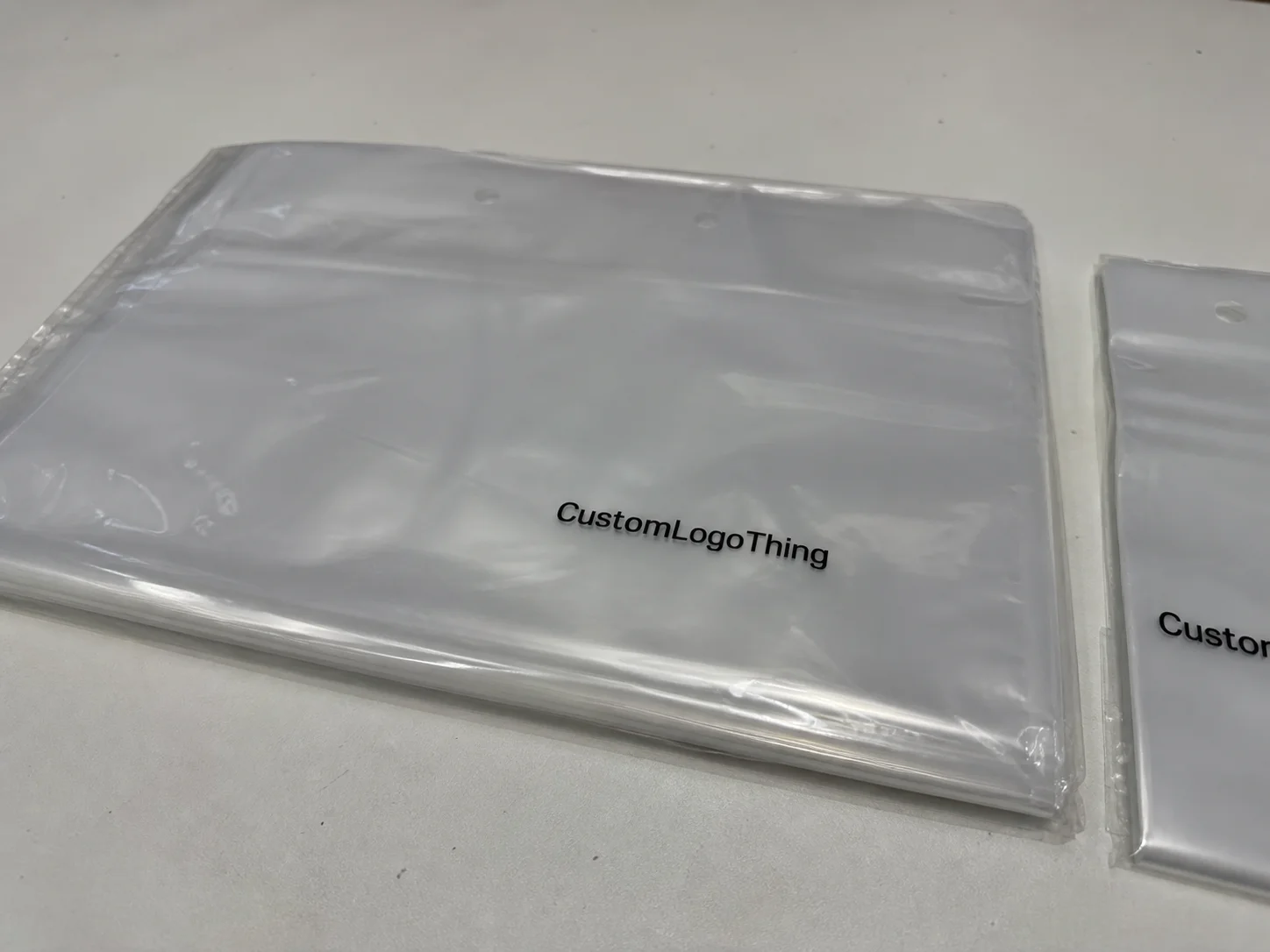
When a Gym Kit Needs More Than a Plain Pouch
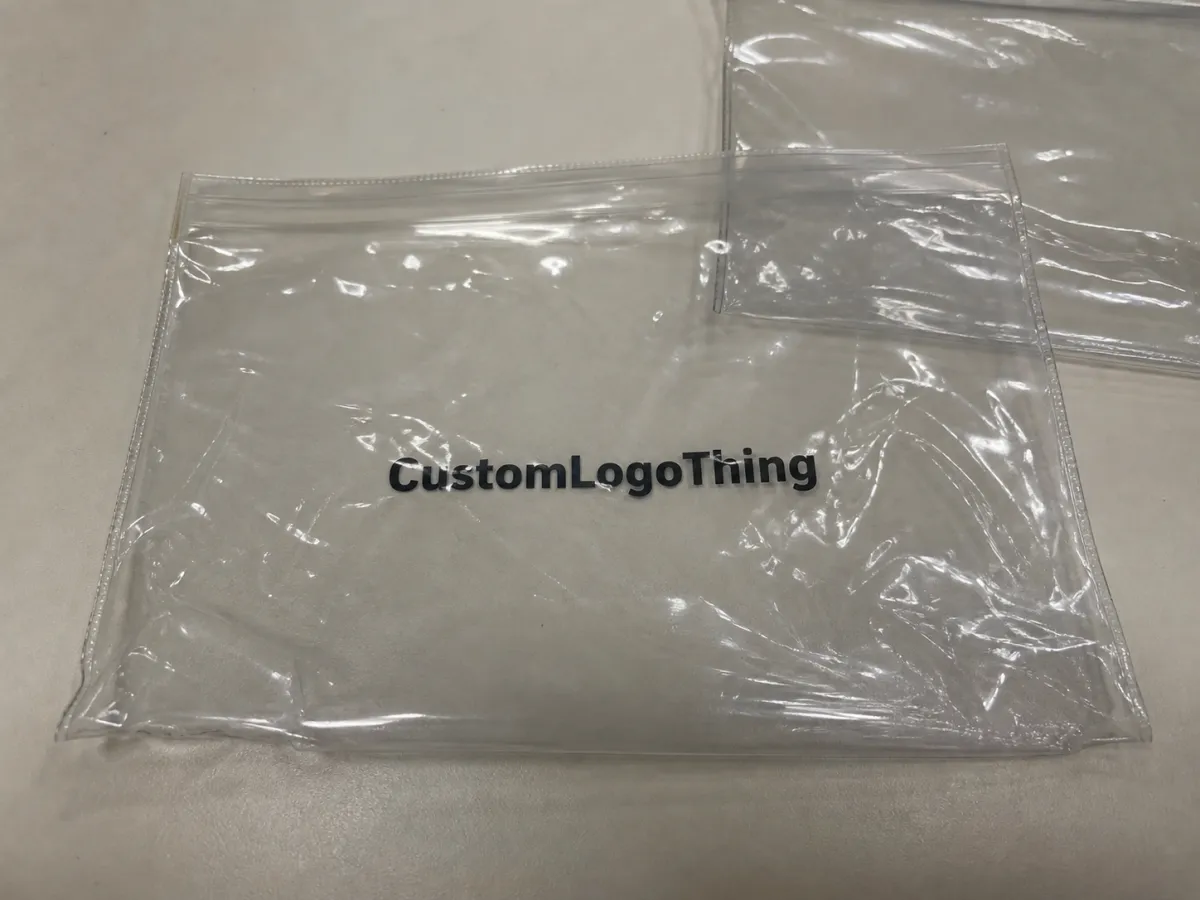
A resistance band can feel premium in the hand, then look cheap the moment it lands in a thin, wrinkled bag with a weak zipper. Buyers requesting a fitness Zipper Poly Bags supplier quote are usually trying to solve several practical issues at once: fit, durability, branding, packing speed, and reorder consistency.
That makes the bag a working part of the product, not just a place to put the logo. A cooling towel, shaker accessory, jump rope component, cable attachment, supplement sample, grip aid, or small recovery tool may weigh only a few ounces, but the package still gets pressed into cartons, dropped into gym totes, opened with damp hands, and handled more roughly than a clean product photo suggests. If the zipper track separates or the film stretches around a side seal, the front-panel artwork cannot rescue the customer’s first impression.
Many fitness packaging problems start because the artwork gets approved before the construction is questioned. The zipper profile, seal width, film gauge, and usable inside space often matter more than a larger mark on the front panel. A 3 mil LDPE zipper bag can work well for a microfiber towel or flat instruction kit, while a dense resistance band set may need 4 mil or 5 mil film, a stronger press-to-close track, and enough headspace so the zipper closes without bowing.
Custom Logo Things treats these projects as branded flexible packaging with real performance requirements. The goal is not to decorate a weak pouch. The work is to choose the right poly film, match the closure to the product, keep print placement accurate, and define the quote inputs clearly before production begins. If you are comparing Custom Packaging Products, zipper poly bags often sit in a useful middle range: lighter than rigid boxes, more reusable than disposable sleeves, and cleaner than a loose label on generic packaging.
Practical packaging rule: test the bag with the actual product, not only a flat drawing. Fitness items flex, compress, and create pressure points that dimensions alone do not always reveal.
Fitness Zipper Poly Bags Supplier Quote: Cost and MOQ
A clean fitness zipper poly Bags Supplier Quote starts with the details that drive production: bag size, film thickness, zipper style, print method, color count, artwork coverage, order quantity, packing method, and delivery destination. Change one of those variables and the unit cost can move. Change several of them and the buyer may be comparing two different packaging builds without realizing it.
For a simple clear stock zipper bag with a printed label, a small run may be reasonable for a test kit, a local event, or a temporary promotion. For fully custom printed Zipper Poly Bags, the economics shift because film setup, printing setup, zipper application, cutting, sealing, inspection, and carton packing all have to be covered. MOQ is not only a sales policy; it is tied to how film is purchased, how presses are prepared, and how converting equipment is set for a specific bag size.
| Quote Path | Typical Use | Estimated Unit Range | Tradeoff |
|---|---|---|---|
| Stock clear zipper bag with label | Trial run, sample kit, local event | $0.12-$0.35 depending on label size and quantity | Lower setup cost, less custom fit, weaker shelf presence |
| One-color custom printed zipper bag | Gym accessory, towel kit, basic supplement sample pack | $0.18-$0.42 at moderate quantities | Clean brand presentation with controlled print cost |
| Multi-color custom printed zipper bag | Retail bundle, launch kit, SKU family | $0.28-$0.70 depending on size, film, coverage, and run size | Stronger brand impact with more proofing and setup attention |
These ranges are planning figures, not fixed promises. Freight, film market pricing, dimensions, and ink coverage can shift the final number. A 5 inch by 8 inch bag for a flat insert will not price like a 10 inch by 13 inch gusseted bag built for a towel and band kit. Larger quantities usually reduce unit cost, but they also create inventory responsibility. If you order 25,000 pieces, you need storage space, SKU control, and confidence that the artwork will not be outdated before the cartons are used.
Before asking for pricing, gather the flat width, height, gusset requirement, film gauge, zipper preference, print colors, quantity, delivery address, packed product weight, and any features such as hang holes, vent holes, bottom gussets, or retail-ready carton packing. A complete request makes quotes easier to compare because each supplier is pricing the same construction instead of filling in blanks with different assumptions.
Materials, Film Gauge, and Zipper Styles for Fitness Products
LDPE is common for fitness zipper bags because it has a soft hand, bends without cracking, and feels familiar to consumers. HDPE is stiffer and often economical, though it can feel crinklier and less premium for reusable kit packaging. Blended films are used when a buyer wants a balance of clarity, toughness, and cost control.
Gauge selection deserves more attention than it usually gets. A 2 mil film may be enough for paper inserts, socks, or a light sample card. A 3 mil film is a common starting point for many accessory bags. For resistance bands, shaker parts, clips, cable handles, or kits that buyers may reuse for months, 4 mil to 6 mil film is often more realistic. The heavier film is not automatically better; it costs more, adds bulk, and may feel too stiff for a light product. The right gauge follows the product’s weight, edges, and reuse expectations.
The zipper track should match the usage pattern. Standard press-to-close zippers are cost-effective and familiar, which makes them a strong choice for many promotional and retail fitness bags. Slider zippers improve convenience, especially on wider bags, but they add cost and can complicate packing. Heavier closure profiles may be useful when the consumer will open and close the bag repeatedly after purchase.
Small add-ons can change how the bag performs. Hang holes support peg display. Bottom gussets create more room for towel kits or bundled accessories. Side seals help keep the front panel flat and tidy. Vent holes release trapped air during packing, which can reduce puffed cartons and make case packing easier. Matte, frosted, or tinted film can soften the look, though opacity should be checked if the product color may show through and change the artwork.
For performance language, it is better to stay grounded in measurable checks. Film tensile strength may be evaluated under ASTM D882, haze and clarity may reference ASTM D1003, and distribution packaging plans can be reviewed against procedures from ISTA where shipping conditions are a concern. A stronger specification is built around the real weight and shape of the product rather than a generic pouch size pulled from a catalog.
Print, Branding, and Artwork Details That Affect the Finished Bag
Printing can be restrained or highly visual. A one-color logo keeps cost controlled and works well for clean gym accessory packaging. Multi-color graphics help a retail product stand apart on a shelf or inside a subscription kit. Full-coverage artwork can support a premium launch bundle, but it brings tighter color-control needs, closer proof review, and more attention to registration tolerance.
Surface printing is common and cost-effective. It is also exposed to rubbing, moisture, and repeated handling, which can affect appearance over time. More durable print constructions may be available for certain projects, but they need to be quoted correctly because film type, ink system, artwork coverage, and order quantity all matter. No supplier should treat every print method as if it behaves the same on every poly structure.
Artwork should arrive production-ready whenever possible. Vector logo files are preferred. Pantone or CMYK references help control expectations, although color on flexible film will not always match a coated paper swatch exactly. Dieline approval matters because the zipper, side seals, bottom fold, gusset, and hang hole all take space away from the usable design area. Barcodes need quiet zones and should be tested for scan quality, especially on curved or flexible surfaces.
- Keep copy away from seals: allow safe margins near the zipper, side seals, and bottom fold.
- Avoid tiny reversed type: fine white text on a dark flexible film can fill in during print.
- Check opacity: a red band or dark towel inside the bag may change the look of pale artwork.
- Plan the front panel: leave room for product size, resistance level, flavor, QR code, or care details.
Branding is functional here, not only decorative. A zipper bag can identify light, medium, or heavy resistance. It can separate recovery towel sizes, supplement flavors, or kit types. It can carry a QR code for workout instructions and a reorder code for warehouse teams. If the bag supports a SKU family, the print system should be planned so future versions keep logo placement, color references, and information hierarchy consistent.
If you need a wider packaging comparison before choosing film and print, Custom Logo Things can also review related formats such as Custom Poly Mailers for shipping or outer presentation. For the inner product pouch, a focused zipper bag specification gives the clearest view of material, closure, and print cost.
Specifications to Confirm Before Production Approval
Production approval should not rest on a polished mockup alone. The buyer and supplier need a written specification that covers outside dimensions, usable internal space, material, gauge, zipper location, seal width, print colors, finish, carton pack count, and retail display needs. A good spec sheet prevents many of the expensive misunderstandings that appear after cutting and sealing have already started.
Outside dimensions and inside dimensions are not the same thing. If a bag is listed as 8 inches wide by 10 inches high, the zipper header, bottom seal, side seals, and gusset geometry can reduce the actual product area. A thick band set may need extra headspace so the zipper closes without stress. A towel may compress easily in one direction but push hard against the zipper once folded.
Send product samples if possible. If that is not practical, send exact measurements, packed product weight, photos from several angles, and notes about compression. Oddly shaped fitness items behave differently from flat or rigid goods. A steel clip may create a puncture point. A molded handle may press against one corner. A dense band bundle may look compact but load the side seal heavily.
Testing should include zipper opening force, seal strength, puncture resistance, clarity, print registration, barcode scan quality, carton count, and closure performance after the product is inserted. If retail display is involved, confirm hang hole position and check whether the filled bag hangs straight. For shipping and receiving, ask whether carton labels, inner bundles, or master carton counts need to match your warehouse process.
Proofing usually starts with a digital layout. For higher-risk projects, a pre-production sample may be worth the added time and cost. Written sign-off before mass production protects both sides because it confirms that the buyer accepts dimensions, artwork, material, zipper style, and packing instructions before film is printed and converted.
Process, Timeline, and Lead Time From Quote to Delivery
The normal path is direct when the information is complete: quote request, specification review, artwork check, pricing confirmation, proofing, sample or pre-production approval if required, material preparation, printing, converting, quality inspection, packing, and shipping. Each step has a purpose. Skipping one may save a day early and cost two weeks later.
Typical custom zipper poly bag timelines often run 12 to 25 business days after proof approval for common constructions. Quantity, print complexity, material availability, and freight method can change that schedule. Sampling can add several business days. Custom film, heavy ink coverage, special zipper requirements, large quantities, artwork revisions, holiday production peaks, or slow buyer feedback can extend the timeline.
Buyer response time is part of lead time. A supplier can move faster when the inquiry includes dimensions, product weight, quantity, artwork, delivery address, and target in-hand date. Delays often start when the logo is only available as a low-resolution PNG, the bag size is estimated, or the product has not been measured in its packed form.
Quality control should be practical and visible. During converting, teams check zipper alignment, seal integrity, bag count, print position, color consistency, film defects, and carton labeling. For retail bags, print registration and barcode readability deserve extra attention. For heavier products, seal strength and zipper closure performance should be checked against filled samples, not only empty bags.
Reorders are easier once specifications are locked. Keep the approved dieline, color references, material notes, carton packing instructions, and any barcode or SKU details in one place. If you reorder late, rush freight or temporary substitute packaging can wipe out the savings gained from negotiating a lower unit price. A steady reorder point is less exciting than a last-minute rescue, but it protects launch dates and keeps warehouse teams from improvising.
Production Fit, Repeat Orders, and SKU Consistency
Fitness products do not all belong in the same pouch format. Protein accessories, wearable gear, towel kits, resistance bands, recovery tools, and promotional bundles create different stresses on film and closures. A small supplement sample pack may need clean print and fast packing speed. A reusable band kit may need heavier film, a stronger zipper profile, and more careful size testing.
The best supplier conversations are specific. A lower unit cost may require a larger run, simpler print, standard film, or a stock size. A stronger retail-ready option may need better film, tighter artwork control, a matte finish, a gusset, or extra sample time. Neither choice is automatically right. The right choice depends on margin, launch timing, expected reuse, retail environment, and how much protection the bag must provide.
Repeat orders depend on discipline. Dimensions, logo placement, color references, hang hole position, carton counts, and packing instructions should stay consistent as a buyer expands from one accessory bag into several related products. Consistency is not glamorous, but it is one of the main reasons custom packaging starts to look professional across a product line.
For brands comparing a fitness zipper poly Bags Supplier Quote against other flexible packaging options, the goal is simple: protect the product, carry the brand cleanly, and reduce surprises between approval and delivery. If sustainability claims are part of the packaging discussion, they should be handled carefully and supported by real material information. Guidance from sources such as the EPA Sustainable Materials Management program can help teams ask better questions about material use, reuse, and disposal without making vague claims the package cannot support.
Next Steps to Request a Clean, Comparable Bag Quote
Start with the product in your hand. Measure the width, height, thickness, and packed weight. Decide whether the bag opens from the top or side. Note whether the consumer should reuse it after purchase. Choose an approximate print approach: one-color logo, front-and-back branding, or full-coverage artwork. Then collect the logo, dieline if available, barcode, care copy, and any compliance text.
Ask for pricing in two or three quantities. A single number does not show the cost curve. For example, 2,500 pieces may be useful for a trial run, 5,000 to 10,000 pieces may bring the unit price into a better range, and 25,000 pieces may support a recurring program if storage and artwork stability are not concerns. Seeing those tiers side by side helps the buyer choose with facts instead of guesswork.
If the project is still flexible, request both an economy option and a stronger retail-ready option. The economy version may use standard clear LDPE, a press-to-close zipper, and one-color printing. The stronger option may use heavier gauge film, a gusset, upgraded closure, matte finish, or more detailed print. Once material, MOQ, and Lead Time are compared, the better choice usually becomes visible.
- Product type and packed weight
- Target bag width, height, and gusset if needed
- Film gauge or strength expectation
- Zipper preference and any hang hole or vent hole needs
- Print colors, artwork files, and barcode requirements
- Quantity tiers, shipping destination, target in-hand date, and sample needs
For a direct review, send the project details through Contact Us and include photos if the product shape is hard to describe. A complete fitness zipper poly bags supplier quote request helps the supplier price accurately, recommend the right construction, and keep production moving without avoidable back-and-forth.
FAQ
What information is needed for a fitness zipper poly bag quote?
Provide bag width and height, product size and weight, film gauge or strength expectation, zipper type, print colors, quantity, delivery location, and any special features such as hang holes, gussets, vents, or retail packing. If the product is thick, dense, or flexible, send photos or samples so the usable inside space can be checked before production.
What MOQ should I expect from a custom fitness zipper bags supplier?
MOQ depends on size, material, printing method, and whether the bag is stock or fully custom. Stock bags with labels can start lower, while custom printed zipper poly bags usually require higher quantities to cover setup, printing, zipper application, and converting costs.
How do I reduce the unit cost on custom zipper poly bags?
The most practical ways are increasing order quantity, limiting print colors, using standard material and zipper options, avoiding oversized artwork coverage when it is not needed, and confirming dimensions accurately before sampling or production. Accurate specs reduce rework, which is one of the quiet cost drivers buyers often miss.
Can fitness zipper poly bags be made strong enough for resistance bands or accessories?
Yes, but the bag should be specified around the actual product weight, thickness, and edge pressure. Heavier film, proper seal width, and a suitable zipper track are important for dense bands, clips, handles, or bundled accessories. Testing with a filled sample is the safest way to confirm the construction.
How long does production take after approving a zipper poly bag proof?
Lead time varies by quantity, print complexity, material availability, sampling needs, and freight method. Common custom constructions often run 12 to 25 business days after proof approval, while sampling, special materials, large runs, or artwork changes can add time. Complete specs and fast proof approval help reduce avoidable delays.