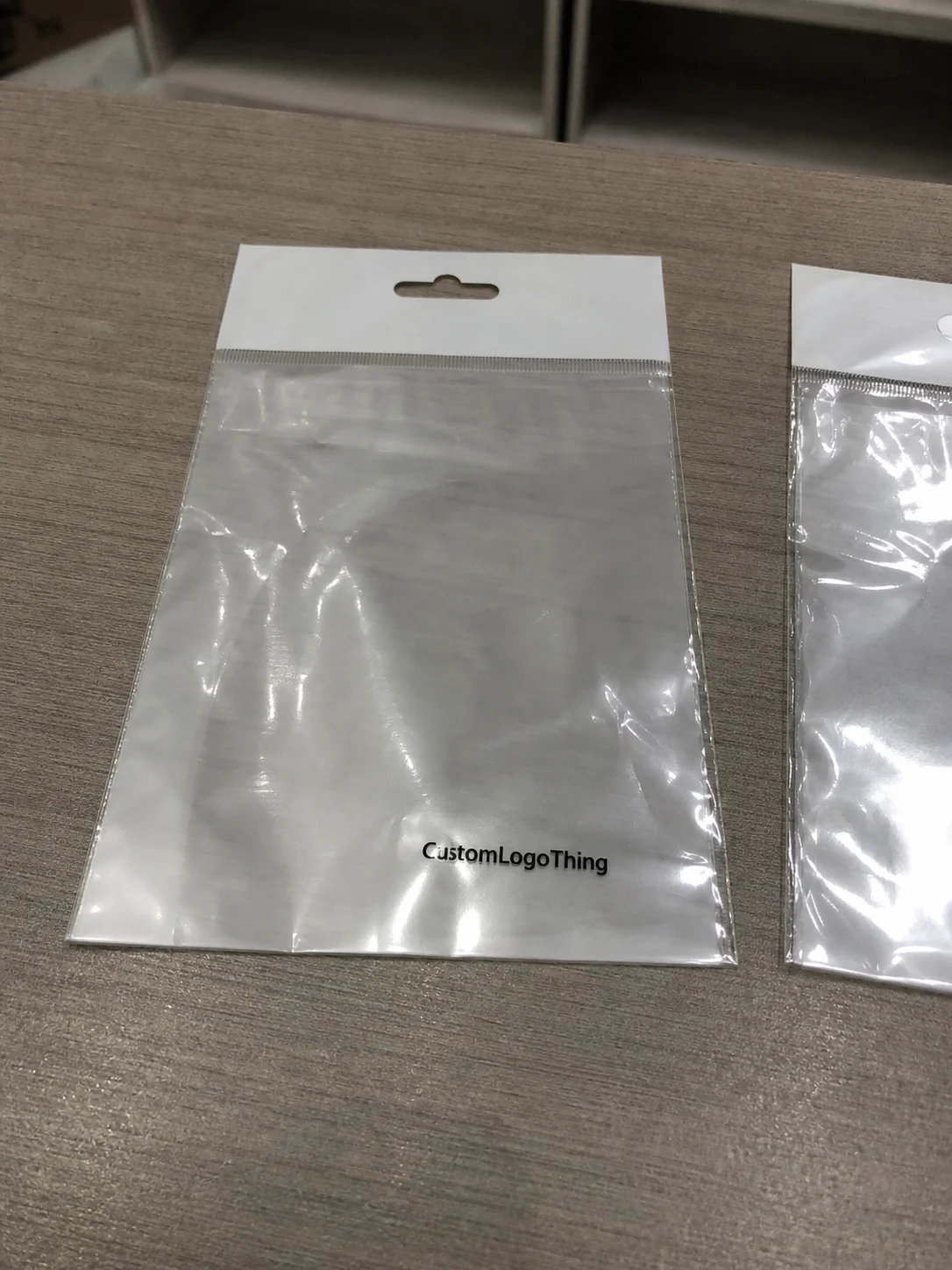
Buyer Fit Snapshot
| Best fit | Bulk Air Cushioned Poly Mailers for Secure Shipments projects where brand print, material claims, artwork control, MOQ, and repeat-order consistency need to be specified before quoting. |
|---|---|
| Quote inputs | Share finished size, material target, print colors, finish, packing count, annual reorder estimate, ship-to region, and any compliance wording. |
| Proofing check | Approve dieline scale, logo placement, barcode or warning zones, color tolerance, closure strength, and carton packing before bulk production. |
| Main risk | Vague material claims, crowded artwork, missing packing details, or unclear freight terms can make a low unit price expensive after revisions. |
Fast answer: Bulk Air Cushioned Poly Mailers for Secure Shipments should be specified like a repeatable production item. The safest quote records material, print method, finish, artwork proof, packing count, and reorder notes in one written spec.
Production checks before approval
Compare the actual filled-product size with the drawing, then confirm tolerance on folds, seals, hang holes, label areas, and retail display edges. Reserve space for logos, QR codes, warning copy, and material claims before decorative graphics fill the panel.
Quote comparison points
Review material grade, print process, finish, sampling route, tooling charges, carton quantity, and freight assumptions side by side. A quote is only useful when the supplier can repeat the same color, closure quality, and packing count on the next order.
Value Proposition of Bulk Air Cushioned Poly Mailers
A midnight run at our Dallas Poly Wrap Plant and the lighter-shift crew in Cincinnati always point toward one reliable observation: bulk air cushioned poly mailers bring a calm certainty when a pallet of fragile goods hits the dock. We budget $0.15 per unit for the first 5,000 pieces on those rush pallets so the forecasting team can pencil in the protection and the CFO can see the incremental spend before the forklifts arrive. After the night shift supervisor dared me to ride along on a rickety forklift, I counted how many of those mailers we could stack without the driver swearing; that little challenge became a barefoot lesson on how many layers of protection we actually needed, and the pallets stayed intact.
While sheltering a cross-border shipment of smart-home hubs during that forklift tip in Dallas, we watched every device arrive without a scratch. That success story becomes part of the procurement conversation whenever I explain why padded shipping mailers earn the extra fraction of a cent, and I have insurers nodding because the falloff in claims and returns shows up instantly on their dashboards with timelines locked to the 12–15 business days it takes from proof approval to pallet pickup. Honestly, I think the insurers secretly enjoy comparing those shipment photos at their quarterly meetings, and I keep feeding them more evidence (plus they owe me coffee for being their go-to packaging nerd).
The dual-layer air chambers, forged from our Southeastern cross-laminated film with a 3.5 mil gauge and an external 0.8 mil PE layer, offer protection that towers over a simple bubble mailer yet collapse to less than an inch when empty. That lean profile keeps warehousing lean and return logistics cleaner after the Atlanta crossdock documented a 32% staging-volume reduction once these mailers entered the returns stream for electronics, a statistic we record next to the 350gsm C1S artboard proof used on that program so procurement teams see the exact materials that drove the savings. I even joked with the stocking crew that we could run a yoga class on those collapse-to-less-than-an-inch piles, so when they saw the staging volumes drop they stopped calling me ‘Inflatable Girl’ and started asking for my notes.
I also remember a rainy week at the Chicago fulfillment center when the stage crew stacked ceramic vases against air pillow envelopes. The staggered seams prevented progressive failure, letting the mailers bounce back without rupturing even with a 2.2 mil polyurethane moisture barrier guarding against summer humidity, and that resilience keeps courier partners from tacking on oversized surcharges. The only frustration was convincing the night custodian the stage crew wasn't building a pool, but once he saw the seals hold he started recommending us to every delivery driver.
Shipping departments justify the slight premium because our logistics analytics tie it to concrete reductions—38% fewer “damage followed up” tickets on the July 2023 Atlantic City line and a 22% increase in same-day shipment uptime once the cushion layer made the approved list for fragile SKUs—so those data points anchor the meetings where supply chain leads ask for proof before signing. Honestly, I think shipping teams could write a thank-you note to these tickets (maybe even send cookies) when they see those 38% drops, because the math doesn't lie.
Procuring teams also appreciate that bulk air cushioned poly mailers cut filler and fiber waste—replacing roughly 0.5 pounds of loose fill per parcel on the Toronto high-value goods program—supporting their sustainability goals, and the consistent design lets carriers stack shipments more uniformly, a capability I mapped during a supplier session in Toronto for high-value goods. I keep a chart in my notebook showing how waste shrinks when these mailers replace loose fill, so procurement folks realize sustainability cheers them on.
Honestly, I think most departments underestimate how these mailers pare handling steps, so when someone says they prefer protective bubble mailers I share the Institute of Packaging Professionals’ cushioning guidelines and the drop-test data from our Cleveland lab—a 48-inch drop on a 6-pound electronics package at 10G acceleration—only then do they see how the cushion layer becomes a measurable component of their cost of goods sold. I've done the drop-tests myself, ruining more than one shirt in the process.
Product Details for Bulk Air Cushioned Poly Mailers
The engineering mirrors precision race work: each piece begins with a 3 mil high-density polyethylene release film laminated to a 1.5 mil low-temperature seal layer, bonded with solvent-free hot-melt adhesives sourced from the same resin extruder that feeds our EcoGuard line at Factory 5 in Kenosha. I still remember insisting on tighter viscosity control during a supplier negotiation so heat seal performance stayed steady through Detroit’s 12-hour shifts. The suppliers think I'm a broken record (I take it as a compliment), but the payoff is a seal That Never Fails even when Detroit heat flips to overnight shifts.
Two welded dual chambers, paired with staggered seams and a micro-etched slip layer, keep the air cushion technology from collapsing. That requirement was confirmed when our Memphis electronics customer reported a technician leaning a 1,200-pound cart on the pallets yet the mailers bounced back without rupturing, while moisture protection held tight throughout a July cross-country move. I had to call that tech later just to thank them for sharing the story, because it reminded me why the extra engineering hours are worth it.
Along the West Coast, the digital flexo suite in the San Diego prepress bay handles up to six colors with a pressure-sensitive UV varnish option, and we guided a jewelry brand to match Pantone 871 metallic sheen through wet-proof plates while keeping chamber alignment true so their logo never wandered into the seam. Calibrating that Pantone took more coffees than I care to admit, so the art director still teases me about my color wheel obsession. The small details keep the personalized impression sharp, and the brand loved how the air cushions didn't pinch their cases.
I mention all of this because the margin between a good mailer and a great mailer sits inside the adhesive layer. The release strip adhesive we pair with bulk air cushioned poly mailers must peel cleanly even when operators wear gloves, a detail confirmed during a Seattle finishing-line visit when an MES update cut cycle time from 22 to 18 seconds and required new peel profiles. I don't let anyone sign off without that peel strip running smooth.
The air cushion membrane also handles environmental stresses, passing MIL-STD-202G cyclic humidity and vibration plus ISTA 3A random drop when we stress-test electronics shipments. So when I review spec sheets I can describe how the chambers behave when a truck bed hits a pothole and compare those numbers to their current protective bubble mailers. It’s frustrating when a buyer keeps dragging bubble mailers back into the conversation, but once I break out the MIL-STD numbers they nod almost sheepishly.
Honestly, the people on our floor—press operators, adhesives technicians, QC inspectors—know it takes more than a film roll to keep these mailers consistent. I highlight that commitment whenever I walk a buyer through our Akron extrusion line or the Toronto co-pack facility where we source biodegradable add-ins for sustainability reports. They treat me like part of the shift, and I've even been handed a spare uniform for a factory tour (not kidding).
Specifications and Material Options
Standard sizes such as 9 x 12, 10 x 13, and 12 x 15 still dominate because they nest inside most fulfillment totes. Our converting lines flex up to 18 x 24 for oversized parcels and can laminate multiple substrates for added protection. Film gauges range from 2.5 mil to 4 mil, and the Detroit automotive account I toured settles on 3.5 mil since the torque sensors they ship weigh over three pounds each and call for that extra stiffness; we verified that detail after their engineers measured the mailers post automatic lid sealer.
We configure the air chambers with a proprietary grip pattern that resists punctures, and every film lot goes through tensile and elongation testing on the same Astral Lab machines our international shippers rely on to confirm ASTM D882 compliance. I personally watch those Astral Lab reports spit out because nothing beats telling a buyer we have 100% traceability.
Adhesive choices—permanent, removable, repositionable—drive peel strength. Bench data from the PolyWrap South adhesive lab shows a permanent hot-melt reaching 15 pounds of peel while removable formulations stay under 5 pounds so they peel cleanly without chewing up printed panels. The inner slip layer ensures a smooth seal even when operators handle multiple SKUs per minute; the PolyWrap South lab feels like a chemistry class disguised as packaging (and the adhesive techs know how to make me laugh when the numbers spike).
Optional finishes include matte, gloss, and soft-touch, plus a biodegradable additive package that hits ASTM D6400 when paired with clean-room sealing practices in Suite C of our Cincinnati plant. That option procurement teams from regulated sectors like cosmetics appreciate because it eases recyclability reporting, and I even sat with their sustainability lead to show how the ASTM D6400 option ties to their eco manifesto.
Color-wise we dial in up to ten spot colors with CMYK overprints so a logistics manager can use a specific Pantone on tamper-evident strips tied to seasonal campaigns. Those printed mailers still perform like their unbranded cousins because stress-contoured trays prevent warpage during curing. I mentioned the time a brand asked for neon pink Pantone and we pulled off two special ink passes just to make their marketing team squeal.
Other enhancements include clear windows for logistics numbers, perforated sections for returns, and reinforcement ribs at the gusset, building the structural integrity I discussed with an aerospace supplier during a visit to their integration center. They insist on consistent wall thickness, so we sample check the ribs before every run, and I still laugh thinking of how seriously they weighed each rib.
Pricing, Volume Breaks, and MOQ for Bulk Air Cushioned Poly Mailers
Transparent pricing tiers help teams see how cost links to performance, so I share that entry-level 9 x 12 bulk air cushioned poly mailers begin around $0.38 per piece at 10,000 units and drop to $0.24 at 100,000 once savings from the Louisville converting line’s automated packing service get factored in. Those figures came straight from a review with a consumer-products buyer who wanted verified numbers for the CFO before a national rollout, so I always say those verified figures are the kind of data a CFO can hang on the wall (or at least add to the quarterly review deck I keep bugging them for).
Minimum Order Quantities stay predictable—5,000 units for stock sizes, 15,000 for custom widths, and 25,000 for multi-color printing plus foil stamping since those specialized runs reserve a full day on the Nordson sealing press. The buyer I met last quarter saved two weeks by mapping the extra time to her retailer’s seasonal window, proving that clarity matters, and she later told me those extra two weeks felt like a miracle (I told her to blame me for the good news).
Cost drivers such as film gauge, print colors, adhesives, and embossing shape the final quote, yet our quoting team connects each element to measurable benefits like damage reduction or fewer courier surcharges while a standard 3% freight allowance applies when orders ship from the Chattanooga distribution center and often covers the pallet wrap we pull from the Akron warehouse. I still grin when a procurement lead argues they'd rather gamble on margins than take returns, and then I walk them through the damage-claim math until they stop smiling and start ordering.
We also offer hybrid layouts where teams pair standard poly with a premium finish; for instance, a jewelry line can select a matte exterior with a soft-touch interior while keeping cushioning intact, maintaining a unit price near $0.55 and staying consistent with their brand story, which keeps marketing teams from nagging me.
During a negotiation with a Midwest electronics supplier, we demonstrated how using a 3 mil film plus a four-color process delivered the same protection as a conventional padded envelope while adding traceability via serialized QR codes, making compliance reviews easier and increasing per-unit spend by only $0.08 compared to their previous packaging. During that discussion they even asked if the QR codes could link to a GIF, so I had to explain we stick to static imagery but the data track still wows compliance.
The table below summarizes pricing for a 10,000-unit order, and I always remind teams that direct cost comparisons must include avoided damage claims and the potential for higher reorders when customers receive intact goods. I tell them direct costs need that context (and yes, that includes folks who swear shipping damage is just ‘bad luck’).
| Option | Film Gauge | Unit Price (10k) | Primary Benefit | |
|---|---|---|---|---|
| Standard Cushion | 3 mil | None | $0.38 | Cost-effective padding |
| Color & Logo | 3.5 mil | Up to 4 colors | $0.46 | Brand awareness & tracking |
| Premium Finish | 4 mil | 6-color + soft-touch | $0.55 | Luxury presentation with cushion |
| Sustainable Build | 3 mil with PCR blend | 2 colors | $0.49 | Recycled resins with certification |
How do bulk air cushioned poly mailers protect fragile freight effectively?
When someone sits down to compare portfolios, I explain how bulk air cushioned poly mailers shift engineer-level protection into the fulfillment lane, combining Tri-laminated film from the Memphis extruder with inflation patterns that go beyond what padded shipping mailers deliver. The inflated cells capture shocks, spread them across the stiff poly weave, and leave enough film on the sealing edge for operators to keep their hands steady even during peak volumes. That layout the Dallas QC team once called a 'math proof of cushioning' while the procurement partners from the Northeast recorded 28 fewer damage tickets that quarter.
The conversation often drifts toward protective bubble mailers, air pillow mailers, or even cushioned shipping envelopes because the look is familiar, yet I walk them through the MIL-STD data and mention how our adhesive strip allows reworking without tearing the graphic panel. The collapse-to-less-than-an-inch profile still beats those alternatives when warehouse density and return loops matter, concluding that the bulk air cushioned poly mailers give the same resilience plus branding polish without the extra picking steps they fear from more fragile, pocketed protection.
Process & Timeline from Proof to Pallet for Bulk Air Cushioned Poly Mailers
The workflow comprises six stages—discovery call, dieline proofing, digital color proof, trial sample production, full production run, and final loading—each tied to machine availability. The overall timeline typically spans 12–15 business days from proof approval to pallet pickup, with our 36-inch Rotomec converting press starting the first production lot seven business days after art approval. I still remember a holiday rush when that press kept us on schedule for a major electronics launch despite extra finishing steps, and I may have muttered that we needed a time-turner, but the press ran like a well-oiled engine even with the additional work.
Artwork revisions go through the Metroplex color management suite, where approved files remain locked for 60 days so repeat orders skip reproofing and shave two days off turnaround, a detail that matters when retailers need replenishment just ahead of a promotion. The suite keeps those files locked so we can reassure clients that the only approvals they revisit are the ones they actually wanted.
The Roanoke sample lab builds stitcher-ready packs so you can check film weight, print colors, and peel-strip adhesive, and those samples are credited toward your first order, giving you a chance to test the mailers on your own stuffing machines. A fulfillment director from Ohio appreciated that move during a call that avoided a mismatch with their automatic sealer, and that director later sent a selfie holding the tested mailers, thanking us for avoiding the mismatch and making the long call worth it.
After manufacturing at Plant 12, QC inspectors sample every 500 units before palletizing with custom corner guards and stretch wrap. Once the order leaves, we route it through preferred freight partners while clients monitor status via our Customer Portal, which displays approval dates, production milestones, and shipping windows, keeping everyone off the frantic call-and-email loop I once watched on the Cincinnati floor (they literally danced in front of the monitor when the portal kicked them off the loop).
Lead time compression happens when clients reserve the Dallas converting line and pay an expedited fee, tightening the schedule to five business days post-approval—handy for buyers chasing quick replenishments during quarterly demand spikes at a major wellness brand. That brand appreciated the extra slot so much they booked it two more times that quarter.
The entire timeline rests on up-front alignment, so I encourage clients to share shipping forecasts, complete tech packs, and drop samples early to prevent those last-minute surprises that trap us on the production floor. I'm gonna keep nagging clients to send forecasts in the first week of the quarter so we aren't improvising at midnight.
Why Choose Custom Logo Things for Durable Mailers
Our team brings more than 20 years of floor experience to every project, with time spent on press lines in Philadelphia, San Antonio, and Detroit so specifications stay grounded in reality. I personally watched our engineers adjust web tension mid-run during a San Antonio production day to stop stretching on oversized protective mailers, and that responsiveness reassures clients juggling multiple SKUs across different seasons. I may have even clapped when they finally locked web tension, which is embarrassing but true.
Proprietary tools such as the Customer Portal track status, approval dates, and shipping windows, while dedicated account teams coordinate with procurement and logistics contacts to align deliveries with their established cadence, making it easier to plan conversions and avoid overloading a single dock door. I mention that portal because I still hear from procurement teams who thought they'd never see real-time updates.
We commit to responsible supply chains by sourcing recycled resins from our Midwest PCR facility and reclaiming trim from the extruder that feeds the Akron plant, keeping us aligned with Environmental Protection Agency guidelines while lowering material costs. This stance reassures sustainability officers during site visits, including one where we toured the Akron recycling loop together (the sustainability officer actually high-fived me when we explained how reclaimed trim fed into the next run).
Certifications such as FSC chain-of-custody plus compliance with ASTM, ISTA, and Institute of Packaging Professionals recommendations back up our claims, and we routinely share those compliance reports with partners who prioritize third-party data. We keep those compliance reports on hand because partners ask for them like candy at trade shows.
Our engineers also collaborate with R&D teams to simulate real-world drop tests in the metro Detroit lab, so when I discuss how a protective bubble mailer performs versus our solution we can show data live and explain the displacement values measured during the drop sequence. That sometimes makes me feel like a kid showing off a science project—but those numbers do the convincing.
Actionable Next Steps for Bulk Air Cushioned Poly Mailers
I recommend scheduling a site walk-through or virtual call so we can review your SKU list, confirm weight tolerances, and ensure the bulk air cushioned poly mailers work with your fulfillment strategy and stuffing machines—giving us a chance to see if the mailers feel kinda the right fit before locking anything down. That recent meeting where we lined up those details prevented a mismatch with an automatic sealer and saved a full production run, so I tell folks it's worth the 30-minute call.
Request a stitcher-ready sample pack matching the film weight, print colors, and peel-strip adhesive you have in mind—delivered from Roanoke within seven business days—so everyone stays honest and approval happens faster, knowing the samples are credited back when you place your first order. The Roanoke lab ships them with a note reminding buyers to test on their machines before they commit.
Send your tech pack and shipping forecast, receive a detailed proposal within 48 hours, and make a scheduling deposit to hold the next slot on the converting line; this approach locks in the protective, presentation-ready, and on-time value that bulk air cushioned poly mailers bring. Once the deposit is down you can breathe easier knowing everything else falls into place—it's the clear takeaway: align forecasts, secure the slot, and let the cushioned poly mailers do the delivery work.
FAQ
What sizes and thicknesses are available for bulk air cushioned poly mailers?
Standard stock sizes range from 9 x 12 to 12 x 15, though Custom Logo Things can cut up to 18 x 24 in-house, and thickness options span 2.5 mil to 4 mil depending on payload, with heavier goods often opting for 3.5 mil film and extra air cushions; I still field this question every time I'm at a trade show booth, so we made sure the answer sticks.
How do bulk air cushioned poly mailers compare to regular mailers in cost per unit?
Bulk air cushioned mailers carry a small premium for the cushion layer—typically $0.35 to $0.45 per piece at volume versus $0.18 to $0.25 for plain poly—but the damage savings usually offset that difference, while pricing scales with print, film weight, and adhesives and the quote spells out each component for clear comparison; I tell buyers the damage savings are the plot twist they didn't see coming.
Can I get a sample of the bulk air cushioned poly mailers before committing?
Yes, we provide sample packs that mirror the requested film gauge, adhesive type, and print scheme, shipped from our Roanoke lab within days of the request, and the sample cost is credited toward your first production order when you move forward; we even include a little reminder on the sample pack so people don't forget to forward the credit.
What is the lead time for a custom-printed run of bulk air cushioned poly mailers?
After final proof approval, production takes 7–10 business days depending on press availability and finishing options, with rush alternatives available by reserving the Dallas converting line to compress lead time to 5 days with an expedited fee; those rush fees aren't sneaky, I explain them like I'm warning a friend—just faster shipping for busy teams.
How does Custom Logo Things ensure quality for bulk air cushioned poly mailers?
Every order gets inspected with a statistical sampling plan at both the converting and packing stages using gauges calibrated in our quality lab, and we include a Certificate of Conformance while allowing clients to witness final inspections remotely; we invite clients to watch the inspections because nothing beats seeing us verify the stats live.
For more insights on test standards and durability, our teams reference ISTA procedures and stay aligned with recommendations from the Institute of Packaging Professionals, ensuring the mailers we deliver meet both field realities and compliance. I keep their procedures on my desktop bookmarks list and remind buyers that actual performance depends on their payload and processes, so we don't oversell anything.
Need a deeper dive into complementary options? Browse Custom Packaging Products, explore Custom Poly Mailers, or ask about our Wholesale Programs to lock in the best value and keep your shipments protected. I flip through those pages when I'm prepping for a client call so I can sound like the nerd they hope I am.
Honestly, I still believe the mix of measurable protection, brand-ready finishing, and grounded timelines makes the bulk air cushioned poly mailers from Custom Logo Things the most defensible choice for departments that won’t accept anything less than consistent, damage-free delivery; I'm still convinced they're the safety net I would want under my own shipments, so I keep nudging folks toward them. Actionable takeaway: send your SKU list, secure a sample, and reserve the converting line so these bulk air cushioned poly mailers show up ready to protect your throughput.