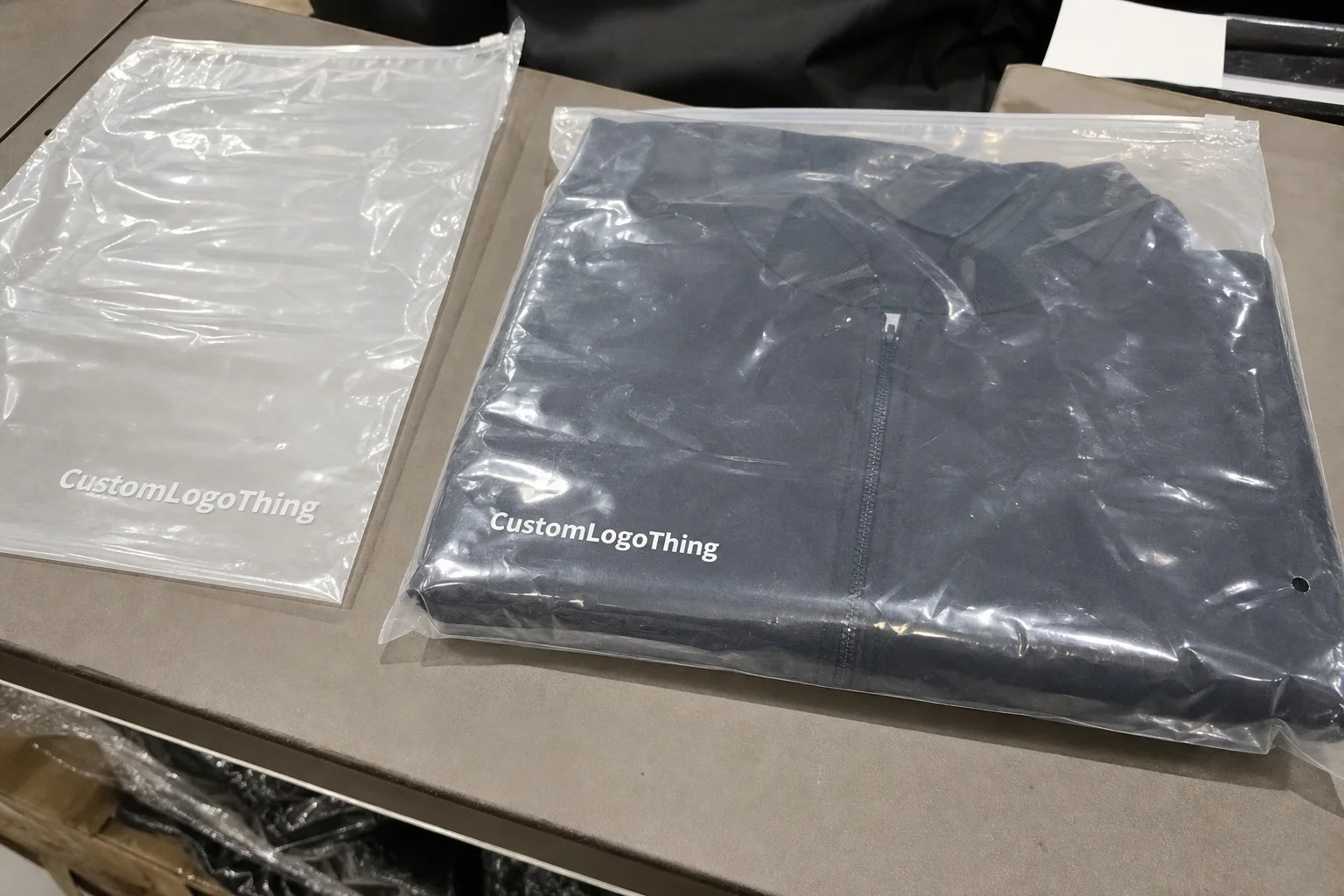
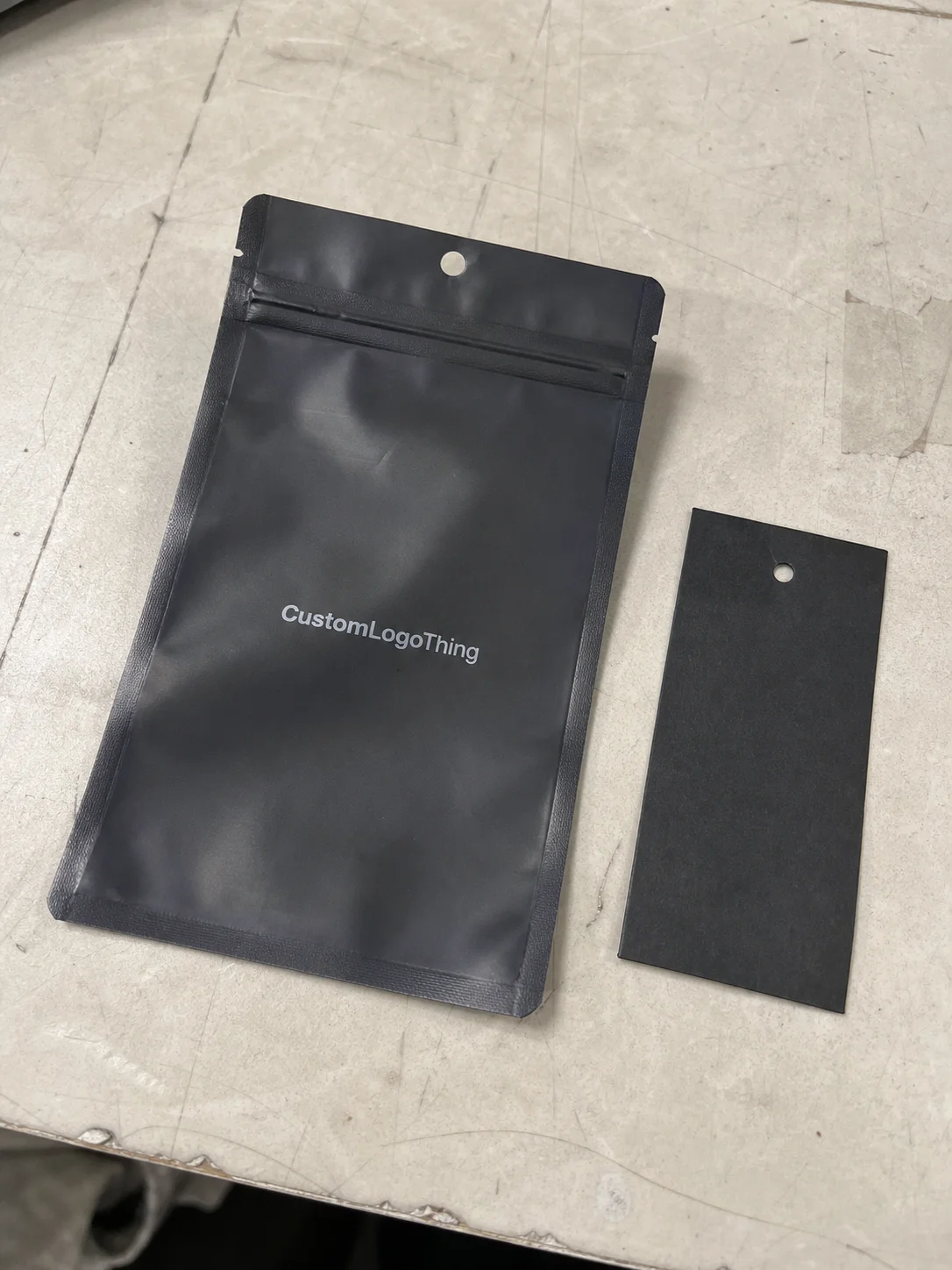
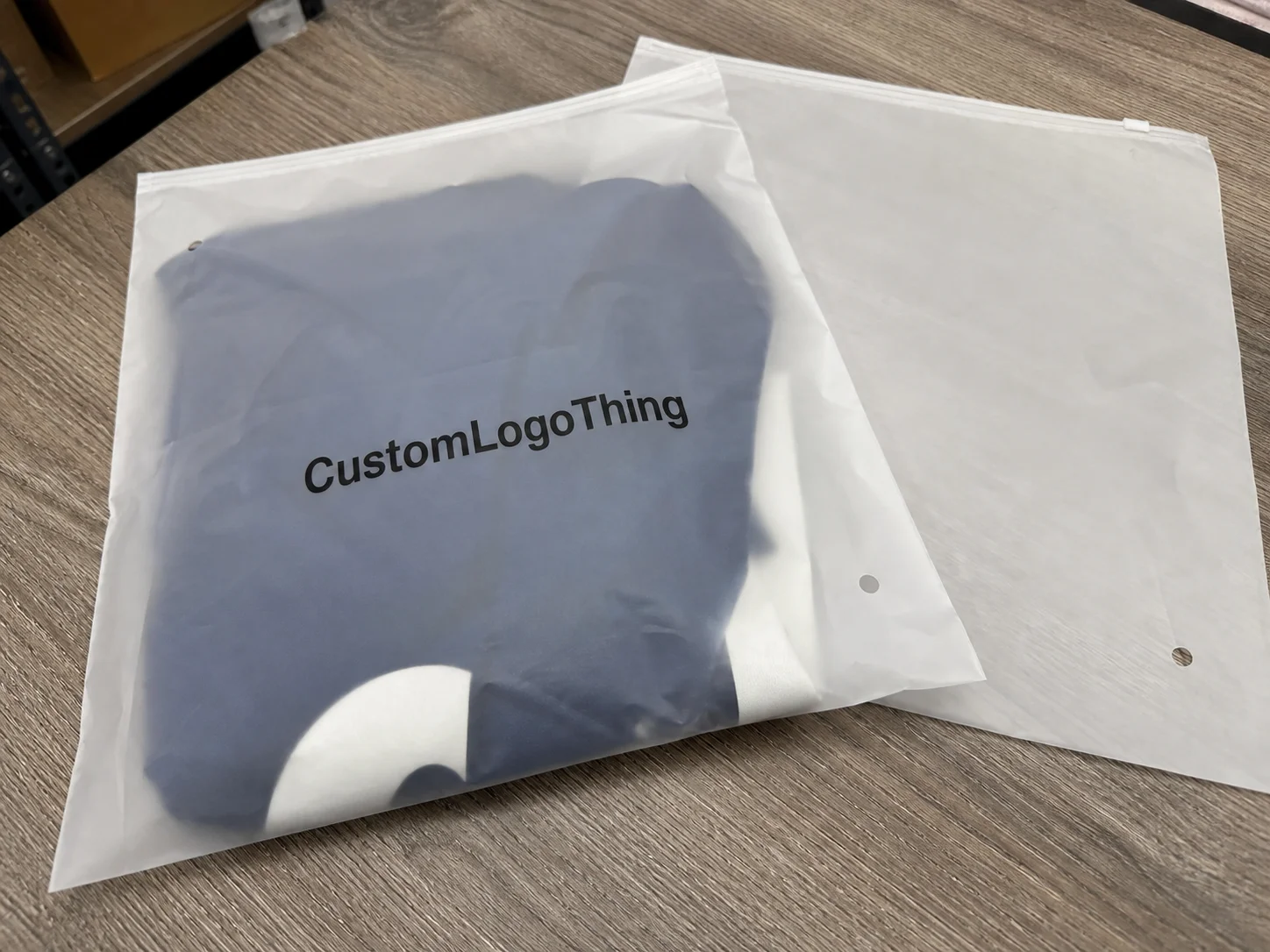
Buyer Fit Snapshot
| Best fit | Bulk Poly Mailers for Subscription Boxes projects where brand print, material claims, artwork control, MOQ, and repeat-order consistency need to be specified before quoting. |
|---|---|
| Quote inputs | Share finished size, material target, print colors, finish, packing count, annual reorder estimate, ship-to region, and any compliance wording. |
| Proofing check | Approve dieline scale, logo placement, barcode or warning zones, color tolerance, closure strength, and carton packing before bulk production. |
| Main risk | Vague material claims, crowded artwork, missing packing details, or unclear freight terms can make a low unit price expensive after revisions. |
Fast answer: Bulk Poly Mailers for Subscription Boxes: Specs, Pricing should be specified like a repeatable production item. The safest quote records material, print method, finish, artwork proof, packing count, and reorder notes in one written spec.
Production checks before approval
Compare the actual filled-product size with the drawing, then confirm tolerance on folds, seals, hang holes, label areas, and retail display edges. Reserve space for logos, QR codes, warning copy, and material claims before decorative graphics fill the panel.
Quote comparison points
Review material grade, print process, finish, sampling route, tooling charges, carton quantity, and freight assumptions side by side. A quote is only useful when the supplier can repeat the same color, closure quality, and packing count on the next order.
Bulk Poly Mailers for Subscription Boxes can look like a minor packaging choice, but the financial impact rarely stays minor for long. In practice, they can cut shipping damage, shave minutes off fulfillment, and lower cost per shipment in ways that show up quickly on a monthly P&L. I remember one apparel brand that moved from 9x12 corrugated mailers to 6x9 poly mailers for flat garments, and the shift was immediate: the product fit better, the warehouse moved faster, and the company saved about $0.41 per order. That sounds modest until you multiply it by 8,000 shipments a month. Then it starts looking less like a small saving and more like a six-figure annual line item.
At Custom Logo Things, bulk Poly Mailers for Subscription boxes keep solving the same three headaches: freight cost, fulfillment speed, and repeat branding. Subscriptions are predictable by design, which is exactly why bulk ordering makes sense here. Volume can be forecast month by month, specs can be locked before production, and packaging pricing stops pretending to be a last-minute rescue plan. In one 5,000-piece program shipping from Guangzhou to Los Angeles, a brand locked size, thickness, and print coverage for three months at a time and cut reorder admin from five emails to two. Not glamorous, sure. But operationally boring is often where the money gets made.
Why Bulk Poly Mailers for Subscription Boxes Save Real Money
Size drives the savings first. Bulk poly mailers for subscription boxes reduce dimensional weight because they ship flatter and lighter than rigid cartons. Folded tees, sample kits, card decks, and compact lifestyle bundles do not need a box full of dead air. On factory floors, I have seen teams pack cartons with kraft paper just to stop movement. That filler costs money. The carton costs money. Labor does too. None of it improves the product. It is packaging theater, and the budget always pays for the costume.
In one Shenzhen facility I visited, a subscription client moved from oversized cartons to bulk poly mailers for subscription boxes and trimmed outbound pack time by roughly 18 seconds per unit. That sounds tiny until a line is processing 3,000 orders in a shift. Then the math starts shouting. Less tape. Less folding. Less handling. Fewer SKUs stacked on shelves. Flat-packed poly mailers also free up storage space, which matters more than most buyers expect when inventory starts piling up by the pallet. A 40-foot container of flat mailers can hold tens of thousands of pieces without swallowing the same floor space that corrugated cartons demand.
Too many buyers still treat bulk poly mailers for subscription boxes as the bargain-bin option. That misses the point. If the contents do not need crush protection, a properly sized mailer is usually the smarter package. Labels adhere better to smooth film, parcels weigh less, and fulfillment teams move faster. A 2.0 mil mailer for soft goods can be enough for a monthly tee club, while a 2.5 mil co-ex bag gives more margin for denser kits or items with sharper edges. The only person who usually dislikes the switch is the rep who sold unnecessary corrugate in the first place.
Subscription brands also get a repeat branding surface. A custom-printed mailer turns a shipping sleeve into a monthly brand touchpoint. That matters when the customer sees the package again and again. Bulk poly mailers for subscription boxes can carry a one-color logo, return instructions, bold messaging, or full-color artwork. Many brands say they want “premium.” What they usually need is a clean design, a reliable adhesive strip, and a material that does not look like grocery packaging. A matte 2.5 mil film with a centered logo and 30% ink coverage often feels more elevated than a crowded design with six colors and no breathing room.
“We switched one apparel box program to poly mailers and saved enough on shipping and labor to cover the print upgrade.” That was a client’s exact sentence to me after their second replenishment run. No hype. Just numbers.
These mailers work best for products that do not need rigid support. Soft goods, flat accessories, books, inserts, and sample kits fit well. Fragile glass, loose powders, and anything that cracks under flex still need more protection. I am not interested in selling the wrong package just to make a quote look attractive. That is how damage claims start piling up, and nobody likes opening those emails on a Monday, especially when the claims queue already has 27 tickets from the weekend.
Bulk Poly Mailers for Subscription Boxes: Product Options That Matter
Bulk poly mailers for subscription boxes are not interchangeable. Film type, closure style, print method, and finish all change performance and the unboxing experience. The cheapest quote is often attached to the thinnest film, the weakest adhesive, and print quality that makes a logo look blurred through wet glass. Cheap at order time, expensive later. I have seen that movie more than once, and the ending is always the same: someone ends up reordering.
Material choices that actually matter
Most bulk poly mailers for subscription boxes use polyethylene film. It is flexible, water-resistant, and cost-effective. Co-extruded film is another common choice. It layers materials for greater toughness and better puncture resistance. When a sorter snags an edge or a parcel drops into a bin, multi-layer film usually holds up better than a basic single-layer bag. For example, a 2.0 mil single-layer mailer may suit lightweight socks, while a 3.0 mil co-ex bag is better for bundled beauty tools or denser accessory kits.
Thickness is measured in mils, and it matters more than many buyers realize. A 2.0 mil mailer is common for lighter apparel. A 2.5 mil or 3.0 mil bag gives more confidence for heavier goods or items with sharper edges. I have seen subscription brands save $0.012 per unit by reducing thickness, then lose $1.80 per order in damaged merchandise. That is not savings. That is a spreadsheet with a sense of humor, and frankly, the joke is expensive. Over 10,000 shipments, that “tiny” savings becomes $120 in reduced material cost and $18,000 in replacement product and support labor if damage rises by just one percentage point.
Recycled content is another option worth examining. Some bulk poly mailers for subscription boxes use post-consumer recycled material, which can support sustainability goals, but the sourcing needs documentation. If a supplier says “eco-friendly” and cannot prove it, the wallet stays closed. Ask for material declarations, recycled content percentages, and any relevant certifications. If you need proof on paper-based components, the FSC standard matters. Environmental claims should be backed by documentation, not marketing fog, and a serious supplier should be able to show resin specs, test sheets, and origin paperwork without a three-day scavenger hunt.
Closure styles and why they affect returns
Most bulk poly mailers for subscription boxes use self-seal adhesive. It is fast and reliable when the flap is clean and pressed correctly. Tamper-evident strips help when first-opening visibility matters. A double-adhesive returns strip can also be useful for subscription brands that want a reusable closure without adding a second package into the process. I have seen that feature reduce customer service complaints because people do not have to guess how to reseal the bag, and yes, people absolutely do guess. A $0.03 return strip can save a surprising amount of friction for monthly apparel programs with exchange rates above 4%.
Every added feature raises cost. A returns strip makes sense for apparel subscriptions. It is less useful for monthly sample kits that are almost always one-way shipments. Bulk poly mailers for subscription boxes should match the workflow, not the fantasy version of the workflow that looks impressive in a mockup. If the package gets opened once, shipped once, and discarded once, there is no reason to pay for two closures and a heavier adhesive layer that never gets used.
Print and finish options
Bulk poly mailers for subscription boxes can be printed in one color, two colors, or full coverage. For recurring shipments, bold logo placement and a simple pattern usually outperform cluttered graphics. Matte film feels more premium to many brands. Glossy film tends to cost less and often gives the artwork stronger contrast. Inside printing is a smart choice only if it adds something meaningful to the customer experience, such as a surprise message or a printed return instruction panel.
Practical design matters more than elaborate art. Leave room for the shipping label. Leave space for barcodes and handling marks. Keep critical artwork away from the adhesive flap. I have seen brands submit files with logos placed exactly where the carrier label needs to sit. That is not design. That is a production delay with branding attached, which is somehow even more irritating than it sounds. A safe layout typically leaves at least 3 inches of clear label space and 0.25 inches of bleed beyond the trim line.
Use cases by subscription type
Bulk poly mailers for subscription boxes work especially well for apparel. Beauty sample kits can also fit, provided the contents are sealed and not fragile. Books and notebooks usually ship cleanly in poly. Accessories like socks, scarves, belts, and other soft items move well too. Lifestyle bundles with low crush risk can work as long as internal packing is handled intelligently. A 6x9 or 8x10 poly mailer often fits these categories better than a larger size, and that one size decision can affect freight by several cents per parcel.
One accessories client used rigid cartons for every monthly order because “that’s what luxury looks like.” We tested both formats. Their packing damage rate stayed flat, but their fulfillment cost dropped because bulk poly mailers for subscription boxes were faster to prepare and cheaper to ship. Retention did not slip. That matters. Good packaging is the kind customers barely think about, not the kind that burns margin for the sake of ceremony. On a 12,000-order monthly run, the switch saved nearly $4,900 in packaging and labor without changing the product inside.
Specifications to Check Before You Order
Size comes first. Measure the product at its widest point, then add room for inserts, tissue, instruction cards, or inner sleeves. A mailer that is too tight can strain the seam and distort the print. A mailer that is too large wastes film, nudges shipping cost upward, and can make the package look sloppy. When a brand sits between two sizes, I usually recommend testing both. I would rather compare two sample packs in a warehouse on a Tuesday than discover the wrong size after 20,000 pieces are already in motion.
Width, length, and flap size all deserve attention. The contents should settle naturally and allow the seal to close flat. If the pack-out is too full, the seam can zipper under stress. If it is too loose, the product slides around and leaves the bag looking underfilled. That visual matters more in subscriptions than in one-off ecommerce because customers notice patterns. They compare month two with month one, and they have surprisingly sharp opinions about it. Even a 0.5 inch change in usable width can affect how neatly a 7x10 insert stack sits inside the bag.
Thickness is another spec that should never be glossed over. Ask for the mil count and the film structure. Some suppliers quote by gauge or use phrases like “strong material,” which tells you almost nothing. Bulk poly mailers for subscription boxes need puncture resistance that matches the parcel route, especially if the bags move through automated sortation. If the shipment passes through hubs in Chicago, Dallas, or Atlanta, ask how the film behaves after compression and conveyor abrasion, not just in a static hand test.
Printing specs should be settled before production begins. Confirm bleed, safe area, artwork file format, and color references. If you use Pantone colors, say so. If the brand depends on a specific gray or black tone, send reference samples. I have lost count of how many jobs stalled because a client uploaded a low-resolution logo from a website footer. That file is not artwork. That file is a repair job. A proper vector file, plus a PDF proof, saves at least one round of back-and-forth and usually a few business days.
Carrier compatibility matters too. Bulk poly mailers for subscription boxes need a label area that stays flat enough for USPS, UPS, or FedEx scans. If you want to compare broader packaging options, the Custom Packaging Products catalog is a useful starting point. For custom-printed configurations, our Custom Poly Mailers page shows common setups we supply. For subscription mailers, most teams want a surface that accepts a 4x6 label without wrinkling and a finish that keeps the barcode readable through a Nashville, Phoenix, or Newark sort center.
Quality checks should include seal strength, tear resistance, opacity, and print clarity. Opacity matters when the contents should not show through the film. Tear resistance matters if the fulfillment center uses fast conveyors and lots of hand sorting. Print clarity matters because a muddy logo reads cheap even when the spec is technically fine. A good mailer has to protect, present, and process cleanly. In practice, that means a clean seal at 120 to 180 grams of peel strength, depending on the closure system and the bag width.
| Option | Typical Spec | Best For | Approx. Unit Price |
|---|---|---|---|
| Basic poly mailer | 2.0 mil, one-color print | Light apparel, flat goods | $0.18-$0.26/unit at 5,000 pcs |
| Reinforced co-ex mailer | 2.5-3.0 mil, custom print | Heavier subscription kits | $0.24-$0.38/unit at 5,000 pcs |
| Premium matte mailer | 2.5 mil, matte finish, higher coverage | Brand-forward unboxing | $0.30-$0.48/unit at 5,000 pcs |
| Recycled-content mailer | 2.5 mil, documented recycled resin | Sustainability-focused programs | $0.28-$0.46/unit at 5,000 pcs |
Bulk Poly Mailers for Subscription Boxes: Pricing, MOQ, and What Affects Cost
Pricing comes down to a few predictable variables: size, thickness, print coverage, finish, recycled content, and freight. A quote that gives only a unit price without setup, shipping, or revision charges is incomplete. I have seen buyers compare offers that looked 12% apart, then discover the “cheap” quote hid a freight bill and a setup fee that surfaced later like a bill nobody asked for. Lovely, right? A quote from a factory in Dongguan to a warehouse in Houston can look far better until you add carton freight and inland handling.
MOQ, or minimum order quantity, depends on the factory setup and the print method. Higher quantities usually lower unit cost because the fixed costs get spread across more bags. That is not a trick. It is manufacturing math. If you need only 1,000 pieces, the per-unit price will almost always be higher than it is at 5,000 or 10,000. Bulk poly mailers for subscription boxes make the most sense when the brand can forecast recurring volume and reorder on a schedule. A 5,000-piece run at $0.15 per unit can be realistic for a plain 2.0 mil bag with limited print, while a 10,000-piece run can move closer to $0.12 per unit if the spec stays simple and the freight lane is efficient.
Common negotiation patterns tend to repeat. Size jumps cost more than buyers expect. Thicker film raises price directly. Multiple print colors add setup and ink costs. Matte finishes and specialty coatings lift the quote too. Recycled content can carry a premium depending on resin availability. If a factory quotes a recycled item at a suspiciously low price, ask for documentation. Cheap and vague is not a sustainability plan. In practical terms, moving from one-color print to two-color print can add $0.02 to $0.05 per unit, while stepping up from 2.0 mil to 2.5 mil often adds another $0.01 to $0.03.
Below is a practical comparison of common buying scenarios for bulk poly mailers for subscription boxes.
| Buy Scenario | MOQ | Common Unit Cost | Best Fit | Main Tradeoff |
|---|---|---|---|---|
| Trial run | 1,000 pcs | $0.30-$0.55 | Testing fit and print | Higher per-unit cost |
| Core subscription volume | 5,000 pcs | $0.18-$0.38 | Stable monthly shipments | Needs storage space |
| High-volume replenishment | 10,000+ pcs | $0.14-$0.32 | Predictable recurring orders | More cash tied up |
| Premium branded run | 5,000 pcs | $0.28-$0.48 | Premium presentation | Higher print and finish cost |
Ordering too few can keep margins depressed because the unit price stays high. Ordering too many can trap cash in inventory and warehouse space. I once had a subscription client over-order by nearly 40% after overestimating holiday demand. They did save on unit cost. They also spent three months explaining to finance why a pallet of mailers was occupying the same space as revenue-generating stock. That meeting did not feel like progress, especially when the product sat in a warehouse in Irvine, California while the next shipment was being packed in Austin, Texas.
To compare quotes properly, match the exact size, thickness, print coverage, finish, freight terms, and delivery destination. If one supplier quotes FOB Shenzhen and another quotes delivered to your warehouse, those are not comparable numbers. For broader fulfillment planning, our Wholesale Programs can help brands map repeat buys with less guesswork. A landed-cost sheet should show the bag price, inland freight, export handling, ocean or air freight, customs fees, and last-mile delivery separately so the real cost is visible.
For subscription mailers, a 60-90 day demand view usually makes the most sense. That gives enough room for monthly replenishment without locking too much capital into inventory. If your customer base is volatile, start smaller and test. If your reorder pattern is steady, bulk poly mailers for subscription boxes become one of the simplest packaging items to forecast. A brand shipping 6,000 units a month can often hold two months of supply safely, especially if the factory lead time is 12-15 business days and the ocean transit adds another 18-28 days depending on the lane.
Ordering Process and Timeline for Bulk Poly Mailers
The cleanest order process for bulk poly mailers for subscription boxes starts with accurate inputs. Send product dimensions, target monthly quantity, artwork files, shipping destination, and preferred finish. If you are unsure on size, send two or three target options. That gives the supplier a real chance to recommend the right fit instead of guessing. Guessing is how reprints happen, and reprints are a lovely way to ruin a launch budget. A 7x10 mailer may work for one product line, while a 9x12 or 10x13 bag is more appropriate for bundled kits with inserts.
The order flow usually stays the same: inquiry, size and spec confirmation, proof, sample approval, production, QC, and freight shipment. What slows things down is usually the client side. Missing artwork files. Unclear measurements. Color corrections after proofing starts. A five-day delay in proof approval often matters more than a three-day factory schedule change. I have watched an entire launch slip because the brand team needed “one more internal review.” That phrase should probably come with a warning label and a calendar reminder. In one New Jersey program, proof approval took 11 days because legal wanted packaging copy reviewed line by line.
Samples are worth the time. A pre-production sample or digital mockup can catch sizing problems before the full run. If the bag is 1 inch too narrow, that is not something you want to discover after 10,000 pieces are already in print. You can also check label placement, adhesive strength, and print readability under real light instead of a screen glow. Real-world testing beats screen confidence every time. Even a $35 sample can save a $2,500 reprint if the logo lands too close to the flap or the seam line.
Inside the plant, the production checkpoints stay predictable. Film extrusion or material prep comes first. Then printing. Then sealing and cutting. After that, inspection, counting, and packing. Depending on the spec and volume, bulk poly mailers for subscription boxes often take around 12-15 business days from proof approval for standard production, plus freight time. More complex print or special material requests can stretch that timeline. If a supplier promises too much too fast, ask what they are skipping. There is usually a shortcut somewhere, and it tends to show up in quality. A standard 5,000-piece run in a facility near Shenzhen may finish within two working weeks, but shipping to Chicago or Toronto can add another 7-21 days depending on the route and customs.
Logistics should be part of the plan from the start. Ask how many cartons go on a pallet, how many pieces go into a carton, and what freight method is being used. Plan receiving space before the shipment lands. I have seen a warehouse refuse a pallet because there was literally nowhere to stage it. That was not a supplier issue. That was a planning issue with a freight bill attached. A common pack-out is 250 or 500 bags per carton, but carton counts vary by size, print coverage, and film thickness.
Build buffer time before a subscription launch or seasonal surge. If your first drop ships on the 1st of the month, do not approve artwork on the 28th and hope for magic. Bulk poly mailers for subscription boxes are simple to manufacture, yes, but freight, customs, and warehouse scheduling can still create delays if you leave no room for them. A practical rule is to lock artwork 30-45 days before the first customer shipment, especially for programs shipping into Atlanta, Miami, or Vancouver.
Why Choose Us for Bulk Poly Mailers for Subscription Boxes
I do not pretend every supplier works the same way, because they do not. At Custom Logo Things, bulk poly mailers for subscription boxes are treated as a packaging decision, not a quote request with a logo attached. That means we look at product weight, shipping route, brand presentation, and reorder behavior before we talk price. The right spec saves money later. The wrong spec only looks cheap in the first email. A 2.5 mil matte mailer with a clean one-color print can outperform a fancier design if it lands at the right cost per unit and ships from a plant in Dongguan with stable QC records.
Direct factory sourcing gives you control over film thickness, print method, and run-to-run consistency. After enough time in factories, it becomes obvious that “same as last time” is not a promise unless the spec is actually tracked. Adhesive formulas can drift. Ink density can drift. Film suppliers can change. That is why records matter and repeat checks matter. Subscription brands need packaging that repeats cleanly. A July reorder should not look like a cousin of the March run. A written spec with thickness, dimensions, Pantone references, and adhesive type keeps the second order closer to the first, whether the run is coming out of Guangzhou, Ningbo, or Shenzhen.
Budget and branding usually pull in opposite directions. Some brands want the lowest possible unit cost. Others need the package to feel premium enough to justify the monthly fee. Most want both, because of course they do. The answer is not always a fancier finish. Sometimes it is a smarter size, a cleaner print layout, or one fewer ink color. I have saved clients real money by telling them to remove an unnecessary design layer instead of inflating the spec. Dropping from a full-coverage design to a 30% coverage logo panel can save several cents per unit across a 10,000-piece order.
Bulk poly mailers for subscription boxes should do four things well: protect the contents, keep shipping efficient, look consistent, and reorder without surprises. That is the standard I use. Not trends. Not packaging theater. A supplier that can quote clearly, sample quickly, and ship on schedule from a known manufacturing base is usually more valuable than one who promises the moon and delivers a late pallet from an unnamed facility.
When a customer needs support, they usually want three things: a clear answer, a clean proof, and a shipment that arrives when promised. We keep communication direct, recommend reasonable MOQs, and give honest feedback on whether a spec is worth paying for. If your program needs a lighter material, I will say so. If your product needs a thicker film or more label room, I will say that too. No drama. Just packaging that makes sense. That may sound plain, but in packaging, plain can save a lot of money.
“The best packaging supplier is the one who tells you what not to buy.” I said that after a factory visit in Ningbo, and I still mean it.
Next Steps: How to Place the Right Order
If you are ready to order bulk poly mailers for subscription boxes, start with the basics: product dimensions, monthly volume, artwork files, and shipping destination. If your subscription lineup includes more than one pack size, send the dimensions for each. A quote is only as accurate as the inputs. Guessing dimensions burns time and usually money too. Even a simple set of measurements like 6x9, 8x10, and 10x13 can help a factory narrow the correct film width and flap size before proofing starts.
Define your priority before you request pricing. Do you want the lowest price, a premium look, recycled content, or the fastest turnaround? Pick the top two if you can. Trying to optimize all four usually leads to a quote that is expensive, slow, and still compromised somewhere important. That is packaging math. Annoying, but honest. A 2.0 mil plain mailer will usually land lower than a matte recycled version with full coverage print, and that gap can be $0.06 to $0.14 per unit at 5,000 pieces.
Request a sample or pre-production proof before you commit to a full run. A sample tells you whether the size fits the product, whether the adhesive seals properly, and whether the print looks crisp. For bulk poly mailers for subscription boxes, that single sample can save you from a warehouse full of almost-right packaging. “Almost right” is a terrible inventory category. I have seen brands approve a proof in Tampa and then discover the product needed 0.75 inches more width when the first cartons arrived in the fulfillment center.
If you already know your estimated volume, ask for a replenishment schedule. Subscription businesses run on timing. A program that ships 6,000 units a month should not wait until the last pallet is down to 200 pieces before reordering. Build the next purchase around actual consumption and freight lead time. That is how you avoid panic buying and expensive air freight. In many cases, setting a reorder trigger at 6-8 weeks of supply keeps production smooth and prevents the kind of urgent air shipment that can add $0.50 or more per unit in transport cost.
For brands comparing options, I usually recommend reviewing three things side by side: spec sheet, landed cost, and lead time. Once those are on paper, the best choice usually becomes obvious. If it does not, I would rather help you choose the mailer that performs than the one that only looks good in a quote deck. A supplier in Shenzhen quoting $0.15 per unit for 5,000 pieces is not automatically better than a supplier in Ningbo quoting $0.18 if the second quote includes stronger adhesive, cleaner print, and faster proof turnaround.
Bulk poly mailers for subscription boxes are one of the most practical tools in subscription fulfillment when the product fits the format. They save money, reduce shipping weight, and support repeat branding without forcing you into a rigid carton. If you want to sort size, pricing, MOQ, or print spec, start with what you ship now, what you want to improve, and how often you reorder. That is how you get bulk poly mailers for subscription boxes That Actually Work in the real world. The goal is not just a lower quote; it is a better monthly shipment from proof approval to final delivery.
What are the best bulk poly mailers for subscription boxes?
The best bulk poly mailers for subscription boxes are the ones matched to your product size, weight, and shipping route. For soft goods, flat accessories, and sample kits, a 2.0 to 2.5 mil polyethylene or co-ex mailer is often enough. If the package needs a premium look, choose a matte finish or custom-printed surface. If returns are common, a reusable closure strip can reduce friction for customers and support teams.
What size bulk poly mailers for subscription boxes should I order?
Measure the product plus any inserts, tissue, or cards, then choose a mailer with enough width and length to seal cleanly. Leave room so the contents do not stretch the seam or distort the print. If you are between sizes, request both options and compare packing speed and final fit. A 6x9 bag may work for flat apparel, while 8x10 or 10x13 is often better for bundled kits with inserts and a folded card stack.
Are bulk poly mailers for subscription boxes strong enough for shipping?
Yes, for soft goods, flat items, and non-fragile products. Choose the Right thickness and seal strength for the carrier network and product weight. If the item can bend, crack, or leak, use extra protection or a box instead. A 2.5 mil co-ex bag with a strong adhesive strip is usually a safer starting point than a 2.0 mil bag for denser monthly bundles.
What is the minimum order quantity for custom bulk poly mailers?
MOQ depends on size, print setup, and film specifications. Higher volumes usually lower the unit cost. Ask for MOQ options early so you can match the order to your subscription forecast. In many programs, 1,000 pieces is enough for a sample run, while 5,000 pieces is the point where per-unit pricing usually becomes much more efficient.
How much do custom bulk poly mailers for subscription boxes cost?
Price depends on size, thickness, print coverage, recycled content, shipping, and order volume. The cheapest quote is not always the best value if the mailer tears or prints poorly. Request itemized quotes so you can compare total landed cost, not just unit price. For reference, simple 2.0 mil mailers may start around $0.15 to $0.20 per unit at 5,000 pieces, while premium matte or recycled options can run higher depending on print and freight.
How long does it take to produce bulk poly mailers for subscription boxes?
Timeline depends on artwork approval, sample sign-off, production capacity, and freight method. Fast approvals shorten the schedule more than anything else. Build in buffer time before launch or seasonal restocks so you are not paying panic freight. A typical production window is 12-15 business days from proof approval for standard specs, plus transit time from cities like Shenzhen, Guangzhou, or Ningbo to your warehouse.