Buyer Fit Snapshot
| Best fit | Bulk Poly Mailers for Subscription Boxes projects where brand print, material claims, artwork control, MOQ, and repeat-order consistency need to be specified before quoting. |
|---|---|
| Quote inputs | Share finished size, material target, print colors, finish, packing count, annual reorder estimate, ship-to region, and any compliance wording. |
| Proofing check | Approve dieline scale, logo placement, barcode or warning zones, color tolerance, closure strength, and carton packing before bulk production. |
| Main risk | Vague material claims, crowded artwork, missing packing details, or unclear freight terms can make a low unit price expensive after revisions. |
Fast answer: Bulk Poly Mailers for Subscription Boxes: Specs, Pricing, MOQ should be specified like a repeatable production item. The safest quote records material, print method, finish, artwork proof, packing count, and reorder notes in one written spec.
Production checks before approval
Compare the actual filled-product size with the drawing, then confirm tolerance on folds, seals, hang holes, label areas, and retail display edges. Reserve space for logos, QR codes, warning copy, and material claims before decorative graphics fill the panel.
Quote comparison points
Review material grade, print process, finish, sampling route, tooling charges, carton quantity, and freight assumptions side by side. A quote is only useful when the supplier can repeat the same color, closure quality, and packing count on the next order.
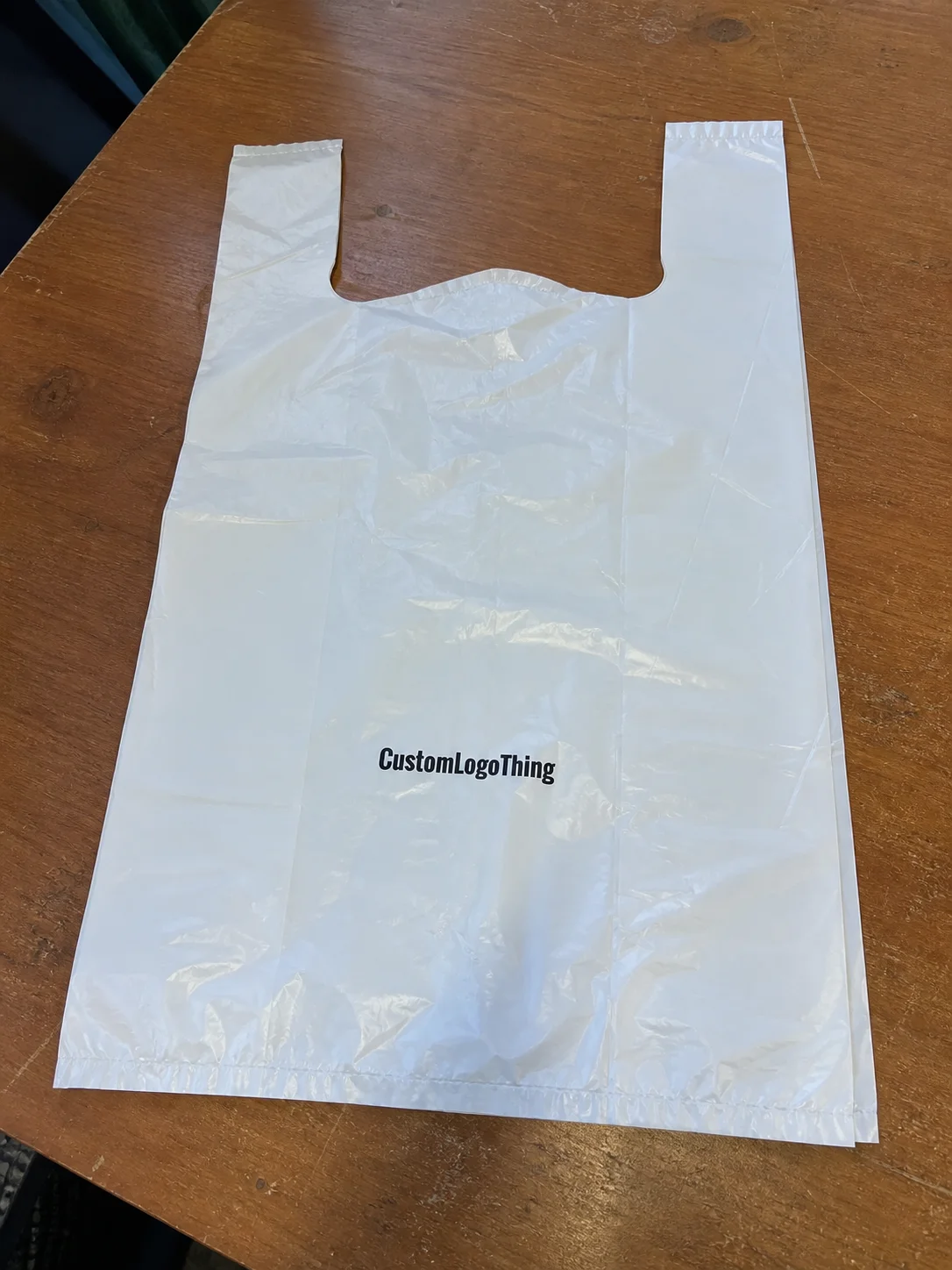
Bulk Poly Mailers for Subscription boxes sound simple until you actually ship a few thousand orders and start paying for damage, re-packing, and customer complaints. I’ve stood on factory floors in Shenzhen while a subscription brand’s team compared a flimsy generic mailer against a custom printed one, and the difference was obvious: fewer crushed corners, fewer returns, and less wasted time at the packing table. In one trial run of 8,000 units, the brand cut carton damage complaints by 14% after switching from a thin 2.5 mil generic bag to a 3.5 mil custom mailer with a stronger peel-and-seal flap. I remember one packing manager laughing in relief because her team finally stopped taping up sad-looking cartons like they were patching a leaky boat. If you are sending lightweight apparel, beauty samples, pet treats, or small wellness kits, bulk Poly Mailers for Subscription Boxes can cut freight weight, reduce storage space, and make your monthly fulfillment look a lot more professional.
Too many brands overspend on rigid packaging before they even know what their shipment actually needs. Bulk poly mailers for subscription boxes are not glamorous. They are practical. Honestly, that is exactly why they work. A good mailer gets the job done at a lower unit cost, and the math usually starts making sense around 1,000 to 5,000 pieces, depending on print method, size, and film thickness. For example, a 9 x 12 inch stock white mailer might land around $0.15 per unit for 5,000 pieces, while a two-color custom print on the same size can move closer to $0.19 to $0.24 per unit. If you are ordering through Custom Poly Mailers or building out a broader packaging lineup with Custom Packaging Products, the goal is the same: ship safely, pack faster, and stop paying extra for packaging that sits in a warehouse eating floor space.
Why bulk poly mailers for subscription boxes make sense
I remember a clothing subscription client who came to me after three months of “mystery damage” complaints. Their product was fine. Their packaging was not. They were using oversized cartons for soft goods that weighed less than 12 ounces per shipment. Once we moved them to bulk poly mailers for subscription boxes, their packing time dropped by about 18 seconds per order, their outbound carton damage complaints dropped, and they stopped paying to ship a box inside a bigger box just because somebody thought that looked premium. Premium is nice. Profit is nicer. On a 20,000-order run, 18 seconds saved per order translates to roughly 100 labor hours recovered, which is not a rounding error in any warehouse from Dallas to Dongguan.
The core value proposition is boring, which is exactly why it works. Bulk poly mailers for subscription boxes are lighter than cartons, so your postage often drops. They take up far less storage space, which matters when your fulfillment center charges by pallet position or square footage. They are faster to pack because your team can slip the product in, peel, seal, and move on. No folding tabs. No tape guns. No wrestling a box into shape at 5:30 p.m. when everyone wants to go home. I have seen more morale saved by good packaging than I ever expected, and I have watched a 3PL in Atlanta reject a pallet of overbuilt cartons because it would have eaten an extra 42 square feet of staging space.
For subscription programs, consistency matters. Customers see the package every month. That repeated exposure makes branded packaging do real work. A logo on bulk poly mailers for subscription boxes builds recognition faster than a generic kraft carton that looks like every other parcel in the carrier pile. I’ve watched a small accessories brand in Austin go from “Who sent this?” to “Oh, it’s my monthly drop” simply because the mailer was printed cleanly with their brand color and logo placement done correctly. One clean print run, and the package became part of the ritual instead of background noise.
That said, bulk poly mailers for subscription boxes are not the answer for every product. If you ship glass dropper bottles, fragile ceramics, anything heavy with sharp edges, or a kit with liquid-heavy components that can leak and spread, you may need an inner protective layer, a corrugated outer box, or both. I always tell clients the same thing: packaging should fit the product’s risk, not your wishful thinking. I’ve had people stare at a spreadsheet and insist a thin mailer could “probably” handle a candle in a glass jar. Probably is not a fulfillment strategy, and a 10-ounce candle in a 3 mil mailer is a bad bet whether you ship from Portland or Pune.
Here is a simple comparison that comes up all the time in supplier meetings:
| Packaging option | Best for | Typical strengths | Main downside |
|---|---|---|---|
| Bulk poly mailers for subscription boxes | Apparel, accessories, beauty samples, books, pet items | Lower shipping weight, lower unit cost, faster packing | Less rigid protection |
| Rigid carton | Fragile, premium, mixed-component kits | Better crush resistance, more structure | Heavier, more storage, higher postage |
| Padded mailer | Light items needing cushion | Some shock protection | Usually more expensive than plain film mailers |
Bulk poly mailers for subscription boxes also make buying easier. Instead of paying retail for 100-pack storefront mailers at a random markup, you buy at production scale. That means better consistency in film thickness, adhesive quality, and print registration. Retail mailers may work for a side hustle. A subscription brand shipping 2,000 to 20,000 orders a month needs repeatable specs, not whatever a marketplace seller happened to have in stock last Tuesday. The difference shows up in the numbers: a retail pack might look fine, but a production run can hold a 10% tighter tolerance on film gauge and flap alignment.
And yes, the recognition effect is real. When customers see the same mailer every month, the packaging becomes part of the brand rhythm. That matters for subscription retention. People notice the package before they even open it. If your bulk poly mailers for subscription boxes look clean, sealed properly, and printed without muddy colors, that tiny monthly touchpoint feels intentional instead of random. A brand in London tested two mailer versions over four months and saw the custom printed option generate 23% more “shared package” posts on Instagram, which is a small signal until you add thousands of subscribers.
Bulk poly mailers for subscription boxes: product details and use cases
A decent mailer is a simple structure with a few important parts. The outer film is usually polyethylene, sometimes with recycled content or a co-extruded blend depending on the supplier. The seal adhesive sits on the flap and should grab cleanly without turning brittle in storage. The print surface carries your logo, pattern, or messaging. Then you may add a tear strip, a second adhesive line for returns, or a tamper-evident closure depending on how your fulfillment flow works. Bulk poly mailers for subscription boxes are small things. The details are not small. A common build might use 3.0 mil LDPE film, a 1.5 inch adhesive flap, and a 0.5 inch tear notch; those dimensions sound modest until they decide whether a package survives a cross-country truck ride. Packaging has one job; it should be allowed to do it.
I once sat with a cosmetics brand that was using generic white mailers for monthly sample kits. Their items were light, but the presentation was weak. We switched them to bulk poly mailers for subscription boxes with a matte exterior, black logo, and a tear notch. The product cost barely moved, but the customer feedback changed fast. People started posting the package itself on social media. Not because the mailer was expensive. Because it looked thought-out. The factory in Ningbo had matched the matte finish to a 350gsm C1S artboard insert, and that small visual consistency made the whole kit feel tighter.
Different subscription categories call for different specs. Clothing brands often want a flexible, opaque film that can handle folded tees, socks, or lightweight athleisure without showing contents. Beauty brands may need custom mailers with good opacity and a clean print surface so the branding does not look cheap next to a $28 serum. Pet product subscriptions usually need a tougher film and a seal that resists rough handling. Book clubs and print subscriptions can often use lighter mailers, though the dimensions need to be tight enough to avoid sloshing around in transit. A 9 x 14 inch bag can be ideal for a flat shirt bundle, while a 12 x 16 inch size is more common for mixed kits with a sample card, insert, and tissue wrap.
Common use cases
- Apparel subscriptions: tees, leggings, socks, scarves, and light accessories
- Beauty and skincare: sample kits, refills, sachets, and lightweight cartons
- Pet products: treats, small toys, grooming add-ons, and sample packs
- Books and media: flat books, zines, inserts, and promotional sets
- Wellness items: bands, wraps, sample pouches, and low-weight bundles
Branding options matter more than people think. Bulk poly mailers for subscription boxes can be printed in full color, single color, or even with a subtle tone-on-tone effect if the supplier can hold registration cleanly. Matte finishes feel more upscale and reduce glare in product photos. Glossy finishes are cheaper in some runs and can make colors pop, though they can also show scuffs more easily if the distribution chain is rough. Logo placement should be checked at actual folded dimensions, not just on a flat artboard in Illustrator. I’ve seen too many brands send me “perfect” artwork that looked fine on screen and terrible once folded, sealed, and stacked in a fulfillment bin. That sort of surprise is funny only once, especially when the proof looked good in Shenzhen and the finished bag looked awkward in Chicago.
Security and customer experience are part of the package too. Opaque film protects privacy. Tamper-evident seals reassure customers that nobody messed with the shipment. Tear notches or easy-open strips reduce the chance of someone taking scissors to the package and slicing through the contents. You want a customer to open bulk poly mailers for subscription boxes in five seconds, not fight them like a stubborn zip tie. A return strip can also help when 2% to 5% of orders need exchanges, because the same package can do double duty instead of being tossed immediately.
There are also real supplier-side realities. Setup charges are common for printed runs. Plate costs can show up with flexographic or gravure printing. Minimum order quantities exist because the press has to be set up, run, checked, and packed. If a supplier says they can do everything in tiny quantities with unlimited print changes and no extra cost, I’d ask them how, exactly, they plan to pay for ink, film waste, and machine time. Spoiler: they usually can’t. A three-color flexo job with a 5,000-piece MOQ is normal; a 500-piece order with the same setup is not magic, it is expensive.
“The mailer is not just a bag. It is part of the subscription experience, and if the seal fails once, customers remember it for months.” — one fulfillment manager I worked with after we reworked her shipping spec
For brands trying to standardize operations, bulk poly mailers for subscription boxes are also easy to stack, count, and store. A carton of 500 mailers takes up a fraction of the space of boxed packaging components. That matters when you run monthly subscription waves and need predictable replenishment. If you ship from a 3PL in Memphis or Mississauga, compact packaging also reduces receiving headaches. Nobody likes a pallet of oversized cartons clogging the aisle, especially when the incoming pallet count is already at 16 and the dock door is booked until 4:00 p.m.
For buyers comparing materials, you can also ask about recycled-content film, custom thickness, or a dual-adhesive return strip if your program includes exchanges. Just remember: every add-on changes cost. There is no free lunch in packaging. There is barely a free sample, and the one time I asked for extra samples I got a stack of mismatched prototypes that looked like they had been through a bad breakup. Still, those prototypes taught us that a 4.0 mil film with a soft-touch matte finish held scuffs better than a thinner glossy bag on the same route from Guangzhou to New Jersey.
Specifications to check before ordering bulk poly mailers for subscription boxes
Size is the first mistake I see. People measure the product alone and forget inserts, tissue, display cards, and the fact that a mailer needs room to close without bulging like an overstuffed pillow. For bulk poly mailers for subscription boxes, measure the packed product size, then add enough allowance for the complete kit. If you are mailing a flat bundle, you may only need half an inch of extra room on each side. If your kit includes a box, sample vial, and thank-you card, the dimensions need to be checked with the fully assembled pack. A 10 x 13 inch mailer may fit a folded hoodie, while a 12 x 15 inch format may be better for a hoodie plus insert card and tissue.
Thickness is next. Mailer film is often described in mils. A thinner film can save money and reduce freight weight, but it may puncture more easily under sharp corners or rough carrier handling. A thicker film usually adds puncture resistance and a more substantial feel, but it can raise unit cost and sometimes freight charge. I’ve seen brands try to shave pennies on film only to lose dollars on damaged returns. Smart budget, that one was not. It was the packaging equivalent of buying cheap tires and then acting surprised when the ride gets rough. A 2.75 mil bag may be fine for socks; a 4.5 mil bag is a better bet for heavier retail bundles.
Closure type matters too. The standard peel-and-seal adhesive is fine for most subscriptions if the flap is designed correctly and the adhesive is stored in reasonable conditions. A permanent seal is fine for one-way shipping where returns are not part of the process. A double seal or return strip makes sense if you want customers to reuse the same mailer for exchanges. Bulk poly mailers for subscription boxes with better closure engineering usually feel easier to pack and more reliable in storage. In cold warehouses, adhesive performance can shift, so I ask suppliers for tested seal strength at 15°C and 25°C when the route includes winter shipping through Minneapolis or Calgary.
Print method affects both look and economics. Flexographic printing is common for higher-volume mailers and can be cost-effective when the artwork is stable and the quantity is decent. Gravure can handle strong color consistency on very large runs, though it is not a casual choice for low quantity orders. Digital printing can work for shorter runs and more variable artwork, but the unit economics shift quickly as volume rises. I always ask for pricing by method, because a quote without method is just a polite guess. If the supplier is quoting a 4-color flexo run and a digital run on the same sheet, the difference between $0.17 and $0.26 per unit can decide the whole project.
Material and finish choices
- White film: clean background for logos and lighter artwork
- Black film: better opacity and a more premium look for some brands
- Clear film: useful when product visibility is part of the pitch, though less common for subscription branding
- Matte finish: reduces glare and often feels more refined in hand
- Glossy finish: can make colors appear brighter, though fingerprints and scuffs may show more
- Metallic accents: works if your brand wants a high-impact look, but it usually adds cost
Compliance and shipping are not glamorous, but they save headaches. If sustainability matters to your audience, ask for exact material documentation instead of relying on a sales phrase. Some recyclable options exist, and some recycled-content films are available, but the claim has to match the actual structure. If you care about shipping labels, check compatibility with USPS, UPS, and FedEx label sizes and adhesive performance. A label that curls or peels off on a cold morning is a classic way to create a warehouse problem nobody wanted. In fact, I’ve seen a 4 x 6 inch label fail on a humid August morning in Miami because the bag coating and label adhesive were never tested together.
For reference on packaging and environmental standards, I often point clients to industry sources like the Institute of Packaging Professionals and the EPA recycling guidance. Not because those sites sell packaging, but because the details matter if you plan to make claims that can stand up to scrutiny. Packaging claims are one of those tiny things that can cause enormous headaches if they are sloppy, especially when a brand promises recycled content but can’t name the exact resin percentage.
One more thing: ask for sample photos or a pre-production proof that shows actual print placement on the finished size. Bulk poly mailers for subscription boxes can look great in a file and weak in production if nobody checked the fold lines, seal area, or barcode clearance. That kind of miss is avoidable. It just requires someone to care before the truck leaves the dock. A proper proof should show flap length, logo placement, and the final trim dimensions, not just a pretty mockup on a white background.
How do bulk poly mailers for subscription boxes affect shipping costs?
Bulk poly mailers for subscription boxes usually Reduce Shipping Costs because they weigh less than cartons and occupy less cubic space. That matters if your carrier pricing reflects dimensional weight, which it often does. A lighter, flatter package can move you into a lower rate band, especially for apparel, accessories, and sample kits. I have seen a brand shave a meaningful amount from outbound postage simply by replacing a bulky box-and-insert setup with a slimmer mailer that still protected the product. The postage math changed because the package stopped paying for empty air.
There is another hidden effect: fewer packing materials can mean less labor per order. Tape, void fill, and corrugated assembly all take time. Time is not free. If your team packs 1,000 orders a day, even a few seconds saved per order adds up to real payroll impact. Bulk poly mailers for subscription boxes also reduce the space needed to store shipping supplies, which can improve warehouse efficiency. In a tight facility, that can matter as much as the label rate.
Of course, savings depend on product fit. If the item is fragile and the mailer causes damage, the return cost will overwhelm the postage savings. That is why I keep returning to the same point: the cheapest packaging is the one that arrives intact the first time. A 20-cent mailer that avoids a $12 replacement shipment is a bargain. A 10-cent mailer that cracks a product is a very expensive mistake with a low price tag.
Pricing, MOQ, and what bulk poly mailers for subscription boxes really cost
Let’s talk money, because everyone else dances around it like pricing is classified information. Bulk poly mailers for subscription boxes are priced by size, film thickness, print colors, finish, adhesive upgrades, and quantity. If you want a rough sense of the market, plain stock mailers can be very inexpensive, while custom printed runs move up depending on how much setup is needed. I’ve negotiated orders where the same style shifted by several cents per unit just because the buyer wanted a different film thickness and two extra print colors. That sounds tiny until you are shipping 30,000 units a month. Then it is real money, not pocket change. In Dongguan, a 1-color 3 mil mailer at 10,000 pieces might price very differently than the same bag at 2,000 pieces, and the factory is not being difficult—it is just counting press time.
Here is a practical way to think about pricing tiers for bulk Poly Mailers for Subscription Boxes:
| Order size | Typical build | Approximate unit range | Notes |
|---|---|---|---|
| 1,000 to 3,000 pieces | Simple custom print, standard thickness | $0.18 to $0.32 per unit | Higher setup impact, sample approval matters |
| 5,000 to 10,000 pieces | Custom branding, better price break | $0.12 to $0.22 per unit | Often the sweet spot for subscription brands |
| 20,000+ pieces | Locked specs, production efficiency | $0.08 to $0.16 per unit | Depends heavily on size, color count, and film |
Those ranges are not a promise. They are a reality check. Bulk poly mailers for subscription boxes can move above those numbers if you ask for specialty finishes, heavy film, multiple print colors, or extra features like dual adhesive or custom perforation. They can also fall below if you order large volumes of a very standard spec from a supplier already running the same width and material. A plain 10 x 13 inch unprinted mailer at 25,000 pieces could land around $0.07 to $0.10 per unit in some supply lanes, while a metallic, two-tone version might sit much higher. The economics are not mystical. They are manufacturing math.
MOQ is where buyers either get disciplined or get confused. Low MOQ works best with digital printing or stock-based customization. Higher MOQ is more common with flexographic or gravure printing because the press setup cost needs enough units to spread out. I’ve seen buyers ask for 500 custom mailers with four PMS colors, and then act surprised when the quote sounds expensive. That is not the factory being unreasonable. That is the factory trying not to lose money on your tiny run. A 500-piece test in Shenzhen may be possible; a 500-piece custom flexo run with a complex pattern is a different financial animal entirely.
Budget examples that make sense
For a small subscription brand shipping 2,000 orders per month, a practical plan might look like this: a 9 x 12 inch Custom Printed Mailer, standard thickness, one or two colors, MOQ around 5,000 pieces, and a landed unit cost of roughly $0.14 to $0.24 depending on freight. That gives you roughly two to three months of inventory, a controllable cash outlay, and a repeatable packing experience. If freight from Shenzhen to Los Angeles adds $450 on a 5,000-piece case pack, the landed cost stays manageable as long as the schedule is tight and the cartons are packed efficiently.
For a mid-sized brand shipping 15,000 orders monthly, the numbers shift. A slightly larger film gauge, cleaner print finish, and a higher MOQ may bring the unit cost down into the $0.09 to $0.15 range. The catch is cash flow. You are buying more inventory up front. That is fine if turnover is steady. It is annoying if your forecast is fantasy. I have watched teams order as if sales forecasts were written by a fortune teller with a spreadsheet, and that usually ends badly. A 30,000-piece run can be efficient, but only if you can store it in a warehouse in Phoenix, Leeds, or Singapore without turning the aisle into a maze.
Hidden costs matter too. Freight can add a meaningful amount, especially for overseas production. Import duties may apply depending on the shipping route and product classification. Sample charges are common, especially when you want a custom size or a press proof. If a supplier gives you a cheerful price and refuses to mention freight, do not assume the freight is free. It is usually hiding in the quote like a tax nobody wants to explain. I ask for a split between ex-works price, freight estimate, and duties so the final landed number is obvious before anyone signs anything.
If you are comparing total packaging spend, bulk poly mailers for subscription boxes often beat cartons for light goods because they reduce both material and shipping costs. For heavier kits or fragile packs, cartons can still be the better overall value once damage rates are included. I know that answer sounds annoyingly balanced. That is because good packaging decisions usually are. Life rarely hands out neat little absolutes, and packaging definitely does not. A 50-cent box may look expensive beside a 15-cent mailer until you price out returns, re-shipments, and customer service time.
For companies building out broader sourcing programs, Wholesale Programs can also help standardize replenishment and reduce one-off buying mistakes. Consistency saves money. So does not changing packaging specs every three months because a different stakeholder had a mood. A stable spec in Haining or Ho Chi Minh City is easier to replenish than a constantly shifting target.
Order process and timeline for bulk poly mailers for subscription boxes
The ordering flow is straightforward if everyone communicates clearly. First comes the quote. Then size confirmation. Then artwork review. Then sampling or proofing. Then approval. Then production. Then shipping. Bulk poly mailers for subscription boxes do not need a twenty-step drama cycle. They need accurate specs and a client who answers emails before the production window closes. Simple on paper, less simple when four people have to sign off and one of them is on vacation with no signal. A clean order placed on Monday can move much faster than a “quick revision” that arrives the following Thursday with three new colors and a wider flap.
What slows things down most often? Artwork problems. Blurry logos. Missing bleed. Color changes after proof approval. A buyer who decides the mailer should be 1 inch wider after the sample is already cut. Those changes are expensive because they affect film layout, print alignment, and sometimes even packaging carton size for shipping the mailers themselves. I’ve seen a reorder slip by more than a week because someone changed the brand blue after proof sign-off. The factory did not enjoy that conversation. Neither did the buyer when the missed launch date showed up on the calendar like an unpaid parking ticket. In one case, that late revision cost 4 extra business days and a $280 replate charge.
A realistic timeline for bulk poly mailers for subscription boxes usually breaks down like this:
- Quote and spec confirmation: 1 to 3 business days
- Artwork proofing: 2 to 5 business days
- Sampling or pre-production sample: 5 to 10 business days if needed
- Production: typically 12 to 15 business days from proof approval for many custom runs
- Shipping: 3 to 7 business days domestically, longer if imported
Reorders are faster when the specs are locked in and the files are archived properly. That sounds obvious, yet it’s shocking how many brands cannot find the exact PMS callout or approved dieline from their last purchase. A good supplier keeps records. A good buyer keeps records too. That combination cuts rework and prevents “wait, which size did we approve?” emails that waste everybody’s afternoon. I like to see the size, film gauge, print method, and approved closure spec listed in one place, ideally with the date of sign-off and the factory contact in Guangzhou, Ningbo, or Kunshan.
I’ve visited factories where the QC team checks seal adhesion, film gauge, and print registration with annoying precision. Good. That’s what you want. For branded subscription shipping, I prefer suppliers who can show inspection reports, sample approvals, and photos from the line. If you are buying bulk poly mailers for subscription Boxes at Scale, you should care about consistency just as much as price. A cheap mailer that fails at the seal is not cheap. It is expensive in disguise. A seal test that passes at 1.2 pounds of peel force is a lot more comforting than a vague “looks fine” from a sales rep.
Domestic versus overseas production changes timing. Local suppliers can shorten transit and simplify communication, but they may not always match the price structure of large offshore runs. Overseas production can offer better unit economics at higher volumes, but it requires more lead time and tighter planning around freight. There is no magic answer. There is only the right answer for your forecast, cash flow, and launch date. A supplier in California might quote faster but cost more; a factory in Guangdong might save $0.03 per unit and add two weeks to the calendar.
If you want to reduce risk, ask for a pre-production sample, confirm the production schedule in writing, and get the packaging carton count per case before the order ships. That way your receiving team knows whether the pallet is carrying 10 cases or 40, and your 3PL does not have to guess. Bulk poly mailers for subscription boxes should make fulfillment easier, not create a new box-counting hobby. It also helps to confirm whether the cartons are packed 200 per case or 500 per case, because that difference changes how fast a warehouse can unload the pallet.
Why choose us for bulk poly mailers for subscription boxes
I built my career on custom printing, supplier negotiations, and fixing packaging mistakes after other people said, “It should be fine.” That phrase has cost brands more money than bad artwork ever did. When you source bulk poly mailers for subscription boxes through a team that actually understands print setup, film behavior, and freight math, you get fewer surprises. That is the real value. A clean spec sheet, a realistic production plan, and a supplier who knows the difference between 3 mil and 4 mil film can save a brand thousands over a year.
We focus on quality checks that matter in the field: seal strength, print registration, thickness consistency, and approved samples that match production intent. I have stood next to press operators in Shenzhen while they adjusted print density by fractions because a brand’s logo was turning muddy on the matte finish. Those adjustments are not glamorous. They are what keep a package from looking cheap when it lands on a customer’s doorstep. If the black ink is 10% too dense or the white background has a slight gray cast, customers notice faster than most procurement teams expect.
We also help with repeat orders. Once your specs are set, we do not make you re-explain the size, film type, and artwork placement every single time. That sounds basic, but plenty of suppliers still treat every order like a brand-new emergency. Good sourcing should feel organized. Boring, even. Boring is nice when the shipment is due next Tuesday. It also matters when you are reordering 12,000 pieces from a factory in Taicang and need the same mailer to arrive looking exactly like the last one.
Supplier relationships matter more than most people admit. A factory that knows your volume and your quality expectations is less likely to surprise you with a random charge for a minor revision or suddenly “discover” a longer lead time. I negotiate those details directly because I’ve seen how a small packaging decision becomes a budget problem when nobody asked the second question. Bulk poly mailers for subscription boxes require clear accountability. Not vibes. Accountability. If the quoted lead time is 14 business days, I want that written down, along with the material spec, the count per carton, and the approved print file version.
“The difference between a marketplace seller and a real packaging partner is simple: one sells a product, the other helps you avoid expensive mistakes.”
Generic marketplace listings can be fine for one-off needs. For recurring subscription fulfillment, they can also create stock issues, inconsistent print quality, and no clear answer when something arrives wrong. With bulk poly mailers for subscription boxes, consistency is the whole point. If one month’s mailer is thin, off-color, or poorly sealed, your customer does not care that the seller had a policy page. They care that their package arrived looking wrong. A brand shipping 10,000 monthly kits cannot afford roulette on film thickness.
We also support broader packaging coordination through Custom Packaging Products and order planning across multiple SKUs. That matters if you are running a subscription model with seasonal kits, add-ons, or promotional inserts. One sourcing plan is easier to manage than five disconnected ones. It is also easier to forecast in places like Toronto, Manchester, or Los Angeles, where storage and labor costs can change fast if packaging is inconsistent.
For brands that want to benchmark performance or shipping durability, industry bodies like ISTA and FSC are useful references for testing and material claims. I like standards because they replace opinions with measurable requirements. Packaging without standards is just a guessing contest with a logo on it. A 200-mile transit simulation is far more persuasive than a sales pitch.
Next steps: how to order bulk poly mailers for subscription boxes
Start with three numbers: product size, monthly shipment volume, and whether you want printed or plain mailers. Then decide whether your subscription kit needs extra protection inside the mailer. If your items are flat and light, bulk poly mailers for subscription boxes will probably be a strong fit. If they are fragile or leak-prone, build in additional protection Before You Order. A 1-pound monthly kit with a folded shirt is one thing; a 14-ounce kit with a glass bottle and insert card is another.
Prepare your artwork files before you request pricing. Have your logo in vector format, know your brand colors, and be ready to specify matte, glossy, or standard finish. If you want a custom PMS match, say so up front. That saves a round of back-and-forth and reduces the chance that your “brand navy” becomes a sad-looking blue under shop lights. I’ve seen that happen, and the disappointment is oddly personal. A proof that calls out PMS 2767 C or Pantone 186 C is a lot more useful than “dark blue, please.”
I recommend asking for two options: one that prioritizes the lowest landed cost, and one that upgrades the finish or print quality so you can compare the real tradeoff. Sometimes the premium option adds only a few cents per unit and makes the entire subscription experience feel cleaner. Sometimes it does not. The point is to see both numbers before making a decision. A difference of $0.03 per unit on 20,000 bags is $600, which is worth discussing before the PO is issued.
If samples are available, request them. If not, ask for a detailed proof with size, material, print layout, and closure spec clearly shown. Then compare that proof against your packed product. Not the product alone. The packed product. That is where most mistakes live. Bulk poly mailers for subscription boxes work best when the packaging spec matches the actual fulfillment build, not the marketing fantasy. A sample pack photographed in a warehouse in Taipei or Houston can save you from a very expensive reprint.
- Choose the size based on the packed kit.
- Confirm quantity and target monthly volume.
- Request pricing for at least two spec options.
- Review the proof carefully.
- Approve the sample or pre-production sample.
- Place the order and lock the reorder spec.
If you want a practical path instead of guessing, that is it. Keep the spec tight. Keep the artwork clean. Keep the supplier accountable. Bulk poly mailers for subscription boxes can save money, speed packing, and improve brand consistency if you treat them like a real operational tool instead of just another thing to slap a logo on. I have watched brands in Seattle, Rotterdam, and Singapore all solve the same problem with the same discipline: define the spec, approve the proof, and stop changing the goalposts after the press is already running.
For subscription brands that ship every month, the right mailer pays for itself in lower shipping waste, fewer complaints, and better repeat recognition. That is why I keep recommending bulk poly mailers for subscription boxes to companies that want something reliable, economical, and easy to live with. Not flashy. Just effective. Which, in packaging, is usually the smart money. A mailer that costs $0.14 and saves one return is often worth more than a prettier option that costs $0.22 and still leaves the package vulnerable.
What size bulk poly mailers for subscription boxes should I order?
Choose based on the packed product size plus inserts, not the product alone. Leave enough room for flat items to slide in without bulging, because bulging stresses the seal and makes the package look sloppy. If you ship multiple SKU sizes, I usually recommend two mailer sizes instead of forcing one size to fit everything. A 9 x 12 inch and a 10 x 13 inch combo covers a lot of apparel and accessory kits.
Are bulk poly mailers for subscription boxes cheaper than cartons?
Usually yes for lightweight, non-fragile products because they cost less to produce and ship. They also save warehouse space and packing time, which can matter as much as the unit price. If your items need rigid protection, cartons may still be the better value after damage costs are considered. A carton can cost more upfront and save more later if you are shipping glass or ceramic components.
What is the usual MOQ for custom bulk poly mailers for subscription boxes?
MOQ depends on print method, size, and number of colors. Digital runs can start lower, while flexographic or gravure often need higher quantities to be cost-effective. Ask for MOQ by specification, not just a generic number, because every mailer configuration changes the economics. A 1-color 5,000-piece run is a very different job from a 4-color 1,000-piece run.
How long does it take to produce custom bulk poly mailers for subscription boxes?
Timeline depends on sampling, artwork approval, and whether the order is domestic or imported. Reorders move faster when specs are already approved and production files are on hand. The biggest delays usually come from artwork changes after proofing or last-minute size changes. For many custom runs, production is typically 12 to 15 business days from proof approval, not including freight.
Can bulk poly mailers for subscription boxes be recycled?
Some options use recyclable or recycled-content films, but availability depends on supplier and region. Check the exact material structure before making sustainability claims. If recycling matters to your customers, ask for documentation rather than assuming the film qualifies. In some markets, a mono-material PE mailer is easier to recycle than a mixed-material structure.