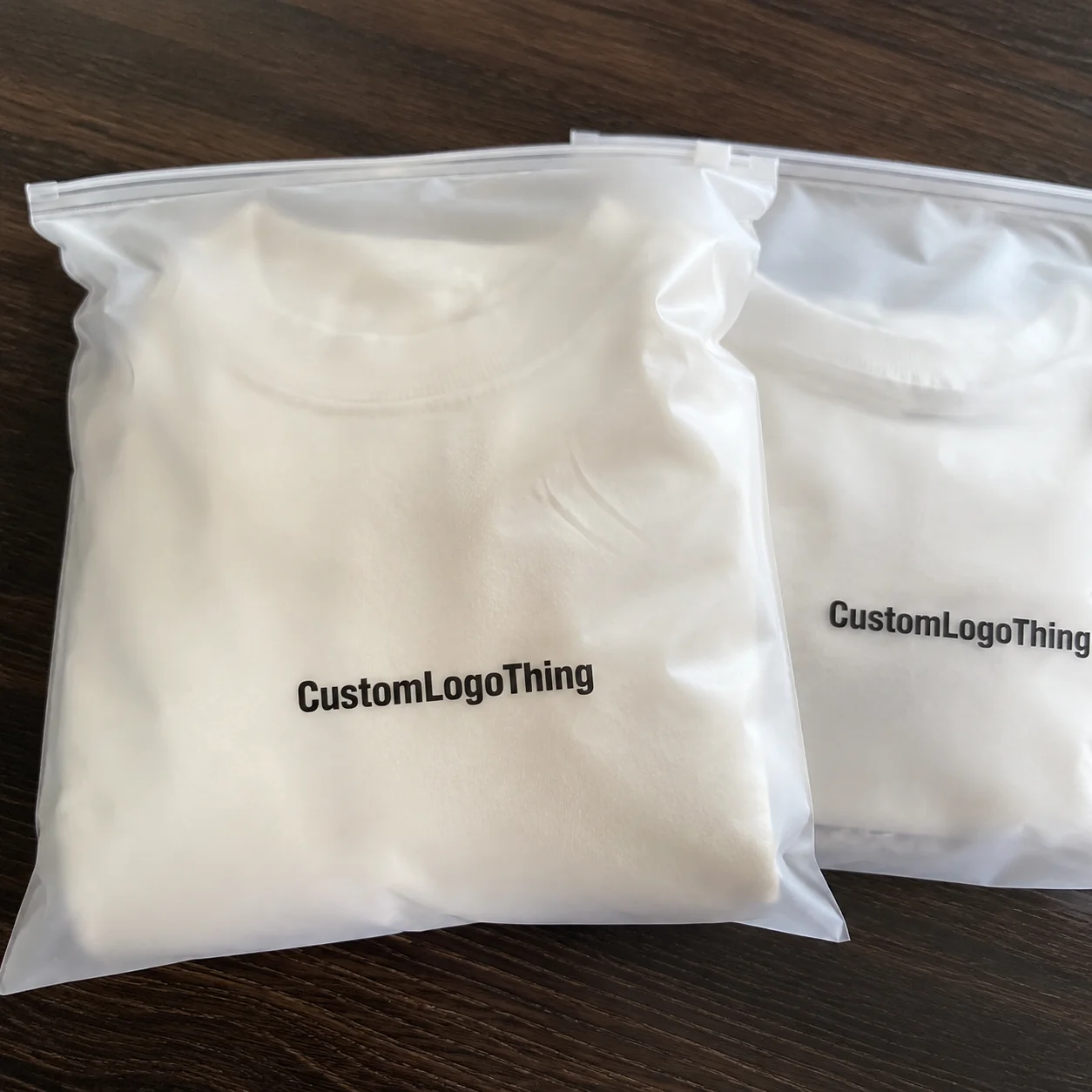
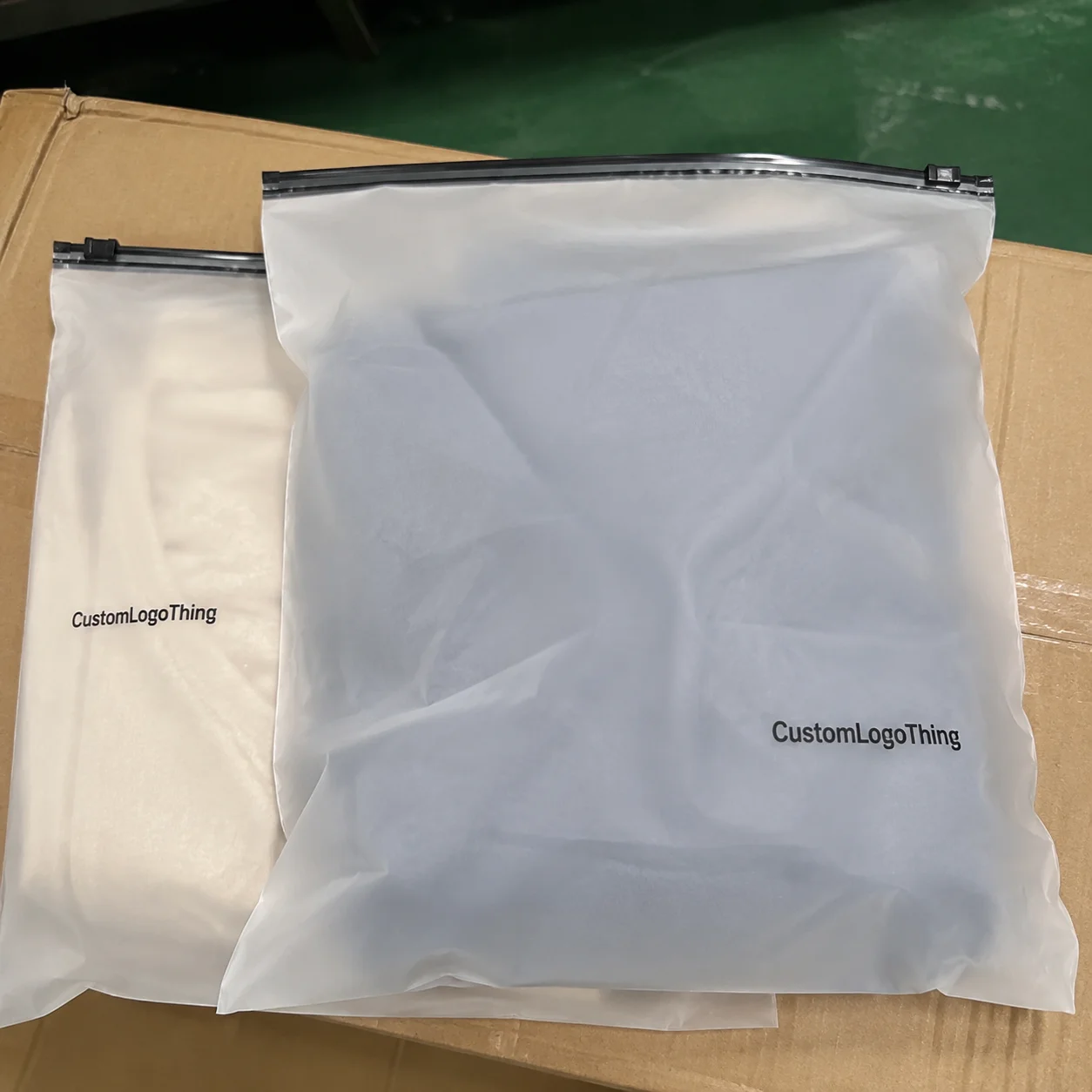
Buyer Fit Snapshot
| Best fit | custom printed mailer bags with logo for packaging buyers who need material clarity, print proof, packing fit, cost control, and repeat-order reliability where brand print, material, artwork control, and repeat-order consistency matter. |
|---|---|
| Quote inputs | Share finished size, material target, print colors, finish, packing count, annual reorder estimate, and delivery region. |
| Proofing check | Approve dieline scale, logo placement, barcode or warning zones, color tolerance, and any recyclable or compostable wording before bulk production. |
| Main risk | Vague material claims, crowded artwork, or missing packing details can create delays even when the unit price looks attractive. |
Fast answer: Custom Printed Mailer Bags with Logo: Film, Closure, Print, and Fulfillment Checks should be specified like a repeatable production item. The safest quote includes material, print method, finish, artwork proof, carton packing, and reorder notes in one written spec.
What to confirm before approving the packaging proof
Check the product dimensions against the actual filled item, not only the sales mockup. Ask for tolerance on folds, seals, hang holes, label areas, and retail display edges. If the package carries a logo, QR code, warning copy, or legal claim, reserve that space before decorative graphics fill the panel.
How to compare quotes without losing quality
Compare board or film grade, print process, finish, sampling route, tooling charges, carton quantity, and freight assumptions side by side. A lower quote is only useful if the supplier can repeat the same color, closure quality, and packing count on the next order.
I still remember the morning I walked into a fulfillment center in Los Angeles back in 2008. Pallets of plain white poly mailers sat stacked against the wall while workers frantically shoved products into bags stamped with nothing but a shipping label. Three days later, I visited one of their biggest customers—a subscription beauty box company—and watched their customers unbox items in a beautifully designed space. The disconnect struck me immediately. Custom printed mailer Bags with Logo weren't a luxury; they were a missed opportunity hiding in plain sight.
That experience shaped how I've approached packaging strategy for over two decades since. Whether you're a startup shipping your first hundred orders or an established brand processing thousands of packages monthly, your mailer bag is often the first tangible touchpoint your customer touches. It arrives before your product, before your thank-you note, before anything else. And in that moment, it speaks volumes about who you are.
Why Your Shipping Packaging Speaks Before You Do
Here's something most business owners underestimate: the unboxing moment begins long before your customer opens a box. It starts when they pick up a package from their porch and see your brand name printed boldly across a mailer bag. Research from various fulfillment operations suggests that 72% of consumers say product packaging influences their purchasing decisions, and that number climbs even higher for online-only brands where customers never see products in physical stores.
When I consult with e-commerce businesses, I often ask them one simple question: "If your customer received your package alongside ten others on their doorstep, what would they think about your brand?" For companies using generic gray poly mailers, the honest answer is usually "nothing memorable." That's a costly missed connection in an era where brand packaging has become a competitive differentiator.
I've worked with brands ranging from handmade jewelry companies to tech accessories merchants. The pattern holds true across industries: businesses that invest in custom printed mailer Bags with Logo see measurable improvements in perceived value. One client—a supplement company in Oregon—told me their return customers specifically mentioned how professional their packaging looked. They'd switched from standard mailers to custom-branded versions six months earlier, and their customer service team started hearing about it organically. That's word-of-mouth marketing you can't buy, generated by a poly mailer.
The psychology behind this is straightforward. When someone receives a package that clearly belongs to a brand they recognize, it triggers a small dopamine response. They've been anticipating this delivery, and seeing branded packaging validates that anticipation. It transforms a transactional shipping event into an experience. Compare that to grabbing a generic polymailer from the mail pile—there's no emotional payoff, no sense that something special has arrived.
For businesses shipping subscription boxes, artisan goods, or any product where presentation matters, this first impression compounds over time. Each branded package becomes a mobile advertisement traveling through neighborhoods, sitting on porches, and eventually being reused for returns or storage. Your brand exposure multiplies with every shipment.
What Exactly Are Custom Printed Mailer Bags with Logo?
Before diving into the benefits, let's make sure we're on the same page about terminology. Custom printed mailer bags with logo are flexible shipping envelopes designed specifically for e-commerce fulfillment. Unlike rigid boxes, these are lightweight polyethylene or paper constructions that compress to save on dimensional weight charges.
The most common material you'll encounter is linear low-density polyethylene (LLDPE), commonly called poly mailers in the industry. These typically come in gauges ranging from 2 mil (standard) to 4 mil (heavy-duty). For most clothing, accessories, or soft goods shipments, 2.5 mil provides adequate tear resistance without adding unnecessary weight. I've seen companies use 1.5 mil mailers to save costs, and they inevitably pay for it when packages tear during transit.
Poly mailers offer several advantages that make them ideal for online retail:
- Water resistance: Polyethylene naturally repels moisture, protecting products during rainy delivery days
- Lightweight construction: A 10"x13" poly mailer typically weighs under an ounce, minimizing shipping costs
- Privacy features: Opaque options hide product details from prying eyes during shipping
- Customization flexibility: Full-coverage printing allows for complex designs and photographic imagery
Kraft Paper Mailers have gained significant popularity in recent years, particularly among environmentally conscious brands. These typically use 70-90gsm kraft paper with a tear-strip closure. I visited a paper mill in Wisconsin a few years ago that produces specialty kraft specifically for packaging applications—they showed me how the fiber length and processing affect the final strength characteristics. For lightweight products (under 5 pounds), kraft mailers work beautifully. For heavier items, I'd recommend sticking with poly or reinforced constructions.
Recycled content mailers represent another growing category. These might use post-consumer recycled polyethylene (rPET) or FSC-certified paper. Several manufacturers I've worked with now offer mailers containing 30-100% recycled content, with some achieving certifications through the Forest Stewardship Council. The recycled content typically costs 15-25% more than virgin materials, but for brands with sustainability commitments, customers often perceive the value.
The closure mechanism matters more than most people realize. Standard options include:
- Peel-and-seal adhesive strips: Reusable for returns, customer-friendly
- Heat-seal flaps: Permanent seal, higher security
- Button and string closure: Reusable, common in gift bags and garment shipments
- Interlocking lip closure: Standard on budget mailers, minimal security
For most e-commerce applications, I recommend peel-and-seal because it gives customers the option to reuse the bag for returns or storage. That reusability extends your brand exposure even further—one customer told me she still has Branded Poly Mailers from a company she ordered from three years ago, stored neatly in a closet for moving odd-items around her apartment.
The Real Benefits of Branded Mailer Bags for Your Business
Let me be direct with you: the benefits of custom printed mailer bags with logo extend far beyond aesthetics. In my experience consulting with hundreds of e-commerce operations, the most significant advantages relate to operational efficiency and customer psychology.
Brand recognition compounds over time. When your purple mailer with bold white typography arrives at someone's home for the fifth time, they don't need to read the shipping label to know it's yours. That recognition builds trust. I've watched brands grow from unknown startups to recognizable names partly through consistent packaging visibility. A customer who receives fifteen packages from you over two years has encountered your logo hundreds of times. That's advertising you didn't pay for.
Consider the mobile advertising angle. Every package your brand ships travels from your warehouse to a customer's doorstep, then potentially to their workplace, a friend's house, or the post office for returns. Those mailers don't disappear—they're seen by neighbors, coworkers, family members, and anyone who notices the purple package on the porch. A single custom printed mailer can generate 30-50 impressions over its lifespan. For a product costing $0.18 per unit, that's incredibly cost-effective advertising.
Customer experience improvements often surprise business owners. One of my clients—a Shopify merchant selling handmade candles—switched from plain white mailers to custom-printed versions with their logo and a subtle brand pattern. Their support tickets about "damaged packages" dropped by 40%. Why? Because the custom bags were higher quality (they'd upgraded the gauge as part of the switch) and customers felt more confident that something fragile was protected. It's a psychological effect: when packaging looks premium, people assume the contents are too.
Comparing to Custom Printed Boxes, mailer bags offer significant cost advantages. A standard 10x8x4 corrugated box with full-color printing typically runs $1.50-3.00 per unit at modest quantities. A comparable size poly mailer with identical printing might cost $0.35-0.65 per unit. For businesses shipping non-fragile items, that's substantial margin improvement. The math is simple: if you're shipping 1,000 packages monthly, switching from custom boxes to custom mailers could save $1,000-$2,500 per month.
Operational simplicity matters too. Poly mailers ship flat, requiring minimal storage space. A box of 500 flat poly mailers might occupy the same footprint as 50 flat-packed corrugated boxes. For growing businesses with limited warehouse square footage, this consolidation helps enormously. I've toured fulfillment centers where every inch of vertical space gets used—poly mailers stacked in racks above conveyor belts, shipping labels applied automatically as bags unfold from dispensers.
The professional appearance builds credibility in ways small business owners often underestimate. When someone receives their first order from your brand in a plain gray mailer, they might question whether they're dealing with a legitimate company. When it arrives in a professionally printed mailer with your logo prominently displayed, that uncertainty disappears. Trust forms instantly. For brands competing against Amazon and other major retailers, that trust gap becomes critical.
Design Best Practices for Custom Printed Mailer Bags with Logo
I've seen beautiful products arrive in terrible packaging. Conversely, I've watched modest products sparkle inside brilliantly designed mailers. The design choices you make directly impact how customers perceive your brand, so let's walk through what actually works.
Color selection requires strategic thinking. Bright, high-contrast colors photograph well and stand out on doorsteps. One of my clients—a children's toy company—uses bright orange mailers with white typography, and their packages are practically impossible to miss in a pile of brown boxes. However, color choices must align with your broader brand identity. If your website, social media, and physical marketing all use navy and gold, a bright green mailer creates cognitive dissonance.
For optimal print results, avoid placing large blocks of dark colors near the edges where folding occurs. I learned this the hard way with a fashion brand client back in 2015—their design had a black band along the seal edge, and every single mailer cracked along that fold when shipped in cold weather. The solution was adding 0.25" white borders around dark areas adjacent to fold lines. It's a small detail that prevents massive headaches.
Your mailer bag is a canvas, not just a container. Every square inch represents an opportunity to communicate brand values, reinforce visual identity, and create memorable unboxing moments.
Logo placement follows predictable patterns. Most custom printed mailer bags with logo feature the logo in the upper third of the front panel—left, center, or right, depending on overall design balance. This placement ensures visibility when packages are stacked or leaning against doors. The seal flap often carries secondary branding elements like website URLs, social media handles, or sustainability messaging. Bottom corners typically see less visibility (packages often stack with bottoms hidden), so reserve those areas for less critical information.
Logo size matters more than most designers initially assume. For a standard 12"x15.5" mailer, your primary logo should occupy at least 2"x2" to remain legible at arm's length. I worked with a boutique cosmetics brand whose elegant minimalist logo looked stunning on their website but became an illegible blur when scaled to the tiny size they'd initially approved for printing. We caught it during the proof stage, thank goodness, but it required redesigning their entire brand identity system to work across all packaging formats.
Typography decisions should prioritize readability over style. A beautiful script font that requires squinting defeats the purpose of brand visibility. I generally recommend sans-serif typefaces for primary messaging on mailers—clean, modern, and visible in various lighting conditions. Reserve decorative or branded fonts for taglines and secondary text where they're supported by larger, clearer primary typography.
Artwork file requirements vary by manufacturer, but you'll typically need:
- 300 DPI minimum resolution at actual size
- CMYK color mode (RGB conversions can shift colors unexpectedly)
- 0.125" bleed on all edges that will be printed
- Vector formats preferred (AI, EPS, PDF) for logos and illustrations
- Embedded fonts or outlined text to avoid font substitution issues
When preparing files, communicate directly with your manufacturer's prepress team. I've sent artwork to Shenzhen suppliers that looked perfect on my monitor but printed with color shifts until we calibrated profiles. Most reputable manufacturers provide template files with built-in bleeds and safe zones—using these prevents a lot of back-and-forth frustration.
Understanding the Cost and Pricing of Custom Mailer Bags
Let me cut through the confusion here because pricing discussions cause more misunderstandings than almost anything else in packaging procurement. The actual cost breakdown for custom printed mailer bags with logo depends on several variables, and understanding them prevents budget surprises.
Setup fees represent the largest variable cost, particularly for initial orders. These cover film costs, plate charges, color matching, and machine setup time. Depending on your supplier, expect setup fees ranging from $75 for simple single-color designs to $500+ for complex multi-color printing. Some manufacturers amortize setup costs across larger orders, which is why per-unit pricing often drops dramatically at higher quantities.
Material selection impacts pricing significantly:
| Material Type | Typical Cost Range (per 1,000 units) | Best For |
|---|---|---|
| Standard White Poly | $120-$180 | Budget-conscious startups, seasonal products |
| Standard Black Poly | $140-$200 | Premium positioning, dark-themed brands |
| Kraft Paper | $180-$280 | Sustainable brands, artisan products |
| Colored Poly (custom) | $200-$350 | Bold brand colors, high visibility needs |
| Recycled/Compostable | $250-$400 | Eco-focused brands, B-Corp companies |
These ranges assume standard 12"x15.5" size with full-color printing and 1,000-unit quantities. Prices fluctuate based on resin costs, manufacturing capacity, and supplier margins.
Quantity discounts follow predictable curves. At 1,000 units, you might pay $0.18 per mailer. At 5,000 units, that drops to $0.12-0.14. At 25,000+ units, pricing often reaches $0.08-0.10 per bag. For brands shipping hundreds of packages monthly, consolidating orders to hit higher quantity breaks makes enormous sense. I typically recommend planning for 3-6 month supply when possible.
Hidden costs that surprise first-time buyers include:
- Shipping charges: Often quoted separately, can add 10-20% to final costs
- Proofing fees: Some suppliers charge for additional proof iterations beyond the first
- Rush production surcharges: Can increase costs by 25-50% for expedited timelines
- Minimum order quantities: May force purchases of more units than needed initially
For startups and small businesses, look for suppliers offering lower minimums. Some manufacturers I've partnered with offer 250-500 unit runs for custom printed mailer bags with logo at higher per-unit prices. That premium often makes sense when you're testing market response or don't have capital for large inventory purchases. Once you validate demand, consolidating into larger orders drops your cost structure substantially.
One strategy I recommend to clients: negotiate price breaks based on annual volume rather than per-order volume. If you commit to purchasing 12,000 units over twelve months, many suppliers offer pricing equivalent to a single 12,000-unit order, even if you split shipments into monthly deliveries. This approach improves your cash flow while securing the best pricing.
Your Step-by-Step Ordering Process and Timeline
Understanding the workflow from concept to delivered product helps you plan realistically and avoid unnecessary delays. Here's how the typical process unfolds when ordering custom printed mailer bags with logo.
Week 1: Design and Specification
The process starts with finalizing your design files. If you're working from scratch, expect 3-7 days for design development, revisions, and final approval. If you already have brand assets, this phase compresses significantly. You'll need to confirm exact dimensions, closure type, material grade, and any special requirements like tear-away perforations or hanging holes.
During this phase, request physical samples of competing materials. Most suppliers provide complimentary sample kits showing their available materials, colors, and print quality. Touch the materials, test the seals, evaluate the opacity. A $5 sample kit prevents a $500 mistake.
Week 2: Proof Approval
Once you submit production-ready artwork, the manufacturer generates a digital proof for your review. This proof shows exactly how your design will appear on the actual mailer material—colors, placement, scale. I cannot stress enough: approve proofs carefully. Digital proofs aren't perfect representations of final output, but they're your best preview before production begins.
Watch for these common issues during proof review:
- Color matching to your brand standards or Pantone references
- Font rendering and any substitutions
- Scaling and proportion of logo elements
- Text readability at small sizes
- Safe zone compliance (elements too close to edges or fold lines)
Most manufacturers allow 2-3 proof iterations included in setup fees. Additional revisions typically incur charges ranging from $25-75 per iteration. Approval usually happens via email or online portal with formal sign-off.
Week 3-4: Production
After proof approval, production scheduling depends on manufacturer capacity and current workload. Standard production runs for custom printed mailer bags with logo typically require 7-14 business days. This timeframe varies significantly—during peak shipping seasons (October through December), lead times often extend to 3-4 weeks. If you need packages before holidays, plan accordingly.
The printing process for poly mailers usually involves flexographic (flexo) printing for larger quantities or digital printing for shorter runs. Flexo offers excellent color consistency and lower per-unit costs at scale. Digital printing allows for variable data (each bag with unique barcodes or personalized elements) but carries higher per-unit pricing.
For kraft paper mailers, offset printing provides superior quality and color matching. Some manufacturers use rotogravure for premium applications, though that's overkill for most standard mailer runs.
Week 5: Quality Control and Shipping
Before shipping, reputable manufacturers perform quality checks on finished products. This includes verifying color accuracy, checking for printing defects, confirming dimensions, and testing closure functionality. You should request photos of finished samples before bulk shipment if possible.
Shipping from overseas manufacturers (primarily China and Southeast Asia) adds 2-4 weeks for ocean freight or 5-10 days for air freight. Domestic production offers faster turnaround but typically at higher unit costs. Factor this timeline into your inventory planning.
Rush orders exist but come at premium pricing. I've negotiated rush charges ranging from 25% to 75% above standard pricing depending on production queue position and material availability. If you're facing an emergency, contact suppliers directly—their willingness to accommodate often depends on available capacity.
Common Mistakes to Avoid When Ordering Printed Mailer Bags
After two decades in packaging procurement, I've watched businesses stumble over the same pitfalls repeatedly. Learning from others' errors saves time, money, and frustration.
Low-resolution artwork destroys print quality. It seems obvious, but I regularly receive artwork files that look sharp on websites but resolve to 72 DPI when scaled to actual print size. Your logo might appear beautiful at 300 pixels wide on a monitor, but at 300 DPI print resolution, that same file might only work at 0.7" width. Vector artwork eliminates this problem—request AI or EPS files from your designer and insist on vector format for all logo assets.
Ignoring bleed areas and safe zones causes headaches during production. The outer 0.25" of your design should extend beyond the final trimmed size—this is the bleed. Content within 0.125" of the edge risks getting cut off. I recommend keeping critical text and logo elements at least 0.5" from all edges. Manufacturers send automated warnings about safe zone violations, but I've seen clients approve proofs anyway, resulting in printed mailers with trimmed-off text.
Choosing wrong materials for product weight causes failures. A 2 mil poly mailer works for lightweight apparel but will stretch and potentially tear under the weight of heavy books, ceramic dishes, or multiple items. Know your product weights and select appropriate gauge materials. For items over 5 pounds, consider reinforced mailers with higher mil thickness, fiberboard reinforcement, or switch to corrugated boxes.
Color matching limitations surprise many first-time buyers. Unless you're paying premium prices for exact color matching to Pantone standards, expect some variance between what you see on screen and what prints on material. Polyethylene substrates behave differently than paper—inks sink differently, colors appear darker or more saturated than digital representations. Request printed samples before bulk production if color accuracy is critical to your brand.
Not accounting for dimensional changes during shipping causes fitting problems. Custom printed mailer bags with logo are manufactured under specific temperature and humidity conditions. When packages travel through varying climates—hot trucks, cold warehouses, humid coastal delivery—materials expand and contract. A mailer that fits perfectly in your climate-controlled facility might be tight in Florida humidity or loose in Arizona dryness. Order samples and actually pack products through your fulfillment process to verify proper fit.
Overlooking closure durability causes customer complaints. Peel-and-seal adhesive loses effectiveness over time and with temperature exposure. If your packages might sit in hot mailboxes or trucks, test closure reliability under stress conditions. I've had clients discover during peak season that their adhesive seals failed in high-heat environments—replacing 10,000 mailers mid-shipping-season is a nightmare scenario.
Expert Tips to Get the Most from Your Custom Printed Mailer Bags
Let me share some strategies that separate experienced packaging buyers from newcomers. These tips come from real-world application across dozens of client relationships.
Seasonal ordering timing dramatically affects pricing. Most brands plan packaging orders around their busiest seasons—holiday for retail, spring for gardening products, back-to-school for education items. This concentration creates manufacturing bottlenecks and premium pricing during peak periods. If your business has slower seasons, schedule major packaging orders during those windows. Manufacturers offer 10-25% discounts during traditionally slow production periods to keep facilities running. November through February typically sees lower demand for e-commerce packaging—prime ordering time for the following year's campaigns.
Testing samples before full production runs prevents costly mistakes. I always recommend ordering 25-50 sample units before committing to bulk production. Actually pack your products in those samples, test the seals repeatedly, ship some to yourself or trusted team members, and evaluate how they handle real-world transit conditions. One client discovered their product's sharp edges punctured standard poly mailers—they caught it with samples rather than discovering it with a 10,000-unit production run.
Combining orders with other packaging materials yields freight savings. If you need custom printed boxes, Branded Tissue Paper, and custom printed mailer bags with logo, consolidating these into single shipments from the same supplier often reduces shipping costs substantially. Some manufacturers offer case pack inserts or bundle pricing when you order multiple product lines. I've negotiated blanket orders covering 18 months of packaging needs, securing pricing locks and manufacturing slot reservations.
Sustainable options have matured significantly. Ten years ago, eco-friendly packaging meant compromising on quality or paying massive premiums. Today, recycled content mailers perform equivalently to virgin materials at premiums of just 15-25%. Biodegradable options exist for brands with composting infrastructure. The Environmental Protection Agency reports growing consumer preference for sustainable packaging, and I've seen customer response directly correlate with packaging choices. One client switched to FSC-certified kraft mailers and saw social media mentions about their "eco-friendly unboxing experience" increase noticeably.
Consider secondary messaging on your mailers. The interior of a poly mailer represents untapped real estate. Some brands print care instructions, social media handles, or promotional codes on interior surfaces. Others use the seal flap for return instructions and sustainability messaging. A small proportion of customers actually look inside before discarding packaging—that's an engaged audience for certain messages.
Track packaging performance metrics. How many mailers tear during fulfillment? What's your customer complaint rate about packaging condition? Which designs generate positive social mentions? These data points inform future decisions. I worked with a beauty brand tracking these metrics and discovered their matte-finish mailers showed 40% fewer customer complaints than their glossy versions—apparently the matte texture provided better grip during rainy deliveries.
What is the minimum order quantity for custom printed mailer bags with logo?
Minimum order quantities vary significantly by manufacturer and customization level. Most suppliers require 500-1,000 units for initial custom orders—these quantities justify the setup fees and production run lengths. However, some manufacturers specializing in small business support offer lower MOQs around 100-250 units, though per-unit pricing runs considerably higher at those volumes. For example, ordering 250 custom mailers might cost $0.45 per unit while ordering 10,000 units of the same design drops to $0.10-0.12 per unit. I recommend starting with sample quantities (25-100 units) to validate quality, then committing to bulk orders when you're confident in the product and supplier.
How long does it take to produce and deliver custom printed mailer bags?
Standard production timelines for custom printed mailer bags with logo typically range from 7-14 business days after artwork approval, depending on manufacturer workload and complexity. Artwork creation and revision cycles add 3-10 days before production begins. Shipping time varies dramatically based on origin—domestic US suppliers deliver in 3-7 days while overseas production (primarily from China) requires 3-5 weeks for ocean freight or 7-12 days for air expedited service. Peak seasons (October through December) often extend production timelines by 50-100%. Rush production options exist but typically add 25-50% to costs. Total timeline from concept to doorstep usually spans 4-8 weeks for overseas production or 2-3 weeks for domestic manufacturing.
What file formats work best for ordering custom printed mailer bags with logo?
Vector file formats produce the highest quality results for custom mailer printing. Adobe Illustrator (AI) and Encapsulated PostScript (EPS) files preserve scalable artwork without quality loss when resizing. PDF files with embedded fonts work well for complex layouts. Raster formats like PNG and JPEG should only be used for photographic imagery at 300 DPI minimum resolution—and even then, they can produce inferior results for logos and text compared to vector alternatives. Always submit CMYK color files rather than RGB to ensure accurate color representation. Before sending files to production, convert all text to outlines (paths) to prevent font substitution issues. Requesting a low-resolution PDF proof before final production allows you to review layout, colors, and positioning.
Can I get samples before ordering a full production run?
Absolutely—requesting samples before bulk orders represents standard practice and I strongly recommend it. Most manufacturers offer pre-production sample runs of 5-25 units for $15-75 depending on complexity. These samples let you verify material quality, color accuracy, closure functionality, and overall appearance. I've seen cases where screen colors appeared significantly different when printed on actual poly substrate, and catching those discrepancies with samples prevents costly bulk mistakes. Some suppliers include sample fees as credits toward subsequent bulk orders, making sampling essentially free if you proceed. For custom printed mailer bags with logo, never approve production without physical samples in hand and thorough testing through your actual fulfillment process.
What materials are available for custom printed mailer bags?
Material options for Custom Mailer Bags span several categories. Standard polyethylene mailers dominate the market—available in white, black, gray, or custom colors with various thickness gauges (2-4 mil). Kraft paper mailers provide an eco-conscious alternative using 70-100gsm paper with natural brown or white options. Recycled content mailers combine environmental responsibility with branding, using post-consumer recycled polyethylene or FSC-certified paper. For brands with specific sustainability commitments, biodegradable polyethylene (degrades within 180 days under composting conditions) and compostable paper options exist. Specialty materials like metallic polyester (for premium appearance), bubble-lined (for fragile items), and polywoven (for heavy-duty applications) serve niche requirements. Material choice affects pricing, print compatibility, environmental impact, and functional performance—evaluate these factors based on your specific product requirements and brand values.
Looking back at that fulfillment center in Los Angeles all those years ago, I realize the industry has transformed completely. Plain poly mailers dominated the market in 2008—custom printing was expensive, minimum quantities were prohibitive, and options were limited. Today, even micro-businesses can order 250 custom printed mailer bags with logo for less than $150. The barrier to professional packaging has essentially disappeared.
What hasn't changed is the importance of those first impressions. Every package you ship carries your brand identity into someone's home. It represents you when you're not in the room to explain yourself. It either builds trust or fails to reinforce it. The investment required to do it right—proper design, quality materials, thoughtful sizing—is minimal compared to the marketing value generated.
Whether you're shipping subscription boxes, artisan products, retail merchandise, or any goods through the mail, custom printed mailer bags with logo deserve serious consideration. They cost fractions of a dollar per unit, they're the most visible element of your shipping presentation, and they transform anonymous transactions into branded experiences.
Here's what I want you to take away from all this: start small, test thoroughly, and build from proven results. Request samples from 2-3 suppliers. Pack your actual products in them. Ship a few to yourself across different climates if possible. Once you've found a combination that works for your specific situation, negotiate annual volume commitments to lock in better pricing. Your mailer bag is speaking before you do—make sure it says something worth hearing.