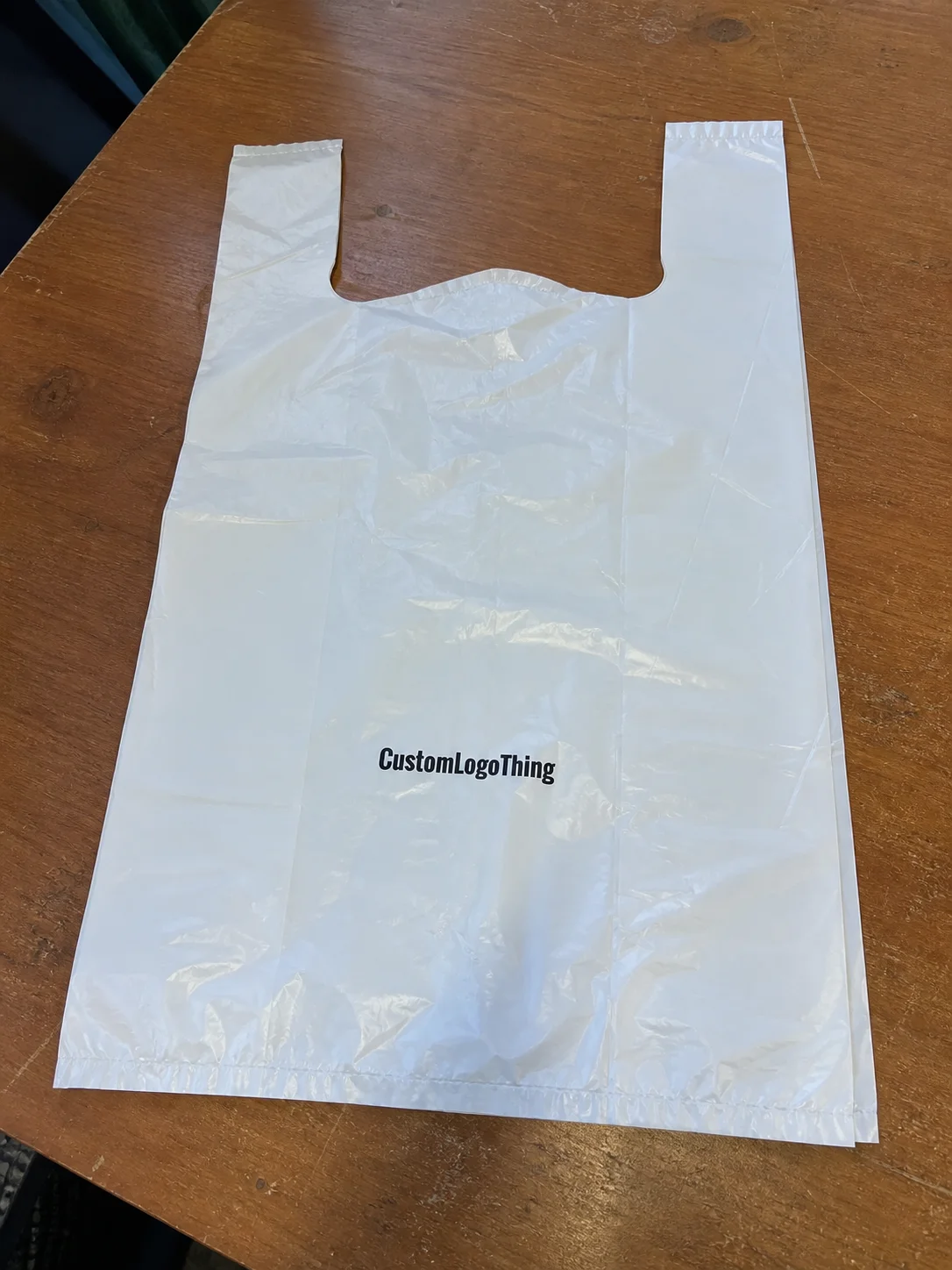
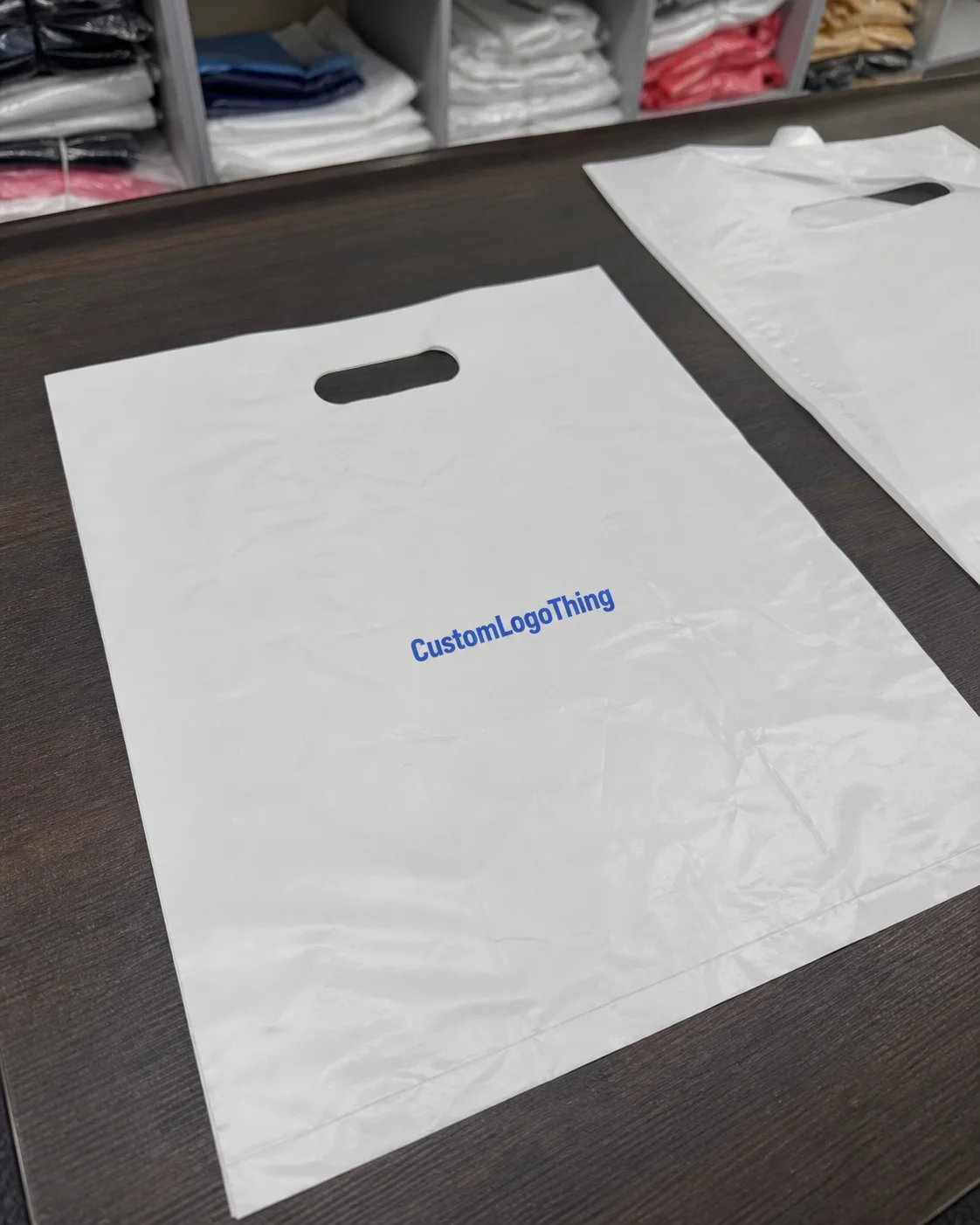
A soft cotton tee shipped in a 12 x 10 x 4 inch box is often paying for empty space. For buyers reviewing Branded Padded Mailers for apparel retailers, that is where savings usually start: right-size the shipper, reduce parcel weight, and replace dead corrugated volume with a visible brand touchpoint.
For many folded garments, padded mailers lower outbound weight, speed pack stations, and reduce warehouse cube while still protecting light trims. They are not right for every SKU, so the decision should come down to size, film structure, cushioning, print coverage, closure format, order volume, freight method, and destination.
Why branded padded mailers for apparel retailers cut more costs than they add

For tees, leggings, underwear, socks, knit tops, scarves, and other soft folded goods, padded mailers often beat boxes on total shipping cost. The main reasons are simple:
- Lower parcel weight: A printed padded mailer may weigh 20 to 70 grams, while a small apparel box can run 120 to 250 grams before void fill.
- Less dimensional freight risk: Oversized cartons trigger dim-weight charges faster than right-sized mailers.
- Smaller storage footprint: Flat-packed mailers take far less shelf and pallet space.
- Faster packing: Peel, load, seal.
Best-fit uses usually include:
- T-shirts and polos
- Leggings and light activewear
- Underwear and socks
- Light knitwear
- Small soft accessories
- Flat multi-item DTC orders
Boxes are still the better choice for bulky outerwear, rigid gift sets, structured caps, breakable add-ons, and presentation programs that need crease control or display-ready delivery.
Buyer reality: The lowest total cost is rarely the lowest unit cost. It is the format that balances freight, storage, labor, presentation, and damage risk.
That is why quote reviews should focus on real cost drivers instead of vague quality claims. Material structure, gauge, print method, closure style, carton packing, and shipping destination all affect the landed result.
Choose the right mailer build for garment weight, protection, and unboxing feel
Not all padded mailers are interchangeable. For apparel, the main constructions are straightforward, but each changes feel, protection, print quality, and consistency.
Common padded mailer constructions
- Co-ex film padded mailers: Multi-layer polyethylene film with cushion structure. Good moisture resistance, privacy, and print performance.
- Bubble-lined mailers: Plastic outer film with internal bubble cushioning. Common for DTC orders with buttons, hardware, or folded trim pressure points.
- Foam-padded options: Smoother feel and more uniform surface, though often unnecessary for basic apparel.
- Recycled-content variants: Available at different content levels, with tradeoffs in cost and print consistency.
Most apparel does not need heavy-duty protection. It needs enough cushioning to handle zippers, snaps, tags, and occasional mixed orders with small accessories. A 70 to 110 micron outer film with light internal padding is often enough for lighter garments. Heavier mixed orders may need a thicker build, but overbuilding a mailer for two folded tees only adds cost.
Exterior finish also matters. Matte white usually gives cleaner logo contrast and hides handling marks better than dark gloss flood coats. Gloss can look sharper in samples, but it tends to show scuffs faster in parcel use. Soft-touch finishes may improve perceived value, though they are often unnecessary for high-volume shipping.
Privacy is another practical issue. Opaque film is common for apparel, especially in DTC channels. White generally prints best. Black or dark flood coats can look strong, but they often need heavier ink coverage or white underlayers, which increases cost.
On the closure side, permanent peel-and-seal is standard. If returns are common, a dual adhesive strip can justify the added unit cost by removing the need for extra tape or a second package.
For environmental claims, keep them specific and supportable. If you need guidance on responsible forestry claims for paper-based packaging components, FSC is a useful reference. For broader packaging waste and recovery guidance, see the EPA.
Specs that actually affect performance: size, thickness, print, and closure details
If you want accurate pricing, define the specs properly. “Medium padded mailer” tells a supplier almost nothing. Quote requests should be based on usable inner dimensions, garment fold size, and actual packout conditions.
Core specs to define before quoting
- Usable inner width x height
- Flap size
- Film thickness or total structure gauge
- Padding type and density
- Seal format
- Print colors and artwork coverage
- Exterior color and finish
- Carton pack count
Size by folded garment count, not vague labels. A single folded tee may fit around 10 x 13 inches. Two or three lightweight garments with tissue and a return slip may need 12 x 15.5 inches. Joggers plus a top may need 14.5 x 19 inches. These are common ranges, not rules. Fold style, inserts, and packing method change the answer.
Ask how orders are really packed: tissue wrap, insert card, promo flyer, return form, or poly-bagged garments. If those details are missing, suppliers are guessing, and that is how mailers arrive too narrow for live fulfillment.
For feel and durability, lighter apparel mailers may sit around 2.5 mil to 3.5 mil equivalent. Lighter gauge reduces cost and freight weight but may also reduce puncture resistance and stiffness. Heavier gauge supports larger or mixed orders better, though material cost rises quickly at scale.
Print choices also affect both cost and performance. A simple 1-color flexo print on a stock size is usually the lowest-cost option and often the fastest. Front-only print keeps costs controlled. Edge-to-edge graphics, inside print, flood coats, and dark builds increase complexity and scrap risk.
| Mailer Spec Option | Typical Use | Relative Unit Cost | Notes |
|---|---|---|---|
| Stock size, 1-color flexo, front print | Basic DTC apparel shipping | Low | Best for MOQ flexibility and cleaner price breaks |
| Stock size, 2-3 colors, front/back print | Mid-tier branded programs | Low-Mid | Good balance of brand impact and cost control |
| Custom size, full coverage print | Large-volume branded launches | Mid-High | Better fit and stronger brand impact, but setup rises |
| Custom size, recycled-content structure, return strip | Premium ecommerce apparel programs | High | Useful when reverse logistics and sustainability targets matter |
Buyers should also ask about seal integrity, production tolerances, carton counts, and basic handling expectations. For transit testing references, ISTA standards are useful when validating a broader ecommerce packaging system.
Wholesale pricing factors for branded padded mailers for apparel retailers
The main pricing variables are mechanical:
- Finished dimensions
- Film structure and resin mix
- Thickness or gauge
- Padding type
- Print method
- Number of print colors
- Total ink coverage
- Closure features such as dual adhesive strips
- Order quantity
- Freight origin and destination
Order quantity matters because setup costs spread over volume. A 5,000-piece run can price very differently from 25,000 or 50,000 pieces even with the same specs. As a rough market range, simple custom Printed Padded Mailers for apparel may land around $0.22 to $0.48 per unit at 5,000 pieces, while higher-volume orders with controlled print coverage may drop closer to $0.14 to $0.30 depending on size, structure, and freight. Premium builds with recycled content, custom dimensions, dark flood coats, or return-strip features can run higher.
MOQ usually follows the format:
- Stock size with custom print: lower minimums, often in the low thousands
- Fully custom dimensions: higher MOQ because bag-making efficiency changes
- Custom structure plus special finish: higher again, especially with multiple print stations or unique materials
Separate setup charges from unit pricing. Ask whether the quote includes:
- Printing plates or cylinders
- Proofing fees
- Bag-making setup charges
- Sampling costs
- Freight to destination or only ex-works pricing
Freight can erase an apparent unit-price advantage quickly. Domestic production may carry a higher piece price but lower freight exposure and shorter replenishment cycles. Overseas production may look cheaper on paper while adding longer transit windows, more inbound volatility, and larger cash commitments.
Request quotes against annual usage where possible. If annual demand is 120,000 units but suppliers are only asked to quote a 10,000-piece run, pricing will usually be less competitive than it could be with volume planning and staggered releases.
For clean comparisons, provide these inputs every time:
- Target finished size
- Average garments per order
- Weight range of the packed shipment
- Desired print colors
- Artwork coverage area
- Monthly or annual demand
- Ship-to ZIP code or country
- Whether split deliveries are needed
- Need for returns strip or recycled-content targets
If two quotes use different gauges, different recycled-content percentages, or different print coverage, they are not directly comparable.
If your team is evaluating broader sourcing options, reviewing available Wholesale Programs and related Custom Packaging Products can help narrow whether padded mailers should sit beside cartons, tissue, labels, or a simpler Custom Poly Mailers program.
Production process and lead time from artwork approval to delivered cartons
The normal process usually runs as follows:
- Inquiry and use-case review
- Spec confirmation
- Quotation
- Artwork review
- Proof approval
- Material allocation or sourcing
- Printing
- Converting and bag making
- Inspection
- Packing into export or domestic cartons
- Freight dispatch and delivery
Stock-size custom print programs are usually faster than fully custom size and structure projects. A straightforward stock-size order with basic print may take around 12 to 18 business days from final proof approval before transit. Fully custom programs can push into 18 to 30 business days or more depending on print complexity, material availability, and production queue. Transit time is separate.
Most delays come from incomplete artwork, missing Pantone references, unconfirmed size approval, or late PO release. The cleaner the approval process, the shorter the real lead time.
Sampling options and tradeoffs
- Digital mockup: fast and inexpensive, but limited for color and material feel
- Printed proof: better for artwork review and color direction
- Pre-production sample: best confidence on structure and print together, but adds time
For seasonal launches, replenishment planning matters as much as the opening order. Many apparel programs run more efficiently with two or three primary sizes instead of a large menu of low-volume custom SKUs.
Avoid the common buying mistakes that raise damage rates and reorder costs
The first mistake is oversizing. It increases freight inefficiency, allows products to shift in transit, and weakens presentation.
The second is under-specifying thickness or seam strength for mixed orders. One tee is not the same as two pairs of denim, a hoodie, and a belt with hardware. If the assortment includes heavier garments or accessories, test against actual packed weights.
Another frequent error is approving dark flood coats without reviewing handling durability. Heavy coverage can look strong in artwork review but expose scuff resistance, cure quality, registration limits, and cost creep in production.
Buyers also overuse padding where a standard poly mailer would work, or underbuild when trims and hardware justify cushioning. Match the format to the SKU risk.
Returns should be decided upfront. If reverse logistics matter, confirm whether you need:
- Dual adhesive strips
- Cleaner opening behavior
- Extra document room
- Space for return labels or instructions
Too many custom sizes create weak price breaks, awkward forecasting, and leftover stock. A disciplined size range usually works better: one small, one mid-size, and one larger format for bulkier but still mailer-safe orders.
Good procurement is boring on purpose. Fewer sizes. Clear specs. Repeatable reorders.
How to request the right quote and launch your mailer program without delays
If you want usable pricing, send a quote request that answers the production questions.
Quote-ready checklist
- Folded product dimensions
- Average units per shipment
- Typical packed order weight
- Target mailer size or two candidate sizes
- Desired gauge or performance level
- Padding type
- Print colors and artwork coverage
- Artwork file type, ideally vector
- Delivery location
- Estimated monthly or annual volume
A practical approach is to request two or three spec options at once, such as stock-size 1-color print, stock-size 2-color with return strip, and a fully custom size with heavier structure. That gives a clean cost-versus-performance comparison without endless revision rounds.
Also ask for:
- Carton counts
- Pallet estimates
- Landed freight scenarios
- Setup charges
- Repeat-order pricing assumptions
The cleanest launch sequence is usually:
- Approve artwork and core specs
- Review a proof or sample appropriate to the risk level
- Place the opening order
- Monitor warehouse packing feedback during early use
- Lock repeat specs for reorders
For buyers comparing pricing factors, the best next step is a quote-ready submission built around actual garment dimensions, print needs, order volume, and delivery requirements. That is how you get pricing you can trust and lead times you can plan around.
FAQ
What affects wholesale pricing for branded padded mailers for apparel retailers the most?
The main drivers are size, thickness, padding type, print method, number of colors, ink coverage, and order quantity. Custom dimensions and heavy print coverage usually increase setup and unit costs faster than buyers expect. Freight and destination matter too, especially once pallet count changes the landed cost profile.
What MOQ is typical for custom padded mailers for apparel brands?
MOQ depends on whether you choose a stock size with custom print or a fully custom build. Stock-size programs usually start lower, often in the low-thousands range, while custom dimensions and structures tend to require higher minimums. Buyers should compare MOQ against monthly usage and storage capacity, not just chase the smallest opening order.
Which size branded padded mailer works best for shipping clothing?
The right size depends on folded garment dimensions, garment count per order, and added pack-ins like tissue, inserts, or return slips. One or two standard sizes often cover most apparel orders better than a wide menu of custom SKUs. Oversized mailers waste freight and weaken presentation.
How long is the lead time for custom printed padded mailers wholesale orders?
Lead time includes quoting, artwork approval, production, inspection, packing, and transit. Stock-size custom print orders are generally faster than fully custom size and structure programs. Clean artwork files, approved colors, and confirmed shipping instructions prevent avoidable delays.
Are padded mailers better than poly mailers for apparel retailers?
Not always. Padded mailers make sense when garments include hardware, delicate trims, or a more protective premium feel. For many basic folded apparel items, a regular custom poly mailer can be the lower-cost and fully adequate choice. The better option depends on protection needs, unit cost, shipping method, and brand presentation goals.