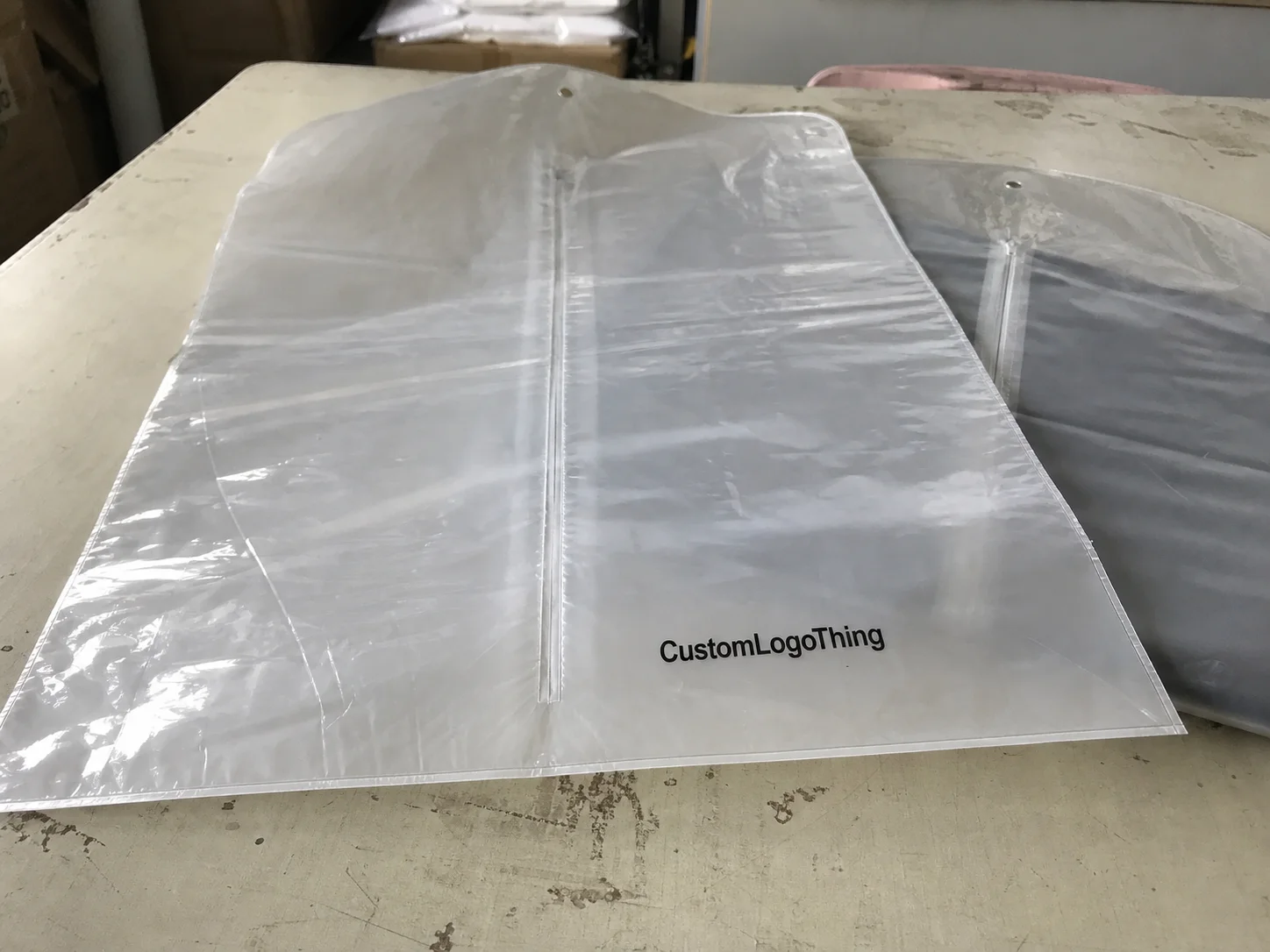
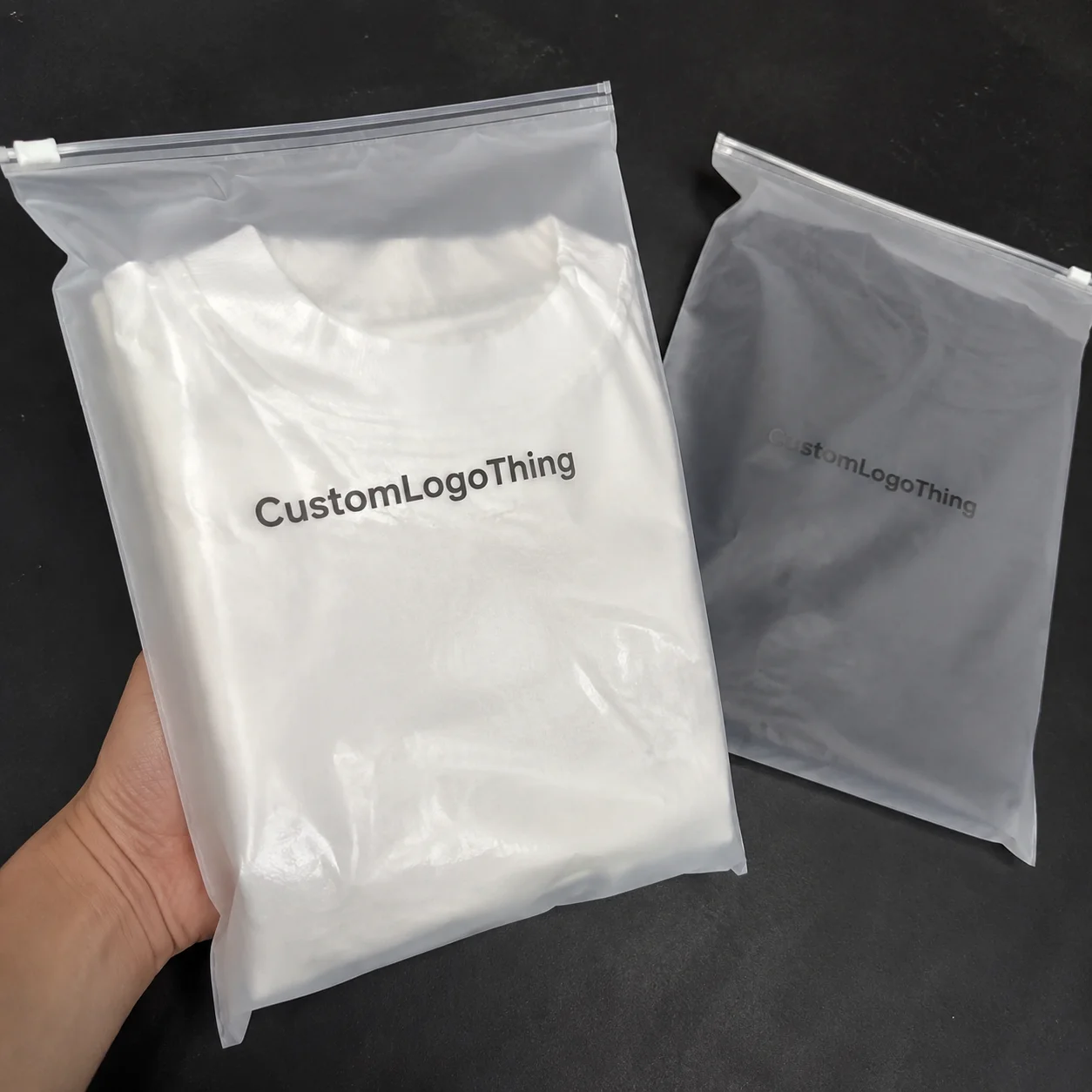
A candle can arrive with a clean label, a heavy vessel, and a fragrance the customer already loves, then lose the moment because the outer mailer shows up split, scuffed, greasy, or half-open. That is why Branded Padded Mailers for candle brands factory audit questions matter. The point is not to interrogate a supplier for sport. It is to confirm whether they can make a mailer that survives parcel handling, protects a relatively dense product, and still looks presentable on the doorstep.
Candle shipping puts odd stress on packaging. The weight is concentrated, often in glass, and the pressure points are usually the corners of the inner carton rather than the soft contents you see in apparel or beauty shipments. Add warm warehouses, cold delivery vans, dark printed film, and the possibility of minor fragrance oil transfer, and a mailer that performs fine for shirts or notebooks can fall apart quickly on a candle program.
From a buyer’s side, a useful audit goes well past artwork quality. You are checking material control, seal formation, print durability, inspection discipline, traceability, and the supplier’s ability to hold the same spec on the reorder, not just on the first sample run. A polished sales deck does not tell you much about side-seal strength or whether the factory catches rub issues before the job is packed out.
The goal is straightforward: ask better questions before you quote, sample, and approve. That saves money, reduces replacement shipments, and limits the trial-and-error that tends to drag out new candle launches. If you want broader background, the FAQ resource and Custom Packaging Products pages add context around related packaging choices.
Why candle shipments fail in the last mile more often than brands expect
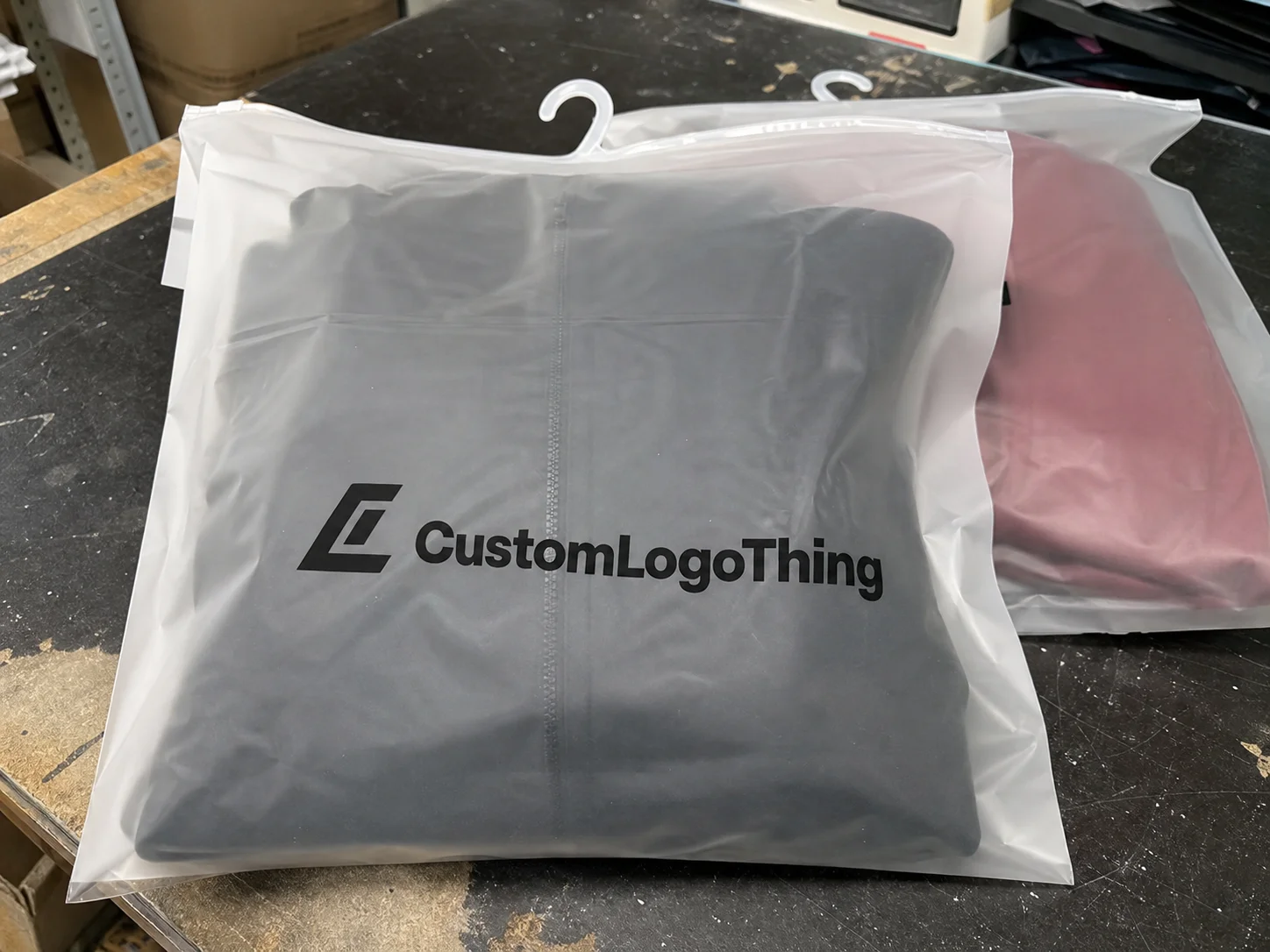
Most parcel damage is not one dramatic drop. It is accumulation. Friction on belts, compression in gaylords, carton edges scraping against printed film, short falls onto corners, pallets left in heat, and repeated handling at sortation all add up. The outer mailer does not need to do the same job as a corrugated shipper, but it still has to hold shape, resist puncture, keep its seal, and avoid looking worn out before the customer opens it.
Candles create a fairly unforgiving load. A boxed 8 oz candle often lands around 0.9 to 1.3 lb packed. Larger units can move past 1.5 lb fast, especially with thick glass, a two-piece rigid box, or a molded pulp insert inside. That weight sits low and focused. If the inner box corners are sharp or the fit inside the mailer is tight, thin film usually fails first at the stress points.
Heat changes the picture again. Wax may stay contained, but adhesive can soften, stacked mailers can slip differently, and even a tiny amount of oil transfer becomes more visible on matte or dark flood-printed surfaces. Black, charcoal, and navy look strong in presentation samples. In transit they also reveal abrasion immediately, especially if the print or coating is not built for rub resistance.
This is why factory audit questions are practical rather than bureaucratic. Buyers need to know whether a supplier understands the difference between a mailer that photographs well and one that holds up in actual parcel networks. Can they explain the film structure? Can they show puncture or seal checks? Do they have a routine for catching print rub before thousands of pieces are packed into cartons?
Before the audit starts, define what counts. For a custom candle mailer, the review usually needs to cover:
- Raw material control and thickness verification
- Printing method, color consistency, and abrasion resistance
- Seal formation, closure adhesive, and side-seal reliability
- In-process inspection frequency and final release checks
- Document control, sample approval, and retained reference samples
If those answers are thin, the outcome is usually familiar: refund claims, replacement orders, higher customer service cost, and poor unboxing feedback for a product that may have been made perfectly well.
What a padded mailer must do for a candle brand beyond basic shipping protection
A branded padded mailer is typically a printed parcel envelope made from poly film, co-extruded film, or a paper-based exterior with some internal cushioning. The cushioning may be bubble lining, paper padding, or another lightweight protective layer. The outside carries branding. The inside reduces abrasion and softens minor impact. Most close with a peel-and-seal strip, sometimes with a second strip for returns.
That broad category covers some very different structures, and they do not perform the same way with candles.
- Single-layer poly mailers: inexpensive and light, but usually too weak as the only protective layer for fragile candle shipments.
- Bubble-lined mailers: often a workable option for small boxed candles, kits, and lower-weight glass units when the inner pack-out is already doing most of the protection.
- Paper-padded mailers: attractive for a paper-forward brand story, but they need closer review for burst strength, edge wear, and moisture exposure.
- Heavy co-ex padded mailers: generally better on puncture resistance and hand feel, though they cost more and can be less forgiving on MOQ.
One point gets missed often: the mailer is rarely the whole protection system. For glass candles, it is usually one component in a layered pack-out that may also include a candle box, corrugated fitment, molded pulp, honeycomb wrap, or limited void fill. If the inner pack leaves movement, even a strong padded mailer will not rescue the shipment.
For candle programs, the most useful performance checks are puncture resistance, seal integrity, scuff resistance, burst strength, usable interior dimensions, and tolerance to minor oil contact. Those are not glamorous specs, but they are the ones that decide whether the parcel arrives clean and intact. A soft-touch finish may look premium on the sample table and then scratch badly after a few hours of handling. A simpler gloss or satin surface often wears better.
It also helps to separate decorative features from protective ones. Metallic ink, bold flood printing, and photo-quality graphics shape the unboxing impression. Film gauge, bubble format, seal width, and adhesive grade decide whether the mailer stays closed and resists corner pressure. Both matter, but they should not carry equal weight during approval.
Practical rule: if the candle ships in glass, treat the mailer as support for the protection system rather than the protection system itself. Then test the full packed unit, not the empty mailer alone.
Comparing formats side by side with your actual candle box dimensions makes tradeoffs easier to see, especially if you review options such as Custom Poly Mailers against the real packed size instead of nominal outside dimensions.
How to audit material, print, and seal quality without overcomplicating the review process
A padded mailer is a converted structure, not a single material. The factory is combining film extrusion or sourcing, lamination or co-ex layering where relevant, padding insertion, printing, cutting, folding, sealing, adhesive application, and final packing. Problems at any one stage may not show up in a polished sales sample. They appear later, usually in production or transit.
Material questions worth asking
- What is the total film thickness, and how is it distributed by layer if the film is co-extruded?
- Is the resin virgin, recycled, or blended? If recycled content is claimed, what percentage is post-consumer?
- How are incoming materials checked: micrometer readings, supplier COAs, visual inspection, odor checks, or lot coding?
- What puncture, dart impact, or burst data is available for the structure being quoted?
- Has the material been reviewed for blocking, slip issues, odor transfer, or surface marking after warm storage?
For many candle mailer projects, outer film structures often land somewhere around 70 to 120 microns total, depending on format and weight demands. Lighter kits can sit lower. Heavier boxed candles usually need more structure. Paper-based padded formats are often specified by basis weight plus padding construction rather than micron alone, so make sure the quote is being compared on a genuinely equivalent basis.
Print questions that separate real process from brochure language
- What print method is being used: flexographic, rotogravure, or digital?
- What color tolerance is acceptable, and how is it approved?
- Is a white underlay used under bold colors or dark film where needed?
- What rub or abrasion checks are done after printing and after cure time?
- What registration tolerance is allowed on repeating artwork or fine type?
Flexo is common and cost-effective. Gravure can produce very strong solids and cleaner graphics, but setup cost is usually higher. Digital works well for prototypes, short runs, and versioning, though it is not always the best choice for higher-volume production. The bigger issue is not which method sounds best. It is whether the supplier can show how approved artwork becomes a stable production standard. A PDF proof is only part of that story.
Seal and closure questions buyers should not skip
- How is side-seal strength checked during production?
- What is the target for bottom-seal consistency?
- What adhesive grade is used for the peel-and-seal closure?
- How does closure performance change in hot or cold storage?
- Are double-strip return closures or tamper-evident features available if needed?
Good answers usually come with records: in-process checks every 30 or 60 minutes, retained samples by batch, and internal reports tied back to PO or lot number. Weak answers tend to stay vague. If a supplier keeps saying quality is stable but cannot show a control sheet, sample retention process, or failure response, that is worth noticing.
For broader transport testing references, the International Safe Transit Association and The Association for Packaging and Processing Technologies are useful places to anchor terminology and test frameworks.
Branded padded mailers for candle brands factory audit questions that reveal real process and timeline reliability
Specs matter, but reorder consistency usually depends on process discipline. Some of the best Branded Padded Mailers for candle brands factory audit questions are about how the job moves through the factory rather than how the sample looks in hand.
A capable supplier should be able to map a normal control flow without hesitation:
- PO review against the approved specification sheet
- Artwork signoff and prepress confirmation
- Plate, cylinder, or digital file setup
- First-article approval at startup
- Inline inspections at fixed intervals
- Final count, carton marking, and release inspection
Timeline questions matter early because custom mailers are often tied to launch calendars. Stock samples may take 2 to 5 business days. Printed mockups often land in 5 to 7 business days. Production-grade custom samples are commonly in the 7 to 12 business day range, depending on print method and whether tooling is involved. Full production on many Custom Padded Mailers often falls somewhere between 12 and 20 business days after final approval, though specialty finishes, outsourced cylinders, and peak-season congestion can stretch that.
Also ask what is subcontracted. Some suppliers print in-house and outsource conversion. Others convert in-house but source gravure cylinders or specialty coatings elsewhere. Outsourcing is not inherently bad, but every handoff adds schedule dependence and another place for details to drift.
These questions tend to expose maturity quickly:
- What is your first-article approval process before the full run is released?
- How often is inline inspection recorded?
- What happens if print rub fails partway through the job?
- Which steps are handled in-house, and which are outsourced?
- How are delays communicated during peak demand periods?
- Can you issue a quality report before shipment release?
Document flow is part of the audit too. Confirm PO acknowledgment, revision control on the specification sheet, carton marking details, barcode placement if required, and whatever lot coding is used for traceability. Candle launches are often seasonal. A mailer that misses the delivery window by a week can delay a fragrance release, hold up a retailer program, or stall a restock already announced to customers.
A lot of sourcing problems start here. The quote looked fine, the sample looked fine, but nobody asked how version changes were controlled, who signs off the first article, or what happens when production gets compressed before a holiday push. Good audit questions force those process realities into the open.
Cost, pricing, MOQ, and unit cost drivers buyers should question early
Mailer pricing is usually understandable once you break down the spec. The biggest cost drivers are size, film gauge, padding format, print coverage, number of colors, finish, closure style, carton pack, and freight cube. On candle projects, packed weight matters too, because a cheaper structure on paper can become expensive once damages and replacements show up.
For small-to-mid volume custom programs, practical market ranges often look something like this:
| Mailer type | Typical MOQ | Estimated unit cost | Common use |
|---|---|---|---|
| Printed single-layer poly mailer | 5,000-10,000 | $0.12-$0.22 | Soft goods; usually not strong enough as sole candle protection |
| Printed bubble-lined mailer | 5,000-10,000 | $0.18-$0.38 | Small boxed candles, kits, lower-weight glass units |
| Heavier co-ex padded mailer | 5,000-8,000 | $0.28-$0.48 | Higher puncture demands, darker branding, stronger feel |
| Paper-padded custom mailer | 3,000-7,500 | $0.25-$0.45 | Paper-forward presentation with closer performance review |
Those numbers move with dimensions, ink coverage, recycled content targets, resin pricing, and shipping distance. Still, they are useful as a reality check. A very low quote is often low for a reason: thinner film, less padding, missing underlay, narrower seals, or looser quality control.
MOQ has its own logic. Custom printing comes with setup cost, and material changeovers need enough run length to justify them. Smaller candle brands often want separate mailers for multiple scent families right away, but that can create inventory drag, extra plates, more approvals, and a higher chance of dead stock. A master branded mailer with scent-specific inserts or labels is often the cleaner starting point.
Ask about cost items that tend to appear late:
- Plate or cylinder charges
- Sampling fees and whether they credit back on the order
- Transport or lab testing fees
- Overrun and underrun tolerance
- Liability for reprints if the approved spec was incomplete
A practical comparison method is to ask each supplier for the same exact spec at three quantity breaks, such as 5,000, 10,000, and 25,000 units. That makes it easier to spot real scale effects and much harder for a weaker construction to hide behind a lower unit price.
A step-by-step buyer checklist for qualifying a mailer supplier before approval
You do not need a giant audit binder to qualify a mailer supplier properly. What matters is sequence.
Step 1: Define the actual pack-out
Record candle vessel weight, total packed weight, primary box size, insert style, and whether the mailer is the only exterior protective layer. Include the shipping label area, any return-strip requirement, and whether promotional stickers or tape will be added later.
Step 2: Request a formal specification sheet
The sheet should list outside dimensions, usable opening size, total material thickness, padding type, print process, adhesive style, carton count, and carton dimensions. Outside dimensions alone are not enough because seal areas and padding reduce the true usable space.
Step 3: Review samples in stages
Start with a stock sample to judge baseline feel and construction. Then review a visual mockup for layout. If the project advances, request a production-grade sample on the intended structure and process, not a hand-made substitute that only approximates the finish.
Step 4: Test with the real packed candle
Use the actual inner box, insert, and fill pattern. Simple drop checks from 24 to 36 inches on faces, edges, and corners can expose weak pack-outs quickly. Rub dark printed areas by hand, then stack packed units under weight for a day or two and inspect the finish again. If your fulfillment environment swings hot or cold, test the closure after temperature exposure rather than assuming the adhesive behaves the same year-round.
Step 5: Confirm commercial terms before art approval
Review defect policy, replacement or credit terms, normal lead-time range, and reorder assumptions. This is also the stage where your Branded Padded Mailers for candle brands factory audit questions should be consolidated into one approval file so technical decisions do not get lost across email threads.
For many teams, a one-page checklist works better than a long narrative. Assign an owner to each item and avoid releasing final artwork until structural testing is complete.
Common mistakes candle brands make when reviewing custom padded mailers
The first mistake is choosing by appearance. A matte black mailer with heavy ink coverage can look expensive and still scuff badly after routine parcel handling. Print appeal and surface durability have to be reviewed together.
The second is sizing from outside dimensions only. Padding thickness, fold geometry, and seal width all reduce usable space. A candle box that technically fits can still create too much insertion force, slow fulfillment, and overstress the side seals.
Another common miss is ignoring compatibility questions around fragrance oil exposure, heat, and warehouse conditions. Minor oil transfer does not always damage the package, but some films, coatings, and printed surfaces handle it better than others. If the supplier has never considered that issue, it shows.
Teams also tend to request too many variants too early. Multiple scent collections with separate mailer artwork can create MOQ problems, extra plates, and longer approval cycles. Standardize first. Version later, once order volume and reorder patterns are clearer.
Then there is the assumption that the factory makes everything in-house. That is often untrue. If printing, lamination, or padded conversion is outsourced, buyers need to know who controls final release and who owns the problem if structural defects show up after receipt.
Most common failure pattern: the brand approves the lowest quote and the best-looking proof before confirming seal strength, usable interior fit, and packed-product drop performance.
That order of decisions causes a lot of preventable trouble. By the time the technical review happens, the commercial choice is already emotionally locked in.
Next steps: turn audit answers into a clear sourcing brief and test plan
Once the supplier responses are in, turn them into a sourcing brief your team can actually use. Keep it tight. List target dimensions, finished packed weight, branding requirements, material construction, padding type, closure style, acceptable defect limits, carton pack, and delivery window. If fiber claims or chain-of-custody claims matter, note those clearly and reference the relevant standards, such as FSC where applicable.
Then build a comparison table across two or three suppliers with the same headings for each:
- Material construction and thickness
- Print method and rub-resistance controls
- Seal and adhesive details
- MOQ and quantity breaks
- Sample lead time and production lead time
- Testing evidence and retained sample policy
- Commercial terms for defects, overruns, and replacements
Order enough samples to mimic real fulfillment. Apply labels. Stack packed units for 24 to 48 hours. Check how easily they load, whether seals stay flat, and how the surface looks after handling. If your brand uses exterior tape, inserts, or promotional stickers, include them in the test. Small additions change the result more often than people expect.
A good RFQ also includes the core Branded Padded Mailers for candle brands factory audit questions in a standard format so every supplier responds to the same points. That makes comparison cleaner and reduces the gap between sales claims and production facts.
Final approval should wait until three things line up: the specification is documented, the sample survives practical testing, and the production timeline fits the launch calendar. If one of those is weak, fix it before mass production rather than after the first customer complaints land.
Handled well, these audit questions are not paperwork for its own sake. They are the shortest route to a mailer that protects the candle, carries the brand cleanly, and performs consistently enough that the customer notices the product inside rather than the damage outside.
FAQ
What factory audit questions should candle brands ask about branded padded mailers?
The strongest questions cover five areas: material structure, print durability, seal strength, process control, and lead-time reliability. Ask for film thickness, padding type, recycled content if claimed, puncture or burst data, print method, rub testing, closure adhesive grade, retained sample policy, and in-process inspection frequency. For candles specifically, ask how the mailer handles concentrated weight, minor fragrance oil exposure, and temperature swings.
What material questions matter most for custom candle mailers?
Ask for total thickness, layer construction, padding format, resin type, recycled content percentage, and any available puncture or impact data. Confirm how incoming raw materials are checked and whether lot traceability is maintained. If the brand uses dark printing or ships in warmer conditions, ask about blocking, odor, and surface wear after storage.
Are branded padded mailers enough protection for shipping candles?
Usually not on their own for glass candles. They work best as part of a system that includes an inner box, insert, or controlled void space. The right structure depends on vessel weight, finished packed weight, and how much movement remains inside the pack. Testing the fully packed unit is more useful than judging the mailer by itself.
How do MOQ and unit cost usually work for custom candle mailers?
MOQ is driven mostly by print setup, run efficiency, and material conversion economics. Lower quantities usually increase unit cost and may limit print options or finishes. Ask suppliers to quote multiple quantity breaks using the same exact specification so the comparison stays fair.
What timeline questions matter most when ordering custom padded mailers for candle brands?
Focus on stock sample timing, custom sample timing, artwork approval steps, prepress or cylinder preparation, production scheduling, and shipment release timing. Also ask which steps are handled in-house and which are outsourced, because subcontracting can add delay and extra communication points.
What is the most common mistake in branded padded mailers for candle brands factory audit questions?
The most common mistake is focusing on appearance and unit price before confirming structural fit, seal quality, and packed-product performance. Another frequent problem is failing to document exact packed dimensions and weight before requesting quotes. A written checklist helps keep those basics from getting skipped.