Buyer Fit Snapshot
| Best fit | Buy Branded Poly Mailers for Ecommerce projects where brand print, material claims, artwork control, MOQ, and repeat-order consistency need to be specified before quoting. |
|---|---|
| Quote inputs | Share finished size, material target, print colors, finish, packing count, annual reorder estimate, ship-to region, and any compliance wording. |
| Proofing check | Approve dieline scale, logo placement, barcode or warning zones, color tolerance, closure strength, and carton packing before bulk production. |
| Main risk | Vague material claims, crowded artwork, missing packing details, or unclear freight terms can make a low unit price expensive after revisions. |
Fast answer: Buy Branded Poly Mailers for Ecommerce: Material Claims, Seal Quality, and Freight Cost should be specified like a repeatable production item. The safest quote records material, print method, finish, artwork proof, packing count, and reorder notes in one written spec.
Production checks before approval
Compare the actual filled-product size with the drawing, then confirm tolerance on folds, seals, hang holes, label areas, and retail display edges. Reserve space for logos, QR codes, warning copy, and material claims before decorative graphics fill the panel.
Quote comparison points
Review material grade, print process, finish, sampling route, tooling charges, carton quantity, and freight assumptions side by side. A quote is only useful when the supplier can repeat the same color, closure quality, and packing count on the next order.
I’ve spent enough time on pack lines to tell you this straight: if you want a clean, memorable shipment without adding much weight, buy branded Poly Mailers for Ecommerce instead of treating mailers like an afterthought. The difference between a plain white bag and a printed one shows up in the first five seconds at the packing table, and it shows up again when the customer sees your name on the porch, at the office mailroom, or in a social post with your logo front and center. I still remember standing beside a folding table in a warehouse outside Atlanta, watching a stack of plain mailers get used for a brand launch that cost a small fortune in ads. The product was good, the customer service was good, and yet the package looked like it had wandered in from another company entirely. That kind of thing makes me twitch a little, honestly.
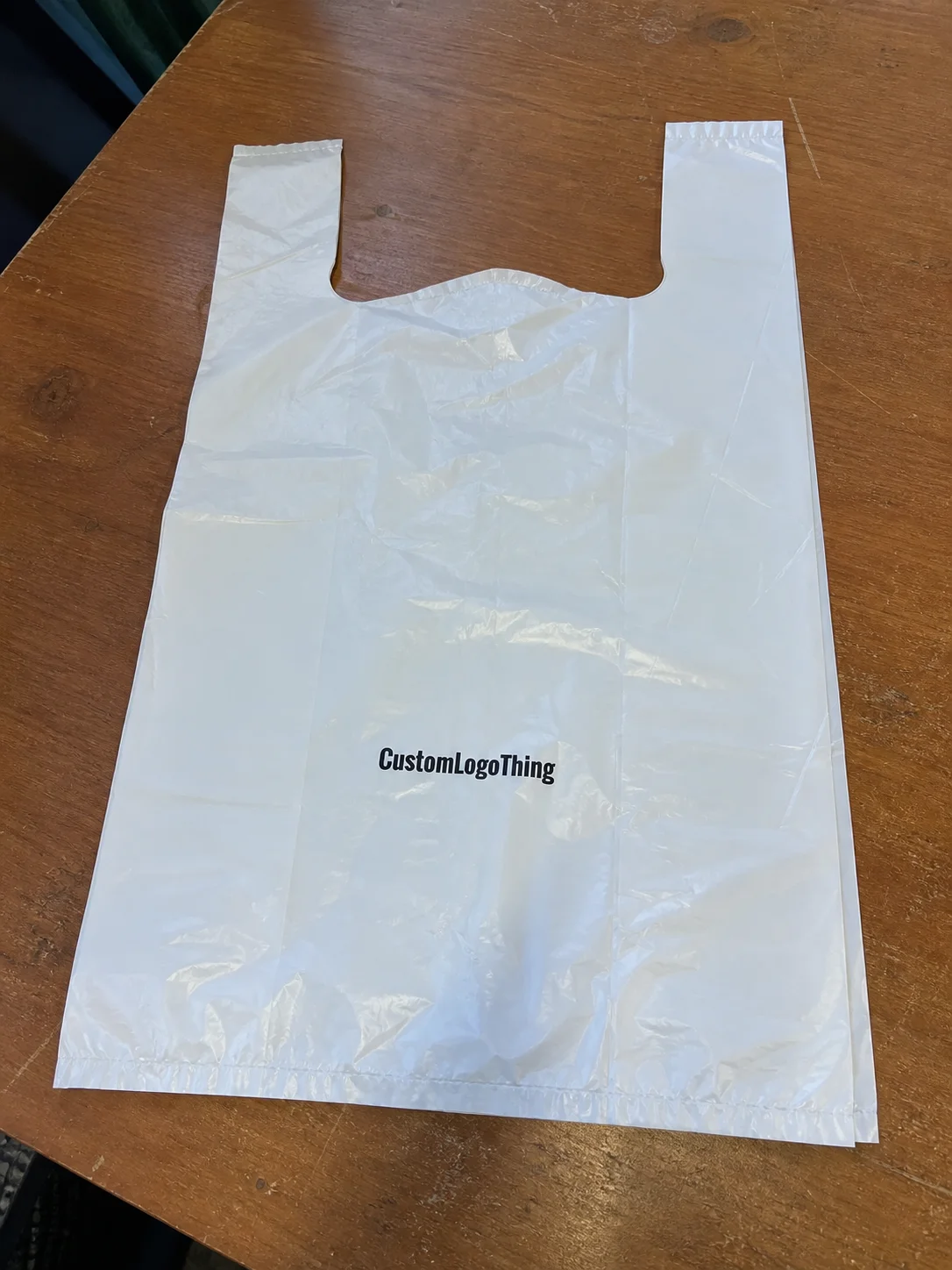
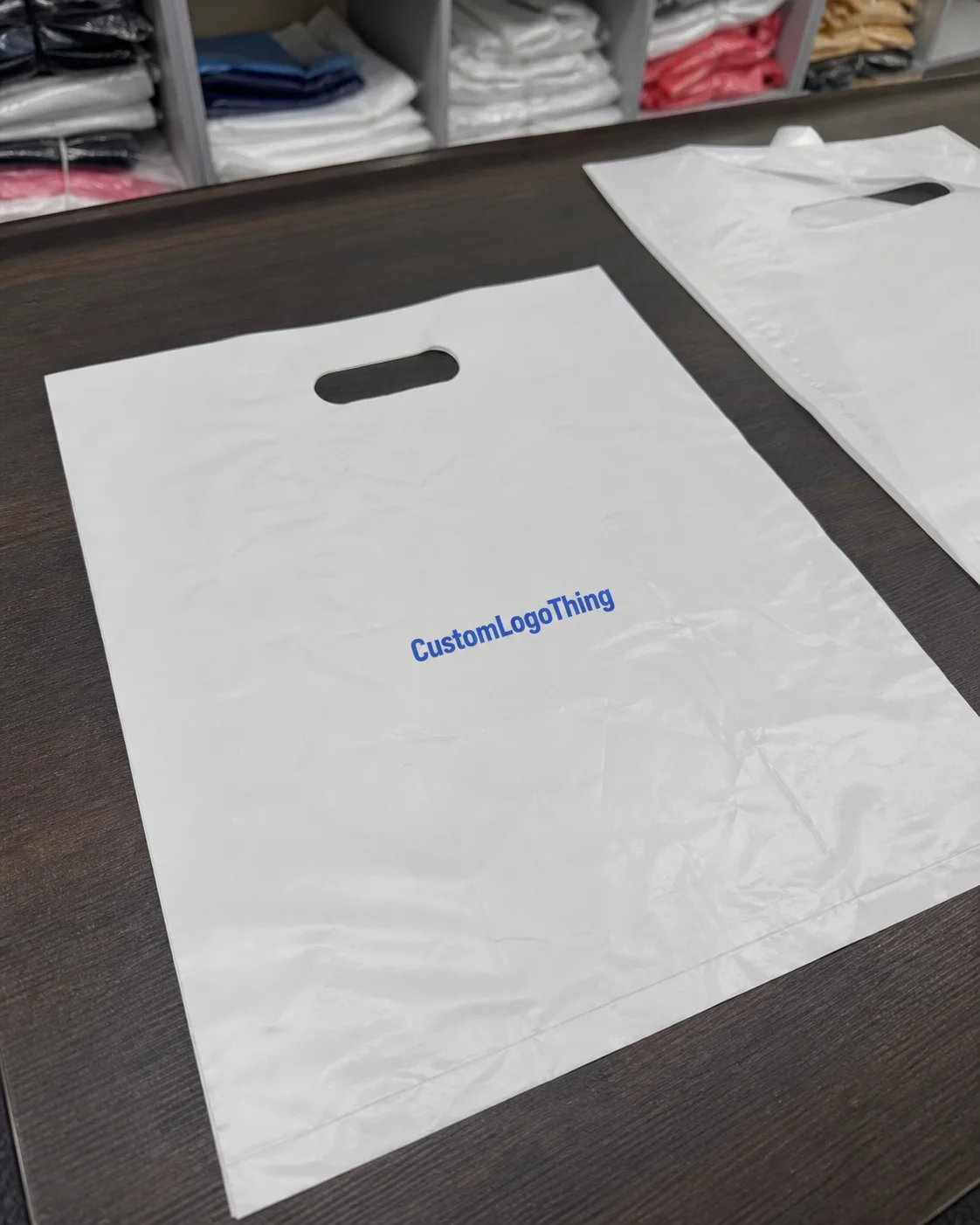
At Custom Logo Things, I’ve seen small apparel brands move from generic mailers to Custom Printed Polyethylene mailers and immediately tighten up their pack station workflow. One client in a fulfillment center outside Dallas cut their pack-out time by about 8 to 10 seconds per order because the team stopped reaching for extra inserts and branding cards just to make the shipment feel finished. That sounds small until you do 1,500 orders a day. If you plan to buy Branded Poly Mailers for ecommerce, the real question is not whether they look better, but whether they fit your shipping operation, your budget, and your product mix. I’m partial to packaging that earns its keep instead of just sitting there looking pretty in a mockup deck.
Why buy branded poly mailers for ecommerce can improve repeat orders
Years ago I watched a packing team in a garment factory in Shenzhen run the same order through two lanes: one with plain gray mailers and one with printed black mailers carrying a sharp white logo. The products were identical, the inserts were identical, and the carton count was identical. Still, the branded bag created a better first impression before the parcel even left the building. The plain mailer looked functional, while the printed mailer looked deliberate, and that difference matters because customers remember the package they can identify in a pile of deliveries. I remember one of the supervisors tapping the branded mailer with two fingers and saying, with a grin, “This one looks like somebody cared.” Hard to argue with that.
If you buy branded poly mailers for ecommerce, you’re not only decorating plastic film. You’re creating a repeated visual cue that tells the customer, “this came from you,” which helps with brand recall, porch identification, and social sharing. I’ve seen that play out with subscription apparel, beauty kits, and lightweight accessories where the buyer may not open the parcel immediately. A logo, a repeat pattern, or even a well-chosen color system gives the package consistency across every order. Honestly, a customer may forget the ad they clicked, but they’ll remember the parcel that looked sharp when it landed on the doorstep.
There is also the shipping side, which people sometimes overlook. Poly mailers are light, flexible, and efficient for soft goods like T-shirts, socks, leggings, scarves, cosmetics pouches, and small textile accessories. Compared with a corrugated box, a mailer usually reduces cube, lowers dimensional weight exposure on many carrier networks, and speeds up packing because the operator isn’t folding flaps or taping seams. If your margin is tight, that efficiency is not cosmetic; it is money. And if you’ve ever watched a tape gun jam three times before 9 a.m., you already know how fast “small” packaging annoyances become real costs.
Honestly, I think one of the biggest mistakes brands make is assuming branding only lives on the website. It doesn’t. It lives on the outer shipper, the one carrier staff touches, the one the customer drags inside, and the one that may sit on a counter at work. When you buy branded poly mailers for ecommerce, you’re buying consistency across that whole journey, and consistency is what makes a small brand look established.
From a measurable standpoint, the value usually shows up in a few places:
- Lower shipping weight than a corrugated carton for soft or flat products.
- Faster pack-out because self-seal mailers need less handling than boxes and tape.
- Better brand recognition through repeat logo exposure and color consistency.
- Less porch confusion when multiple family members receive similar shipments.
- Improved presentation for unboxing, returns, and social media sharing.
When a buyer tells me they want to buy branded poly mailers for ecommerce, I usually ask one simple question: are you shipping a product that benefits from a clean, flat outer wrap, or are you trying to solve a presentation problem with the wrong format? For apparel and light soft goods, poly mailers are often the right answer. For brittle items or high-fragility SKUs, you may still need bubble mailers or a box with void fill. That’s why fit matters more than hype.
“The package is the first physical touchpoint your customer has with the brand. If that touchpoint looks careless, the rest of the experience has to work twice as hard.”
I’ve seen that truth in stock rooms, in 3PL facilities, and in direct brand meetings. The good news is that when you buy branded poly mailers for ecommerce with the right spec, you can improve the unboxing moment without inflating outbound cost. That balance is the whole game.
For brands comparing broader packaging programs, I also point clients to our Custom Packaging Products page and, when they want real operating examples, our Case Studies library. The patterns are consistent: the right outer packaging creates fewer complaints, cleaner receiving, and a more professional shelf presence from the first shipment onward.
Buy branded poly mailers for ecommerce: product details that matter
If you want to buy branded poly mailers for ecommerce intelligently, you need to know what’s inside the spec sheet, not just what the mockup looks like. Most Custom Poly Mailers are made from co-extruded polyethylene film, often a blend of LDPE and LLDPE layers, because that construction gives you a strong outer skin, decent puncture resistance, and a smooth printable surface. Common thicknesses range from about 2.5 mil to 4.0 mil, though some mailers are lighter for cost-sensitive apparel and some are heavier for courier-strength handling. I’ve handled enough film samples to know you can feel the difference immediately; a flimsy bag telegraphs trouble before the first carton even leaves the dock.
On the production floor, the adhesive strip is one of the most important parts. A self-seal closure with pressure-sensitive adhesive needs a clean seal width, usually around 1 to 1.5 inches depending on the mailer size, and it has to hold under warehouse dust, temperature swings, and rough carrier handling. I’ve stood beside a sealing station where the operator kept pressing the flap with the heel of a hand because the adhesive wasn’t tuned right for the film. That is the sort of problem that shows up only after you buy branded poly mailers for ecommerce from a supplier who doesn’t understand transit conditions. And yes, there is a special kind of warehouse silence right before everyone realizes the adhesive is the problem, which is never a fun moment.
Print method matters too. Flexographic printing is common for high-volume mailers because it handles repeat patterns efficiently and keeps logos crisp on polyethylene film. For more complex graphics or tight color control, some suppliers use gravure-style approaches or higher-end print systems, especially when a brand wants full-coverage color, a metallic effect, or a detailed repeat design. The right process depends on your artwork complexity, quantity, and color count. If your design has a lot going on, I’d rather have a supplier tell me the truth than promise the moon and deliver a muddy logo that looks like it got attacked by a copier.
When customers ask me what features they should look for before they buy branded poly mailers for ecommerce, I narrow it down to these practical options:
- Opaque film for privacy and a cleaner brand look.
- Interior black lining to hide the contents and improve security.
- Dual adhesive strips for return-friendly shipping.
- Tear resistance for rougher lanes and longer transit paths.
- Custom color matching to keep branding consistent across orders.
There’s a real difference between standard poly mailers, bubble mailers, and courier-strength mailers. Standard mailers are best for soft goods and low-fragility items. Bubble mailers add cushioning for accessories, small electronics, or items with a little surface sensitivity. Courier-strength mailers use heavier film or reinforcement and make sense when the route is less gentle or the product has a sharper edge. If you buy branded poly mailers for ecommerce without matching the construction to the product, you may save a penny and lose a customer.
I once met a subscription brand shipping knitwear out of a warehouse in New Jersey that was using bubble mailers for every order, even the flat scarves and knit caps. They were paying for cushion they didn’t need. When they switched the scarves to Custom Poly Mailers and kept the bubble mailers only for harder SKUs, their packaging spend dropped and pack speed improved. That is the kind of operational sorting that pays off. It also saved them from that awkward “why are we wrapping a sock like it’s a relic?” feeling that always seems to creep into overbuilt packaging plans.
For brands with sustainability goals, you can also compare recycled content, downgauged film, and supplier documentation. I always tell buyers to ask for written proof, not just a sales claim. If a supplier says the film includes post-consumer recycled content or is optimized for lower resin usage, ask for the spec sheet, the material declaration, and any compliance paperwork tied to that claim. Packaging decisions are too expensive to make on a vague promise.
Poly mailer specifications to compare before you order
Before you buy branded poly mailers for ecommerce, compare the spec sheet line by line. A mailer that looks fine on screen can be wrong in the warehouse if the dimensions, film thickness, or adhesive strength are off by even a little. I’ve seen this happen more than once, usually because someone approved a mockup without checking how the packed product actually folded inside the bag. That’s how you end up with a beautiful mailer that behaves like an irritated accordion.
Start with dimensions. Mailer size should reflect the packed product, not the flat item alone. A folded hoodie, for example, needs enough room for sleeves, an insert card, and a self-seal flap that closes cleanly without stretching the film. If the bag is too large, the product shifts and the parcel looks sloppy. If it’s too small, operators fight the seal and the film can crease or split at the corners. I’ve watched a seasoned packer mutter at an undersized bag like it personally offended him, which, fair enough.
Thickness is next. Poly mailers are often specified in mils or microns. A lighter mailer can work for soft, low-risk SKUs, while a thicker film makes sense for heavier garments or parcels that travel through more abrasive networks. The right choice depends on the product, the shipping lane, and how much handling the parcel gets between origin and final delivery. There is no one thickness that suits every program.
Performance specs should include puncture resistance, moisture resistance, and adhesive performance across expected transit temperatures. I’ve had buyers tell me their mailers were failing in winter sorting hubs because the adhesive was tested only in a warm room, not in a cold dock at 38°F. That kind of issue shows up fast if you ship into northern markets. If you want to buy branded poly mailers for ecommerce and avoid costly returns, ask about the temperature range for reliable closure.
Artwork requirements matter more than many non-print buyers expect. Good suppliers will ask for:
- Bleed for artwork extending beyond the trim area.
- Safe zones so logos don’t get cut too close to the edge.
- PMS color references for predictable brand matching.
- High-resolution files, usually vector art or at least print-quality PDFs.
- Repeat layout approvals for patterns and full-surface coverage.
If you’re comparing suppliers, ask whether they can provide documentation aligned with standards such as ASTM testing methods for material performance, or whether their products can be matched to FSC-associated packaging components where paper inserts or cartons are part of the overall pack. For shipping integrity and pack design references, I also point people to the ISTA site and to The Packaging School and Packaging Institute network at packaging.org, because the test language and packaging education there help buyers ask better questions. Packaging people can be a little obsessive about standards, but I say that with affection; the obsession usually keeps your products from arriving in a crumpled mess.
| Mailer type | Best for | Typical thickness | Key benefit | Tradeoff |
|---|---|---|---|---|
| Standard poly mailer | Apparel, soft goods, flat accessories | 2.5–3.0 mil | Lowest weight and fast pack-out | Less protection for sharp edges |
| Bubble mailer | Small fragile items, cosmetics, electronics accessories | Outer film plus bubble lining | Added cushioning | Higher cost and more bulk |
| Courier-strength mailer | Heavier soft goods, longer transit routes | 3.5–4.0 mil | Better puncture resistance | Higher material and freight cost |
| Dual-seal return mailer | Apparel brands with exchanges | 3.0–4.0 mil | Supports returns and resealing | More complex construction |
If your buying team wants to buy branded poly mailers for ecommerce with fewer surprises, compare the size, film grade, seal width, print area, and closure style in one sheet. That is how experienced packaging teams avoid misalignment between marketing, procurement, and the warehouse.
Pricing, MOQ, and what affects your landed cost
Pricing can be straightforward once you understand what drives it. When buyers ask me to help them buy branded poly mailers for ecommerce, I start with the material, the print complexity, the bag size, and the order quantity. Those four items do most of the heavy lifting in the quote. Everything else, including freight and packaging configuration, fills in the rest. I’ve seen people fixate on a tiny unit-price difference while ignoring the bigger cost hidden in freight, and that always makes me wince a bit.
Material grade matters first. A 2.5 mil standard mailer is not priced the same as a 4.0 mil courier-strength version, because resin usage changes and the film line has to run differently. Print complexity comes next. A one-color logo on a limited area costs less than a full-coverage pattern with four colors, a return panel, and a custom interior. Add metallic ink or special opacity, and the setup becomes more involved. That’s just the reality of press work; the machine doesn’t care how urgent the marketing deck was last Tuesday.
MOQ stands for minimum order quantity, and it usually reflects the setup effort on the press. In plain terms, the more custom the design, the more units you usually need to justify production. A simple one-color print on a standard-size mailer may allow a lower MOQ than a fully wrapped pattern with multiple colors. That is normal. It is also why buyers who want to buy branded poly mailers for ecommerce should ask about MOQ before artwork is finalized.
Here’s a practical way I explain cost ranges, based on typical production logic rather than a one-size-fits-all promise:
- Simple stock-size custom print: lower unit cost, lower setup complexity.
- Mid-volume multi-color mailer: moderate unit cost, more press time.
- Full-coverage branded mailer: higher unit cost, more design impact.
- Return-strip or specialty construction: higher cost due to extra material and assembly steps.
Unit price is only part of the story. Setup costs, plate charges, proofing, packaging, and freight all affect landed cost. I’ve seen buyers celebrate a $0.09 unit price only to discover the freight and setup pushed the final cost much higher than expected. If you want to buy branded poly mailers for ecommerce with clean budget control, ask for a landed-cost view, not just a per-piece quote.
For reference, a pilot run of custom mailers might make sense if you’re changing artwork, testing a new bag size, or validating a fulfillment workflow. A larger production lot usually brings the unit price down, but only if your storage space and forecast can support it. One brand I worked with in a Chicago warehouse saved 14 percent on unit cost by increasing volume, yet they ended up using pallet space they had not budgeted for. Price matters, but so does inventory reality.
Bundling sizes can also improve production scheduling. If you need three mailer sizes each quarter, it may be smarter to order them together so the press setup is shared more efficiently. Some brands even coordinate recurring replenishment to keep a steady rhythm with the factory. That can reduce rush fees and reduce the odds of stockouts. If you want to buy branded poly mailers for ecommerce repeatedly, consistency in ordering can be as valuable as the unit discount.
For buyers who care about environmental claims, a lower-resin design or recycled-content film may cost more or less depending on source availability and the supplier’s line configuration. Ask for documentation. Ask for certifications. Ask how claims are verified. And if the supplier can’t explain the difference between a marketing statement and a production specification, keep looking.
Ordering process and timeline for branded poly mailers
The smoothest way to buy branded poly mailers for ecommerce is to come prepared. A good supplier can quote quickly if you send the size, quantity, print colors, delivery location, and whether you need a return-strip style or a standard self-seal. If you leave those details vague, the quote will be vague too, and that slows the whole job down. I’ve watched inboxes fill up with “just send us a price” requests, and they usually bounce right back with more questions than anyone wanted to answer.
Here’s the process I’ve seen work best in real production environments: inquiry, quote, artwork review, digital proof, approval, manufacturing, quality control, packing, and shipment. Some suppliers compress these steps, but the underlying sequence is similar. If the artwork is print-ready and the size is clear, the turnaround is faster. If the design needs cleanup or the branding team keeps revising the logo placement, the timeline stretches.
A realistic sample or proof cycle often takes a few business days, depending on file quality and how many rounds of revision the brand requests. Production timing then depends on quantity and print complexity. Simpler jobs can move quickly once approved, while large full-color runs need more press time and inspection. I’ve seen a clean one-color order ship faster than a messy multi-color design that kept needing redraws. There’s a special kind of frustration in that situation, because the production crew can usually feel the delay before the office team even sees it in the calendar.
When you buy branded poly mailers for ecommerce, ask for a prepress review before the design is locked. That review should catch low-resolution images, missing dielines, artwork outside safe zones, and incorrect color references. It sounds basic, but half the delays I’ve seen on factory floors come from files that looked fine on a laptop and failed on press. A vector logo and a clear layout sheet save days.
Logistics planning matters too. Some ecommerce brands need staggered deliveries, especially if they ship from multiple warehouses or if the new bag launch has to land in phases. Others need direct-to-warehouse drop shipments so the packaging arrives where the fulfillment team can use it immediately. If you’re planning to buy branded poly mailers for ecommerce across multiple nodes, tell the supplier up front. That affects carton labeling, pallet configuration, and freight routing.
One client in a third-party fulfillment center in Tennessee wanted split deliveries because they were testing two product lines. The artwork was the same, but the bag sizes were different. We arranged separate pallet counts and staged inbound timing so the warehouse could start with the small run first. That kind of detail prevents confusion at receiving, and it keeps operations calm. Calm is underrated in fulfillment; anyone who has had to untangle mislabeled pallets at 6:30 a.m. will agree.
Why choose Custom Logo Things for branded poly mailers
Custom Logo Things brings factory-level packaging knowledge to a category that often gets oversimplified. When you buy branded poly mailers for ecommerce through a team that understands film extrusion, print control, and adhesive application, you get better direction from the start. That matters because a mailer is not just a bag; it is a production item that has to perform on a packing line, survive transit, and present the brand cleanly to the customer.
I like working with buyers who want practical answers rather than sales language. If your product is a folded knit, I’ll tell you to consider a mailer with enough width so the seal doesn’t fight the product. If your branding depends on exact color matching, I’ll tell you to build in time for proofing and press adjustment. If your fulfillment team needs faster pack-out, I’ll point you toward a spec that closes cleanly and doesn’t require extra tape or void fill. That kind of advice may sound plain, but plain is good when you’re trying to keep a warehouse from turning into a circus.
What customers usually appreciate most is consistency. The right supplier helps keep print registration tight, seal performance stable, and color matching closer from reorder to reorder. That matters when you launch a new collection in March and reorder the same bag in July. Brands don’t want their mailers looking different every time they replenish. When you buy branded poly mailers for ecommerce, repeatability is part of the product.
We also help with the practical side of the order, not just the artwork. That means spec recommendations, size selection, file cleanup, and advice on whether a return-strip build is worth the extra cost. If you need to balance appearance with shipping efficiency, that conversation usually saves time and reduces errors.
In plain terms, the value is not hype. It is fewer surprises, clearer specs, and packaging that works where it matters most: the packing table, the shipping dock, and the customer’s first touchpoint. That’s why many ecommerce teams prefer to Custom Poly Mailers through a supplier who has actually seen the production side of the business, not just the mockup side.
If you want a stronger sense of how packaging choices affect order flow and brand perception, our Case Studies section shows several examples where packaging adjustments reduced complaints, simplified fulfillment, and improved the customer handoff. I’ve seen enough floors and enough bruised shipments to know the difference between “looks nice” and “works well.” You need both, but the working part comes first.
What should you check before you buy branded poly mailers for ecommerce?
Before you buy branded poly mailers for ecommerce, check the items that can quietly change the outcome of the whole project: packed dimensions, film thickness, seal width, print area, closure style, and freight destination. That short list usually tells you whether a supplier can make the bag you need without forcing the warehouse to fight the packaging.
In practice, the fastest approvals happen when the brand has a packed sample on hand. A sample lets the supplier confirm the true width, height, and thickness once the garment or accessory is folded the way it will ship. I’ve watched a one-inch difference save an entire order from becoming a headache, and I’ve watched a missed fold line make an otherwise good bag too snug to seal properly. Packaging is like tailoring; small adjustments change the fit more than most buyers expect.
If the order is brand-critical, ask for a digital proof and, if time allows, a preproduction sample. That proof should show logo placement, seam alignment, color references, and any return-strip layout. If the supplier sends a vague image with no dimensions, keep asking. When you buy branded poly mailers for ecommerce, clarity early in the process prevents expensive surprises later.
Next steps to buy branded poly mailers for ecommerce
If you are ready to buy branded poly mailers for ecommerce, start by gathering the numbers that actually matter: product dimensions, monthly volume, logo files, target ship date, and any return-mailer requirement. If you know your average packed size, include that, not just the flat garment measurement. That one detail avoids a lot of quoting mistakes.
If you are unsure about size, ask for two or three options and compare them side by side. I’ve done this many times with apparel and accessory brands, and the right choice is not always the one that looks cheapest on paper. A slightly smaller mailer may reduce postage and movement in transit, while a slightly larger one may speed packing if the product has bulk. The answer depends on the item and the lane.
If your artwork is changing, or if you’re switching film thickness, I recommend starting with a proof or a short run before committing to a larger production lot. That is especially useful if the brand is new to custom packaging or if the fulfillment workflow is still being adjusted. You can always scale after the first run, but it is harder to undo a bad specification after 20,000 units are printed.
As a final practical check, make sure your supplier can explain the numbers in the quote. Ask what portion is setup, what portion is material, and what portion is freight. Ask about lead time from proof approval. Ask whether the mailers are standard or return-friendly. If the answers are clear and the spec sheet is complete, you are in a much better position to buy branded poly mailers for ecommerce with confidence.
My honest advice is simple: compare specs, confirm pricing, and lock in production once the fit is right. That’s the cleanest way to buy branded poly mailers for ecommerce without wasting money on the wrong bag or slowing down the warehouse. When the size, print, and schedule all line up, the mailer does its job quietly, and that is exactly what good packaging should do.
FAQ
How do I choose the right size when I buy branded poly mailers for ecommerce?
Measure the packed product, not just the flat item, and leave room for folds, inserts, and a clean self-seal closure. The best fit is usually the smallest mailer that does not force the product, because oversized bags can raise postage and let the contents shift during transit.
What print method is best for branded poly mailers for ecommerce?
Flexographic printing is commonly used for efficient repeat production and strong brand graphics on polyethylene film. The best method depends on artwork complexity, number of colors, and order volume, so the supplier should match the process to the job instead of forcing one method on every design.
What is a normal MOQ when I buy branded poly mailers for ecommerce?
MOQ varies by size, print complexity, and film specification, but custom orders usually require enough quantity to cover setup and press time. One-color or standard-size mailers often have lower MOQs than full-coverage or multi-color designs.
How long does production usually take for custom ecommerce mailers?
Timing depends on proof approval, artwork readiness, and order size, with faster turnaround when files are print-ready and specs are finalized. Complex designs, special finishes, and larger quantities usually add time before shipment.
Are branded poly mailers suitable for returns and exchanges?
Yes, if you choose a dual-adhesive return-strip construction that allows customers to reseal the mailer after opening. That is especially useful for apparel and lifestyle products where exchanges are common and the return experience needs to stay neat.