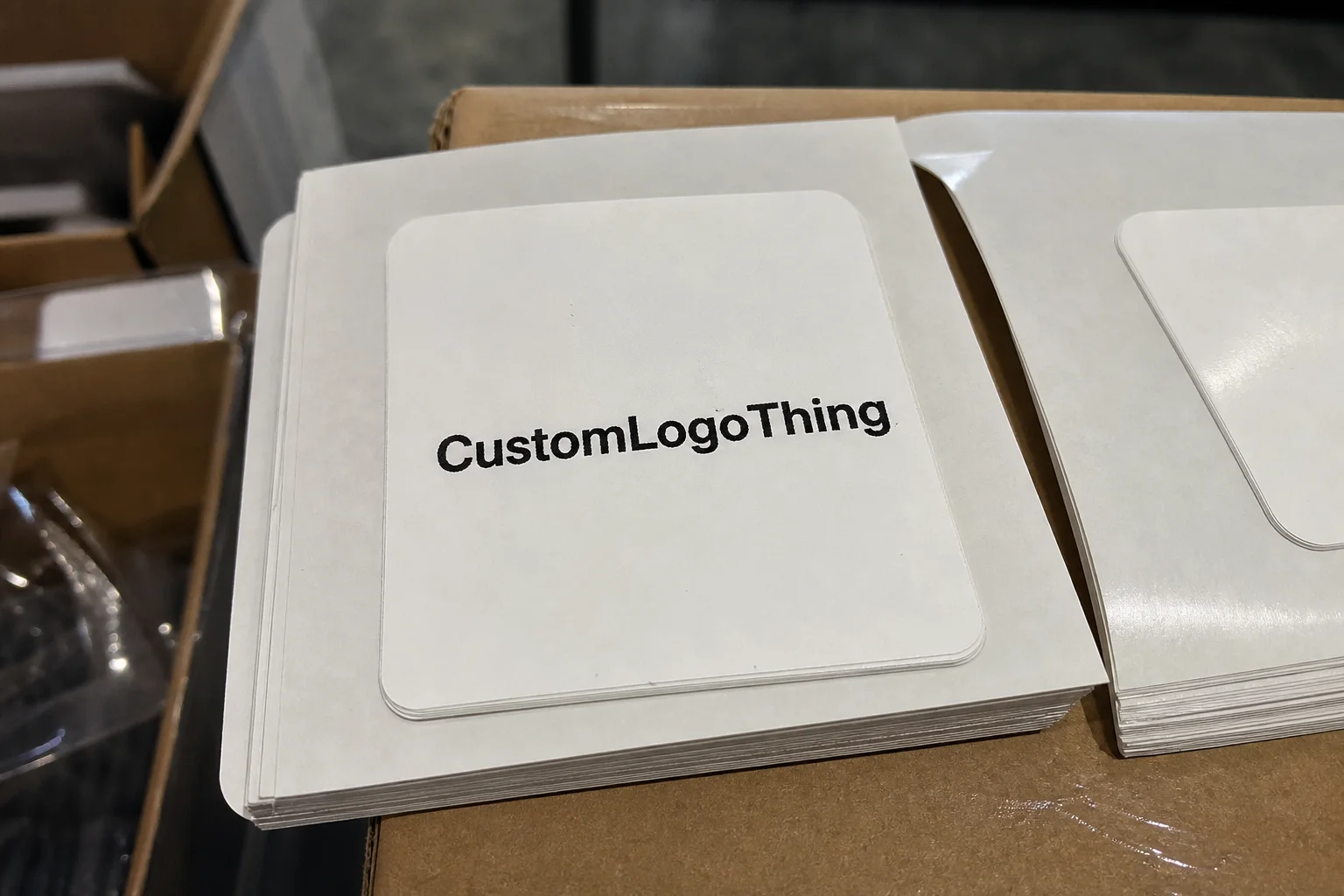
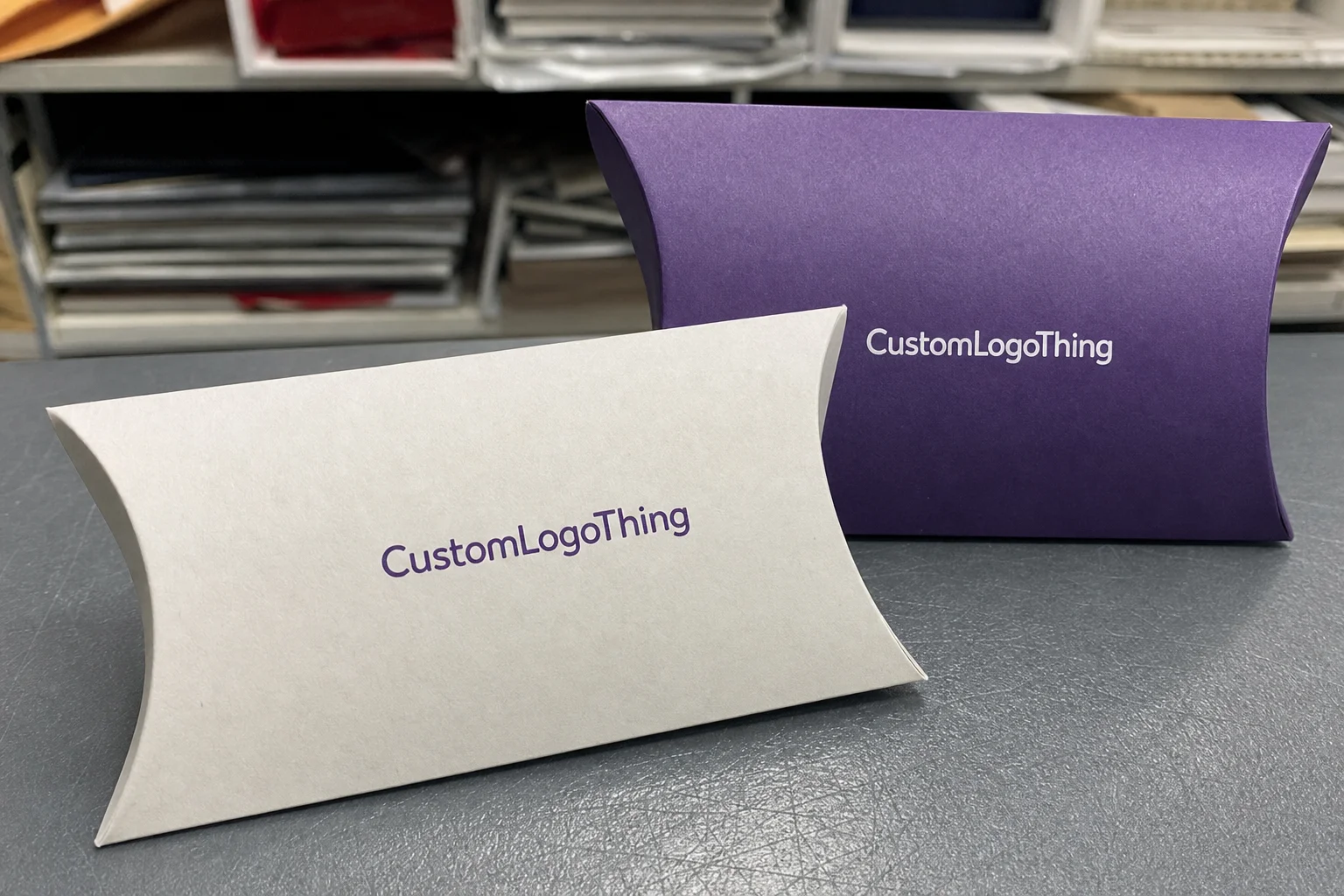
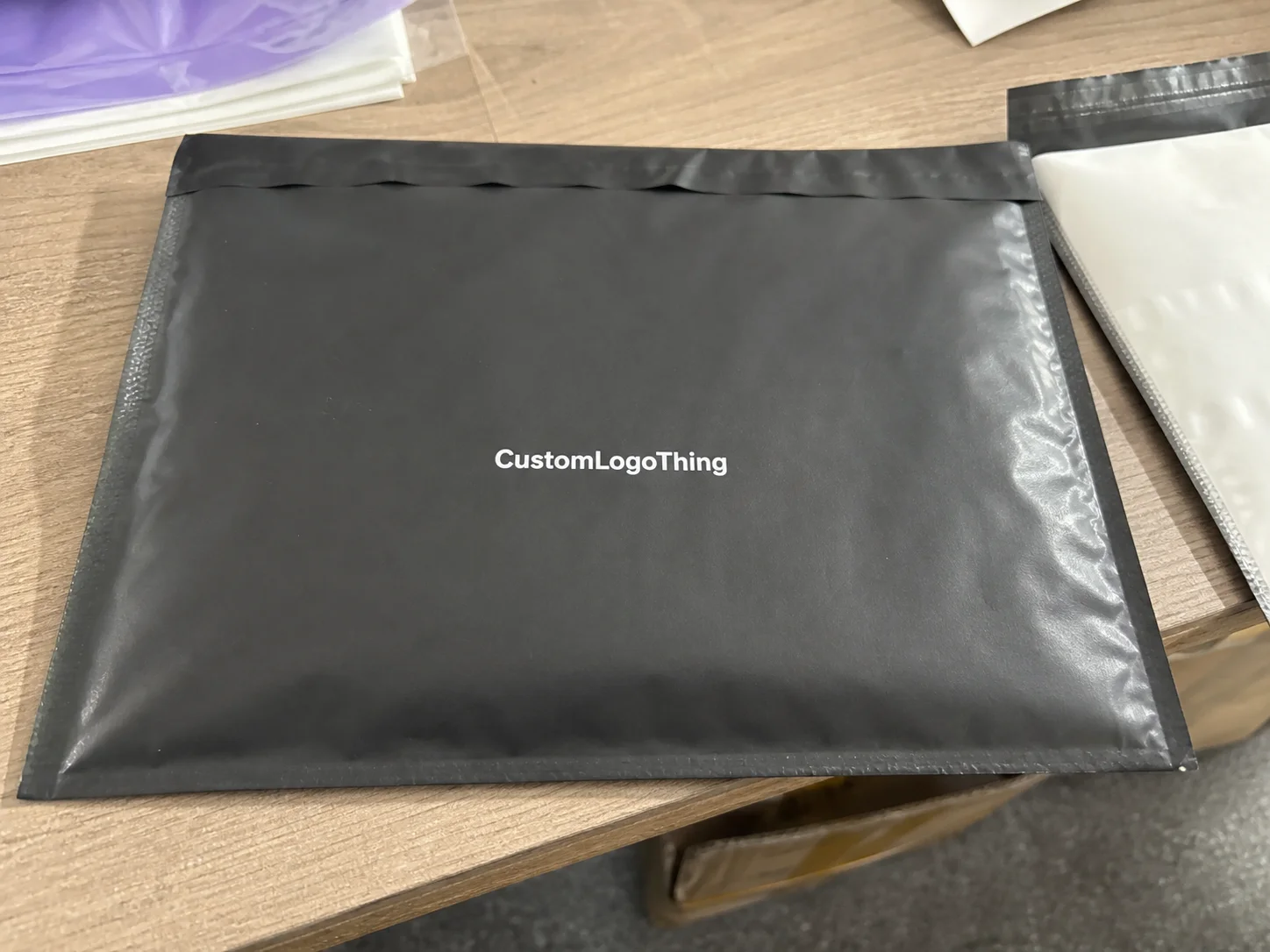
Buyer Fit Snapshot
| Best fit | Custom Printed Poly Bags projects where brand print, material claims, artwork control, MOQ, and repeat-order consistency need to be specified before quoting. |
|---|---|
| Quote inputs | Share finished size, material target, print colors, finish, packing count, annual reorder estimate, ship-to region, and any compliance wording. |
| Proofing check | Approve dieline scale, logo placement, barcode or warning zones, color tolerance, closure strength, and carton packing before bulk production. |
| Main risk | Vague material claims, crowded artwork, missing packing details, or unclear freight terms can make a low unit price expensive after revisions. |
Fast answer: Custom Printed Poly Bags: What They Are and How They Work should be specified like a repeatable production item. The safest quote records material, print method, finish, artwork proof, packing count, and reorder notes in one written spec.
Production checks before approval
Compare the actual filled-product size with the drawing, then confirm tolerance on folds, seals, hang holes, label areas, and retail display edges. Reserve space for logos, QR codes, warning copy, and material claims before decorative graphics fill the panel.
Quote comparison points
Review material grade, print process, finish, sampling route, tooling charges, carton quantity, and freight assumptions side by side. A quote is only useful when the supplier can repeat the same color, closure quality, and packing count on the next order.
Custom Printed Poly Bags: A Simple Definition and Why They Matter
I’ve stood on enough packaging floors in New Jersey, Guangdong, and northern Illinois to know this: a lot of brands still think custom printed poly bags are just a plain shipping pouch with a logo slapped on top. That misses the real job, and honestly, it misses the fun part too. I remember watching a buyer in a busy fulfillment center in Edison, New Jersey, pick up a bagged garment, read the print on the seam side, and decide in under five seconds whether the brand felt premium or disposable. Five seconds. That was all it took. That is the part people forget. custom printed poly bags are often the first branded touchpoint customers actually handle, not the box, not the insert, not the thank-you card.
In plain language, custom printed poly bags are flexible polyethylene packages printed with branding, product information, warnings, sizes, barcodes, instructions, or promotional graphics. They may be made from LDPE, HDPE, or a coextruded blend, and they may be flat, gusseted, wicketed, or resealable depending on the product and the operation. A common retail spec is 1.5 mil LDPE for apparel, while a utility spec may use 2.0 mil HDPE for light industrial parts. The bag protects the item from dust, moisture, scuffing, and handling damage, while also carrying the message that tells the customer what they’ve bought and who made it.
There’s a difference between a stock poly bag, a plain poly mailer, and a fully custom printed format. A stock bag is usually clear or milky with no imprint. A plain mailer might have a single adhesive strip and standard sizing, but no branding. custom printed poly bags start becoming truly custom once the film, dimensions, closure, graphics, and performance details are specified around the product and the workflow. That is where packaging design and product packaging stop acting like separate ideas and start working together like they actually belong in the same room.
These bags show up everywhere: apparel runs with size callouts, ecommerce fulfillment with return-friendly mailers, food-safe packaging for dry goods, industrial parts that need part numbers and warnings, and promotional kits where package branding has to do a lot of heavy lifting. I’ve seen a small accessories brand in Los Angeles use custom printed poly bags to replace a separate swing tag, which shaved 7 seconds off packout per unit and saved about $3,500 across a quarter at 18,000 units. That’s not glamorous, but in a real warehouse, 7 seconds matters. A lot more than people think, in fact.
Honestly, I think the best way to think about custom printed poly bags is this: the bag is doing two jobs at once. First, it protects the product. Second, it sells the brand before the customer even gets to the product itself. That’s why I always treat it as branded packaging, not just a shipping consumable. If the bag feels flimsy or looks off, the customer feels that, even if they never say it out loud. A 12" x 16" bag in 1.25 mil film can look perfectly fine on a quote sheet, but if the seam splits on a crowded loading dock in Atlanta, the brand impression is already gone.
How Custom Printed Poly Bags Are Made
The manufacturing path for custom printed poly bags starts with resin selection, and the resin choice is not some minor detail. LDPE, or low-density polyethylene, tends to feel softer, clearer, and more flexible, which is why I see it used often for retail packaging, garment bags, and items that need a cleaner presentation. HDPE, or high-density polyethylene, is thinner for its strength, has a crisper feel, and is often chosen for light-duty utility packaging or mailer-style applications where stiffness helps. Then there are coextruded structures, which combine layers to improve strength, print performance, or puncture resistance without overbuilding the film. I still get a little nerdy about that part because the resin really does shape everything that comes after it.
From there, the film is extruded, cooled, wound into rolls, and converted into the final bag format. On one line I visited in Shenzhen’s Longhua District, the operator was checking film gauge every few rolls with a micrometer because a variation of even 3 to 5 microns can affect seal performance, especially once the bag is filled and handled in transit. After extrusion comes printing, then cutting, sealing, and packing. The sequence sounds straightforward, but each stage has its own tolerance stack, and that’s where quality is won or lost. I’ve watched a “tiny” film drift turn into a huge headache downstream, which is manufacturing’s favorite little prank.
Printing methods matter a great deal for custom printed poly bags. Flexographic printing is the workhorse for many mid- to high-volume jobs because it handles repeated runs efficiently and gives consistent color across long production lengths. Gravure is often used for very high volumes when image richness and repeatability justify the cylinder cost, which is why it still shows up in large factories around Dongguan and Foshan. Digital printing can be a better fit for shorter runs, seasonal graphics, or jobs with variable data, though the economics shift as quantities rise. I’ve had buyers fixate on print method alone, but the right choice always depends on quantity, artwork complexity, and the desired finish. Method matters, yes, but not in a vacuum.
Artwork prep usually begins with separations, spot colors, and file cleanup. If a logo has a red gradient fading into black, that may be possible, but the production team needs to know whether the press can reproduce it cleanly on polyethylene film. A good supplier will prepare proofs showing color placement, seam locations, print repeat, and any panels affected by gussets or zipper tracks. I always tell customers that proofing is not a formality; it is the point where a good idea becomes a manufacturable specification. Skip that step and you are basically asking the factory to read your mind, which, from experience, is a terrible business plan. One customer in Ohio approved a proof with 4 mm of text sitting on a seal area, and the reprint added 6 business days and $180 in remake charges.
After printing, the bag may be finished with features like gussets for extra volume, zipper closures for resealability, hang holes for retail display, perforations for easy opening, or tear notches for a cleaner consumer experience. Each of those adds functional value, but each also changes the tooling, the film layout, and sometimes the cost. On the line, quality checks typically include seal strength, ink adhesion, registration, film gauge consistency, and visual inspection for smudges or pinholes. For brands with strict requirements, I’ve seen suppliers test against packaging standards tied to ISTA shipping tests or ASTM-related material checks, especially if the bag is part of a larger transit pack. A lot of those checks happen in factories around Suzhou and Shenzhen, where a single failed seal sample can stop a line for 20 minutes while the operator resets heat and dwell time.
For reference, industry bodies like the International Safe Transit Association and organizations focused on sustainable sourcing such as the Forest Stewardship Council are useful benchmarks when your packaging system includes secondary materials, inserts, or cartons. Poly bags themselves are not FSC products, of course, but the broader packaging program often is. I’ve found those standards helpful when a client wants the whole package ecosystem to make sense, not just one piece of it. A factory in Xiamen may print the bags, while the cartons come from a converter in Vietnam, and those cross-border specifications need a common language.
Key Factors That Affect Cost, Quality, and Pricing
Pricing for custom printed poly bags usually comes down to six big variables: bag size, film thickness, material type, print colors, order quantity, and special finishing. A 10" x 14" bag in 1.25 mil LDPE with one-color print is a very different job from a 14" x 20" gusseted bag in 2.5 mil coextruded film with four colors and a zipper. That sounds obvious, but I still see people compare quotes as if all bags are interchangeable. They are not, and the quoting process tends to punish anyone who pretends otherwise.
Plate setup and color count can swing cost more than most buyers expect. On flexographic and gravure runs, each additional color means extra setup, extra registration control, and more time on press. If you want a sharp black logo, one PMS spot color may be enough. If you want a full-wrap design with gradients, fine type, and several Pantone matches, the price climbs because the pressman has to manage more variables. I’ve sat in cost meetings where a buyer wanted a six-color print on a 4,000-piece order and then wondered why the quote landed at $0.24 per unit instead of $0.15. The math simply doesn’t work that way, no matter how politely someone asks.
Minimum order quantities also matter. Larger runs usually lower the per-bag cost because the fixed setup expense gets spread across more pieces. For example, a 5,000-piece run of a 12" x 15" 1.5 mil LDPE bag might land around $0.18 per unit, while a 25,000-piece run of the same spec could drop closer to $0.11 per unit because the setup is already absorbed. That is why custom printed poly bags are often priced as a system, not as a simple commodity item. The factory is not just making a bag; it is making a bag plus setup, color control, and production time.
There is always a tradeoff between clarity, durability, barrier performance, and budget. Thin HDPE may look efficient on paper, but if your product has sharp corners, it may puncture in transit and cost more in returns. Thicker film can feel safer, but it may not fit on the packing line or may raise material cost more than expected. I’ve seen apparel clients save money by reducing gauge from 2 mil to 1.5 mil after testing in a warehouse in Columbus, while an industrial fastener customer in Pittsburgh went the opposite direction after a dozen field failures. The right answer depends on the product, the route, and the way the bag gets handled.
Artwork complexity is another real cost driver. Full-coverage prints, hard gradients, very fine text, and logos that bleed to the edge can all add risk. On polyethylene film, especially glossy film, fine copy can feather if the ink laydown is too heavy or the registration drifts. That means the supplier may need tighter control, better proofs, or slower line speed. Compliance needs can also add costs. Food-contact applications, warning labels, or regulated product messaging may require documentation or testing. If the order touches food service or medical supplies, I tell buyers to budget a little extra for paperwork, because paperwork is not free even when it feels invisible. A lot of suppliers in Jiangsu will quote a separate compliance file fee of $35 to $120 depending on the document set.
| Option | Typical Strength | Print Flexibility | Best For | Relative Cost |
|---|---|---|---|---|
| Plain stock poly bag | Standard | None | Basic storage and internal handling | Lowest |
| Custom printed poly bags, one color | Standard to medium | Simple logo, text, part numbers | Apparel, ecommerce, light retail packaging | Moderate |
| Custom printed poly bags, multi-color | Medium to high | Brand graphics, warnings, sizing, barcode zones | Retail packaging, promotional kits, branded packaging | Higher |
| Specialty printed film with closures | High | Full design with zipper, perforation, gusset | Premium product packaging, multi-use storage | Highest |
The cheapest bag is not always the least expensive choice. If a bag tears during packing, fails a seal test, or prints so poorly that the receiving team cannot scan the barcode, the hidden costs show up fast in labor, rework, and freight claims. That’s why I always push buyers to look at total cost, not just unit cost, especially with custom printed poly bags that sit between product packaging and logistics. A bargain that causes three extra headaches is not really a bargain; it’s just a delay wearing a discount sticker. I have seen a 20,000-piece order in Dallas save $260 on paper and lose nearly $900 in rework because the artwork sat too close to the side seam.
Custom Printed Poly Bags Process and Timeline: From Quote to Delivery
The process for custom printed poly bags usually starts with a request for quote, but the quality of that quote depends on the quality of the information you send. I always tell buyers to prepare dimensions, bag style, film preference, thickness, print colors, quantity, artwork files, intended use, and any compliance language before they ask for pricing. If you send a logo and say “we need some bags,” the supplier has to guess at too many variables, and guessing slows everything down. It also invites the wrong recommendation, which is how projects start drifting before they’ve even begun.
Once the specs are in hand, the supplier can recommend a construction. That may mean a flat bag for apparel folding, a gusseted design for bulky goods, or a resealable style for items that customers may open and close multiple times. Then comes the proofing stage. The proof is where logo placement, copy accuracy, legal text, and barcode zones are checked. I have seen one misplaced warning line cost an entire production slot because it had to be reproofed after the customer’s legal team spotted it too late. That delay had nothing to do with the press and everything to do with incomplete approval. Nobody likes sending that email.
Tooling and plates can affect lead time. Flexographic work may require plates, and gravure requires cylinders, both of which introduce setup steps before the first bag is produced. A typical flexo plate set for a three-color bag might add $150 to $300 in prepress cost, while gravure cylinders can climb far higher on larger image-repeat jobs. Digital print can shorten some of that time, but it has its own constraints on film type, color range, and price-per-piece. After approval, the job moves into production scheduling. If the line is already booked with a larger run, your order may wait its turn. Rush orders can happen, but they often require sacrifices in flexibility, and not every construction can be rushed without risking quality.
In a typical workflow, I’d expect the timeline to include quoting, proofing, setup, production, inspection, boxing, palletizing, and freight planning. For a straightforward job with approved artwork, many custom printed poly bags projects land in the range of 12 to 15 business days from proof approval to shipment, although that can stretch if the artwork is complex, if the order is large, or if the shipment requires special handling. International freight, customs clearance, and carton labeling can also add time. A factory in Shenzhen may finish a 10,000-piece run in 4 production days, but ocean freight to Los Angeles can still add 18 to 24 days on top. The practical lesson is simple: clear specs save days.
Here’s the part most buyers underestimate. The end of the production line is not the end of the process. Bags need to be counted, boxed, palletized, and shipped in a way that preserves print quality and prevents corner crush. A pallet of printed film stored under a leaky dock roof can ruin the entire job. I saw that happen once at a Midwest distribution center in Indiana, where a summer storm warped cartons and softened the outer wraps. The bags themselves were fine, but the packaging around the bags was not, and that became a claims discussion nobody wanted. I still remember the look on the warehouse manager’s face—equal parts disbelief and regret.
For companies that are also ordering other Custom Packaging Products, it often helps to line up bag production with carton and insert schedules so the receiving dock sees one coordinated delivery instead of three separate arrivals. If your operation uses Custom Poly Mailers too, it can be smart to harmonize artwork, size naming, and warehouse labeling so your team is not learning a new system for each product line. A buyer in Chicago who does both apparel bags and mailers told me that aligning SKUs across the two programs cut receiving time by 11 minutes per pallet.
How to Choose the Right Custom Printed Poly Bags for Your Product
Choosing the Right custom printed poly bags starts with the product itself. What does it weigh, what shape is it, and how will it be handled? A folded T-shirt, a box of screws, a frozen food pouch, and a medical kit all need different bag styles even if the logo artwork looks similar. Flat bags work well for simple profiles. Gusseted bags are better for extra volume. Wicketed bags help on high-speed lines. Resealable styles make sense when the customer or warehouse needs repeated access, especially in a facility moving 1,200 to 1,800 units per shift.
Gauge selection is one of those decisions that sounds boring until it goes wrong. A thinner film may be efficient and easier to store, but if the item has a sharp edge or a heavy corner, it can puncture during transit. A thicker film adds strength and a more premium feel, but it can cost more and may not suit every packing machine. I have seen one apparel company move from 1.25 mil to 1.5 mil simply because the zipper pulls on bundled garments were scuffing the prior film in the polybagging process. That tiny change saved a lot of customer complaints and a few very annoyed emails, and it only added about $0.01 to $0.02 per unit on a 10,000-piece order.
Print design matters just as much as structure. Flexible film is not cardstock, and it does not reward tiny serif fonts or delicate line work. For custom printed poly bags, strong contrast, readable type, and a sensible safe zone near seals, folds, and gussets usually produce the best results. If the logo sits too close to a fold, it can disappear when the bag is loaded. If text sits too close to the edge, the trim can clip it. A good packaging design plan treats the bag like a 3D surface, not a flat poster. On a 14" x 18" gusseted bag, I usually recommend keeping critical copy at least 12 mm from any seal zone.
Sustainability comes up in almost every buyer conversation now, and rightly so. Downgauging the film, choosing recycled-content options where appropriate, and reducing unnecessary bag size are all practical ways to cut material use without hurting performance. I’m careful here because not every sustainability claim holds up under real warehouse conditions. If a lighter film tears and creates waste, that is not a win. Better source reduction means less material, but still enough strength to do the job. That balance is where experienced suppliers earn their keep, especially in converters working with post-consumer recycled content from facilities in California and Pennsylvania.
Across different industries, the application changes fast. Apparel brands often want clarity and a clean brand window. Hardware customers need durability and part identification. Food service buyers may need odor control, proper labeling, and secure closure. Medical supply packaging often has stricter documentation requirements and very careful lot coding. Ecommerce fulfillment teams usually want speed, clean loading, and reliable seals. The same phrase, custom printed poly bags, covers a lot of ground, but the actual specification should be built for the operation, not for a catalog page. I wish more sales sheets said that plainly.
Common Mistakes People Make With Custom Printed Poly Bags
The first mistake is ordering custom printed poly bags on price alone. I get it. Budgets are real. But if the film is too thin, the seal is inconsistent, or the print is weak, the low bid turns into a higher total cost after rework, returns, and labor. In one supplier negotiation I sat through, a buyer saved less than two cents per bag and then spent three times that amount handling damaged shipments. That’s a painful lesson, and it happens more often than people admit. I still remember the silence in the room when the real numbers got written on the whiteboard.
Another common issue is sending artwork that is too low in resolution or not built in a print-friendly format. Logos pulled from a website can look fine on a screen and awful on a bag. Vector files are usually better because they scale cleanly. If the job needs precise text or a barcode, the file needs to be treated like production artwork, not a marketing thumbnail. Misregistration is another trap. If the graphics are too fine or the color separation is off, the print can drift and blur on the flexible film. A 300 dpi raster image that looks sharp on a laptop can still fail once it is stretched across a 16-inch panel.
People also forget gussets, seam allowances, zipper tracks, and heat-seal zones when they lay out artwork. I’ve seen a customer approve a beautiful design only to learn later that their legal copy sat directly where the bottom seal needed to land. The result was a redesign, another proof, and a week lost. That is why experienced packaging teams build around the bag geometry from day one. The bag does not care how pretty the layout looked in a presentation deck.
Too many print colors can be another headache. More colors usually mean more setup, more matching, and more chances for visible variation. If your brand can work with two carefully chosen spot colors instead of four or five, the job may run cleaner and cost less. There is nothing wrong with bold branding, but on polyethylene film, simple often prints better than complicated. That applies to custom printed poly bags just as much as it does to custom printed boxes or folded cartons. One 2-color run I saw in Austin looked better than a 5-color version because the simpler layout gave the ink room to breathe.
Testing is also frequently skipped. A bag that looks right on a drawing may fail in actual use if the product has edges, if the packer loads it a certain way, or if the warehouse environment is cold and dry. I always recommend test-fitting with the real item before placing the full run. Compliance can be missed too, especially in regulated industries. If the bag carries food-contact material, medical-related text, or retail labeling, make sure the documentation is aligned before production. Finally, poor communication about carton pack-out or delivery windows can create avoidable delays, especially when a receiving dock only accepts freight on certain days.
Expert Tips for Better Results With Custom Printed Poly Bags
My best advice is to start with the end use and work backward. Ask whether the bag is for shipping, display, storage, or retail presentation, then define the film, size, and print around that answer. That order of thinking is how experienced plants build specs. The wrong starting point leads to a prettier bag that performs badly. The right starting point gives you custom printed poly bags that support the actual operation. Pretty is fine, but pretty that works is better, especially when the line speed is 25 to 40 bags per minute.
Keep the artwork bold, readable, and print-friendly. Strong sans serif fonts, solid contrast, and deliberate spacing usually outperform ornate branding on flexible film. If you want a premium look, you can still get it, but often through clean composition, smart color use, and disciplined placement rather than an overcomplicated layout. In a lot of packaging design meetings, I’ve found that removing one color and enlarging the logo makes the bag look more expensive, not less. Packaging can be funny that way, especially when a brand team in Brooklyn gets attached to a tiny script font that can’t hold on a 1.5 mil substrate.
If color accuracy matters, ask for a physical sample or press proof. A digital monitor can mislead you on ink density, especially on translucent film. I once worked with a cosmetics client who wanted a soft blush pink on a clear bag. The screen mockup looked perfect, but the first press proof came out too warm because the film reflectivity changed the perceived hue. We adjusted the ink formula, and the final run matched the brand wall in their retail stores much better. That kind of correction is much cheaper before the run than after it, which feels obvious until you’ve lived through the wrong version.
Think in systems, not single bags. That means carton count, pack speed, warehouse handling, and freight cube all matter. A slightly smaller bag can sometimes improve packing density, reduce pallet count, and cut shipping cost. A better print repeat can lower waste during setup. Good suppliers know where to trim cost without hurting performance, and honest suppliers will tell you when a requested feature is adding cost without adding value. That honesty is part of the trust equation, and it matters more than polished sales language. In one Ohio distribution center, trimming 8 mm from the bag height reduced carton cube enough to save $0.06 per shipped unit on air freight.
“The best custom printed poly bags are the ones that disappear into the workflow until the customer notices the brand detail at the perfect moment.”
If you’re comparing suppliers, ask practical questions: What film gauge are you recommending and why? What is the estimated seal strength? How many colors are included? Does the quote include proofing and plate charges? What happens if the artwork changes after approval? Those questions force the conversation out of generic selling and into real production details. That’s where good package branding decisions get made, and where the most useful suppliers tend to separate themselves from the ones just tossing out brochure language. A supplier in Taiwan may answer in 24 hours with a full spec sheet, while another may take three days and still not name the resin grade.
What to Do Next Before Ordering Custom Printed Poly Bags
Before You Order custom printed poly bags, build a simple checklist. Measure the product in its actual packed state, not just in theory. Define whether the bag is for shipping, storage, or retail display. Choose the style, estimate the quantity, gather artwork, and note any compliance needs. If the bag must fit an automated packing line, include that. If it must meet a food-contact or labeling requirement, include that too. The more complete the request, the faster the answer, and the fewer correction emails you’ll end up sending at 4:45 p.m. on a Friday.
Then compare at least two or three quotes using the same specifications. I cannot stress this enough: if one supplier is quoting 1.5 mil LDPE with one-color print and another is quoting 2 mil HDPE with plate charges excluded, you are not comparing the same job. Ask for apples-to-apples pricing. Ask for sample photos or physical samples if possible. Look closely at seal quality, print sharpness, and whether the bag fits the real item without forcing the packer to fight the material. A sample that arrives from a factory in Guangdong in 6 business days tells you more than a polished sales deck ever will.
A clean request for quote should include dimensions, material, thickness, print colors, artwork format, target quantity, usage environment, and delivery window. That document saves back-and-forth and cuts the chance of expensive misunderstandings. I’ve seen buyers save a week simply by sending one concise spec sheet instead of a chain of half-answered emails. It sounds small, but in manufacturing, clean information is a gift. So is clarity, and the warehouse will thank you for it even if nobody says it out loud.
If you are already sourcing related items like cartons, inserts, or labels, consider how the whole program fits together. Many customers pair custom printed poly bags with Custom Packaging Products and Custom Poly Mailers so the visual identity stays consistent from warehouse to unboxing. That kind of consistency strengthens branded packaging and keeps the operation easier to manage. Honestly, the best systems are the ones where the bag, the carton, and the print language all feel like part of the same product packaging family. A coordinated program from Chicago to Shenzhen can also simplify reorder planning by keeping artwork and sizing standards in one spec sheet.
My final advice is simple. Talk to a packaging specialist, ask for a spec review, and request a production timeline based on final approved artwork rather than a rough mockup. The best custom printed poly bags are the ones that protect the product, print clearly, and fit the operation as well as the brand. If you get those three things right, the rest gets much easier. If not, well, you’ll be the one opening the email thread everyone regrets starting. A good launch plan should include final proof approval, a realistic 12 to 15 business day production window, and freight booked before the press starts running.
FAQ
What are custom printed poly bags used for?
They are used for shipping, storage, retail presentation, product protection, and brand visibility. They work especially well for apparel, accessories, small parts, food service items, and ecommerce fulfillment, where a printed film bag can identify the product and protect it in the same step. In a 10,000-unit apparel run, they can also remove the need for a separate hang tag or sticker.
How much do custom printed poly bags usually cost?
Pricing depends on size, film thickness, quantity, color count, and print method. Higher quantities usually lower the unit cost, while complex artwork or special features raise the price. For many standard jobs, a 5,000-piece run can land around $0.15 to $0.18 per unit, while a 25,000-piece run may drop to about $0.09 to $0.12 per unit depending on the spec, resin, and number of colors.
How long does the custom printed poly bags process take?
The timeline depends on artwork approval, tooling, production scheduling, and freight needs. Having final specs and print-ready files ready at the start usually shortens the overall process, and that is especially true when plates or cylinders are required before production can begin. For a straightforward order, the typical timeline is 12 to 15 business days from proof approval to shipment, not including ocean freight or customs clearance.
What file format should I use for custom printed poly bags artwork?
Vector files are typically preferred for logos and text because they stay sharp at production scale. A supplier may also ask for color references, dielines, and any required legal or compliance copy so the layout can be proofed accurately before the job goes to press. Adobe Illustrator files, EPS files, or print-ready PDFs are usually the safest starting point.
How do I choose the right thickness for custom printed poly bags?
Match thickness to product weight, puncture risk, and how the bag will be handled in shipping or retail. Heavier or sharper products usually need a stronger gauge, while lightweight items can often use a thinner film if the application is controlled and the seal performance is verified. A 1.25 mil bag may work for folded apparel, while 2.0 mil or higher is often a better fit for hardware or sharper components.
If you’re planning your next run of custom printed poly bags, start with the product, the handling path, and the branding goal, then build the spec from there. That approach is how you get a bag that looks right, runs right, and protects what matters. If the supplier can give you a quote, a proof, and a production timeline in writing, you’re already on much firmer ground.