Buyer Fit Snapshot
| Best fit | Printed Poly Mailers Pricing projects where brand print, material claims, artwork control, MOQ, and repeat-order consistency need to be specified before quoting. |
|---|---|
| Quote inputs | Share finished size, material target, print colors, finish, packing count, annual reorder estimate, ship-to region, and any compliance wording. |
| Proofing check | Approve dieline scale, logo placement, barcode or warning zones, color tolerance, closure strength, and carton packing before bulk production. |
| Main risk | Vague material claims, crowded artwork, missing packing details, or unclear freight terms can make a low unit price expensive after revisions. |
Fast answer: Printed Poly Mailers Pricing: Material, Print, Proofing, and Reorder Risk should be specified like a repeatable production item. The safest quote records material, print method, finish, artwork proof, packing count, and reorder notes in one written spec.
Production checks before approval
Compare the actual filled-product size with the drawing, then confirm tolerance on folds, seals, hang holes, label areas, and retail display edges. Reserve space for logos, QR codes, warning copy, and material claims before decorative graphics fill the panel.
Quote comparison points
Review material grade, print process, finish, sampling route, tooling charges, carton quantity, and freight assumptions side by side. A quote is only useful when the supplier can repeat the same color, closure quality, and packing count on the next order.
If you’ve ever stared at a Printed Poly Mailers pricing guide quote and thought, “Why does a plastic bag cost this much?” you’re not alone. I’ve stood on factory floors in Shenzhen, Dongguan, and Longgang watching a production manager explain why a 2-cent change in film thickness, a one-color logo, or a 1,500-kilogram freight booking can swing the final number more than the bag itself. That’s the whole game with a printed poly mailers pricing guide: the headline unit price is only part of the story, and the boring stuff like setup, shipping, resin blend, and seal structure is where the real money hides. Honestly, I think half the battle is just getting people to stop pretending the quote is “simple.” It isn’t. And that’s fine, as long as you know what you’re looking at.
At Custom Logo Things, I’ve helped brands order everything from basic apparel mailers to glossy, full-color e-commerce bags with tear strips and dual adhesive seals. Most buyers do not need a polished sales pitch. They need straight numbers, a few factory truths, and a way to stop getting blindsided by freight from ports like Yantian, Ningbo, or Los Angeles. That’s what this printed poly mailers pricing guide is built to do, especially if you’re comparing a 5,000-piece test order against a 50,000-piece seasonal reorder and trying to make the math behave.
Printed Poly Mailers Pricing Guide: What You’re Actually Paying For
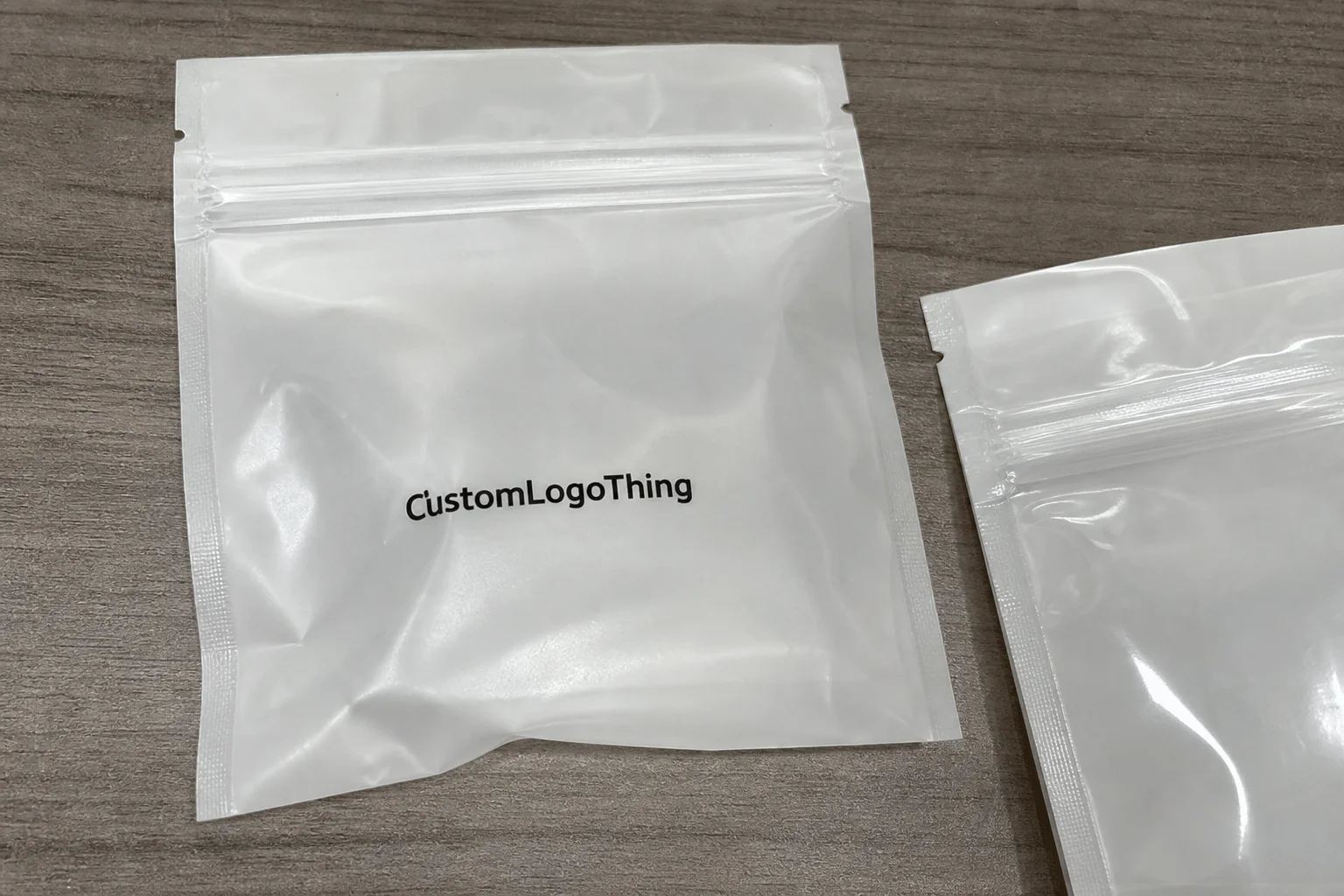
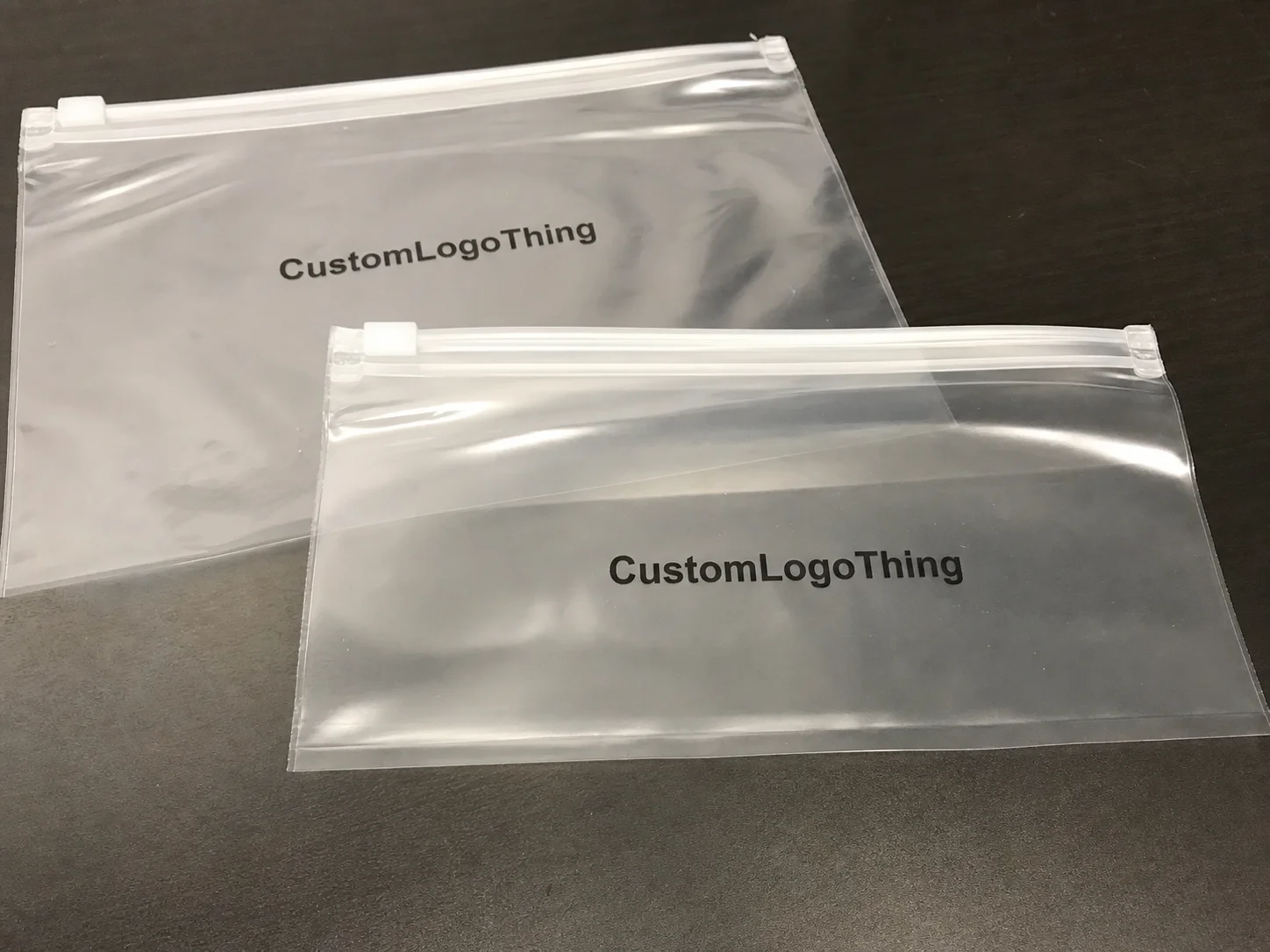
Printed poly mailers are Lightweight Shipping Bags made from polyethylene film, usually LDPE or co-extruded plastic, customized with a logo, brand pattern, warning text, or marketing message. They show up everywhere in apparel, beauty, supplements, and general e-commerce because they’re cheap to ship, easy to store, and practical for products that don’t need a box. A proper printed poly mailers pricing guide starts with that basic definition, because if you think you’re paying for “a bag,” you’ll miss the actual cost drivers. I remember one buyer calling it “just packaging” and then getting very quiet after we walked through the print setup, freight cube, and seal spec; that silence was doing a lot of work.
Here’s the surprise I tell buyers all the time: the film itself is often not the biggest expense. Setup, print method, plate costs, freight, and order size can move the quote more than the resin. I once sat in a meeting with a fashion brand that wanted a simple pink mailer with one black logo. They were fixated on the bag material. The factory quoted a tiny difference between 2.5 mil and 3.0 mil film, but the real jump came from their low volume and split shipping to two warehouses in Chicago and Atlanta. That’s the kind of thing a printed poly mailers pricing guide should make obvious. Otherwise you end up arguing over pennies while the big costs walk right past you in steel-toe boots.
Pricing is never one number because suppliers calculate several variables at once:
- Size — 10" x 13" is not priced like 14" x 19".
- Film thickness — 2.0 mil, 2.5 mil, 3.0 mil, and 4.0 mil all behave differently.
- Print method — flexographic or digital.
- Number of colors — one-color black is not a five-color full-bleed design.
- Order volume — 1,000 pieces and 20,000 pieces live in different worlds.
- Delivery destination — domestic freight from Dallas is not the same as ocean freight into Savannah or Long Beach.
Low minimums usually mean higher unit cost. That’s not a scam. That’s manufacturing math. A supplier has to run the setup, charge the plate or digital prep, and still make sense of the labor. If you order 1,000 mailers, you may be paying $0.28 to $0.65 per piece depending on size and print complexity. At 10,000 pieces, the same style can drop closer to $0.11 to $0.22 per piece, and at 5,000 pieces I’ve seen straightforward one-color orders quoted around $0.15 per unit when the bag size is standard and freight is consolidated to one dock. Those are the kinds of ranges I’ve seen in real sourcing conversations, and they’re exactly why a printed poly mailers pricing guide should push you to compare total landed cost, not just the unit number. I’ve had more than one person insist the low quote was the “real” number, then act surprised when freight showed up wearing a fake mustache and doubling the bill.
“The cheapest quote was the one that burned us later. Freight from the port hit harder than the mailers themselves.” — actual client feedback from an apparel brand I worked with
If you remember one thing from this section, make it this: a smart printed poly mailers pricing guide looks at the full picture. Unit price matters. So does freight, lead time, QC, and whether the mailer actually protects the product. A bag that tears at the seam is not cheap. It’s expensive in a stupid way.
How Printed Poly Mailers Pricing Guide Numbers Are Built
A quote for printed poly mailers usually has five moving parts: base material, printing setup, packaging, freight, and sometimes duty or customs charges. If a supplier only gives you a single number with no breakdown, I get suspicious fast. Not because they’re always hiding something. Sometimes they’re just lazy. But for a real printed poly mailers pricing guide, You Need to Know which line item is driving the quote. I’ve seen “one tidy number” turn into a five-email back-and-forth because the buyer later discovered it wasn’t including cartons, pallet wrap, or export paperwork from Shenzhen, which is always a fun surprise.
Flexographic printing usually has higher setup cost but better economics at volume. Digital printing usually has lower setup cost and is more forgiving for short runs or artwork changes. If you’re ordering 1,000 to 3,000 pieces, digital can make a lot of sense because you avoid plate fees. If you’re ordering 20,000 or more, flexo often wins because the unit cost drops after the setup is absorbed. I’ve seen a flexo plate charge run anywhere from $80 to $250 per color depending on supplier and region, with some Guangdong factories quoting closer to $90 per color on repeat jobs and smaller domestic shops in Texas or New Jersey coming in higher. That’s why a two-color design can look cheap at scale and annoying at small volume. A proper printed poly mailers pricing guide always explains that difference, because otherwise buyers think the factory is being dramatic when it’s really just press economics.
Film gauge matters too. A 2.0 mil mailer uses less resin and costs less, but it can be more prone to puncture if you’re shipping boxed cosmetics, hard accessories, or anything with sharp corners. A 3.0 mil or 4.0 mil mailer costs more per unit, but it can reduce damage claims and customer complaints. I’ve watched brands save $0.01 per bag and then spend $1,200 replacing crushed returns. Brilliant, right? You can almost hear the budget crying.
Ink coverage also affects the quote. Full-bleed coverage on a white or colored bag means more ink, more press time, and more chance for color variation. A simple one-color logo in the corner is cheaper than a fully wrapped design with gradients and tiny type. Add inside printing, white ink underbase, metallic effects, or PMS matching, and the complexity goes up fast. That’s not marketing fluff. That’s ink, labor, and QC. I like pretty packaging as much as anyone, but I’ve also seen a designer ask for “just a little more shimmer” like the press operator had a magic wand in his back pocket.
Supplier location changes the math, too. Domestic production can cost more per piece, but you may save on transit time, communication headaches, and customs delays. Offshore production often brings better raw material economics and lower factory labor, but ocean freight, port delays, and import paperwork can erase part of that advantage. A useful printed poly mailers pricing guide should always compare supplier location with the same spec sheet, not apples to some weird orange-like thing someone scribbled on a quote. For example, a bag made in Dongguan may leave the line at a lower ex-factory cost than one produced in Southern California, but a 20-foot container moving through Ningbo and then into Seattle can still erase much of that gap if the vessel schedule slips by four days.
For buyers who want standards, I like referencing industry testing and material expectations. Packaging performance often gets evaluated against transport stress methods like ISTA protocols, and sustainability claims should be checked against recognized standards rather than vague sales language. The ISTA site is a solid place to understand shipment testing expectations, while EPA recycling resources can help you think about resin and waste choices more clearly. A practical printed poly mailers pricing guide should be grounded in those realities, not just a pretty brochure.
| Quote Component | What It Covers | Typical Impact on Price |
|---|---|---|
| Base Material | LDPE or co-ex film, thickness, finish | Medium to high |
| Print Setup | Plates, digital prep, color calibration | High for low quantities |
| Packaging | Cartons, bundling, palletizing | Low to medium |
| Freight | Air, ocean, domestic shipping, split delivery | High, sometimes very high |
| Customs / Duty | Import fees, brokerage, taxes | Varies by destination |
That table is the boring part. It is also the part that saves money. Every solid printed poly mailers pricing guide should make buyers ask one question: what exactly am I paying for here? If the answer sounds fuzzy, that’s your cue to keep asking until it doesn’t.
Key Cost Factors in Printed Poly Mailers Pricing Guide Quotes
The biggest cost driver is usually order quantity. A 1,000-piece order is basically a convenience run. A 10,000-piece order starts to behave like real production. A 25,000-piece order can unlock better resin pricing, better press efficiency, and better freight consolidation. That’s why a printed poly mailers pricing guide has to talk about MOQ honestly. Small runs are useful, but they are rarely the cheapest path per unit. I’ve had buyers look at a small-run quote and act like the supplier had personally offended their family tree; it was not that deep, it was just math.
Size and dimensions matter because bigger mailers use more film and more carton space. A 10" x 13" bag is not just a smaller version of a 14" x 19" bag. The larger bag may need heavier gauge film, stronger seals, and larger shipping cartons. I once helped a skincare brand move from an oversized 15" x 20" mailer down to a fitted 12" x 15" size. They cut film waste and reduced freight cube enough to save roughly $0.03 to $0.05 per bag landed, and on 18,000 pieces that became a very real line in the budget. Small number? Sure. On 18,000 pieces, that is real money. That’s the kind of savings nobody claps for, but finance absolutely notices.
Material choice is another big one. Virgin polyethylene typically costs more than recycled content, though recycled structures can vary a lot in feel, opacity, and consistency. Co-extruded film can improve strength and appearance, while matte finishes usually cost a bit more than gloss depending on coating and processing. If you want a higher-end look, expect that to show up in the quote. A good printed poly mailers pricing guide should never pretend the premium look is free. Pretty costs money. So does consistency. So does the little bit of extra pride when the bag lands flat and crisp instead of looking like it lost a fight with a lawn mower.
Print specs are where buyers accidentally create pain for themselves. A one-color logo is easy. A full-bleed design with six colors, white underbase, inside print, and PMS matching is not. Every extra color adds setup and QC complexity. If your logo has gradient shading, ask whether the supplier can convert it to a simpler spot-color version. I’ve seen design teams insist on perfect Pantone fidelity for a bag that gets tossed after one delivery. Charming, but not always practical. Sometimes I have to bite my tongue so hard I can taste the metal.
Add-ons change the number too. Tear strips, tamper-evident seals, dual adhesive strips for returns, gussets for bulky items, and custom warning copy all add material or labor. Some brands want “Thank you” copy printed inside the flap, which is nice until it forces a slower press setup. A printed poly mailers pricing guide needs to spell out those extras because they’re often the hidden reasons a quote climbs by 8% to 18%.
Logistics can be brutal. Rush air freight can turn a decent factory quote into a headache. Split shipments to multiple warehouses increase packing and label labor. Port congestion can extend ocean transit by a week or more. I remember one negotiation where a buyer wanted a low FOB price from a supplier in Guangdong, then panicked when the freight forwarder quoted almost $1,900 for an expedited air shipment because they had missed the production cutoff by three days. The price was never just the price. A real printed poly mailers pricing guide has to say that out loud, even if everyone in the room would rather pretend shipping is an optional side quest.
How much do these factors move the quote?
For short runs, print setup and freight can outweigh material cost by a wide margin. For larger orders, resin and press efficiency take over. In practical terms, I’ve seen a quote move like this:
- + $0.04 to $0.10/unit for moving from one-color to multi-color print on smaller runs.
- + $0.02 to $0.06/unit for stepping up film thickness from 2.0 mil to 3.0 mil.
- + $0.03 to $0.20/unit if freight is split or rushed.
Those are not official market rates. They’re practical ranges from the quoting side of the desk. And yes, they change with fuel, region, and supplier capacity. A useful printed poly mailers pricing guide should give ranges, not fairy tales. If someone gives you a “perfect” number with no wiggle room, my advice is to keep your eyebrow raised until your forehead gets tired.
Step-by-Step Printed Poly Mailers Pricing Guide to Ordering Smart
The easiest way to buy badly is to request quotes before you know what your product actually needs. I’ve seen buyers ask for “a pink mailer with logo” and then spend two weeks answering follow-up questions that should have been decided on day one. If you want better results from a printed poly mailers pricing guide, follow a simple order process. It’s less glamorous than winging it, but your budget will thank you.
Step 1: define the shipping job
Start with the product. What are you shipping? A flat T-shirt is different from a bundled hoodie or boxed serum. Measure the product when packed, not just when sitting on a table. If the item has sharp corners, fragile edges, or a return workflow, say so upfront. That one detail can determine whether you need a 2.5 mil or 3.0 mil bag. I’ve had clients arrive with perfect branding decks and zero packing dimensions, which is a little like showing up to build a house with only the paint swatches.
Step 2: prepare artwork and specs
Send final logo files in vector format if possible. Ask for the bag size, print area, number of colors, finish preference, and target quantity range. If you have a PMS color requirement, include the exact Pantone numbers. A printed poly mailers pricing guide is only useful if suppliers are quoting the same thing. “Similar” is how budgets get wrecked. “Close enough” is how people end up calling me on a Friday night, which I personally would like to avoid forever.
Step 3: request like-for-like quotes
This is the part buyers skip, then complain about later. Make every supplier quote the same specs: exact size, exact film thickness, exact print method, exact delivery term. If one supplier quotes FOB and another quotes DDP, the comparison is garbage. Ask for unit price and freight separately if possible. That way you can see what is driving the quote. I’m a big believer in forcing the numbers to line up before anybody starts celebrating, especially if one offer is coming from Guangzhou and another from a warehouse in Pennsylvania.
Step 4: compare samples, not just numbers
I’ve visited factories where the sample looked great and the mass run drifted in seal strength, opacity, or trim consistency. So yes, compare price. But also compare print clarity, edge finish, and seam strength. If you can, ask for a physical pre-production sample. The best printed poly mailers pricing guide in the world will not save you from a bag that peels at the adhesive strip after one use. That one is just a fancy disappointment in a shiny sleeve.
Step 5: confirm proof details
Before production, lock down the proof. Confirm dimensions, bleed, text placement, seal orientation, and color expectations. I once watched a brand approve artwork with the return adhesive on the wrong flap because their designer assumed all mailers opened the same way. They did not. That mistake added a week and a reprint cost that nobody enjoyed discussing. The look on everyone’s face could have curdled milk.
Step 6: calculate landed cost
Do the math on the full landed cost per mailer. Include freight, customs, tax, overs, and expected defect allowance. If you buy 10,000 and 2% are unusable, your effective cost just rose. A strong printed poly mailers pricing guide should train your eye to see the real number, not the shiny one. I’d rather see a slightly higher quote that holds together than a bargain that turns into a customer service headache by Tuesday afternoon.
Printed Poly Mailers Pricing Guide: Timeline, Setup, and Lead Times
Lead time matters because low-cost mailers are not useful if they show up after your campaign launch. The normal workflow is straightforward: inquiry, quote, artwork review, proof approval, production, QC, packing, and shipment. It sounds simple. It rarely is. A practical printed poly mailers pricing guide should include time as a cost driver because every extra week can force a rush fee or emergency freight. I’ve seen perfectly reasonable budgets get punched in the face by a three-day delay that somehow became a two-week problem; manufacturing has a special talent for that.
Digital printing usually moves faster because setup is lighter. Flexo usually needs more upfront prep: plates, color matching, and press setup. That means digital can be a better fit for short runs and fast branding tests, while flexo is often stronger for repeat production and bigger volumes. I’ve seen digital orders ship in 7 to 12 business days after approval, while flexo orders might run 12 to 18 business days depending on complexity and factory load. When a factory in Dongguan is running a 3-color job on Monday and your 5,000-piece reorder is queued for Wednesday, those numbers can stretch if artwork is messy or the supplier is juggling multiple large jobs. A clear printed poly mailers pricing guide should not pretend production time is fixed.
Artwork revisions can add days. So can vague feedback. “Make it pop” is not a production instruction. It is a cry for help. If color matching matters, allow time for proof adjustments and final sign-off. For brands with strict packaging standards, I like to build in an extra 3 to 5 business days just for review and correction. That buffer has saved more than one launch from a self-inflicted delay.
Peak shipping periods can also stretch delivery. Port congestion, holiday volume, and inland trucking shortages can add friction. If your mailers are coming from overseas, ocean freight schedules matter just as much as the factory slot. I’ve had one buyer celebrate a low unit cost, then lose two weeks waiting on a vessel departure out of Yantian. Cheap became expensive fast. That’s why the smartest printed poly mailers pricing guide reads like a budget plan and a calendar at the same time.
My rule of thumb: for seasonal or promotional campaigns, order earlier than you think. If you need inventory for a product launch, leave enough room for proofing, production, transit, and one stupid problem. Because there is always one stupid problem. A supplier misreads a ship mark. A pallet misses the cutoff. A color proof gets stuck in someone’s inbox. I’ve seen all three in one month. It would almost be funny if it didn’t affect shipping deadlines.
If you’re building a full packaging program, browse Custom Poly Mailers alongside your broader Custom Packaging Products so your timeline and budget are aligned across SKUs. That matters more than people admit when they’re trying to keep packaging consistent across apparel, inserts, and shipping materials.
Common Mistakes Buyers Make with Printed Poly Mailers Pricing Guide Quotes
The first mistake is chasing the lowest unit price without checking film thickness or seal quality. I’ve seen buyers save $0.01 per unit and then get hit with broken seals, split corners, or ugly customer complaints. That is not savings. That is deferred regret. A good printed poly mailers pricing guide should make buyers suspicious of prices that feel too clean.
The second mistake is ignoring freight. If you’re comparing an overseas quote with a domestic quote and the freight isn’t normalized, you’re not comparing anything useful. On one apparel account, the factory quote looked $1,400 cheaper on paper. Once freight and brokerage were added, the “cheap” supplier became the expensive one by nearly 14%. Everyone loves a bargain until the freight invoice arrives. I still remember the buyer rubbing her forehead like the paper itself had personally betrayed her.
Third, artwork problems can waste time and money. Low-resolution logos, missing bleed, tiny text, and color changes all slow proofing. If the supplier has to clean up your file, expect delays. I usually tell clients to send vector artwork and a print-ready PDF with color notes. That simple step can shave days off the schedule and avoid extra design fees.
Fourth, buyers compare different specs as if they are identical. A 10" x 13", 2.5 mil, one-color, digital mailer is not the same product as a 12" x 15", 3.0 mil, two-color, flexo mailer with a tear strip. If the quote doesn’t line up, the comparison doesn’t either. A rigorous printed poly mailers pricing guide should force everyone back to the spec sheet.
Fifth, people forget to test the actual product size. A mailer that looks perfect on paper can be awkward in real use. Too tight, and packing slows down. Too loose, and you waste material while the product slides around. I’ve been in a warehouse in southern China where a client’s sample bag was 20 mm too narrow for their boxed candle. The production manager had the look of a man who knew the next hour would be annoying. He was right. We all were, unfortunately.
“We should have tested with actual stock, not just the mockup box. That was a $900 lesson.” — e-commerce operations manager
Expert Tips to Lower Printed Poly Mailers Pricing Guide Costs
If you want better pricing, simplify the job without making the package ugly. That’s the sweet spot. The easiest savings usually come from reducing ink colors, choosing a standard size, and avoiding unnecessary add-ons. A clean one- or two-color design can look sharp if the layout is done well. You do not need six colors to say “Thanks for your order.” A smart printed poly mailers pricing guide rewards restraint. I know that sounds a little anti-glamour, but so does saving money.
Standard sizes are your friend. Custom dimensions can be useful for oddly shaped products, but they also make quoting and manufacturing less efficient. If your product fits a 10" x 13" or 12" x 15" standard format, use it. I’ve seen brands save 8% to 15% simply by staying within a common size range that the supplier already runs often, especially when the factory in Xiamen or Ningbo is already stocked with that width of film.
Bundle SKUs when possible. If you have several product lines that can share the same mailer size, you may qualify for a better tier. One beauty client I worked with merged three small SKUs into one combined order and cut the per-unit cost by about $0.04. Not dramatic on paper. Very dramatic across 40,000 pieces. That’s the kind of move a practical printed poly mailers pricing guide should encourage. Nobody writes poetry about a lower freight rate, but the spreadsheet certainly notices.
Plan ahead. Rush orders and air freight are budget killers. If the schedule allows, ocean freight or ground shipping usually beats air on total cost. The tradeoff is time. So if your brand runs on weekly restocks, build that into your planning. There’s no magic trick here. Just better timing. I’ve had a supplier in Shanghai quote a standard production slot at 14 business days and the exact same job jump to a costly air-freight emergency when the buyer moved the launch forward by eight days.
Ask about recycled material options and alternate film gauges. Sometimes a recycled-content film gives you enough sustainability value and brand story without raising the cost much. Other times it costs more because of supply conditions. Ask. Don’t assume. I’ve had suppliers in Xiamen quote a recycled option that added only $0.015 per unit, while another region charged far more because the material source was tighter. Same idea. Different market.
Negotiate on total landed cost. That means asking for the unit price, setup fees, freight, and any overhead charges in one view. If a supplier only wants to talk unit cost, push back. The real savings live in the full landed number. A proper printed poly mailers pricing guide should make that obvious, because headline pricing is how people get fooled by nice-looking quotes.
What I usually ask suppliers before approving a run
- What is the exact film thickness in microns or mil?
- Is the quote based on digital or flexo printing?
- Are plates included, and if not, what is the plate charge per color?
- What is the packing spec per carton and per pallet?
- Is the freight quote DDP, FOB, or EXW?
- What are the acceptable overage and defect tolerances?
Those questions are boring. They also save money. Funny how that works.
If you’re comparing packaging categories, check Custom Packaging Products so you can line up mailers, labels, and inserts with one sourcing plan instead of three random quotes and a headache.
FAQ
What should a printed poly mailers pricing guide include?
A useful printed poly mailers pricing guide should include material type, film thickness, print method, number of colors, order quantity, freight, and any customs or setup fees. If those pieces are missing, the quote is not really complete, and the final number can jump once production starts. I always tell buyers to ask for like-for-like specs before comparing suppliers, because a bag quoted in Guangdong on FOB terms is not the same as a domestic DDP quote from Illinois.
How much do printed poly mailers usually cost per piece?
Price varies a lot by size, quantity, film thickness, and print method. Small runs can land around $0.28 to $0.65 per piece, while larger volume orders may drop closer to $0.11 to $0.22 per piece depending on specs. A strong printed poly mailers pricing guide should always include freight and fees, because those can change the final number fast. For example, a 5,000-piece one-color run might quote around $0.15 per unit before freight, while a 1,000-piece custom size with split delivery can climb past $0.40. I wish that part were less annoying, but packaging budgets don’t care about my feelings.
What affects printed poly mailers pricing the most?
Order quantity, print method, and number of colors usually have the biggest impact. Material choice and mailer size also matter a lot, especially if you move from a standard 2.5 mil film to a thicker 3.0 mil or 4.0 mil structure. Freight and rush timing can be hidden costs that wipe out savings, which is why a printed poly mailers pricing guide should focus on landed cost, not just unit price. A 10,000-piece order made in Guangdong and shipped by ocean can price very differently from a 2,000-piece domestic run in Illinois, even when the print looks identical.
Are digital printed poly mailers cheaper than flexo?
Digital can be cheaper for smaller quantities because setup costs are lower and you avoid plate fees. Flexo usually wins at higher volumes because unit cost drops more once setup is absorbed. The best choice depends on your quantity, artwork complexity, and timeline, so a printed poly mailers pricing guide should compare both methods with the same specs. I’ve seen people swear one method is “always cheaper,” which is usually the moment the spreadsheet starts laughing at them.
How long does production take for printed poly mailers?
Lead time depends on artwork approval, print method, and shipping method. Digital orders can move faster, while flexo usually needs more setup time for plates and color matching. In my experience, rush orders often increase cost and reduce flexibility, so a smart printed poly mailers pricing guide should build in extra days for proofing and freight. Typical production is 7 to 12 business days for digital after proof approval and 12 to 15 business days for flexo on standard repeats, with shipping adding 3 to 30 days depending on air, truck, or ocean.
How can I get a better printed poly mailers pricing quote?
Send complete specs, final artwork, and realistic volume targets. Ask suppliers to quote the exact same material, size, print method, and delivery terms. Compare total landed cost instead of only the headline unit price. That’s the heart of any useful printed poly mailers pricing guide, and it’s the fastest way to avoid surprise charges. If you can specify 2.5 mil or 3.0 mil film, one or two colors, and a destination like Oakland or Newark, you’ll usually get a much cleaner quote.
If you want better packaging decisions, don’t shop by the prettiest mockup or the lowest headline number. Use a real printed poly mailers pricing guide, compare like-for-like specs, and ask for landed cost before you sign anything. Start with the product dimensions, lock the print method, and make the freight part of the quote from the beginning; that one habit usually saves more money than a last-minute discount ever will.