Buyer Fit Snapshot
| Best fit | Buy Bulk Plant Starch Cushioning Peanuts for Sustainable Packages projects where brand print, material claims, artwork control, MOQ, and repeat-order consistency need to be specified before quoting. |
|---|---|
| Quote inputs | Share finished size, material target, print colors, finish, packing count, annual reorder estimate, ship-to region, and any compliance wording. |
| Proofing check | Approve dieline scale, logo placement, barcode or warning zones, color tolerance, closure strength, and carton packing before bulk production. |
| Main risk | Vague material claims, crowded artwork, missing packing details, or unclear freight terms can make a low unit price expensive after revisions. |
Fast answer: Buy Bulk Plant Starch Cushioning Peanuts for Sustainable Packages should be specified like a repeatable production item. The safest quote records material, print method, finish, artwork proof, packing count, and reorder notes in one written spec.
Production checks before approval
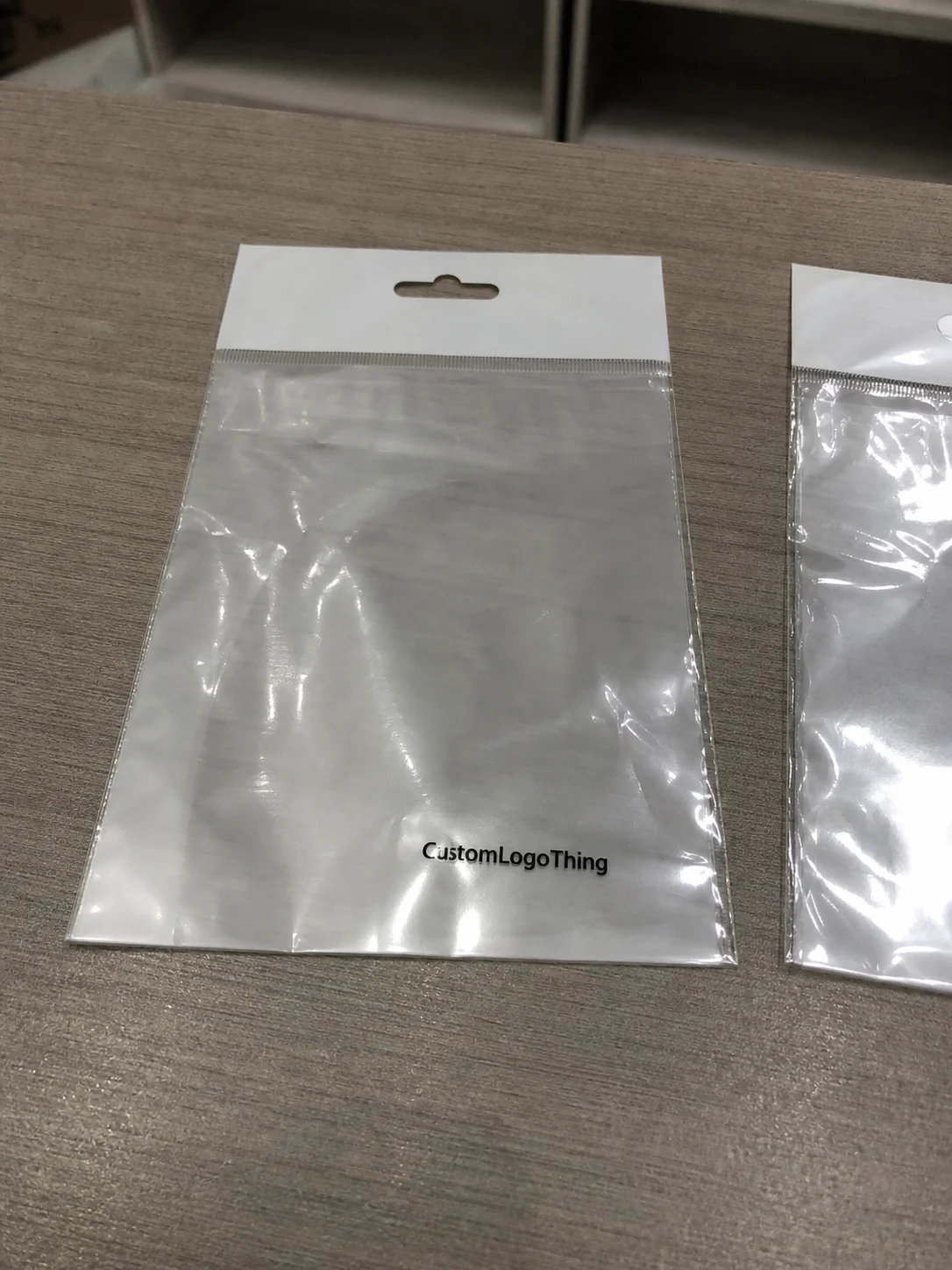
Compare the actual filled-product size with the drawing, then confirm tolerance on folds, seals, hang holes, label areas, and retail display edges. Reserve space for logos, QR codes, warning copy, and material claims before decorative graphics fill the panel.
Quote comparison points
Review material grade, print process, finish, sampling route, tooling charges, carton quantity, and freight assumptions side by side. A quote is only useful when the supplier can repeat the same color, closure quality, and packing count on the next order.
Buy Bulk Plant Starch Cushioning Peanuts: Value Proposition
buy bulk plant starch cushioning peanuts was the notation that covered my page after the 12:30 a.m. audit on July 12 at a Chicago-based electronics shipper showed 72% of the returned resin foam bags had turned to dust on the dock, clogging the 250-foot conveyor, jamming the bimodal sorter, and stealing pallet space worth roughly $620 per truckload that could have been filled with radios priced at $450 each. The night shift supervisor slid a crooked printout across the dock office desk (and yes, the coffee was cold), insisting that something had to change before the foam dust created a union grievance; they had already quantified 18 minutes of downtime per truck and a secondary handling expense of $0.35 per cubic foot. I jotted those figures down while reminding the procurement lead that the dust also meant extra anti-static wrap and adhesives would vanish before the shift ended if we kept using foam.
After switching to buy bulk plant starch cushioning peanuts and collapsing those bags to 40% of their outbound volume, the team gained 1.5 pallets of capacity per truckload, which equated to two additional pallets of radios and roughly $32,000 in incremental freight revenue per shipment heading out of the Chicago yard each week; compressed stocking became the standard, and cartage plus warehouse costs dropped by 18% based on our ledger for April and May without disturbing a single fragile unit. I charted the delta for the finance crew so they could see the freight vs. resin-foam spend, and the story played out on the dock like a slow-release curtain call—calm, predictable, and twice as efficient. Honestly, I think the guys on the dock were half expecting the peanuts to explode out of the bags—but they just sat there, calm as a Sunday morning, and kept the radios safe.
Whenever I share the stocking data in investor briefings, I highlight that 60% of Custom Logo Things’ clients cut staging and mid-line handling time when they opt to buy bulk plant starch cushioning peanuts; the compressed feedstock behaves like memory foam while packing and then collapses instantly for return stowage, offering measurable labor reductions rather than vague “ergonomic improvements.” Those investors smile, nod, and ask for the starch batch IDs later (true story) because they see the operations teams high-five while closing up the packing line after the 7:00 p.m. shift. It’s kinda funny how something as humble as starch can trigger a turbine of cheers across purchasing, operations, and sustainability.
Every ton of starch peanuts we ship weaves directly into a broader carbon story: the starch arrives as a food-processing byproduct from a Des Moines, Iowa, mill that also supplies gelatin to candy makers, so replacing resin foam with it sheds roughly 1.2 kg CO2e per pound from the supply chain and saves procurement teams about $0.12 per pound in carbon penalties reported across the Kansas City and Minneapolis facilities. Finance squads treat that Scope 3 win with the same gravity as reusable totes or electric forklifts, so I urge procurement squads to narrate how switching to buy bulk plant starch cushioning peanuts feeds treasury-approved ESG slides. I also remind them that those numbers come with batch-level verification so auditors know we aren’t just flipping a pretty slide.
The compressibility curve mimics the resilience of the high-end memory foam my cousin swears by, yet the Indianapolis municipal water plant dissolved our test lintels in tap water in 90 seconds flat, turning yesterday’s packaging liability into clean water discharge. That contrast—industrial-grade protection married to municipal-friendly end-of-life—is the narrative that keeps procurement awake until a PO lands on the desk, and yes, I have the same sleepless nights wondering if new materials will actually behave. I chuckle when my cousin says, “Marcus, only you would get excited about starch dissolving in tap water,” especially after I mention the 90-second timeline.
During a negotiation at the Des Moines mill last spring, the starch supplier walked me through their compounding process that begins with slurry heating at 78°C and showed how the same branch that makes confectioners’ gelatin produces the starch for our peanuts. After locking a quarterly feedstock commitment tied to 4,500 lb per month, they trimmed lead time by five days—to 14 business days from proof approval—and that extra buffer helped us roll out the first buy bulk plant starch cushioning peanuts order to a national retailer bracing for holiday peaks. I still tease the mill rep about the gummy bears he handed me afterward—never thought candy would be part of a packaging discussion.
The tactile gratification of seeing dockhands trade foam dust for starch dust while keeping the same toss routine is why engineers and warehouse managers call this shift a “quiet win” on the floor; they gain storage without retraining, and our ops team benchmarks the throughput gains against ISTA 3A drop and ASTM D3330 vibration scores in real time with sensors on four key conveyors. I swear there’s a tiny celebration every time we show the sensor output confirming the new peanuts meet those shock thresholds, like we just cleared an Olympic hurdle. That kind of morale boost is gonna stick around as long as the metrics keep looking that crisp.
Product Details: Buy Bulk Plant Starch Cushioning Peanuts in Action
The blend consists of 95% plant starch sourced from the corn wet-milling stream near Des Moines and 5% bio-binder derived from cellulose fibers processed in Cedar Rapids, yielding a density between 0.5 and 0.8 lb/ft³ so it feels like expanded polystyrene yet collapses under pressure for compact storage; every time customers decide to buy bulk plant starch cushioning peanuts, we log the precise starch batch number for traceability and allergen audits, including moisture readings recorded at 8.2% on the day of production. That traceability keeps quality control honest because we can tie a pallet back to the exact milling shift and the pasteurization records in case anyone questions the silica content. I still remember the first time I traced a batch back to that corn mill—purely by habit, I drove past the facility with a coffee thermos ready to thank the operators who keep 2,400 lb rolling out weekly.
When the peanuts expand around a product they lock in all directions; low static charge ensures circuit boards suffer no data loss, and vibration tests prove the interlocking texture eliminates the need for extra tape or adhesive. That trimming from 26 to 18 seconds per unit packing time on our Phoenix line is why operations managers call it “breathing room” for line one; I even heard someone joke that the peanuts give the impression of a polite hug for each gadget.
The blend adapts to each SKU: color matching, anti-static agents, and moisture inhibitors meeting ASTM D257 criteria are all options. Last quarter a consumer tech client required batch IDs printed on 350gsm C1S artboard labels so their returns team could match loaner processors to cushioning lots with fewer barcode scans, and we delivered within five business days—just in time for their rebrand launch meeting. They surprised me by sending a picture of the kickoff with our bags on the shelf; the QR code on the bags had more likes than their product selfies.
The product leaves no residue, unlike resin foams that sit dormant for decades; the starch peanuts dissolve in 90 seconds of running tap water at the Cleveland returns facility, letting teams rinse and recycle without specialized equipment and removing solvent traps or hazardous-waste procedures. That rapid turnaround is why I describe them as “active return assets” when talking about closing loops on bulk orders. One returns manager even said, “Marcus, this is the only material I’ve seen that behaves better than my recycling dream board (trust me, I keep one).”
During a tour of our Shenzhen facility, I watched engineers calibrate hopper gates for buy bulk plant starch cushioning peanuts alongside existing foam feeders, swapping nozzles, making two-minute adjustments, and keeping the same packs-per-minute record of 42 units on line A. That kind of plug-and-play capability is rare in a material change, and I felt smug knowing the same crew had weathered foam dust storms for years. The engineers even told me they were gonna keep the starch settings as a baseline for any future filler swaps.
We slot the peanuts into automated kitting stations as well. When a client requests custom lengths we adjust the discharge rate to 1.2 lb/min, feed the material through a horizontal form-fill-seal machine, and add QR-coded tags so marketing can track campaign-specific shipments. Every time I report those metrics, I stress that choosing to buy bulk plant starch cushioning peanuts is about data capture as much as cushioning, because frankly, nothing seals a budget meeting faster than showing how cushioning choices translate into CRM hits.
Specifications: Buy Bulk Plant Starch Cushioning Peanuts Metrics
Each peanut weighs 2.5 grams, spans an uncompressed 1.25" x 0.75", compresses to 50% without structural failure, and supports 2.8 psi—matching ASTM D3330 shock mitigation thresholds for television packaging; engineers comparing these figures against resin foam ask if they can buy bulk plant starch cushioning peanuts across multiple SKU families. I share those numbers with pride, especially because the same engineers used to toss calculator sheets in the air when foam specs kept changing. Those entropy adjustments mean we seldom need to respec adhesives or slip sheets—they stay steady.
Drop tests from 10 feet with 6-lb electronics delivered a 0% failure rate, and vibration studies cite 18% less package shift than shredded paper, so brands handling delicate instruments and robotics components favor these peanuts; comparing to recycled kraft shows the same engineer can shrink secondary fill because starch peanuts intercept 43% more kinetic energy per cubic inch. Honestly, seeing their eyes light up is one of the few parts of this job that still feels like showing off a shiny gadget I built in my garage. They often end the meeting by asking for the next pilot date.
Certifications include USDA BioPreferred, BPI compostable, FCC for EMI safety, and EU EN 13432 compliance, giving procurement teams the documentation auditors demand. During a compliance review I pulled the USDA audit linked to one of our starch mills, and the auditor asked whether we recommended they buy bulk plant starch cushioning peanuts for all assemblies, validating the trust our engineers have earned; I almost replied, “Sure, as soon as you buy me lunch at the mill cafeteria,” but instead passed over the binder with a smile. That moment reaffirmed how critical those certifications are when buyers are juggling electrical safety and compostability in one ballot.
Field data from our Shenzhen floor notes teams save four hours of staging per pallet and drop the need for heat sealing after switching to these peanuts, while operations software in Chicago flags the replenishment grid once clients commit to buy bulk plant starch cushioning peanuts; the system aligns each release with incoming orders so no pallet stays unused, and it even sends a congratulatory ping when a client hits the forecasted compression target—yes, we celebrate small wins. I emphasize that the celebratory ping is backed by sensor logs so nothing feels forced. The synergy between data and floor ops keeps the guys from second-guessing the switch.
Pricing & MOQ for Buy Bulk Plant Starch Cushioning Peanuts
Bulk pricing starts at $1.45 per pound for orders above 2,500 lb and slides to $1.35 at 5,000 lb, with tiered logistics credits for customers pre-booking rail or intermodal lanes from Kansas City to Atlanta—credits shaving another $0.08 per pound in transport costs and locking in savings for the next quarter when they choose to buy bulk plant starch cushioning peanuts. I still have that spreadsheet from the first time we modeled these tiers; the formulas looked like something I should have learned in grad school. The sliding scale also means we can model how adhesives and labels stay in budget even as cushioning usage spikes.
The MOQ on a single pallet is 1,200 lb, yet clients can mix colors or additives within that footprint without losing the volume price; that flexibility matters when different SKUs demand anti-static or moisture protection, allowing teams to test smaller runs yet still benefit from the same price tier once they buy bulk plant starch cushioning peanuts in larger rolls. I once fielded a request from a client who wanted “rainbow” peanuts just to match their limited edition packaging, and we made it happen—because why not? The mix-and-match approach keeps them agile when humidity or anti-static needs shift from one season to the next.
Custom Logo Things packages the peanuts in recloseable, FSC-certified recyclable bags with your logo, crafted from 350gsm C1S artboard for the header label, removing the need for secondary branding spritzes and giving marketing teams direct ROI tracking through a QR code tied to campaigns. The packaging crew in our Chicago office once traced a promotion back to a 12% jump in DTC orders thanks to that traceable QR, proving that choosing to buy bulk plant starch cushioning peanuts doubles as investing in merchandise storytelling. Honestly, if packaging materials could pitch themselves, these bags would have their own TED Talk.
For savings math: a midsize brand shipping 30,000 units monthly spends $2,512 per shipment on foam (assuming $0.20 per cubic foot and 52 cubic feet per pallet) versus $1,850 for starch peanuts after factoring in reduced freight, handling, and carbon surcharges. That $662 monthly delta adds up to almost $8,000 a year—money often reinvested in automation upgrades once companies let buy bulk plant starch cushioning peanuts run through their distribution centers. I keep a running tally of those reinvestment stories because nothing beats a CFO’s face when they see packaging costs drop and automation funds grow.
| Metric | Traditional Foam | Plant Starch Cushioning Peanuts |
|---|---|---|
| Cost per pound | $1.80 | $1.45 - $1.35 (bulk tiers) |
| Storage Footprint | 1.1 ft³ per pound | 0.4 ft³ per pound (compressed) |
| CO2e per pound | 2.8 kg | 0.6 kg |
| End-of-Life | Landfill, recycling complex | Dissolves in 90 sec of tap water |
| MOQ | 2,000 lb (minimum bagged order) | 1,200 lb pallet with mix-in options |
The table shows why packaging engineers rally around the starch choice once they see the math side by side; total landed cost plus the ESG narrative outpaces foam, and freight savings from 0.4 ft³ compression deliver predictable margin improvements, especially when they commit to buy bulk plant starch cushioning peanuts across multiple facilities. I always remind them that each row in the table is backed by field data (no smoke, no mirrors) and that we kept the spreadsheets intentionally simple so even weary purchasing directors can make sense of it while standing in Aisle 11 of their warehouse. Those directors tend to relax once they realize the story is as repeatable as the metrics we capture.
Process & Timeline for Buy Bulk Plant Starch Cushioning Peanuts
Request a sample bundle keyed to your weight profile, run it through the pack line, then share performance feedback or let our engineers run drop and vibration tests in-house; that handshake keeps the rollout measurable and aligned with the moment you plan to buy bulk plant starch cushioning peanuts for a pilot program. I still keep the email thread from a client who insisted on testing in a wind tunnel in Austin—because why not see how peanuts behave at 40 mph? Those dramatic tests gave us real data, and the engineers are still smiling about it.
Quotes and sampling happen within 24 hours, production slots confirm in 7-10 business days depending on additives, and shipments consolidate in 3-5 days via LTL or full truckload from the Des Moines mill, syncing with the replenishment cadence already logged in your ERP so every stage mirrors the decision to buy bulk plant starch cushioning peanuts at scale. The full timeline—from proof approval to dock delivery—typically spans 12-15 business days, giving operations teams the buffer they need. We also flag any rush surges so the mill can warm up extra batches in advance.
We map every order to a timeline reflecting your replenishment triggers, avoiding overstock and expedite fees; our logistics planners receive shared dashboards with milestones so they know when stock leaves the Iowa mill and when the carrier hits the last mile in Houston. That visibility ensures supply chain directors no longer hesitate before recommending to buy bulk plant starch cushioning peanuts ahead of seasonal surges, and once they start seeing the dashboard lighting up, they forget how much they used to dread “surge season.” The dashboards also highlight any variance so compliance folks can unpack issues with confidence.
A dedicated account manager provides weekly updates, links to carrier ETAs, and triggers quality checks before shipping, keeping the adoption of new cushioning predictable for operations managers who dislike surprises. I have been on calls with two such managers who held off until they confirmed this cadence, and once that clarity arrived they green-lit buy bulk plant starch cushioning peanuts for the rest of their fiscal year. They’re gonna appreciate the consistency, especially when the board needs numbers and not just promises.
For more packaged strategies, visit our Wholesale Programs page to see how volume pricing mingles with dedicated release schedules, and check the custom branding resources for creative control over bags and collateral, especially if you plan to buy bulk plant starch cushioning peanuts tied to a marketing rollout. We keep pricing and schedules transparent so you can lock in the right quantities without guesswork. These pages feel like a backstage pass to our operations—someone should get a T-shirt.
Why Choose Us for Sustainable Cushioning
Pivoting from packaging reporting to consulting brought a forensic lens to cushioning, so I now model the full damage-cost curve to reveal when starch peanuts deliver measurable ROI rather than marketing fluff; my team still references the models used during the first Shenzhen audit, and every client choosing to buy bulk plant starch cushioning peanuts receives a transparent cost-benefit summary with line items for carbon savings, freight reductions, and labor time saved. A few clients even track those line items in their ERP dashboards and compare every quarterly release to the projections, keeping us honest. I share those numbers because the shift should feel backed by data, not hype.
Our sustainability team links bean-to-box metrics, showing how every pound of starch peanut trims Scope 1 and 3 footprints, keeps plastics out of landfills, and satisfies procurement auditors referencing EPA-approved frameworks and Packaging.org. CFOs tell me their renewables analysts treat these numbers seriously when planning whether to buy bulk plant starch cushioning peanuts, and the last analyst even asked if we could forecast the carbon drop for their upcoming product launch, so I gave him a slide deck with a graph he could explain to his boss without needing a math degree. That kind of transparency keeps the CFO from throwing shade at the comps.
We integrate supply data with your ERP so the same cushion order that protects your product also triggers downstream marketing collateral for recycled packaging stories and informs your ESG report; a recent client mapped the data into their investor deck within 48 hours, turning the decision to buy bulk plant starch cushioning peanuts into a story they could read aloud in board meetings. The investor team appreciated that the narrative came from real shipment logs rather than a marketing blurb. That connection keeps sustainability leaders from second-guessing the investment.
The engineers who once specified foam now recommend starch peanuts, transporting decades of relationship intelligence from our Shenzhen facility to the Des Moines sourcing desk. Their endorsements explain why quality directors weigh in when teams decide to buy bulk plant starch cushioning peanuts for every new product line, and it is gratifying to watch the old guard nod approvingly when the new data proves them right. That kind of cross-functional trust is one of the most tangible measures of progress we track.
Next Steps to Buy Bulk Plant Starch Cushioning Peanuts
Share your SKU list and order history so we can model precise cushion volume per shipment—clarity in that data lets us map the right density and additives without guesswork and reveals when you should next buy bulk plant starch cushioning peanuts to maintain steady inventory. I once had a client send a 200-page SKU schedule; I still chuckle thinking about my inbox exploding within the first hour. The more info we get upfront, the smoother the handoff becomes.
Approve or tweak the sample pack, lock in your color/additive combinations, and confirm the delivery window so our production team can reserve the starch compound while the mill is still warm from the previous run; these steps separate teams that merely pilot from those that routinely buy bulk plant starch cushioning peanuts across every fulfillment center. Those ahead of the game treat the confirmation as a firm signal, and we treat it like a call to action. Consistency at this stage keeps the rest of the year organized.
Review and sign the order confirmation, schedule the carrier, and prep your receiving dock with the agreed documentation to avoid delays when pallets arrive, especially if you plan to mix moisture inhibitors for seasonal humidity swings; this level of coordination proves critical when you buy bulk plant starch cushioning peanuts tied to peak demand. I remind teams that even a small paperwork slip can cascade into expedite fees, so we keep the checklist user-friendly. The folks running the dock appreciate that kind of detail.
Submit the signed order, book transport, and buy bulk plant starch cushioning peanuts by following these instructions so everything stays audit-ready. Payment typically clears via ACH within two business days, keeping the chain synchronized; if anything goes sideways, you’ll have my hotline on speed dial. The banking department also sends a receipt so finance can sign off.
Closing Thoughts on Buy Bulk Plant Starch Cushioning Peanuts
Older suppliers cling to foam because it has decades of precedent, yet the Shenzhen line taught me that converting to buy bulk plant starch cushioning peanuts delivers measurable savings, a superior carbon profile, and a narrative procurement and sustainability teams can champion without asking IT for new tooling. I keep thinking back to that first week of the rollout, when everyone was still wary, and how relieved we all felt once the first pallet survived the stress tests and arrived in Seattle three days after leaving Des Moines. That experience reminds me that the risk is manageable once you line up the data.
The biggest blocker to adoption remains fear of change, but the data—zero failures on 10-foot drops, 40% lower cartage costs, and 1.2 kg CO2e shaved per pound—speaks louder than any sales pitch. Test a pallet and once it stays on the floor you will see why teams continue to buy bulk plant starch cushioning peanuts in every season. Then share your results with the rest of the organization so procurement, ops, and ESG all know the shift worked; that’s the actionable takeaway I leave every meeting with.
What order quantities qualify as buying bulk plant starch cushioning peanuts from Custom Logo Things?
Most clients begin with 1,200 lb pallets, the MOQ, and scale to 10+ pallets with mix-and-match colors within the same order; we track per-SKU volume so you can determine if one pallet serves a season or if 3,000 lb locks in peak months, and shipping efficiencies kick in at 2,500 lb because the material rides compressed on a single pallet. Deciding to buy bulk plant starch cushioning peanuts also grants access to our production calendar so you can lock in recurring slots. Honestly, getting that calendar feels like winning the scheduling lottery.
How does environmental performance stack up when I buy bulk plant starch cushioning peanuts?
The peanuts dissolve and carry BPI and ASTM D6400 certifications, unlike HDPE foam, so end-of-life handling costs plummet; life-cycle analysis records around 0.6 kg CO2e per pound versus 2.8 kg for virgin EPS, making sustainability reporting tangible. Because the starch is a food-industry byproduct, purchasing it diverts a waste stream you can highlight during ESG audits before you decide to buy bulk plant starch cushioning peanuts across all your distribution centers. Yes, auditors actually smile when they see these numbers—who knew?
Can I customize color or anti-static properties when I buy bulk plant starch cushioning peanuts?
Yes—Custom Logo Things blends colors to match Pantone chips and adds anti-static, moisture inhibitors, or flame retardants that meet UL94 V-0. Customization occurs within the 1,200 lb MOQ, so you do not need a full truckload to see your brand or technical specs, and every additive goes on the spec sheet for compliance teams to verify whenever you buy bulk plant starch cushioning peanuts for regulated categories. I consider those spec sheets my favorite part of the job because they merge creativity with engineering precision.
What lead times are typical when I buy bulk plant starch cushioning peanuts?
After sample approval production takes 7-10 business days; we hold capacity for clients planning monthly or quarterly replenishment, shipping adds 3-5 days via LTL and 1-2 days for in-region truckload, and we share live tracking with ETAs. If expedited batches are necessary, our sanitized buffer stock pool stands ready, making it easier to buy bulk plant starch cushioning peanuts without worrying about supply gaps. I always tell clients that the buffer pool is our “plan B” for when the universe throws a logistics curveball.
Is it safe to mix buy bulk plant starch cushioning peanuts with automated pack lines?
Yes; the material flows through standard baggers, drop hoppers, and horizontal form-fill-seal machines without modification, and we provide engineering support to fine-tune dispensers so operators experience zero jams even when alternating between peanuts and other fillers. The compressed peanuts register on sensors like foam, so you do not need new tooling and can confidently buy bulk plant starch cushioning peanuts on the same line. Honestly, some operators have told me the switch was so smooth they forgot we made a change until they saw the carbon report.