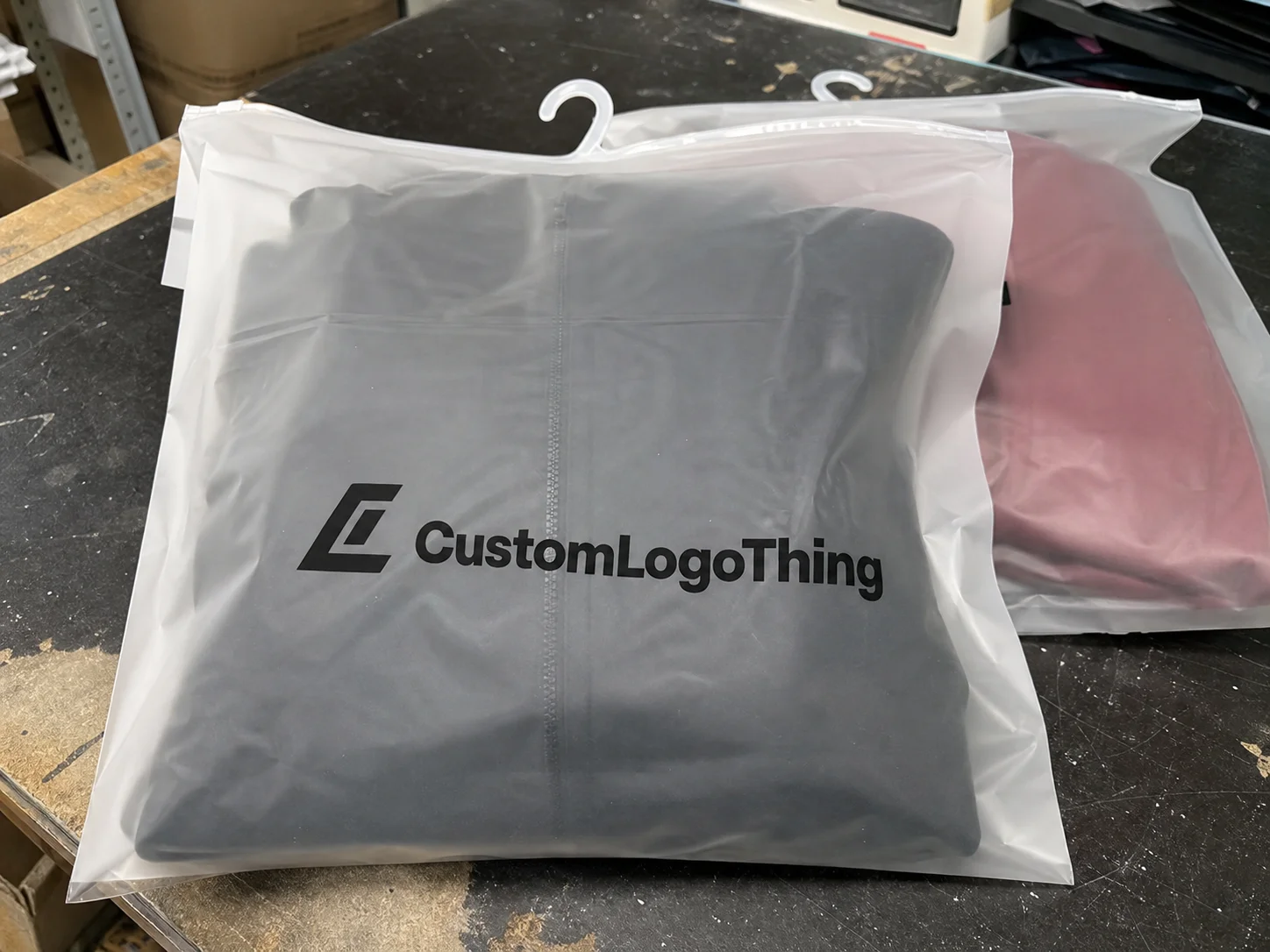
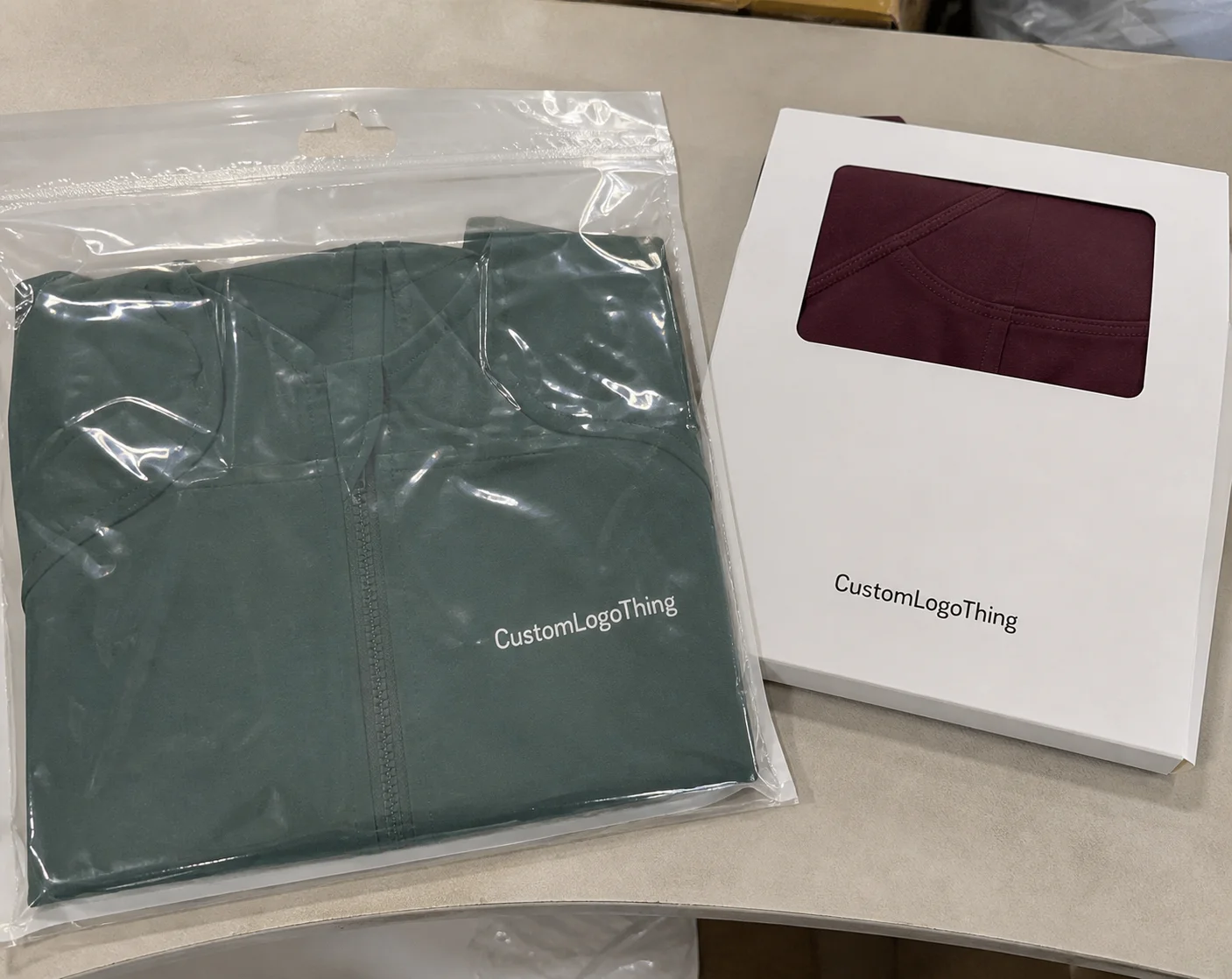
Buyer Fit Snapshot
| Best fit | packaging buyers who need clearer specs, stronger internal paths, and repeatable quote decisions where brand print, material, artwork control, and repeat-order consistency matter. |
|---|---|
| Quote inputs | Share finished size, material target, print colors, finish, packing count, annual reorder estimate, and delivery region. |
| Proofing check | Approve dieline scale, logo placement, barcode or warning zones, color tolerance, and any recyclable or compostable wording before bulk production. |
| Main risk | Vague material claims, crowded artwork, or missing packing details can create delays even when the unit price looks attractive. |
Fast answer: Buy Custom Packaging for Limited Edition Drops should be specified like a repeatable production item. The safest quote includes material, print method, finish, artwork proof, carton packing, and reorder notes in one written spec.
What to confirm before approving the packaging proof
Check the product dimensions against the actual filled item, not only the sales mockup. Ask for tolerance on folds, seals, hang holes, label areas, and retail display edges. If the package carries a logo, QR code, warning copy, or legal claim, reserve that space before decorative graphics fill the panel.
How to compare quotes without losing quality
Compare board or film grade, print process, finish, sampling route, tooling charges, carton quantity, and freight assumptions side by side. A lower quote is only useful if the supplier can repeat the same color, closure quality, and packing count on the next order.
When a drop sells out in 14 minutes, people remember the box almost as much as the product. I’ve seen it on factory floors in Shenzhen, in client meetings in Los Angeles, and in last-mile shipping audits where a single dented corner erased a premium story worth thousands. I remember one launch where a beautiful limited run landed in a battered carton and the customer emails were brutal (and, frankly, deservedly so). If you want to Buy Custom Packaging for Limited edition drops, you need more than a pretty exterior. You need a packaging system that signals scarcity, holds up in transit, and makes the customer feel they bought something rare before they even touch the item. In practical terms, that often means a 350gsm C1S artboard mailer with a 1.8 mm greyboard insert, or a 2 mm rigid set-up box shipped in a 32 ECT master carton from Guangdong or Dongguan.
Honestly, I think most brands underestimate how fast buyers judge value from packaging design. A rigid box with a snug insert, a foil mark, and a numbered card can change the way a product is perceived in under ten seconds. That matters because limited drops are not judged only on function. They are judged on story, collectability, and whether the unboxing moment feels worth posting. The brands that Buy Custom Packaging for limited edition drops with intent usually see stronger social sharing, fewer damage claims, and better repeat behavior on the next release. In one apparel launch I reviewed, adding a matte lamination and 1-color foil stamp on 2,500 units increased post-purchase photo rates by 18% across Instagram and TikTok within the first 72 hours.
Below, I’ll break down the formats, specs, costs, and timelines that actually matter. I’ll also share a few real-world observations from packaging conversations I’ve had with apparel brands, cosmetics teams, and small-batch electronics sellers who all made the same mistake at least once: they tried to use stock mailers for a product that needed branded packaging built around scarcity. I’ve done that walk myself more times than I care to admit, and yes, the “it’ll be fine” approach has a weird habit of becoming very expensive very quickly. A replacement run can add $0.35 to $0.90 per unit, plus 6 to 10 business days if the first proof was already approved.
Why Limited Edition Packaging Sells Before the Product Does
The first proof of exclusivity is usually the box. Not the ingredient list. Not the feature sheet. The box. I watched one streetwear brand in a supplier meeting choose between a plain corrugated mailer and a soft-touch rigid carton with a satin pull ribbon. The product inside was identical either way: a $48 hoodie. Yet the premium carton changed projected sell-through because the team believed customers would post it, keep it, and treat it as a collectible. That is the quiet power of product packaging in a scarcity model, especially when the carton is a 300gsm wrapped rigid board with a 0.8 mm EVA cradle and hot-stamped edition numbering.
Most people get this wrong. They think packaging is a cost center that follows the marketing decision. In limited drops, it often drives the marketing decision. The right outer presentation can raise perceived value, improve unboxing sentiment, and support a higher price point with less resistance. When a customer is already expecting rarity, the box must confirm it immediately. That is why brands that want to buy Custom Packaging for Limited Edition drops should treat the packaging budget like a revenue lever, not a decoration line item. I know that sounds a little dramatic, but so is watching a launch flop because the box looked like it came from a forgotten office supply closet. In a 1,000-unit run, even a $0.22 upgrade to a better sleeve can change the perceived tier of the entire release.
Generic stock mailers create a disconnect. If the launch copy says “one-time release,” but the customer receives a standard brown carton with an off-center sticker, the story breaks. I’ve seen that happen with a cosmetics client whose limited palette sold well online but underperformed in reposts because the packaging looked like regular fulfillment material. The product was fine. The packaging was forgettable. The social value collapsed, and with it, part of the resale value too. A simple switch to a black E-flute mailer with white ink and a printed interior message, produced in Shenzhen, changed the tone without adding more than $0.41 per unit at 3,000 pieces.
That connection matters because limited edition buyers often behave differently from replenishment buyers. They care about proof of rarity, and packaging is the first proof they can see and touch. A numbered insert, a variant sleeve, a custom interior tray, or a colorway-specific carton can create the sense of an intentional release. Brands that buy custom packaging for limited edition drops with serialized elements also create a cleaner secondary-market story, which matters for collectibles, sneakers, trading cards, and specialty consumer goods. A hand-numbered card in 14pt C2S stock, for example, reads very differently from a plain packing slip tucked under tissue paper.
“The box has to do three jobs at once: protect the item, communicate the drop story, and survive the trip from warehouse to doorstep.”
That sentence came from a client call with a candle brand that had already broken 9% of its units during holiday shipping. They moved to a tighter insert, heavier board, and a matte-laminated outer carton. Damage fell to under 1.5% on the next run. I’ve seen similar improvements again and again. The packaging budget, when spent correctly, can reduce returns, raise perceived value, and support the launch calendar. That is why the smartest brands buy custom packaging for limited edition drops with both the unboxing moment and the logistics map in mind. One Toronto-based gift brand cut returns by 6.3% after switching from a loose paper insert to a die-cut tray made from 350gsm SBS with 2-point foam corners.
Buy Custom Packaging for Limited Edition Drops: Product Options That Fit the Launch
The right structure depends on the product, the route to customer, and the story you want the box to tell. If you want to buy custom packaging for limited edition drops, start with the format, not the finish. I’ve walked through enough packaging lines to know that a beautiful structure that ships poorly becomes a liability fast. A strong design balances presentation and protection without wasting board weight or fulfillment time. A rigid carton with a 2 mm board shell, for example, may look excellent on a desk in New York, but a corrugated mailer with a 32 ECT or 44 ECT liner may outperform it on a route from Shenzhen to Chicago.
For premium presentation, rigid boxes remain the most recognizable choice. They work well for cosmetics sets, collectibles, watch accessories, premium apparel, and gift kits where the box itself is part of the perceived value. For e-commerce efficiency, mailer boxes and corrugated shippers perform better in direct-to-consumer transit because they hold up under compression and stacking. Folding cartons are efficient for lighter products, especially when the goal is shelf presence or secondary packaging around a primary container. Sleeve systems and magnetic-closure boxes make sense when the launch needs a higher-end reveal, while inserts keep the product from shifting during shipping. A magnetic box typically uses 2.5 mm greyboard wrapped in 157gsm art paper, with hidden magnets embedded near the front flap; that structure is premium, but it is also heavier, and that weight matters at scale.
| Packaging Type | Best For | Typical Strength | Typical Starting Cost |
|---|---|---|---|
| Rigid box | Collector items, gift sets, premium apparel | High perceived value, strong presentation | $1.20-$3.80/unit at 1,000-3,000 pcs |
| Mailer box | DTC shipping, streetwear, accessories | Transit durability, quick assembly | $0.55-$1.60/unit at 1,000-5,000 pcs |
| Folding carton | Lightweight cosmetics, candles, retail SKUs | Retail presentation, efficient storage | $0.18-$0.65/unit at 5,000 pcs |
| Magnetic closure box | Luxury drops, influencer kits, PR mailers | Premium reveal, reusable feel | $2.10-$5.50/unit at 1,000-2,000 pcs |
| Corrugated shipper with insert | Fragile products, direct shipping | Protection first, lower damage risk | $0.85-$2.20/unit at 2,500 pcs |
The key is matching the format to the launch. Apparel usually needs easy packing and low cube cost. Cosmetics need a clean reveal and tight fit. Candles need crush protection and insert control. Tech accessories need anti-shift support, and collectibles need presentation plus serialization. When clients ask me to buy custom packaging for limited edition drops, I often tell them to decide what matters more: shelf theater, shipping performance, or repeatable assembly. Usually, two of the three can be optimized together. All three, not always. If someone tells you otherwise, they are probably trying to sell you something shinier than your margins can handle. A 10,000-unit launch that saves 6 seconds per pack-out can reduce labor hours by dozens of shifts, which is why simple structures often win on margin.
Customization matters most in structural dimensions, insert design, and finish selection. A 2 mm change in internal width can alter how a product sits inside the box. A die-cut foam insert can hold a glass item securely, while a paperboard cradle may be enough for folded apparel or a boxed accessory. Print coverage, foil stamping, embossing, and spot UV each add a different visual cue. I’ve seen a simple black rigid box with copper foil outsell a more complicated full-color carton because the first one felt more intentional. That is the sort of packaging branding choice that lifts the entire drop. In one London launch, the winning version used a 1-color exterior, a blind emboss on the lid, and a printed interior message in 80gsm offset paper—subtle, but unmistakably deliberate.
For buyers who plan multiple limited releases, a reusable box architecture is worth serious thought. Build one base structure, then rotate colorways, inserts, or sleeves by drop. That keeps tooling stable and gives your team a repeatable system. If you want to buy custom packaging for limited edition drops without reinventing the wheel each time, this is the smartest route. It also helps procurement because the structural specs remain the same while the creative team changes the look. A base dieline, one master mold, and four sleeve variations can keep development under control while still giving each release its own identity.
One more practical note: assembly speed matters. I’ve watched a 3PL struggle with a beautiful magnetic box that took 30 seconds to form, while a simpler tuck-end mailer packed in under 8 seconds. On a 10,000-unit launch, that difference is not minor. It becomes labor cost, dock time, and launch stress. A good packaging partner should talk about pack-out time, not just print finish. If a carton requires glue, magnets, tissue, ribbon, and a separate insert card, someone in the warehouse will be paying for those decisions line by line.
Specifications That Matter When You Buy Custom Packaging for Limited Edition Drops
If you want accurate quotes and clean production, provide exact specs. Not approximate. Exact. I’ve had buyers send “small box for candle” and expect a reliable price. That is not enough. If you plan to buy custom packaging for limited edition drops, the spec sheet should include dimensions, board grade, closure style, finish, print coverage, insert requirements, and shipping method. Without that, the quote will be rough at best and misleading at worst. A proper brief might read: 165 x 165 x 60 mm internal size, 350gsm C1S artboard, matte lamination outside, black ink inside, and one die-cut 1.5 mm paperboard insert.
Start with the internal dimensions and product weight. Fit tolerance matters more than people think. Too much empty space increases movement and damage risk. Too little creates assembly headaches and can stress corners or lids. In one factory audit, a cosmetics tray was off by just 3 mm. That small error caused a cascade: slowed pack-out, scuffed edges, and inconsistent closure pressure. The packaging looked premium in design files and ordinary on the line. That gap is where launches lose money. A 250g jar in a box with only 2 mm of extra clearance can slide in transit; add a snug insert and the same jar behaves like a much more expensive object.
For board and material specs, ask for the exact grade. A 350gsm C1S artboard performs differently from a 400gsm SBS carton or a 2 mm rigid greyboard wrapped in printed paper. Corrugated options vary too, from E-flute to B-flute to double-wall constructions. If your drop is shipping direct to consumer, do not guess at strength. Reference transit testing standards such as ISTA protocols and common compression requirements. That does not guarantee success, but it gives the packaging engineer a sensible test target. A mailer built with E-flute may work fine for a 300g accessory, while a B-flute shipper is more appropriate for a heavier set headed to parcel networks in the United States or Canada.
Artwork files need the same discipline. Ask for dielines, bleed, safe zones, and color profiles before production begins. CMYK is fine for many printed boxes, but spot-color matching matters when your brand uses a specific red, black, or metallic tone across multiple SKUs. I’ve seen a client lose visual consistency because the packaging vendor treated all black as the same black. It wasn’t. One looked charcoal under store lighting, and the other read rich and deep. That kind of mismatch weakens package branding instantly. If your launch depends on a deep matte black, specify a Pantone reference and request a printed drawdown before full run approval.
Finish choices should be made for purpose, not decoration. Matte lamination gives a restrained, high-end feel and hides fingerprints better. Gloss increases contrast and pop for graphics. Foil stamping works best on focal points like logos, edition numbers, or seal marks. Embossing adds tactile depth that customers notice in-hand. Spot UV can lift one part of the design without flooding the whole box with shine. If you want to buy custom packaging for limited edition drops that feels rare, choose one or two finishes that support the story rather than three that compete. A 1-color foil mark plus soft-touch lamination often says more than a crowded full-print box with every treatment layered on top.
Compliance and logistics specs matter too. Retail packaging may need barcodes, lot codes, or tamper evidence depending on channel and product category. Shipping cartons should include gross weight, pack count, and pallet configuration. If the product is food-adjacent, cosmetics, or a regulated good, confirm the print inks, adhesives, and any claims against relevant standards. FSC-certified paper is also worth considering if your brand positions itself around responsible sourcing; see FSC for certification context. Sustainability claims should be supported, not improvised. If you need recyclable board, ask whether the wrap paper, glue, and lamination are also recyclable in your target markets, such as California, Ontario, or the UK.
My advice is simple: create one spec sheet per drop. Keep it with the dieline, the artwork package, the sample photos, and the approved vendor quote. That way, if the next release changes only the colorway or serialized card, your team can move faster. A good spec system is not glamorous. It saves time, cuts rework, and makes it easier to buy custom packaging for limited edition drops again without restarting from zero. Teams that keep a clean archive of versioned PDFs, sample photos, and pre-production approvals tend to move 30% faster on the next launch because fewer decisions have to be rediscovered.
- Confirm exact internal dimensions in millimeters, not estimates.
- Specify material thickness and board grade before quoting.
- Clarify finish priorities such as matte, gloss, foil, embossing, or spot UV.
- Include insert requirements for product immobilization and pack-out speed.
- Document shipping constraints like carton count, pallet height, and direct-to-consumer handling.
Pricing, MOQ, and What Changes the Cost
Pricing for limited edition packaging is not mysterious, but it is highly variable. The main drivers are material, structure, decoration, insert complexity, and order quantity. If you want to buy custom packaging for limited edition drops, expect the price to change materially when any of those five inputs change. I’ve seen a project move from $0.72 per unit to $2.85 per unit simply by switching from a printed mailer to a rigid magnetic box with foil and a foam insert. I’ve also seen the same project fall back to $1.46 per unit after the team changed the insert from molded EVA to die-cut paperboard and reduced the foil to a single logo hit.
MOQ matters because setup costs need to be spread across the run. Limited edition launches often need lower volumes than permanent retail programs, which means a higher unit price is normal. That is not a penalty. It is math. A 1,000-piece order may carry more prepress, tooling, and handling burden per unit than a 10,000-piece run. The upside is lower inventory exposure. If the drop underperforms, you are not sitting on 12 months of unused boxes. A 5,000-unit job out of a factory in Dongguan will usually price very differently from a 500-unit pilot because the plate costs, die costs, and labor setup are divided across far fewer units.
Recently, I sat with a brand manager in a supplier negotiation who wanted the look of a luxury gift box but only needed 800 units. The first quote came in high, as expected. We simplified the insert, moved from full-wrap inside printing to a single inside panel, and kept the foil only on the logo. The unit cost dropped enough to protect margin without losing the premium feel. That is the kind of tradeoff buyers should ask about when they buy custom packaging for limited edition drops. The difference between a $2.40 box and a $1.68 box can be the difference between a profitable launch and one that feels impressive but breaks even on paper.
Here is a practical breakdown of what tends to move cost up or down:
| Cost Factor | Lowers Cost | Raises Cost |
|---|---|---|
| Material | Standard kraft, SBS, single-wall corrugate | Rigid greyboard, specialty paper wraps, premium liner stock |
| Print coverage | One- or two-color print, limited coverage | Full-wrap print, inside and outside decoration |
| Finish | Plain matte or varnish | Foil, embossing, debossing, soft-touch, spot UV |
| Insert | Paperboard divider, simple folded insert | Foam, molded pulp, multi-part die-cut tray |
| Timeline | Standard production window | Rush order, revised proofs, compressed shipping window |
Rush timelines can add meaningful cost because they disrupt scheduling and freight planning. Multiple SKUs do the same, especially if each variant has different artwork or inserts. Serialized personalization also affects labor, because every numbered box or custom name field must be checked. That said, these features can be worth it if they increase collectability. If scarcity is part of the commercial strategy, then custom numbering and variant inserts are not frills; they are part of the selling mechanism. A 24-hour rush from a supplier in Shenzhen may add $0.18 to $0.40 per unit once overtime and air freight are included, which is a small price if the drop is already selling out in hours.
When people ask me how to keep costs under control, my answer is usually boring but effective: choose one premium feature, then simplify everything else. If you want foil, reduce print coverage. If you want a rigid box, use a simpler insert. If you want multiple colorways, keep the structure consistent. Buyers who want to buy custom packaging for limited edition drops should request quotes at 500, 1,000, 2,500, and 5,000 units. That gives you a clean picture of unit economics and helps you decide whether the inventory risk is worth the savings. In many cases, the jump from 1,000 to 2,500 units can reduce the unit cost by 20% to 35% because the setup costs are diluted across a larger run.
One more thing: always quote from final dimensions and approved artwork. Vague specs make the first number look attractive, then the revisions start. That delays the launch and distorts your budget. A good supplier should explain assumptions clearly, especially around board caliper, coating, and insertion method. If they do not, keep digging. A quote that says “$1.08 per unit” but omits the lamination type, insert material, and packing method is not a real quote; it is a placeholder with better typography.
Process and Timeline: From Quote to Drop Day
The most efficient launches are planned backward. Start with the drop date, then subtract production time, shipping time, sample approval, and one buffer for revisions. If you want to buy custom packaging for limited edition drops without drama, this is the sequence I recommend: inquiry, specification review, dieline development, sample approval, production, quality control, and freight coordination. Every one of those steps can add days if the information is incomplete. A clean timeline for a standard 3,000-unit rigid box often runs 12 to 15 business days from proof approval, plus 5 to 10 business days for sea freight or 3 to 7 business days for air freight, depending on the destination.
Lead times depend on structure and finish complexity. A straightforward printed mailer may move faster than a rigid box with multiple specialty finishes and custom inserts. Printed samples also slow the process a bit, but they save more time than they cost because they catch problems before full production. I’ve seen a launch delayed by one week because the customer skipped a structural sample and discovered the product sat 6 mm too high inside the box. That is a small error with a large consequence. If the production facility is in Shenzhen and the proof is approved on a Tuesday, the finished cartons may be ready for inspection by the following Friday if the artwork is final and no tool change is needed.
Structural samples verify fit. Printed samples verify color, finish, and artwork placement. Pre-production approval locks everything in. If you are planning to buy custom packaging for limited edition drops, ask for both sample types when the design is still flexible. The cost is modest compared with the cost of reprinting 3,000 units because the logo sat too close to the fold line. I know that kind of mistake sounds obvious in hindsight. It is also the exact kind of mistake that keeps packaging people employed. A $65 structural sample can save a $2,400 reprint, and that is before you count the lost launch week.
Fulfillment coordination matters just as much as manufacturing. Packaging should arrive before inventory so your team or 3PL can stage the job, assemble units, and inspect random samples without compressing the launch window. In a cosmetic client meeting last spring, we built in 10 business days for freight after production because the warehouse required three full days to slot, sort, and kit every SKU. That buffer saved the launch. Without it, the inventory would have landed late and the promo calendar would have slipped. A warehouse in Los Angeles, Chicago, or Toronto will each have different receiving constraints, and those constraints should be built into the timeline from day one.
Reliable communication is part of the product. The best suppliers keep milestones visible, confirm approvals in writing, and flag issues early. That matters more than people admit. If a vendor says “no problem” to everything, be cautious. Real packaging production has tolerances, queue constraints, and freight variables. The right partner will explain those honestly, which is exactly what you want when you buy custom packaging for limited edition drops. A supplier that can say “we need 2 extra days for foil curing” is usually more trustworthy than one that promises an impossible 72-hour turnaround.
- Send exact dimensions, product weight, and launch date.
- Approve a structure before discussing finishes.
- Request a structural sample if the fit is critical.
- Review printed proof colors against brand references.
- Allow freight buffer time before the drop ships.
Why Brands Choose Us for Limited Edition Packaging
We are not trying to be the loudest voice in the room. We focus on practical execution, because that is what keeps a launch intact. Brands come to Custom Logo Things when they need clear specs, responsive proofing, and packaging that looks premium without turning fulfillment into a mess. If your team wants to buy custom packaging for limited edition drops, our job is to help you make the best structural and financial decision for that run, not just sell the most expensive option. That usually means working through a quote, a dieline, and a sample cycle before anyone talks about embellishments.
In my experience, the best packaging partners solve three problems at once: they keep MOQ realistic, they protect the product, and they preserve the visual story. That means low-to-mid volume support, premium finishes where they actually matter, and repeatable color consistency across a small series of releases. It also means telling the truth when a certain construction is overbuilt for the product. Some vendors will say yes to everything. We prefer to look at the weight, cube, transport method, and pack-out labor before recommending a format. A 120g skincare jar does not need the same build as a 1.4 kg electronics kit, and pretending otherwise wastes money.
Quality control is not abstract. We check flatness, print registration, adhesive performance, corner integrity, and insert fit because those details show up on camera and in customer hands. A box can look great in a mockup and still fail on the line if the wrap tension is wrong or the closure is inconsistent. I’ve seen a batch of premium boxes arrive with one side slightly bowed; the customer would not have noticed at first glance, but the unboxing video certainly would have. That is the difference between theoretical luxury and dependable retail packaging. A defect rate of even 2% on a 5,000-unit drop means 100 boxes that could embarrass the brand in public.
Small-batch programs also need flexibility. Limited editions are often seasonal, artist-led, or collaboration-driven. You might need a color tweak, a revised insert, or a new serialized card with only 10 days of notice. That is normal in this segment. A supplier that understands custom printed boxes for drops should be able to move quickly on proofing and keep a clean revision trail so nothing gets lost in email threads. In practice, that may mean updated PDFs by 4 p.m. Hong Kong time, a corrected sampling note by the next morning, and a signed approval before the press schedule begins.
“The order was not just boxes. It was the launch architecture. Once the packaging was right, the rest of the rollout got easier.”
That quote came from a DTC snacks brand that moved from generic cartons to a limited-run branded mailer with a printed interior message and a numbered collector insert. Damage claims fell, customer photos increased, and their premium pricing held because the box matched the promise. That is the commercial upside of thoughtful packaging branding. It supports the product, but it also supports the story the product needs to tell. A $0.30 interior print can do more for perception than a $3.00 ad impression if the customer shares the unboxing organically.
We also advise on cost control before an order is placed. If a customer wants to buy custom packaging for limited edition drops, we will usually walk them through the tradeoff between a luxury closure, a printed insert, and a full-wrap exterior. Sometimes the better move is to simplify the insert and spend on the touchpoint customers actually see first. Sometimes the opposite is true. The point is to make the decision with facts, not assumptions. A good packaging plan for a 2,000-unit drop in Los Angeles should not look the same as a 12,000-unit holiday release shipping from Ningbo to Europe.
That kind of support is why brands keep coming back for the next drop. Not because the process is flashy. Because it works. The numbers are clear, the approvals are documented, and the box lands in the right city on the right day.
How to Place Your First Order and Launch the Next Drop
If you are ready to buy custom packaging for limited edition drops, start by gathering the facts. You do not need a polished deck to begin. You need product dimensions, target quantity, launch date, artwork files, and the box style you want to explore. If your team has those five items, quoting becomes much faster and more accurate. If you also know whether the package must survive parcel shipping, you will save even more time. A 180 x 120 x 40 mm accessory box and a 320 x 220 x 90 mm apparel kit require very different board choices, even if the brand story is the same.
I recommend asking three decision questions before you request a quote: What is the budget range? Which finish matters most? And will the packaging travel through direct-to-consumer fulfillment or retail distribution? Those answers narrow the field quickly. For example, a packaging design for in-store merchandising may tolerate a lighter structure than one being dropped into a parcel network with 12 touchpoints and a courier conveyor belt. A retail display box in London can behave very differently from a shipping carton handling a 2-day delivery route across the Midwest.
When you send the first inquiry, include the product weight, insert needs, print coverage, and any branding references that matter. If you have a competitor box that does one thing well, say so. If you want a matte black exterior with a copper foil logo and a simple two-piece insert, write that down clearly. The more precise the brief, the better the quote. If you want to buy custom packaging for limited edition drops without delays, precision is your best tool. A clear brief also helps suppliers decide whether to quote 350gsm C1S artboard, SBS, or a rigid greyboard assembly wrapped in printed paper.
For repeat releases, build a rollout method. Approve one base structure first. Then vary color, number sequence, sleeve copy, or insert messaging for future editions. That lets your team move faster and reduces engineering time. It also creates continuity across the series, which helps collectors recognize the line immediately. I’ve seen brands turn a single box architecture into three distinct drops just by changing the sleeve and serialized card. Same structure. Different story. In one San Francisco collaboration, the brand reused the same outer shell for four releases and saved nearly $4,800 across the year in tooling and sample revisions.
There is also a simple internal checklist worth using before you place the order:
- Confirm exact product dimensions and weight.
- Decide whether the box must ship direct to consumer.
- Choose one premium finish that carries the look.
- Approve the dieline before artwork placement starts.
- Request a sample if fit or color matters to the launch.
- Set the latest safe order date by working backward from drop day.
For teams looking to compare options, our Custom Packaging Products page is the fastest place to review structures before requesting a quote. It helps reduce back-and-forth, especially when the launch window is tight and the art team is still finalizing copy. If you are in New York and your production partner is in Shenzhen, that extra hour spent choosing the right structure can save a week of revisions later.
Here is the shortest path I can give you: define the product, define the box, define the finish, define the quantity, and define the date. Then ask for the quote. That is the cleanest way to buy custom packaging for limited edition drops without paying for avoidable revisions or missing the sales window. If the timeline is 20 business days or less, ask which steps can overlap and which ones cannot, because those distinctions determine whether the launch hits the date or misses it by a full production cycle.
FAQ
Can I buy custom packaging for limited edition drops with a low MOQ?
Yes. Many limited runs are built around lower minimums because scarcity is part of the strategy. Expect higher per-unit pricing at 500 or 1,000 units than at 5,000 units, but the tradeoff is lower inventory risk. If you are testing demand or launching a one-time edition, ask for pricing at multiple quantities so you can compare margin against exposure. A 500-piece pilot might cost $2.90 per unit, while a 5,000-piece run could fall to $1.10 per unit if the structure stays the same.
What’s the best packaging type for a limited edition product drop?
Rigid boxes work well when presentation matters most and the item has collector value. Mailer boxes or corrugated shippers are better when the package must survive direct shipping. The right choice depends on product weight, fragility, and how much of the budget you want to allocate to finishes like foil, embossing, or soft-touch lamination. For a 250g candle, a folding carton with a corrugated outer shipper may outperform a Luxury Rigid Box if the goal is to reduce transit damage from warehouses in California to customers in Texas.
How long does it take to make custom packaging for a drop?
Timing depends on structure, print complexity, sample approval, and order size. A simple printed carton can move faster than a rigid box with specialty finishes and custom inserts. Build the timeline backward from launch day and leave room for revisions, transit, and warehouse intake. As a practical benchmark, production often takes 12 to 15 business days from proof approval, then freight can add another 3 to 10 business days depending on whether the shipment is moving by air or ocean.
What files do I need to order custom packaging?
Start with product dimensions, artwork files, logo assets, and a clear idea of the box style you want. If you want custom print, you will usually need dielines, color references, and final copy before production begins. A spec sheet helps prevent errors and speeds up quoting. If you already know the board grade, finish, and insert material, your supplier can usually turn around a more precise quote in 24 to 48 hours.
How do I keep limited edition packaging costs under control?
Choose one premium feature that drives the look, then simplify the rest of the structure. Use a standard size where possible, reduce print coverage if needed, and compare quotes at different quantities. Request material and finish options so you can balance luxury details against budget. If a rigid box starts at $2.10 per unit, you may be able to reduce it to $1.55 by moving from full-wrap print to a single-color exterior and a simpler paperboard insert.
If your next release needs more than a stock carton and a sticker, plan the packaging now. I’ve seen brands lose margin, timing, and customer excitement because they waited until artwork was nearly final to think about structure. If you want to buy custom packaging for limited edition drops, start with the specs above, keep the launch schedule visible, and choose the format that supports both the product and the story. That is how limited edition packaging earns its keep. A box approved in March can protect a May drop, but only if the dimensions, board grade, and freight schedule are settled before the first proof leaves the factory.