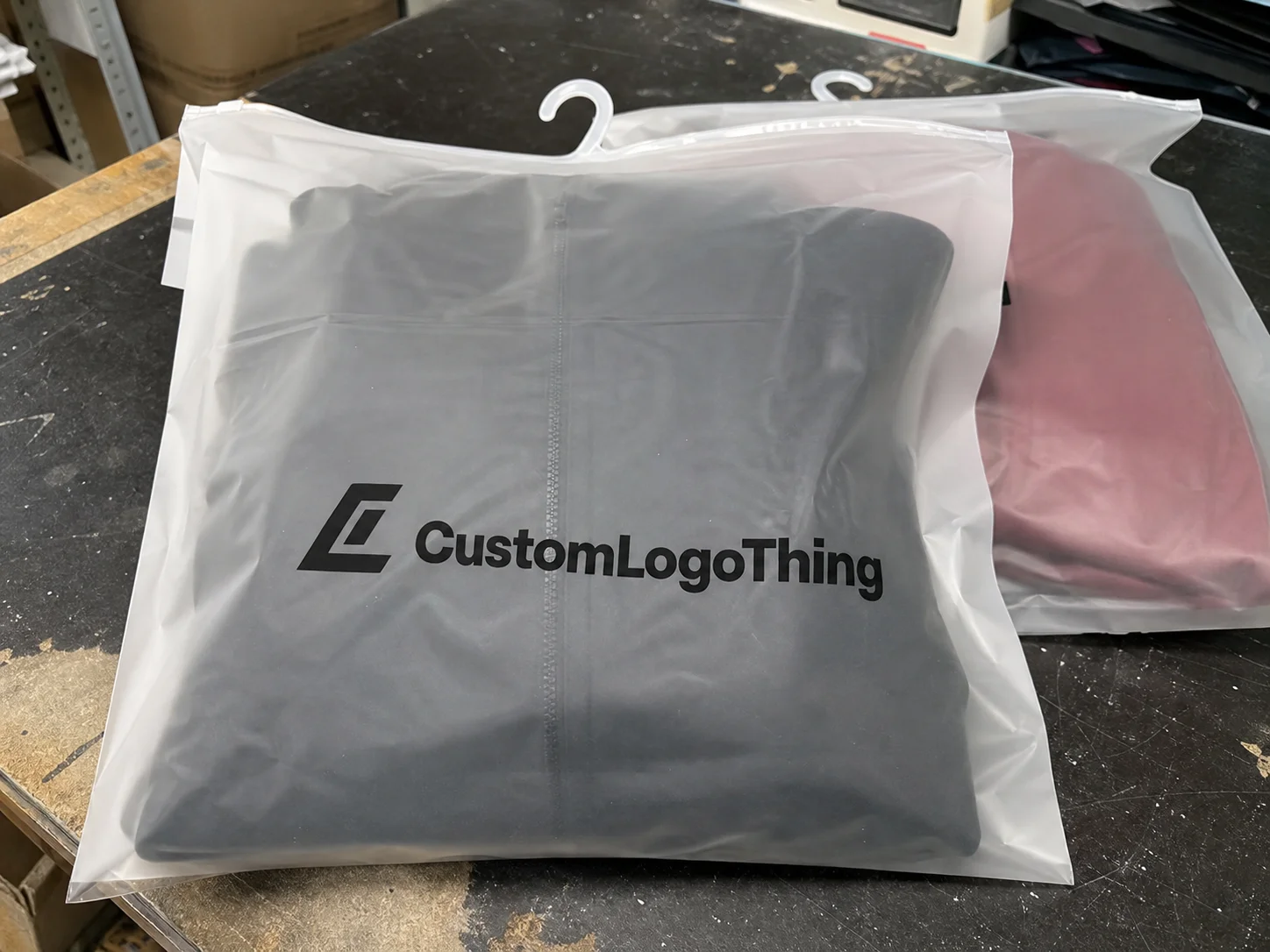
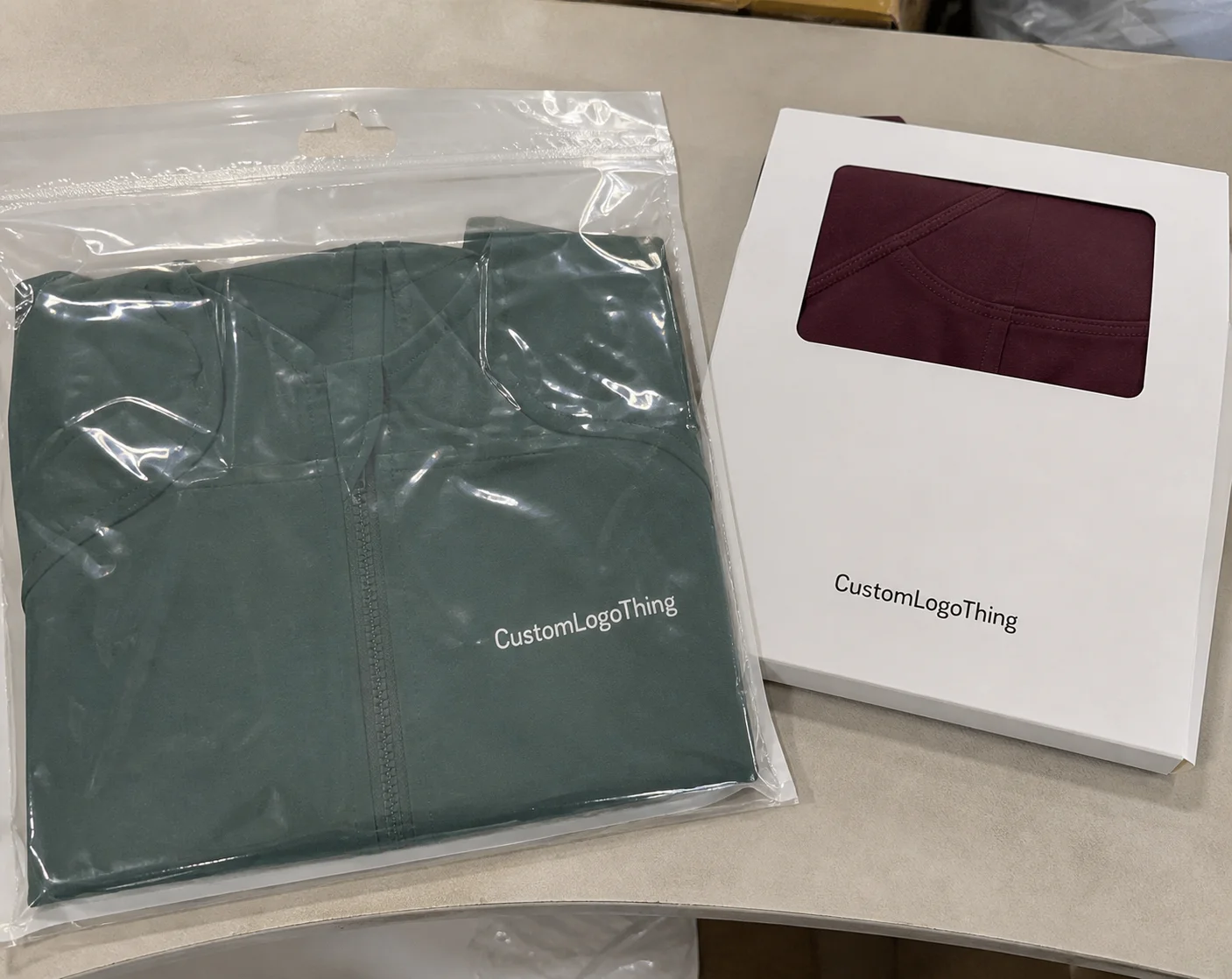
Buyer Fit Snapshot
| Best fit | Custom Packaging for Limited Edition Drops projects where brand print, material claims, artwork control, MOQ, and repeat-order consistency need to be specified before quoting. |
|---|---|
| Quote inputs | Share finished size, material target, print colors, finish, packing count, annual reorder estimate, ship-to region, and any compliance wording. |
| Proofing check | Approve dieline scale, logo placement, barcode or warning zones, color tolerance, closure strength, and carton packing before bulk production. |
| Main risk | Vague material claims, crowded artwork, missing packing details, or unclear freight terms can make a low unit price expensive after revisions. |
Fast answer: Custom Packaging for Limited Edition Drops: Material, Print, Proofing, and Reorder Risk should be specified like a repeatable production item. The safest quote records material, print method, finish, artwork proof, packing count, and reorder notes in one written spec.
Production checks before approval
Compare the actual filled-product size with the drawing, then confirm tolerance on folds, seals, hang holes, label areas, and retail display edges. Reserve space for logos, QR codes, warning copy, and material claims before decorative graphics fill the panel.
Quote comparison points
Review material grade, print process, finish, sampling route, tooling charges, carton quantity, and freight assumptions side by side. A quote is only useful when the supplier can repeat the same color, closure quality, and packing count on the next order.
Some of the most talked-about launches I’ve seen were remembered less for what was inside and more for the box that carried it. That’s not luck, and it’s definitely not an accident. Custom Packaging for Limited Edition drops turns the package into part of the story, part of the proof, and, awkwardly but truthfully, sometimes the main reason people post it in the first place. I remember watching a $28 product get treated like a collector’s item simply because the structure, print, and finish made it feel scarce. Same product. Entirely different reaction. Wild, honestly.
That’s the heart of Custom Packaging for Limited Edition drops: packaging built around urgency, collectability, and timing. It has to do more than protect the product in transit. It has to communicate, almost instantly, that this run will not be repeated and that the customer is holding something worth showing off. For brands working with Custom Packaging Products, that means packaging design is never just a production decision. It’s a launch decision. A painful one sometimes, too, because the box can be the difference between “nice” and “I need to post this right now.”
Custom Packaging for Limited Edition Drops — What It Is and Why It Matters
Custom Packaging for Limited Edition drops is packaging engineered for a short-run launch where scarcity is part of the product value. In plain English, it’s not generic retail packaging with a sticker slapped on later. It’s branded packaging designed around a release window, a fixed quantity, and a customer base that expects something special the moment the outer shipper hits the doorstep. A run of 500 units in Los Angeles will not be handled the same way as a 10,000-unit apparel release leaving a factory in Dongguan or Shenzhen, and the packaging should reflect that operational reality.
Some brands think the product alone carries the hype. Usually, that’s only half true. The box, sleeve, seal, or insert often becomes the first physical proof that the drop was real, limited, and worth chasing. I’ve seen customers keep the packaging long after they’ve used the product, especially when the custom printed boxes included numbering, hidden copy, or a finish that felt expensive in the hand. A soft-touch matte on 350gsm C1S artboard changes perception faster than a paragraph of ad copy ever could. And yes, I have watched adults argue over who got box number 17. That happened.
There’s also a behavioral angle here. Limited drops are shareable because they create a moment. A customer opens the box, snaps a photo, tags the brand, and signals membership in the group that got in early. That loop matters. In one client meeting for a streetwear launch in Brooklyn, the brand had assumed the hoodie was the hero. After testing three packaging concepts, the most shared image was the inside lid with a foil-stamped message and a serial number. The garment was excellent. The packaging made people talk. The garment was the product; the box was the megaphone.
That’s why Custom Packaging for Limited Edition drops matters so much: it becomes part of perceived value, not just a shipping layer. It supports package branding, drives social media behavior, and often lifts repeat demand because customers start expecting a distinct experience with each release. If you’re selling a $45 skincare kit, a $180 collectible, or a 500-piece apparel run, the box is part of the product equation. Honestly, I think brands underestimate this because packaging looks “extra” right up until the customer posts it and your engagement graph suddenly behaves like it had caffeine.
“The biggest mistake I see is treating limited drop packaging like regular retail packaging with extra print. It usually needs a different structure, a different timeline, and a different cost model.”
There’s a trust element too. If the packaging feels rushed, flimsy, or generic, customers read that as a signal about the product inside. I’ve seen that happen with cosmetics, specialty food, and small electronics. The reverse is true as well. Strong custom packaging for limited edition drops can make a launch feel more controlled, more desirable, and more complete. It tells people somebody thought this through, which is a surprisingly rare luxury. In supply terms, that “thought through” part often translates into a sample round in Dallas, a proof approval in 48 hours, and a production slot that holds for 14 to 21 days.
How Custom Packaging for Limited Edition Drops Works
The workflow for custom packaging for limited edition drops starts long before artwork approval. It usually begins with a brief: what the drop is, who it’s for, how many units exist, and what the brand wants the customer to feel in the first five seconds. After that comes structural design, print production, finishing, assembly, and fulfillment. Miss one of those stages, and the whole launch can drift. Fast. A small packaging program in Portland may be quoted in 2 days; a more complex launch with inserts, foil, and spot UV can take a week just to spec properly.
I’ve walked enough factory floors to know the sequence matters. In one Shenzhen facility, a brand arrived with beautiful artwork but no final product dimensions. The result was a packaging delay of 11 business days because the insert had to be rebuilt after sampling. That sounds small until your launch is scheduled for a Friday and your freight booking closes on Tuesday. Packaging timelines are not abstract. They’re calendars, cartons, and labor hours. They are also, from a planner’s point of view, mildly terrifying. I’ve seen the same mistake in Guangzhou and in Mexico City: the artwork was ready, but the box size was not.
For custom packaging for limited edition drops, the drop calendar drives nearly everything. If you have 2,000 units in a single weekend release, your packaging may need pre-kitted inserts, serialized sleeves, or split production across two lines. If you’re doing a product launch through DTC and retail at the same time, the same box might need to survive parcel shipping and sit neatly on a shelf. That’s where structural engineering meets branding. A 9 x 6 x 3 mailer built for an ecommerce drop in Chicago will need different tolerances than a shelf-facing rigid carton shipped to boutiques in London or Toronto.
Common formats include rigid boxes, mailer boxes, sleeves, inserts, tissue, tamper seals, and serialized elements. The format should fit the product and the story. A premium fragrance may use a rigid setup box with a molded pulp insert and satin ribbon. A capsule apparel drop might use corrugated mailers with a printed interior and a numbered sticker seal. A collectible accessory might need a sleeve-and-tray setup so the customer sees hierarchy immediately upon opening. For a 1,000-unit cosmetics launch, I’ve also seen a 24pt SBS foldable carton with a 350gsm insert perform better than a heavier rigid build because assembly time dropped by nearly 30%.
Here’s the key point: custom packaging for limited edition drops is not just about print. It’s about building scarcity into the experience. That can happen with one-of-one numbers, variant colors, hidden messages under a flap, or special labels assigned to each run. I once worked with a client who used three internal panel messages across 1,500 boxes. Same outer graphics, but each box had a slightly different reveal. Customers posted them like trading cards. I’m still annoyed I didn’t think of it first. The final assembly happened in a warehouse outside Atlanta, where the team sorted the panels by lot code before kitting.
There’s a lot of connective tissue between branding, logistics, and protection. The best packaging design looks simple because the engineering underneath is doing real work. If you want a resource base, the ISTA test standards are worth understanding, especially for ecommerce shipments that will see drops, vibration, and compression. That’s not glamorous, but neither are returns. And returns are where optimistic packaging concepts go to die. A 36-inch drop test in a Nashville or Phoenix fulfillment center can tell you more in 10 minutes than a week of mood-board conversations.
Key Factors That Shape Custom Packaging for Limited Edition Drops
Several variables decide whether custom packaging for limited edition drops feels premium or just expensive. The first is brand fit. The package has to match the audience, the price point, and the story. A $12 accessory does not need a 3-pound rigid box with magnetic closure. A $220 collector item probably does. Customers notice when the packaging and the product are speaking different languages, and they notice it faster than they notice your subtitle font choice. A launch in Seoul or Berlin may also demand a different visual restraint than one aimed at a U.S. collector market.
Protection is the second factor, and this is where people get surprised. Limited items often need better inserts, stronger crush resistance, or tighter tolerances than standard retail packaging because the replacement window is narrow. If a drop sells out in 18 minutes, a damaged unit is not just a lost box. It can be a customer service problem, a PR problem, and a resale-market problem all at once. I’ve seen a run of custom printed boxes fail a corner-crush test because the board spec was too light for parcel shipping. The brand saved $0.08 per unit and spent far more on replacements. That penny-pinching move still makes me wince.
Material choices carry both visual and operational weight. Premium paperboard gives crisp print and a refined hand feel. Corrugate adds strength and shipping confidence. Rigid stock supports a higher-end unboxing sequence. Sustainable alternatives, including FSC-certified board and recycled corrugate, help brands address environmental expectations without automatically sacrificing presentation. If sustainability claims matter to your buyer, check the paper certification chain carefully; the FSC framework is a useful reference point. For example, a 350gsm C1S artboard sleeve paired with an E-flute mailer can feel polished while still keeping freight weight manageable on a 2,500-unit run.
Unboxing value is another driver, and it’s not just about looking good on camera. Tactile finishes, hidden compartments, magnetic closures, thumb-notches, and layered reveals create a sense of pacing. In my experience, the best limited drop packaging uses one strong tactile moment and one visual surprise. Too many effects can turn premium into noisy. I once reviewed a beauty launch that stacked foil, spot UV, embossing, and a custom ribbon. The budget ballooned, but the product felt buried. Like the box was showing off at the expense of the thing people actually bought. A single 1.5 mm embossed logo on a matte black rigid box often does more work than four competing effects.
Cost and pricing are where the strategy becomes real. custom packaging for limited edition drops pricing depends on size, stock, print method, finishes, minimum order quantities, and assembly labor. A simple printed mailer in 18pt corrugate might land around $0.72 to $1.10 per unit at 5,000 pieces, depending on ink coverage and shipping. A rigid box with specialty coating, insert, and foil can move into the $2.80 to $6.50 range or higher. These are working estimates, not promises; the details swing with supplier, location, and freight. A factory in Dongguan will not quote the same way as a shop in Chicago or Ho Chi Minh City, especially once domestic trucking and carton storage are added.
Lead time matters just as much. A simple printed mailer may take 12 to 15 business days from proof approval. A rigid setup box with custom insert and multiple finishes can stretch to 25 to 40 business days, plus transit. If you need rush production, expect premiums. I’ve seen rush fees add 15% to 35% when art files arrive late or the launch date is locked too early. That’s why custom packaging for limited edition drops works best when the packaging calendar is built backward from launch day, not forward from “whenever the art is done.” A 10,000-unit production run from proof approval to delivery can easily stretch to 30 business days if the factory is in Ningbo and the freight leg lands on a holiday week.
| Packaging Option | Typical Use | Approx. Unit Cost | Typical Lead Time | Best Fit |
|---|---|---|---|---|
| Printed mailer box | DTC apparel, beauty, accessories | $0.72–$1.10 | 12–15 business days | Fast-moving drops with moderate protection needs |
| Corrugated sleeve + insert | Collectibles, tech accessories | $1.25–$2.40 | 18–25 business days | Balanced branding and shipping durability |
| Rigid box with custom insert | Premium gifts, luxury launches | $2.80–$6.50+ | 25–40 business days | High perceived value and collector appeal |
| Mailer with special finish and seal | Limited apparel or cosmetic drops | $1.10–$2.00 | 15–20 business days | Strong visual impact without rigid-box cost |
That table is a useful starting point, but I’d still caution brands against assuming the cheapest structure is the smartest. custom packaging for limited edition drops should be measured against customer perception, damage risk, and fulfillment speed. A packaging system that saves 12 cents but causes 3% damage is not cheap. It’s expensive in disguise. I’ve had to explain that math more times than I care to admit. On a 5,000-unit run, a 3% damage rate means 150 replacements, and suddenly the “savings” disappear into reprints, reships, and customer support hours.
Step-by-Step Process for Building Custom Packaging for Limited Edition Drops
The smartest way to approach custom packaging for limited edition drops is to break it into six practical steps. I’ve seen brands try to design from the outside in, starting with foil and ending with fit. That usually backfires. Start with the objective. A launch team in Austin or Rotterdam can move faster when every stakeholder agrees on quantity, price point, and whether the box has to survive parcel shipping, shelf display, or both.
Step 1: Define the drop objective, audience, budget, and unboxing goal. Write down what the launch is trying to do. Is it meant to sell out in one day? Increase repeat buyers? Raise average order value? If the budget is $1.80 per unit, that changes the packaging architecture immediately. A launch brief should include quantity, product dimensions, shipping channel, and the one emotional reaction you want customers to have. If that reaction is “wow,” great. If it’s “why does this box need a forklift,” maybe revisit. I’d also include the target market city or region, because a launch aimed at Tokyo collectors will often need a different finish strategy than one shipped to Dallas subscribers.
Step 2: Choose the packaging format based on product size, shipping method, and retail versus DTC use. A product sold only through ecommerce can prioritize crush protection and photo-worthy structure. A product that appears in stores needs shelf impact and easy stocking. I’ve had clients try to force a retail-ready carton into a parcel-only drop, and the result was too much material in the wrong places. The box looked good in a mockup and cumbersome in real life. That mismatch is expensive, and it’s also mildly embarrassing during packout. If the product weighs 340 grams, a 24pt SBS carton might be enough; if it’s 1.2 kilograms, you probably want corrugate or rigid board with a stronger insert.
Step 3: Create the visual direction, dieline, copy, and special features. This is where branded packaging takes shape. You’ll define what goes on the outside, what gets hidden inside, and whether the packaging includes serial numbering, a QR code, or a message card. Keep the hierarchy clear. The customer should know where to look first, second, and third. Good package branding directs attention. It does not scatter it like confetti at a bad parade. A clean dieline in Illustrator, approved at 100% scale, prevents the kind of 2 mm alignment shift that turns a premium detail into a production headache.
Step 4: Request prototypes or samples and test fit, protection, and presentation. A pretty render is not a sample. When I visited a fulfillment partner in Ohio, they showed me six prototype cartons that all looked acceptable on screen but only two survived an actual drop test from 36 inches with product inside. The others passed visual review and failed physics. That’s why prototype checks matter for product packaging that needs to arrive clean and unbent. Physics has no interest in your mood board. I’d also ask for a finished sample with the exact coating, foil, and board weight before approving a 3,000-unit run.
Step 5: Finalize production specs, approve proofs, and lock the timeline. Confirm board grade, print method, coating, insert dimensions, tolerances, and carton count. A proof should not be treated like a vague approval. It should be a final technical checkpoint. If you’re using custom printed boxes with spot UV and foil stamping, verify registration. If the insert is die-cut foam or molded pulp, confirm density and fit. One millimeter can become visible fast. One millimeter can also become a support ticket, which is its own special flavor of annoying. For a factory in Suzhou or Medellín, I’d want the final proof signed off at least 2 to 3 weeks before production starts.
Step 6: Coordinate packing, inventory staging, and fulfillment so the launch is not delayed by packaging bottlenecks. Limited drops often fail at the handoff point. The packaging arrived on time, but the inserts were packed separately. Or the boxes were delivered flat, but the assembly crew was booked for another project. Or the serialized labels were printed but not sorted. That’s why custom packaging for limited edition drops has to be planned alongside warehouse labor, not after it. If your fulfillment center in Nevada needs 4 staff for a 1,000-unit packout, and your packaging arrives in three mixed pallets, the “limited” part starts to feel accidental.
One thing people underestimate is how packaging decisions affect the drop calendar. If your quantity is 10,000 and the packaging requires hand assembly, your fulfillment team may need staging space, line balance, and a counting process. If the run is only 500 units, you may get away with more elaborate touches. Scale changes everything. So does channel mix. And yes, once a line starts backing up, everyone suddenly discovers how many opinions they have about box assembly. A 6-hour assembly shift in the warehouse outside Nashville can make or break a same-day launch window.
Common Mistakes With Custom Packaging for Limited Edition Drops
The first mistake is over-designing. It’s easy to assume more finishes equal more value, but that’s not always true. If the product is already visually strong, piling on embossing, foil, spot UV, and specialty stock can overwhelm it. I once sat in a supplier negotiation where the client wanted five decorative treatments on a small accessory box. The unit cost jumped from $1.40 to $4.90, and the box started reading like a feature list instead of a brand statement. It had all the charm of a spreadsheet wearing cologne. A 1200-unit run in Chicago can absorb one premium effect; it usually cannot absorb five.
The second mistake is underestimating lead time. Specialty finishes, structural samples, and approval loops can add days in ways that don’t show up on the first timeline draft. A mockup might be ready in 4 days. Production is another story. custom packaging for limited edition drops often needs extra time because the launch date is fixed while the packaging details are still changing. That mismatch creates stress, and stress creates bad decisions. I’ve watched otherwise smart teams make terrible calls because someone wanted “just one more tweak” the week before print. If the supplier is in Shenzhen and the freight forwarder is in Long Beach, those “tweaks” can cost a full week.
The third mistake is ignoring shipping realities. A box that looks luxurious on a tabletop can fail inside a parcel network if the walls are too thin or the insert allows movement. That’s especially risky with fragile items and high-return categories. Packaging should be tested for vibration, compression, and drop conditions that resemble the actual route. ASTM and ISTA references are helpful here, especially for ecommerce programs that need repeatable results. A carton that survives a showroom table is not automatically ready for a 600-mile freight lane and three last-mile handoffs.
The fourth mistake is ordering too late or in too-small quantities. Short runs can be smart, but they can also become very expensive if they force rush freight, tiny minimums, or split production. The unit economics of custom packaging for limited edition drops often improve at higher quantities because setup costs spread out. But there’s a catch: over-ordering a truly limited edition can tie up cash and create leftover inventory that never fits the next launch. I’ve seen entire corners of warehouses haunted by boxes from “exclusive” runs that turned out not to be exclusive enough. A warehouse in New Jersey storing 4,000 leftover sleeves from a 700-unit launch is a very expensive reminder.
The fifth mistake is forgetting practical details like barcode placement, label zones, carton markings, or insert instructions. A beautiful box that doesn’t scan well or is hard to pack becomes a liability. In one factory review, a premium carton had barcode artwork on a curved panel with a varnish effect over the code. The scanner hated it. That one decision added more friction than a dozen design wins could offset. That kind of thing makes people want to yell at a printer, which, to be fair, is often a very reasonable instinct. For a drop shipping from Melbourne to Singapore, a few millimeters of quiet compliance can save a lot of phone calls.
Here’s the honest version: custom packaging for limited edition drops works best when aesthetics, logistics, and compliance are balanced from the start. If one of those three dominates, the launch usually pays for it later. And “later” tends to arrive with a freight bill attached.
Expert Tips to Make Limited Edition Packaging Feel More Valuable
If you want custom packaging for limited edition drops to feel more valuable, start with restraint. One signature detail often does more than three average ones. A textured soft-touch coating, a precise emboss, or a well-placed foil accent can carry the whole presentation if the structure is smart. I’ve seen brands waste budget on too many embellishments when a single strong move would have done the job better. Fancy is not the same thing as effective. I wish more teams would tattoo that on the whiteboard. A $0.18 foil hit on a 5,000-unit run can outperform a $1.20 cluster of effects if the brand has a clear visual hierarchy.
Build scarcity into the packaging itself. Numbered runs, variant colorways, or hidden messages beneath a flap make the box feel like part of the collectible. In a client meeting for a beverage brand, we tested three label systems. The one that sold fastest had a hand-numbered seal and a short run code printed on the inside flap. Customers loved the fact that their box had a traceable identity. That small detail drove social sharing more than the outer graphics. A launch in Barcelona used a 1 of 300 stamp on the inside lid, and the resale listings started referencing the packaging by number.
Design for the camera. That sounds obvious, but most brands still forget it. The first opening moment should reveal contrast, hierarchy, or motion. A lid lifts. A tray slides. A card sits at an angle. These are small moves, but they matter because customers photograph movement better than flat surfaces. custom packaging for limited edition drops earns its keep when the unboxing sequence is worth filming. If the reveal is flat, the internet will treat it like a shrug. Even a 2-second lift sequence can make a standard carton look like a premium reveal.
Match packaging weight and material feel to the price customers are paying. If the box feels too light for a premium item, people notice. If it feels heavy but the product is low-priced, people may feel you spent money in the wrong place. That’s why product packaging is as much about sensory alignment as visual branding. The customer’s hands are making a judgment before their eyes finish processing the graphics. A 250-gram beauty product in a 420-gram rigid box can feel elegant; the same treatment on a $9 accessory can feel overbuilt.
Sustainability and premium perception can coexist, but the solution needs to be specific. Recyclable paperboard, FSC-certified stocks, water-based coatings, and right-sized structures can support a premium feel without overcomplicating disposal. The EPA recycling guidance is a useful reminder that material choices carry downstream consequences. Reusable trays or minimalist closures may also work better than heavier, mixed-material builds. A mono-material mailer with a 100% recycled liner can be a smarter choice than a mixed plastic-and-foam system that looks luxurious and creates landfill headaches.
Plan packaging content alongside launch marketing. If your social posts talk about heritage, craftsmanship, and scarcity, the packaging has to echo that. If the launch is playful and youth-focused, the box should feel lively, not corporate. I think many teams go off track here: marketing writes one story, and production builds another. custom packaging for limited edition drops performs best when all the touchpoints point in the same direction. A campaign in Miami with neon visuals should not land in a beige carton unless that contrast is intentional and explained.
Another small but high-impact move is to include a short, specific message inside the pack. Not a generic “thank you.” Something with context. For example, “Run 03/250” or “Packed in our Shenzhen facility on a 2-line assembly run.” Specificity creates credibility. It tells the customer the box was handled with intention, not assembled by accident. And yes, it also gives the customer one more reason to photograph the inside before anyone else sees it. A message card printed on 14pt cover stock can do more than a full-page insert if the wording is direct and the timing is right.
Next Steps for Planning Your Limited Edition Packaging Drop
Before you contact a supplier, audit the product dimensions, shipping method, and brand story. That three-part check will save more time than any last-minute revision ever will. If you’re planning custom packaging for limited edition drops, create a one-page brief with quantity, target unit cost, timeline, and must-have features. Keep it practical. The clearer the brief, the faster the quote. A supplier in Guangzhou, Nashville, or Milan can usually quote more accurately when you include exact measurements and a target production window instead of “premium, but not too premium.”
Gather reference examples of packaging styles you like, but annotate them. Say what problem each one solves. Maybe one example has a strong opening reveal. Maybe another has excellent crush resistance. Maybe a third keeps cost down by using one-color print on natural board. That way the discussion stays focused on function, not just aesthetics. For brands comparing formats, Custom Packaging Products is a useful place to start the supplier conversation. I’d also note the material spec in the brief, such as 350gsm C1S artboard for sleeves or E-flute corrugate for mailers, because that changes pricing more than most teams expect.
Build your sample approval schedule backward from launch day. If the product lands with your team on the 15th and the drop is on the 28th, you do not have time for three extra revisions. I’ve seen launches delayed by five days because the proof approval sat in someone’s inbox over a long weekend. That sounds minor until you’re paying air freight for cartons you should have moved by sea. I still get annoyed thinking about that one. A 12- to 15-business-day production window sounds comfortable until you discover customs, trucking, and warehouse intake all need another 3 to 4 days on top.
Create a final checklist for inserts, labeling, fulfillment, and contingency stock. Ask whether you need 2% extra units for damage, whether barcode placement has been confirmed, whether the packaging can be stored flat or pre-assembled, and whether your warehouse team has the tools to run the packout. Those details are boring. They are also the difference between a polished launch and a frustrating one. For a 2,000-unit drop, I’d want at least 40 extra units on hand if the design uses fragile finishes or hand-applied seals.
Most of all, use the planning process to refine the launch experience. custom packaging for limited edition drops is not just a container. It’s part of the product, part of the marketing, and part of the memory people keep after the sale. Document what worked, what slowed the line, what customers posted, and what got damaged. Then feed that information into the next drop. That’s how the packaging gets smarter every time. A team in Toronto that records damage rates, pack time per unit, and unboxing shares can improve the next run faster than any creative brainstorm alone.
When the product is scarce and the audience is paying attention, the box matters more than people admit. In my experience, custom packaging for limited edition drops can turn a short run into a lasting brand signal if you treat it like strategy, not decoration. Get the structure right, keep the story tight, and respect the timeline. Everything else becomes easier. Or at least less chaotic, which is honestly a win. A good run in Amsterdam, Chicago, or Taipei usually comes down to the same three things: a clear spec, a realistic calendar, and one memorable detail.
What is custom packaging for limited edition drops?
It helps products feel scarce, premium, and collectible. It also protects inventory during shipping and fulfillment, which matters a lot when a run may only exist in a fixed quantity like 250 or 2,500 units. Just as important, custom packaging for limited edition drops supports branding, storytelling, and social sharing. A serialized box shipped from a warehouse in Columbus can feel like part of the product itself.
How much does custom packaging for limited edition drops cost?
Pricing depends on size, material, print complexity, finishes, and quantity. A simple printed mailer might start near $0.72 to $1.10 per unit at 5,000 pieces, while rigid boxes and specialty coatings usually cost more. Rush production, assembly, and inserts can add noticeable expense to custom packaging for limited edition drops. For example, a rigid box with a 350gsm C1S artboard insert and foil stamping may land between $2.80 and $6.50 per unit, depending on the factory in Shenzhen, Dongguan, or Ho Chi Minh City.
How long does custom packaging take for a limited edition launch?
Simple packaging can move faster, but custom structures usually need time for design, sampling, and production. A straightforward mailer may take 12 to 15 business days from proof approval, while more complex builds can stretch to 25 to 40 business days. Planning backward from launch day helps prevent delays in custom packaging for limited edition drops. If freight and warehouse intake are included, add another 3 to 7 days for domestic receiving in markets like Los Angeles, Dallas, or Rotterdam.
What packaging format works best for limited edition drops?
The best format depends on product size, shipping method, and brand positioning. Mailer boxes work well for direct-to-consumer drops, especially when shipping volume is high. Rigid boxes or sleeve-and-insert setups often suit premium or collectible launches where the goal is a more elevated unboxing moment for custom packaging for limited edition drops. A 9 x 6 x 3 mailer may suit apparel, while a rigid setup box with a molded pulp tray may be better for a $180 collectible or fragrance set.
How can I make limited edition packaging feel more premium without overspending?
Focus on one high-impact feature, such as a textured finish, a custom insert, or a strong opening reveal. Use thoughtful structure and proportion instead of layering unnecessary extras. Keep the design aligned with the product value so every dollar supports the experience. That’s usually the smartest path for custom packaging for limited edition drops. A $0.18 soft-touch coating or a single foil hit can often do more than a stack of expensive effects.