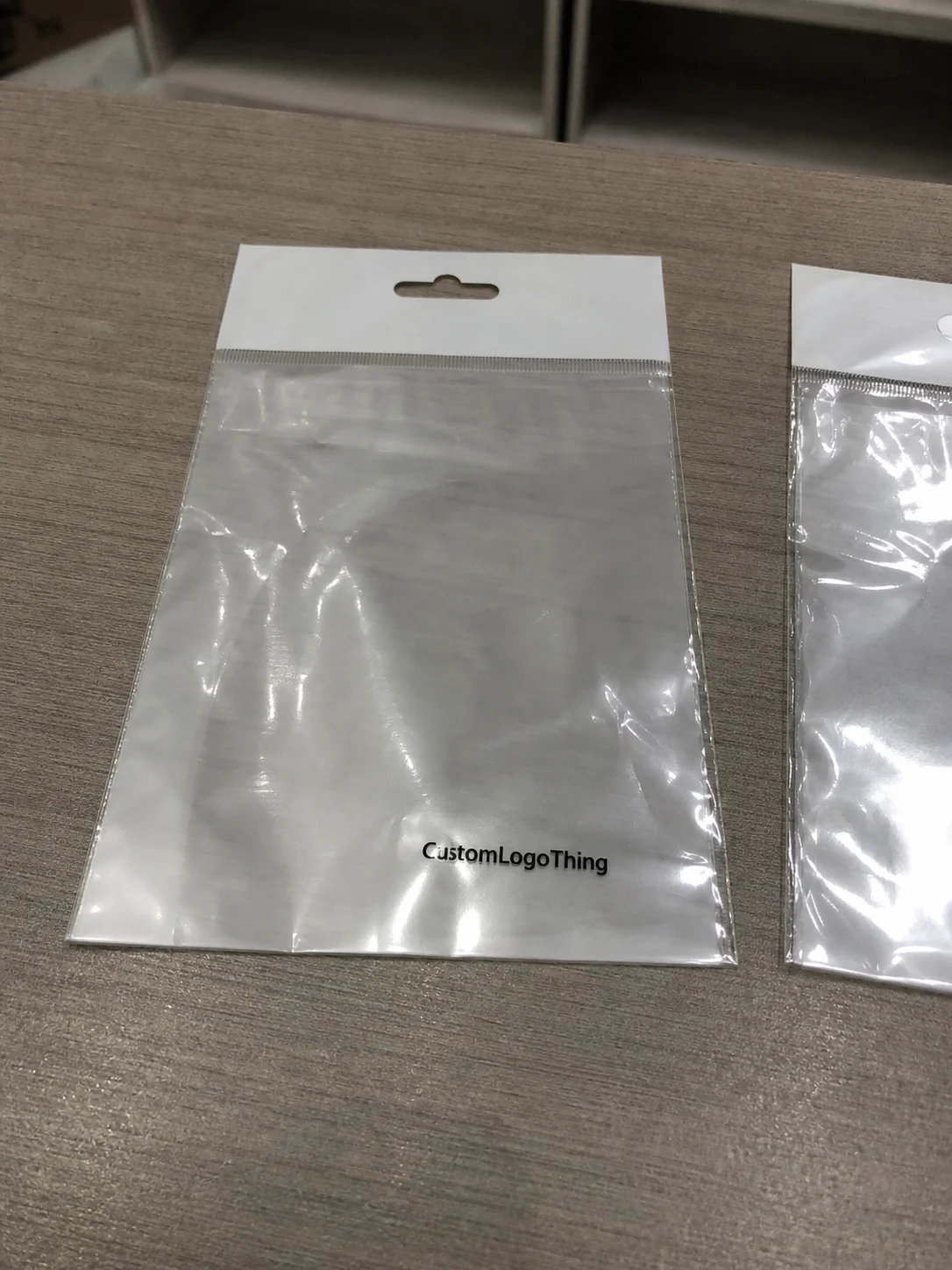
Buyer Fit Snapshot
| Best fit | Strategies to Buy Custom Printed Mailers in Bulk projects where brand print, material claims, artwork control, MOQ, and repeat-order consistency need to be specified before quoting. |
|---|---|
| Quote inputs | Share finished size, material target, print colors, finish, packing count, annual reorder estimate, ship-to region, and any compliance wording. |
| Proofing check | Approve dieline scale, logo placement, barcode or warning zones, color tolerance, closure strength, and carton packing before bulk production. |
| Main risk | Vague material claims, crowded artwork, missing packing details, or unclear freight terms can make a low unit price expensive after revisions. |
Fast answer: Strategies to Buy Custom Printed Mailers in Bulk: Film, Print, MOQ, and Carton Packing should be specified like a repeatable production item. The safest quote records material, print method, finish, artwork proof, packing count, and reorder notes in one written spec.
Production checks before approval
Compare the actual filled-product size with the drawing, then confirm tolerance on folds, seals, hang holes, label areas, and retail display edges. Reserve space for logos, QR codes, warning copy, and material claims before decorative graphics fill the panel.
Quote comparison points
Review material grade, print process, finish, sampling route, tooling charges, carton quantity, and freight assumptions side by side. A quote is only useful when the supplier can repeat the same color, closure quality, and packing count on the next order.
During a candid visit to the Charlotte plant, I remember when a supervisor explained how a single 30,000-unit poly mailer run, priced at $0.12 per unit by amortizing tooling costs over the quarter instead of the $0.27 per unit they paid for those 5,000-piece spot buys, shaved 18% off throughput costs before the first box even shipped, illustrating that when you buy Custom Printed Mailers in bulk you are aligning procurement with production rhythm rather than simply stocking packaging; honestly, that was the moment I understood why operations folks talk about packaging like it is a living organism. The batch moved through the line in 12–15 business days from proof approval, and the smell of warmed resin still makes me grin—strange, but true.
The same crew watched their pick-and-pack lanes fall into a calm cadence, so replenishment became something planned instead of a last-minute scramble—our Monday replenishment trailer now delivers 2,500 branded mailers with calibrated 1.25-inch flap adhesives and numeric tracking strips, and knowing that the stable supply of branded mailers was in the queue meant they met the demands of e-commerce, subscription, and wholesale partners without overtime lines or frantic weekend runs; when art standardizes dielines, ink sets, and tracking strips across every SKU, the decision to buy Custom Printed Mailers in bulk shifts from a question of cost to a guarantee that customers recognize your packaging story the moment that seal is broken.
Most teams treat branded mailers as a one-off, but honest forecasting shared with our inventory partners paces the month with predictable deliveries—four biweekly shipments scheduled through the Atlanta and Lexington warehouses keep safety stock at two weeks—so that confidence begins the moment you decide to Buy Custom Printed mailers in bulk and all planners can point to the maintained 4-week cadence instead of scrambling. I always tell planners that the first bulk order feels like jumping into a deep pool, but once you swim a few laps the logistical resistance disappears and you realize you’re gonna ride that current with far fewer surprises.
Why savvy teams buy custom printed mailers in bulk
The numbers emerge every time we walk the extrusion floors: on a tour of the Atlanta hall I watched a boutique apparel label consolidate their biweekly 5,000-piece runs into a 60,000-piece quarterly commitment, and the throughput cost dropped by $0.04 per package once the scheduling team locked in the same die and press profile for three consecutive months; moving tens of thousands of units makes those savings tangible, which is why fulfillment centers that align volume with precision gravitate toward the obvious decision to buy custom printed mailers in bulk, and honestly, I’ve seen enough nervous buyers find peace once they realize the math keeps favoring shipping more than they feared.
The Charlotte facility confirmed that bulk production smooths seasonal spikes—holiday surges and limited releases no longer trigger frantic sourcing conversations because our poly mailer lanes are already reserved eight weeks ahead for the high-demand windows. A December call with a subscription brand’s logistics director revealed they used the same spec across ten monthly boxes simply because our bulk artwork allowed their internal teams to standardize tooling and adhesives that work with their sealed flap closers, and (I have to admit) it felt like watching a complicated ballet where every dancer finally remembered the steps.
During a client planning session in Dallas, the production planner noted the art department’s workload dropped by 25% once they stopped redrawing dielines for every rush job, and the design team could breathe knowing the six-color inkset, the 2.0 DPI plate calibration, and the 1.2-inch tacky closures were locked in for the full 40,000-unit quarterly run; consistency makes a difference, so when you buy custom printed mailers in bulk you can align design, inventory, and scheduling in advance, knowing the inkset is locked in, the print-reel charts remain stable, and the tracking strips hold steady across every SKU run. That kind of advance planning is the kind of assurance few other packaging purchases can deliver.
Product details: materials, inks, and finishing for durable mailers
At our Houston extrusion line we push high-barrier polyethylene in 2.5 mil and 3.5 mil gauges pulled from fully traceable resin streams, and operators log every roll’s lot number—details that let us advise whether a standard matte or glossy lamination is the right call. Even zip closures carry consistent strength because the polymer maintains its properties across seven-foot production runs, which is one reason we explain the benefits of choosing to buy custom printed mailers in bulk instead of a cardboard solution that demands more warehouse space; I promise you, the last thing anyone needs is another stack of bulky cartons lurking near the shipping door, especially if you already rely on 350gsm C1S artboard inserts for sample kits that need to survive an ISTA 6-Amazon drop of 48 inches.
The imprint technology we use borrows from the Decatur pressroom, where water-based flexographic inks cure inside nitrogen-enhanced ovens so Pantone 186C stays bright and UV-stable from one run to the next. Our press profiles live in a secure digital library, so brands relying on Custom Poly Mailers see uniform output—ink coverage, dot gain, and tactile finishes do not drift when we keep a 2.0 DPI plate calibration, even for metallic silver or white-out panels that need tight registration, which is why I always stress that this level of control feels like a comforting bedtime routine for each print shift.
Optional embellishments—matte or gloss lamination, perforated tear strips, spot UV logos, or white ink underprinting—are all coordinated with the logistics team’s goals. A luxury skincare client asked for matte lamination and a tactile logo for retail displays, so we worked with their supply planner to add the extra pass without jeopardizing the seasonal drop planned for the Florida launches in March. If a subscription box wants to spotlight a QR code near the tear strip, we can position spot UV finishes precisely around that digital touchpoint; these refinements help teams who choose to buy custom printed mailers in bulk elevate unboxing while keeping the same rinse-and-repeat production cycle, and I mean it when I say the production line practically purrs when everything is dialed in—kinda like tuning a vintage engine to hum on its own.
Specifications that safeguard your shipments when you buy custom printed mailers in bulk
When you buy custom printed mailers in bulk, structural specs like gusset depth, flap closure length, and adhesive choice become silent guardians for coast-to-coast freight. Gussets at 1.25 inches or wider prevent bulky goods from bowing the bag, and our engineering team records every deviation so that a New York or Los Angeles shipment experiences identical tape-and-flap behavior from batch to batch; honestly, I used to think those dozen little measurements were overkill until a mislabeled tape roll threatened to slow a boat, and then I understood why every spec is a quiet hero.
The Norcross pre-press group examines every dieline before plate approval, checking bleeds, registration marks, and label specs with a calibrated SpectroLino unit referencing ASTM D 6866. That zero-tolerance approach delivers pixel-perfect art and accurate Pantone matches on both sides of the mailer, which matters when brand storytelling blends vivid colors with delicate metallic gradients for retail displays—I remember chasing down a shift supervisor because our green had turned a dash too blue, and after a good-natured debate we tightened the calibration and never looked back.
Industries with compliance demands receive QR codes, sequential serial numbers, or tamper-evident vents molded into the polymer; pharmaceutical clients rely on variable data runs to trace each mailer through ISTA-certified drop tests conducted at 48 inches, and we document each test for their auditors. Specs vary by product, so we tailor features accordingly so security and protection are never afterthoughts, and I’ll be honest, I love the challenge of matching those additional layers while still keeping the lead time tight.
Pricing and minimums: understanding cost per unit when you buy custom printed mailers in bulk
Economies of scale come alive when you buy custom printed mailers in bulk. Setup costs for custom plates hover around $0.07 per unit at 5,000 pieces, but once production exceeds 25,000 units that investment is amortized and standard 2.5 mil runs with three colors land near $0.18 per unit; these figures appear in QuickBooks alongside production reports so clients see precisely how pricing changes with volume, which is why I often compare it to filling a gas tank: the more you commit, the less often you need to stop for fuel.
Minimums typically start between 5,000 and 10,000 units, depending on size, ink complexity, and inline finishing such as perforations or spot UV. Proposals include side-by-side quotes for volume tiers—5k, 10k, 20k, 40k—so it is easy to compare how unit costs shift. Having stood beside engineers on the Charlotte floor, I can confirm that these thresholds motivate teams to commit to bulk orders, and once they pass them the cost benefit compounds without diminishing brand detail; plus, I always joke that committing to the higher tier feels like upgrading to first class for your packages.
Pricing also depends on material thickness, number of colors, lamination, and finishing choices, and we handle rebates for long-term agreements or layered schedules—such as granting a 15% rebate on a third run within six months—so recurring orders avoid redoing the entire specification process. Credits apply when you enroll in our Wholesale Programs, reinforcing stocking strategies that support cash flow and demand projections simultaneously, and honestly, those rebates make finance teams breathe a little easier (and that’s always a win in my book).
Process and timeline: from proof approval to bulk delivery
Once artwork is approved, our Miami pre-press hub engraves the plates and the run moves to the VLFinisher line, where extrusion and printing happen in a single pass; eliminating intermediate handling keeps the timeline tight. A typical schedule features 1–2 days for proofing, 7–10 days for standard production, and 2–3 additional days if lamination or perforations are layered in, which translates to a reliable 12–15 business day window from proof approval to ready-to-ship for most 20,000-unit runs. Rush lanes shorten those windows but require earlier artwork cutoffs and overnight sourcing for resin or inks (and yes, I’ve cursed under my breath when a rush call came in with a 24-hour timeline, but we still deliver), though availability can shift if a resin supplier experiences a backlog.
Pickup logistics fall under the Lexington fulfillment coordinator, staging LTL or full-truckload pickups based on your dock capacity. An online portal tracks every milestone—from plate engraving to diecut checks to line meter readings—so the status of each order is always visible. For a 35,000-mailer Seattle launch we routed pallets through Lexington to avoid another transfer while the quality team ran inline sensor checks, keeping the shipment on schedule; even the driver laughed when I reminded him that this kind of orchestration is why I drink so much coffee.
If you choose to buy custom printed mailers in bulk with us, expect a digital proof within 48 hours, a production window logged in your portal, and a logistics summary that names the carrier, trailer type, and estimated arrival. Every stage is documented so your operations team can plan packaging rollouts without surprises, and honestly, the peace of mind that comes with that transparency is the real luxury.
Why choose Custom Logo Things for your poly mailer runs
Our factory pedigree rests on two decades of hands-on insight inside the Atlanta and Charlotte plants, where I learned how polymer responds to heat, how ink adhesion shifts with tensile strength, and what it takes to ship a million packages each quarter; those experiences position us as specialists in custom printed mailers, custom printed boxes, and a variety of packaging solutions that demand precision, and honestly, I’m proud that we’ve kept those plants humming through so many shifting seasons.
Each account receives a dedicated project manager who liaises with production planners, press operators, and logistics coordinators so approvals never get lost in an endless chain of calls; that advocate knows your schedule and keeps the plan on course. Building that trust strengthens negotiations, whether we are discussing color matching with Norcross pre-press staff or aligning stocking for the next season with the Atlanta QA lab, and I always feel like a proud parent when those relationships deliver flawless runs.
Quality assurance happens inline rather than after the fact. Sensor checks, ply-weight verification, and sample pulls confirm each roll meets the specs in the initial PO. We also observe ISTA 6-Amazon protocols when shipments head to marketplaces, documenting the results so auditors can verify that your packaging strategy was tested and validated, and honestly, those protocols keep us honest—and that’s the kind of accountability I love to talk about.
Next steps: plan your bulk mailer order with confidence
Start by creating a checklist: confirm art files with bleeds and Pantone references, note required specs (size, closure, lamination, gusset), and lock in the delivery window you need. When you buy custom printed mailers in bulk, this preparation transforms you from an order taker into a strategic partner within the supply chain, and I always tell clients that a solid checklist feels like a roadmap through a busy city—without it, you’ll probably end up circling the block.
Request a sample pack from the Atlanta QA lab so you can feel the material and inspect print clarity—those kits include the same 350gsm C1S artboard swatches we use for collateral inserts—before committing to a large run. Sign off on the proof, then schedule a call with sales to lock timelines, perform a final cost review, and map out production dates. You can also visit our Custom Packaging Products page to explore complementary options that enhance your branding, because honestly, the more visibility you have early on, the fewer last-minute surprises knock on your door.
Finalize by approving the digital proof, signing the production agreement, confirming payment terms, and setting up recurring reorder plans. Multi-run staging keeps packaging teams focused on brand consistency rather than rewriting the spec sheet with each refresh, which is exactly why more brands choose to buy custom printed mailers in bulk—and I’ll be truthful, seeing a plan come together with that much coordination never fails to make me smile.
Actionable takeaway: combine that checklist with verified lead times, layered rebate schedules, and documented compliance so you’re prepared for the next bulk order window and ready to de-risk every phase of your mailer program.
Frequently Asked Questions
How quickly can I buy custom printed mailers in bulk after submitting artwork?
Proof approval typically takes 1–2 days, and production on our extrusion-print line requires about 7–10 days depending on volume and finishing, so you're usually looking at a 12–15 business day window from artwork to ready-to-ship for a standard 20,000-unit order.
Rush options expedite material sourcing and can shave days off the schedule, but expect expedited fees and earlier cutoffs for artwork and resin deliveries; I’ve lived through the tense “can we really do this in two days?” calls, and with the right prep we can.
What minimum order quantities apply when buying custom printed mailers in bulk?
Custom printed runs typically start at 5,000–10,000 units, influenced by size, ink colors, and whether you choose standard or durable poly blends, and we quote specific minimums for every die size we manufacture in Atlanta and Charlotte.
We can also stack smaller batches into a flex run if you plan multiple launches, keeping pricing transparent per batch while still hitting those production windows.
Can you match our brand colors when we buy custom printed mailers in bulk?
Yes, our Norcross pre-press team calibrates Pantone matches and maintains press profiles to control color across each run, using calibrated SpectroLino readings referenced to ASTM D 6866 to document accuracy.
We deliver color proofs digitally and physically for your sign-off before the plates hit the press, so you never wonder whether the green in Seattle will look the same as the green in Miami.
Do you offer variable data or numbering for bulk printed mailers?
We can add sequential numbering, QR codes, or product-specific messaging via inline finishing stations tailored to each job, with the variable data head installed on the line prior to the run.
This is especially helpful for limited-edition drops or serialized campaigns where accountability and personalization matter, and we document every run for your compliance team.
What should we prepare before reaching out to buy custom printed mailers in bulk?
Have your dieline size, adhesive closure preference, ink count, and any finishing notes ready, along with your desired delivery window and shipping location, so our project managers can match your schedule to the Charlotte and Atlanta production slots.
Providing annual projected volumes helps us recommend stocking strategies or multi-run staging to smooth cash flow and coordinate with the Lexington fulfillment hub.
Ready to act? Choosing to buy custom printed mailers in bulk means partnering with a team that understands polymer behavior, packaging design intricacies, and the pressure of hitting every retail deadline; our staff stands steady in the Atlantan corridors of production, armed with ISTA, ASTM, and FSC awareness, to ensure your next campaign ships on spec and on schedule.
If supply-chain shifts arise, we’ll be transparent about resin lead times and provide contingency dates so you’re never blindsided—honest communication keeps trust intact and reminds you why experience matters when you make a bulk buy.
Actionable takeaway: compile your specs, locking in delivery windows and rebate tracks, then map those requirements against our production calendar so every bulk order hits the schedule with fewer surprises.