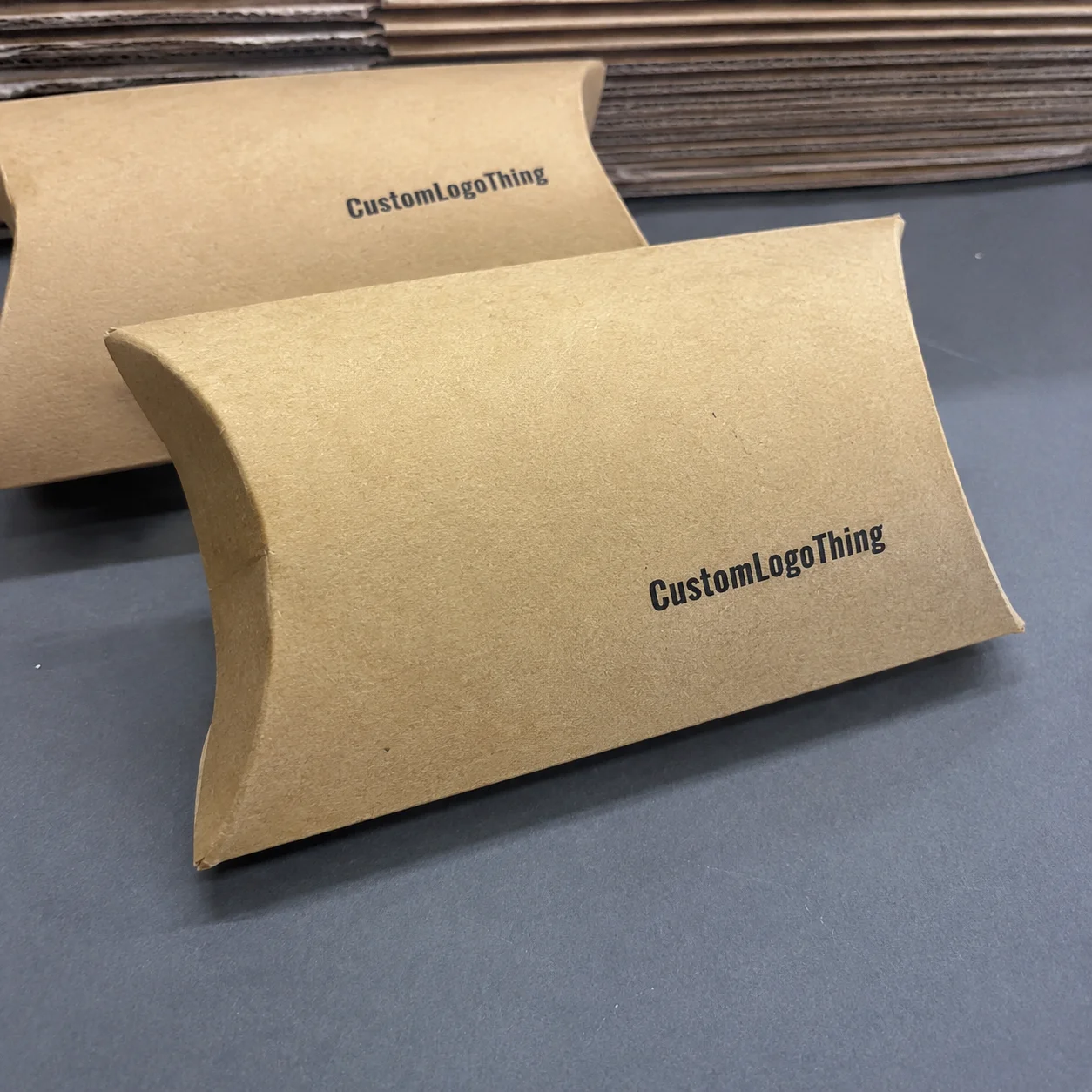
For a small apparel brand, personalized craft labels do more than carry a logo. They are the first tactile proof that a garment was made with intent rather than assembled as an afterthought. That matters for handmade knits, boutique basics, gift items, and sewn goods that customers inspect at arm's length before they ever wear them.
The label also changes how a product reads. A clean woven label or a soft printed satin label can make a piece feel finished; a flimsy, crooked, or illegible one can make the same piece feel provisional. That shift is not cosmetic only. It affects brand recognition, perceived value, and how confidently a shopper commits at checkout.
There are several variables hiding inside a small piece of fabric or film: material, size, attachment method, finish, and production process. Those choices determine how the label looks on day one and how it survives wash cycles, storage, repeated handling, and wear. If you are comparing Custom Labels & Tags, the right brief saves time, money, and revision cycles later.
What Personalized Craft Labels Do for Apparel
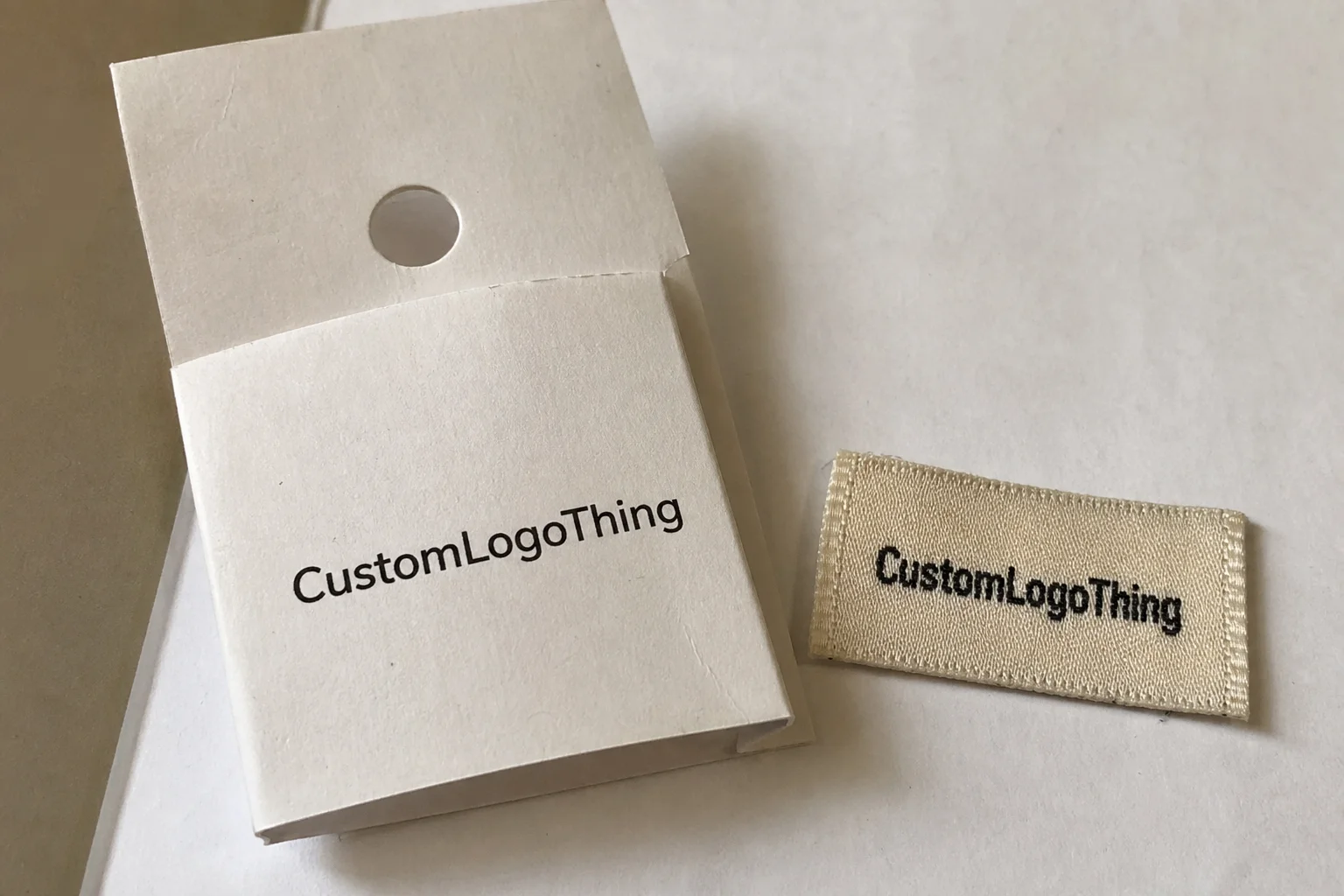
Personalized craft labels are branded identifiers attached to clothing, accessories, and sewn goods. They can be woven, printed, heat-applied, sewn in, or attached in other ways depending on the product. They are not the same as hang tags, which are temporary, or care labels and size labels, which usually serve compliance and fit functions. A single garment may use all four, but each has a different job.
That distinction matters because buyers judge labels on utility and presentation at the same time. A hang tag can introduce the brand once. A sewn-in label or heat transfer can reinforce identity every time the item is worn. For small-batch makers, that repeated exposure is one of the most efficient forms of brand memory available.
There is also a sales angle that gets overlooked. A label reduces perceived risk. Customers seeing a neat, legible brand mark on the neck, side seam, or inside hem tend to read the product as more established. That does not guarantee conversion, but it does help a handmade item compete with retail goods that already signal quality through finish and packaging.
For some lines, the label is the only branded surface that stays on the product after purchase. That makes the spec choices more consequential than they first appear. A thick woven edge can irritate sensitive skin. A weak adhesive can fail after laundering. A label with poor contrast can disappear inside a dark garment. The best result comes from matching the label to the fabric and the end use, not just the logo artwork.
A label should do two things at once: identify the product quickly and survive the way people actually use it. If it fails either test, the brand pays for it later.
Process, Timeline, and Production Steps
Most orders follow the same path: artwork upload, proofing, approval, production, finishing, inspection, and shipment. The part that surprises first-time buyers is usually not the printing or weaving itself. It is the time spent confirming that the artwork, dimensions, fold style, and attachment method are all correct before production starts.
A realistic timeline separates three clocks. First is proof time, which can be one business day for a clean file or longer if the artwork needs cleanup. Second is production time, which commonly runs about 7-15 business days depending on material and quantity. Third is transit time, which depends on destination and shipping speed. Treating those as one estimate creates avoidable disappointment.
Suppliers usually need the following before they can start:
- Logo file in vector format, ideally AI, EPS, or PDF
- Target label size in inches or millimeters
- Quantity tiers, not just one estimate
- Fold style or edge finish, if applicable
- Attachment method, such as sew-in or adhesive-backed
- Any wash, care, or compliance text
- Color references if brand matching matters
Approval cycles slow things down more than most buyers expect. A supplier may be able to manufacture quickly, but if the proof sits for three days while someone checks text placement, the timeline expands immediately. That is why first-round accuracy matters. The tighter the brief, the less room there is for back-and-forth.
Specialty work extends lead time. Metallic threads, Custom Die Cuts, premium adhesives, multi-layer constructions, and unusual fold styles all require more setup. None of those are bad ideas. They just need to be chosen intentionally. If the garment does not need them, the buyer ends up paying for complexity without gaining much functional value.
Quality control is not just a final glance at the proof. A good supplier checks edge alignment, registration on printed pieces, cut consistency, thread tension on woven labels, and whether adhesive or heat-applied formats hold under stated conditions. Ask what gets inspected and what tolerance the supplier accepts before the run begins. Small misalignment is common in mass production, but a clear tolerance standard keeps everyone honest.
For shipping-sensitive orders, ask whether cartons are tested for compression or transit stress. The label itself is a small item, but a damaged carton can still affect the run. Standards such as ISTA packaging tests are useful references if the order is headed into a distribution chain rather than a single boutique shipment. The ISTA testing framework is a practical benchmark for transit concerns.
Materials, Sizes, and Finishes That Change the Result
The material choice shapes nearly everything customers notice. Woven labels offer high detail and a classic apparel feel. Printed satin works well for smoother graphics and a softer handfeel. Cotton labels lean more rustic and tactile. Heat transfer labels reduce bulk and can work well on activewear or garments where a sewn-in edge would be annoying. None is universally best. The right option depends on the garment, the wash cycle, and how close the label sits to the skin.
Size is equally important. A tiny label can disappear on a premium garment and fail to communicate the brand. A label that is too large can feel intrusive, especially on babywear, lightweight tops, or delicate items. A common range for many apparel applications is roughly 0.5 x 1.5 inches to 1 x 3 inches, but that range is only a starting point. If the logo has fine detail or the text includes care instructions, the label usually needs more room.
Finish affects both appearance and comfort. Folded edges reduce fraying and make insertion easier. A straight-cut label may be cheaper but can feel unfinished if it is not handled carefully. Matte surfaces tend to read more understated, while a slight sheen can feel more polished. Adhesive-backed formats make sense for packaging or temporary applications, but they are not interchangeable with sewn-in garment labels. The attachment method has to match the product environment.
| Label Type | Typical Use | Relative Comfort | Durability | Typical Fit |
|---|---|---|---|---|
| Woven label | Apparel branding, neck labels, side seams | Good when softened and folded | High | Retail-ready clothing |
| Printed satin label | Soft garments, gift items, delicate fabrics | Very good | Moderate to high | Lightweight apparel |
| Cotton label | Handmade lines, craft goods, natural-fiber products | Good | Moderate | Artisan positioning |
| Heat transfer label | Athleisure, babywear, no-bulk branding | Excellent | High if applied correctly | Skin-contact areas |
If sustainability is part of the buying brief, material selection needs extra care. FSC-certified paper is more relevant to packaging components than garment labels themselves, but the principle is the same: ask where the material comes from and whether the supplier can document it. The FSC standard is a useful reference point for paper-based brand materials and packaging decisions. For labels, the relevant question is usually less about marketing language and more about substrate, adhesive, and disposal behavior.
One more practical point: fabric and finish should work together. A rougher cotton tee can tolerate a slightly textured label. A satin camisole or children’s garment usually needs something softer. Buyers sometimes approve a beautiful artwork proof without checking how it will feel on the actual garment. That is a mistake. The customer wears the product, not the proof sheet.
Color matching deserves its own caution. On small labels, a brand color that looks exact on a monitor can drift once it is translated to thread, dye, or print ink. Ask for the closest available match and understand that printed labels can reproduce cleaner gradients and fine type, while woven labels usually handle solid blocks and limited colors better. The closer the brand depends on exact color identity, the more the material choice matters.
Pricing, MOQ, and Unit Cost Drivers for Personalized Craft Labels
Pricing is shaped by more variables than many buyers expect. Quantity, material, print complexity, finishing method, proofing, and shipping all move the number. The biggest variable is usually quantity because setup work gets spread across more or fewer pieces. A run of 500 labels almost always costs more per unit than a run of 5,000 for the same spec.
For planning purposes, these ranges are common enough to use as a starting frame, though the actual quote will depend on the build:
- Simple printed labels at low quantity: about $0.25-$0.60 per unit
- Mid-volume woven or printed runs: about $0.10-$0.30 per unit
- More complex constructions with specialty finishes: about $0.30-$0.80 per unit
Those numbers are not a promise. They are a buyer’s sanity check. If a quote lands far outside the range, ask why. Sometimes the answer is legitimate: premium thread, special folding, custom color matching, or urgent shipping. Other times, the quote includes extras that were not obvious at first glance.
MOQ changes the economics in a simple way. A supplier has to prep artwork, materials, machine setup, and quality checks before the first unit is made. If the order is too small, that overhead gets concentrated into a higher unit price. That does not mean small orders are a bad idea. It means they should be judged on brand value, not just on the lowest possible per-piece cost.
Here is where two quotes can look similar but not actually be comparable:
- One includes proof support and file cleanup
- One includes a sample or pre-production approval
- One uses a thicker substrate or better wash resistance
- One includes shipping, while the other does not
For a buyer, the real question is not "Which quote is cheapest?" It is "Which quote gives the lowest total cost over the life of the product?" A label that peels, frays, or irritates the wearer costs more than a slightly pricier one that performs cleanly through multiple washes. In apparel, failure rate is part of price.
Ask about quantity tolerance as well. Many production runs allow a small overage or shortage because of machine setup and trimming loss. That is normal, but it needs to be stated up front. If the order is for a launch with exact unit counts, build in a buffer rather than assuming every finished label will land at the exact requested number.
Step-by-Step Ordering Checklist for First-Time Buyers
First, define the use case. Where will the label sit? How often will the garment be washed? Does comfort matter more than abrasion resistance? A label on a baby romper is not the same problem as a label on an outerwear jacket. If you start with use case, the specs become much easier to narrow down.
Second, gather the essentials before you ask for quotes. The best request is simple and complete:
- Logo file
- Label dimensions
- Quantity estimate and future reorder expectation
- Attachment preference
- Fabric type or garment example
- Any required text, such as size or care details
Third, ask for a proof and read it as if you were the end customer. Check spelling first. Then look at contrast, spacing, and whether the logo remains legible at actual size. A proof may look clean on screen and fail once it is shrunk to the true production size. That is a normal risk, which is why the proof stage exists.
Fourth, if the garment is premium or skin-contact, request a sample or pre-production version. A sample tells you more than a render. You can feel the edge, see the sheen, and judge whether the label reads as intended against the actual fabric. That is especially useful on fabrics with texture, stretch, or a dark base color.
Fifth, document the approved version. Save the artwork, dimensions, placement notes, and quantity in one place so the reorder matches the first run. The number of brands that lose time because the second order was made from a slightly different file is larger than it should be. Consistency is cheaper than correction.
Sixth, confirm application requirements before the labels reach production or your workshop. Heat transfer labels need specific temperature and dwell times. Sew-in labels need placement instructions that make sense for the garment type. Adhesive-backed labels need a clean surface and enough adhesion for their intended lifespan. A label that is technically well made can still fail if the application step is handled loosely.
Common Mistakes That Make Labels Fail Fast
The most common failure is overcrowding. Buyers try to fit a logo, size, care instruction, origin statement, website, and tagline into a tiny label. The result is usually unreadable. Fine text and weak contrast become especially problematic on woven labels, where detail can break down in production. If a message cannot be read at arm's length, simplify it.
The second failure is choosing the wrong attachment method. A sewn-in label is durable but may be uncomfortable in the wrong location. A heat transfer label solves bulk issues but needs the right application temperature, pressure, and fabric compatibility. Adhesive-backed formats can be useful for packaging or temporary use, but they are not a shortcut for long-term garment labeling.
The third issue is overdesigned artwork. Too many colors, tiny strokes, gradients, and thin type can all weaken in production. A design that looks sharp on a monitor may not survive loom constraints, print limits, or small-format legibility. Simpler graphics usually produce better manufacturing outcomes and fewer complaints from the customer.
The fourth mistake is skipping fabric testing. A label should be checked on the actual garment fabric before the full run is approved. Stretch, pile, wash behavior, and dye migration can all affect the result. This is not a hypothetical risk. It is a common production problem that shows up after approval, which is exactly when it becomes expensive.
Another frequent miss is ignoring edge behavior. Some labels fray, curl, or lift after laundering because the finishing method does not match the substrate. If you are ordering for repeated wear, ask how the edges are sealed or folded and whether the chosen finish has been tested after washing. A label can look clean in a photo and still become messy after two cycles through a machine.
Finally, some buyers treat the label as a last-step accessory rather than part of the product system. That is how brands end up with beautiful garments and awkward branding. The label should fit the line, not fight it.
Expert Tips for Better Branding and Durability
Start with legibility, then style. That order matters. A label that reads clearly and feels good on the garment almost always outperforms a decorative label that is hard to decipher. Buyers may admire the artwork, but customers need to recognize the brand quickly, often in poor light, on a moving hanger, or after several wash cycles.
Match the label personality to the product promise. Premium basics usually benefit from a refined, low-friction label with restrained contrast and clean typography. Handmade or artisanal products can carry a more tactile look, but that should still be deliberate. Rustic does not mean rough. Handmade does not mean hard to read.
Test real-world wear, not just appearance. Press the label, stitch it, wash it, fold it, and store it in a stack. Small differences show up fast. A corner that curls. A thread that scratches. Ink that softens. These are the details that decide whether the label feels integrated or annoying.
Consistency builds recognition faster than novelty. If each product in the line uses a different placement or a different visual system, the brand has to work harder to be remembered. Repetition of size, position, and visual structure creates familiarity. That is one reason some of the strongest labels are not the flashiest ones.
For durability, think in layers. The substrate must survive handling. The print or weave must hold detail. The edge must stay stable. The application must match the garment. A good label is rarely the result of one strong choice; it is the result of several ordinary choices made correctly.
Here is the simple rule I would give any buyer: choose the version that will still look credible after repeated handling, not just the one that looks best in a mockup. That mindset usually leads to better decisions and fewer reorders.
Next Steps Before You Request a Quote
Before you request pricing, lock four things: quantity tiers, dimensions, attachment method, and the exact artwork file. If any of those are vague, the quote will be vague too. That creates compare-apples-with-oranges pricing, which is where buyers lose time and leverage.
Then compare two or three suppliers using the same brief. Ask each one the same questions about proof timing, minimums, setup charges, sample policy, wash resistance, and shipping. This is the cleanest way to judge whether a quote is competitive or just incomplete. A lower number with missing pieces is not really a lower number.
If the label will touch skin, face repeated washing, or sit on a premium product line, ask for a sample or pre-production proof. That step protects the run from avoidable quality failures. It also tells you whether the label belongs in the product line at all.
The final check is simple: place the label on the actual garment and look at it under normal use conditions. If it supports the brand story, feels right on the fabric, and holds up under handling, you are in good shape. For buyers evaluating personalized craft labels, that final test matters more than any mockup. It separates an attractive spec from a label that actually performs.
What are personalized craft labels used for on clothing?
They identify the brand, size, or care instructions and help a garment look finished rather than temporary. They also improve shelf appeal by giving small-batch apparel a more established retail presence.
How do custom craft labels differ from hang tags?
Hang tags are temporary and removed at purchase, while craft labels are usually sewn in, pressed on, or otherwise attached as a permanent brand marker. Because they stay with the item through wear and washing, they carry more long-term branding value.
What affects the price of personalized clothing labels most?
Quantity, material, print complexity, and finishing method usually have the biggest effect on unit cost. Proofing, special folds, sample requests, and shipping can also change the final quote if they are not included up front.
How long does turnaround usually take for craft labels?
Turnaround depends on proof approval, material selection, and quantity, but the timeline usually separates into proof time, production time, and transit time. Rush orders are possible in some cases, though they often trade off against flexibility, sample review, or price.
What should I send when requesting a quote for personalized craft labels?
Send your logo file, label size, quantity estimate, attachment method, and any required text such as care or sizing information. Include a reference image or garment example if placement, texture, or wash performance matters to the final choice.