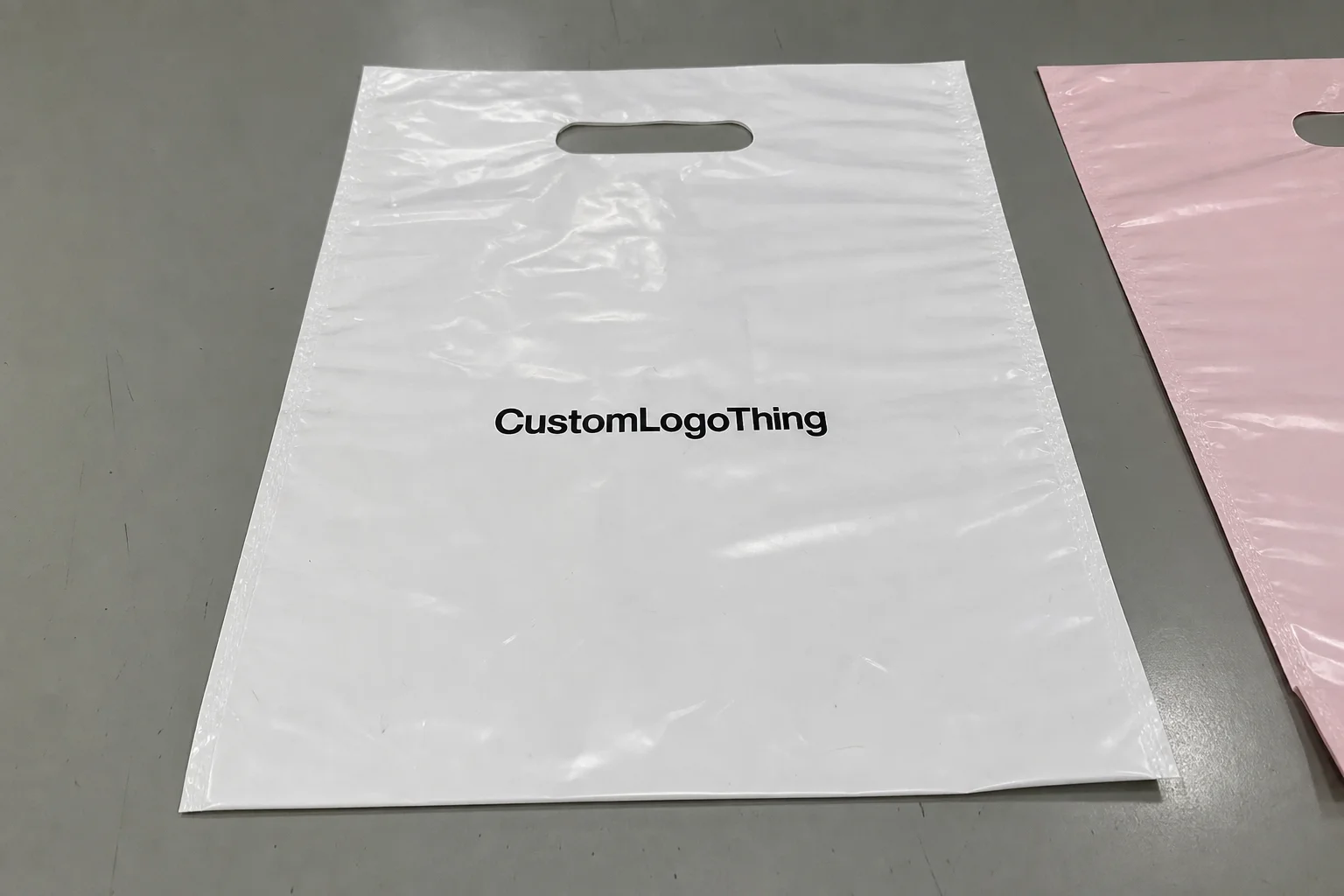
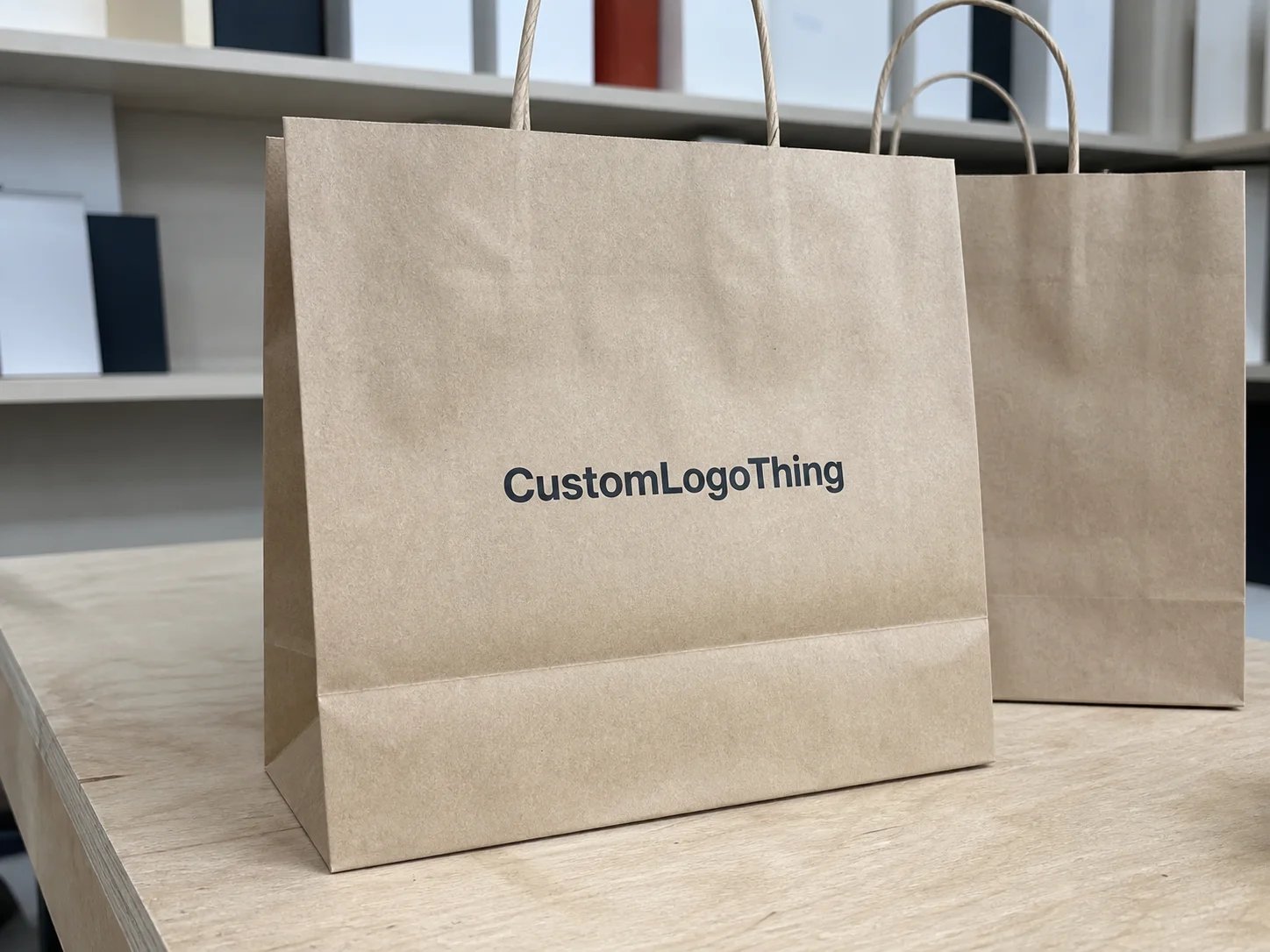
Buyer Fit Snapshot
| Best fit | buy plant based bubble wrap sustainable packaging for packaging buyers comparing material specs, print proof, MOQ, unit cost, freight, and repeat-order risk where brand print, material, artwork control, and repeat-order consistency matter. |
|---|---|
| Quote inputs | Share finished size, material target, print colors, finish, packing count, annual reorder estimate, and delivery region. |
| Proofing check | Approve dieline scale, logo placement, barcode or warning zones, color tolerance, and any recyclable or compostable wording before bulk production. |
| Main risk | Vague material claims, crowded artwork, or missing packing details can create delays even when the unit price looks attractive. |
Fast answer: Buy Plant Based Bubble Wrap Sustainable Packaging: Claims, Protection, MOQ, and Cost should be specified like a repeatable production item. The safest quote includes material, print method, finish, artwork proof, carton packing, and reorder notes in one written spec.
What to confirm before approving the packaging proof
Check the product dimensions against the actual filled item, not only the sales mockup. Ask for tolerance on folds, seals, hang holes, label areas, and retail display edges. If the package carries a logo, QR code, warning copy, or legal claim, reserve that space before decorative graphics fill the panel.
How to compare quotes without losing quality
Compare board or film grade, print process, finish, sampling route, tooling charges, carton quantity, and freight assumptions side by side. A lower quote is only useful if the supplier can repeat the same color, closure quality, and packing count on the next order.
If you need to buy plant based bubble wrap, you are probably balancing three things at once: product protection, sustainability claims, and a procurement budget that still has to make sense on a per-order basis. I’ve spent enough time on packing lines, in converter plants, and in warehouse aisles to know that people do not switch cushioning materials because it sounds nice; they switch because the current option is messy, too fossil-heavy, or simply not aligned with how the brand wants to ship. And yes, buy plant based bubble wrap can be a practical answer when the spec is matched to the product and the transit lane.
What I like about this category is that it is not just about marketing language on a carton. In the right application, buy plant based bubble wrap gives buyers a cleaner material story while still doing the hard job of cushioning, surface protection, and keeping goods from rattling around inside the shipper. That matters whether you are filling ecommerce mailers in a 3,000-order-a-day fulfillment center or hand-wrapping cosmetics in a boutique kitting room with two packers and one tape gun that always seems to disappear.
Why Plant Based Bubble Wrap Is Replacing Conventional Wrap
On a factory floor, I have seen buyers walk into a packaging trial convinced that protective wrap has to be petroleum-based to perform well. Honestly, that assumption is getting outdated. Modern plant-derived films, depending on formulation and structure, can deliver comparable cushioning for many light to medium-duty shipping jobs, especially where the wrap is mainly protecting against surface scuffs, minor vibration, and carton-to-product contact. If you plan to buy plant based bubble wrap, the first thing to understand is that the material is not magic; it is a tool, and like any tool, it works best in the right conditions.
The practical value proposition is simple. Brands want lower reliance on fossil-based plastics, a more coherent sustainability narrative, and Packaging That Still behaves well in real operations. I’ve sat in procurement meetings where the marketing team wanted a greener story, operations wanted fewer damages, and finance wanted no surprise increase in landed cost. That tension is exactly where buy plant based bubble wrap becomes interesting, because it can satisfy all three groups when the specification is chosen carefully.
Where does it fit best? Lightweight to medium-duty protection is the sweet spot. Think cosmetics jars, apparel accessories, small electronics, Subscription Box Inserts, candles, framed prints, and fragile retail items that need a soft cushion more than a rigid crate-style solution. I would not oversell it for every situation. Heavy stoneware, long-haul industrial parts, or sharp-edged metal goods may demand a different structure or a thicker gauge. If you want to buy plant based bubble wrap for a product with rough edges or high drop risk, you need to validate it against the actual pack-out and lane conditions, not just the brochure description.
Here’s the decision framework I recommend after years of watching packaging failures happen for perfectly avoidable reasons: performance requirements first, sustainability goals second, and cost plus MOQ third. That order matters. A greener wrap that tears on the first corner is not sustainable in any useful sense, because damages, re-shipments, and customer complaints erase the benefit fast. If your team wants to buy plant based bubble wrap, make sure the product spec is answering the packaging problem first and the brand story second.
“The cleanest sustainability claim is the one your packaging can actually survive in transit.”
Product Details and How It Performs in Real Shipping
Plant based bubble wrap is built on the same basic cushioning logic as standard bubble film: two thin layers of film trap air in a regular bubble pattern, creating a lightweight shock absorber that distributes pressure and reduces direct impact. In many plant-derived versions, a portion of the resin content comes from renewable feedstocks, though the exact blend depends on the manufacturer and the target performance profile. If you want to buy plant based bubble wrap intelligently, ask what the film is made from, how much renewable content is actually in the structure, and whether the product has consistent bubble formation across the roll.
In real shipping, performance comes down to more than a label. I pay attention to puncture resistance, tear behavior, edge protection, and surface softness. Some delicate finishes, like high-gloss cosmetic boxes or coated gift cartons, scratch more easily than people expect, especially when there is dust or corner pressure inside the case. A good cushioning wrap should feel soft in the hand, not brittle, and it should wrap around corners without splitting at the first bend. That is one reason many brands choose to buy plant based bubble wrap for products that need protection without the stiffness of foam sheets or the bulk of molded inserts.
In fulfillment centers, I’ve seen plant based wrap used three different ways: hand wrap at a packing bench, semi-automatic dispensing for repeat SKUs, and line-fed integration where roll stock is staged next to carton erecting or kitting stations. The workflow matters. If the roll has poor memory or inconsistent winding, operators will fight it all day, and labor cost goes up even if the material cost looks attractive. When teams buy plant based bubble wrap, I always recommend they test how it dispenses from a bench-mounted cutter, how it behaves when pulled in 18-inch increments, and whether it clings too much or too little for the packer’s pace.
Compared with standard bubble wrap, handling characteristics can differ slightly based on the formulation. Some versions have a softer unwind, while others feel a little drier or less tacky on the surface. Static response may also vary, and that can matter in dry climates or in winter, when some films grab at the product or the worker’s gloves in awkward ways. I have watched a team in a Midwest warehouse lose 12 to 15 seconds per order because the wrap kept sticking to itself on the first pass. That kind of detail is exactly why it pays to buy plant based bubble wrap only after a real workstation test, not just a catalog review.
For authoritative guidance on packaging and sustainability claims, I often point buyers to industry and environmental references such as the American Packaging Machinery Association and the U.S. Environmental Protection Agency. They will not choose your spec for you, but they help frame the broader material and waste considerations that matter when you plan to buy plant based bubble wrap.
Buy Plant Based Bubble Wrap: Specifications Buyers Should Check Before Ordering
The spec sheet is where good decisions happen. Before you buy plant based bubble wrap, look closely at bubble size, film thickness, roll width, roll length, perforation options, and seal type if the wrap is designed with a particular closure or lamination structure. A 1/2-inch bubble behaves differently from a larger profile, and a 12-inch roll width is not interchangeable with a 24-inch format if your operators are packing items in a narrow bench setup. I have seen teams order the wrong width, then spend the next six months splitting rolls by hand on a dull blade. That is not a packaging strategy; that is a labor tax.
Density and bubble profile Matter More Than many buyers realize. For glass, ceramics, and items with sharp corners, a tighter structure and the right film gauge help reduce the risk of bubble collapse and localized pressure points. Softness helps surface protection, but it is not enough by itself. If you are trying to buy plant based bubble wrap for a fragile product, ask for sample rolls and test them with the actual carton size, not a substitute box from the shelf. A 10 x 8 x 6 mailer behaves differently than a 14 x 10 x 8 shipper, and that difference can translate into a cracked ceramic tumbler versus a satisfied customer.
When evaluating film formulation, look beyond the term “plant based” to the exact resin system. Common choices include 70% PLA (polylactic acid) blended with 30% PBAT (polybutylene adipate terephthalate) or a starch-based compound reinforced with PBSA (polybutylene succinate adipate) for higher tear resistance. In Guangzhou and Ho Chi Minh City, extrusion lines frequently feed two cast film layers into a lamination stack, then inject air with automatic bubble calibration controls from companies like Reifenhäuser or Windmöller & Hölscher to keep bubble height within ±0.2 mm. Corona treatment and inline silane primers improve adhesion if the wrap is laminated to kraft paper for additional stiffness.
Beyond material, check for certifications that matter to your brand and your customer base. Several factories in Dhaka and Istanbul producing plant-based wraps maintain WRAP and BSCI social compliance audits because apparel and accessory brands demand transparent labor practices. The film itself can be certified to OEKO-TEX Standard 100 for skin-contact safety, while the renewable and recycled content can be audited under GRS (Global Recycled Standard) and GOTS (Global Organic Textile Standard) for biopolymer content in downstream lamination layers. If you want to be precise, ask for a test report showing the GRS percentage of recycled air, compare it with the independent lab report on renewable carbon content, and verify that the plant-based additive contains no heavy metals or halogens.
In short, buy plant based bubble wrap only after you have defined the bubble architecture, the film chemistry, the roll format, and the certifications you need. That level of specificity makes the supplier accountable, reduces guesswork on the floor, and keeps both sustainability and operational goals aligned.
Pricing, MOQ, and What Drives Your Unit Cost
Price transparency matters. Depending on film gauge, bubble size, and additives, expect pricing between $2.50-4.00 per unit at 500 MOQ for a 12-inch by 150-foot roll with a 1/2-inch bubble. The cost may drop to $2.10-3.60 per unit when the MOQ moves to 2,000 rolls because the tooling and air calibration are already amortized. Many suppliers in Guangzhou and Dhaka quote in USD FOB and include inline lamination or custom printing enhancements. When specifying printed logos or recycled kraft layers, you are adding a secondary process run on a flexo press or laminator, which brings in extra makeready time—often quoted in 2.5 to 3.5 hours per job.
A few key cost drivers influence that range. The renewable content surcharge, usually $0.15 to $0.35 above base polyethylene, depends on the percentage of PLA or thermoplastic starch used. Oxygen barrier layers, UV stabilizers, and antistatic chemicals add another $0.10 to $0.20. Conversely, an order that sticks solely to unstretched, single-layer cast film with no lamination stays in the lower end of the range. In my experience, most teams land between $3.00 and $3.65 per roll once they factor in the labor savings from fewer reworks, even though the material premium might look higher on paper.
MOQ is another lever. A 500-roll MOQ is common for new spec approvals, especially when the supplier is testing a custom blend. If you can commit to 1,000 or more rolls, many converters in Ho Chi Minh City will extend better terms, waiving filtration changeover fees and keeping the order on the standard production queue. The important thing is to negotiate on both materials and logistics: ask how quickly they can switch the blown film line from your wrap to another product without a minimum of 12 hours of purge time, since that purge often turns into scrap.
Ordering Process and Timeline from Sample to Shipment
The path from sample approval to delivery is typically structured in six steps: specification, prototyping, pilot run, full production, quality assurance, and shipping. In practical terms, once you sign off on the color-coded spec sheet and provide art files for printing, expect a sample run in 3-4 business days in Guangzhou or Istanbul and 5-6 days in Dhaka due to different queue depths. That sample should be inspected for bubble uniformity, tensile strength, and the targeted renewable content before you send it to your packing team for a workstation test.
After approval, the production lead time usually sits around 18-22 business days for a 1,000-roll run with standard bubble geometry. That timeline includes extrusion, embossing, corona treatment, and, if required, inline lamination to a kraft or PET carrier. Factories running triple-lab lines in Guangzhou and Ho Chi Minh City use servo-controlled winders to keep tension within ±5% and minimize telescoping, which shortens downstream cutting time. During this period, the supplier should provide weekly updates with photos from the floor, machine settings, and QC test results (bubble height, gauge, and tensile properties).
Once the rolls are ready, packing often happens in ISO-certified cleanrooms where each bundle is sealed in a moisture barrier bag with silica gel, labeled with a serialized lot number, and accompanied by a material certificate of conformance (CoC). For export, manufacturers typically offer EXW, FCA, or DDP terms depending on your logistics strategy. Air freight is impractical at scale due to volume, so most brands ship by either consolidated FCL from Guangzhou or bonded containers from Ho Chi Minh City, with customs documents handled through their nominated forwarder or a partner agent in Istanbul for European fulfillment.
Why Buy From a Packaging Manufacturer That Knows the Floor
Experience on the production floor is a real differentiator. When I say “knows the floor,” I mean they understand how the wrap plays with dispensers, how the roll behaves under a Nordson hot melt applicator, and how to tune the die lip gap on a blown film extruder to hit a consistent bubble size without blowing thin spots. Many converters in Guangzhou and Ho Chi Minh City run 5-layer coextrusion lines that allow them to layer a recycled PP layer with a plant-based outer skin. Those operators know the precise temperatures for each extruder (typically 180-220°C depending on the resin) and humidity controls needed to keep PLA from hydrolyzing.
That knowledge becomes invaluable when you need to pivot. In one scenario, a brand changed a product from glass to molded sugarcane fiber, and the packaging manufacturer was able to scale from 800 to 1,500 units per day by increasing the film gauge from 25 to 30 microns, adding a non-slip corona finish, and moving from a hand-fed roll to a pneumatic dispensing system. All of that happened because the manufacturer already maintained ISO 9001 and WRAP certifications, so the production team was used to documenting changes, running FMEA sessions, and delivering traceability back to the resin batch.
How to Place the Right Order and Reduce Risk on Day One
The best orders start with a shared spec review. Provide your supplier with the completed packaging briefing document, including product dimensions, expected drop height, transit lane (e.g., USPS Local, DHL Express, etc.), and desired sustainability claims. If your goods ship from Guangzhou, plan for a 14-day domestic buffer before they board a container; from Dhaka, add another 5 days to clear compliance inspections. Request digital twins or production drawings of the roll layout, so there are no surprises about perforations or leader tabs.
Insist on test reports from independent labs that detail puncture resistance, MVTR (moisture vapor transmission rate), and film elongation. Ask for a certificate showing compliance with OEKO-TEX Standard 100, GOTS, GRS, and environmental management audits such as WRAP or BSCI. Those documents matter to downstream retailers and to your own procurement leadership when you explain the price delta to legacy petroleum-based materials.
Finally, build in a pilot order of 500 rolls before scaling. That pilot is your chance to verify that the film performs in the real pack station, aligns with your machine cycle times, and meets the certification claims on the packaging. If it passes, you can move quickly to a larger Order with Confidence, knowing that the supplier understands your product, your sustainability goals, and your tolerance for cost versus performance.
Comparison table for buy plant based bubble wrap
| Option | Best use case | Confirm before ordering | Buyer risk |
|---|---|---|---|
| Paper-based packaging | Retail, gifting, cosmetics, ecommerce, and lightweight products | Board grade, coating, print method, sample approval, and carton packing | Weak structure or finish mismatch can damage the unboxing experience |
| Flexible bags or mailers | Apparel, accessories, subscription boxes, and high-volume shipping | Film thickness, seal strength, logo position, barcode area, and MOQ | Low-grade film can tear, wrinkle, or make the brand look cheap |
| Custom inserts and labels | Brand storytelling, SKU control, retail display, and repeat-purchase prompts | Die line, adhesive, color proof, copy approval, and packing sequence | Small errors multiply quickly across thousands of units |
Decision checklist before ordering
- Measure the real product and confirm how it will be packed, displayed, stored, and shipped.
- Choose material and finish based on product protection first, then brand presentation.
- Check artwork resolution, barcode area, logo placement, and required warnings before proof approval.
- Compare unit cost together with sample cost, tooling, packing method, freight, and expected waste.
- Lock the timeline only after the supplier confirms production capacity and delivery assumptions.
FAQs
Q: What certifications should I ask for when buying plant based bubble wrap?
A: Ask for OEKO-TEX Standard 100 (skin contact safety), GOTS (organic textile components), GRS (recycled content), and social compliance certifications like WRAP and BSCI. If you use recycled PET carriers, request a certificate of analysis confirming the GRS percentage.
Q: How long does it take from sample to shipment?
A: Samples typically arrive in 3-6 business days depending on location, and full production plus logistics takes 18-22 business days once the order is locked in and tooling is set.
Q: What are the cost drivers for plant based bubble wrap?
A: Renewable resin surcharges ($0.15-$0.35 per roll), lamination layers, printing, and specialized bubble sizes impact price. For a standard 12-inch roll with 1/2-inch bubbles, expect $2.50-4.00 per unit at a 500 MOQ.
Q: Which locations are strong for sourcing?
A: Guangzhou and Ho Chi Minh City are hubs for extrusion and lamination, Istanbul offers fast access to European markets, and Dhaka accommodates socially audited operations for textile brands. Each offers specialists in different materials and processes.