If you are comparing packaging vendors, a sustainable kraft boxes supplier should do more than quote a brown box and call it eco-friendly. The real job is to match board grade, structure, print, and shipping method so the package uses less material, protects the product, and still looks intentional on shelf or in transit.
Kraft packaging keeps showing up across paper bags, retail cartons, and mailer programs because it can be built with recycled fiber, FSC-certified options, and water-based inks without forcing weak construction or unnecessary plastic layers. If you are building out a broader packaging line, it helps to review Custom Packaging Products alongside your box spec so the whole program stays consistent.
Practical rule: a box that looks green but crushes in transit is not truly sustainable. Fewer returns, fewer replacements, and fewer oversized cartons usually matter more than a single buzzword on the quote sheet.
What a Sustainable Kraft Boxes Supplier Actually Delivers
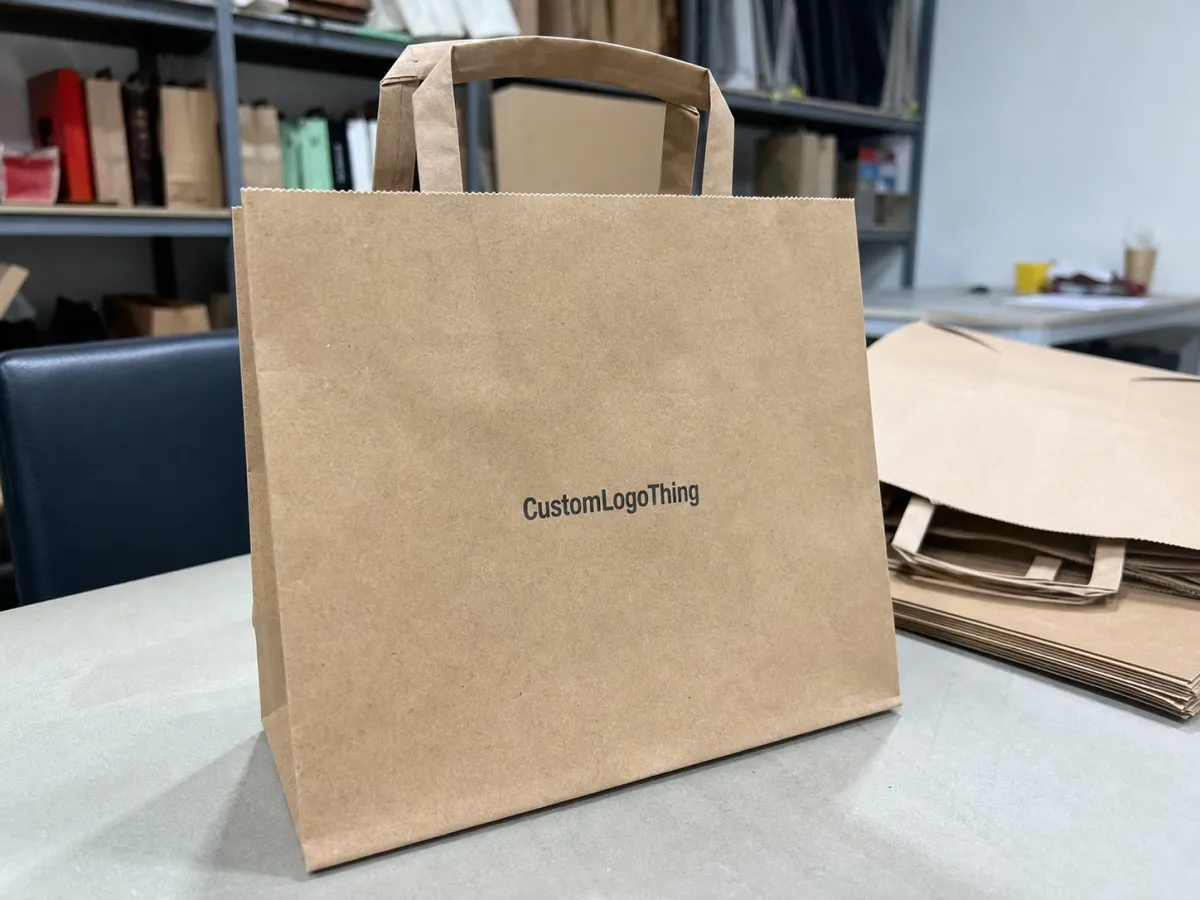
A serious sustainable kraft boxes supplier should give you options, not just one board and one size. That starts with recycled-content grades, virgin kraft when extra strength is needed, and clear guidance on whether the box needs a natural kraft finish, a brighter brown tone, or a smoother liner for better print reproduction.
The best suppliers also think about the complete packaging path. A box that nests well in shipping cases, folds cleanly on the line, and prints without scuffing usually does more for sustainability than a heavier board that wastes material and time. In practice, the supplier should explain what can be recycled, what depends on local recovery rules, and what claims need certification or test data.
Kraft boxes are popular for paper bag programs, subscription mailers, and retail packaging because the material has a straightforward look and can still be engineered for stack strength, crease memory, and compression resistance. A better supplier will flag those trade-offs early instead of waiting for a failed pilot.
Used well, kraft packaging is not about stripping everything down to the bare minimum. It is about right-sizing, trimming excess layers, and choosing the simplest structure that can still handle the job.
How Kraft Box Production Works From Board to Flat Pack
Kraft box production usually follows a predictable path. It starts with board selection, where the manufacturer chooses the caliper, fiber blend, and liner quality. From there, sheets move into print if artwork is part of the order, then into die cutting, scoring, folding, and gluing. Final pack-out is where boxes are bundled flat, palletized, and prepared for shipment.
That flow sounds simple, but each step affects the final result. A tuck-end carton folds differently than a mailer style. An auto-lock bottom adds speed on the filling line but can raise material use and tooling complexity. Sleeves may be minimal on board usage, yet they depend on precise tolerances so they stay aligned during retail display.
Sustainability decisions show up throughout production. Recycled fiber content is one choice. Water-based inks are another. So are coatings that avoid unnecessary plastic layers while still improving rub resistance or handling performance. The trick is matching the finish to the end use.
For buyers, understanding the workflow makes every quote sharper. If a supplier knows your box must fold on an automated line, stack in cases of 50, and carry a barcode on the side panel, they can recommend a dieline that avoids rework.
Cost, MOQ, and Unit Pricing Drivers
Pricing for kraft boxes usually turns on a few variables. Board caliper matters first, because heavier stock costs more and can reduce how many blanks fit on a sheet. Print coverage matters next, especially if you are using full-bleed art, multiple ink colors, or spot graphics that require tighter registration. Add custom inserts, window patches, embossing, or lamination, and the quote can move quickly.
MOQ, or Minimum Order Quantity, is another lever that affects unit price. A small run may carry a higher setup charge per box because the press, die, and gluing equipment still need to be prepared. At larger volumes, that setup cost gets spread across more units, which usually lowers the price. For a buyer testing a new product line, a short pilot can be worth it even if the per-unit cost is higher.
| Option | Typical MOQ | Common Unit Price at 5,000 Units | Best For | Trade-Off |
|---|---|---|---|---|
| Plain recycled kraft mailer | 1,000-3,000 | $0.18-$0.30 | Low-ink shipping, subscription packs, simple fulfillment | Lower visual impact, fewer branding options |
| Printed kraft tuck-end box | 3,000-5,000 | $0.24-$0.42 | Retail presentation, e-commerce unboxing, paper bag programs | Setup and print controls add time |
| Reinforced kraft mailer with insert | 5,000+ | $0.38-$0.68 | Heavier products, fragile goods, higher damage-risk channels | Higher board usage and more tooling complexity |
Buyers should also ask about costs that sit outside unit price. Tooling charges, sample fees, freight, palletization, and storage can all change the real landed cost. If the order ships in full pallets and needs climate-controlled warehousing before release, that should be part of the quote from day one.
Material, Coating, and Print Choices That Change Performance
The biggest material decision is often recycled kraft versus virgin kraft. Recycled content can fit many retail and shipping applications well, but it is not always the best answer for every load. Virgin kraft often delivers better fiber length, which can improve strength and tear resistance. For heavier items, that difference can matter more than a small change in appearance or price.
Board construction matters too. Single-wall board may be enough for lightweight goods and well-supported retail cartons, while heavier board gives better crush resistance for shipping and pallet stacking. If the product has sharp corners, uneven weight, or a high return risk, a stronger board can save more in damage prevention than it costs upfront.
Coatings and varnishes deserve careful attention. Aqueous coating can improve rub resistance while keeping the finish more packaging-friendly than a thick plastic film. But any coating can affect recyclability depending on how it is applied and what the local recovery stream accepts. A supplier should be able to tell you whether a finish is functional protection or just decorative weight.
Print coverage can also change performance. Heavy ink laydown may hide the kraft texture buyers want, while a light-touch design can preserve the natural look and still carry barcodes, usage instructions, and brand marks clearly. On uncoated kraft, dense solids may look softer than on coated paper, so proofing is not optional if color accuracy matters.
For claims and standards, two references are especially useful: FSC certification guidance for fiber sourcing and ISTA testing standards for transit performance. Those are not marketing badges; they help buyers separate the claim from the spec that gets tested.
Process and Timeline: From Dieline to Approved Sample
Most custom kraft box projects move through the same stages: brief, dieline review, quote approval, artwork setup, sample or proof, production, and shipment. The process seems linear, but the schedule can slip whenever dimensions are still changing, graphics are not press-ready, or the structure needs revision after the sample arrives.
Lead time depends on more than press availability. Custom tooling, especially a new die, can add days before the first sheet runs. Proofing and sample adjustments can add more time if the artwork needs resizing or the barcode area is not clear enough. Finishing choices matter too.
A practical approval checklist keeps the project moving. Confirm the final product dimensions. Confirm the fill weight. Confirm whether the box will be packed manually or on a machine. Confirm the shipping route and climate exposure. Once those items are locked, the supplier can build the right spec instead of guessing.
For most buyers, a clear sample review is the difference between a smooth launch and a correction. A physical sample shows panel fit, folding friction, closure strength, and how the surface behaves under light handling. If the box must support a retail display as well as shipping, that test is even more valuable.
Common Mistakes Buyers Make When Ordering Kraft Boxes
One common mistake is sizing the box to the product alone and forgetting the rest of the system. Inserts take space. Closures take space. Allowance for crush protection takes space. If the package ships through parcel networks, that extra room is often the difference between a product arriving clean or arriving with corner damage.
Another mistake is making sustainability claims too early. A kraft finish does not automatically make the package recyclable everywhere, and a recycled-content claim does not tell the whole story if the coating or adhesive complicates recovery. Local recycling systems vary, so buyers should avoid vague language on the sales sheet.
Requesting too many upgrades at once can also create problems. A box with a special shape, full-color print, matte coating, custom insert, and embossed logo may be beautiful, but it can slow quoting, complicate approval, and make supplier comparisons unfair. Start with a clean base version and add one enhancement at a time.
Finally, skipping a real sample test is a risk. Specs that look perfect on paper can fail during line setup because the fold resistance is too stiff or the closure tabs are too loose. If the package needs to pass a drop test, a stack test, or a fulfillment line check, it should be tested before production gets the green light.
Expert Tips for Better Specs, Better Quotes, and Better Results
A strong RFQ packet is the fastest way to get useful quotes from a sustainable kraft boxes supplier. Include product weight, dimensions, shipping method, target shelf presentation, and any labeling or insert requirements. If the box has to work across retail, shipping, and returns, say that plainly.
Ask for material alternatives in the same conversation. A recycled kraft version, a stronger virgin kraft version, and a lighter-board option can reveal a lot about cost and performance without restarting the whole project. The best answer is often the one that balances protection, appearance, and material use.
It also helps to ask how the supplier handles repeat orders. Color control, file storage, and spec consistency matter if you need the next run to match the first. On a natural kraft surface, even small shade drift can be visible.
From a packaging buyer’s point of view, the smartest program is usually the one that does the fewest unnecessary things. Right-sized. Easy to assemble. Easy to print. Strong enough for the route it actually travels. A good sustainable kraft boxes supplier should be able to explain that balance without dressing it up.
Next Steps to Compare Quotes, Samples, and Production Readiness
Start by asking for three quote scenarios: a basic recycled kraft version, a printed version, and a reinforced version for heavier use. That simple comparison usually shows whether your cost swing comes from board strength, print scope, or structural changes.
Then send one complete RFQ packet. Include dieline dimensions, artwork files, target quantity, shipping destination, and any sustainability requirements such as FSC sourcing or reduced-material goals. If you are coordinating box packaging with other materials, it is smart to compare the box spec against your broader Custom Packaging Products lineup so branding, handling, and storage all stay aligned.
Before full production, test one sample on the actual packing line. Watch how quickly it folds, whether the flaps stay true, how the print holds up under handling, and whether the shipper cartoning process adds any surprises. Small issues often show up here: tabs that snag, panels that spring open, or a fit that is tight enough to slow the line down.
That last check matters because a packaging program is only sustainable if it holds up in real use. If the supplier can document material claims, meet the target timeline, and support reorders without changing the spec every time, you have found more than a vendor.
What should I ask a sustainable kraft boxes supplier before requesting a quote?
Ask about board grade, recycled content, print method, coatings, MOQ, sample availability, and whether the supplier can support the final production structure you need. If the box must work on a packing line or ship through parcel networks, include that detail too.
How do sustainable kraft boxes affect unit cost compared with standard packaging?
Costs usually rise when the board is heavier, the print coverage is larger, or special finishes are added. Simpler specs, smaller formats, and efficient sheet layouts can keep pricing close to standard packaging in many cases.
What makes a kraft box truly sustainable, not just eco-looking?
Look for verified material claims, right-sized dimensions, fewer layers, and coatings that do not create unnecessary recovery problems. A box that protects the product with less total material is usually a stronger sustainability choice than a decorative box with vague claims.
How long does a custom kraft box order usually take?
Lead time depends on artwork approval, tooling, sample revisions, finishing, and order size. The fastest path is a finalized spec, press-ready files, and quick sign-off on the first sample or proof.
Can I use kraft boxes for retail, shipping, and paper bag packaging programs?
Yes, if the structure, board strength, and finish match the use case. Kraft boxes can support retail display, e-commerce shipping, and coordinated paper packaging programs when the spec is built around the actual handling conditions.

