Returns chip away at margin, and mailer choice affects that cost more than many teams expect. A standard poly mailer works on the outbound leg, but once opened it usually needs tape or replacement if the item has to move again. That adds touches at packing and returns.
That is why many brands buy resealable Poly Mailers Bulk instead of treating mailers as a generic commodity. A second adhesive strip can keep the same bag useful for inspection, exchange, or customer return. For apparel, accessories, textile bundles, subscription goods, and samples, that simple change can remove avoidable handling friction.
Buyers make better decisions when they compare more than appearance. Film structure, thickness, closure layout, print method, carton count, and freight efficiency all affect performance and landed cost. If you are evaluating this format, those are the details worth checking before approving a quote.
At Custom Logo Things, we support mailer programs through our Custom Poly Mailers and broader Custom Packaging Products range, with a focus on clear specifications, realistic lead times, and repeatable production.
Why resealable mailers solve a real shipping problem
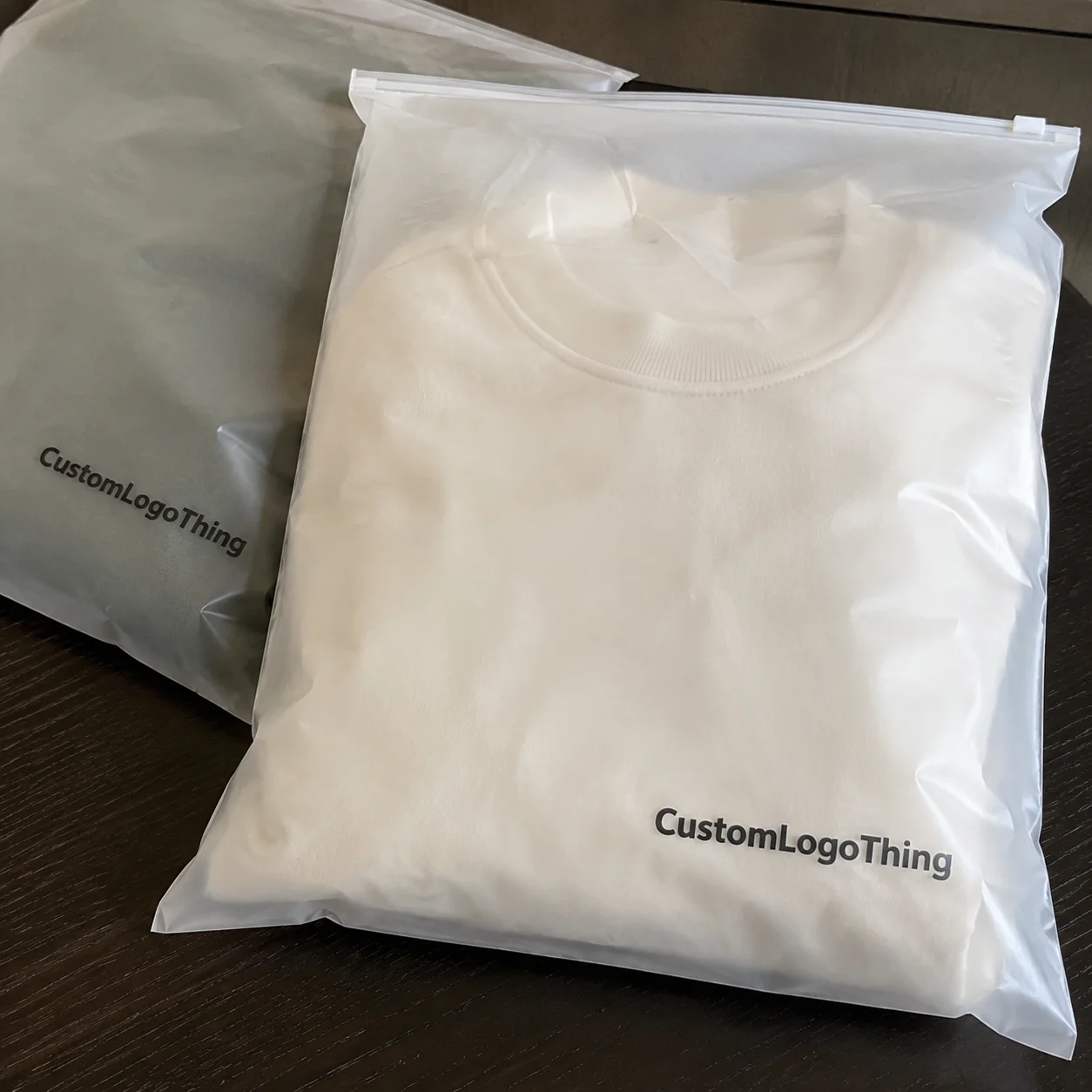
A single-seal mailer is fine when a package only travels one way. The weakness appears after opening. Once the flap is peeled back, the bag often loses most of its usefulness unless someone adds tape, swaps in a new bag, or repacks the item completely. In volume, those extra steps become labor and delay.
Resealable Poly Mailers Bulk orders make the most sense in operations where soft goods are opened more than once. Warehouse teams may inspect garments before restocking. Returns teams may need to check, refold, and contain items before the next stage. Customers exchanging sizes are also more likely to send the product back promptly when the original bag already has a second seal.
These mailers are common for:
- Apparel and uniforms
- Scarves, hats, and fashion accessories
- Light textile packs
- Subscription kits with soft components
- Sample sets, swatches, and promotional mailings
Bulk ordering also helps standardize operations. Buyers can lock in the same size family, film feel, print position, and closure style across SKUs or fulfillment sites instead of pulling mixed stock from different purchases.
Practical callout: If soft-goods returns regularly run above about 8% to 12%, the extra cost of a dual-strip mailer is often easier to justify once repacking time and replacement materials are counted.
There are limits. Resealable poly mailers are not ideal for sharp-edged products, heavy boxed items, or shipments that need high compression strength. For lightweight e-commerce orders, though, they offer a practical balance of cost, speed, and repeat handling.
What to expect from resealable poly mailers bulk orders
Two mailers can look similar online and perform very differently on a packing table. Construction details matter more than product photos.
Common film structures and closures
Most mailers in this category use LDPE or coextruded polyethylene film. Coex structures are common because different layers can improve opacity, print adhesion, toughness, or puncture resistance. The product is still a flexible shipping bag, but not all polyethylene film behaves the same way.
Common closure options include:
- Single permanent adhesive flap for one-way shipping
- Dual adhesive strips for outbound shipping plus a return closure
- Peel-and-reseal layouts for repeated internal handling
- Tamper-evident constructions where visible opening evidence matters more than reuse
A dual-strip mailer is the format most buyers mean when they ask for return-ready packaging. Even then, the second strip may be intended either for a single customer return or for repeated internal handling, so the use case should be confirmed.
Gauge and performance expectations
Thickness is usually listed in mils in the U.S. market. For many basic garments, 2.0 mil can be enough. Buyers wanting a sturdier feel, better opacity, or more puncture resistance often move to 2.5 mil or 3.0 mil, especially for larger bags or multi-item orders.
Micron-based specs are also common, especially on imported programs, so conversions should be verified. A mismatch here is one of the easiest ways to receive mailers that feel thinner than expected.
Printing and add-ons
For custom branding, one- or two-color flexographic printing is usually the most economical option. Spot colors tend to reproduce more consistently on flexible film than artwork with heavy process detail. CMYK is possible, but it usually needs more careful file prep and more realistic expectations than printed paperboard.
Add-ons can include tear strips, hang holes, writable panels, or document pouches. Some are useful, but many simply add cost and converting complexity. For most apparel and accessory shipments, a clean dual-strip design with sensible film thickness is the better buy.
Buyers searching for resealable poly mailers bulk also often compare Custom Poly Mailers, return mailers, and poly shipping bags. Those categories overlap, but they are not identical. A return mailer usually implies a second closure; a standard poly shipping bag may not.
Key specifications buyers should compare before ordering
The smoothest production runs start with a clear spec sheet. Small changes in size, film, or closure can alter fit, durability, and freight efficiency more than first-time buyers expect.
Size: focus on usable interior space
Start with interior working dimensions, not just the listed outside size. The flap does not count as packing area, and side seals reduce true usable width. A 10 x 13 inch mailer may not fit a folded garment stack that needs a full 10-inch internal width.
Oversizing also has a cost. A bag that is too large wastes cube, looks underfilled, and allows unnecessary shifting in transit. If the shipment includes thicker apparel stacks or multiple units, a gusset may help, but it will also change carton quantity and pallet cube.
Material choices: virgin resin, recycled content, finish, and opacity
Virgin polyethylene usually gives the smoothest surface and the most consistent print appearance. Recycled-content mailers can support sustainability goals, but buyers should expect possible tradeoffs such as shade variation, different feel, or less visual uniformity from run to run depending on recycled percentage and feedstock quality.
If environmental claims matter, ask for documentation rather than relying on broad wording. Buyers can also review broader packaging guidance from organizations such as PMMI. For paper-based secondary components in a larger packaging system, resources from groups such as FSC may also be relevant.
White opaque film remains the default because it hides contents and gives logos a clean background. Matte film reduces glare and can hide scuffing better; gloss usually makes colors appear stronger. Clear or semi-clear structures are more specialized and often better suited to internal distribution than parcel shipping.
Seal performance and reseal expectations
The word “resealable” is too broad on its own. Buyers should ask whether the second strip is intended for one return trip or repeated handling. Adhesive coat weight, release liner quality, flap design, and converting accuracy all affect whether the closure feels dependable.
A simple sample test helps. Open the first seal normally, load the product, apply the second strip, let it dwell under light pressure, and then check whether the flap stays closed around the actual packed profile rather than an empty flattened bag.
Print durability on flexible film
Large dark solids, fine reverse text, and tight edge-to-edge registration can all create issues on poly. Flexible film moves, ink can scuff, and registration tolerance is not the same as on rigid packaging.
That does not make good branding difficult. It means the artwork should fit the material. Strong spot-color logos, sensible line weights, and realistic printable margins usually produce better results and fewer production surprises.
A useful spec sheet should at minimum define dimensions, gauge, film color, closure type, print method, print location, carton quantity, and order quantity. If those details stay vague, the quote may look fine while the finished product does not.
Cost, pricing, and MOQ factors that change your quote
Pricing usually moves in predictable ways. Size is often the first driver, followed by film thickness, print coverage, and closure complexity. Freight can become a larger variable than buyers expect, especially on larger formats that cube out quickly.
A move from 2.0 mil to 2.5 mil may seem minor, but across 10,000 or 25,000 pieces it adds meaningful resin weight. A dual-strip return mailer costs more than a single-seal bag because it uses more adhesive, extra liner material, and additional converting steps. Heavy graphics can also raise cost because tighter print control slows efficiency.
The ranges below are planning estimates. Actual quotes will vary with resin pricing, order size, artwork complexity, and destination.
| Mailer Type | Typical Spec | MOQ Range | Estimated Unit Price | Typical Lead Time |
|---|---|---|---|---|
| Stock unprinted single-seal | 10 x 13 in, 2.0 mil, white | 500-2,000 | $0.08-$0.14 | 3-7 business days if stocked |
| Custom printed single-seal | 10 x 13 in, 2.25 mil, 1-2 spot colors | 5,000-10,000 | $0.11-$0.19 | 12-18 business days after approval |
| Custom printed dual-strip resealable | 10 x 13 in, 2.5 mil, white opaque | 5,000-10,000 | $0.15-$0.26 | 15-25 business days after approval |
| Heavier-duty custom return mailer | 12 x 15.5 in, 3.0 mil, dual strip, tear line | 10,000+ | $0.22-$0.38 | 18-30 business days after approval |
MOQ is tied to production constraints, not just sales policy. Plate costs, startup waste, converting setup, and run efficiency all influence where a custom order becomes practical. For many printed mailers, 5,000 pieces is the lower edge of an efficient custom run, though unusual sizes, recycled-content requirements, or more involved graphics can push that higher.
Carton counts also deserve attention. A quote with a good unit price can still cause problems if the packs are too bulky for storage or daily warehouse flow. Multi-location fulfillment adds another layer because redistribution can erase part of the original savings.
Production steps, lead time, and shipping timeline
Mailers move through production quickly when specifications are settled. They slow down when artwork, size, or closure details are still being revised after quote approval.
- Quote request with size, quantity, material, print details, and ship-to zip code
- Artwork review to confirm layout, color count, bleed, and printable area
- Prepress setup including plate preparation or proofing
- Sample or proof approval where required
- Production run covering film preparation, printing, converting, and sealing
- Quality control for dimensions, seal integrity, print position, and count accuracy
- Packing and dispatch with freight scheduling
For many custom orders, lead times fall in roughly the 12- to 25-business-day range after final approval. More involved builds can take longer, especially with unusual sizes or specialized closure construction. Stock programs move faster, but availability still needs to be confirmed.
Approvals are one of the most common hidden delays. If art files arrive incomplete, dimensions are not final, or the second adhesive layout changes late, the order can miss a press slot and shift by several days.
To speed up quoting and production, send these details at the start:
- Final dimensions in width x length plus flap, and gusset if applicable
- Thickness target in mil or micron
- Quantity breaks such as 5,000, 10,000, and 25,000
- Artwork in vector format if available
- Color count or CMYK requirement
- Delivery zip code and any dock, liftgate, or appointment requirements
Quality checks on flexible film should be practical. Common checkpoints include bag length and width tolerance, side-seal strength, flap alignment, release liner placement, print registration, and carton counts. For higher-risk programs, some buyers also ask about transit testing aligned with ISTA protocols.
One caveat is worth stating clearly: poly mailers always have some normal production tolerance. Slight print movement, especially on larger bags, is common within agreed limits. If artwork requires exact edge alignment or very fine detail, the design may need adjustment before production.
What should you look for in resealable poly mailers bulk?
The short answer is simple: Choose the Right size, enough film strength for the product, and a closure that matches how the package will actually be reopened and reused.
Before approving any order for resealable Poly Mailers Bulk, compare these points carefully:
- Usable interior dimensions rather than listed outside dimensions alone
- Film gauge in mil or micron, with conversions confirmed
- Virgin versus recycled content based on print expectations and sustainability goals
- Single-strip versus dual-strip closure depending on whether returns are part of the plan
- Gloss or matte finish based on brand presentation and scuff visibility
- Spot-color versus process printing based on artwork complexity
- Carton count, pallet quantity, and freight effect on landed cost
It also helps to start with the packed product, not the loose item before folding. Measure the product in shipping condition, allow enough room for easy insertion, and avoid so much slack that the parcel looks underfilled. If the bag will be used mainly for customer returns, the second strip should be easy to understand. If it will be reopened repeatedly in-house, the closure needs to tolerate more handling.
A sample is worth the time. Half an inch in width or length can be the difference between smooth pack-out and constant stuffing problems. The same goes for carton packing. If your warehouse is organized around inner packs of 100 but the shipment arrives 250 per bundle, friction starts on day one.
Most mistakes in this category are not dramatic. They are small specification shortcuts that compound later: an undersized bag, thinner film than expected, artwork built for paper instead of film, or a return strip suited to one seal but not repeated use. Clear decisions up front prevent mailers from becoming an avoidable packaging problem.
FAQ
What are resealable poly mailers bulk orders usually used for?
They are most common for apparel, accessories, subscription items, sample packs, and other lightweight shipments that may be reopened, inspected, or returned. They work best for soft goods that need privacy and moisture resistance without the cost of rigid packaging.
How do I choose the right thickness for resealable poly mailers bulk purchases?
Match the gauge to product weight, fold density, and edge profile. A 2.0 mil mailer may work for basic garments, while 2.5 to 3.0 mil is more common when buyers want better opacity, a stronger feel, or more resistance to puncture during parcel handling.
What affects MOQ on custom resealable mailers?
Size, print colors, film type, closure design, and run efficiency all affect minimum order quantity. Dual-strip closures, custom dimensions, and more involved graphics usually raise MOQ because setup cost and startup waste increase.
Can resealable poly mailers bulk orders be printed with my logo?
Yes. Most bulk programs support custom logo printing. Spot-color flexographic printing is often the most cost-effective option, while heavier coverage and CMYK artwork generally increase both review time and unit cost.
What should I send for an accurate quote on resealable poly mailers bulk?
Send dimensions, quantity, film preference, thickness target, closure type, print requirements, and delivery zip code. If the bag is meant for customer returns rather than simple outbound shipping, include that too, since it affects closure layout and pricing.


