Candles with custom labels: what they are and why they stand out
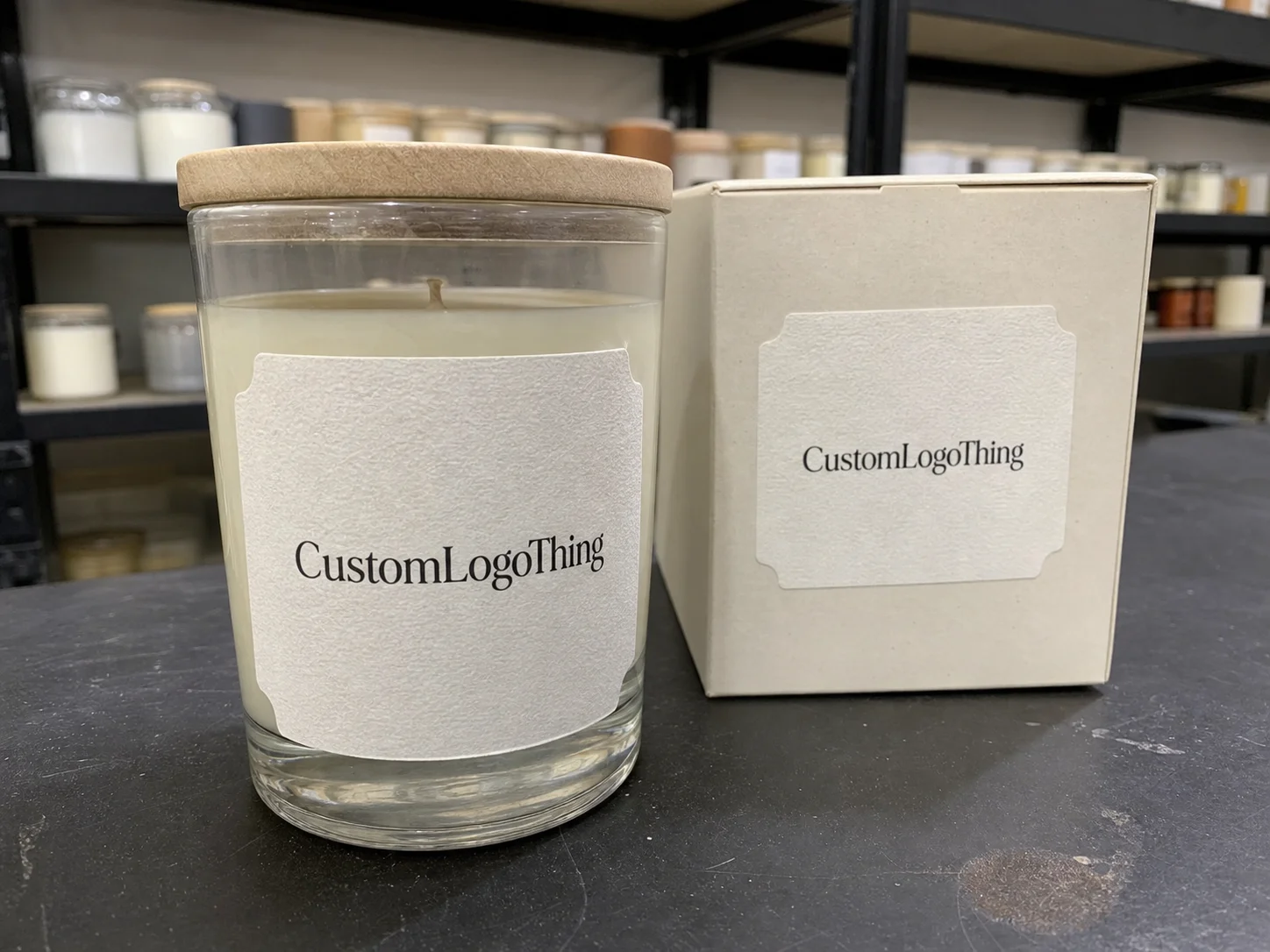
A plain jar can read as handmade, upscale, or retail-ready almost entirely because of the label on it, and that is why candles with custom labels carry so much weight in packaging design. Two candles may share the same wax blend, fragrance load, and vessel, yet the one with cleaner typography, stronger color contrast, and a finish that suits the container will usually look more valuable the moment it lands on a shelf or inside a gift box.
Custom candle labels usually do more than brand the front panel. A complete setup often includes a front label for the logo and scent name, a bottom label for batch or product details, a warning label for safe use, and sometimes a neck seal or accent label for added recognition. That structure supports package branding and product clarity at the same time, which matters because buyers want quick information without losing the visual appeal that makes a candle feel worth buying.
For small makers, private-label brands, subscription gifts, and retail launches, the label is not decoration layered on at the end. It is part of the product’s working structure. It helps organize scent families, keeps inventory readable, and gives the candle a finished identity before it ever reaches a customer’s home. A customer should be able to tell cedar from vanilla, or spring florals from winter spice, without lifting the lid on every jar.
Material choice plays a bigger role than many first-time buyers expect. Glass jars, tins, and frosted containers each behave differently, especially if the candle is stored near a window, packed for shipping, or kept in a warm room. Soy-based fills can show slight surface oiling or condensation during storage, so the label stock and adhesive need to match the vessel and the use case rather than just look attractive in a mockup.
A good candle label has to do three jobs at once: sell the scent, support safe use, and make the product feel complete rather than assembled from separate parts.
If you are building a broader packaging system, it helps to treat labels as one piece of the whole line, alongside Custom Labels & Tags and, for bundled sets or retail presentation, Custom Packaging Products.
How the label printing and application process works
The workflow starts long before printing. A label vendor usually needs your logo files, scent names, warning text, size specs, and dieline dimensions before anything moves to press. Clean files save time later, especially when the design has to wrap around a curved jar or fit a small bottom label that still needs to stay readable.
From there, the artwork is reviewed, a proof is issued, and you confirm layout, placement, and color treatment. Most candle brands use digital printing for shorter runs and frequent version changes, while roll labels are often chosen for faster application in production. Sheet labels can also work well for smaller hand-applied orders, especially when the labels are being applied in a studio or small filling space rather than on a machine.
Adhesive choice is one of the most practical decisions in the entire job. Smooth glass usually accepts a permanent adhesive cleanly, but textured surfaces, curved tins, or coated containers may need a different construction to stay flat. A label that looks perfect on screen can still misbehave on the vessel if the adhesive is too aggressive, too weak, or simply wrong for the finish of the container.
Finishing changes both appearance and durability. Matte gives a softer, more artisan look. Gloss can brighten color and increase shelf presence. Soft-touch creates a velvety feel that reads as premium. Metallic accents work well for emphasis, though they need careful handling in the proof stage so the design does not become crowded or reflective in the wrong places. If the candle is likely to be touched often or exposed to humidity, a waterproof lamination or film face stock is often worth the added cost.
Quality checks during printing and application usually cover a few practical items:
- Color accuracy against the approved proof or Pantone target where applicable
- Cut alignment so edges, corners, and seams are clean
- Adhesion on the actual vessel surface, not just a sample sheet
- Barcode or warning readability if the line is sold through retail or needs compliance text
For brands selling through stores, this is also where transit and handling start to matter. Industry resources such as the ISTA testing framework can be useful when you are thinking beyond the jar itself and into shipping, stacking, and shelf performance.
Key factors that affect label durability, fit, and shelf appeal
Label size is where many candle projects get tripped up. A container may measure six inches around at the widest point, but the usable flat area can be smaller because of shoulders, taper, embossing, or the inward turn at the top of a tin. That means sizing should be based on the actual face area, not only on circumference. A label that is too wide will wrinkle, lift, or force a seam where it does not belong.
Material choice comes next. Paper labels can look beautiful for artisan brands and lower-handling environments, but they do not stand up as well to moisture, oils, or repeated handling. BOPP and similar film stocks are often preferred for candles with custom labels on glass jars because they resist scuffing, humidity, and light surface oil better than many paper options. Vinyl-like films and specialty stocks can also be useful where extra durability or a distinct tactile feel is part of the design brief.
Heat resistance matters because candles do not live in perfect conditions. A finished candle sitting near a warm display light, boxed for shipping in summer, or stored in a room with uneven temperature can stress the adhesive and the face stock. Oil resistance matters too, especially for fragrance-rich products or jars that pick up residue during filling. Scuff resistance helps keep the mark from looking tired after a few weeks on a boutique shelf.
Typography and color contrast are easy to underestimate. A fragrance name should be readable at a glance, and warning text should never blend into the background. Designs that look elegant on a screen can disappear once they wrap a curved surface or sit under retail lighting. A softer palette can still work, but the hierarchy has to be intentional. Buyers often give a candle only a second or two of attention before deciding whether it feels polished.
Placement changes the feel of the product as well. A centered front label gives a calm, balanced look. A wraparound label offers more room for scent notes and compliance details. Bottom identification labels help with batching, inventory, and repeat orders. For candle makers building a line that may expand over time, these placement choices affect not only the look of the jar but also the consistency of the packaging operation.
| Label style | Best for | Typical strengths | Watch-outs |
|---|---|---|---|
| Paper front label | Artisan or decorative lines | Warm texture, lower cost, easy branding | Less resistant to moisture and oil |
| BOPP film label | Glass jars and high-touch products | Moisture resistance, scuff resistance, better durability | Slightly higher cost than paper |
| Metallic or specialty stock | Premium gifting and display | Strong shelf appeal, visual emphasis | Needs careful proofing to avoid glare or crowding |
| Bottom identification label | Batching and stock control | Useful for traceability and reorder accuracy | Too much text can become cramped |
If your candle line uses paper-based materials and you want sourcing documentation, it is reasonable to ask about certification. The FSC system is one example buyers often ask about when they want paper packaging with a documented sourcing story.
Candles with custom labels: cost, pricing, and MOQ basics
Pricing usually comes down to five things: size, material, finish, color count, and quantity. A small paper label printed in one or two colors may cost very differently from a larger waterproof film label with metallic accents, a specialty coating, and a soft-touch finish. If you are comparing quotes, make sure the dimensions, adhesive, and finish are the same, otherwise the numbers are not really comparable.
Shorter runs usually cost more per piece because setup work is spread across fewer labels. Larger orders reduce unit cost and often improve consistency, which is useful if you have seasonal collections or a growing product packaging line. Many candle brands begin with a modest run to test fragrance performance, shelf response, and application behavior, then move to larger repeats once the format proves itself.
MOQ means minimum order quantity. It is the smallest order size a printer will accept for a specific label format. MOQ can change based on print method, material, and finish. A simple digital label may have a lower entry point, while a specialty label with custom coating or multiple versions may require a higher minimum.
When you review a quote, ask what is included. Setup fees, proofing, finishing, and shipping can change the final cost more than people expect. Some suppliers quote labels only, while others may include application support or packaging assembly for larger programs. That distinction matters if you are budgeting across an entire candle line and not just the label itself.
For startup brands, a smaller run is often the safest first step because it lets you verify adhesion, vessel fit, and market response before you commit to a larger purchase. For seasonal candle lines, it may make more sense to order enough for the entire selling window if the artwork will not change. Premium collections can justify a better finish because the added texture or visual detail supports the higher price point.
Production steps and timeline: from artwork to delivery
A clean production process usually moves through a predictable sequence: artwork submission, file review, proof approval, printing, converting, inspection, packing, and shipment. If the file is ready and the dieline is correct, the job moves faster. If the artwork needs corrections, the calendar stretches immediately, especially when the design includes small type, white ink, foil, or multiple label versions.
Typical turnaround depends on label complexity and the production queue. Simple labels with standard finishes can move fairly quickly, while specialty coatings, uncommon materials, or sample requests add time. Rush orders are possible in some cases, but they can narrow the available material options and leave less time for review, which is one reason clean files matter so much.
The best way to avoid delays is to approve artwork that already includes the correct bleed, safe margins, and final text. If your candle includes warning copy, barcode information, or batch fields, lock those in before the proof stage. That prevents the common situation where the label is nearly approved and someone realizes the safety text will not fit without reworking the layout.
Good communication checkpoints help as well. You should know when the proof is coming, when production begins, and when the order ships. Even a small candle program is easier to manage when the buyer can see where the labels are in the workflow instead of guessing whether the job is still in prepress or already on press.
Common mistakes to avoid when ordering candle labels
The most common issue is choosing a stock that cannot handle the real environment. A label may look fine in a photo, but if the candle gets warm, sees condensation, or picks up oil during packing, a weak adhesive or porous face stock can start to fail. That is not just cosmetic. A lifted corner or stained surface can make a product look returned even when the candle itself is perfectly good.
Incorrect sizing comes next. If the label is too large, edges lift or buckle. If it is too small, the design can feel lost on the jar and the brand name may compete with warning text for space. For candles with custom labels, fit is not only a styling issue; it is a structural issue tied to the container shape.
Low-contrast color combinations are another trap. They may look refined on a monitor and then disappear on frosted glass or under store lighting. Strong contrast does not have to be loud, but it should be readable. That matters especially for scent names and safety information, where clarity is more useful than clever design tricks.
File errors can stall production as well. Missing bleeds, low-resolution logos, badly embedded fonts, and incomplete dielines all create extra back-and-forth. It is also surprisingly common for a buyer to approve a design without testing it on the actual vessel first. A sample on the real container will tell you more than any mockup ever can.
Expert tips for a cleaner, more premium label finish
If you want a cleaner result, test two or three label materials on the actual candle vessel before placing a larger order. That small step often reveals whether the jar is too curved for a paper face stock, whether the finish reflects too much light, or whether the adhesive needs a firmer grab on the container surface.
Build the design around visual hierarchy. The brand mark should be easy to identify, the scent name should be clear, and the compliance details should be present without overwhelming the front. When those pieces are balanced, the candle feels more intentional and less crowded. That balance matters in packaging design because people tend to judge quality almost instantly.
Match the finish to the brand story. Matte usually suits calm, natural, or artisan lines. Gloss can help bolder colors and brighter retail displays. Soft-touch feels upscale, but it needs to match the rest of the product packaging so the jar, label, and any outer carton work together instead of competing for attention. If custom printed boxes are part of the set, keep the label finish and box finish in the same visual family.
Plan for repeat ordering early. Keep a simple file with the approved artwork version, label dimensions, material choice, finish, and notes about application pressure or placement. That way your next reorder is not a new project. It is a controlled repeat of what already works.
Application matters more than many brands realize. Keep label margins consistent, use the same placement reference every time, and apply steady pressure from the center outward. Even a premium label can look amateur if it is crooked by a few millimeters or if one corner tensions differently from the next.
For buyers interested in environmental considerations, the EPA offers general guidance on packaging and material decisions that can help frame waste reduction choices: EPA sustainable packaging guidance.
Next steps: choose specs, request a proof, and test your first run
The practical next move is straightforward: decide the container size, label material, finish, quantity, and application method before you order. That list may feel basic, but it is exactly what keeps candles with custom labels from turning into a round of avoidable revisions. Once those specs are set, request a digital proof or sample set so you can check fit, color, adhesion, and overall feel before production starts.
Then test the label under real conditions. Put the jar under the lighting it will see in retail, handle it with clean hands, and leave a few samples in the storage conditions you actually expect. A label that looks great in a controlled room should also hold up on a shelf, in transit, and in the customer’s home.
It also helps to create a simple reorder file. Save the approved artwork, version number, vendor notes, and any instructions about placement or finish. That small habit makes future production faster and reduces the chance of subtle changes creeping in over time.
Well-planned candles with custom labels should be judged on both appearance and performance. If the label looks polished, reads clearly, survives handling, and supports the brand story, the packaging is doing its job. That is the standard worth aiming for every time.
FAQ
What material works best for candles with custom labels on glass jars?
BOPP or other moisture-resistant films are often a strong choice for smooth glass because they resist scuffing and oil. Paper can work well for decorative or artisan looks if the candle will not face much handling or condensation. The best option depends on heat exposure, finish preference, and whether the label needs to survive storage and transport.
How do I size custom candle labels so they fit the container correctly?
Measure the flat label area, not just the jar circumference, because curves and shoulders reduce usable space. Leave safe margins so the edges do not wrap, lift, or overlap seams. Testing a sample on the actual vessel is the most reliable way to confirm fit before a full order.
What affects the price of candles with custom labels the most?
Quantity, material, finish, and print complexity are usually the biggest pricing factors. Specialty coatings, metallic effects, and multiple label versions can raise the unit cost. Shipping, proofing, and setup charges may also change the final quote.
How long does the process usually take for custom candle labels?
Timeline depends on file readiness, proof approval, quantity, and the production method used. Simple orders may move quickly, while specialty finishes or rush requirements can add time. Approving clean artwork early is one of the best ways to avoid delays.
Do candle labels need to include safety or warning information?
Many candle brands include warning text, burn instructions, or batch details to support safe use and traceability. The exact information depends on your market, sales channel, and internal compliance standards. It is smart to reserve space for these details during the design stage rather than trying to squeeze them in later.