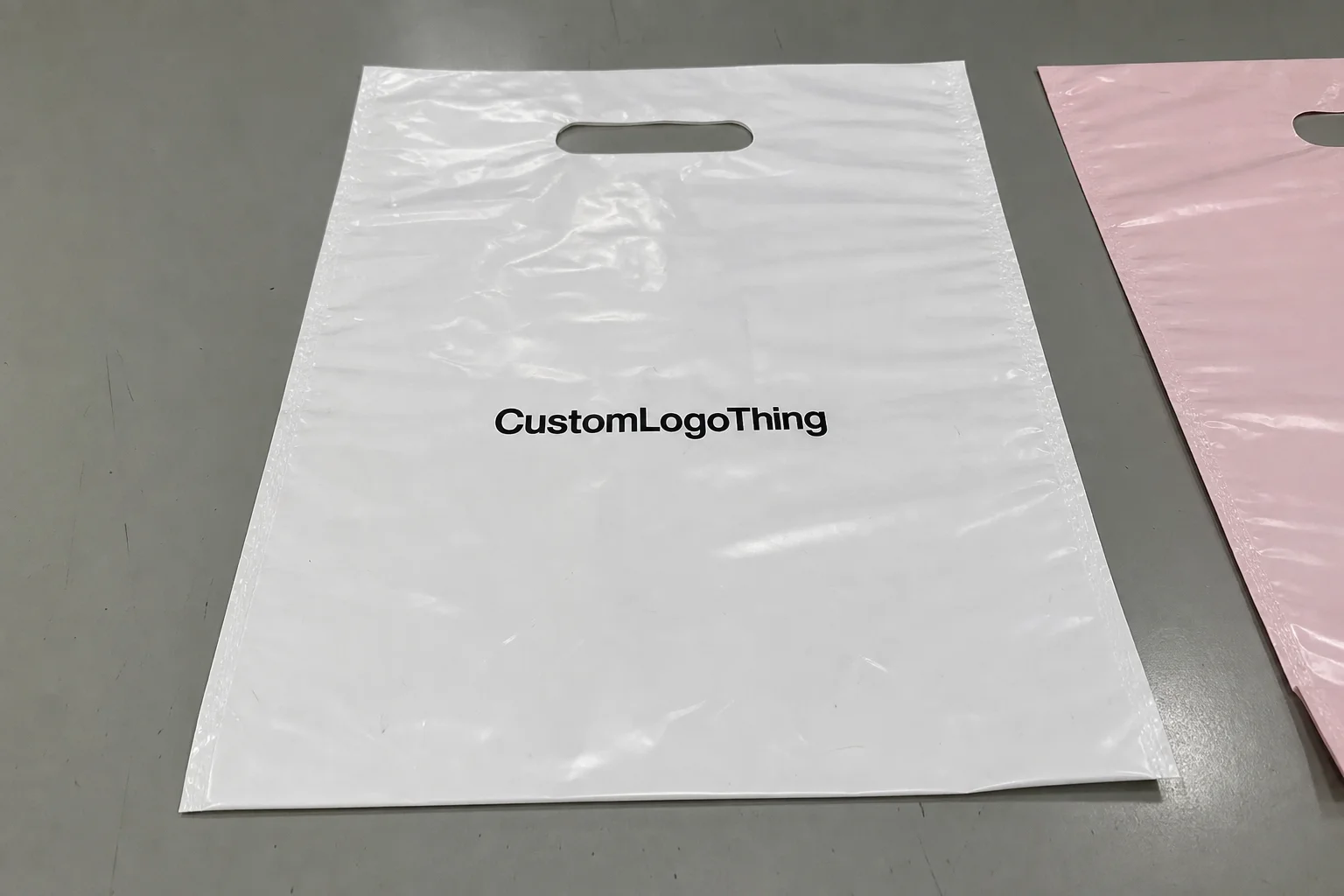
Canvas bags printed logo: why buyers notice them
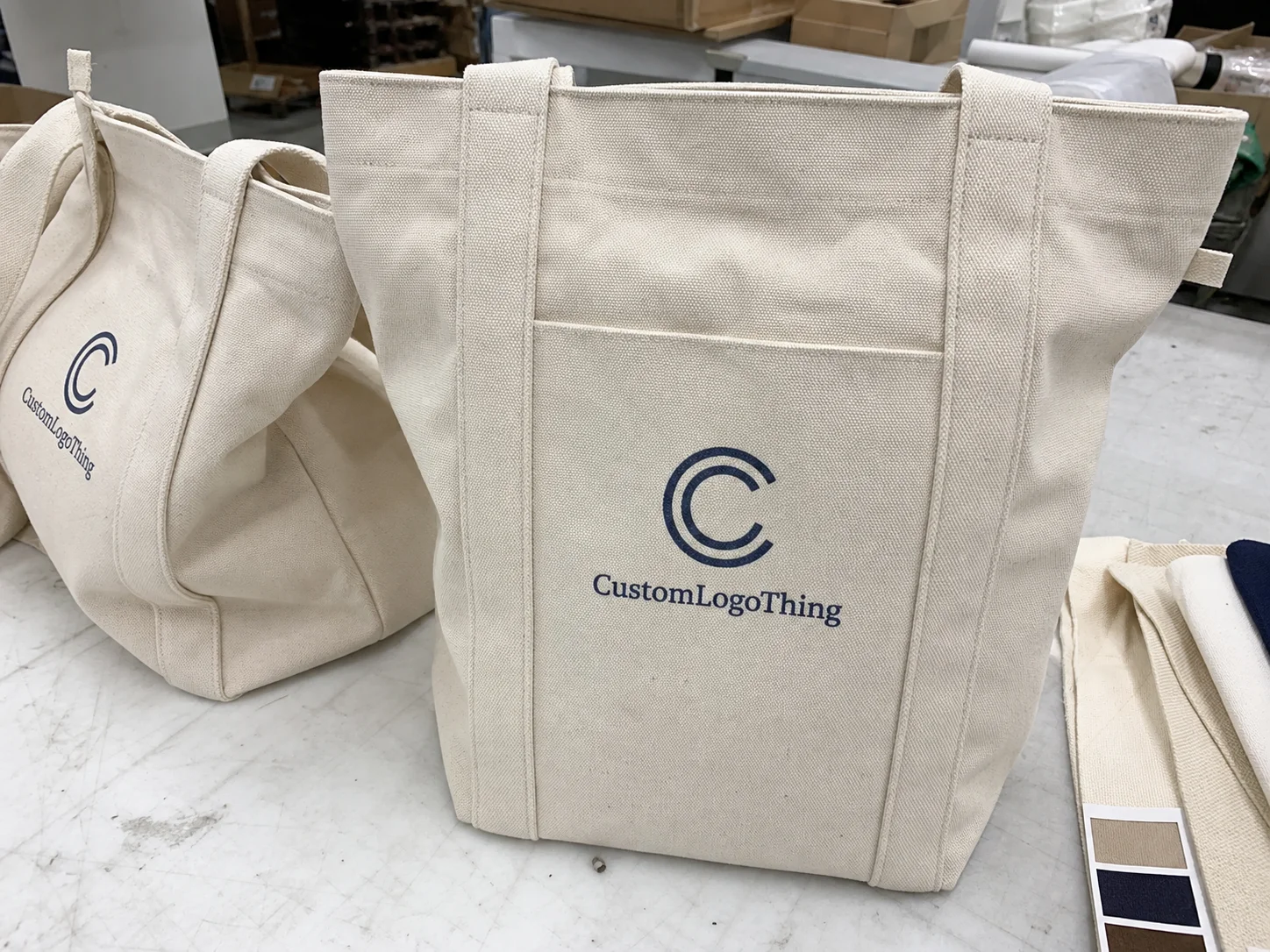
A coffee shop hands over a tote with the pastry order. A retail brand slips one into a customer’s purchase. An event team uses one as the giveaway people actually keep. That is the quiet strength of canvas bags printed logo orders: the bag leaves the counter and keeps carrying the brand long after the original transaction is over.
Canvas behaves differently from a disposable carry bag. It has more body in the hand, so the perceived value rises before anyone studies the artwork. It also tends to be reused. That matters. A bag that circulates through daily errands, commute bags, and weekend shopping creates far more impressions than packaging that is thrown away the same day.
There is a second reason buyers return to canvas. A logo printed on a bag sits in public, gets folded, packed, set on tables, and shoved into cars. If it stays readable from a few feet away, it keeps doing its job. If it cracks, smears, or disappears into the weave, the whole piece feels cheaper than the order sheet suggested.
For that reason, the best place to start is not color. It is use. Grocery carryout, conference swag, boutique retail, and subscription inserts each call for different dimensions, handle lengths, and print areas. The strongest Canvas Tote Bags usually come from matching the bag structure to the real use case first, then choosing the decoration method.
That order saves money and avoids awkward reprints. A lot of buyers begin with a mockup. Better buyers begin with function, then spec, then print. That small shift usually prevents a longer back-and-forth later.
How logo printing works on canvas fabric
Screen printing is still the most common method for bold logos on canvas. It handles spot colors well, keeps edges crisp, and is usually the most economical choice for repeat runs. If the artwork is one or two colors, this is often the first quote worth requesting. The tradeoff is setup: each color needs its own screen, which adds cost and makes very small quantities less attractive.
Heat transfer is often the better fit when the art is detailed, multicolor, or small. It can reproduce finer lines than standard screen printing, especially on textured canvas where thick ink can blur delicate elements. The downside is feel. Some transfers sit more like a layer on top of the fabric, which can be fine for promotional totes but less appealing if the buyer wants a softer hand.
Embroidery gives a different result entirely. It adds texture and a more premium visual cue, but it has limits. Tiny letters can disappear into stitching, and large filled areas can make the bag stiff. For a logo on a canvas tote, embroidery makes sense when the goal is a higher-end gift rather than the lowest unit price.
The weave matters more than many buyers expect. Canvas is not a smooth sheet. A looser weave or a heavily textured surface can soften edges and reduce contrast. That is why thin strokes, delicate serif fonts, and fine gradients often disappoint once they are printed. A line that looks elegant on a screen can look broken once it lands on fabric.
Good proofing solves a lot of that. Vector artwork is preferred because it scales cleanly. Pantone references reduce guesswork on color matching. The proof should show exact placement, print size, and ink color before production begins. If the proof only shows a centered logo with no measurements, that is a warning sign.
Buyers should also understand the practical limits of each method. Very small type, hairline details, and full-color gradients can print poorly or become expensive to correct. If the design depends on photo detail, ask whether a transfer method is better than screen printing. If the artwork is simple and brand color accuracy matters most, one- or two-color screen printing is usually the cleaner route.
“The best canvas tote is the one people actually carry again. If the print looks good but the bag feels awkward, the branding loses half its value.”
For buyers who need a durability reference, packaging and transport tests often borrow from broader handling standards such as ISTA protocols, especially when the tote is packed into kits or shipped to end users. The decoration is only one part of the job; the bag still needs to survive distribution, stacking, and normal wear.
| Decoration method | Best for | Typical strengths | Common tradeoffs |
|---|---|---|---|
| Screen printing | Bold logos, spot colors | Sharp branding, repeatable results, lower unit cost at volume | Setup fees, color limits, less ideal for tiny details |
| Heat transfer | Fine detail, multicolor art | Better for complex graphics, flexible for short runs | Can feel less fabric-like, may cost more per piece |
| Embroidery | Premium gifts, textured logos | High perceived value, durable appearance, strong finish | Higher cost, limits on small type and large fills |
Pricing, MOQ, and unit cost drivers
Canvas tote pricing looks simple until the quote arrives. Then the line items show up: blank bag cost, decoration setup, ink count, stitch count, print locations, packing, and freight. Those pieces can move the final number more than the logo itself. For canvas bags printed logo orders, the blank bag is only one part of the equation.
MOQ, or minimum order quantity, exists because setup takes time and machine time is not free. A screen print run with a low quantity can carry almost the same preparation burden as a larger order, so the per-unit price climbs quickly. That is why small custom runs often cost far more per piece than mid-size orders.
Here is a practical pricing pattern buyers often see. The exact number depends on material, location, and decoration method, but the shape of the pricing usually looks similar:
- Simple one-color screen print: roughly $1.10-$2.20 per unit at 1,000 pieces.
- Heavier canvas, two-color print, or larger artwork: often $1.80-$3.50 per unit at 1,000 pieces.
- Embroidery or specialty finishes: can move into $2.50-$5.00+ per unit depending on stitch count and size.
- Freight, cartonization, and final delivery can add a meaningful amount, especially for bulky totes.
Those ranges are not a promise. They are a reality check. If a quote comes in far below that range, inspect what is missing. If it lands far above it, ask whether the artwork, fabric weight, or packout is driving the jump.
Three levers usually change unit cost fastest. First, quantity. Larger runs spread setup across more units, so the price drops. Second, color count. Each additional print color can require another setup step. Third, print size. Oversized logos need more ink, more care, and more chance of rework. A simple one-side logo is almost always cheaper than artwork on both sides or a full-coverage design.
If savings matter, simplify the artwork and keep one print location. Then ask for pricing at several quantity breaks. Seeing 250, 500, 1,000, and 2,500 units side by side makes the cost curve obvious. That information is more useful than trying to negotiate a few cents off the first quote.
One more practical point: very low MOQ offers sometimes look attractive but can hide expensive freight, premium setup, or a bag spec that is thinner than it appears in the proof. Buyers who compare only the unit price often miss the landed cost. A clean comparison includes product, decoration, packing, and shipping together.
Production steps and lead time from proof to ship
A well-run tote order follows a predictable path. First comes specification intake: size, color, material, print method, quantity, and delivery date. Next is artwork cleanup, then the digital proof. After approval, sourcing begins, followed by printing, curing or stitching, inspection, packing, and shipment. If any one of those steps is vague, the schedule slips.
The most common delay is not the press. It is the buyer side. Late proof approval, a missing vector file, or a changed logo after production has started can add days, sometimes weeks. A supplier can move quickly only if the approval cycle is short and the artwork is clean from the beginning.
Realistic timing helps everyone. Straightforward screen-printed runs often land in the 12-15 business day range after proof approval if the materials are in stock. More complex orders, such as custom sizes, special ink colors, embroidery, or imported blank bags, can stretch beyond that. If a campaign date is fixed, build in a cushion for proofing and transit.
Rush service exists, but it is not free. Faster turnaround usually means a higher cost, tighter approval windows, and less tolerance for revision. In practice, rush orders work best when the buyer already has final artwork, clear specs, and a decision maker available to approve the proof immediately.
For packaged campaigns, buyers should think about shipping performance, not just production speed. If the tote will travel in cartons, retail bundles, or subscription kits, some brands use transport testing logic from the Institute of Packaging Professionals and similar industry guidance to reduce damage claims. A bag that prints beautifully but arrives crushed is still a failure.
Inspection should not be an afterthought. Good suppliers check print alignment, ink coverage, stitch consistency, loose threads, and bag count before cartons are sealed. Buyers who receive a sample or pre-production photo should look at the same things: placement, color match, edge sharpness, and whether the print sits flat across the weave. If the sample shows a problem, it usually becomes more visible across the full run.
Spec choices that change durability and print quality
The bag spec has more influence than many first-time buyers expect. Fabric weight, handle length, gusset depth, stitching reinforcement, and overall dimensions all affect how the bag feels, how it carries, and how the print reads. A tote with the right logo but the wrong shape can still feel off.
Heavier canvas usually feels more premium. That helps perception. But weight also changes shipping cost and can alter print behavior. Thicker fabric may hold ink well, while very textured canvas can make small text less crisp. A light 8 oz canvas and a heavier 10 oz or 12 oz canvas do not behave the same way under print pressure.
Color choice is another quiet variable. Light bags make logos pop cleanly, especially when the brand uses dark ink. Darker bags may need an underbase or a different ink system to keep the artwork visible. That can add cost and complexity. If your brand color is pale gray or soft blue, it may fade into natural tan canvas unless the contrast is strong enough.
Durability details matter in real use. Look for reinforced stress points, secure handle attachment, and stitching that does not pull at the corners. If the print area crosses seams or folds, the logo can distort after only a few uses. That is why the best placement is usually on a flat panel with enough clear space around the artwork.
Buyers who want to specify more carefully usually ask for a spec sheet that includes:
- Fabric weight in ounces or gsm.
- Bag dimensions and gusset depth.
- Handle drop length for shoulder carry or hand carry.
- Stitching reinforcement at stress points.
- Print area with exact measurements from seams.
That level of detail sounds tedious. It is. It also prevents a lot of expensive misunderstandings later. A quote based on a vague tote description often turns into a sample problem, then a timeline problem, then a cost problem. A few clear measurements solve most of that before production starts.
Colorfastness and wash behavior can matter too, depending on the end use. Promotional bags are often not washed much, but retail and food-service buyers may care about cleanup after repeated handling. If the bag needs to be laundered, ask how the print method holds up to washing and whether shrinkage could affect the logo position after drying.
Common mistakes when ordering branded totes
The most common mistake is shrinking the logo to fit too much text. Tiny type may look tidy on screen, but once the bag is carried, folded, or viewed from a distance, the message disappears. A cleaner logo with stronger contrast almost always performs better than a crowded design.
Another trap is designing for approval rather than use. A mockup can look perfect even when the print sits too close to a seam or fold line. Then the first production sample shows the real issue: distortion. That is not a print failure so much as a placement failure. The fix is to check the flat pattern, not just the front-facing render.
Buyers also skip the reorder conversation too early. If the first run works, repeat production is easier when the art file, Pantone references, placement, and bag spec are already documented. Otherwise the second order becomes a fresh puzzle, and color drift or fabric lot variation can creep in.
There is also a hidden logistics cost that gets ignored too often. Carton count, packing format, and shipping method can influence landed cost more than a few cents on print. A quote that looks low on unit price may become expensive once freight, storage, or split shipments are added. If you want to compare options honestly, ask for delivered cost, not just factory cost.
Fabric and sourcing claims need care as well. If your organization wants recycled or responsibly sourced materials, ask for documentation rather than assuming the bag qualifies. Buyers who need chain-of-custody or certification language often want it in writing before purchase order release. Canvas can be simple, but the paperwork around it should not be vague.
Another common miss is underestimating the time needed for proof corrections. A small text fix may sound minor, yet if the artwork needs to be rebuilt or color-separated, it can reset the approval clock. Clean files save more time than rushed approvals ever will.
Next steps for a cleaner quote and smoother launch
If you want a better quote, build a one-page spec sheet before you request pricing. Include bag size, color, print method, logo dimensions, quantity, and delivery date. That simple document cuts guesswork and usually gets you closer to a usable quote on the first round.
Ask vendors for side-by-side pricing at a few quantities. That shows where the unit cost drops and where setup charges stop dominating. If the jump from 500 to 1,000 pieces is small, the larger run may be worth it. If the difference is minor, smaller inventory can be safer.
Then request a digital proof and confirm the approval deadline. Compare the estimated timeline to your actual campaign date, not the date you wish you had. If you are launching into an event, retail window, or seasonal promotion, leave room for one revision and normal shipping delay.
Save the final artwork, print placement, and bag spec in one folder. Future canvas bags printed logo reorders become far easier when the records are complete. That is the unglamorous part of branded packaging, but it is also the part that keeps the next run consistent, easier to price, and much less likely to surprise you.
If you are still narrowing the spec, start with the simplest version that meets the job: the smallest bag that holds the product, the fewest print colors that preserve brand recognition, and the most durable decoration method for the budget. A tote that is easy to carry and easy to read usually outperforms a more elaborate one that looks better only on the proof.
FAQ
How many colors work best for canvas bags printed logo?
One or two solid colors usually keep registration cleaner and the cost lower. If the design depends on gradients or photo detail, ask whether a transfer method is a better fit than screen printing.
What is a normal MOQ for printed canvas tote bags?
MOQ varies by supplier and print method, but small custom runs often cost much more per unit than mid-size orders. Ask for pricing at several quantity breaks so you can see whether the minimum order is truly efficient for your budget.
How long does production usually take for printed canvas bags?
Simple orders can move quickly once the proof is approved, while custom materials or extra decoration steps add time. Build in approval time on your side first, because the fastest factory schedule still stalls if artwork changes late.
Which print method is best for canvas bags with a logo?
Screen printing is often the best fit for bold logos and repeatable brand colors. Heat transfers or embroidery can make sense when the art is more detailed or when a premium finish matters more than the lowest unit cost.
How can I lower the unit cost without hurting quality?
Reduce color count, keep the print to one side, and avoid oversized artwork that needs extra setup. Order enough quantity to move past the highest setup-cost tier, then lock the spec so repeat runs stay consistent.
What should I check on a sample before approving production?
Check placement, print sharpness, color match, stitch quality, handle attachment, and whether the design sits clear of seams and folds. A sample that looks acceptable from a distance can still show issues at the edges or in small type.