Ceramic Studio Compostable Mailers Quote for Fragile Orders
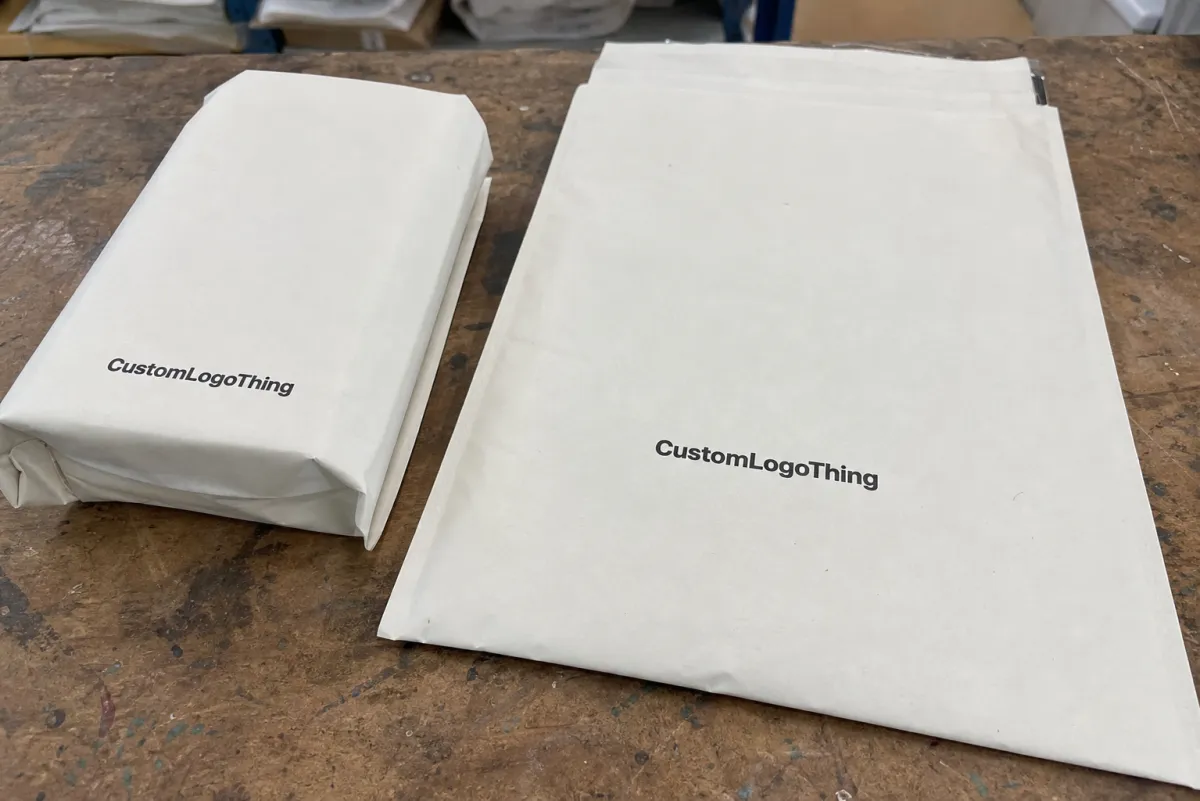
A hand-thrown mug can be wrapped beautifully, boxed carefully, and still spend the next three days being pushed across sorting belts, stacked under heavier parcels, and left near a damp loading dock. That is parcel shipping. Charming, right?
Studios asking for a ceramic studio compostable mailers quote are rarely just shopping for a bag. They are trying to balance brand values, fragile-product shipping, print quality, fulfillment speed, and a unit cost that still works after postage, labor, storage, and replacement risk are included.
The mailer’s job is specific. It gives a lightweight outer layer around an already protected ceramic order. It can reduce reliance on conventional poly mailers, create a branded first impression, improve label placement, add scuff resistance, and help shield a box from light moisture during normal carrier handling.
It is not the protective system by itself. Ceramics still need a strong inner pack: usually a 32 ECT or 200# test corrugated carton, molded pulp or honeycomb paper, corner protection, tissue, crinkle paper, die-cut inserts, or another void fill pattern that keeps the piece from moving. If a mug is rattling inside a weak carton, a compostable mailer will not rescue it. Physics remains annoying and undefeated.
For mugs, tiles, ornaments, small planters, ring dishes, and boxed gift sets, the mailer sits at the end of the packaging chain. It has to fit over the packed carton without stressing the seams. It has to seal quickly. It has to hold a shipping label cleanly. If printed, it has to look intentional after being handled by real people in real warehouses.
A usable quote starts with the actual specification, not a hopeful guess. Material blend, finished mailer size, film thickness, print coverage, order quantity, closure style, packing format, and delivery destination all affect price and production. A low number based on the wrong size is not a deal. It is a future packing-table argument.
Compostable Mailer Materials That Fit Ceramic Packaging
Most compostable mailers use flexible film blends that may include PBAT, PLA, and other bio-based or compostable resin components. The exact formulation affects stretch, opacity, seal performance, storage behavior, print quality, and the compostability claim a supplier can support. Some films feel soft and rubbery. Others feel firmer, closer to traditional polyethylene.
Neither feel is automatically better. The right film depends on the packed box size, carton corners, fulfillment method, print expectations, shelf-life needs, and the markets where the mailers will be sold or used.
Ceramic packaging is not apparel packaging. A T-shirt mailer can flex around a soft product. A boxed mug cannot. The mailer must slide over a rigid carton with enough clearance that the flap closes without pulling tension into the side seams. If the box is 8 inches by 6 inches by 6 inches, the mailer cannot be treated as though it holds a flat 8-inch item. Height consumes usable length and changes the fit fast.
Common finishes include matte white, tinted film, kraft-look film, soft-touch-style surfaces, opaque film, and exterior logo printing. Compostable films do not always print or convert like standard LDPE. Ink laydown, drying time, rub resistance, and color density should be confirmed before production, especially if the design uses a dark flood coat or full-surface pattern.
Closures need the same attention. Options often include a permanent adhesive strip, tamper-evident closure, tear strip, or double adhesive strips for returns. A return strip can make sense for exchanges, repaired pieces, wholesale samples, or limited returns. It also adds cost and may change the flap depth. For many ceramic studios, a clean permanent seal is cheaper, faster, and less fussy.
Storage conditions matter more with compostable films than some buyers expect. Keep mailers away from high heat, direct sun, and excessive humidity. Poor storage can affect film feel and adhesive performance, even when the bags still look fine. Ordering against a realistic usage window is smarter than filling a hot back room with two years of inventory because the price break looked tempting on a spreadsheet.
Packaging rule of thumb: size the mailer for the protected carton, not the ceramic piece, and leave enough clearance for a packer to close the flap without stretching the seams.
Size, Thickness, Print, and Closure Specifications
Start with the packed box. Measure the finished inner carton after the ceramic piece, cushioning, tissue, inserts, care card, and any retail sleeve are inside. Record length, width, and height. Then allow clearance for insertion and flap closure.
A mailer that looks efficient on paper can be miserable in production. If staff have to squeeze every order, wrinkle the label panel, or fight the adhesive strip, the savings disappear into labor. Bad fit also creates more damaged-looking parcels, even when the ceramic item survives.
Typical specifications include layflat width, usable length, flap depth, film thickness, side seam construction, opacity, adhesive type, tear-strip option, venting if applicable, bundle count, and carton packing quantity. Ask whether the quoted size is the outside cut size or the usable inside space. Side seals, gussets if used, and flap geometry reduce practical capacity.
Film thickness is usually listed in microns or mil. A range around 50 to 70 microns can work for lighter boxed items, while heavier cartons or sharper corners may need a stronger gauge or a different film formulation. Thicker film is not magic. If the carton corners are exposed or the mailer is too tight, seam strain can still show up. Too thin, though, and the bag may stretch, puncture, or distort during packing and carrier handling.
Printing should be specified with the same discipline. A one-color logo is usually the simplest and most economical option. A full-surface pattern, edge-to-edge graphic, or dense ink area needs a longer conversation about ink compatibility, drying, rub resistance, registration tolerance, and how the bags will be stacked after converting.
Small type deserves suspicion. Fine lines, tiny social handles, QR codes, and delicate marks may not reproduce as sharply on flexible film as they do on coated paperboard, kraft labels, or rigid inserts. Flexible packaging moves. It stretches. It has tolerances. Pretending otherwise is how you get a beautiful proof and a disappointing bag.
Artwork should usually be supplied as vector files: AI, EPS, or press-ready PDF. Include Pantone references or target color values if brand color matters. Compostable film may not match a coated thank-you card, paper sleeve, or printed box exactly because the surface, opacity, base film color, and ink system are different. If the color is critical, request a drawdown, production sample, or written tolerance before approving the run.
| Specification | What to Confirm | Why It Matters for Ceramics |
|---|---|---|
| Mailer size | Layflat width, usable length, flap depth | Prevents strain around rigid boxed mugs, tiles, ornaments, or planters |
| Film thickness | Micron or mil range, seam strength, puncture resistance | Helps the mailer handle carton corners during packing and transit |
| Print coverage | Logo size, colors, ink density, registration tolerance | Controls cost, appearance, drying behavior, and rub risk |
| Closure | Permanent strip, tear strip, return strip, adhesive width | Affects packing speed, returns, tamper evidence, and flap fit |
Pricing, MOQ, and Unit Cost Factors for Studios
A reliable quote is built from production variables. Material blend, film thickness, size, quantity, print colors, ink coverage, closure features, certification needs, packing method, and freight destination all change the number. Even a small size adjustment can matter if it moves the job into a different film width or converting setup.
Minimum order quantity depends on customization. Standard-size mailers with a simple printed logo may have a lower MOQ. Fully custom sizes, custom film colors, specialty closures, double adhesive strips, or heavy print coverage usually need larger runs because setup time, material allocation, and print waste have to be spread across enough pieces.
For small studios, quantity breaks are often the most useful part of the quote. Compare several realistic quantities instead of asking for one number. A 1,000-unit run may protect cash flow and storage space. A 2,500- or 5,000-unit run may lower the unit cost enough to matter. The right answer depends on sales velocity, product mix, storage conditions, and how confident you are in the size.
As a working range, simple custom printed compostable mailers may land around $0.18 to $0.45 per unit at moderate quantities. Larger sizes, heavier gauges, specialty closures, custom colors, or heavy ink coverage can move higher. Very small runs cost more per piece because setup is spread across fewer units. Freight is often separate, and cartons of mailers can be bulkier than expected.
Do not judge by unit price alone. Landed cost includes freight, duties if applicable, storage space, spoilage, expected overage, and the cost of using a mailer that is too small or too weak. If a bad-fit mailer adds 20 seconds to each order during a product drop, that is real labor. If the closure looks sloppy or the film scuffs badly, the brand cost is harder to measure but still there.
Compostable mailers often cost more than conventional poly mailers because the resin system, converting controls, storage requirements, and documentation can be different. That does not make them the right answer for every studio. The choice is strongest when the packaging supports a clear position around reduced plastic reliance, compostable packaging, or lower-waste fulfillment that customers already recognize.
If the studio mostly ships wholesale cartons in larger corrugated boxes, a compostable outer mailer may not add much. If the studio ships direct-to-consumer gift orders where presentation and unboxing matter, it may earn its place. Packaging should solve the actual shipping situation, not perform sustainability theater for an audience of one: the person approving the invoice.
For a faster quote, prepare the target size, quantity, artwork, print colors, closure preference, desired documentation, delivery address, packing requirements, and whether samples are needed. If you are comparing formats, review related options through Custom Packaging Products or ask the team to compare compostable mailers with Custom Poly Mailers for cost, lead time, storage, and performance.
Process and Timeline from Artwork to Delivered Mailers
The usual process starts with quote intake and specification review. Then the artwork is checked, a dieline or layout is confirmed, a proof is prepared, samples are reviewed if requested, production is scheduled, film is printed, bags are converted, quality checks are completed, cartons are packed, and shipment is released.
None of those steps is complicated on its own. The problems show up when details are skipped early and discovered late.
Lead time depends on complexity. A standard-size mailer with a one-color logo can move faster than a custom film color, return-strip construction, large repeat pattern, or heavy-coverage print. Simple repeat orders may move in a few business days once materials and artwork are ready. Fully custom production often needs several weeks from proof approval to delivery. Transit time sits on top of that.
Proofing is where the studio should slow down for ten focused minutes. Confirm size, logo position, print orientation, closure side, flap direction, color reference, compostability language, shipping label area, and compliance marks. If the mailer includes a QR code, small handle, care note, or disposal instruction, check the minimum readable size before approval.
Physical samples are useful when the order is large enough or visible enough to justify the extra step. A digital proof confirms layout. A sample shows feel, opacity, box fit, seal strength, flap behavior, and how the finished mailer looks beside tissue, stickers, inserts, tape, or retail packaging. If the studio ships both wholesale samples and direct-to-consumer orders, test both pack styles before committing to one mailer size.
Quality-control checks should cover more than print placement. Review seam strength, adhesive bite, film thickness, opacity, rub resistance, bag count, carton labels, and whether the mailers open cleanly during packing. If disposal instructions or certification marks appear on the mailer, confirm they match the approved material claim. A nice logo does not fix inaccurate packaging language.
Plan ahead before seasonal launches, gallery drops, subscription shipments, wholesale replenishment, or holiday fulfillment. Compostable materials and custom print schedules should not be left until the last replenishment week. If a studio uses 1,200 mailers per month and waits until only 150 remain, there is almost no room for proof changes, freight delays, or material substitutions.
For testing language, it can help to understand the role of transit testing groups such as ISTA. For broader sustainability definitions and waste considerations, the EPA Sustainable Materials Management resources give useful context. Those resources do not replace a supplier specification sheet, but they help buyers ask better questions.
Common Quoting Mistakes That Raise Risk or Cost
The most common mistake is quoting from the ceramic piece dimensions instead of the fully packed box dimensions. A 4-inch mug may need a 6-inch or 7-inch carton after cushioning. That carton may need a much larger mailer once height and flap closure are included. If the mailer strains at the flap or tears at a corner, the original quote was not cheaper. It was underbuilt.
Another mistake is ignoring the shipping label. The prettiest print layout still needs a clean, flat label panel. If the artwork puts a dark pattern exactly where the label should sit, fulfillment gets messy. If the mailer wrinkles across the label area because the fit is too tight, scanning can suffer. Carriers are not impressed by brand storytelling.
Overprinting compostable film without discussing ink coverage can also create trouble. Dense artwork may affect drying, rub resistance, stacking, production speed, and cost. A bold exterior pattern can look excellent, but it should be planned with realistic tolerances and a suitable ink system. If the mailers will be bundled tightly, stored warm, or handled beside tape dispensers and label guns, abrasion risk should be part of the discussion.
Vague compostability language is another easy way to make a mess. Decide whether the package needs home compostable documentation, commercially compostable positioning, or a broader compostable claim supported by the available material data. Claims should match the certification and the markets where the mailers are distributed. Standards such as ASTM D6400 may appear in supplier documentation, but the exact claim depends on the material, testing, and certification pathway.
Price-only buying creates predictable pain. The lowest unit cost may hide thinner film, weaker closure, loose color tolerance, unclear overrun terms, limited documentation, or storage conditions that do not fit the studio’s reorder cycle. Ask for specification sheets, sample mailers, and written assumptions on size tolerance, color tolerance, packing quantity per carton, and production overrun or underrun terms.
The better buyer question is not “What is the cheapest compostable mailer?” It is “Which mailer can my team pack quickly, store safely, present well, and reorder without surprises?” That question usually produces a better ceramic studio compostable mailers quote and fewer ugly surprises after approval.
Next Steps to Request a Ready-to-Produce Quote
A ready-to-produce quote starts with a short checklist. Measure the packed ceramic box. Choose the mailer style. Estimate the launch quantity or monthly use. Gather logo files. Decide how much print coverage you want. Identify any compostability documentation required by your sales channel, marketplace, retailer, or internal sustainability policy.
If you already use branded tissue, stickers, tape, inserts, retail boxes, or thank-you cards, send photos. The mailer should work with the full packaging system, not fight it. A kraft-look mailer with a soft black logo may suit one studio. A white matte mailer with a small color mark may suit another. Specific beats trendy every time.
Send Custom Logo Things the inner carton dimensions, desired outer mailer dimensions if known, current packaging photos, target order quantity, artwork files, shipping location, and deadline. If the order is tied to a gallery release, wholesale ship date, seasonal collection, or product launch, say so early. A deadline changes the recommendation. Sometimes the smart answer is a standard size with fast printing, not a custom structure that arrives after the selling window closes.
Ask for two or three quantity breaks. For example, compare 1,000, 2,500, and 5,000 units if storage space and cash flow allow it. The larger run may reduce unit cost, but a smaller first run can be smarter if the studio is still testing box sizes, product mix, or seasonal demand. Compostable films also deserve practical inventory planning because storage conditions and shelf life are part of the spec.
Review the proof with both brand and fulfillment staff. The designer will focus on logo scale, color, and spacing. The person packing orders will notice whether the flap direction works, whether the label panel is clear, whether the mailer opens quickly, and whether the design hides or highlights handling marks. Both opinions matter. The best-looking design still has to be easy to pack, seal, label, and store on a busy shipping day.
If you are ready to price options, send the details through Contact Us and include the phrase ceramic studio compostable mailers quote in your message so the request carries the right context. Complete specs produce cleaner comparisons, fewer production surprises, and packaging that feels considered from kiln shelf to customer doorstep.
FAQs
What details do I need for a ceramic studio compostable mailers quote?
Provide the packed box dimensions, target mailer size if known, order quantity, logo or artwork files, number of print colors, closure preference, compostability requirements, delivery address, and desired in-hands date. Photos of your current ceramic packaging help show box shape, corner exposure, label placement, and the clearance the mailer needs.
Are compostable mailers safe for shipping ceramic mugs, bowls, and tiles?
Compostable mailers can work as the outer shipping layer, but they should not replace proper inner protection for fragile ceramics. Use a sturdy corrugated box, appropriate cushioning, and void fill first. The mailer then adds branding, light moisture resistance, scuff reduction, and a cleaner delivery presentation.
What affects the cost of custom compostable mailers for ceramic studios?
The main cost factors are mailer size, film thickness, material blend, order quantity, print colors, ink coverage, closure style, certification documentation, packing format, and freight. Custom sizes or heavy print coverage usually cost more than standard-size mailers with a simple one-color logo.
What MOQ should a small ceramic studio expect for printed compostable mailers?
MOQ depends on the material, size, print method, and customization level. Standard-size printed mailers generally have a lower MOQ than custom-size or specialty construction mailers. Request quantity breaks so you can compare a smaller first run against a more economical reorder quantity.
How long does the compostable mailer quote and production process take?
Quoting is fastest when dimensions, artwork, quantity, and shipping details are complete from the start. Production timing depends on proof approval, sample needs, material availability, print complexity, converting schedule, quality checks, and transit time. Studios should build in extra time before launches, wholesale dates, or seasonal sales.


