Private Label Caps Logo Print Quote for Brand Buyers
When a Private Label Caps Logo Print Quote Prevents Bad Inventory
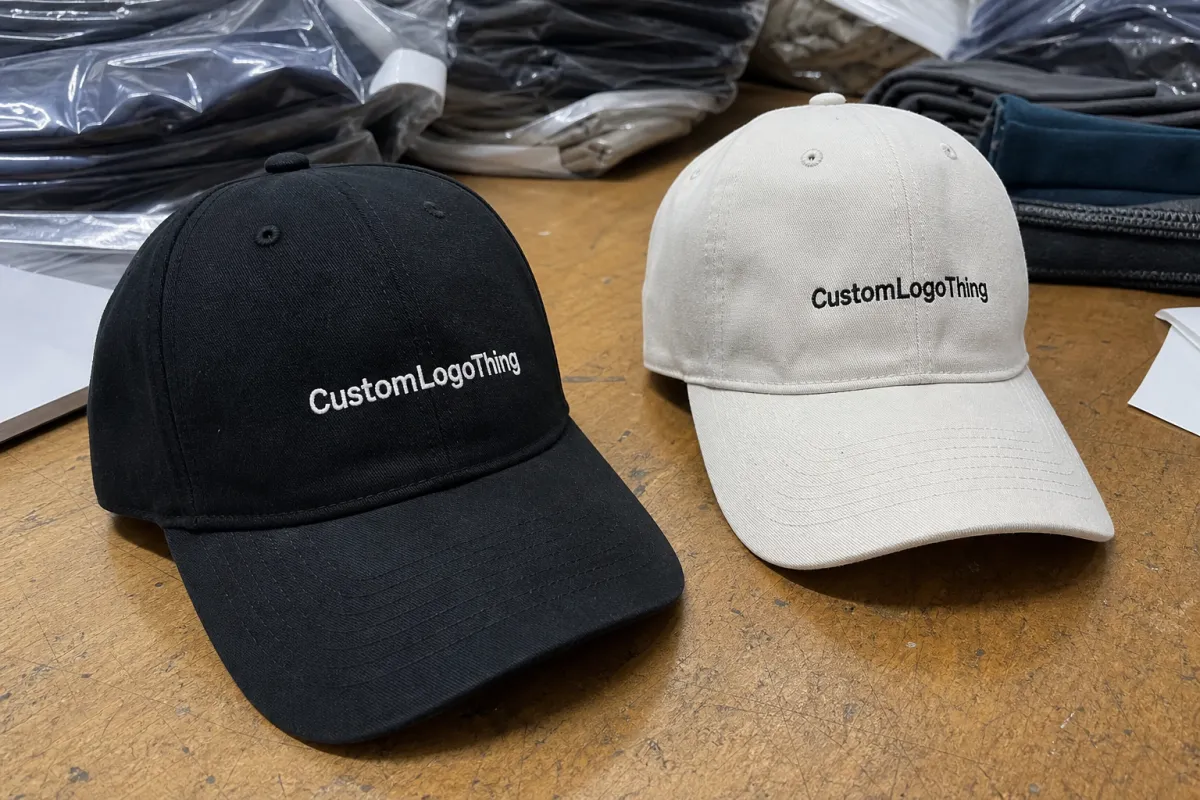
A cap can look perfect on a screen and still come off the production floor wrong. A Private Label Caps logo print quote is not just a price request. It is the document that turns a brand idea into a manufacturable hat with the right crown height, panel layout, logo scale, decoration method, trims, labels, packing plan, and lead time.
The tricky part is simple: a cap is curved, stitched, and worn on a head. Not exactly a flat billboard. A 55 mm embroidered logo may look clean in a mockup, then crowd the center seam on a 6-panel cap or pull oddly on an unstructured dad cap. Fine lettering can disappear once thread density, backing, and fabric movement enter the job.
Small changes show. A 2 mm placement shift can be visible on a structured crown. Heavy stitching can make lightweight cotton twill pucker if the digitizing is too dense or the backing is wrong. A logo that works on a foam-front trucker may need a different treatment on washed cotton. None of this is dramatic. It is normal production reality.
For brand buyers, caps behave a lot like retail packaging. They carry the mark, set the quality expectation, and need to repeat across colors, locations, and reorders. You are not just buying fabric and decoration. You are buying fit, perceived value, logo accuracy, and the confidence that the next 500 or 5,000 units will match the approved sample closely enough for retail, events, staff programs, franchise kits, or fulfillment.
A useful quote should reduce risk before money gets tied up in inventory. It should confirm the cap style, fabric, closure, decoration position, logo size, artwork requirements, private label details, sample terms, quantity tiers, packing method, and estimated lead time. A vague price can feel fast. Then the real costs appear later, which is a charming little surprise nobody asked for.
Practical rule: if the quote does not define the cap build, logo method, placement, sample path, and packing requirements, it is not finished. It is only an estimate with too many open ends.
Cap Styles, Materials, and Logo Methods That Affect the Final Result
Different cap styles solve different brand problems. A 5-panel cap gives a cleaner front decoration zone because there is no center seam cutting through the logo. A 6-panel structured snapback has the familiar retail shape and usually supports raised embroidery well. A dad cap is softer, lower profile, and better for casual lifestyle branding, though small embroidery needs careful digitizing because the front panel has less body.
Trucker caps add mesh ventilation and work well for outdoor, beverage, agriculture, motorsport, and event merchandise. Performance caps usually use polyester or polyester-spandex blends for lighter weight, moisture handling, and faster drying. Flat bill caps feel more streetwear-oriented. Curved bill caps fit broader promotional, uniform, and retail use. Unstructured promotional hats can be cost-efficient, but buyers need realistic expectations around crown shape and logo crispness.
Fabric affects both hand feel and decoration behavior. Cotton twill has a classic retail feel and usually performs well with embroidery. Washed cotton gives a softer, vintage finish with intentional color variation, which should be approved before bulk production. Polyester handles sweat and outdoor use better, especially for performance programs. Acrylic blends help structured caps hold shape. Mesh backs improve airflow but limit decoration unless the logo stays on the front foam, twill, or cotton panel.
Decoration method deserves an actual decision, not a guess. Embroidery is durable, tactile, and often right for simple marks, block lettering, and logos that benefit from raised thread. Woven patches hold small details better than direct embroidery and can be sewn onto curved panels with a clean border. Printed patches allow gradients, CMYK artwork, and photo-style effects. Heat transfers can work for smaller runs or complex graphics, but the finish and wash resistance need to match the intended use. Screen print is useful for flat graphic logos. Sublimation works only where compatible polyester materials and lighter base colors support it.
Logo limits affect the quote. Very small text under about 4 mm tall, thin outlines, metallic thread, high stitch counts, multiple placements, wraparound artwork, and logos crossing seams can all change cost and production risk. A brand may ask for embroidery, then discover a woven patch protects the artwork better. That is not a downgrade. It is often the smarter technical choice.
Private label options can extend well beyond the front mark. Buyers may add inside seam tape, printed sweatbands, woven labels, hang tags, visor stickers, polybags, barcode labels, size stickers, and retail-ready carton packing. If the cap program connects to other branded packaging, Custom Logo Things can align cap trims with Custom Labels & Tags so the inside label, hang tag, and barcode presentation feel consistent.
Specifications Buyers Should Confirm Before Requesting a Quote
The fastest way to get a reliable Private Label Caps logo print quote is to provide real specifications up front. The core list is not complicated: cap style, panel count, crown profile, structured or unstructured build, visor shape, fabric, color, closure type, decoration method, logo position, logo size, quantity, and packing needs. If something is unknown, say so. A good supplier can recommend options, but silent guessing creates quote changes later.
Fit details matter because they affect cost and customer experience. Adjustable plastic snapbacks are common, durable, and familiar. Metal buckle closures give dad caps and lifestyle caps a more refined finish. Hook-and-loop closures suit workwear and some performance caps, though they may feel less retail-focused. Fitted sizing adds inventory complexity because you may need multiple sizes per color. Youth sizing changes crown depth and decoration scale.
Color matching needs practical expectations. Standard fabric colors usually keep cost and lead time lower. Dyed-to-match fabric may require higher minimums, lab dips, and additional approval time. Pantone references help, but exact matching across fabric, thread, ink, woven labels, printed hang tags, and polybags is not always possible because each material absorbs or reflects color differently. A spot color printed on a coated hang tag will not read exactly like embroidery thread on washed cotton. Close control is possible. Perfect sameness across every substrate is not.
Artwork quality is another major quote driver. Vector files such as AI, EPS, or clean PDF files are best for most logo work. High-resolution raster art may be acceptable for certain digital printing or printed patch applications, but low-resolution PNG files pulled from a website usually slow the job down. Embroidery requires digitizing, which converts shapes into stitch paths, densities, underlay, and thread direction. Patches need dielines, border decisions, and attachment method approval. Print methods may require CMYK conversion, spot color callouts, or surface finish choices such as matte, satin, or gloss.
Compliance and packing details belong in the quoting stage, not after production starts. Depending on the sales channel and destination, you may need country-of-origin labeling, fiber content labeling, suffocation warnings on polybags, inner pack counts, master carton dimensions, shipping marks, and barcode placement. For transit testing and packaged-product handling, buyers can review resources from ISTA, especially if caps are part of a larger retail distribution or fulfillment program.
- Cap build: 5-panel or 6-panel, structured or unstructured, crown height, visor shape, closure.
- Material: cotton twill, washed cotton, polyester, acrylic blend, foam front, or mesh back.
- Decoration: embroidery, woven patch, printed patch, heat transfer, screen print, or sublimation.
- Artwork: vector logo, Pantone references, logo size, placement approval, digitizing needs.
- Packing: polybag, hang tag, barcode, inner pack, master carton, retailer requirements.
Incomplete specifications often produce a low first estimate that climbs once the real cap, label, sample, and packing requirements are known. A complete specification set gives everyone less room to improvise. That is usually a good thing.
Pricing, MOQ, and Unit Cost Drivers for Custom Logo Caps
A cap quote is built in layers. The base cap or custom cap construction comes first. Fabric selection, decoration method, number of logo placements, artwork setup, sample work, private label trims, packaging, inspection, and freight all add to the final number. That is why two quotes for “500 caps with logo” can be far apart and both still be legitimate.
MOQ depends heavily on the production route. Stock cap decoration can support smaller runs because the blank caps already exist and the supplier is mainly adding the logo. Fully Private Label Caps with custom fabric colors, woven labels, special closures, printed sweatbands, visor stickers, and retail packaging usually require higher minimums because materials, trims, and machine setup need to be justified. In practical terms, a stock decorated run may make sense at 48 to 144 pieces. A more custom private label program often becomes more efficient at 300, 500, 1,000, or more units.
Decoration changes unit cost in predictable ways. Embroidery is influenced by stitch count, thread colors, logo size, backing, and whether the embroidery is flat or raised. A simple 6,000-stitch front logo costs less than a dense 14,000-stitch mark with metallic thread and side placement. Patches are influenced by material, shape, border, backing, and attachment labor. Screen print depends on color count and screens. Transfers depend on size, finish, press time, and application control. Digital printing can help with full-color art on certain patches or labels, while flexographic and offset printing may be better suited to related packaging components at larger volumes.
| Option | Typical Use | Cost Drivers | Practical Range |
|---|---|---|---|
| Stock cap with embroidery | Events, staff caps, small merchandise runs | Stitch count, logo size, thread colors, cap availability | Often about $7.50-$16.00 per cap at modest quantities |
| Stock cap with patch | Retail-style branding, detailed logos, outdoor brands | Patch material, border, shape, sewing labor, artwork detail | Often about $8.50-$18.50 per cap depending on patch build |
| Semi-custom cap | Branded trims with standard cap bodies | Labels, hang tags, sweatband print, packaging, sample approval | Often begins around 144-300 pieces depending on trim package |
| Fully private label cap | Retail programs, franchise merchandise, repeat SKUs | Custom fabric, trims, closures, labels, testing, packing, freight | Often more efficient at 500-1,000+ pieces per style or color |
One-time or upfront costs can include embroidery digitizing, patch setup, sample fees, custom label setup, color lab dips, special carton packing, and barcode preparation. These charges are not automatically bad. They often protect repeatability. A clean digitized embroidery file can be used again on a reorder. A properly approved woven label standard keeps inside branding from drifting between runs.
Compare quotes by total landed cost, not just unit price. Freight method, carton efficiency, duties, and packaging can move the real cost per cap more than buyers expect. A cap packed flat in bulk cartons ships differently from a cap protected with tissue, hang tag, individual polybag, barcode label, and retail carton sorting. Ask for realistic quantity breaks, such as 144, 300, 500, and 1,000 units, so you can judge whether the savings justify the inventory commitment.
Process and Timeline From Artwork Review to Finished Caps
A good production path has a clear order: specification intake, artwork review, quote preparation, decoration method confirmation, digital proof or sample, buyer approval, bulk production, quality inspection, packing, and shipment. Skip one step and the risk does not vanish. It waits until a more expensive stage.
During artwork review, the supplier checks logo complexity, file quality, line thickness, text size, color count, and how the design will behave on a curved crown. For embroidery, the logo may need to be simplified or digitized with a specific stitch direction to avoid puckering. For patches, the team confirms border width, shape, backing, and whether the mark should be woven, printed, PVC, leatherette, or embroidered. For print work, the review may include CMYK values, spot color targets, ink or transfer finish, and whether the fabric can tolerate the heat, pressure, or ink system.
Samples answer different questions. A digital mockup shows layout and approximate scale. Useful, yes. A production sample, no. A physical sample verifies fit, crown shape, logo placement, thread or print behavior, trims, and packing. A pre-production sample locks the approved standard before bulk manufacturing starts. If the cap includes a new woven label, printed sweatband, unusual patch material, or retail barcode package, a physical sample is usually worth the time before a large order.
Timelines depend on cap availability, custom fabric sourcing, approval speed, decoration complexity, factory workload, packaging requirements, inspection scope, and shipping method. A simple stock cap embroidery job may be ready much faster than a fully private label cap with dyed fabric, custom labels, printed hang tags, barcode sorting, and pre-shipment inspection. As a practical planning range, stock decoration can often fall into a 7-15 business day production window after proof approval. More involved private label programs may need several weeks once samples and materials are approved.
- Send cap style, quantity, logo files, preferred decoration, delivery target, and shipping destination.
- Review artwork and decide whether embroidery, patch, print, or transfer best protects the logo.
- Approve the quote, sample terms, and proof details in writing.
- Confirm cap color, thread or print colors, logo size, placement, trims, and packing instructions.
- Approve the sample or production proof before bulk work begins.
- Complete production, inspection, carton labeling, and shipment.
Buyer-side preparation can shorten lead time. Have final logo files ready. Provide Pantone references if color matters. Confirm quantity by color, not just total quantity. Share the target delivery date, shipping address, packaging requirements, and any retailer or marketplace compliance documents early. A private label caps logo print quote moves faster when the supplier is not chasing basic details after the artwork has already been reviewed.
Quality Checks That Separate Retail-Ready Caps From Giveaways
Good cap production is controlled through repeatable checkpoints, not hope after the cartons arrive. The approved sample should become the reference for crown shape, logo size, placement, trim details, and packing. Soft goods always have tolerances, but tolerances need boundaries.
Fit and construction checks start with crown symmetry, panel alignment, seam strength, visor curve, bill stiffness, closure function, sweatband attachment, loose threads, puckering, and comfort. A structured snapback should not collapse unevenly across the front panels. A dad cap should feel relaxed without looking crushed. A visor should hold its intended curve without twisting. The closure should operate cleanly and sit centered when adjusted.
Decoration checks are just as important. Embroidery should have correct placement, straight alignment, clean edges, controlled thread tension, and no skipped stitches. Dense logos should not pull the fabric into waves. Raised embroidery should have enough foam height to look intentional without making fine elements unreadable. Printed logos should avoid scorching, ghosting, cracking, or uneven pressure marks. Patches should sit straight, attach securely, and keep consistent border width across the run.
Private label finishing adds another inspection layer. Woven labels need correct placement and orientation. Hang tags need proper stringing, brand side facing the right direction, and accurate barcode printing. Polybags should be clean, correctly sized, and labeled when required. Cartons should carry useful shipping marks, color or size sorting, and accurate pack counts. If the cap program includes printed inserts, stickers, or labels, ask how those items will be checked against the cap SKU list before packing starts.
Industry standards can help frame packaging and sustainability discussions. For paper-based hang tags, cartons, or label stock, some buyers ask about responsible sourcing through FSC certified materials. That does not automatically apply to every cap component, but it can matter for retail programs that audit packaging claims. For broader packaging practices and waste reduction ideas, the EPA publishes useful material management resources.
Custom Logo Things works best as a practical manufacturing partner, not just an order taker. The unglamorous questions about stitch count, seam position, polybag warnings, carton labels, and barcode accuracy are exactly the questions that protect buyers when caps need to look consistent at retail, events, fulfillment centers, or franchise locations.
How to Request an Accurate Cap Quote Without Delays
Start with the cap choice. Choose the style, estimate the order quantity, gather the logo files, identify decoration locations, select preferred materials and colors, define private label trims, and decide whether samples are required before bulk production. Even a rough target helps. “500 black structured 6-panel caps with front embroidery, inside woven label, hang tag, and individual polybag” is far more quotable than “caps with our logo.”
Send the target budget and delivery date early. Those two details narrow the practical choices between stock decoration, semi-custom caps, and fully private label production. If the budget is tight and the delivery date is close, a stock cap with embroidery or patch decoration may be the right route. If the cap will become a repeat retail SKU, a fully private label build may be worth the higher setup effort because trims, packaging, and reorder standards can be controlled more tightly.
For the fastest response, Custom Logo Things should receive vector artwork, logo dimensions if known, Pantone colors, desired cap references, quantity by color, shipping destination, packaging needs, and any retailer or marketplace requirements. If you are comparing decoration routes, ask for alternatives. Request embroidery versus woven patch pricing, or ask for two quantity tiers so you can compare the savings against inventory risk.
Need help shaping the spec before you commit? Send the details through Contact Us, and include any existing brand files, label references, or packaging requirements. The more complete the request, the less time gets spent revising assumptions.
The strongest private label caps logo print quote is not the shortest one or the cheapest one. It is the one that defines the cap, protects the logo, accounts for private label details, and gives production a clear standard to follow.
FAQ
What information is needed for a private label cap logo printing quote?
Provide the cap style, material, color, quantity, logo file, decoration method if known, logo placement, private label details, packaging needs, delivery deadline, and shipping destination. If you are unsure about the decoration method, send the artwork and intended use so the quote can compare embroidery, patch, print, or transfer options.
What is the MOQ for private label caps with a printed or embroidered logo?
MOQ depends on whether the project uses stock caps with decoration or fully custom private label cap construction. Stock cap decoration can often support smaller runs. Custom fabric colors, woven labels, special closures, and retail packaging usually require higher minimums to cover setup and material handling.
How does logo complexity affect the custom cap quote?
Small text, gradients, many thread colors, metallic details, fine outlines, and large logo coverage can increase setup time, decoration cost, or production risk. Embroidery quotes are especially affected by stitch count. Printed and patch logos are affected by size, color count, material, border style, and finishing method.
Can I get a sample before approving bulk private label cap production?
Yes. A physical sample or pre-production sample is strongly recommended when the cap includes custom labels, special decoration, unusual materials, or retail packaging. A sample confirms fit, crown shape, logo placement, color direction, decoration quality, and finishing details before the full order is produced.
How long does a private label caps logo print order take?
Timeline depends on artwork readiness, sample requirements, cap availability, custom material sourcing, decoration complexity, approval speed, inspection, and shipping method. The most reliable timeline is confirmed after specifications are reviewed and the sample or production proof process is defined for your private label caps logo print quote.


