Branded Padded Mailers Reorder Guide for Apparel
When Apparel Reorders Go Wrong, Shipping Costs Get Loud
A hoodie drop sells faster than expected. Fulfillment burns through padded mailers in eight days, and now the buyer gets to choose between plain emergency stock or rush fees on printed packaging. Very glamorous. Very avoidable. This branded padded mailers for apparel retailers reorder planning guide is for teams that need predictable stock, repeatable specs, and fewer last-minute packaging fires.
Branded padded mailers are not complicated products, but they do punish sloppy planning. A good mailer protects folded apparel, reduces dependence on cartons, adds a better handoff than a thin plain bag, and keeps your logo visible from packing bench to doorstep. For many apparel orders, that is enough. You do not need a rigid box program for every tee, scarf, beanie, or pair of leggings.
Use padded mailers if you ship online apparel, boutique retail orders, merch drops, subscription apparel, streetwear releases, lightweight accessories, or soft goods that need more protection than a standard poly mailer. They are especially useful when the product can bend without damage, but the brand still wants cushioning, clean presentation, and a printed exterior.
Packaging does not need to become a committee sport. The problem starts when teams pretend lead times do not exist. That is how brands end up paying more for ugly backup mailers while the good packaging is still in production. A proper reorder plan covers structure, sizing, print options, specs, MOQ, cost drivers, timeline, and the exact information to send for a clean quote.
Practical rule: if your packaging reorder depends on someone noticing the last open carton, your system is not a system. It is a warehouse scavenger hunt.
The goal is simple: keep branded padded mailers in stock without overbuying, underbuying, or turning every promotion into a shipping panic. This branded padded mailers for apparel retailers reorder planning guide gives you the buying structure for that.
Product Details That Matter for Apparel Shipments
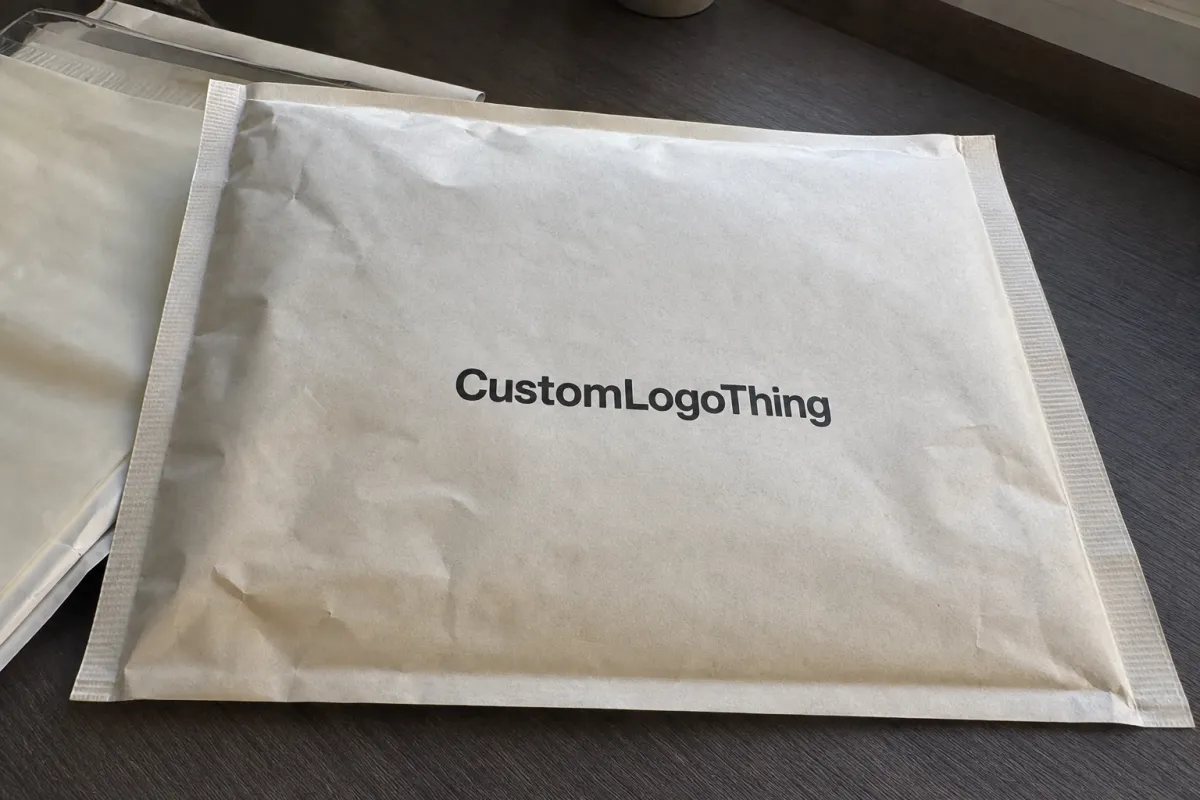
Branded padded mailers are cushioned shipping bags printed with a retailer logo, campaign graphic, brand color, repeat pattern, QR code, or customer message. Most apparel brands use them for direct-to-consumer shipments where the product is soft, foldable, and valuable enough to deserve better than the cheapest plain mailer in the building.
Material choice matters. In the Plastic Bags category, the common options are poly bubble mailers, kraft-lined padded mailers, and co-extruded poly structures. Poly bubble mailers usually give better moisture resistance and lightweight cushioning. Kraft-lined mailers create a paper-forward look, though they are not always the best fit for wet delivery conditions. Co-extruded poly can improve tear resistance and opacity, which helps when shipping darker garments or orders with printed inserts.
Protection has limits. Padded mailers are excellent for tees, leggings, socks, scarves, hats, small hoodies, and other soft goods. They are not magic armor for shoeboxes, candles, glassware, or crushed packaging dreams. If the product needs compression resistance, use a box. If it only needs scuff protection, moisture resistance, and a nicer branded handoff, a padded mailer often makes more financial sense.
Closure style affects both fulfillment speed and customer experience. Most custom padded mailers use a permanent peel-and-seal adhesive strip. Better programs may add a tear strip so customers can open the package without scissors. Return-ready mailers can include a second adhesive strip, which is useful for apparel brands with exchange-heavy categories such as denim, activewear, or size-sensitive drops.
Print placement needs discipline. A front-panel logo is simple and cost-efficient. Full-bleed artwork looks stronger but can raise unit cost, color matching time, and approval rounds. Repeat patterns are good for fashion brands that want packaging to feel less like a shipping supply and more like part of the product experience. QR codes, return instructions, and sustainability claims can work, but leave a clean shipping label zone. Carriers need to scan the package, not admire your art direction.
For adjacent options, Custom Logo Things also supports Custom Poly Mailers and broader Custom Packaging Products for apparel brands that use both padded and non-padded formats.
Specs to Lock Before You Reorder Padded Mailers
A reorder should not require detective work. Keep one live packaging file with the approved material, size, thickness, bubble profile, flap style, adhesive style, print colors, finish, quantity, and carton packing method. Add the date of the last approved production run and the reorder contact. Boring? Yes. Useful? Also yes.
Size is the first spec to control. Apparel retailers usually need several sizes instead of one heroic mailer that wastes postage and looks sloppy. A practical range might include small mailers around 6 x 9 inches or 7.25 x 12 inches for accessories, socks, and single tees; mid-size mailers around 10.5 x 16 inches for folded tops and light sweaters; and larger mailers around 14.5 x 19 inches for hoodies, bundles, or thicker garments. Exact sizing depends on folded product dimensions, not wishful thinking.
Thickness and durability are where cheap mailers can become expensive. Thicker film improves puncture resistance, tear resistance, and opacity, but it can increase material cost and packed carton weight. Bubble profile affects cushion depth and package feel. Cheaper is not cheaper if damaged orders, reships, or customer complaints rise.
Artwork files deserve their own line on the spec sheet. Send vector logo files, Pantone or CMYK color targets, dielines, bleed, safe zones, barcode clearance, and proof approval notes. Screenshots from a website are not production art. Painful, but true. Files named final-final-new-logo-really-final are also not a quality control method.
Compliance depends on the product, market, and material. Some plastic bags require suffocation warnings based on size and local rules. Recycle marks should only appear when the structure and available recycling stream support the claim. If you want paper-forward materials, review responsible sourcing options such as FSC certification. For transit performance, packaging teams often reference test methods from groups such as ISTA, especially when shipping volume gets serious.
Shipping label placement is not a minor detail. Leave enough clean space for labels, barcodes, and carrier scans. If artwork crowds that zone, fulfillment workers will place labels wherever they fit, and your carefully planned front panel may turn into a sticker collage.
This branded padded mailers for apparel retailers reorder planning guide works best if your team treats the spec sheet as the source of truth. No group chat archaeology. No guessing based on a half-used carton. No “close enough” replacement size that quietly raises postage.
| Mailer Size Range | Typical Apparel Use | Planning Note |
|---|---|---|
| 6 x 9 in. to 7.25 x 12 in. | Socks, accessories, single tees, scarves | Good for low postage and compact presentation |
| 9.5 x 14.5 in. to 10.5 x 16 in. | Folded tops, leggings, light sweaters | Often the main size for apparel fulfillment |
| 12.5 x 19 in. to 14.5 x 19 in. | Hoodies, bundles, thicker garments | Useful, but oversized use can raise shipping cost |
Pricing, MOQ, and Unit Cost Planning
No serious supplier can quote custom padded mailers accurately from a logo and good vibes. Pricing depends on size, material, film thickness, padding type, print coverage, number of colors, order quantity, proofing complexity, and freight. If any of those details are missing, the quote is either padded with assumptions or waiting to change later.
As a rough planning range, small custom printed padded mailer runs often carry higher unit costs because setup is spread across fewer pieces. A simple one-color logo on a standard padded mailer might land around $0.35 to $0.75 per unit at lower custom quantities, depending on size and freight. Larger reorders may drop closer to $0.18 to $0.45 per unit for common apparel sizes, especially when artwork is stable and quantities are efficient. Oversized mailers, heavy ink coverage, premium materials, or return-ready double seals can push costs higher.
MOQ exists because material setup, printing plates or print preparation, machine time, color calibration, and waste control happen before the first usable bag comes off the line. Custom Printed Padded Mailers commonly require a meaningful minimum order, often in the low thousands for practical production. The exact MOQ depends on the structure and print method, so ask for tiers instead of one number.
Compare the right tradeoffs. One-color logo printing usually costs less than full-coverage artwork. Stock dimensions usually cost less than custom dimensions. Standard peel-and-seal costs less than a double adhesive return strip. Faster domestic freight may save a launch if stock is low, but the premium stings. Lowest landed cost may be smart for stable repeat packaging, but dumb if the artwork changes every campaign.
Total landed cost beats unit price. Include freight, storage, spoilage risk, rush fees, warehouse handling, and the sales cost of running out during a promotion. Saving three cents per mailer looks clever until the brand pays overnight freight on plain emergency stock. Congratulations, the spreadsheet won and the business lost.
A safer reorder band starts with average weekly order volume by mailer size, then adds supplier lead time, transit time, and safety stock. If you ship 1,200 mid-size padded mailers per week and your reorder cycle is five weeks including production and freight, you need at least 6,000 mid-size units before safety stock. Add 15% to 30% buffer for normal variance. Add more before a planned launch.
Process and Timeline From Quote to Reorder Delivery
The normal reorder process is not mysterious. Confirm specs, submit artwork, receive the quote, approve the dieline or proof, approve color targets, start production, complete quality checks, pack cartons, ship, and receive inventory. Repeat orders move faster because the hard decisions are already made. New custom padded mailer programs need more time because the first proof has to be checked properly.
Simple repeat orders may run around 10 to 20 business days from proof approval for production, depending on quantity, season, and material availability. New custom programs often need 15 to 30 business days or more because sizing, color, artwork, and first-article review add steps. Freight time sits on top of that. This depends on destination, order size, and shipping method, so treat those ranges as planning numbers, not a contract carved into stone.
What slows timelines down? Missing artwork. Unclear sizes. Changing the logo after proof approval. Debating six shades of beige. Late deposits. Freight decisions made after the order is already urgent. I have seen packaging timelines get wrecked by tiny decisions that sat unanswered for five days, then somehow became the supplier’s emergency.
Plan backward from the depletion date. If the retailer sells 2,000 orders per week and has 8,000 mailers left, that does not mean four calm weeks if a sale starts tomorrow. If the promotion is expected to lift orders by 40%, weekly usage may jump to 2,800. That 8,000-unit balance now covers less than three weeks, and the reorder clock is already yelling.
The reorder trigger is basic math: place the next order when stock reaches expected demand during production time, plus expected demand during freight time, plus safety stock. That is the formula. It is less exciting than panic, but cheaper.
Repeatable timelines require repeatable inputs. Use the same spec sheet, the same approved artwork, the same size mix, and clear quantity targets. This branded padded mailers for apparel retailers reorder planning guide is not trying to make packaging fancy. It is trying to keep one missing decision from creating three expensive problems.
Reorder Forecasting for Apparel Drops and Seasonal Spikes
Forecast mailer demand by order volume, not item volume. A customer buying three tees may still use one padded mailer. A hoodie bundle may need one larger padded mailer. Two accessories may fit in a small mailer. Counting garments alone will mislead you.
Separate usage by size. Track the percentage of orders using small, medium, and large mailers; average weekly shipments; planned promotions; influencer launches; wholesale pushes; and return mailer needs. If 55% of orders use a mid-size mailer, 30% use a small mailer, and 15% use a large mailer, reorder that way. Do not buy equal quantities because it feels neat. Warehouses are not mood boards.
Use a simple formula:
Reorder quantity = expected shipments during production and transit + campaign lift + safety stock - usable inventory on hand.
Campaign lift is the part buyers undercount. If a normal week is 1,000 shipments and a planned product launch is expected to lift orders by 60% for two weeks, that is an extra 1,200 shipments before normal demand resumes. If the launch features fleece, your large mailer ratio may jump. A summer tee campaign and a hoodie drop do not consume the same packaging sizes, unless the goal is oversized bags and sad margins.
Review order history by SKU mix. Lightweight tees, leggings, and accessories may favor small or mid-size mailers. Fleece, denim, layered bundles, and gift sets push toward larger sizes or boxes. If return-ready mailers are part of the program, add the return strip requirement into the quantity plan because those units cost more and should not be mixed casually with standard seals.
Storage matters too. Padded mailers are lighter than boxes, but they are still bulky. A 10,000-piece reorder may arrive in many cartons and take real pallet space. Plan carton count, fulfillment station access, and how many open cartons each station needs. If the warehouse has no room, cheaper high-volume pricing may become expensive clutter.
Active apparel retailers should run a quarterly packaging review. Compare forecast versus actual usage, update size ratios, remove dead sizes, and adjust MOQ timing before the next buying cycle. If a size has moved fewer than 200 units in three months, question it. If the main size runs out twice, raise the reorder point.
Next Steps to Reorder Branded Padded Mailers Without Drama
Before requesting pricing, gather the last invoice, approved artwork, current inventory count by size, weekly shipment volume, promotion calendar, desired delivery date, and any material or artwork changes. If you are changing the logo, color, sustainability claim, return instructions, or mailer size, say so early. Hidden changes turn repeat orders into new projects.
Custom Logo Things needs the basics for a clean quote: mailer size, quantity by size, print colors, material preference, closure type, shipping destination, target in-hand date, and whether the order is a repeat or a new design. If you have an old spec sheet, send it. If you only have a physical sample, measure width, usable length, flap, and approximate thickness, then send clear photos of both sides.
Ask for pricing in quantity tiers. Compare 2,500, 5,000, 10,000, and 25,000 pieces if those volumes make sense for your order pattern. The cheapest per piece is not always the smartest buy if half the cartons sit untouched, the artwork changes next month, or the warehouse has to stack mailers in a hallway like a plastic cave.
Approve proofs quickly, but do not sleepwalk through them. Check logo placement, Pantone or CMYK callouts, spelling, suffocation warnings, return strip instructions, QR code readability, and shipping label clearance. One proof approval can lock thousands of units, so five careful minutes can save a very annoying receiving dock conversation.
If you are building a broader supply plan, review Wholesale Programs for volume ordering and the FAQ for common artwork, ordering, and production questions. Buyers who want proof that branded packaging can support real retail programs can also browse Case Studies.
Use this branded padded mailers for apparel retailers reorder planning guide as the checklist before your next purchase, then Request a Quote with real specs instead of guessing. Custom Logo Things can help size the order, flag cost traps, and build a reorder schedule that keeps branded padded mailers in stock without turning your warehouse into a plastic cave.
FAQ
How early should apparel retailers reorder branded padded mailers?
Reorder when current stock can cover only your expected usage during production time, freight time, and safety stock. For active apparel stores, that often means starting the reorder before inventory feels low. Use weekly shipment volume by mailer size, not total product units, because one order may contain several garments but still ship in one padded mailer. Add extra buffer before product launches, seasonal sales, influencer campaigns, or heavy holiday shipping windows.
What affects the cost of branded padded mailers for apparel retailers?
Major cost drivers include mailer size, material, padding type, film thickness, print coverage, number of ink colors, order quantity, proofing requirements, and freight. Full-coverage artwork and custom sizes usually cost more than standard sizes with one-color logo printing. Always compare landed cost, not just unit cost, because rush freight and poor inventory planning can wipe out small per-piece savings quickly.
What MOQ should I expect for custom printed padded mailers?
MOQ varies by size, material, print method, and production setup, but custom printed padded mailers usually require a minimum because setup costs happen before production begins. Higher quantities generally reduce unit cost, but buyers should balance savings against warehouse space, cash flow, and how stable the artwork is. Ask for tiered pricing so you can compare practical reorder quantities instead of guessing.
Can padded mailers replace boxes for apparel shipping?
Yes, for many soft goods such as tees, leggings, socks, scarves, hats, and some hoodies. They are lightweight, space-efficient, and brandable. Use boxes when the product needs crush protection, structured presentation, or ships with rigid retail packaging. The smart setup is usually a size mix: padded mailers for flexible apparel orders and boxes for bulkier or premium shipments.
What files are needed to reorder branded apparel mailers?
Send vector artwork, approved logo files, Pantone or CMYK color targets, previous order details, mailer dimensions, quantity by size, and any required warnings or markings. If this is a repeat order, include the prior invoice or spec sheet so the supplier can match the last production run. Do not rely on screenshots, low-resolution web images, or mystery files named final-final-logo. Production needs clean artwork.