Cheap Custom Reusable Bags can still look polished at checkout if the material, print coverage, and dimensions are chosen with discipline. The real savings usually come from smart specifications, not from stripping away the features that make the bag hold up in retail packaging, product packaging, or everyday carry use.
From a packaging buyer’s point of view, the best low-cost bag is the one that does its job cleanly: it carries well, prints clearly, and avoids unnecessary extras that push the quote up. The same logic applies across branded packaging decisions, whether you are ordering Custom Printed Boxes or a simple handout bag for a promotion. A controlled spec often beats a flashy one.
Why low-cost reusable bags can still look premium at checkout
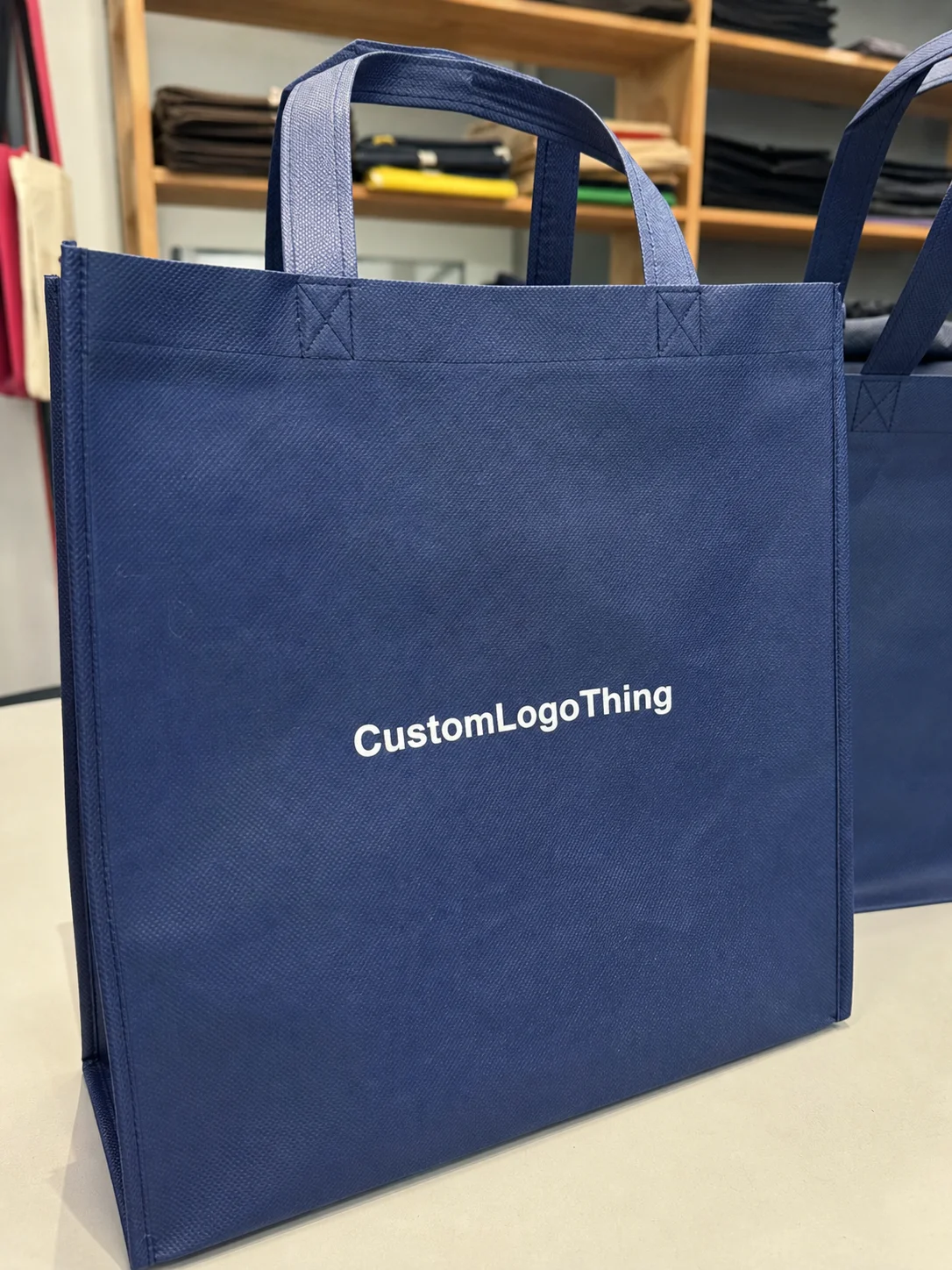
A bag does not need heavy fabric, dense coverage, or oversized dimensions to feel credible in a customer’s hands. A clean silhouette, a straight logo placement, and a stable handle are usually enough to give the right impression, especially if the bag is being used as secondary retail packaging rather than a high-end gift carrier. That is why cheap custom reusable bags often perform best when the buyer keeps the design simple and lets the construction do the work.
Material weight is one of the biggest cost drivers. A 50-70 GSM non-woven polypropylene bag can work very well for promotions, grocery carry, and event distribution, while a heavier woven polypropylene build makes sense when the bag needs more load support. If the bag will be reused often, a stronger handle stitch or a modest gusset may matter more than adding a second print color. In budget programs, function usually pays back more reliably than decoration.
The mistake I see most often is over-specifying the bag for the product. Buyers ask for thicker fabric, larger gussets, full-panel coverage, and premium finishing even though the bag is only meant to leave with a single purchase or be handed out at an event. That extra spend usually does not improve function in a meaningful way, and it can make cheap custom reusable bags look more expensive than they need to be. It can also create longer lead times if the factory has to source nonstandard materials or adjust the line for a special build.
Simple specs are not a compromise if they match the use case. A well-chosen low-cost bag can carry weight, present a logo clearly, and keep unit spend under control without feeling flimsy.
There is also a presentation advantage to restraint. A single-color logo on a solid bag often looks sharper than a crowded layout with too many type sizes and too many print zones. Clean packaging design reads as intentional, even on a budget. That is the same principle that keeps a plain carton from looking unfinished: the structure is honest, the print is legible, and the buyer does not pay for decoration that does not add value. On low-cost orders, visual discipline is part of the savings.
Bag styles and material options that keep unit cost down
The most budget-friendly reusable bag constructions are usually non-woven polypropylene, lightweight woven polypropylene, and basic polyethylene reusable options. Each has a different balance of stiffness, appearance, and carrying strength. Non-woven PP is typically the easiest place to start for cheap custom reusable bags because it is economical, easy to print, and available in many standard sizes. Woven PP costs a little more, but it handles rougher use better and often feels more substantial in the hand.
Polyethylene reusable bags can be useful for certain grocery and retail programs, especially where water resistance or easy wipe-down handling matters. They are not always the best choice for a premium retail presentation, but they can be a smart option for functional distribution. The right answer depends on the weight of the contents, how often the bag will be reused, and whether the bag needs to support a broader branding message.
Construction details matter just as much as the raw material. A straight stitched handle, moderate gusset depth, and standard side seams will usually keep pricing in a manageable range. Reinforced stress points add durability, but every extra pass of stitching adds labor and sometimes slows the line. A laminated finish can improve print brightness and wipeability, though it also changes the feel, adds a little stiffness, and can increase the quote. On some orders, lamination also makes folding less compact, which affects carton count and freight efficiency.
The best value usually comes from picking one or two functional upgrades instead of stacking several. For example, a buyer might choose a reinforced handle on a standard-size non-woven tote and stop there. That keeps the bag strong enough for daily use without turning it into a premium specialty item. A buyer who needs a slightly better shelf presence can often get more value from a better print layout than from a more expensive fabric.
| Material | Best use | Typical strengths | Indicative cost profile |
|---|---|---|---|
| Non-woven polypropylene | Promotions, retail handouts, event bags | Light, printable, economical | Usually the lowest unit price for custom runs |
| Woven polypropylene | Grocery carry, repeated reuse, heavier contents | Stronger hand feel, better load support | Moderate price increase for added durability |
| Reusable polyethylene | Utility shopping and wet-environment use | Moisture resistance, easy care | Often competitive for functional programs |
| Laminate-finished bags | Brand-forward retail packaging | Sharper print appearance, cleaner surface | Higher than plain versions, especially with coverage |
If the goal is lower cost without looking cheap, keep the bag size standard and the decoration limited. Standardizing dimensions reduces material waste, shortens setup, and makes reorder pricing more predictable. Buyers who need broader sourcing support can compare reusable bag options alongside our Custom Packaging Products range to see where the bag fits in the rest of the packaging plan. That comparison is useful because bag pricing is easier to judge once it sits next to the rest of the program.
Cheap custom reusable bags: print areas, sizes, and decoration limits
Most buyers do best with a standard tote proportion, a compact gusseted shopping shape, or a giveaway format that keeps fabric use under control. Common retail-friendly sizes often sit around 12 x 13 inches, 15 x 16 inches, or similar proportions with a modest gusset. Once the bag grows too wide or too tall, material usage increases quickly, and the savings from a simpler print can disappear. Small changes in width can have a larger cost effect than buyers expect because they multiply across the panel area and the seam allowance.
Decoration method has a direct effect on cost. Screen print is usually the most familiar choice for reusable bags, especially on simple logos and one- to two-color artwork. Flexographic print can work well on certain repeatable production runs, especially where the artwork is clean and the line speed matters. Heat-transfer-style branding can produce sharp detail, but it is usually less attractive for the lowest-cost orders because setup and handling can rise with complexity. Full-coverage artwork tends to increase ink usage and can show more variation from piece to piece, which is fine for some campaigns and awkward for others.
Logo placement matters more than many buyers expect. A centered front print with clean margins is easier to produce than a wraparound treatment or a design that crosses seams and gusset folds. Ink count matters too. One strong color often outperforms three weak ones, both visually and financially. If the goal is cheap custom reusable bags that still look intentional, simple artwork is usually the smarter choice. A bold mark with enough breathing room often reads better than a busy layout squeezed into every available inch.
There is a practical limit to how much detail belongs on a budget bag. Fine lines can blur on textured non-woven material. Small type may disappear once the bag is folded or stacked. Reverse-out logos can also lose clarity if the background color is uneven. Buyers who want a cleaner result should keep the art blocky enough to survive production, not just the mockup.
Here is the rule I would keep in front of any quote request: every extra print zone or color should earn its place. If it does not improve recognition, readability, or shelf impact, it is probably spending money instead of adding value. That is true in branded packaging generally, and it is especially true in reusable bag programs where unit cost sensitivity is high.
For buyers who need to compare bag branding against other packaging decisions, it helps to think in terms of presentation hierarchy. The bag can carry the logo and the basic message, while the product packaging inside carries the detailed selling story. That separation often keeps the overall budget healthier than trying to make one item do everything. It also makes it easier to re-order the bag later without having to revisit every design element in the system.
Cost, pricing, MOQ, and quote factors buyers should verify
The main pricing drivers are straightforward, but they add up quickly. Material selection, bag size, printing method, color count, accessory options, packaging format, and freight destination all affect the final quote. Even carton configuration can matter if the order needs retail-ready packing or a specific count per master carton. If the bags need individual folding, barcode stickers, or polybagging, those steps should be priced separately so the quote does not hide labor in the unit cost.
MOQ logic is simple even if the numbers vary by factory. Lower quantities usually carry higher unit costs because setup, proofing, and labor are spread across fewer pieces. Larger runs lower the cost per bag because material buys are more efficient and production time is used more effectively. That does not mean every buyer should order the largest quantity available. It means the price break should be evaluated against actual need, storage space, and forecasted reuse. A cheap unit price can become expensive if it forces excess inventory that sits for months.
Most suppliers will quote several thresholds. A buyer might see a better per-unit rate at 3,000 pieces than at 1,000, and another improvement at 5,000 or 10,000. The point is not to chase the lowest unit number in isolation. The point is to find the order size where total spend, inventory risk, and delivery timing line up cleanly. For seasonal campaigns, it is often better to buy less and reorder cleanly than to overcommit early.
For more reliable estimates, send the quote request with specific details:
- Exact bag dimensions, including gusset depth if needed
- Preferred material and finish
- Quantity targets at more than one level
- Artwork file and number of print colors
- Ship-to location and any deadline constraints
- Target unit budget, if cost control is the priority
That level of detail shortens the back-and-forth and usually produces a cleaner estimate. It also helps the supplier steer you toward the right structure instead of forcing a premium spec into a budget order. If the request is vague, the quote often comes back padded with assumptions, and that is where small projects quietly get expensive.
Buyers who care about material traceability or transit performance can also ask about sourcing and testing references. FSC certification is relevant where paper or fiber components are involved, and transit durability can be checked against organizations like the ISTA packaging testing standards. For broader waste and material-recovery context, the EPA recycling guidance is useful background, especially for teams trying to align packaging choices with internal sustainability goals. Those references do not replace a real production spec, but they help frame the decision in practical terms.
Production steps and turnaround from artwork approval to delivery
The usual workflow is predictable. First comes the inquiry, then specification review, artwork prep, proof approval, production, quality check, packing, and shipment. That sequence matters because delays often happen at the proof stage, not on the machine. If artwork is not print-ready, or if dimensions are still changing, the schedule slips before production even begins. Most missed deadlines are really proofing problems in disguise.
Lead time depends on three main variables: print method, bag material availability, and order size. Custom colors or special finishing can add time because the factory may need additional setup or a separate material run. A simple one-color order on standard stock materials usually moves faster than a multicolor bag with a custom lamination or unusual handle build. Orders that need special folding, kitting, or retail packing take longer as well because they add manual handling after the bags come off the line.
Sample timing and production timing should be discussed separately. A sample can be useful for confirming feel, size, and print placement, but it does not replace the full production schedule. If the sample needs to be made from scratch, expect it to take a different timeline than a repeat order from an existing tool or specification. A pre-production sample is also only as good as the spec behind it. If the spec changes later, the sample stops being a reliable reference.
Buyers can save time in a few practical ways:
- Send vector artwork or a clean, high-resolution file from the start.
- Confirm dimensions before proofing begins.
- Limit design revisions after the first proof.
- Choose standard materials where possible.
There is nothing exotic about the process, but every clean decision helps. A disciplined approval cycle protects the schedule, and a clear spec sheet reduces the chance of a reprint or a packaging mismatch at the end of the run. On low-cost programs, the schedule can matter as much as the unit price because a late bag often creates more operational cost than a slightly higher quote would have.
How we keep reusable bag orders economical without cutting corners
Economical production starts with efficient material use. Standardized panel dimensions, sensible gusset sizing, and repeatable construction reduce waste and keep the line moving. That is not a theory; it is how low-cost production stays low-cost in practice. Once the spec starts wandering into custom shapes and oversized print zones, the waste factor rises and the quote follows. Even the way the bag is folded can influence carton counts and freight efficiency.
Quality control still matters on budget orders. Seam strength, handle attachment, print alignment, and carton consistency all deserve inspection. A cheap bag that tears at the handle is not cheap. It becomes a claims issue, a customer-service issue, and a brand issue. The difference between a good value and a bad one is usually not the material alone; it is whether the factory holds the tolerances where they need to be. I would rather see a modest material with consistent stitching than a slightly heavier build with sloppy alignment.
Print checks are just as important. A logo that drifts toward a seam, a color that shifts from one side of the run to the next, or a faint patch where the ink did not sit properly can undermine an otherwise sound order. On non-woven bags, the surface can accept ink differently depending on texture and density, so setup and first-run approval matter. The practical answer is to check a pilot piece, then confirm that the bulk run matches it closely enough for the intended use.
We also look at pack-out efficiency. A bag that nests well in cartons can lower freight cost and simplify receiving. If the order is being shipped with other product packaging, that efficiency matters more than people think. Better carton counts, cleaner folding, and predictable case dimensions all help keep the overall program under control. They also make warehouse receiving less annoying, which is a real cost even if it never shows up on the quote.
Affordability should come from a smarter spec, not from skipped checks. That is the line I keep coming back to. The cheapest-looking quote on paper is not the best value if it creates friction later. Cheap custom reusable bags should still arrive with usable seams, accurate print, and enough structure to do the job the customer expects. If they do not, the initial savings disappear into replacements and rework.
If you are comparing bag economics against the rest of the packaging mix, review the full set of branded packaging choices together. A reusable bag can support the sale, but it should not compete with the product, the carton, or the unboxing experience for budget in ways that do not pay back. A good package plan has a hierarchy, and the bag should know its place in it.
Next steps to order the right reusable bag at the best price
Before requesting a quote, gather the essentials: quantity, target budget, dimensions, logo file, and preferred material. If you already know the use case, say so plainly. A bag for grocery carry is not the same as a bag for a retail counter, and a bag that needs to survive repeated reuse is not the same as a giveaway piece for one-time distribution. That context improves the pricing response immediately and reduces the risk of getting a spec that looks economical but fails in use.
It also helps to ask for two or three quantity breakpoints. That tells you where the cost-per-bag sweet spot sits and whether moving up a tier saves enough to justify the extra inventory. Many buyers discover that the best answer is not the smallest order or the largest one. It is the level where unit cost, storage, and forecasted use line up cleanly. The useful number is usually the one that fits your actual consumption pattern.
Once the specification is set, lock the proof quickly. Every day spent waiting on artwork is a day the production window cannot move. When the proof is right, the rest of the order usually progresses in a straightforward way. That is especially true on cheap custom reusable bags, where the build is simple and the decision-making should stay simple too. The more the spec changes midstream, the less “cheap” the order tends to be.
If the order is part of a larger packaging program, compare the bag against your other Custom Packaging Products and make sure the branding role is clear. The best value usually comes from a bag that supports the sale, protects the contents, and keeps the per-unit spend in line with the rest of the packaging program. The point is not to make the bag the star. It is to make it useful, presentable, and priced in a way that holds up when the full order lands.
Bottom line: cheap custom reusable bags work best when the material matches the use, the artwork stays disciplined, and the quote request includes complete specifications. That combination keeps the order practical, the pricing easier to compare, and the final bag credible enough to carry the brand Without Wasting Money on features the buyer does not need.
What makes cheap custom reusable bags affordable without feeling flimsy?
Affordability usually comes from choosing a simpler material, a standard size, and limited print coverage. A well-made low-cost bag can still use reinforced seams and decent handle construction, which protects day-to-day usability. The best value comes from matching the build to the actual use case instead of overbuilding the bag.
What is the lowest MOQ for cheap custom reusable bags?
MOQ depends on bag style, material, and decoration method. Lower quantities are often available, but the unit price is usually higher than on larger runs because setup and labor are spread across fewer pieces. For better pricing, ask for quotes at multiple quantity levels so you can compare the breakpoints clearly.
Which material is best for budget reusable shopping bags?
Non-woven polypropylene is often the most cost-effective for promotional and retail use. Woven polypropylene can be a good option when more strength is needed at a still-manageable cost. The best choice depends on load requirements, appearance, and how many times the bag needs to be reused.
How long does production usually take for custom reusable bags?
Production time depends on quantity, print complexity, and material availability. Proof approval speed also affects the schedule, especially on custom artwork orders. Ask for a timeline that separates proofing, manufacturing, and shipping so the full delivery window is clear.
What details should I send for an accurate quote on reusable bags?
Send the bag size, material preference, quantity, logo artwork, print colors, and delivery location. If budget is the main concern, include a target price range so the quote can be tailored to that level. Clear specifications reduce revisions and help get faster, more accurate pricing.

