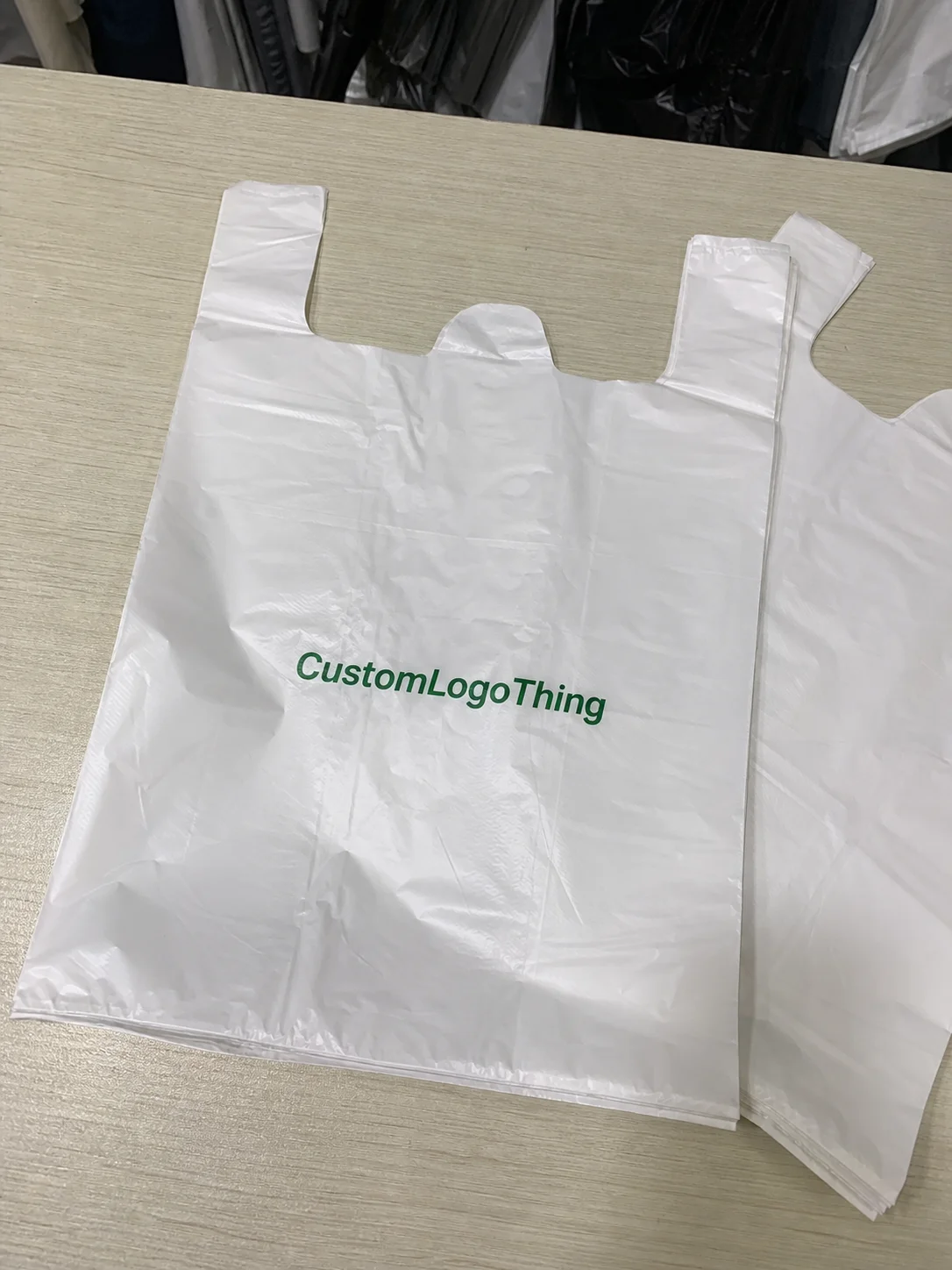
Custom Reusable Bags no minimum are useful because they let you test a real product before you commit to inventory you may not need. A mockup can confirm artwork placement, but it cannot tell you whether the bag carries well, holds its shape, or still looks good once it is full.
That matters because a tote is not just decoration. It is a working packaging item with weight, structure, and a specific use case. A small run lets you check the details that decide whether the product works in the field: handle comfort, logo readability, seam strength, and how the bag behaves under load.
If the bag is part of a larger packaging program, it should be evaluated the same way as inserts, mailers, or retail cartons. If you are already reviewing Custom Packaging Products, the tote belongs in that same spec conversation.
Why No-Minimum Reusable Bags Are a Smart Test Order
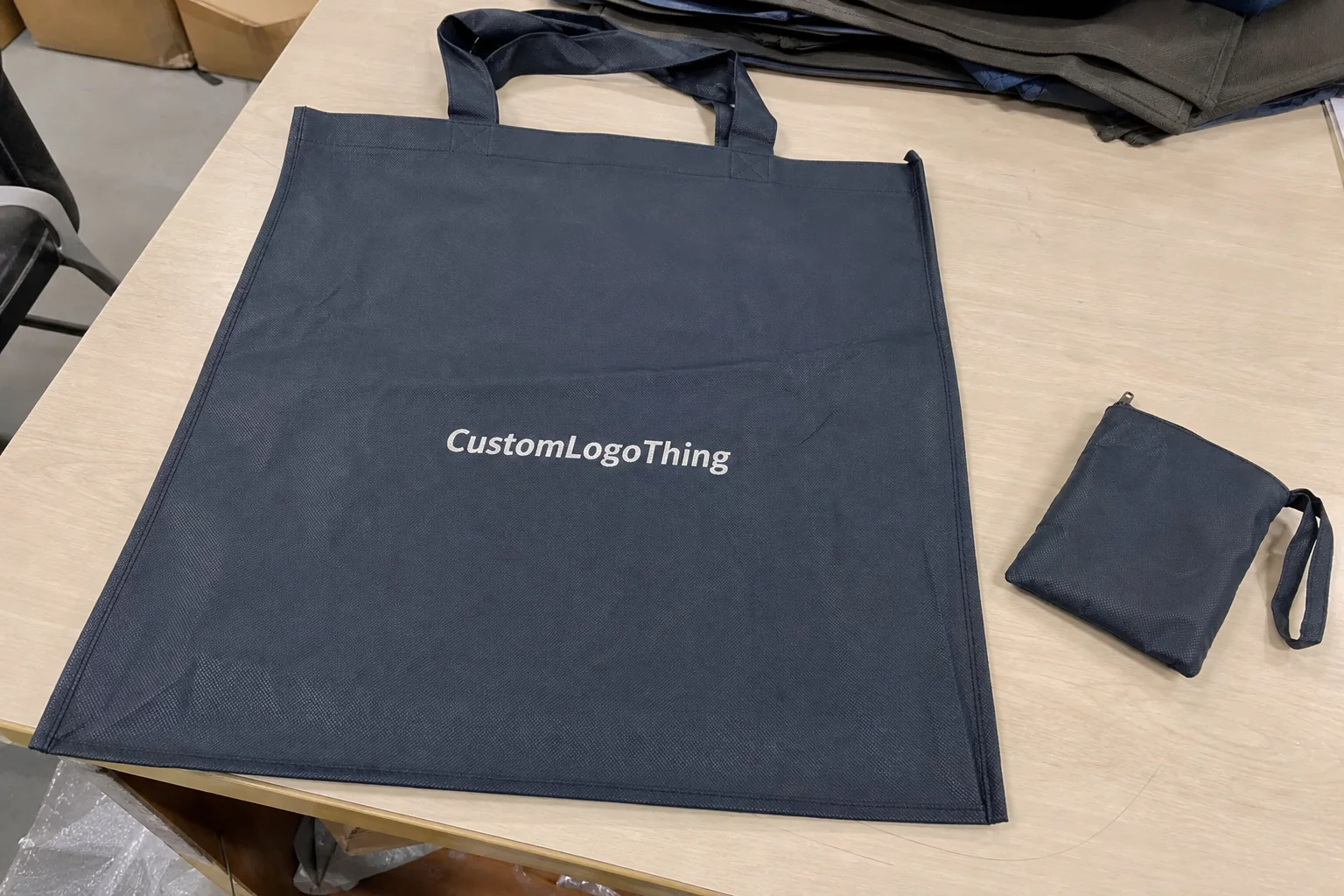
A no-minimum order does not remove production realities. The bag still has to be cut, printed, stitched, inspected, packed, and shipped. What changes is your inventory risk. That makes these orders practical for trade shows, seasonal launches, pilot retail programs, and campaigns where you want proof before scale.
Buyers often assume a proof answers the main questions. It does not. A proof can show placement and color intent, but it will not tell you whether a bottle bends the side panel, whether a dark logo disappears on a coarse surface, or whether the handle feels comfortable once the bag is full. Real use exposes the problems the mockup hides.
A small run is best treated as a controlled test, not as a cheaper version of a bigger order. You can compare materials, handle styles, or print methods side by side and judge the results in the same environment. A light nonwoven polypropylene bag may be right for event handouts, while cotton or canvas may be better for merchandise, bottles, or a higher-value gift set.
A small run is not a compromise. It is a cleaner decision with fewer expensive assumptions.
There is also a branding angle. Bags are judged in motion. A tote seen from six feet away at a booth is a different object from a tote placed on a shelf or handed across a counter. Low-quantity orders let you test how the branding reads where the bag will actually be used.
How Custom Orders Move From Artwork to Shipment
The workflow is usually inquiry, estimate, proof, approval, production, inspection, packing, and delivery. On paper it looks simple. In practice, the slow part is often artwork review and internal signoff. One late change can reset the schedule.
Artwork review is where the first problems usually appear. Good suppliers check resolution, bleed, logo placement, line thickness, and color format before production starts. If the file is RGB instead of CMYK, if the type is too thin for the print method, or if the artwork sits too close to a seam, those issues should be caught before the bag is made.
There is a meaningful difference between stock bags with custom print and a fully custom build. A stock tote with one-color branding is usually faster because the base product already exists. A custom size, special handle, gusset change, or added pocket adds time because the bag has to be manufactured around the spec.
For a clean approval process, keep the core variables fixed from the start:
- Quantity
- Bag size
- Material
- Color
- Print method
- Print area
- Handle style
- Ship-to destination
If any of those change after proof approval, the schedule can move. A small order still needs the same discipline as a larger run.
Cost, Pricing, and MOQ Tradeoffs You Should Compare
The price of a tote is shaped by material weight, print colors, print coverage, handle style, stitching, gusset depth, and freight. A one-color imprint on a plain nonwoven bag is not comparable to a full-color design on heavyweight canvas with reinforced seams.
custom reusable Bags No Minimum usually cost more per unit because setup cost is spread across fewer pieces. That does not make the order poor value. It means the economics are different. If a screen charge runs $35 to $75 per color, a 50-piece order carries that setup much more heavily than a 500-piece order would.
Ask for pricing at multiple quantities. A quote at 50 pieces, 100 pieces, and 250 pieces usually shows a more honest price curve than a single number. In many cases, unit cost drops enough at a higher tier to justify ordering a little more and avoiding a second run later.
| Bag Option | Typical Low-Volume Unit Price | Common Setup Cost | Best Fit |
|---|---|---|---|
| Nonwoven polypropylene, 1-color print | $0.55-$1.10 | $35-$75 per color | Events, giveaways, simple retail packaging |
| Cotton tote, 1-color print | $1.20-$2.80 | $40-$90 per color | Gift bags, premium branded packaging, resale |
| Canvas tote, multi-color print | $2.50-$5.50 | $60-$120 per color or pass | Retail packaging, higher perceived value, repeated use |
| Recycled material tote | $1.10-$3.20 | Varies by print method | Sustainability-led package branding |
Watch the quote for extra line items. Rush charges, proof revisions, plate or screen fees, split shipments, carton upgrades, and specialty packing can move the landed cost more than the base unit price. Procurement should care about delivered cost per usable bag, not just the headline unit price.
If the tote is one piece of a larger packaging program, compare it against the rest of the system. The question is whether the bag improves the customer experience enough to justify its cost, or whether it adds another branded surface without improving the package.
Process, Timeline, and Production Steps for First-Time Buyers
The basic sequence is inquiry, estimate, proof, approval, production, inspection, packing, and delivery. The slow part is usually not the factory floor. It is the approval cycle. Someone always wants one more tweak after everyone else thought the file was done.
For a simple stock tote with one print location, a realistic turnaround is often 7 to 12 business days after proof approval, plus transit time. More involved jobs tend to land in the 12 to 18 business day range. If the bag requires special sewing, additional print passes, imported stock, or a custom material spec, expect the schedule to stretch. Freight can add another 2 to 7 days domestically depending on service level and destination.
The best question to ask is this: what part of the timeline is fixed, and what part depends on my approval speed? That answer usually tells you whether the lead time is a real commitment or a padded estimate.
For first-time buyers, the first few decisions matter most. Choose the bag structure before you focus on artwork detail. Decide whether the bag needs to feel economical, sturdy, premium, or reusable enough to stay in circulation. Then match the decoration to that choice.
There is also a schedule habit that pays off every time: build in a buffer. A five-day cushion sounds comfortable until the approver is unavailable, the proof needs a correction, or the ship-to address changes at the last minute. A project with a hard event date should never depend on the fastest possible version of every step.
Material, Print, and Handle Specs That Change Performance
Material choice does more than change the look. It changes hand feel, structure, print behavior, and how the bag ages after repeated use. Nonwoven polypropylene is common because it is light, low-cost, and practical for short runs. Cotton gives a softer hand and a more natural look. Canvas feels sturdier and usually supports a higher perceived value. Recycled options can support a sustainability message, but only if the source and construction are credible.
For material-related claims, keep the language tight and factual. If a recycled fiber or recycled PET blend is used, say so clearly. If the bag includes a paper tag or insert, that is where third-party chain-of-custody certification may matter. Do not borrow sustainability language from the rest of the packaging if the bag itself cannot support it.
Print method is just as important as fabric. Screen print is usually the most economical choice for simple art and limited colors, and it holds up well when the ink deposit is appropriate for the material. Heat transfer can support more detail, but it may change the feel of the bag and may not age as well on rough surfaces. Digital options can handle more color variation, though not every fabric accepts them equally.
Handle length and gusset depth are easy to overlook because they do not show in a flat mockup. They matter in use. A shoulder-length handle can make a retail tote feel more comfortable during a longer carry. A shorter handle may be fine for a conference handout or a lightweight gift bag. A deep gusset increases capacity, but it also changes how the front panel sits once the bag is full.
Stitching and seam reinforcement deserve attention if the bag is expected to carry books, bottles, boxed items, or anything with a hard edge. Weak seams are not a branding problem. They are a product problem.
A practical rule: choose the construction first, then the decoration. If the bag itself cannot support the use case, no amount of artwork makes it better.
Common Mistakes That Inflate Cost or Delay Approval
Low-resolution files are still the classic failure. A logo copied from a website, email signature, or slide deck may look acceptable on screen and then fall apart on fabric. Thin strokes and small type are especially risky on textured materials, where the surface already works against crisp edges.
Last-minute size changes cause more trouble than most buyers expect. Changing the bag width by even an inch can force a new proof, a new layout, or a new production setup. Production treats that as a revised job, not a casual edit.
Color approval by eye is another problem. A brown tote under warm office lighting will not match the same tote under warehouse fluorescents, and photographs make the comparison worse. Pantone references, or at least a documented color target, reduce arguments later.
Too many colors can also push the job into a more expensive print method. That does not mean the design should be stripped down until it looks generic. It means the artwork should be designed for the process. A clean two-color logo often performs better on a bag than a crowded full-color composition that costs more and reads worse from a distance.
Skipping a proof or sample feels efficient right up until the first batch arrives with the wrong placement or a weaker-than-expected print. On a small run, that mistake is not hidden by volume. One extra day of checking is cheaper than redoing a whole order.
If the order is tied to a launch or event, the safest version is usually the simplest one that still supports the brand. That keeps the budget in line and reduces the number of places the project can drift.
Next Steps: What to Request Before You Approve the Order
Start with a spec sheet that is actually useful. Include size, material, color, print method, print area, handle style, quantity, ship-to address, and deadline. If the quote comes back without those details, ask for a revised estimate. Vague specs create vague pricing.
Request at least two quantity breaks. A quote at 50 pieces and 250 pieces is more helpful than a single line because it shows how setup cost spreads across the order. If the supplier can price a third tier, even better. That shows whether ordering a bit more gives you a meaningful unit-cost drop without locking up inventory you do not need yet.
Ask for a proof that clearly shows logo placement, imprint scale, and any seam or edge constraints. For more complex art, a pre-production sample is worth the time. If the supplier only offers a photo proof, make sure the dimensions are readable enough to judge the artwork against the tote panel.
Confirm the point at which the order becomes final. Some suppliers lock the job after proof approval. Others lock it when the purchase order is accepted. That difference matters if you still need to revise art, adjust quantity, or shift the delivery date.
This is also the right moment to compare the tote against the rest of your branded packaging mix. If the bag is supporting the same campaign as inserts, mailers, or retail cartons, the visual system should feel deliberate rather than patched together.
Use custom reusable bags no minimum as a controlled test, then compare the finished bags against the next quantity tier before you scale. If the bag survives real use, reads well in hand, and keeps the budget under control, the larger order becomes a decision based on evidence instead of optimism.
FAQ
What do custom reusable bags no minimum usually include?
A no-minimum order usually includes the bag itself, one custom print treatment, and standard proofing. It may still carry setup, screen, plate, or artwork fees even if there is no quantity floor. Confirm whether the quote includes shipping, revision charges, and carton costs before you approve anything.
Are no-minimum custom reusable bags more expensive per bag?
Usually yes. The setup cost is spread across fewer units, so the per-bag price rises. That does not automatically make the order a bad buy. It just means the value comes from testing, speed, and lower inventory risk rather than the lowest possible unit cost.
How long do custom reusable bags no minimum orders take?
Timeline depends on artwork approval, stock availability, print method, and shipping distance. Simple in-stock orders can move quickly once the proof is final. More complex builds take longer, and rush production usually adds cost while leaving less room for corrections.
What artwork works best for a low-quantity reusable bag order?
Vector artwork is the safest starting point. Bold type, strong contrast, and fewer colors usually produce cleaner results on fabric. Fine lines and soft gradients can work, but they should be tested against the chosen material before production starts.
Can I order different colors or sizes in one no-minimum run?
Sometimes, but mixed options often create separate setup costs or split the run in ways that raise the unit price. Ask for separate pricing before you commit. A mixed order sounds efficient until the quote shows how much the variations cost.
For most buyers, the real value of custom reusable bags no minimum is not the small quantity itself. It is the chance to verify construction, print quality, and usability before scaling into a larger run with fewer surprises.