Custom Printed Boxes Cheap: Order Low-Cost Packaging Without Paying for the Wrong Things
If you need custom printed boxes cheap, start with the spec, not the quote. A box can look inexpensive at first and still become costly once you factor in damage, reprints, extra freight, and the time spent fixing avoidable setup mistakes. In 2026, pricing is especially sensitive to board availability, freight lanes, and print method, so the smartest buyers focus on total landed cost instead of chasing the lowest line item.
The cheapest packaging is usually the box that fits the product, prints cleanly, survives transit, and avoids extras you do not need. That usually means a standard structure, a controlled print layout, and a material choice that matches the job. For most brands, custom printed boxes cheap means balancing shelf appeal, shipping strength, and production efficiency without paying for features that do not support the sale.
Why Cheap Boxes Fail When Buyers Cut the Wrong Corners
Most failed low-cost packaging projects share the same pattern: the buyer optimized the unit price and ignored the rest of the system. The box looked fine in the quote, but then production started and the cartons came in off-size, overprinted, or too weak for transit. That is how a “cheap” order turns into hidden cost.
The biggest mistake is overbuilding for the product. A light cosmetic, a small accessory, or a mail-order kit does not need a structure designed for heavy retail hardware. If the box is stronger than the job requires, you pay for board weight, die complexity, and freight you do not need.
The opposite mistake is underbuilding. Buyers sometimes thin the board or simplify the structure so much that the box arrives flimsy, scuffed, or inconsistent. One damaged shipment can erase the savings from an entire run. I have seen brands save a few cents per unit and then spend weeks handling replacements after the first transit cycle.
Cheap packaging is only cheap if it survives production, shipping, and reorders without creating new problems.
Poor fit is another common loss. A box that is too large wastes material and shipping space. A box that is too tight slows assembly and causes crushed corners or bowed panels. The best spec is the smallest box that still allows clean packing and normal production tolerances.
Recent packaging programs also show a clear shift toward right-sized designs and lighter-weight board. Brands are trimming excess empty space because parcel carriers continue to penalize dimensional volume, especially on multi-box ecommerce shipments. That makes compact, standard-sized packaging one of the easiest ways to keep custom printed boxes cheap without sacrificing presentation.
Box Styles and Print Options That Keep Costs Down
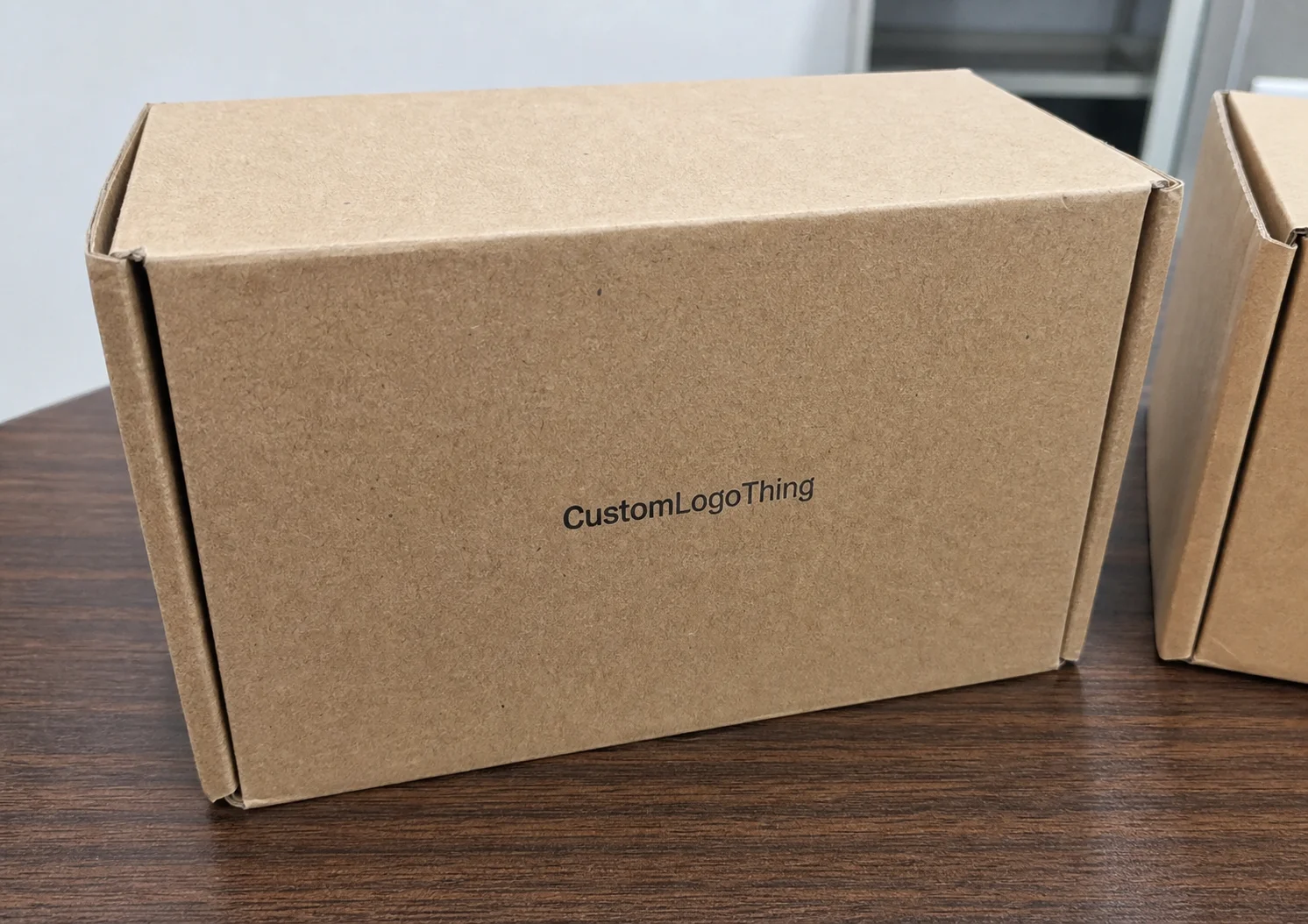
The lowest-cost box styles are usually the simplest. Standard tuck-end cartons, mailer boxes, sleeves, and basic folding cartons generally cost less than rigid boxes, custom display packaging, or structures that need extra gluing and complex die cutting.
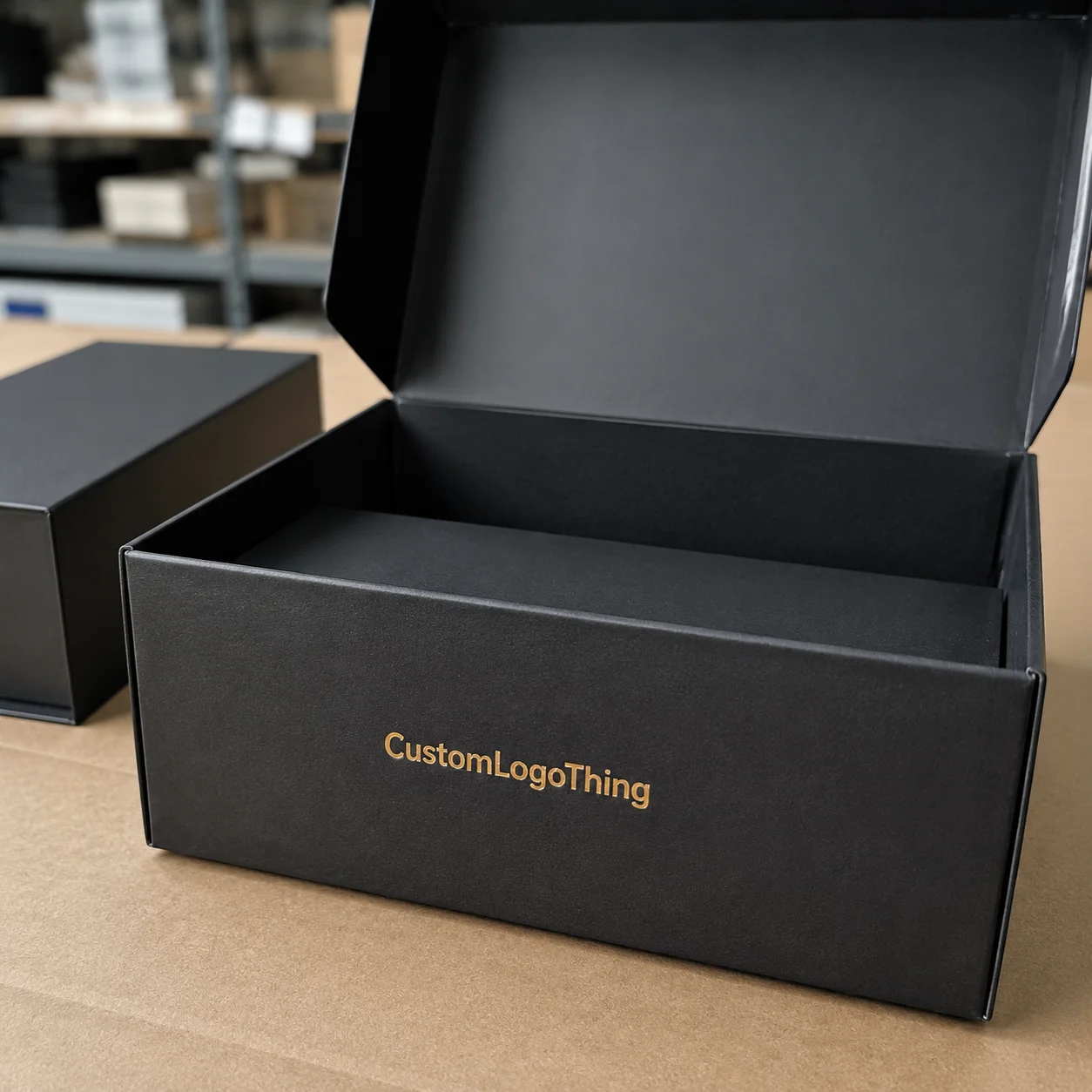
For e-commerce and retail packaging, simple often performs better than flashy. A clean tuck-end carton with sharp typography can look intentional without spending on heavy finishes. A mailer box gives a practical balance of protection and presentation. A sleeve over a tray can feel premium, but it adds material and labor, so the tradeoff should be deliberate.
Print coverage changes the math too. One or two colors on a few panels is usually cheaper than full-coverage art across every surface. Heavy ink coverage, multiple spot colors, and interior printing increase setup and production complexity.
Standard dielines help more than buyers expect. If a project can use a common structural format or sheet size, setup tends to be faster and waste drops. That matters in both offset and digital production.
| Box Style | Typical Cost Level | Best Use | Cost Risk |
|---|---|---|---|
| Standard tuck-end carton | Low | Light retail packaging, cosmetics, supplements, accessories | Needs accurate sizing to avoid movement |
| Mailer box | Low to medium | E-commerce, kits, subscription product packaging | Can rise if print coverage is heavy |
| Sleeve over tray | Medium | Simple branded packaging with a cleaner unboxing look | Extra material and assembly time |
| Custom rigid box | High | Premium presentation, luxury items, gift sets | Material, labor, and freight all climb fast |
Finishes deserve the same blunt treatment. Matte coating, gloss lamination, soft-touch film, foil, embossing, and spot UV all add cost. Some add value too. The question is whether that value matters for your product. If the box sits inside another shipper or disappears before the customer sees it, premium exterior finishing is usually money you could spend somewhere more useful.
Another 2026 trend is selective finishing instead of full-wrap embellishment. Brands are using one highlight area, a limited foil accent, or a clean uncoated look with better typography. That approach keeps custom printed boxes cheap while still improving perceived quality, and it works especially well for subscription kits, indie beauty, and DTC supplements.
Custom Printed Boxes Cheap: What Drives Pricing and MOQ
If the goal is custom printed boxes cheap, the first thing to understand is what actually moves the price. It is usually some combination of dimensions, board grade, print method, quantity, finish, and whether the order needs new tooling or a custom dieline.
MOQ matters because setup costs do not shrink just because the order is small. Plates, cutting, proofing, and machine setup have a fixed cost. On a short run, that cost gets spread across fewer boxes. On a larger run, the same cost gets diluted.
For standard folding cartons, small runs in 2026 often land around $0.45 to $1.35 per box depending on size, board, and print complexity. Larger runs can still fall below $0.25 per unit for simpler specs, but the exact price changes quickly with board grade, shipping distance, and finish choice. Mailer boxes and heavier structures run differently because material and converting costs change the baseline.
Ask for tiered pricing instead of a single number. A clean quote should show how the unit price changes at 500, 1,000, 2,500, and 5,000 pieces, or whatever quantity bands make sense for the job. That makes the break point visible.
Here is the short version of what to send with a quote request:
- Exact external dimensions
- Product weight and fragility
- Quantity target and likely reorder volume
- Print sides needed: outside only, inside and outside, or all panels
- Finish preference: matte, gloss, soft-touch, or none
- Shipping destination and delivery window
- Any performance requirement such as crush resistance or shelf presentation
Small decisions can save real money. Reusing one size across multiple SKUs reduces sourcing friction. Keeping the artwork to one or two ink colors lowers prepress complexity. Dropping a premium finish when the box is only used as transit packaging saves cost without affecting function.
| Choice | Typical Cost Impact | Buyer Benefit |
|---|---|---|
| Single-color print | Lower | Simple branding with less ink and less prepress risk |
| Full-coverage artwork | Higher | More visual impact, but usually more setup and waste |
| Matte or no coating | Lower to medium | Clean appearance without extra finishing steps |
| Foil, embossing, spot UV | Higher | Useful for premium product packaging, not for every budget |
That does not mean premium features are bad. It means they should earn their keep. If a product needs shelf presence and the box is doing part of the selling, a finish can make sense. If the box is just a vessel, do not pay for theater.
If you need to compare structural options before locking a spec, start with a simple catalog of formats in our Custom Packaging Products. Seeing the structure side by side usually makes the right tradeoff obvious. For quote timing, our box quote guide also helps clarify which specs affect price most.
Specifications That Matter Before You Approve a Proof
Material is where a lot of cost mistakes hide. Paperboard, corrugated board, and rigid board all behave differently. A folding carton made from 350gsm C1S board is not a mailer, and a mailer is not a rigid box. If the board is too light, the box can fail in transit. If it is too heavy, you are paying for strength you do not need.
That is why product weight and shipping method matter so much. A 6-ounce item in a retail carton does not need the same build as a glass bottle or a boxed electronics accessory. For light products, paperboard often does the job. For direct-to-consumer shipping, E-flute or a similar corrugated option may be smarter.
Dimensions need a closer look than most buyers give them. A few millimeters of extra space can create a loose fit, and loose fit creates movement, corner scuffing, and a more expensive box because you are shipping empty air. Too small, and assembly becomes annoying or impossible.
Artwork is another common source of waste. A clean dieline, correct bleed, and safe margins around logos and text keep the job moving. If the artwork does not line up with the panel geometry, someone has to fix it. That means another proof, another delay, and often another round of internal labor.
Before proof approval, check the following:
- Dieline alignment
- Panel order and orientation
- Barcode size and placement
- Safe margins for text and logos
- Coating or finish notes
- Fold direction and gluing area
Quality control should not be vague. Good suppliers check fit, print clarity, glue integrity, and color consistency against the approved sample. If the order is more critical, ask for test folds, a pre-production sample, or photo proofing before the full run.
Two standards are worth keeping in mind if the project has quality or sustainability requirements. ISTA testing helps evaluate how packaging holds up under shipping stress. FSC certification matters when paper sourcing is part of the brief.
Process and Lead Time From Artwork to Delivery
The order path should be straightforward: Request a Quote, confirm the structure, review the dieline, approve the artwork, approve the proof or sample, then move into production. If a supplier cannot explain that path clearly, that is a problem.
Lead time depends on the spec. A standard folding carton with final artwork and no special finish can move quickly. Add custom inserts, premium coating, unusual die cutting, or color-critical branding, and the schedule stretches. A simple run may be ready in about 12 to 15 business days after proof approval.
Most delays start on the buyer side. Missing dimensions, late artwork changes, and unclear print instructions are the usual culprits. The factory can only build what has been approved. If the measurements keep moving, the carton spec is not ready.
If you want the process to stay tight, send the supplier the full package up front:
- Final product measurements
- Target quantity and likely reorder estimate
- Artwork files, or a clean reference sample if files are not ready
- Box style preference
- Shipping destination and deadline
- Any must-have requirement such as crush resistance or shelf presentation
In 2026, lead time planning matters more because supply chains are still uneven across regions. Digital printing is often the fastest path for short runs, while offset or flexographic runs can be more efficient for higher quantities. If a launch date is fixed, build in a buffer for proofing, transit, and the possibility of one corrective round.
What Keeps Reorders Stable
Most buyers do not care about a one-off order nearly as much as they care about the repeat run. That is where cheap packaging either proves itself or falls apart. Reorders should match the approved sample, hold the same dimensions, and print within an acceptable color range.
The best way to keep costs down over time is consistency. Standard materials reduce sourcing friction. Stable artwork files reduce proofing time. One approved structural spec avoids confusion when different team members place the reorder later.
Reliable programs also depend on honest advice. A good supplier should tell you where to save and where not to cut. If the product is fragile, shaving board strength to save a cent is false economy. If the box is only used as an inner carton, paying for a fancy finish on the outside is just waste.
Low-cost packaging does not mean bargain-bin packaging. It means the box does what it has to do, prints cleanly, arrives intact, and does not create surprise expenses later.
Next Steps: Compare Specs, Request Pricing, Place the Order
Before you request pricing, gather the basics: product dimensions, target quantity, artwork files, preferred box style, budget ceiling, and whether this is a first run or a repeat order. If those details are clear, the quote is faster and much more useful.
The smart move is to ask for two options side by side. One should be the lean spec with the lowest unit cost. The other can include one upgrade so you can see exactly what the premium buys. That makes the choice concrete.
Before payment, confirm the proof process, especially if the job is color-sensitive or the box has to fit tightly around the product. A proper proof is cheaper than a reprint.
If the goal is custom printed boxes cheap, the path is simple: tighten the spec, compare the structure against the real packaging need, and order the version that protects margin without wasting material. For repeat buying, lock the approved dimensions and keep the artwork consistent so future runs stay predictable.
How do I keep custom printed boxes cheap without making them look low quality?
Use a standard structure, a tight box size, and a restrained print layout before you add premium finishes. Ask for the cheapest spec that still protects the product in shipping, then upgrade only the parts customers actually see. Clean typography and accurate die cutting do more for perceived quality than extra ink ever will.
What is the cheapest box style for custom printed packaging?
Simple folding cartons and standard mailer boxes are usually the lowest-cost options when the size is common and the artwork is straightforward. Avoid complex inserts, windows, irregular shapes, and heavy finishing if the goal is a low unit price.
Does a higher MOQ always lower the unit cost?
Usually yes, because setup and prep costs get spread across more boxes. The break point depends on the structure and print method, so ask for price tiers at more than one quantity. That is the only way to see where the savings actually start.
Can I order custom printed boxes cheap in a small run?
Yes, but the unit price will usually be higher than a larger order because setup costs do not shrink just because the quantity is smaller. The cleanest way to keep a small run efficient is to use standard dimensions and simple print coverage.
What do you need to quote custom printed boxes accurately?
Provide the exact box dimensions, quantity, material preference, print sides, finish, shipping destination, and the product weight or use case. If you already have artwork, send the print file and dieline. If not, a reference sample is the next best thing.