For clothing brands, cheap Personalized Address Labels are rarely “just labels.” They sit inside the shipping system as a small but important control point, helping prevent misrouted parcels, reducing reprints, and keeping customer service from untangling avoidable address errors. That matters in apparel, where returns, exchanges, and repeat shipments are part of the normal flow rather than occasional exceptions.
The most useful way to think about labels is as packaging hardware. If the adhesive fails on a poly mailer, or the print smudges on a coated carton, the lower price disappears quickly because staff end up reapplying labels or reprocessing shipments. The goal is practical: keep unit cost low, keep the address readable, and make sure the label suits the package surface the first time.
Why cheap address labels still matter for clothing brands
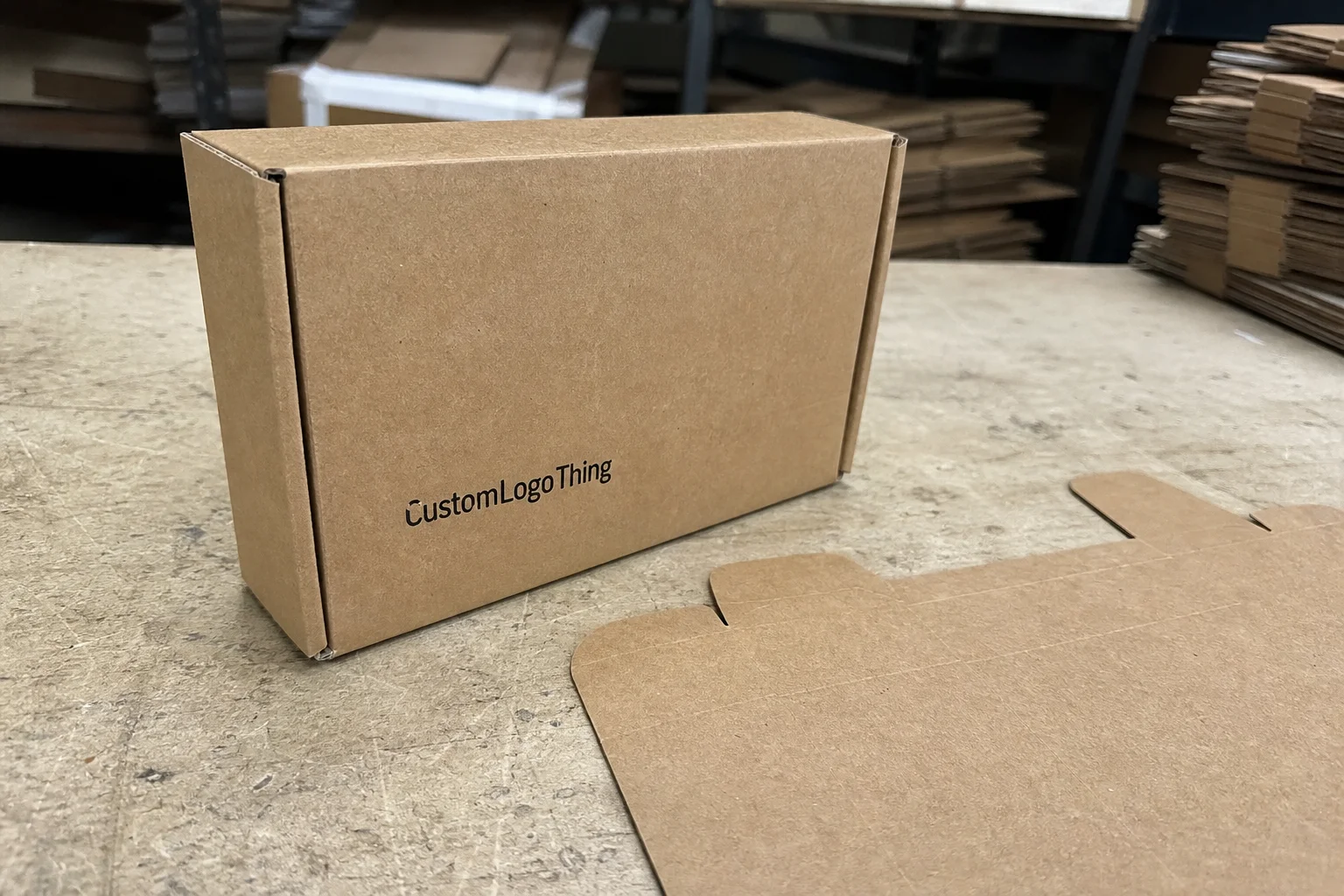
Apparel is one of the easiest categories to underprice on packaging and one of the easiest to overpay for mistakes. A clothing order may leave the warehouse in a lightweight mailer, come back in a reused carton, and then need a return label or exchange address on the next cycle. That means the label is not a one-time purchase. It sits inside a repeat process, often alongside packing slips, inserts, and warehouse marks.
The math is more meaningful than it looks at first glance. Saving 4¢ to 8¢ per label feels small, yet one lost parcel can erase the savings from hundreds of labels once you add reshipment, customer service time, and the risk of a missed seasonal sale. From a packaging buyer’s point of view, cost control only works when performance holds under normal handling.
For clothing brands, inexpensive Personalized Address Labels can support several parts of the operation:
- poly mailers and cartons for outgoing orders
- return packaging for size exchanges
- thank-you inserts with address or support details
- inventory bins and rack labels for warehouse sorting
- subscription or drop-ship fulfillment packs
That is why “cheap” should mean efficient rather than flimsy. A buyer wants a label that prints clearly, sticks cleanly, and looks intentional on lightweight apparel packaging. If the typography is sharp and the finish matches the mailer, the label supports the brand instead of making it look rushed.
“The cheapest label is the one you never have to replace.” That sounds blunt, but it reflects how recurring packaging costs are actually controlled.
There is another reason low-cost labels matter: they are easy to standardize. Once a size, adhesive, and print format are stable, teams can reorder without reopening the whole specification every time. That saves time as well as money, and for a small or mid-sized apparel brand, those two savings usually travel together.
Personalized label options for apparel packaging and returns
There are a few basic ways to build a label program for clothing orders, and the best choice depends on where the label is going. Outbound shipping labels, return labels, and internal warehouse labels do not always need the same stock or adhesive. Many brands make the mistake of ordering a different format for every workflow, which increases cost and creates more SKUs to manage than the business really needs.
Roll labels usually fit better in high-volume fulfillment environments. They are easier to dispense quickly and work well with applicators or print-and-apply systems. Sheet labels can suit smaller brands, design teams, or office-based packing stations where batches are smaller and manual application is normal. For apparel brands shipping a few hundred orders a week, both can work. For larger daily volumes, rolls usually reduce handling time and waste.
Personalization can include more than a return address. A practical setup often includes the business name, a return address, a logo, a QR code, and sometimes a barcode or department code. That extra information helps operations, but only if the design stays readable. Clean typography and strong contrast matter more than decorative detail. A label should be read or scanned in a second, not studied for style points.
Typical label configurations for clothing brands include:
- Outbound address labels for cartons and poly mailers
- Return labels for exchange or returns kits
- Internal labels for bins, shelves, and pick faces
- Branding labels for inserts or packaging seals
If one label format can support several jobs, the buyer usually wins. Fewer variations mean fewer proofs, fewer setup charges, and fewer inventory headaches. That is where cheap personalized address labels become an operations decision instead of a simple print order.
For brands that handle both fulfillment and returns in-house, a single label family can simplify staff training as well. When workers know exactly which size, finish, and adhesive go on which package, errors fall and rework becomes less common. Simple systems tend to last longer than clever ones.
Material, adhesive, and finish specifications that affect performance
The material choice drives most of the real-world performance. Standard paper labels work well when the use is short-term and the surface is dry. Synthetic stocks, such as polypropylene or polyester, cost more but resist moisture, scuffing, and handling better. Thermal-compatible stock is often the most efficient option for fulfillment teams that print in-house and need labels quickly.
For many apparel brands, paper stock is enough, provided the package surface is compatible and the label is not expected to face long transit exposure. Paper also keeps costs down when the order volume is high and the label does not need extended durability. Synthetic stock makes more sense if parcels may sit in damp depots, move through rough handling, or need a cleaner appearance after repeated contact.
Adhesive choice deserves just as much attention. Permanent adhesive is the default for shipping labels because it gives the best hold on cartons and mailers. Removable adhesive is better for reusable packaging, return kits, or labels that may need to be peeled without residue. Freezer-grade or extra-aggressive adhesives are specialized products; most apparel brands do not need them, and paying for them would be wasteful.
Finish also affects the customer experience. Matte stocks reduce glare and are friendlier for handwriting corrections. Gloss finishes can sharpen color and make logo details pop, but they may not be the best choice if staff need to annotate boxes or if scan readability is the top concern. Uncoated options are useful when the label needs to accept pen marks or when a softer, understated appearance fits the brand.
Before approving a run, a buyer should check a few details that are easy to overlook:
- Smudge resistance for ink or toner output
- Minimum font size for addresses and any legal copy
- Barcode readability if warehouse scanning is part of the workflow
- Edge cut accuracy so labels peel cleanly
- Color consistency across repeat orders
For standards-minded teams, this is where general packaging discipline matters. Testing for adhesion, abrasion, and handling should not be casual. Packaging buyers often reference practical test methods from groups like ISTA, especially when labels are part of a broader shipping system. If a label is expected to survive transit, it should be evaluated like any other packaging component.
There is also a real-world compatibility issue that gets missed in rushed orders: coated cartons, matte mailers, and recycled paperboard can all behave differently under the same adhesive. A label that performs well on one surface may lift on another after a few hours in a warm packing area. That is why sample tests matter more than sales language.
Cost, pricing, MOQ, and unit cost breakdown
Pricing for custom labels usually breaks into five parts: material, print method, quantity, shape, and whether the order is made on sheets or rolls. Setup and finishing can also affect the quote. A standard rectangle in one-color print will always be easier on the budget than a custom shape with multiple inks and a specialty finish.
For buyers comparing cheap personalized address labels, the real comparison is not only unit price. It is the full landed cost. A quote that looks low can still become expensive once setup fees, proof charges, and shipping are added. Ask for the complete number before making a decision. That keeps the comparison honest.
| Label option | Typical use | Relative unit cost | Best fit for clothing brands |
|---|---|---|---|
| Paper sheet labels | Small batches, office packing | Low | Starter brands, low daily volume |
| Roll paper labels | Fast packing lines | Low to medium | Growing DTC brands with repeat orders |
| Synthetic roll labels | Moisture-prone handling | Medium | Premium packaging, longer transit cycles |
| Custom shape labels | Brand-led presentation | Medium to high | Launch campaigns, retail presentation |
MOQ varies by production method and size. Standard rolls often support lower entry points than custom die-cut shapes because tooling is simpler. For many small apparel brands, the sweet spot is somewhere between 500 and 2,500 pieces for an initial run, then larger reorders once the design is stable. If the label will be used consistently, higher quantities can drop the unit price meaningfully.
What actually reduces cost without hurting performance?
- Use a standard size rather than a custom die
- Keep to one-color or limited-color print where possible
- Choose a simple rectangle or square shape
- Consolidate multiple internal uses into one format
- Order repeat volumes instead of frequent small reprints
In practice, a clothing brand may see a broad range such as $0.02-$0.08 per label depending on quantity, material, and print coverage, with setup and shipping changing the real total. That range is not fixed; it depends on the exact specification, but it gives a more realistic planning number than vague “affordable” claims.
For brands that track sourcing carefully, there is also an environmental angle. Some packaging teams prefer FSC-certified paper stocks where the application suits it. If that matters to your buyer or retail partner, a certification path from FSC can support the claim, provided the product and paperwork actually qualify. If sustainability is part of the brief, though, the label should still meet the shipping requirement first; otherwise the greener material simply becomes an expensive failure.
Process and turnaround: from artwork to delivery
The ordering process for cheap personalized address labels is usually straightforward, but small mistakes create delays. The cleanest workflow is simple: choose the size and material, upload artwork, review the proof, approve production, and confirm shipping details. Most delays come from preventable issues, not from the press itself.
The usual bottlenecks are low-resolution logos, missing return-address copy, and late changes after proofing has started. A vector file is ideal for logos. If a brand sends a screenshot or a compressed image, the print can look soft or pixelated. That is not a packaging mystery; it is a file-prep issue.
Address layout can create its own problems. If the type is too small, the line breaks look awkward, or the QR code is squeezed too close to the trim, the label may be technically printable but poor in use. A clean proof should show the final cut line, the exact address placement, and enough white space for scanning or handwriting.
A realistic turnaround depends on volume and print method, but a common framework is this: proofing first, then production after approval, then transit by the selected carrier. Many orders move through production in roughly 12 to 15 business days after proof approval, though urgent jobs can be faster if the schedule allows and the artwork is final. Shipping time is a separate variable and depends on destination and service level.
Reorders are faster when the specifications are archived properly. That matters for seasonal drops, restocks, and promotion-based sales spikes. If the brand reuses the same label structure across seasons, it can avoid redoing setup work every time. Confirm cut-off times, batch scheduling, and whether rush production is available before the campaign date gets close.
One practical tip: approve the proof on the same device your team uses for pack-out whenever possible. That helps catch address line spacing, contrast problems, and logo sizing issues before a full run goes live.
Late-stage revisions are the most common source of avoidable expense. Once plates, cuts, or print files are approved, even a small change can mean another proof round or a revised production slot. A careful first proof is usually cheaper than a rushed correction.
How our label setup supports clothing brands at scale
Clothing brands usually need the same thing from packaging vendors: repeatability. The label has to look the same on every reorder, stick to the package the same way, and arrive when fulfillment needs it. That is the baseline. Fancy extras do not help if the team still has to reprint labels because the adhesive failed or the address was unreadable.
Our label setup is designed around that reality. We focus on file checks, proofing assistance, size guidance, and production planning for recurring campaigns. For DTC apparel, retail replenishment, and returns programs, consistency matters more than novelty. A label that performs across all three channels reduces the number of packaging variations your team has to manage.
Compared with generic office-supply labels, a purpose-built custom program usually offers better control over stock, adhesive, and output quality. That matters when packaging is part of the customer experience. It also matters when a fulfillment team is packing hundreds or thousands of orders a week and cannot afford to troubleshoot each individual label format.
You can also connect your label program to broader packaging assets. Many clothing brands pair address labels with Custom Labels & Tags so brand presentation stays consistent across boxes, inserts, and hang tags. That consistency does not need to be expensive. It does need to be planned.
The target is simple: fewer packing errors, fewer reprints, fewer delays. Not decorative extras that inflate cost. If cheap personalized address labels can do that job, they are doing exactly what they should.
At scale, the best label programs also make inventory management easier. Keeping one approved spec on file means the reorder path is short, the proof is familiar, and staff do not need to re-learn the system every quarter. The savings often show up in labor time as much as in material cost.
Ordering checklist and next steps for personalized address labels
Before you place an order, get the basics locked down. That avoids revision loops and keeps unit cost under control. Start with the label’s primary job. Is it shipping, returns, internal sorting, or branding? The answer changes the material and adhesive choice more than most buyers expect.
Prepare these items before requesting a quote:
- logo file in vector format if available
- return address copy
- preferred size or any packaging constraints
- quantity estimate and reorder expectation
- whether the label will be printed or handwritten
- mailer, carton, or envelope surface type
Then ask for a proof and compare at least two quantities. Sometimes the lower unit cost of a larger run justifies the higher upfront spend. Sometimes it does not, especially if the design might change after a sales campaign or branding refresh. A packaging buyer should want that comparison in writing, not in guesswork.
Also confirm compatibility with the actual package surface. Poly mailers, kraft cartons, coated boxes, and paper envelopes behave differently. Adhesion can vary more than buyers assume. If the labels must stay in place during transit, the material should be selected for the surface, not for the sample sheet alone.
Inspect the sample in the same conditions the finished labels will face. A label that looks fine in a clean studio can behave differently after sitting near a heat source, being touched by gloved hands, or passing through a busy pack station. A short test run is usually enough to catch most problems before they turn into full-order waste.
Here is the simplest path forward: gather the specs, request a quote, review the proof, and place the first order once the format is confirmed. If the label performs well, reorder on the same spec and use the savings from repeat production to protect your margin. That is how cheap personalized address labels become a durable part of clothing packaging, not a disposable purchase.
FAQ
What should I look for in cheap personalized address labels for clothing orders?
Prioritize adhesive strength, clear print, and a size that fits your packing workflow. Choose a finish that resists smudging and a material that matches the package surface, especially if you use poly mailers or coated cartons.
Are inexpensive address labels still durable enough for apparel shipping?
Yes, if the stock and adhesive match the job. For mailers and cartons, durability depends more on correct material selection than on price alone. A well-specified paper or synthetic label can outperform a poorly chosen premium one.
What is a typical MOQ for custom address labels?
MOQ varies by size, shape, and print method. Standard sizes and roll formats usually support lower entry quantities than highly customized shapes, so they are often the better starting point for small clothing brands.
How can I reduce unit cost without hurting quality?
Use a standard size, limit special finishes, and order in higher quantities when repeat usage is likely. Simpler artwork and one-color printing can also lower cost while keeping the label functional and readable.
How fast can cheap personalized address labels be produced?
Turnaround depends on proof approval, quantity, and print method. Orders move faster when artwork is final, specs are clear, and shipping details are confirmed early. Production can often begin soon after proof approval, with transit time added on top.
If you want a label program that does more than keep costs low, start with the right spec and let the numbers guide the rest. The best cheap personalized address labels protect your packaging, support your brand, and keep every clothing order moving without extra friction.


