Cheap reusable bags bulk orders look simple on paper, but the real value shows up in unit cost, print visibility, and how often the bag gets used after the handoff. A store opening, trade show, grocery promotion, or community giveaway all need the same thing: a bag that feels intentional, carries enough weight, and does not consume budget on features nobody asked for.
From a packaging buyer’s point of view, the math matters more than the finish. If you are ordering a few hundred pieces, a difference of a few cents per unit is easy to miss; at 5,000 or 10,000 pieces, that same gap can change the total spend by hundreds of dollars. That is why cheap reusable bags bulk is less about “cheapest possible” and more about choosing the right structure, decoration, and order size for the job.
In practice, the best orders are the ones that stay boring in the right ways. Standard size, clear imprint, sensible handle style, predictable lead time. You do not need an expensive construction to make a reusable bag useful. You need a bag that does its job without creating replacement costs, complaints, or a last-minute scramble before launch.
For volume programs, our Wholesale Programs page is the fastest place to start if you already know the use case and need a clean quote path.
Why Cheap Reusable Bags Bulk Can Lower Your Tote Cost Fast
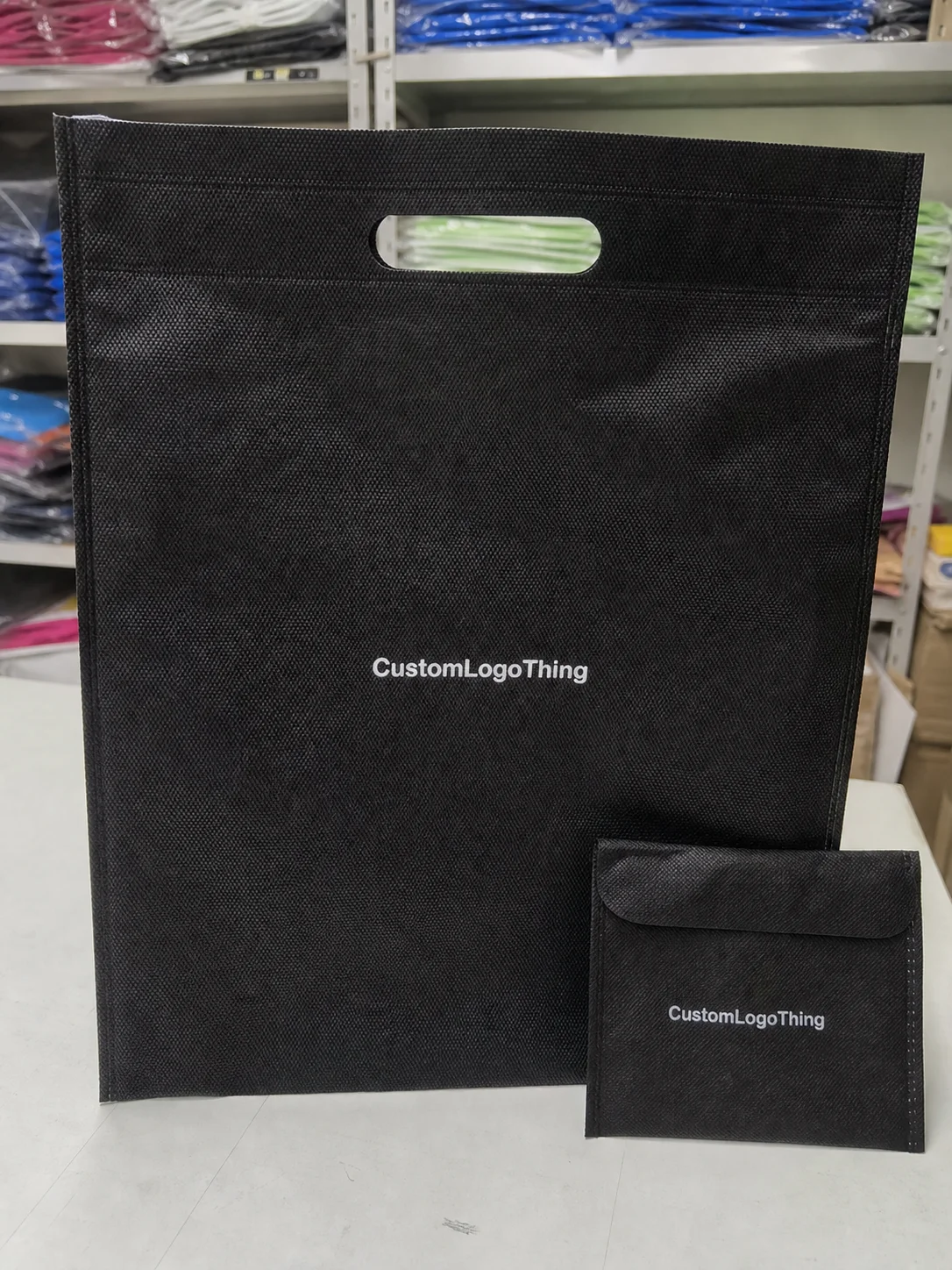
Reusable bags win on repeat use. A single well-made tote can move through several shopping trips, event days, or carrier runs, which spreads the purchase price across more uses than a one-time handout. That is the basic reason cheap reusable bags bulk can outperform “premium-looking” alternatives that never leave the closet.
The practical buyer scenario is straightforward. Retailers use them for checkout promotions. Brands hand them out at expos. Grocery programs use them for basket-size orders and seasonal campaigns. In each case, the goal is not to buy a statement piece. The goal is to buy a bag that survives the first few uses, holds a clean imprint, and makes the logo visible long enough to matter.
There is another hidden value that procurement teams often underestimate: lower replacement pressure. Flimsy bags get replaced, and replacements cost money. A bag that tears after one outing can also create a poor impression at the exact moment you wanted the brand to feel practical and dependable. A sturdier bag reduces that risk without forcing you into a premium construction you do not need.
That is why the best budget orders usually focus on three things: basic durability, sensible print coverage, and a size that matches the product or giveaway. If the bag is oversized, you pay for material you do not use. If it is undersized, it becomes awkward and less likely to be carried. Both problems are expensive in different ways.
“The cheapest tote is not always the lowest-cost tote. If it gets used three times instead of once, the unit economics are better even if the invoice is slightly higher.”
For that reason, buyers should treat cheap reusable bags bulk as a cost-per-use decision, not just a line-item comparison. That mindset usually leads to better choices and fewer surprises after delivery.
Reusable Bag Materials, Handles, and Print Options That Affect Value
Material choice drives most of the price spread. Non-woven polypropylene is usually the budget baseline because it is light, easy to print, and widely used for promotional runs. Woven polypropylene adds more strength and a tighter feel, which makes sense for heavier contents or longer service life. Lightweight recycled options can support sustainability messaging, but they do not always hit the lowest price point, especially if you want custom sizing or specific color matching.
Handle style matters more than many buyers expect. Die-cut handles are efficient for flat, lower-cost bags. Loop handles add comfort and usually support a more retail-friendly presentation. Reinforced handles and gusseted bodies improve carry performance, but they also add material and sewing or bonding steps. If your bag is intended for a simple event handout, that extra structure may not pay for itself.
Print method is another cost lever. A clean one-color screen print is often the most economical option for cheap reusable bags bulk. Heat transfer can work for more detailed artwork, but the setup and process usually cost more. Large print coverage, multiple spot colors, and full-wrap graphics all increase labor and production complexity. A logo with strong contrast and a focused imprint area is usually the better buy.
For buyers who need a more disciplined materials check, the practical questions are simple: What is the base fabric weight? Are the handles sewn, heat-bonded, or die-cut? Does the seam hold up when the bag is loaded at the corners, not just in the center? Those details matter more than decorative finishes that look good in a mockup but do little in actual use.
If you need a reference point for packaging claims or recycled-content language, it helps to stay close to recognized standards and certification bodies. For paper components or inserts, FSC chain-of-custody documentation can support your messaging: FSC. For parcel-style transit testing, carton performance methods such as ISTA are often used as a benchmark: ISTA. Those references do not make a bag “better” by themselves, but they give buyers a more disciplined way to evaluate supporting materials and shipping requirements.
Here is the short version: choose the lightest construction that still fits the use case, then spend your money where the bag actually works harder. That usually means a better seam, a clearer logo, or a handle style customers will carry without thinking twice.
Specifications to Check Before You Approve a Bulk Order
Before you approve any production run, confirm the exact specs. Dimensions, material thickness, handle length, gusset depth, print area, and color availability should all be written down. If a quote does not spell those out, you are comparing guesses, not products.
Thickness deserves special attention. Too light, and the bag feels disposable even if it is technically reusable. Too heavy, and the price rises without a clear improvement in daily performance. For promotional reuse, a modest but consistent construction is often the best balance. The right answer depends on the bag’s contents and how often you expect it to be carried.
Print limitations should also be checked early. Some bag materials support clean single-color branding but become less predictable with fine detail or thin lines. Others can carry more complex art, but the cost climbs quickly. If your logo depends on gradients or tiny type, it may look better on a different substrate or a larger imprint panel.
- Dimensions: Match the bag to what people will actually carry, not just what looks good on a spec sheet.
- Material thickness: Confirm the feel and strength you need before you commit.
- Handle style: Choose comfort and load support based on the expected contents.
- Imprint area: Make sure the logo fits without crowding or distortion.
- Color options: Check stock shades versus custom color requirements.
- Seam construction: Reinforced seams matter if the bag will be reused often.
Durability checkpoints are not optional. Ask how the seam is formed, what weight range the bag is intended to handle, and how it folds for storage or distribution. If your order is going to stores, event kits, or warehouse handout bins, compact foldability can be as important as the bag itself.
A sample or spec sheet should be part of the approval process. That is not overcautious. It is basic risk control. A physical sample shows how the material feels, how the handles sit in the hand, and whether the print area matches the artwork proof. Buyers who skip that step often discover problems after the order is already in motion.
It also helps to ask whether the quoted price assumes stock colors, stock sizes, or a custom build. Those three inputs do not cost the same. A standard configuration can move quickly and keep the per-unit price down. A custom size or custom shade can be worth it for a branded program, but only if the added cost actually changes how the bag will be used.
Cost, Pricing, and MOQ: How to Compare Quotes Without Guesswork
Quote comparison gets messy fast unless you standardize the inputs. Quantity, bag material, size, print colors, packaging format, and freight all influence the final price. A quote that looks low on the first line can become expensive once setup fees, rush charges, or shipping are added. That is why cheap reusable bags bulk should always be compared on a landed-cost basis, not a headline number.
MOQ, or minimum order quantity, simply means the smallest run a supplier will produce. Higher MOQs usually bring lower unit cost because setup and production overhead are spread across more pieces. The tradeoff is obvious: the total spend rises even as the per-bag price falls. For buyers with a fixed campaign size, that tradeoff may be acceptable; for seasonal promotions, it may not be.
The most common pricing drivers are easy to spot once you know what to ask for:
| Option | Typical Cost Direction | Best Use Case |
|---|---|---|
| Non-woven polypropylene, one-color print | Lowest | Retail giveaways, events, budget promotions |
| Woven polypropylene, reinforced handles | Moderate | Heavier loads, longer reuse, grocery-style handouts |
| Recycled-content material, simple logo | Moderate to higher | Brand programs that want sustainability messaging |
| Multi-color print or large coverage | Higher | Campaigns where brand presentation outweighs cost pressure |
For realistic planning, many basic promotional bags land around $0.28-$0.72 per unit at larger quantities, depending on size and print coverage. More structured or higher-strength options can move into the $0.75-$1.60 range. That spread is normal. It is also why a quote should always be read with the same checklist in hand.
Ask for tiered pricing if you can. A simple matrix at 1,000, 3,000, and 5,000 pieces shows where savings start to flatten out. Procurement teams like that because it makes the cost curve visible. Marketing teams like it because it clarifies what extra volume actually buys.
One caution: the lowest quote is not automatically the best value. A bag that is too small, over-printed, or poorly stitched can create more total cost through replacements and complaints. In practice, that is the real trap in cheap reusable Bags Bulk Orders. The invoice looks efficient, but the program underperforms.
Buyers also need to watch how freight changes the picture. A low ex-works price can look attractive until the shipping bill lands. For domestic deliveries, pallet count and carton size affect cost. For overseas supply, transit mode, port handling, and customs timing can swing the final landed price more than a small difference in print cost. That is why a quote should always separate product, packaging, and shipping.
Production Steps, Lead Time, and Delivery Planning
The normal workflow is predictable: quote confirmation, artwork review, proof approval, production, quality check, and shipment. The point of mapping it out is simple. Every revision adds time. Every missing detail slows the handoff. If your artwork is not final, the calendar moves.
Lead time changes with the complexity of the order. A one-color logo on a stock-style bag usually moves faster than a custom-size bag with color matching and multi-step decoration. If the bag requires specific material sourcing or a special Pantone match, expect the schedule to stretch. Buyers who know that early can plan around it instead of reacting late.
Shipping often matters as much as production speed. A bag that leaves the factory quickly but arrives after an event date still fails the job. That is why event planners and store-opening teams should treat freight transit time as part of the order, not a separate afterthought. Air freight may make sense for urgent timelines, but it changes the economics immediately.
The safest approach is to build buffer time into the schedule. For first orders, leave room for proof changes, artwork fixes, and freight delays. For repeat orders, the risk is lower, but not zero. A supplier can still miss a detail if the order notes are vague or the old specification sheet was never updated.
What can be expedited? Usually proof review, artwork cleanup, and shipping method. What cannot always be rushed? Material procurement, custom color matching, and any production step that depends on a fixed drying or finishing cycle. Clear expectations prevent bad decisions later.
Most buyers do best when they think in milestones rather than just a delivery date. If the proof must be approved by Friday to hit an in-store launch, say that up front. If the bags are for an expo, reverse-plan from the booth shipping deadline. Tight ordering discipline saves more money than many small design tweaks.
Quality control should happen before cartons are sealed, not after the pallet leaves. A practical check includes count verification, print alignment, seam integrity, handle attachment, and carton labeling. Those are not glamorous inspections, but they prevent the most common failures: short counts, smudged logos, and bags that look fine in the sample but weak in the shipment.
What Makes Bulk Reusable Bags a Smart Buy
A smart buy starts with dependable value. That means consistent print quality, practical materials, and an ordering process that does not force buyers to decode every line item. Cheap reusable bags bulk should still feel intentional. The bag must work, the logo must read clearly, and the shipment must arrive in the right quantity and condition.
We focus on the part buyers actually need: straightforward volume pricing and the ability to match the bag style to the budget. Some programs need a simple handout bag. Others need a stronger carrier for heavier retail loads. The mistake is assuming those are the same product. They are not, and the wrong choice usually costs more later.
Quality control saves money in ways that are easy to miss on a quote sheet. Fewer defects mean fewer replacements, fewer customer service issues, and less wasted time in the approval cycle. That matters most on repeat campaigns, where the same bag may be ordered again and again. A bag that performs well once is useful. A bag that can be reordered without redesigning the whole program is better.
Customization should be practical, not theatrical. Buyers should be able to choose the features that matter and skip the rest. If a one-color logo and stock color do the job, there is no reason to pay for a complex build. If the bag needs a reinforced handle or gusset, that should be for function, not decoration.
For teams already planning long-term purchasing, the value of a repeatable spec is hard to beat. It makes replenishment cleaner, reduces mistakes, and creates a standard that sales teams, store managers, and marketing teams can all understand quickly. That is one reason our Wholesale Programs path works well for recurring campaigns.
The strongest programs usually have one thing in common: they know exactly what they are buying. Same bag size, same print method, same approved artwork, and a clear reorder path. That consistency lowers administrative friction and helps avoid the slow drift that turns a simple promotion into a series of one-off exceptions.
How to Order Cheap Reusable Bags Bulk and Avoid Delays
Start with the basics: artwork, quantity, target delivery date, and the bag features you actually need. If those four items are missing, the quote will be vague and the order will take longer than necessary. Buyers who prepare them in advance usually get better answers faster.
Choose one primary use case first. Retail giveaway. Event handout. General shopping bag. That decision should drive the size, thickness, and handle style. If you try to optimize for every scenario at once, you usually end up paying for features that do not improve the actual user experience.
Print-ready files help more than most people realize. A clean logo file shortens proof time and reduces back-and-forth on layout changes. If the art needs cleanup, do that before the quote is finalized. A supplier can only price what the artwork will actually require.
A practical ordering sequence looks like this:
- Define the use case and quantity range.
- Pick the material and bag structure that fits the load.
- Send print-ready artwork and dimensions.
- Request a tiered quote with freight included.
- Review the proof against the spec sheet, not just the mockup.
- Approve only after the imprint area and delivery window are confirmed.
That process sounds basic because it is. The difference is in execution. Buyers who plan in this order avoid most of the common delays: late artwork, unclear bag specs, and freight surprises. If you are ordering cheap reusable bags bulk for a retail promotion, the best result is a bag that arrives on time, carries the message cleanly, and feels worth reusing.
From a budget buyer’s point of view, that is the real win: enough quality to stay in circulation, enough control to protect the margin, and enough speed to meet the campaign window. Done properly, cheap reusable bags bulk is not a compromise. It is a disciplined purchasing decision.
Frequently Asked Questions
What is the best material for cheap reusable bags bulk orders?
Non-woven polypropylene is usually the most budget-friendly choice for large promotional runs. Woven polypropylene can be a better fit if you need more strength and a longer service life. The right material depends on the load, the intended use, and how much print coverage you want.
How much do cheap reusable bags bulk typically cost per unit?
Unit price depends on quantity, bag material, size, and print complexity. Larger orders usually lower the per-bag cost, even if the total spend rises. Always compare quotes with freight and setup fees included so you see the true landed cost.
What is the usual MOQ for reusable bag bulk orders?
MOQ varies by bag style and print method. Simple stock-style bags often allow lower minimums than highly customized versions. If you need a lower MOQ, expect slightly higher unit pricing than a larger volume order.
How long does production usually take for bulk reusable bags?
Lead time depends on artwork approval, order size, and print complexity. Standard orders move faster when artwork is ready and proofing is approved quickly. Shipping time should be added separately to the production schedule.
Can I get custom printing on cheap reusable bags bulk without raising costs too much?
Yes, one-color or simple logo printing is usually the most cost-efficient option. Keeping the design clean and the imprint area focused helps control cost. More colors, larger coverage, and special finishes increase the price quickly.
If you want a budget-friendly promotional item that people can actually reuse, cheap reusable bags bulk is still one of the cleaner options in the category. The order works best when you stay disciplined on specs, compare quotes on equal terms, and choose the simplest construction that still fits the job.
The most reliable buyers do not chase the lowest headline number. They protect the schedule, check the seams, confirm the print area, and make sure the bag matches the use case. That is how a simple tote order stays inexpensive without becoming disposable in practice.

