Zipper Packaging Bags Bulk Bulk Order for Retail Brands
When a Zipper Bag Fails, the Product Usually Gets Blamed
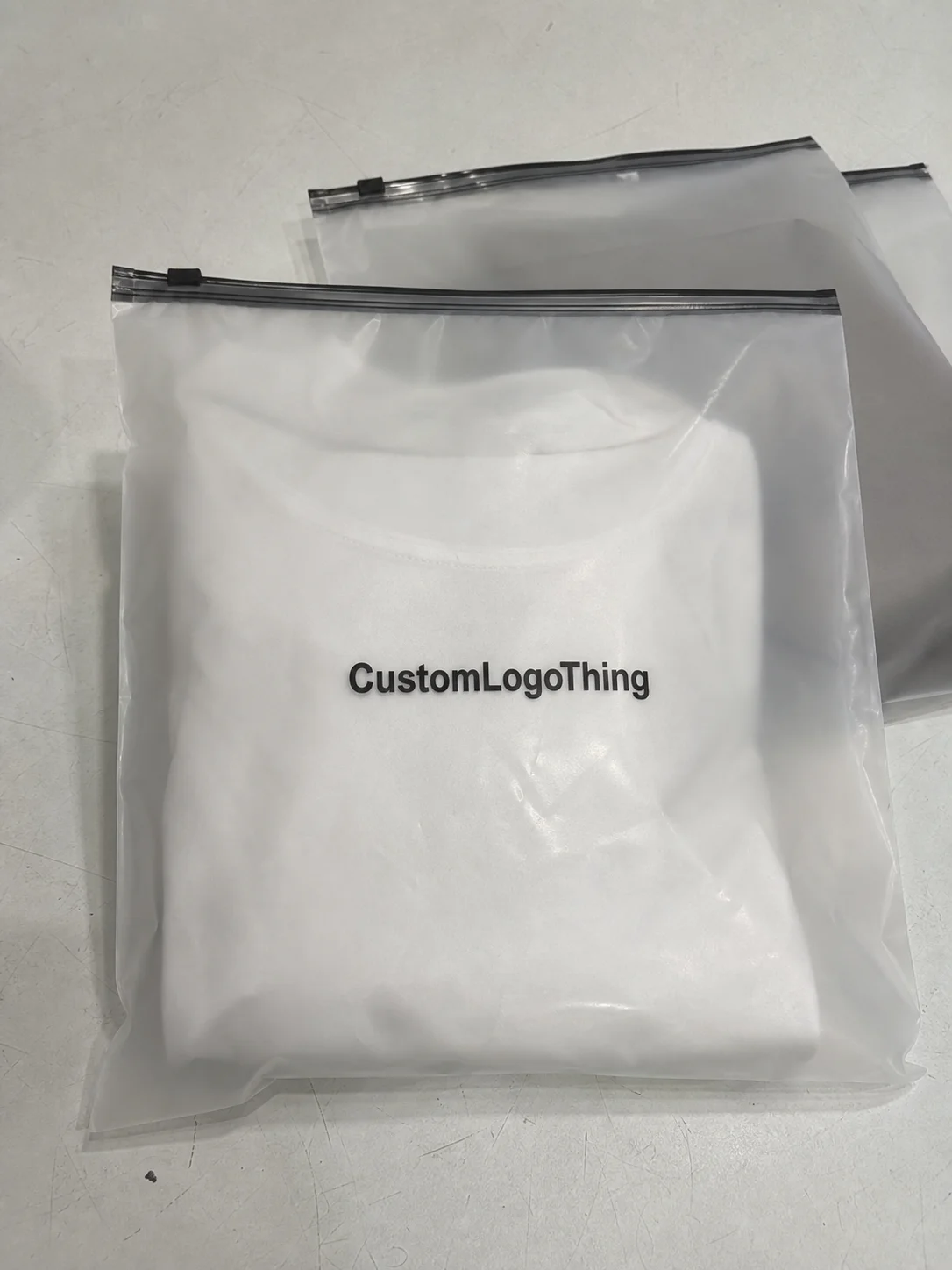
A resealable bag gets judged fast. Buyers planning a Zipper Packaging Bags Bulk bulk order are not just buying empty bags. They are buying repeatable opening, closing, shelf presence, product protection, and fewer complaints after the product leaves the packing table.
The first three seconds tell the customer plenty. They pinch the zipper. They feel the film stiffness. They look at the side seals and notice whether the top edge is clean or crooked. If the zipper misses, feels flimsy, or takes too much force to close, the product inside gets blamed. Fair? Not really. Common? Absolutely.
Bulk ordering can improve unit cost, color consistency, material availability, packing efficiency, and inventory planning. That only works if the bag structure is defined before production starts. A 4 mil LDPE zipper bag for a soft apparel accessory is not the same package as a laminated PET/PE stand-up pouch holding 12 oz of granola. Both are different from a small three-side-seal sample pouch with a tear notch and one-color logo print.
Common uses include dry foods, snacks, supplements, apparel accessories, hardware kits, sample packs, cosmetics refills, craft products, and retail merchandise that will be opened more than once. Some bags need a clear front panel. Some need a hang hole. Some need puncture resistance because the product has sharp corners, dense edges, or metal parts that like to destroy weak film. Packaging is polite until it is not.
The work starts with a tight spec: size, film, zipper style, print method, order quantity, case pack, and shipping needs. That reduces back-and-forth and helps Custom Logo Things price the bag you actually need, not a rough substitute that may fail during filling, storage, or retail handling.
Product Details That Matter Before You Buy Resealable Plastic Bags
A zipper bag looks simple from the outside. It is not. The front panel, back panel, side seals, bottom seal or gusset, zipper track, tear notch, header area, hang hole, and top seal area all affect how the bag fills, closes, stacks, ships, and displays. Undersize one part and the whole package feels cheap or awkward.
Flat zipper bags usually fit light goods, documents, small kits, apparel accessories, and parts that do not need to stand on a shelf. Stand-up zipper pouches create stronger retail presentation because the bottom gusset opens and supports the filled package. Bottom-gusset bags add volume for snacks, powders, pet treats, and craft supplies. Three-side-seal zipper bags work well for samples or smaller portions. Wicketed bags or bulk-packed bags can help production teams fill faster when the bag is used on a packing line.
Zipper choice matters more than many buyers expect. A standard press-to-close zipper fits general retail use, especially for lightweight dry products. A higher-grip zipper can make sense for heavier fills, dense contents, or bags opened many times. Slider zippers add convenience, although they usually add cost and require more space at the top of the bag. Child-resistant or specialty closures may be required for certain categories, depending on product type and market rules.
Film selection should match the product, not just the artwork. LDPE and LLDPE feel softer and more flexible, which suits many clear resealable bags. PP offers crisp clarity and a snappier hand feel. Laminated PET/PE gives better print appearance, improved stiffness, and stronger barrier options. Matte and gloss finishes change the shelf impression. Clear windows help shoppers see the product, while opaque films can protect light-sensitive goods.
Ask the blunt product-fit questions early. Is the fill powdery, oily, sharp-edged, bulky, fragrant, moisture-sensitive, or likely to be opened 20 times? Does the product need aroma control, a clean pour, or a heat seal above the zipper? Those answers guide the material structure. They also prevent the classic mistake: putting a decent product into a bag that looks and behaves like an afterthought.
Specifications to Confirm: Size, Gauge, Barrier, and Print
A useful quote starts with a real spec. For a Zipper Packaging Bags Bulk bulk order, confirm inside width, inside height, usable fill height below the zipper, bottom gusset depth, film thickness or gauge, target fill weight, finished bag tolerance, and carton packing preference. If the bag is printed, confirm print area and safe zones before artwork is built.
Size should be based on the filled product, not only the flat artwork dimension. Bulky items steal space. Extra headspace can make a bag look underfilled. Zipper placement reduces usable height. A pouch listed as 6 in. x 9 in. does not provide 9 in. of fill height once the zipper, top seal, hang hole, and bottom gusset are accounted for.
Gauge selection is both a cost decision and a performance decision. A lighter 2 mil to 3 mil film may work for soft, low-risk products, especially if the bag is mainly used for grouping or protection inside a carton. A 4 mil to 6 mil structure gives better hand feel, puncture resistance, and zipper support for denser items. Laminated pouches may be described in microns instead of mils, with structures such as PET/PE or PET/VMPET/PE depending on barrier goals.
Barrier needs deserve plain language. Dry snacks often need moisture resistance. Scented items may need aroma control. Some foods and supplements may need oxygen, light, or vapor protection. A simple poly bag can be perfectly suitable for many non-food products, but it is not the same as a laminated barrier pouch. For distribution testing, packaging teams often refer to methods from ISTA, especially when filled packages move through parcel networks or retail distribution.
Print choices affect price and presentation. One-color spot printing suits simple logos and basic package branding. Multi-color flexographic printing fits larger runs where plates and setup can be spread across more units. Digital printing is useful for shorter custom runs, artwork testing, or multiple SKUs. Full-coverage laminated print gives the strongest retail look for premium packaging, especially where color consistency and surface finish matter.
Artwork should be supplied as vector files when possible. Dielines, bleed, safe zones around zipper and seals, barcode quiet zones, nutrition panels where applicable, and color references all need attention. Barcode placement is one of the most underchecked details on flexible packaging. A distorted barcode on a curved gusset, or one placed too close to a seal, can create problems after the bags are already packed. Excellent timing, as always.
A practical bag spec is not just width and height. It describes the filled product, closure, film, print, seal areas, packing method, and any machine or retail handling the bag must survive.
Pricing, MOQ, and Unit Cost for Bulk Zipper Bag Orders
Price is driven by bag size, film type, thickness, zipper style, gusset structure, print coverage, number of colors, plate or setup needs, order quantity, packing method, and shipping volume. A small clear flat zipper bag will not price like a matte laminated stand-up pouch with full-color print and a high-barrier structure.
MOQ is not a random punishment from production. Minimums are shaped by material roll widths, machine setup time, ink preparation, zipper inventory, and whether the order uses stock film or a custom laminate. If the bag is unusual in size or material, the minimum may rise because production has to allocate roll stock, print setup, and converting time to that specific structure.
Unit cost usually improves as quantity increases because setup time, print preparation, and material handling are spread across more pieces. Not always. Oversized bags, specialty films, child-resistant closures, and heavy ink coverage can keep the unit cost higher even at larger volumes. Freight matters too. Cartons of flexible packaging can be bulky, and landed cost can ruin the neat little savings shown in the unit-price column.
| Order Type | Typical Use | Common Cost Drivers | Practical Pricing Note |
|---|---|---|---|
| Clear flat zipper bags | Apparel accessories, hardware kits, samples | Gauge, size, zipper strength, packing count | Often the most cost-controlled option when print is minimal or added by label |
| Printed resealable bags | Retail merchandise, craft products, refill packs | Ink colors, print area, setup, quantity | Useful for branded packaging without the full cost of a laminated retail pouch |
| Stand-up zipper pouches | Snacks, supplements, powders, pet treats | Gusset, laminated film, barrier, print coverage | Higher presentation value, often with higher carton volume and freight cost |
| Specialty closure bags | Regulated goods, heavier fills, repeated-use items | Closure type, testing, material compatibility | Best quoted with product details and compliance needs from the start |
Ask for several quantity breaks. A starter quantity, production quantity, and replenishment quantity give purchasing teams a clearer view of cash flow against unit savings. For example, 2,500 pieces may protect budget on a first run, while 10,000 or 25,000 pieces may reduce per-bag cost if the artwork and product volume are stable.
A complete quote should include bag dimensions, material structure, thickness, closure type, print method, artwork assumptions, quantity, lead time estimate, freight terms, sampling cost if applicable, and any one-time setup charges. For broader sourcing, buyers can review Custom Packaging Products or ask about Wholesale Programs if reorder planning is part of the buying decision.
Do not compare quotes only by price per piece. A thinner film, weaker zipper, smaller usable fill area, missing freight cost, or vague print method can make a low quote expensive once production starts. A bulk zipper bag order should be judged by landed cost, function, appearance, and risk. The smallest number is not automatically the best number. Annoying, but true.
Process and Timeline From Quote Request to Delivered Bags
The normal path is specification review, quote, artwork check, dieline confirmation, proof approval, material sourcing, printing, lamination if needed, curing where applicable, bag converting, quality checks, packing, and shipping. Each step sounds ordinary. Skipping one is how simple orders become expensive rework.
Buyers can shorten the schedule by sending filled-product dimensions, target quantity, preferred material, artwork files, shipping address, and compliance requirements with the first quote request. A product photo helps too. Even a quick phone picture beside a ruler can show whether the product is flat, bulky, sharp, powdery, or likely to push against the zipper.
Proofing has a job. Digital proofs confirm layout, copy, barcode placement, warning text, and color references. Physical samples or pre-production samples may be useful for fit, zipper feel, shelf stance, and hand feel. For food-contact or sustainability questions, buyers may also want to review current packaging guidance from resources such as the EPA sustainable materials management overview, while remembering that real recyclability depends on material structure and local collection systems.
Stock-style bags can move faster, especially if they are unprinted, lightly customized, or available in common sizes. Fully printed laminated pouches require more coordination because print, lamination, curing, and converting must line up. A simple stock bag may be ready much sooner than a custom barrier pouch. A detailed retail package usually needs extra proofing before production begins.
Timeline risks are predictable: late artwork changes, unclear dimensions, special material availability, color matching revisions, holiday freight congestion, or packaging tests that reveal the need for stronger film. Color matching can also add time if the brand requires a tight Pantone target on a film surface that naturally prints differently from paperboard or labels.
The process should feel controlled and measurable. Every approval point reduces the chance of surprises once the run reaches the converting machine. For a Zipper Packaging Bags Bulk bulk order, disciplined proof approval is cheaper than discovering after delivery that the zipper sits too low, the bag will not stand, or the product copy is trapped inside the seal zone.
Quality Checks That Protect a Large Resealable Bag Run
Quality control matters more on a bulk order than on a small test batch because tiny errors multiply. A zipper that is 2 mm out of alignment may still close on a sample, but across thousands of bags it can slow filling, create poor customer feel, or raise reject rates. A weak side seal may survive in the office and then open during carton compression or parcel handling. Packaging loves to fail in public.
Practical checks include zipper alignment, closure strength, seal integrity, cut accuracy, gusset formation, print registration, ink adhesion, film clarity or opacity, carton count, and cleanliness before packing. Ink adhesion can be checked with tape testing. Seal integrity may involve peel checks, burst checks, or filled-product handling depending on the bag style and risk level.
Fit testing should use the actual product or a close sample. Test fill capacity, zipper clearance, drop resistance, shelf stance, and hand feel. A stand-up pouch that looks good empty may lean forward once filled if the gusset depth, panel stiffness, or product weight distribution is wrong. A flat zipper bag may need an extra half inch of width if the product has hard corners.
Sealing and filling compatibility need attention before production. If the buyer plans to heat seal above the zipper, run bags through automatic filling equipment, apply labels, or add lot coding, the bag structure should be checked against that workflow. Heat-seal temperature, dwell time, and seal pressure can affect films differently, especially laminated materials or thicker gauges.
Common defects to prevent include tunneling in laminated film, zipper separation, pinholes, crooked cuts, poor tear notch placement, barcode distortion, cloudy film, and print too close to the seal area. Standards from ASTM are often used across packaging tests, and ISTA procedures may be relevant when filled retail packaging needs to survive shipping vibration, drops, and compression.
Lock the documentation before mass production. Approved specs, final artwork, material callouts, quantity tolerance, and packing instructions should be clear enough that a production team can run the job without guessing. For a large resealable bag run, that paperwork is not bureaucracy. It is the buyer’s protection against drift from proof to finished cartons.
How Custom Logo Things Supports Bulk Custom Bag Buyers
Custom Logo Things helps turn a loose packaging idea into a quoted, specified, and production-ready zipper bag order without forcing the customer to know every technical term upfront. Many buyers start with a basic request: “I want a clear bag with my logo,” or “I need a pouch that stands up and keeps the product fresh.” That is enough to begin, as long as product details follow quickly.
Buyers can discuss Clear Zipper Bags, printed resealable bags, stand-up pouches, gusseted bags, retail header bags, and branded plastic packaging within the same sourcing conversation. That matters because the first requested format is not always the best format. A flat bag may save money. A stand-up pouch may sell better on shelf. A header bag may work better for peg display.
Material recommendations should be tied to product weight, barrier needs, print goals, order size, and budget. Vague “premium” language does not help a purchasing team. Specifics do: 3 mil clear LDPE for a soft kit, laminated PET/PE for stronger graphics, a tear notch above the zipper for tamper-evident presentation, or a matte surface if the brand wants a quieter retail finish.
Good custom packaging does not need to shout. A clean logo, readable product details, consistent print placement, and a bag that closes properly can make bulk packaging look intentional whether the bags are displayed on shelves, shipped in ecommerce boxes, or handed out as kits. Package branding works best when the structure supports the message instead of fighting it.
Operational support includes quote preparation, artwork review, spec confirmation, quantity planning, and realistic lead time discussion. If a buyer is also using custom printed boxes, inserts, labels, or other product packaging, aligning dimensions and carton counts can reduce packing friction. The FAQ is a useful starting point for general ordering questions before a detailed bag quote is prepared.
The point is not inflated language or a bag that only looks good in a mockup. The point is to deliver bags that close properly, present the brand cleanly, and arrive in a format the buyer can actually use on the packing table, in inventory, and in front of customers.
What to Prepare Before You Request a Bulk Zipper Bag Quote
Start with the product, then build the bag around it. Measure the item, decide the desired fill quantity, choose flat or stand-up format, note whether the bag needs a hang hole or tear notch, and gather logo or artwork files. If the product is irregular, measure the thickest point, not only the neatest side.
Prepare three numbers before requesting pricing: target order quantity, ideal reorder quantity, and maximum acceptable landed cost per bag if you have one. That last number helps because a packaging team can suggest practical tradeoffs, such as reducing ink coverage, using a standard zipper, adjusting size, or selecting a different film structure.
Send a product photo, current package sample, or rough sketch. Simple visuals can confirm zipper position, print area, and bag proportions faster than text alone. If the bag must fit into a shelf tray, mailer, retail display, or master carton, include those dimensions too. A half inch can matter. It often does.
Separate must-have requirements from nice-to-have features. Must-haves might include a clear window, moisture barrier, high-grip zipper, hang hole, recyclable material preference, or heat-sealable top. Nice-to-haves might include matte finish, rounded corners, extra print coverage, or a specialty zipper. That distinction keeps the quote practical if budget and schedule are tight.
Custom Logo Things can return material recommendations, quote options, MOQ details, estimated lead time, artwork requirements, and practical notes on whether the requested structure fits the product. If something looks risky, such as a sharp product in a light film or a barcode too close to the gusset, it is better to catch it before production.
For a zipper packaging bags bulk bulk order, the strongest first move is to send dimensions, quantity, artwork, and product details together so the quote reflects the real package. Good bags start with clear information. Clear information keeps the buying process cleaner from proof approval to delivered cartons.
FAQ
What information do I need for a zipper packaging bags bulk order quote?
Provide bag width, height, gusset if needed, target quantity, product weight or volume, material preference, print colors, closure style, shipping destination, and artwork files if available. If dimensions are not final, send the product size and a photo so the bag can be estimated around the actual fill instead of a guess.
What is the MOQ for custom zipper packaging bags in bulk?
MOQ depends on bag size, film structure, printing method, zipper type, and whether the order uses stock material or a custom printed laminate. Higher quantities usually improve unit cost, so it is smart to request multiple quantity breaks rather than one single price.
How long does a bulk order of resealable zipper bags take?
Timing depends on proof approval, material availability, printing, converting, quality checks, and shipping distance. Simple stock-style bags can move faster, while custom printed laminated bags generally require more production steps and a longer lead time.
Can zipper packaging bags be printed with a custom logo and product details?
Yes. Zipper bags can be printed with logos, product names, barcodes, instructions, nutrition panels, warning text, and brand graphics when the artwork is built to the correct dieline. Print method depends on quantity, color count, film type, and whether the design needs simple spot color or full-coverage retail graphics.
How do I keep unit cost down on zipper packaging bags bulk bulk order projects?
Choose the smallest practical bag size, avoid unnecessary film thickness, limit print colors when possible, use standard zipper options, and order enough quantity to spread setup costs efficiently. Do not reduce cost by making the film too weak or the zipper too light for the product. Packaging failures usually cost more than the savings.


