Two plastic bags can look similar online and still perform very differently once a logo is printed on them. Choosing the right private label Logo Printed Plastic Bags supplier comes down to film quality, print control, seal consistency, and whether the bag still looks acceptable after handling, stuffing, carrying, and opening.
A weak bag choice can lead to fuzzy logos, split seals, odor, harsh crinkle, color drift, and unplanned reorders. A capable supplier helps prevent those issues before production starts. The cheapest first quote often becomes expensive later.
What a private label logo printed plastic bags supplier actually does
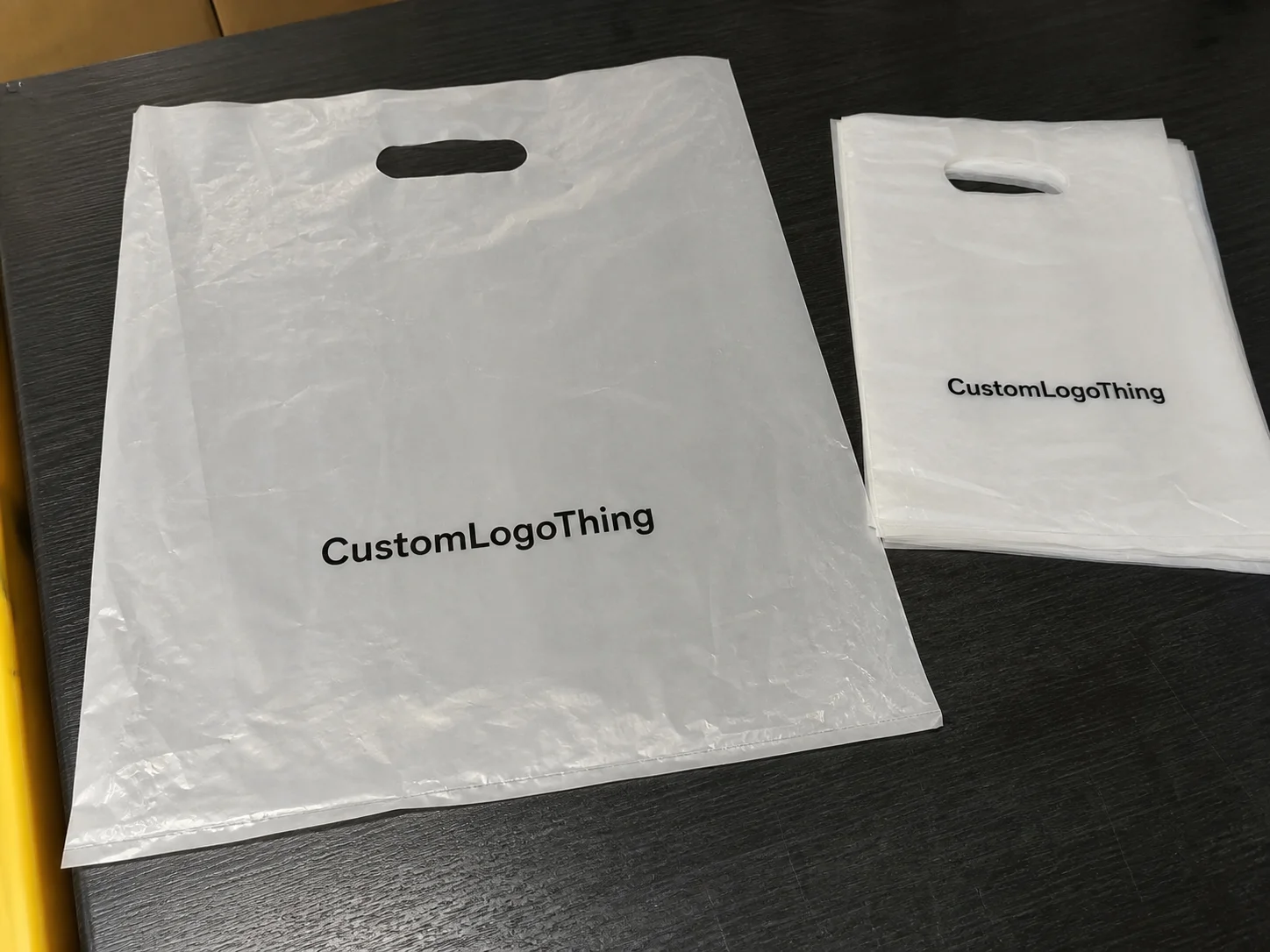
A real supplier does more than print a logo. The job usually includes film sourcing, extrusion or converting, printing, sealing, cutting, packing, quality control, and shipment prep. Better suppliers can also explain what support documents exist for recycled-content claims, food-contact suitability, and carton labeling.
Private label means the bag carries your brand, not the factory's. That may be a stock size with a one-color logo or a custom bag with exact dimensions, handle style, and multi-color print.
Buyers should also know which type of supplier they are dealing with:
- Direct manufacturer: usually better for technical detail, process visibility, and repeat consistency.
- Trading company: can simplify sourcing, but quality depends on the factory network and oversight.
- Print broker: may help with communication but often has less control over film, sealing, and press limits.
That matters when print registration drifts or seals fail.
Common bag formats include LDPE and HDPE shopping bags, PP bags, die-cut handle bags, patch handle bags, drawstring bags, zip bags, wicketed bags, and mailer-style poly bags. Each behaves differently. HDPE is stiffer and louder. LDPE is softer and often presents better for retail. PP offers strong clarity. Zip bags add convenience, cost, and one more quality point to inspect.
For low-volume launches, custom printing may not make sense. If you need only 500 to 1,500 pieces, plain stock bags plus Custom Labels & Tags can be faster and cheaper. Once volume stabilizes, printed bags usually become more practical.
How the supplier relationship works from artwork to delivery
A typical custom order moves through these stages:
- Inquiry
- Specification confirmation
- Quotation
- Artwork review
- Mockup or sample
- Deposit payment
- Production
- Quality inspection
- Packing and dispatch
Useful quotes require clear inputs. Send these details early:
- Bag width x height x gusset
- Film thickness in microns or mil
- Material type: LDPE, HDPE, PP, co-extruded film, recycled blend
- Handle style or zipper style
- Print colors and print coverage
- Order quantity or quantity tiers
- Delivery country and shipping term
Artwork quality matters. Flexible film is unforgiving, especially with small text and thin rules. Send AI, EPS, or press-ready PDF files when possible, and include Pantone references if color matters. Low-resolution web images often mean cleanup charges or weak print.
Proofing usually falls into three levels:
- Digital mockup: good for layout only
- Printed sample: better for checking color and print feel
- Production sample: closest to final output, but slower and more expensive
Responsibility should be clear. The supplier controls process setup and print execution. The buyer approves artwork, dimensions, copy, and acceptable color expectations. If the approved size is wrong, production can still be technically correct.
Questions worth asking before payment:
- What thickness tolerance do you allow?
- What print method are you quoting?
- Is white underprint included for clear film?
- How are bags packed per carton?
- What is the seal type and expected carry load?
- Are plate charges included or separate?
Materials, print methods, and bag specs that change the final result
Material choice affects feel, noise, stiffness, transparency, strength, odor, and logo appearance.
LDPE is softer and smoother, often better for boutique retail or mailer-style use. HDPE is lighter, stiffer, and commonly cheaper for basic carry bags. PP gives high clarity and strong shelf presentation. Recycled-content films can reduce virgin resin use, but blend percentage and source affect color consistency and surface appearance.
Print method matters just as much:
- Flexographic printing: common and cost-effective for medium and large runs; good for many jobs but limited on very fine detail
- Gravure printing: better for finer detail and high-volume consistency, with higher setup cost
- Screen printing: useful for bold spot graphics on some bag types
- Digital printing: viable for shorter runs in some formats, but not all structures
Finish changes perception. Gloss makes colors pop. Matte can feel more premium but may mute brightness slightly. On clear film, a white underprint often makes the difference between a visible logo and a washed-out one.
Thickness should always be specified in microns or mil, never as “standard quality.” For many retail carry bags, 40 to 70 microns is a common working range. Too thin and the bag tears at stress points. Too thick and you add unnecessary resin cost, carton weight, and freight.
Functional specs buyers often miss include:
- Gusset depth
- Bottom seal type
- Handle reinforcement
- Zipper track quality
- Puncture resistance
- Opacity level
- Maximum carry weight
A bag carrying apparel has different requirements from one holding cosmetics or samples. That is why good suppliers ask what the bag must hold, not just how it should look.
If compliance matters, ask what documents support recycled-content claims or food-contact suitability. The EPA’s recycling guidance is a useful baseline, and FSC may matter if the project also includes certified paper inserts or cartons.
Pricing, MOQ, and unit cost: what actually drives the quote
Printed plastic bag pricing is driven by more than unit price. Main cost factors include:
- Material type and resin quality
- Bag dimensions
- Film thickness
- Number of print colors
- Print coverage percentage
- Order quantity
- Plate or cylinder charges
- Bag structure and handle style
- Packing method
- Freight mode and destination
MOQ exists because plate making, press setup, color registration, and film loading all cost money before the first usable bag is produced. For custom printed bags, MOQs often start around 3,000 to 10,000 pieces and can rise for complex structures, gravure print, or unusual dimensions.
Unit price is not landed cost. Add plate charges, sample fees, export cartons, shipping, duties where applicable, and local delivery. A cheaper EXW quote can easily cost more than a higher FOB offer once all charges are included.
| Spec Scenario | Typical MOQ | Approx. Unit Range | Common Extra Costs |
|---|---|---|---|
| Stock-size LDPE bag, 1-color flexo | 5,000 pcs | $0.06-$0.14 | Plate fee, freight |
| Custom die-cut handle bag, 2-3 colors | 5,000-10,000 pcs | $0.12-$0.28 | Plate fee, packing upgrade, freight |
| Clear PP zip bag with white underprint | 10,000 pcs | $0.18-$0.35 | Zipper setup, plate fee, sample cost |
| Mailer-style poly bag with larger print area | 5,000-10,000 pcs | $0.09-$0.22 | Adhesive strip options, freight |
These ranges are directional, not fixed. Resin pricing, print coverage, region, and freight all move. Quantity breaks often improve quickly between 5,000 and 10,000 pieces, then flatten.
Ways to cut cost without damaging performance:
- Reduce print colors if the logo allows it
- Use a standard size instead of a custom footprint
- Limit print coverage instead of flooding the whole bag
- Consolidate similar SKUs into one bag size
- Use Custom Labels & Tags for short-run variants instead of separate printed bag versions
Supplier comparisons only work when every quote uses the same exact spec sheet.
Process and lead time: realistic production steps before your bags ship
A normal production sequence looks like this:
- Quote review and spec confirmation
- Artwork prep and prepress check
- Plate or cylinder making
- Sample or proof approval
- Film production or material allocation
- Printing
- Bag converting and sealing
- Inspection and packing
- Dispatch
For many custom orders, production after proof approval takes about 12 to 25 business days. Simpler flexo jobs are often faster. Complex structures, gravure work, or peak-season schedules take longer. Plain stock bags move faster because there is no custom prepress or press setup.
Common delay triggers include:
- Missing dimensions
- Artwork changes after plate approval
- Slow buyer-side approvals
- Color correction rounds
- Holiday congestion and freight bottlenecks
Sample timing is separate. A digital mockup may take 1 to 3 days. A printed sample may take 5 to 10 business days. Mass production usually starts only after approval and deposit.
Transit adds another timeline. Air freight is faster but expensive for bulky packaging. Ocean freight is cheaper but slower, and plastic bags take more cubic volume than many buyers expect. If the launch date is fixed, build in buffer time.
Pre-production approval checklist: final dimensions, thickness, material, print colors, artwork placement, white underprint decision, packing quantity per carton, shipping term, and ship-to address.
Common supplier selection mistakes that cause bad prints and expensive reorders
- Choosing on price alone. Check material grade, thickness tolerance, print method, and seal quality first.
- Using vague specs. “Medium size” and “good quality” are not production instructions.
- Trusting digital mockups too much. Screen color is not printed ink on film.
- Skipping physical samples. Feel, opacity, crinkle, and handle comfort affect retail presentation.
- Ignoring shipping terms. EXW, FOB, CIF, and DDP shift cost and responsibility.
- Changing specs after approval. This can trigger new plates, delays, or unusable stock.
- No backup inventory plan. Reorders can slip.
Freight terms deserve close attention. Under EXW, the buyer handles almost everything after pickup. FOB usually covers loading to port. CIF includes cost, insurance, and freight to destination port, but not every local charge. DDP can simplify the process by including duties and delivery, though the upfront cost is often higher. Get inclusions in writing.
Repeat orders can also drift if approved specs are not locked down. Save the approved drawing, artwork, packing detail, and quote so reorders do not turn into a new trial run.
Expert buying tips and next steps before you request supplier quotes
Start with a shortlist of three suppliers. Compare them using identical specs, sample quality, response speed, and how clearly they answer technical questions.
Create a one-page spec sheet that includes:
- Bag dimensions
- Material type
- Thickness in microns or mil
- Handle or zipper style
- Print color count
- Print area or artwork position
- Quantity tiers
- Packing requirement
- Delivery address and shipping term
Ask for more than product photos. Request:
- Close-up print photos
- Seal detail images
- Thickness tolerance
- Carton dimensions and units per carton
- Sample availability
- Estimated production lead time
If the SKU is new, place a pilot order where possible. A smaller first run can expose problems with bag feel, logo visibility, or real-world use before you commit to a larger quantity.
If transport performance matters, review resources from ISTA. If the bags are paired with printed tags or add-ons, aligning those through Custom Labels & Tags can reduce versioning issues.
Before sending quote requests, take these five steps:
- Finalize the bag style
- Set a target unit cost and target landed cost
- Prepare clean artwork files
- Define quantity tiers, such as 5,000, 10,000, and 20,000
- Ask each supplier to confirm lead time in writing
How do you choose a private label logo printed plastic bags supplier?
Choose a private label Logo Printed Plastic bags supplier by comparing material quality, print method, thickness tolerance, sample accuracy, and total landed cost. Ask for a detailed spec-based quote, review physical samples, confirm MOQ and lead time, and make sure the supplier can clearly explain film type, white underprint, seal strength, and packing details. The best option is usually the supplier most likely to deliver to spec without forcing an expensive reorder.
FAQs
How do I compare private label plastic bag suppliers fairly?
Use one identical spec sheet for every quote, including size, material, thickness, colors, quantity, packing, and shipping term. Then compare sample quality, print sharpness, seal strength, and communication clarity alongside unit price. Ask each supplier to break out plate fees, sample charges, MOQ, and lead time separately.
What is the typical MOQ for a logo printed plastic bags supplier?
MOQ depends on size, material, and print setup, but custom printed runs are usually much higher than plain stock bags. Many projects begin around 3,000 to 10,000 pieces, while more colors, custom dimensions, or specialty structures push minimums higher. Low-volume buyers should ask about stock sizes with simpler printing or use labels as a temporary bridge.
How long does a private label logo printed plastic bags order take?
Break the schedule into prepress and approvals, manufacturing, and transit. Production after final approval often takes 12 to 25 business days for many custom jobs, and freight adds its own timeline after that. Delayed artwork approvals and spec changes are two of the most common reasons schedules slip.
What files should I send to a custom printed plastic bags supplier?
Send vector artwork such as AI, EPS, or press-ready PDF whenever possible. Include Pantone references, logo size requirements, and placement notes. If only low-resolution image files are available, expect artwork cleanup costs or weaker print quality.
Can a private label logo printed plastic bags supplier help lower unit cost?
Yes. A good supplier can often reduce cost by simplifying color count, standardizing sizes, lowering thickness where performance allows, or recommending a more efficient material structure. Larger consolidated runs usually lower unit cost more effectively than pushing a supplier to trim margin on a fragmented order.


