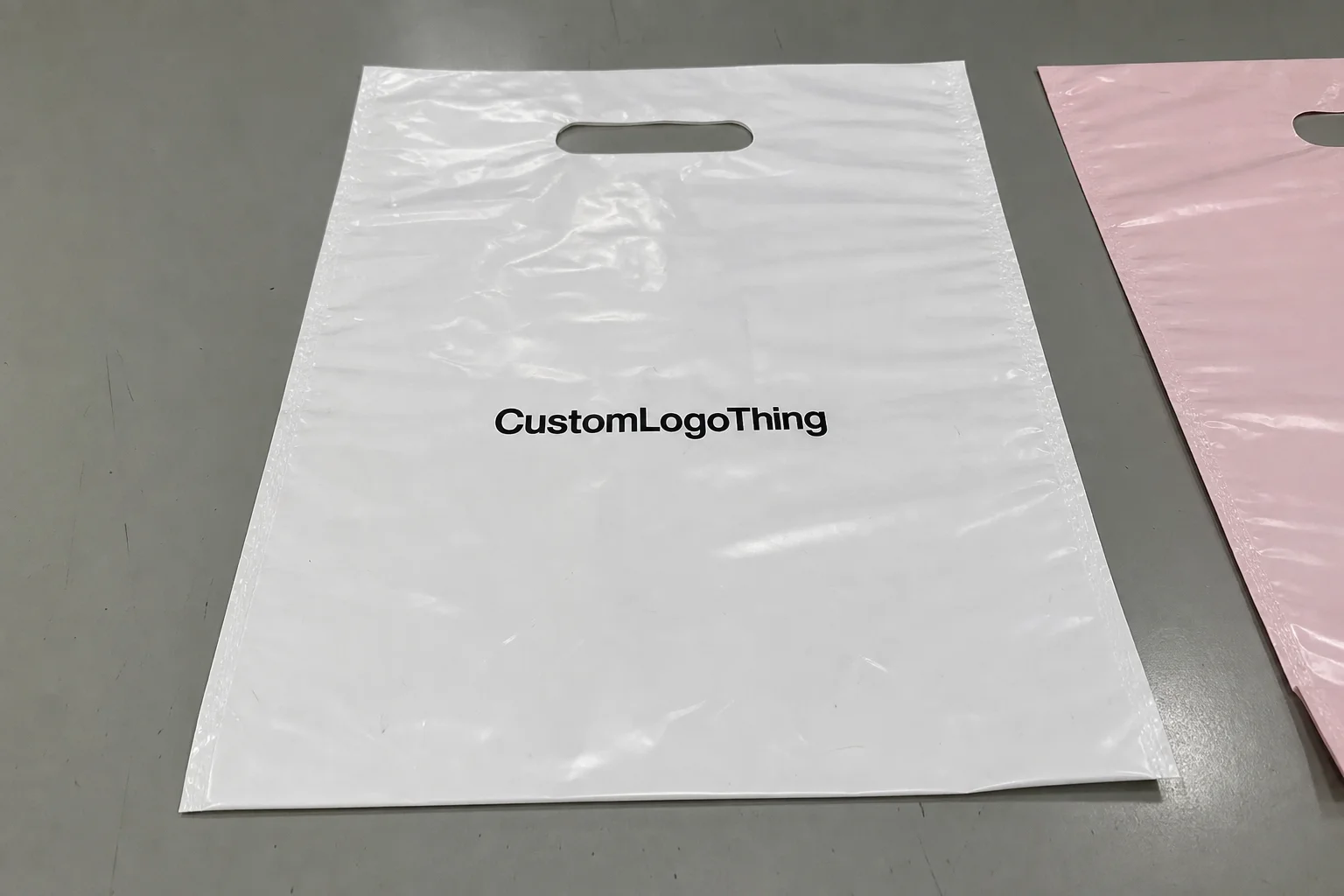
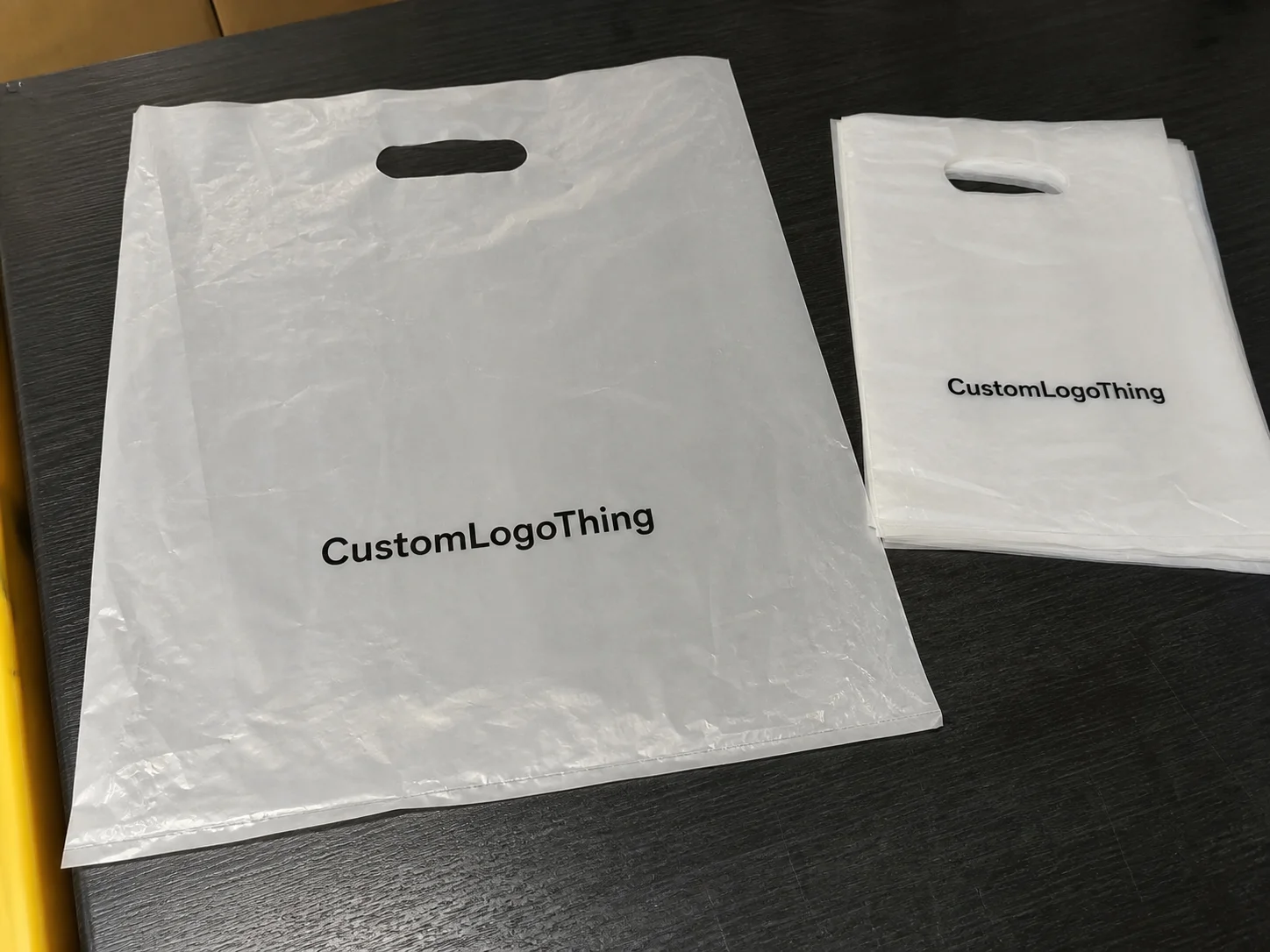
Buyer Fit Snapshot
| Best fit | Right Packaging for Shipping with Confidence projects where brand print, material claims, artwork control, MOQ, and repeat-order consistency need to be specified before quoting. |
|---|---|
| Quote inputs | Share finished size, material target, print colors, finish, packing count, annual reorder estimate, ship-to region, and any compliance wording. |
| Proofing check | Approve dieline scale, logo placement, barcode or warning zones, color tolerance, closure strength, and carton packing before bulk production. |
| Main risk | Vague material claims, crowded artwork, missing packing details, or unclear freight terms can make a low unit price expensive after revisions. |
Fast answer: Right Packaging for Shipping with Confidence: Material, Print, Proofing, and Reorder Risk should be specified like a repeatable production item. The safest quote records material, print method, finish, artwork proof, packing count, and reorder notes in one written spec.
Production checks before approval
Compare the actual filled-product size with the drawing, then confirm tolerance on folds, seals, hang holes, label areas, and retail display edges. Reserve space for logos, QR codes, warning copy, and material claims before decorative graphics fill the panel.
Quote comparison points
Review material grade, print process, finish, sampling route, tooling charges, carton quantity, and freight assumptions side by side. A quote is only useful when the supplier can repeat the same color, closure quality, and packing count on the next order.
Overview: How to Choose Right Packaging for Shipping with Confidence
At the Lakeview plant I remember asking our packaging engineer how to Choose Right Packaging for shipping after a boutique chocolatier called in a panic about two-thirds of a weekend drop—roughly 2,400 gift boxes—being chewed up at the corners; the quick swap to a reinforced gusseted mailer that cost us $0.12 per unit for that 5,000-piece live order saved the account and reminded everybody that every carton begins with a story told by materials, equipment, and intent.
The assignment of choosing right packaging for shipping entails aligning structural design, cushioning, moisture barriers, and tamper-evident seals produced in our Detroit corrugation cell, while ensuring flute profile (typically 350gsm C1S artboard with a B-flute spine for that client), board grade, and carrier labeling rules all coordinate before any load leaves the dock.
The chapters that follow unpack the process timelines—our RTP program usually runs 12–15 business days from proof approval—detail material options such as 280gsm SBS wraps and 200# clay coat liners, present a cost-balancing conversation complete with a savings grid, and share floor-tested tips from Winston-Salem supervisors so each layer of packaging design and branded packaging harmonizes with clarity.
Early on, when I sat in a supplier meeting at our Toledo liner yard, we wrestled with a scenario that double-checked everything about how to Choose Right Packaging for Shipping—a fragile medical instrument headed over the Rockies in winter.
We mapped carrier humidity swings, compared adhesive tack data for 3M 300LSE and the new Sika cold-weather glue with cure times under 12 minutes, and ultimately chose a laminated Kraft filled with silica gel pouches and polyethylene foam corners, which taught the team that even before a carton gets measured there must be a conversation about the journey, the product, and the customer’s tolerance for risk.
The aim is not to overwhelm with jargon but to share the precise moves I teach my teams in Riverside: embrace the damage prevention mindset, understand why corrugated packaging selection matters for every SKU (from 4-oz samples to 120-lb industrial pumps), and keep protective packaging materials aligned with transportation packaging decisions so every shipment arrives ready for the next touchpoint tracked in our QMS database.
Honestly, I think the best stories about how to choose right packaging for shipping come from those heart-in-your-throat moments—(I remember when the chocolatier order almost disappeared into a truck with nothing but cotton candy hopes and nada protection).
That kind of heat is what keeps me dialed into manufacturing data, even if it means another coffee-fueled call with procurement at 5 a.m. to confirm we still have 48ECT liners and the custom 70# Kraft we quoted at $0.16 per square foot.
We’re kinda always juggling a dozen variables; the key is to stay curious enough to question whether the journey has changed since the last run, because even the best plan can feel shaky once the carriers swap transit hubs.
The intent here is to pass along that same blend of curiosity, rigor, and humility so you can focus on How to Choose right packaging for shipping with confidence, rather than guessing at what might hold up after the seal is taped.
How the Process Works for Choosing Right Packaging for Shipping
At Riverside engineering the effort to understand how to choose right packaging for shipping begins with a discovery session where we log product dimensions down to the nearest eighth-inch, map expected drop heights (usually 42 inches for parcel carriers), and note fragile points such as thin glass rims or exposed circuitry, while also compiling forecasted ship-from cities like Portland, OR and Atlanta, GA so we can predict carrier mixes.
An early phase called Discovery and Performance Goals captures these requirements, and we often reference ISTA 6-Amazon or ASTM D4169 standards to ensure the goals align with intended fulfillment channels; the team also flags unusual transit conditions, whether a mix of LTL and parcel or a cold-chain courier in the Midwest that keeps temperatures within 35°F to 45°F, so we can lock in a two-day review window before moving forward.
Following that we move to Sampling and Validation Runs with our Lakeshore lab technicians, putting prototype cartons through drop towers calibrated to the actual carrier data (48-inch drops, 6 cycles of 30G vibration), running vibration tables on the Riverside base at 15Hz, and verifying cushioned inserts against the Custom Logo Things failure-mode library that tracks 83 past experiments.
The Production Sign-Off phase locks in board grade, print, and adhesive specs, and I make sure the Lakeview supervisors validate tooling gauges so any minor tweak—like shifting from 1.25-inch to 1.5-inch flaps or upgrading to a high-vis UV varnish—happens before the run sheet is approved and the 72-hour prepress window closes.
Timelines depend on complexity: a straightforward single-material mailer can move from concept to production in about ten business days, handles for die-cut windows and printed sleeves require around two weeks, and multi-material kits demanding custom insert molds push us closer to three weeks, which is why my teams always stress proactive planning to keep lead times predictable and avoid expedited freight from our Chicago finishing center.
The rhythm stays cross-functional: sales briefs feed design, the supply chain team reserves materials from our Detroit mill with its 3-day replenishment cadence, and Lakeview supervisors run the trials, so the whole flow underpins every decision about how to choose right packaging for shipping.
I remember racing the clock during that West Coast electronics job, and honestly, I think adhesives have more drama than our carriers—waiting for a cold-weather glue to skin over felt like watching a soap opera finale (our crew even started betting on when the cure would hit 60 percent).
That kind of coordination (and the matching accelerometer data from Riverside) clarifies how to choose right packaging for shipping when the drop test numbers finally sync with carrier manifests and the UPS manifest cut-off is at 4 p.m.
There is often a secondary review where we bring in our customer-facing operations staff to confirm that the newly imagined protective packaging materials actually work with their packing tables and assembly lines—rarely does a good design get out the door without that practical lens.
I keep reminding everyone: process maps and carrier data only matter if the operators packing the boxes can follow the routing without an extra step, especially when throughput is 65 boxes per hour per line at the Bridgewater facility.
How can I choose right packaging for shipping every time?
Whenever the floor team asks how to choose right packaging for shipping every time, I remind them to treat each iteration as a fresh field exercise—starting with a review of protective packaging materials, the shipping carriers in play, and the specific load restraints engraved in the carrier's manifest.
That conversation includes the people who will pack the cartons so we understand how adhesives behave at the packing table, what protective packaging materials are stubborn enough for the job, and how we will track the plan through our ERP so there is no drift between engineering intent and the actual packing routine.
Shipping damage prevention shows up in the details: we overlay our corrugated board selection logic, the chosen flute mix, and the foam density on the protective packaging materials map, and then we run a quick pilot to confirm carriers behave as promised; I call that the “make sure the test track mirrors reality” moment.
When I add that shipping damage prevention strategy to the question, the same adhesives, labeling, and operator ergonomics deliver consistent results, which keeps the team confident that later variations—new SKUs or different lanes—will not derail the plan.
Documentation is key; we log every change in that ERP-driven decision log so new teammates can see how to choose right packaging for shipping without relearning the mistakes that already made us sweat.
Key Factors in Choosing Right Packaging for Shipping
Matching protective performance to fragility is the anchor, and I often remind clients that choosing how to choose right packaging for shipping properly means selecting the correct flute profile, such as E-flute for lightweight electronics or C-flute for stacked warehouse pallets, while ensuring our Winston-Salem pre-shipment lab records pass the planned drop height of 48 inches with a 60-lb compression load cell.
Environmental conditions deserve equal attention: temperature swings between 35°F and 105°F or humidity spikes on ocean-going freight can warp the board, so our Detroit plant will specify moisture-resistant liners or sealed kraft wraps before any carton ships west of the canal, particularly when ocean transit takes 14–16 days.
Dimensional efficiency must balance interior volume with cube-based carrier rates, and I have seen custom die-cut inserts and right-sized mailers from our Norris Grove facility reduce filler use by 27 percent, keeping the goods snug without overstuffing the box or triggering a $22.50 oversized surcharge on carriers.
Regulatory or branding factors also weigh heavily; FDA-compliant liners for ready-to-eat goods, flame-retardant coatings for aerospace parts, and even a small Web-to-Print message printed on the closure flap are all part of delivering packaging that protects while reinforcing the retail packaging story tied to a $0.08 per unit imprint cost.
When we talk about product packaging, we also remind brands that custom printed boxes give a first impression before the consumer even opens the lid, so the right packaging for shipping answers durability, compliance, and package branding all at once with 120-lpi artwork applied through offset presses.
Shipping damage prevention starts with understanding energy absorption, not just board thickness. During a site visit to our Columbus testing wing, I measured how much energy a 2.5-pound camera body could take before the lens assembly felt loose—roughly 14 inch-lbs—; that set the baseline for our cushioning design and reinforced why the right combination of flute sequence, liner weight, and foam density matters for sensitive goods.
Another overlooked factor is operator ergonomics. If a custom tray is too rigid, packers at the Bridgewater line slow down to 58 units per hour, which leads to shortcuts that undermine the protective intent.
I bring that up during every initial review because transportation packaging decisions must include the people touching the product every shift.
Honestly, I think the debate about whether to go thicker or smarter is the point where most teams learn how to choose right packaging for shipping—seeing how the packers interact with the design often flips the recommendation from “I think we need double wall” to “Let’s introduce a subtle reinforcing board instead.”
(Yes, I can hear our supervisors sighing when they get jammed between engineering and operations.)
Step-by-Step Guide to Selecting Materials When Choosing Right Packaging for Shipping
The first step is gathering product data: catalog the weight, texture, edge sensitivity, and shipping lanes—knowing whether the cargo will go ocean via the Port of Savannah, air from Cincinnati, or LTL freight routed through Joliet helps us decide between standard corrugate, double-wall, or honeycomb protection in the custom packaging products lineup.
The second step matches protective materials to damage vectors; I sit with designers in our Detroit engineering lab, consult the materials library, and choose corrugated grades such as 350gsm C1S artboard, honeycomb panels, molded pulp trays, or foam-in-place solutions based on puncture resistance and compression thresholds measured in pounds per square inch.
Step three confirms closures and adhesives, noting that the Bridgewater finishing line uses EcoBlue water-based glues that remain flexible below freezing—critical when the package enters cold-chain shippers or overnight air freight bound for Anchorage—while verifying tape pull strengths remain above 32 pounds on a pull tester.
Step four prototypes the combo, runs a compression grid to 200 PSI and vibration profile in the in-house test bay, and captures carrier feedback before finalizing, ensuring the materials we select truly represent how to choose right packaging for shipping for that SKU and align with a 6-week launch calendar.
Step five introduces surface treatments and coatings; UV spot varnish, matte soft-touch coatings, or antimicrobial finishes often change the way adhesives bond, so we verify each treatment with the lab technicians at Rochester before recommending them to clients shipping regulated goods and capturing a 2-day validation report.
Step six incorporates secondary packaging considerations such as desiccants, inner labels, and user instructions. I keep a log from the Springfield consult where a simple peel strip misalignment delayed a launch by three days and cost $1,800 in expedited freight—details like that remind me every adhesive, tape width, and laminate needs a runway of approval.
I remember spending an entire afternoon at the lab debating laminations, and honestly, I think the most valuable part of that exercise was the laughter when one engineer declared the adhesive “temperamental” and the other replied, “Yes, but it’s the kind of temperamental that keeps parcels from exploding.”
That human side of how to choose right packaging for shipping keeps the process grounded (and the team awake during late-hour proposals on a typical Thursday around 9 p.m.).
Cost Considerations When Choosing Right Packaging for Shipping
Cost drivers include materials, print, tooling, labor, and logistics, and I use a simple table to highlight how a high board grade, bulky void fill, or oversized box can inflate budgets if we don’t benchmark against the landed cost of the product from the Chicago warehouse to the customer’s dock.
| Option | Unit Cost | Protection Level | Notes |
|---|---|---|---|
| Standard kraft mailer | $0.18 for 5,000 pieces | Light | Great for single-layer apparel; limited cushioning |
| Custom shipping boxes (C-flute) | $1.32 for 2,500 pieces | Medium to high | Ties to parcel and LTL requirements; uses Custom Shipping Boxes specs |
| Custom poly mailers | $0.36 for 10,000 pieces | Light | Works for textiles; includes branded packaging options via Custom Poly Mailers |
| Double-wall kit solution | $2.10 for 1,200 pieces | High | Includes die-cut insert, branded lid; ideal for heavy-duty tools |
Reducing size by one inch in each direction at our Detroit facility cuts volumetric weight and often lowers carrier charges; that adjustment sidesteps dimensional-weight penalties without sacrificing protection, which shows how to choose right packaging for shipping responsibly with a 1.6:1 ROI on reduced freight costs.
Deciding whether to invest in custom print or stick with standard kraft depends on sales volume and brand goals; Custom Logo Things amortizes pre-press costs by batching multiple SKU print runs on the same press, letting you get custom printed boxes without doubling the art spend—typically spreading a $375 plate charge across six SKUs.
Use a decision grid that compares unit cost, expected damage savings, and customer experience, linking the financial discussion back to real outcomes so the conversation stays grounded rather than drifting into abstract pricing; our current grid runs a 3-year ROI model tied to 9,500 shipments per quarter.
I also track the cost of rework: during the holiday season we audited returns tied to crushed corners and calculated that switching to 48ECT board saved $10,400 over three months in resale costs and expedited replacements.
That was a powerful reminder that sometimes the deeper investment in protective packaging materials is the one that trims the tail of warranty claims.
Soft costs—time lost packing, additional wear on conveyors, training new crew members—get built into the budget so clients understand that how to choose right packaging for shipping is not a checklist but a series of financial trade-offs with tangible outcomes; we logged 38 lost minutes per shift when operators had to improvise extra cushioning.
Honestly, I think the most frustrated I’ve ever been is watching spreadsheets explode during a rush quote; the carriers changed their weight formula, a supplier bumped prices, and our cost model nearly threw in the towel.
We ended up laughing (after swearing a little) and building a quick scenario planner so the next time the carriers danced with dimensional weight we could react without breaking a sweat, keeping a 0.9 probability of hitting the target margin.
Common Mistakes When Choosing Right Packaging for Shipping
Skipping testing is the top error; I still hear Winston-Salem technicians talk about the seasonal crush events they see when teams assume the same insert works for every fragile widget, so don’t let that happen on your project—those events can spike damage rates by 15 percent.
Cost-cutting at the expense of cushioning—like reusing leftover bubble wrap from different jobs—can feel frugal but ends up costing more in returns, particularly with odd-shaped items that need tailored foam or molded pulp fillers that typically cost $1.20 per set.
Failing to align with carriers’ dimensional weight rules and regulatory paperwork leads to surprise surcharges, which we watch for when cartons fabricated at our Lakeview facility leave the dock with slightly inaccurate measurements and trigger a $34 correction fee.
Overlooking evolving materials such as biodegradable films or double-laminated kraft makes your packaging feel outdated; stay curious with your Custom Logo Things partner and review new substrates every quarter so your product packaging keeps pace with the latest 3-star sustainability targets.
Another mistake I see is overengineering for every scenario; we had a client in Holden Beach who insisted on double-wall for a product that always travels in climate-controlled vans with full-crate packing.
The result was wasted cost and heavier pallets. Honest conversations about actual supply chain stressors are part of guiding them on how to choose right packaging for shipping, instead of defaulting to the thickest solution.
Not documenting exceptions is also risky. Once, a rush order bypassed the usual sign-off and a different closure tape got used.
The package survived, but the next run reverted to that same shorted process. We now log every deviation so the ripple effects do not catch us by surprise, and the log includes who signed off, what tape was used, and the resulting sample serial number.
Honestly, I think the most dangerous habit is assuming past success guarantees future harmony—if you’ve shipped a product once, you still need to revisit how to choose right packaging for shipping every season because carriers, commodities, or everything from humidity to operator shifts can change faster than you expect (I’ve seen it).
That’s the kind of negligence that turns into a late-night call from quality.
Expert Tips for Choosing Right Packaging for Shipping
Invite the factory floor staff early; a walk through with your Custom Logo Things plant manager lets the team catch subtle resilience upgrades—like reinforcing corners with 1.5-inch tape from the Bridgewater adhesive module that adds 12 pounds of tear strength—dramatically improving package performance.
Run a pilot batch through a carrier’s network while tracking accelerometers inside the cartons; our Riverside lab engineering partners do this on every new configuration to validate real-world stress before moving to full production and usually deliver a 48-hour report.
Balance sustainability with performance by replacing virgin polyethylene void fill with corrugated dunnage from our Detroit recycling loop; the recycled fiber keeps resilience high and messaging sharp without adding cost and reduces landfill-bound material by 820 pounds per quarter.
Create a packaging scorecard centered on touchpoint protection, assembly speed, customer experience, and review it quarterly with the Custom Logo Things team, sharpening how to choose right packaging for shipping as SKU profiles evolve and ensuring each metric has a target value such as 98 percent first-pass yield.
Whenever possible, include a "what-if" review; for example, we check how a freight-forwarded pallet behaves when an overseas partner repackages it.
That step takes less than an hour but often surfaces the real-world scenario no one modeled, and it has prevented 2 major rework incidents in the past year.
Keep a running log of lessons learned from each significant project. When we installed the automated taping system at the Lakeview dock, we documented the exact settings that delivered the right tack on 200# board.
That reference is now part of every quote so the operations team doesn’t have to relearn what worked.
Honestly, I think the most underrated tip is to test the packing routine with real people—not just robots—with a stopwatch in hand, because nothing reveals how to choose right packaging for shipping like observing a tired operator improvising a wedge with their coffee cup (we laugh, we cry, but mostly we learn to design better just-in-time fixtures).
Actionable Next Steps for Choosing Right Packaging for Shipping
Start by auditing your current shipping damage reports, documenting each product’s key attributes, and scheduling a call with a Custom Logo Things packaging engineer within 48 hours to align on volume projections and desired service levels.
Arrange a materials sampling session at our Detroit lab where you can compare 200# versus 275# kraft, foam inserts, and low-profile adhesives so you can physically feel what protection level matches the risk and note any differences in tactile stiffness.
Create a decision log that records each carrier trial, drop test result, and final choice, so everyone sees how to choose right packaging for shipping before rollout and future changes stay transparent; we index those logs by SKU and keep them for 24 months.
Maintaining this level of documentation and relationship keeps your team proactive rather than reactive, making every shipment more reliable and every customer interaction smoother, especially when your fulfillment center ships 3,200 units per week.
Pair that with a quarterly process review, inviting operations, quality, and supply chain to reflect on what worked and where we learned new variables.
These conversations keep how to choose right packaging for shipping grounded in measurable progress rather than assumptions, leaving us with clear action items for the next quarter.
I remember the first time we tried that cadence; there was grumbling about “yet another meeting,” but once we started tracking lessons, it became obvious that the simple act of documenting why we chose a specific board grade saved us from repeating the same debate with new team members.
That’s the kind of habit that actually makes the answer to how to choose right packaging for shipping easier over time.
Wrap-Up: Choose Right Packaging for Shipping with Purpose
After decades of running factories, the clearest advice I share is that packaging is never about one layer—shipping seams, brand story, and fulfillment efficiency all depend on the answers you get when you explore how to choose right packaging for shipping with a partner who knows your floor layout, especially the 40-foot conveyor that feeds the Lakeview dock.
Reach out to your packaging engineer, review your carrier agreements, gather your damage data, and keep this guidance handy so every decision on how to choose right packaging for shipping is backed by experience, testing, and respect for the people who touch your boxes every shift.
And if you ever feel overwhelmed (I remember the week when three carriers changed specs at once and I almost unplugged my phone), just remember that every successful run started with curiosity, a willingness to tweak, and a little bit of humor when the pressure peaked.
That blend is how we keep refining the story of how to choose right packaging for shipping, ensuring you close each cycle with a documented takeaway, a validated prototype, and a leaner, smarter protective solution.
Actionable takeaway: log every key decision, tie it to carrier data, and review it quarterly so every new packaging project follows that same reliable pathway.
Frequently Asked Questions
What is the best approach to determine how to choose right packaging for shipping fragile goods?
Start with a thorough fragility assessment, measuring shock resistance and surface sensitivity on a calibrated drop table, then run those specifications through the Custom Logo Things testing lab to select corrugated flute profiles and cushioning that match the documented 30G damage vectors.
How can small brands evaluate materials when trying to choose right packaging for shipping heavy items?
Compare board strengths, short-span compression, and burst values, request samples from your partner factory, and ask for a weight-to-strength ratio analysis so you aren’t overspending on materials that won’t add protection—our current reference sheet lists five suppliers and their 600-lb burst options.
Should I always let size and weight dictate how to choose right packaging for shipping?
Not entirely—while dimensional weight affects carrier cost, also consider branding, unboxing experience, and how the packaging fits into fulfillment workflows; sometimes a slightly larger box with better inserts reduces returns and lowers total cost by more than a $12 surcharge would add.
What role does testing play in how to choose right packaging for shipping through diverse carriers?
Testing validates that cartons survive the specific vibration, drop, and compression cycles of each carrier network, so include carrier-specific trials before committing to a design and document the results for future audits; our standard package shows 99.2 percent survival after 500 cycles.
How do I balance sustainability with cost when aiming to choose right packaging for shipping?
Select recycled-content corrugate, minimize void fill by right-sizing cartons, and track the savings from reduced dimensional weight or damages to justify any small premium paid up front—our regenerative fiber board only adds $0.04 per unit while cutting landfill waste by 18 percent.
For more resources on packaging standards, visit Packaging Machinery Manufacturers Institute or review the latest carrier-focused studies at ISTA, so the next time you discuss how to choose right packaging for shipping, you have both factory experience and industry authority behind your plan.
Disclaimer: every line-haul, warehouse, and product is unique—test, document, and adapt the guidance above to match your own risk tolerance and fulfillment footprint.