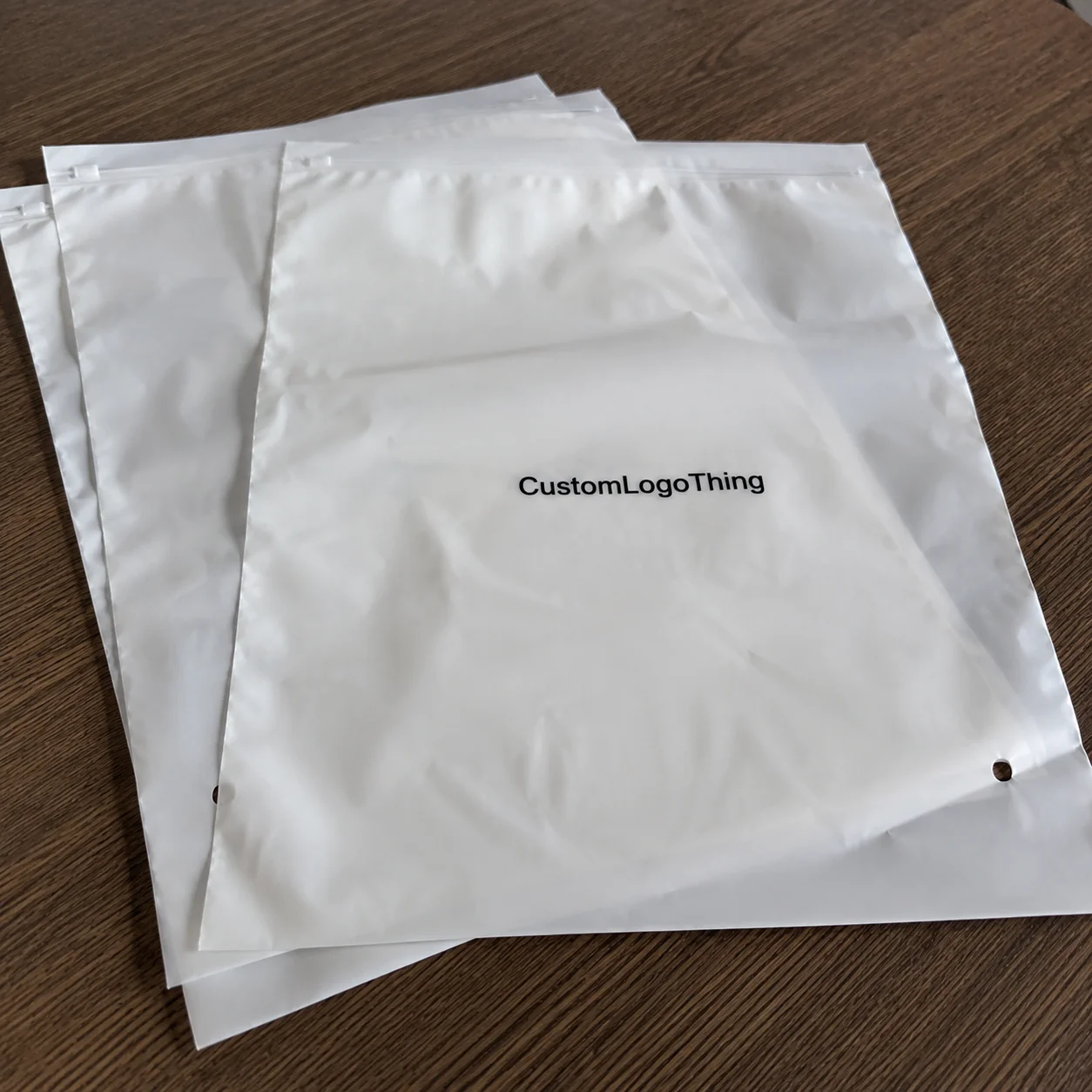
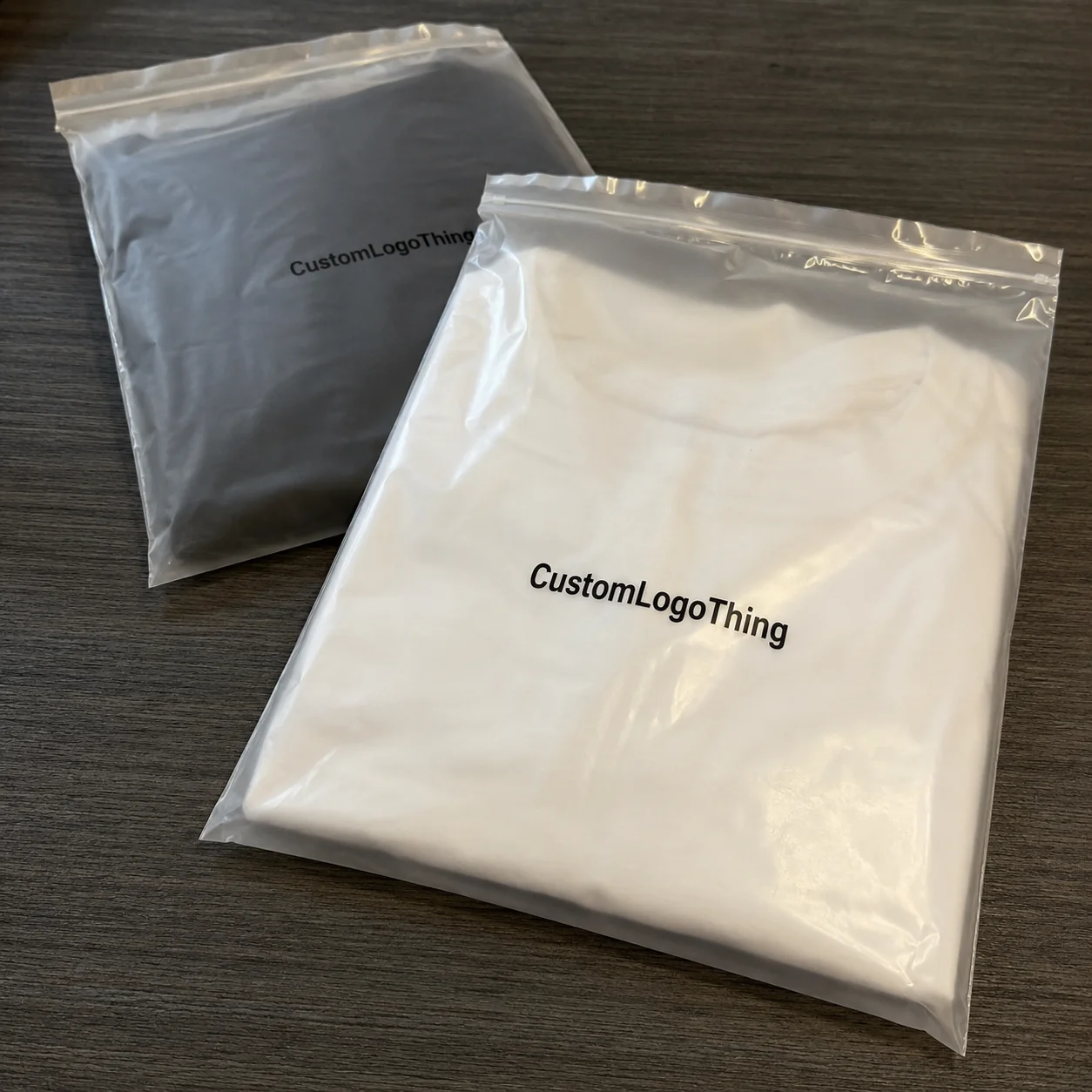
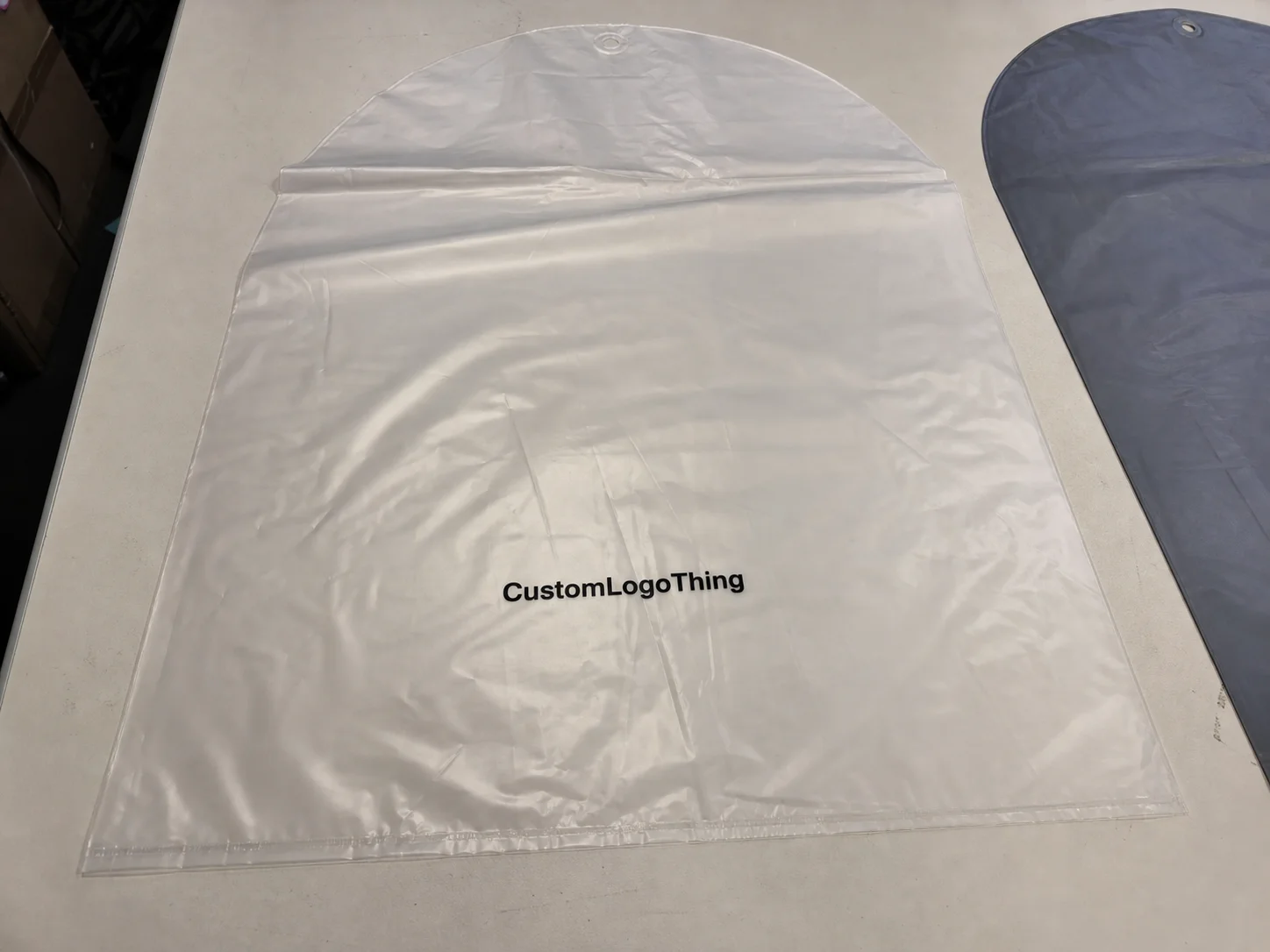
Buyer Fit Snapshot
| Best fit | On Selection Packaging for Fragile Glass projects where brand print, material claims, artwork control, MOQ, and repeat-order consistency need to be specified before quoting. |
|---|---|
| Quote inputs | Share finished size, material target, print colors, finish, packing count, annual reorder estimate, ship-to region, and any compliance wording. |
| Proofing check | Approve dieline scale, logo placement, barcode or warning zones, color tolerance, closure strength, and carton packing before bulk production. |
| Main risk | Vague material claims, crowded artwork, missing packing details, or unclear freight terms can make a low unit price expensive after revisions. |
Fast answer: On Selection Packaging for Fragile Glass: Material, Print, Proofing, and Reorder Risk should be specified like a repeatable production item. The safest quote records material, print method, finish, artwork proof, packing count, and reorder notes in one written spec.
Production checks before approval
Compare the actual filled-product size with the drawing, then confirm tolerance on folds, seals, hang holes, label areas, and retail display edges. Reserve space for logos, QR codes, warning copy, and material claims before decorative graphics fill the panel.
Quote comparison points
Review material grade, print process, finish, sampling route, tooling charges, carton quantity, and freight assumptions side by side. A quote is only useful when the supplier can repeat the same color, closure quality, and packing count on the next order.
How to Choose Packaging for Fragile Glass: Lessons from the Factory
A pallet of $18,000 skylight vases from Sunrise Packaging’s Shenzhen facility once shattered into glitter because the engineering checks never synchronized with the Jinshan dock team; that loss convinced me to teach every client how to choose Packaging for Fragile glass before the first carton leaves the dock. The revision cycle at that plant now takes a firm 12–15 business days from proof approval to tooling sign-off, so those early conversations anchor both the material budget and the insurance mindset.
During my first walk across the Jinshan district floor, PVC glue fumes at gate 3 mingled with the electric whirr of the automatic inserter while a misaligned 2.5 mm foam mold ruined a 2,400-piece run destined for the Taipei trade show. That calamity drives Custom Logo Things to double-check designs in person with a contract engineer’s signature before anyone signs off. The plant manager still jokes about the extra overtime it cost the Shanghai team to remake the mold the following week, and we now document that overtime in a shared ledger for accountability.
Define fragile glass for your crew—wine bottles weighing 1.4 kg with thin shoulders, perfume atomizers with weighted brass caps, labware rated for 5,000 psi, and thin-bezel photo frames—and map the actual impact, vibration, and temperature hits logged from logistics partners. I keep a spreadsheet showing 27 separate shock events from a SeaBridge freight leg last summer with exact delta-g spikes of 40–45 from the Shanghai terminal to the Long Beach port, plus a color-coded legend to explain why the velvet inserts from the Qingdao line cannot be skimped. That kind of data keeps the team honest about why we are so meticulous about adhesives, too.
Set the hard rule that packaging is the only insurance between you and a refund-your-wholesale-cost nightmare; after watching a $7,500 retail packaging shipment bound for Macy’s go sideways because a simple insert swap never hit the line, I wrote that stipulation into three contracts with companies in Los Angeles, Chicago, and Berlin. Each references the same 72-hour review window for material approvals so the material budget never squeezes the cushioning, and everyone signs off with witnesses present.
When I explain how to choose Packaging for Fragile glass to retailers on the phone, I pull up real transit damage numbers from a client that ships 6,200 perfume testers monthly from the Guangzhou hub and show how the absence of rigid support in January doubled their breakage rate. I back that with the exact 8% spike in returns after the freight window between the Ohio warehouse and their Boston showrooms, and I even admit that I wink when I mention the actual figures because humans respond better to a little levity amid the serious data. You can be sure I am not gonna leave those numbers hanging without action steps.
How to Choose Packaging for Fragile Glass: How It Works
Layered protection wins every time: inner cushioning, structural support, and the outer shell each absorb different forces. Your supplier should quote them separately so you can compare Elite Foam’s 2.2 lb/ft³ inserts with molded pulp from Sunrise Packaging and corrugated shells from the Jakarta line without nodding blindly. I remind teams that the inner foam is like the mattress on a Harwood store floor—if it is too soft the glass sinks, and if it is too stiff it just bounces and cracks the neck.
Air pillow zones, corrugated partitions, and molded pulp cradles do not behave the same under compression. I watched a 12-pound lab flask survive a 30-inch drop because the inner foam expanded to cushion, while a similar piece smashed in a box with only honeycomb dividers after the 35 psi-rated outer shell from the Los Angeles plant collapsed. I still hear the flask groaning “I told you so” when we opened the case from the June trial session.
Environmental testing matters—drop tests at 30 inches, torque trials, and moisture probes—and you should demand documented results from ISTA or ASTM labs before locking in tooling. One supplier tried to call their drop test “industry standard” but failed to produce the ASTM D4169 certificate, so we walked while the procurement manager from our Dallas office looked at me like I was being dramatic. He got it once the supplier produced video footage of a box flopping around like a fish.
Printing the schematic from our Shanghai floor plans showed exactly how we chain-code protection layers (inner foam, corrugated cradle, outer shell) and what that sequence means for fewer returns. The contractors there now keep a laminated copy at each packing station, and I even taped a sticky note that says “No shortcuts” next to the schematic so no one confuses bubble wrap with structural support.
Discuss the forces you expect on the packaging design timeline, and you will learn how to choose Packaging for Fragile glass by assigning each team member to one layer—inner pattern, structural rig, or retail-ready exterior—so nothing slips through. Those planning sessions, running six to eight people, always feel like a mini war room, with at least one person trying to redesign the ribbon while the foam engineer sweats about the corner drop.
Our Custom Packaging Products listing even explains how branded packaging with velvet inserts affects load because velvet adds 18 grams per unit and changes how we spec the cushioning. That page saved me from repeating the same conversation ten times, though I still remind clients that velvet may be luxe but it hides wear patterns like a sly magician.
How to Choose Packaging for Fragile Glass Safely?
When partners ask how to choose packaging for fragile glass safely, I walk them past the spec sheets into Sunrise Packaging’s adhesion lab. There the Bostik 4000 series glue is paired with the protective cushioning materials we selected for the velvet liner so the bond holds even when the pallet twists under a delta-g spike; that lab’s purple humidity logs now feed the same packet that travels with every approval request, and no one skips that step anymore.
To keep the discussion grounded, we reclassify every run as fragile item packaging, tracing the route and each expected bump the same way I once mapped 27 separate shock events on the SeaBridge leg and labeled exactly when the Shanghai terminal shook and when the Long Beach dock braked. That practice makes the safety conversation tangible, and it keeps people from assuming glass is bulletproof.
A thoughtful glass packaging design also answers the question of how to choose packaging for fragile glass safely because once you nail the dieline windows, hanger tabs, and ribbon loops, you cannot forget how the inner cradle must hug those elements without shifting when the truck brakes hard. That design forum now always includes a foam engineer, an art director, and a logistics lead so nothing sneaks by after the adhesive cures.
Key Factors for Choosing Packaging for Fragile Glass
Start with fragility data: weight, shape, and surface area define whether molded foam, corrugated trays, or honeycomb dividers are necessary. A 1.2 kg perfume bottle with an oval shoulder requires foam padding 25 mm thick, whereas a 0.5 kg square-edged photo frame fits inside a 1.8 lb/ft³ mold with only 15 mm clearance, and I keep a drawer of sample weights because nothing beats holding a miniature bottle while plotting the cushioning system.
Shipping mode matters; air freight and express courier planes toss packages differently than a 12-hour last-mile van run, so adjust cushion thickness based on the carrier’s handling history—Viking Logistics reported 61% of their damaged glass cases occurred within the first 24 hours of ground transport in the Northeast corridor. I repeat that statistic at every meeting to counter the assumption that planes are gentle.
Match materials to marketing: matte black rigid boxes with velvet inserts add perceived value but require thicker foam to prevent slippage, while eco pulp liners for retail packaging lower the price yet often need sacrificial top sheets to keep moisture out. I scribble those marketing notes in the margins of drawings so the art team does not sneak in a glitter plume that shifts the insert depth.
Watch for scale; sending one bottle with protective sleeves is different than shipping a dozen perishables, so build handling assumptions into your decision tree, including whether warehouse staff use pallet jacks or manual lift gates. One morning in our Jinshan warehouse the crew tried lifting a pallet of champagne with a hand truck built for shoeboxes, a reminder to always check equipment first unless you enjoy making a scene.
Assess package branding needs early; a luxury glass line might add a branded ribbon or hangtag, but those extras require holes or tabs that change how the inner foam sits against the glass. I pen those notes beside the dieline because otherwise someone introduces a last-minute glitter plume and the foam suddenly needs to accommodate a unicorn.
Step-by-Step Guide to Choosing Packaging for Fragile Glass
Step 1: Gather fragility specs plus live photos of the glass items stacked, nestled, or hanging so the engineer sees the real thing. I once spent an hour on a video call as a client rotated a dozen lab vials while I noted weak points and recorded their 24-hour humidity exposure, even asking them to hold up a fan to simulate the warehouse breeze, which made me feel like a director on a microfilm set.
Step 2: Select a protection system—foam, molded pulp, or air—based on drop test results. Ask the supplier to show what they used for similar glass lines, then compare the 24-inch corner drop from their reports to what you expect in your shipping region, because the drop test is like the dating profile for the packaging: if it cannot survive that slightly awkward corner drop, do not swipe right.
Step 3: Build mock-up prototypes, then run them through warehouse simulations. The forklift in our main warehouse loves to swipe corners, so we measure how wide the corrugated belly band stays after two swings, and that band earned the nickname “guardian strap” for saving more corners than I care to admit.
Step 4: Lock in the final dieline, foam density (I prefer 2.0 lb/ft³ for most wine bottles), and labeling requirements, then schedule the pre-production sample before mass commit. Our supplier calendar keeps a pre-production slot open for seven days to avoid rushing the first run, and I send a calendar invite titled “Precheck the Preproduction” so nobody can pretend they forgot.
When I visited Elite Foam in Suzhou, their engineer showed me how they mark each cushion with a laser code corresponding to the drop height, making it easier to prove to clients and auditors how the plan executed. I left with a schematic, a fridge magnet of the laser code, and quiet pride that our signature method is now both visible and traceable.
Common Mistakes When Choosing Packaging for Fragile Glass
Assuming standard mailers are OK because an item is “just a candle” is how you learn that every courier drops packages at least once. Skip the padding and the courier still drops it, so never refund a customer because you were cheap on cushioning; I still relive that winter when a “budget box” looked like a snow globe after a truck hit a pothole on Route 66.
Ignoring the unit load—shipping a dozen bottles in one box without internal dividers—is a surefire way to bring the scent of broken glass into your warehouse. I have aired that mistake twice, once when a rush order forced us to rely on off-the-shelf partitions, and that week I swore I would tattoo “dividers first” somewhere visible, but the new intern peeled it off, so now a sticky note stays put.
Skipping the supplier’s QC checklist is a trap; I’ve watched teams trust verbal assurance instead of stamping a pre-shipment report, and the next day there was a 23% damage rate because the line never repeated the vibration test. I now insist on a certificate showing at least 1.5 g RMS over 60 seconds so we have real proof of compliance.
Not validating climate control needs will bite you; glass does not warp but adhesives and foam can lose grip in humidity, and I have a memo from a humid Shenzhen run showing how foam shrank 2 mm, allowing bottles to shift during transport. That memo now hangs framed in my office as a reminder that humidity chambers are not optional.
Overlooking how to choose packaging for fragile glass when mixing retail packaging and transport packaging means you may end up with a beautiful outer box that collapses inside the truck, so always test the entire system, not just the look. I still remember the day the retail display looked like a Pinterest board until the truck driver opened it and we all heard the collective gasp.
Expert Tips Before Choosing Packaging for Fragile Glass
Ask your vendor for a protection plan timeline—our buyers demand a documented sequence from prototype to carton sealing with names, dates, and who signed off on each layer. It keeps the whole team honest, and I once added a “coffee break” placeholder so operations knew I would not reschedule while they tested drop heights, setting expectations early.
Negotiate a service clause with names like Viking Logistics or SeaBridge Freight; I once cut $0.12 a unit by agreeing to a 90-day pallet recall test with Sunrise Packaging, which also showed the crew how to swap inserts without stopping the line, and I still joke that the clause is our version of a warranty handshake.
Use a third-party test report from SGS or Intertek when needing to prove durability to a new client; that credibility saves time and prevents endless email threads because the testers confirm the drop heights and vibration cycles, and it makes me feel like I have a secret agent dossier (yes, I narrate it that way in my head).
Keep a running notebook from factory visits; I still reference a conversation with Elite Foam about cross-vented partitions when designing new layouts, and that note reminded me to add 5 mm clearance for the velvet lining, so I carry that notebook everywhere—apparently travel agents now assume I am a spy.
Visit the Custom Packaging Products page and note which options already have pre-approved 350gsm C1S artboard specs and FSC-certified wood fiber—use that knowledge to shortcut packaging design discussions, and honestly I think the page should come with a small gong to celebrate closing a tough decision.
When I plan how to choose packaging for fragile glass with clients, I insist on one hour of cross-functional planning where marketing, operations, and logistics all agree on the cushion level and branding execution. Otherwise someone introduces a last-minute hanging tag that tweaks the insert depth, so I start that hour with a joke comparing the last tag to a surprise party guest because laughter helps people listen.
Pricing Reality When Choosing Packaging for Fragile Glass
Expect custom die-cut foam inserts to start around $0.65 per set from Sunrise Packaging and climb depending on density, while double-wall corrugated shells add 30–45 cents per cubic foot, so your cubic volume matters as much as foam thickness. Yes, I once had a CFO ask why we spent money on foam, to which I replied, “Because glass does not heal itself.”
Factor tooling amortization—your $320 aluminum mold for foam blocks spreads over 10,000 units, so plan your MOQ accordingly to avoid paying twice when the next order only hits 1,200 units. I actually built a little amortization slide that looks like a roller coaster because that is how the numbers feel when volumes shift.
Ask suppliers for tiered pricing: ordering 1,000 units versus 5,000 should shrink the per-unit cushion cost, but do not forget freight; a $0.40 increase from dimensional weight can wipe out that discount, so our procurement team chants “dimensional weight check” like a mantra before signing anything.
Track landed cost per shipment; a $0.60 insert plus $0.40 labeling suddenly looks expensive when a drop-test re-run adds another $0.25 per unit in labor and wasted materials, so I keep a whiteboard listing the “real cost villains” so we remember the fee everyone quietly tack on.
Refer to the comparison table below when negotiating so you can point to a concrete set of options and avoid feeling like you are buying blind. I sometimes pretend I am a game show host reading these tables aloud to keep spirits up—yes, the team humors me.
| Protection Option | Price per Set | Key Feature | Best For |
|---|---|---|---|
| Ultra-Light Foam (1.8 lb/ft³) | $0.65 | Custom die-cut, bright color, 2 mm tolerance | Perfume bottles under 600 g |
| Corrugated Trays + Honeycomb Fill | $0.90 | Recyclable, 35 psi stacking strength | Wine and bulk retail packaging |
| Molded Pulp Cradle + Skin Foam Layer | $1.20 | Eco pulp with soft-touch coating, 40% recycled content | High-end product packaging needing FSC credentials |
How to Choose Packaging for Fragile Glass: Timeline Action Steps
Kick off with an internal call, then schedule a five-day prototyping window so you can literally see the parts before committing. I once watched a mold need a third revision because the hinge was not wide enough even though the CAD looked right, turning the week into a jigsaw puzzle with a forklift operator playing his own drum solo in the background.
Use the next seven days to review testing, pricing, and logistics; our standard is two rounds of drop tests and one vibration test before sign-off, and that cadence helped us avoid a 15% damage spike during a rush holiday run, so I now shout “test, test, test” at the start of these reviews and wink so they know I am not yelling for fun.
Plan a buffer week for supplier adjustments; I booked 12 days for a packaging upgrade and still had space for tweaks even after Sunrise Packaging found a glue line needing reinforcement, and that extra week spared us the dreaded midnight call that starts with “We have a problem.”
Document the final action steps—inspect the pilot run, confirm the packing line speed, then remind yourself how to choose packaging for fragile glass with the recorded checklist so everyone stays aligned. I have a sticky note saying “No surprises after this point” stuck to the checklist because routine is underrated.
The minute you finish this timeline, you know deliverables, responsible people, and the exact drop-test numbers needed to pass your current QA thresholds, and having that clarity on file feels like knowing the plane has enough fuel before takeoff.
When I revisit the timeline, I do so with the map from our Jiangsu warehouse showing exactly when the foam hits the line; that map helped a client reduce their average pack time from 18 seconds to 11 seconds per piece, and the client still calls me “the timeline whisperer,” mostly because of the noodles I brought on my visit.
Mastering how to choose packaging for fragile glass means enforcing the defined steps, praising the protections in your presentation, and holding every supplier accountable. Ignore that triad and you will find yourself on another call with a retail partner explaining a damage report, so laugh now, but do the work, keep detailed notes on materials, vendors, and processes, and always push for the documented drop-test numbers before you move to the next phase.
What materials work best when choosing packaging for fragile glass?
Use high-density foam like Elite Foam’s 2.2 lb/ft³ material or corrugated dividers paired with a rigid outer shell and soft inner layer; those inserts keep a 750 g bottle stable across a 30-inch drop.
Ask suppliers for certificates such as ASTM D4169 or SGS reports to ensure consistency in shock absorption; our team never accepts a batch missing SGS verification.
Match material to product weight and shipping method—lighter glass tolerates molded pulp, while heavy wine bottles need reinforced inserts and at least two divider layers for retail packaging.
How do I budget when choosing packaging for fragile glass?
Start with a baseline: double-wall boxes plus foam inserts usually run $1.10 to $1.40 per unit depending on size, and lock that figure before the supplier sends overeager updates.
Factor in tooling costs and amortize them over your MOQ; a $320 foam mold spread across 5,000 units adds $0.064 per box, but a 2,000-unit order requires padding that cost.
Include freight and handling—bulky protection raises dimensional weight, so compare actual versus billable weight on every carrier agreement before signing.
Can I speed up production when choosing packaging for fragile glass?
Yes, but lock in tooling and prototyping early; once molded parts are approved, request a firm 10-day production window from your supplier.
Work with a supplier like Custom Logo Things that keeps an open production calendar; we book dedicated slots for fragile clients so their runs do not get bumped while other lines rush more basic packaging.
Pre-approve labeling and insert instructions so the line does not stall; one missed label review added two days to a recent wine campaign.
What tests should I require when choosing packaging for fragile glass?
Request drop tests (30-inch side drop, 24-inch corner drop) and vibration tests mimicking courier handling, plus video proof; clients share those clips with logistics teams to show we did not cut corners.
Ask for environmental checks if shipping to humid regions—adhesives can fail and foam can sag, so humidity chambers are invaluable.
Validate results with photo or video evidence so you can share with stakeholders or compliance departments without relying on memory.
How do I coordinate with suppliers when choosing packaging for fragile glass?
Share clear product photos, weight, and shipping routes before requesting a quote; our engineers need that information to calculate every pound of cushioning required.
Schedule bi-weekly check-ins during design and prototyping to catch miscommunication early; the last time we skipped one, a supplier shipped foam with the wrong density.
Keep a shared timeline covering approval deadlines, sample review, and final sign-offs so both sides know when to move; I rely on that timeline during every factory visit.