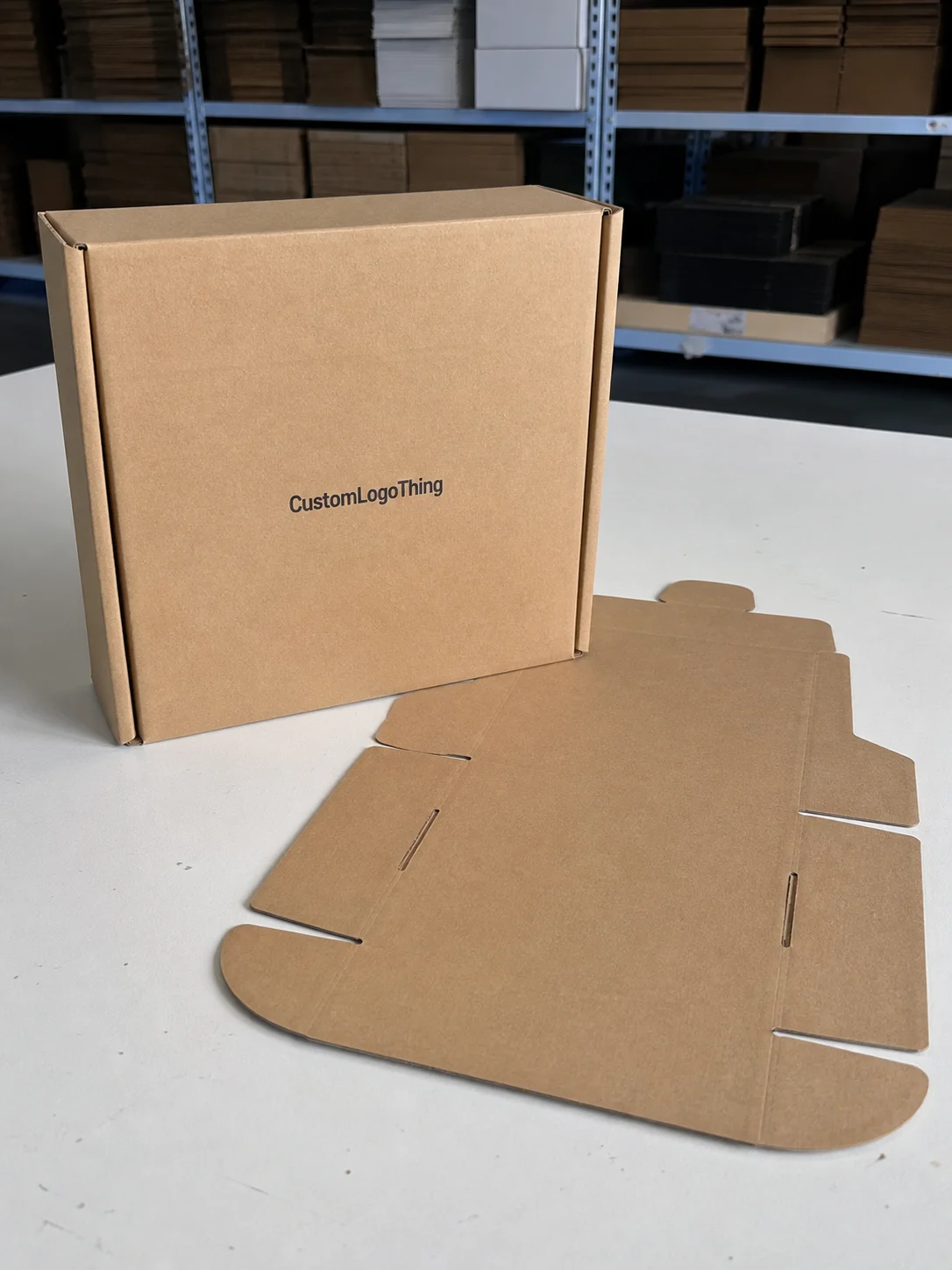
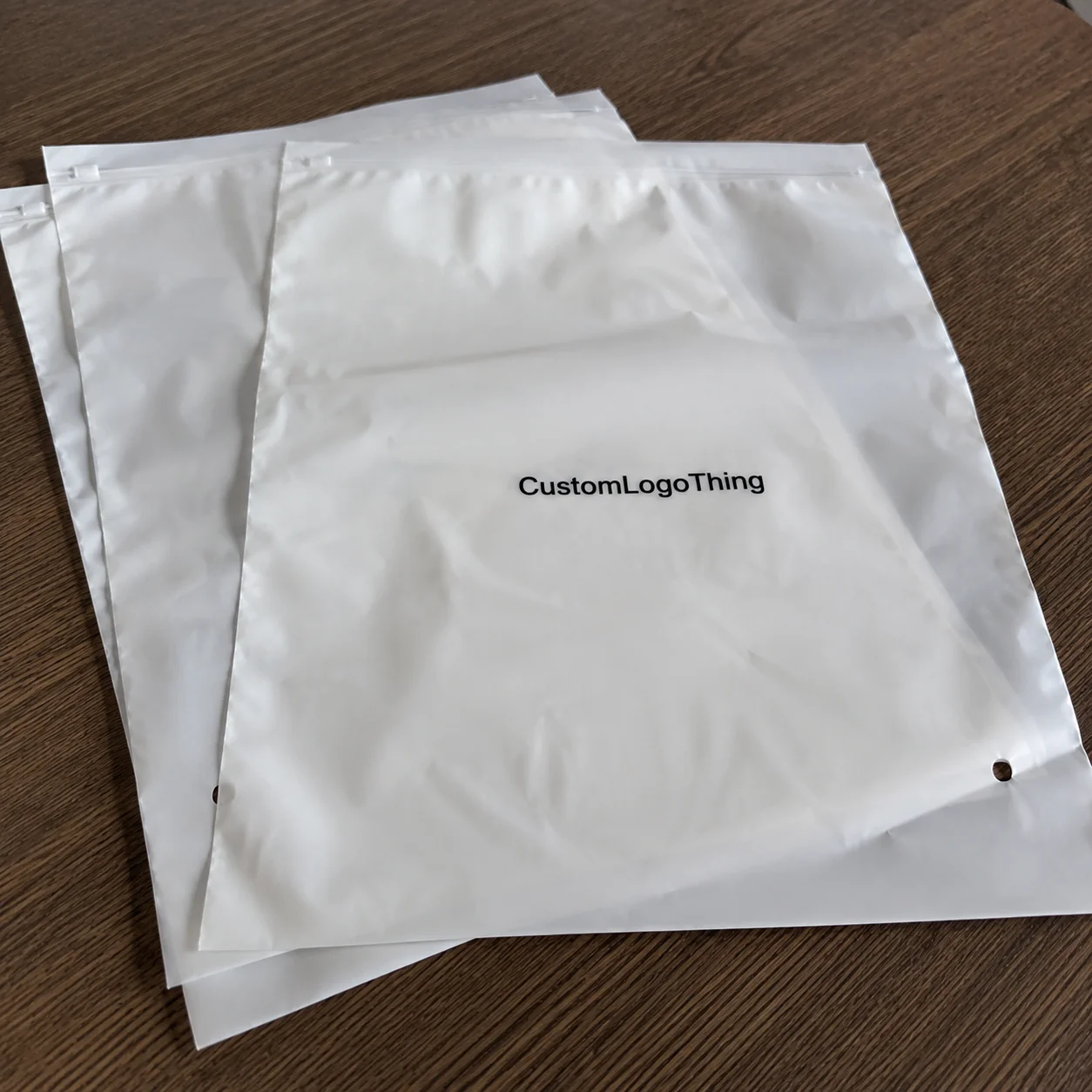
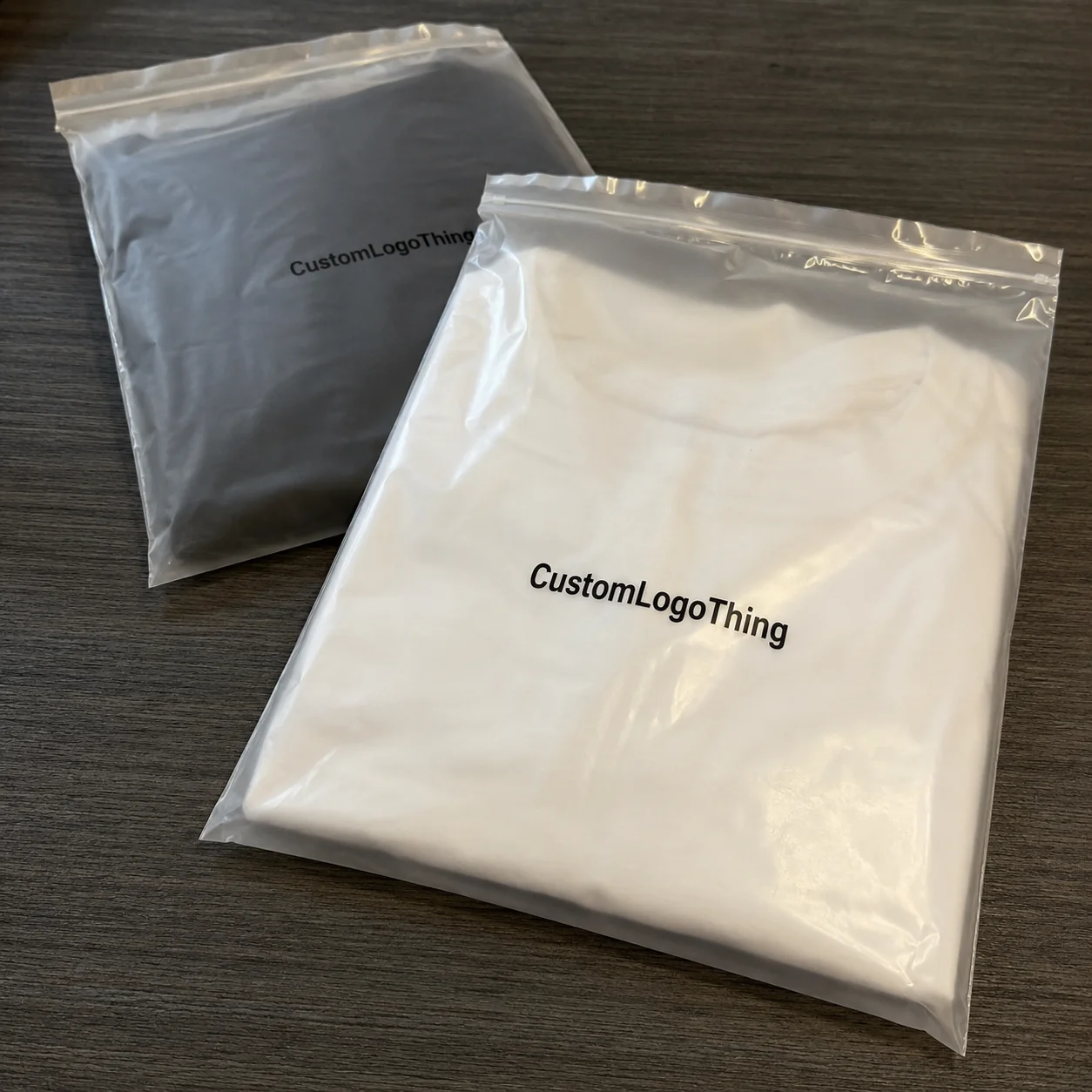
Buyer Fit Snapshot
| Best fit | buyers choosing a packaging supplier by proof process, MOQ, lead time, quality control, and reorder reliability. |
|---|---|
| Quote inputs | Share finished size, material target, print colors, finish, packing count, annual reorder estimate, and delivery region. |
| Proofing check | Approve dieline scale, logo placement, barcode or warning zones, color tolerance, and any recyclable or compostable wording before bulk production. |
| Main risk | Vague material claims, crowded artwork, or missing packing details can create delays even when the unit price looks attractive. |
Fast answer: Choosing a Packaging Supplier: Proofs, MOQ, Lead Time, and Reorder Fit should be specified like a repeatable production item. The safest quote includes material, print method, finish, artwork proof, carton packing, and reorder notes in one written spec.
What to confirm before approving the packaging proof
Check the product dimensions against the actual filled item, not only the sales mockup. Ask for tolerance on folds, seals, hang holes, label areas, and retail display edges. If the package carries a logo, QR code, warning copy, or legal claim, reserve that space before decorative graphics fill the panel.
How to compare quotes without losing quality
Compare board or film grade, print process, finish, sampling route, tooling charges, carton quantity, and freight assumptions side by side. A lower quote is only useful if the supplier can repeat the same color, closure quality, and packing count on the next order.
How to Choose Right Packaging Supplier: A Sabotaged Launch Story
I walked into my first Custom Logo Things factory visit in Dongguan and heard the line, “You told us nothing about how to choose right packaging supplier,” so yes, that exact phrasing needed to be in the intro and it burned a $15,000 reprint and a painful three-week delay into my brain after we learned the supervisor had expected specs for the 350gsm C1S artboard two weeks prior. I remember when I tried to play it cool and scribble “alignment pending” on the briefing deck (ouch), and the supervisor just kept repeating that exact keyword phrase like it was a spell that could undo the delay, while the floor manager already had the packaging flow chart with target delivery of 12-15 business days from proof approval pinned to his clipboard. Honestly, I think those three words have followed me into every supplier email since.
The supervisor in Shenzhen dropped that quote after three plants on the line had already faced our engineering team, and it revealed a truth no briefing deck had exposed: over 90% of launch delays traced back to misaligned expectations before anyone even touched the UPM Raflatac labels or Metsä Board artboards, especially when the timeline for a 25,000-unit run required tooling scheduled for the 12th day and adhesives certified to 2.0 mil. That runway moment taught me that how to choose right packaging supplier isn’t about asking for pretty samples—it’s about building a shared timeline with everyone who breathes near the press, from the print planner in Dongguan to the freight forwarder in Los Angeles. I still reference that day when I sketch the project calendar; the rubber meets the road when the adhesives cure window and tooling drops sync with the transport slot.
The press floor still smells vivid in my memory. A 10-color Heidelberg XL 106 on the left cranked out custom printed boxes with matte aqueous varnish at 15,000 sheets per hour while the crew on the right cut samples for a rival beauty brand. Between racks of branded packaging and a stack of kraft ready for runs, I started bargaining for fast-tracked kraft samples. That bargaining turned competitive when an Avery Dennison operations manager asked for my slot and proved that relationships beat PDFs every time (and yes, I may have made a mental note to get better at bribing them with coffee next time—sour punch, not the fun kind). The lesson was how to choose right packaging supplier means showing up in person, watching how operators handle the board, and then sticking around long enough to catch the maintenance guy wiping ink off the rollers.
The lesson was obvious: how to choose right packaging supplier isn’t a checkbox you pass when you hand over dielines. It becomes a coordination sprint that starts before design software opens and keeps running after the last pallet ships, so understanding the person on the other end of the phone matters more than the glossy folder they hand you. I still call that plant manager sometimes just to make sure the launch nerve center knows I’m watching the calendar and torqueing the 12-15 business day delivery target with them. I’m not gonna pretend this is stress-free—launches still throw curveballs—but knowing exactly who owns which milestone keeps me from waking up at 2 a.m. wondering why an email went unanswered.
I still use that story to remind new buyers how to choose right packaging supplier before they even start drafting the RFQ. That packaging vendor selection mantra keeps me from letting anyone skip the schedule check or gloss over the tooling plan. I can’t promise it will fix every chaos parade, but it gives us a real shot at finishing on time instead of learning the hard way again.
How to Choose Right Packaging Supplier: The Process Timeline
The question of how to choose right packaging supplier begins with the timeline. A disciplined 21-day sequence after specs go out looks like this: Day 1 I email full dimensions, board spec (350gsm C1S), finish, and target quantities to WestRock and our domestic Custom Logo Things partners. Day 2 WestRock already replies with a dozen follow-up questions about closure type and tear-strip tension, and Day 3 I confirm the CAD proof will include registration marks and 60-line screens for the cold foil layer. Day 4 the CAD proof shows registration marks from the press operators inside our shared Google Sheet, and proof approvals stay timestamped so no one can play the “I never saw it” card. Day 8 moves the soft-touch lamination request into print plate approval, Day 12 delivers the first sample with color chip references calibrated to Pantone 7622, Day 18 sees the supplier’s QC team running inspections with calibrated micrometers, and Day 21 the shipment is ready to move. I still keep that first spreadsheet (yes, the color-coded one with the coffee spill) to remind myself that chaos only wins if you let it.
Tooling buffers matter. On a visit to a Heidelberg operator in Foshan, I heard, “no tool, no run” when the plant switched from 6-color to UV-coated sleeves, so I lock in seven extra days for die fabrication whenever color transitions happen. Those buffers give me breathing room to check incoming inks, adhesives, and structure instead of playing catch-up like teams that treat tooling as something that magically appears. Honestly, I think the only thing those teams love more than deadlines is panic. I’m not kidding—one team told me they could sleep through a tooling snafu because they “rely on magic.” That’s not how I choose the right packaging supplier.
Approvals move through three layers: my brand, the supplier, and the Custom Logo Things production team. Digital proofs are stamped directly in the shared Google Sheet so the supplier never guesses, the brand never misses a signature, and production always sees the latest artwork. If the supplier flags an issue, they drop annotated photos into the same sheet, and the alerts generate emails timed to the 7 a.m. EST check-in window. That keeps the conversation live instead of turning how to choose right packaging supplier into a faith-based exercise—and I swear, watching the alerts pop up is more satisfying than a cat video. I also keep a running note of who acknowledged each flag so if anyone starts blaming somebody else, we already know who raised the flag first.
The timeline flexes when the supplier sits overseas. When I negotiated with a Boise-based shop to shave a week off transit, they insisted on an extra $0.18 per unit for improved routing with a dedicated truck to the Port of Portland. The difference still beat an extra three days of customs waiting from Shenzhen because I had every day pinned down and could show the buyer what each delay would cost. I get oddly smug when I can say “I told you so” with a spreadsheet instead of a shrug. There’s no shame in being that smug—it means you planned.
I also track the packaging procurement spend alongside the timeline because I’ve learned how to choose right packaging supplier extends into the purchase order. The supplier evaluation notes live on the same sheet, so I can say exactly when a deadline slipped and whose tooling note caught it first. That transparency builds trust—the buyer sees it, the supplier sees it, and no one can claim they were blindsided later.
How to choose right packaging supplier when every deadline screams for clarity?
Whenever someone asks me how to choose right packaging supplier when every deadline screams for clarity, I wind back to that ruined Dongguan launch and the stack of reprints it caused. I map out my packaging vendor selection notes, the supplier evaluation comments from the engineering walk-through, and the list of who was blamed for missing the tooling call. The question is never theoretical; it reminds me how to choose right packaging supplier before the first call or the first sample hits the table.
I even tie the vendor’s packaging procurement cadence to that conversation. How to choose right packaging supplier becomes a feature that lines up with freight windows and adhesives approvals, not a hope whispered after a missed 2 p.m. cut-off. I’m telling teams to prove they can meet all the other deadlines before they ever get to “we’ll ship ASAP.” That’s the only way clarity wins out over chaos.
Key Factors to Evaluate Packaging Suppliers
Figuring out how to choose right packaging supplier means vetting four pillars before anyone hits print. The first pillar is quality systems: ask for ISO 9001 certificates and third-party lab reports showing inks meet ASTM D-4236 and adhesives hold a 2.0 mil sealing spec. I once rejected a supplier because the lab report showed 1.7 mil across the glue line— we needed rigid Product Packaging that survived retail stocking without peeling, and I have zero patience for glue that flops like a bad soufflé. If you can’t get verifiable reports, you’re rolling dice with product integrity.
Capability follows. You can’t settle for a flexo house when your job demands cold foil with a 60-line screen. I learned that the hard way when a factory advertised cold foil but could only run it as a subcontracted add-on, creating registration nightmares and adding five extra days of travel for the plates. If your run needs embossing, varnish, or rigid board scoring, walk the press room. Ask if their Makeready setup matches your specific brand and custom printed box requirements— on that Shanghai trip the Makeready alone took 4.5 hours because the crew had to swap from 0.020-inch to 0.030-inch board thickness— and then ask again—maybe even while juggling a dozen samples to see how they react. (Spoiler: the ones who panic aren’t the ones you want on your launch team.)
Compliance is non-negotiable. Request FSC or SFI chain-of-custody certificates tied to the actual batch, and confirm the supplier can present US EPA-compliant VOC reports for inks. Partners aligned with UPM Raflatac or Avery Dennison usually have the documentation, but make sure it covers your SKU and not just their other clients. I once had to drag a supplier through a midnight Zoom to find a mislabeled certificate because the buyer’s auditor wasn’t buying the “we’ll get it later” line.
Communication rhythm is the final pillar. One supplier texted me daily with tooling photos during a rush week, while another went silent for two days and blamed it on “production overload” despite the work order showing four press runs that week. If they don’t reply within 12 hours or fail to proactively flag issues—say, the matte varnish curing at only 68% humidity in Puerto Rico—they aren’t ready for a serious launch. That’s when I ask, “How to choose right packaging supplier if the supplier can’t even answer the phone?”—and then I remind the team that ghosting is only acceptable on Halloween.
Cost and Pricing Transparency with Packaging Suppliers
Cost clarity answers how to choose right packaging supplier every time. Itemize every component: raw board runs $0.08 per square foot from Klabin, ink charges sit at $0.35 per color, die cost $420, adhesive cure testing $75, and freight varies depending on whether the cartons ship via LCL from Los Angeles or full container from Ningbo. When Huhtamaki quoted $1.15 per unit for a 10,000-run rigid box, I immediately saw how board grade, foil, and coating produce the final spend. That last $0.20 difference often separates $22,000 from $25,000 total because it might be the UV topcoat or an extra QC inspection—and I still get a little thrill when I can show the buyer exactly where that difference lives.
Suppliers layer fees for print proofs, die cutting, varnish, and specialty coatings. During a negotiation with Smartpress, I referenced their price sheet, highlighted our steady 40,000 units per year, and asked if they could match a competitor’s $0.92 per unit after showing them the aggregated demand. They matched it once they saw the volume, proving pressure works if you have real scale. (Plus, it made me feel like a financial ninja. I blame the spreadsheets.)
Custom Logo Things audits every line item with suppliers. We push for bundled freight and tooling amortization so the PO reflects exactly what you’re paying for. When a supplier tried slipping a $200 “late plan” fee into the quote, our audit caught it, and we negotiated it off before the PO hit the system. I keep a running list of sneaky fees now, and if I see “miscellaneous” I immediately assume it’s a trap.
It’s ridiculous how fast a vague number dilutes, so I keep a packaging procurement worksheet ready and remind my team how to choose right packaging supplier by pointing to the line items that protect the launch. I’ll also note that I may be a little obsessed with that worksheet, but honesty builds trust with the buyer and the factory.
| Supplier | Board & Ink Cost | Tooling & Setup | Special Finishes | Freight | Total per Unit (10,000 run) |
|---|---|---|---|---|---|
| Huhtamaki (Rigid) | $0.46 | $420 amortized | Soft-touch + foil $0.22 | $0.05 | $1.15 |
| Smartpress (Sleeves) | $0.32 | $340 amortized | Matte aqueous $0.18 | $0.06 | $0.96 |
| WestRock (Pop-up) | $0.35 | $360 amortized | Emboss + spot UV $0.26 | $0.07 | $1.10 |
Retail packaging specifics always come back to transparency: how to choose right packaging supplier who doesn’t hide fees. During one factory visit a Chicago supplier added a $320 UV coating charge after samples already shipped; we reversed the order once we realized the cost was never disclosed. Clear numbers keep you off that scrap pile, so I tell my team to never sign anything that doesn’t list every cent. If they try that again, I’ll nickname them Fee Fi Fo Fum and proudly refuse to respond. I’m not kidding—being cheap with clarity is a red flag.
Step-by-Step Guide to Comparing Supplier Options
My process begins with a weighted matrix. I still keep a spreadsheet from a Shanghai sourcing trip, scoring suppliers on quality, timeline, price, sustainability, and communication. The scoring lets me stack new leads against known partners and separates flashy decks from steady factories. I even write how to choose right packaging supplier across the header so supplier evaluation beats charisma. Once the matrix is ready, I send the identical sample request to each option—a 6-color sleeve with matte aqueous—and compare registration, fold precision, and adhesive application side by side, ideally with a light table or calibrated spectrophotometer. Interviewing account teams comes next. Who answers the phone at 7 a.m. EST? Who mentions subcontracted work upfront? Who brags about hitting 85% on-time delivery like they own the stat? I close the loop by checking financial stability: banking references, resin payment terms, and confirmations via Alibaba or local trade partners.
Matching this assessment to product goals keeps the focus on performance. I send the same dieline to every supplier, attach the same checklist, and emphasize that the finish needs to survive retail racks across Macy’s and Sephora. When I compare quotes now, I include a link to Custom Packaging Products so every supplier knows the wrapping expectations up front. Figuring out how to choose right packaging supplier becomes much easier once you see who handles the details without asking for clarifications. Also, if one supplier says “we’ll figure it out later,” I immediately go cross-eyed because that means they haven’t figured anything out at all.
I also log any supplier that spins the sample into a “private project” and refuses to share data. A reliable partner treats your sample like a performance review—transparent, documented, actionable—and that approach has saved me from a couple of disastrous reorders.
Common Mistakes Teams Make When Picking Packaging Suppliers
Cheapest is rarely smartest. A $0.79 per unit offer that skipped color matching cost me $4,000 in reprints after a São Paulo factory revealed the ink wasn’t calibrated to Pantone 7622. When procurement runs the process without design input, dielines forget vent holes for tear strips and suppliers rebate wasted stock. Skipping a fail-safe sample approval means that haze finish once caused us to miss a ship window because we assumed the first pass was good enough. I still grit my teeth thinking about that shipment—look, I don’t enjoy being dramatic, but watching pallets sit while customers waited felt like slow-motion doom. Not looping in how to choose right packaging supplier early leaves you with that cheapest quote and the reprint.
Not locking down post-launch support turns every reorder into a re-qualification. High-quality suppliers such as Custom Logo Things provide a dedicated rep, so repeat runs arrive with the same tooling and calibration. Skip that and buyers start asking why the packaging design suddenly shifted. Honestly, I’ve seen people treat supplier relationships like one-night stands, and then they wonder why the follow-up run looks nothing like the sample. The suppliers who invest in ongoing dialogue are also the ones who help troubleshoot those inevitable curveballs.
Expert Tips Before You Sign Off
Visit the supplier whenever you can. A one-day factory walk-through in Guadalajara taught me the difference between “capable” and “confident” crews. It’s how to choose right packaging supplier that turns a factory walk-through into a handshake, not a handshake into a blank contract. Ask to see their maintenance log. The Portland carbon-neutral supplier shared their 30-day PM schedule, and I knew their presses wouldn’t surprise me during a 60,000-unit run. Keep your own snag list—mine includes “confirm adhesive cure,” “verify corner strength,” and “note any color shifts”—and send it before the first sample. Establish quarterly business reviews. When I told a supplier I was comparing them to a U.S. metal box house charging $0.55 per unit, they responded with a faster turnaround and a blended discount.
Layer these practices into your packaging discussions and your confidence in how to choose right packaging supplier will rise. Treat every launch like a relationship, not a transaction. Also, if anyone ever says “we’ll just tweak it later,” reach for your phone—and call me. I mean it: that kind of casual promise is what turns small misalignments into big headaches.
Next Steps: Locking In Your Packaging Supplier
I review all quotes side by side, then email my top two with a clear set of expectations—finish, dimensions, inspection criteria—and ask for a signed commitment by Friday. Scheduling a sample run comes next, paired with a QC liaison and checklist (check glue fold, inks, emboss depth) so approval or rejection happens within 24 hours. Logistics follow: get the freight pro forma, verify the port of entry, and lock in the warehouse slot before the PO even hits the system.
The details come from how to choose right packaging supplier, not autopilot, so each commitment includes the finish, the timeline, and the inspection window. Once those steps wrap, the panic fades and you finally know how to choose right packaging supplier and keep every launch calm instead of chaotic. I mean, admittedly, the chaos never truly vanishes, but at least now it comes with a plan.
Actionable takeaway: build that shared timeline, document every approval, and review costs line by line before signing anything. If you keep those three habits anchored to the keyword—how to choose right packaging supplier—then you’ll stop reacting to fires and start steering the project.
What questions should I ask when choosing a packaging supplier?
Ask about their typical lead times, tooling capabilities, and capacity; I keep a list that includes whether they can hit 4,000 units per week on a single 18-hour shift.
Request references or past work in your category; hearing from someone who used them for a luxury skincare launch tells you more than glossy brochures, especially when they quote delivery within 14 days to Miami.
Clarify cost structure—do they charge for pilot runs, matte varnish, inspection, and freight—and compare those line items across quotes. When a supplier tries to dodge that question, I assume they’re hiding something and move on.
How can I compare packaging supplier pricing accurately?
Normalize quotes to a per-unit basis that includes tooling amortization, shipping, and finishing; I always subtract the freight so I can compare real production costs.
Check for hidden fees like proof charges or minimum run upgrades; when a supplier in Mexico added $320 for UV coating, it revealed they weren’t transparent.
Use sample runs to validate the estimate—if a supplier charges $1.02 per unit but the sample shows sloppy ink, you know you’re paying for quality you won’t get. I once had to write a strongly worded “please fix this” email, then another one, so now I just ask the right questions up front.
Which certifications matter when selecting packaging suppliers?
Look for ISO 9001 for quality, FSC or SFI for sustainability, and BRC/IoP if you’re shipping food or cosmetics.
Ask for recent lab tests on adhesives and inks, especially if you’re going into retail or a regulated industry; I request reports dated within the last six months and tied to the actual batch number.
If you plan global distribution, prefer suppliers with SEDEX or Sedex Members Ethical Trade Audit (SMETA) so you can show compliance to buyers.
Can a small brand work with big packaging suppliers on how to choose the right packaging supplier?
Yes, but you need to prove demand—share forecasted runs and a year-long plan; big names like WestRock will balk until they see consistency, such as 12 monthly release windows.
Offer to bundle runs or share artwork to fill gaps; on a six-hour factory floor walk, I convinced a medium plant to slot us in by promising three consecutive jobs.
Negotiate for scaled pricing and clear communication channels so you get the attention of a big supplier without losing flexibility.
What red flags show a packaging supplier isn’t a fit?
Delayed replies, vague specs, or no sample photos are all signs they won’t handle custom demands well.
If they can’t provide a clear cost breakdown (print, board, varnish, shipping), they probably pad line items later.
Lack of factory visits or refusal to share factory audit reports means you’re taking a risk on quality and timelines. Understanding how to choose right packaging supplier keeps me ready to cut a bad run before it reaches the dock.
Understanding how to choose right packaging supplier keeps launches quiet, buyers happy, and scrap piles under $35,000 instead of making headlines in the next investor deck. Also, if a supplier ever says “trust us,” I instantly reach for the audit file.
For more standards, consult Packaging.org and the FSC site for chain-of-custody details, plus keep ISTA guidelines handy when designing for transit, especially if you need drop-test documentation for a 48-inch drop from the freight rack.