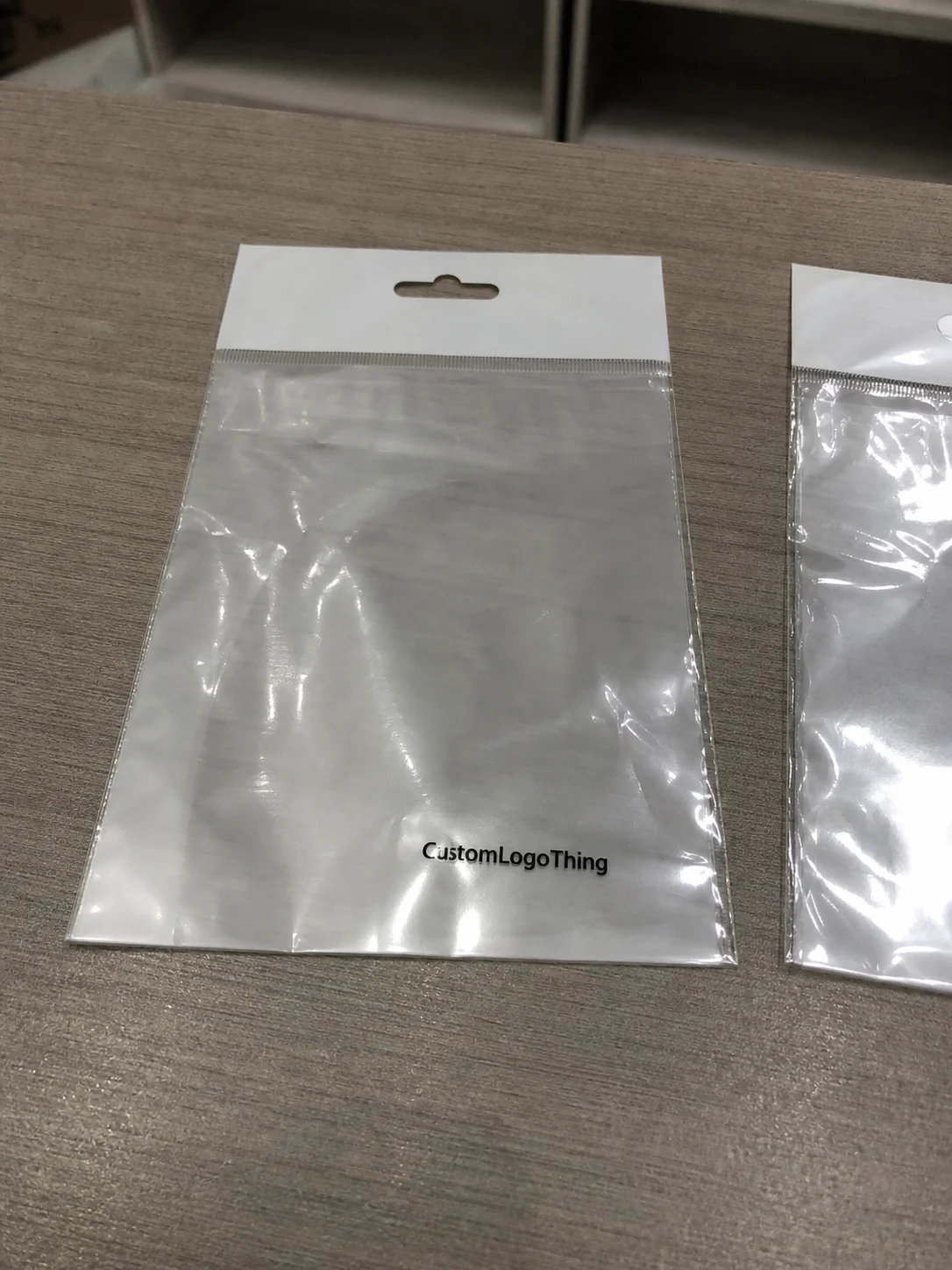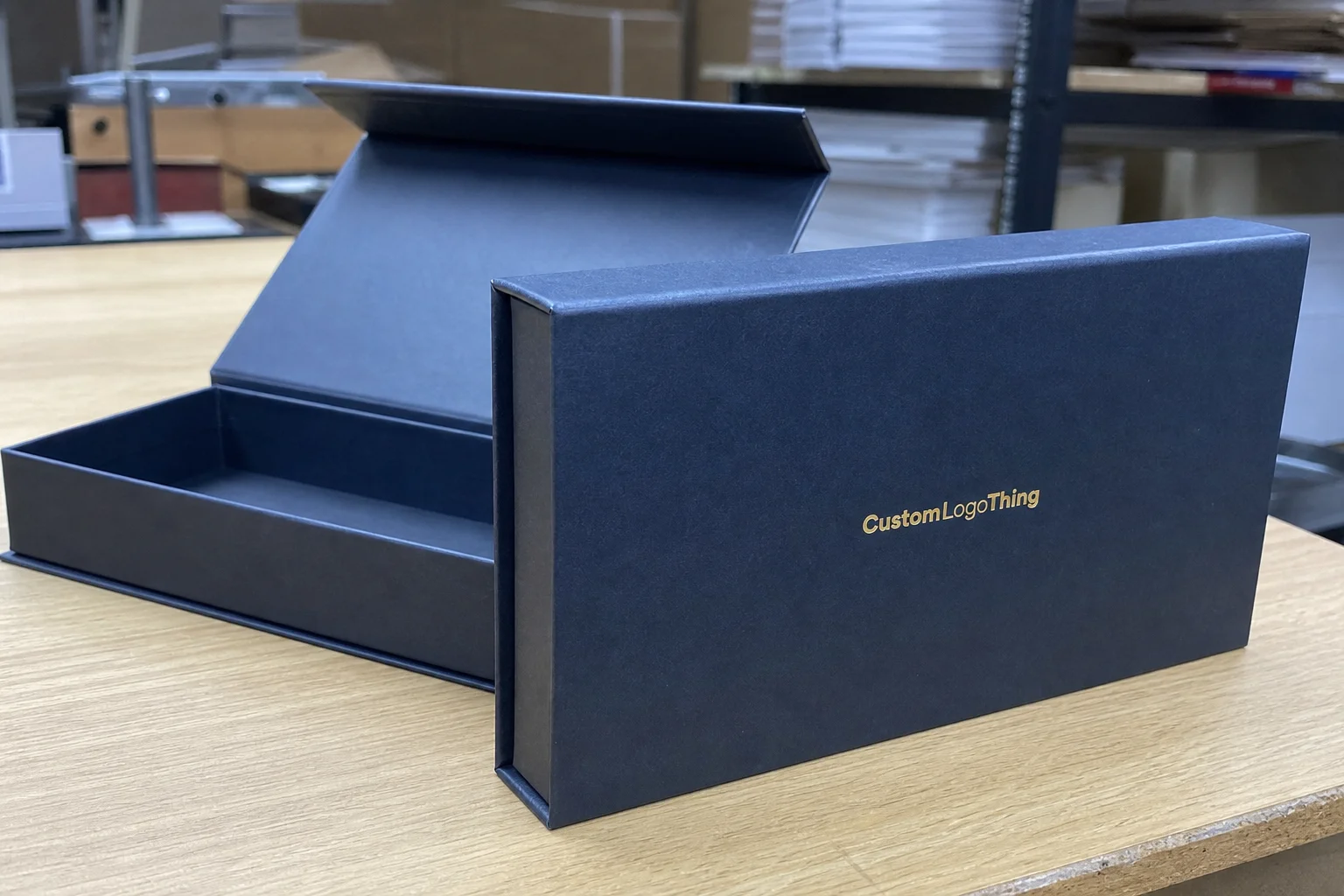
Buyer Fit Snapshot
| Best fit | clamshell packaging for packaging buyers who need material clarity, print proof, packing fit, cost control, and repeat-order reliability where brand print, material, artwork control, and repeat-order consistency matter. |
|---|---|
| Quote inputs | Share finished size, material target, print colors, finish, packing count, annual reorder estimate, and delivery region. |
| Proofing check | Approve dieline scale, logo placement, barcode or warning zones, color tolerance, and any recyclable or compostable wording before bulk production. |
| Main risk | Vague material claims, crowded artwork, or missing packing details can create delays even when the unit price looks attractive. |
Fast answer: Clamshell Packaging: Protection, Process, and Cost Checks should be specified like a repeatable production item. The safest quote includes material, print method, finish, artwork proof, carton packing, and reorder notes in one written spec.
What to confirm before approving the packaging proof
Check the product dimensions against the actual filled item, not only the sales mockup. Ask for tolerance on folds, seals, hang holes, label areas, and retail display edges. If the package carries a logo, QR code, warning copy, or legal claim, reserve that space before decorative graphics fill the panel.
How to compare quotes without losing quality
Compare board or film grade, print process, finish, sampling route, tooling charges, carton quantity, and freight assumptions side by side. A lower quote is only useful if the supplier can repeat the same color, closure quality, and packing count on the next order.
That raw question—what is clamshell packaging—was still ringing in my ears the morning I walked the 7 a.m. inspection at Custom Logo Things’ Sacramento plant. The answer I heard was not a brochure line but the hum of a servo press pushing 0.040-inch PET sheets into cavities that matched the curvature of a handheld infusion pump while the production planner noted the palletized batch represented four hours of output worth $0.15 per unit for 5,000 pieces of medical-grade PET, the same rate we hold even when the line reaches its 4,320-piece capacity during a 10-hour shift.
I keep asking what is clamshell packaging every time clients bring samples to our packaging design lab in Chicago, because the topic frames every conversation about branded packaging, retail packaging, and how to keep delicate product packaging looking premium. The assemblies have to survive a 30-inch drop test that we simulate twice a week on the lab’s 80-pound drop sled before we greenlight the tooling order.
On that same floor I noticed the night shift crews still review ISTA 6-A test data on the tablet near the line, logging the 24-hour humidity soak and the 6,000-cycle hinge fatigue readings. I mention the phrase again—what is clamshell packaging—whenever a customer underestimates the labor we invest in quality checks and tamper-evident detailing such as the dual-seal tabs that take two full minutes to affix per hundred-piece run.
I remember when I first tried to explain what is clamshell packaging to a boardroom full of finance folks; I got so into describing the hinge action and the way the 0.008-inch draft closes around the part that someone asked if I was narrating a sci-fi movie (which, honestly, I think would have been an improvement over their glazed stares). Those glazed stares gave me a moment of frustration because the nuance matters: a seam too tight and the customer fumbles, a seam too loose and the scrap pile grows like bad lettuce, and we were already tracking the yield drop from 98.7% to 95.2% when tolerances drifted beyond 0.02 inches.
Surprising Start: Why Clamshell Packaging Still Amazes
The first time I stepped onto the thermoforming floor at Custom Logo Things’ Sacramento plant, the clamshell packaging line was churning out trays at 180 pieces per minute; I expected disposable cases but instead felt like I was watching armor get formed inch by inch. Every cavity was tailored to a medical device that later passed an ASTM D4169 vibration test with room to spare and still met the 0.03-inch wall-thickness uniformity we log in the daily SPC chart.
Seeing thousands of clear PET shells flood the conveyor, each monitored by pressure sensors calibrated at 22 psi for consistent snap-fit curves, answered the practical angle of what is clamshell packaging. Our thermoforming labs cannot rely on automation alone; operators on the 3-11 p.m. shift check for grit, measure wall thickness with digital calipers, and log their findings before a multi-cavity mold is unloaded—a routine we repeat before each run scheduled in Sacramento, Louisville, or Phoenix.
That counterintuitive scene—stiff, shock-absorbing armor rising from sheets of PET, PVC, or rPET without any secondary insert—taught me that clamshell packaging is a marriage of precision tooling, quality checks, and human oversight. It made that question, “what is clamshell packaging,” more than a definition; it became a story about why we still trust clamshells for premium retail cutlery sets as well as handheld respiratory devices that ship from Houston with a 0.35 g acceleration buffer built into the cavity ribs.
Sharing the story at client meetings has helped new partners understand that the phrase what is clamshell packaging also covers how we log every cycle in the quality booklet, with an additional narrative about scrap rates, so the answer is always matched to the product’s fragility data from our QA team in Chicago and referenced back to the 32-page ISTA summary they receive before any approval.
Honestly, I think the moment when the line supervisor leans over the clipboard and says, “We’re still seeing a 0.03-inch variance,” is when the question truly gets answered—because you realize the magic is not in the clear plastic but in having someone who refuses to let tolerances wander off like a loose bolt.
Understanding what is clamshell packaging: design and materials
Understanding what is clamshell packaging starts with recognizing that it’s two molded halves joined by a hinge, designed to envelope a product with both visibility and structural support. At our Louisville facility the engineering team compares PET, PVC, and rPET not just for clarity but for LCA scores, knowing that a 0.038-inch rPET sheet gains 12 points on retailer sustainability scorecards and still meets the 0.25 mm flex rating required by our clients shipping to Atlanta and New York.
We explain that material choice impacts stiffness, recyclability, and premium sheen, so our branded packaging strategists pair clear lids with colored or textured backs to hide blunt fastening hardware. We walk clients through CAD renderings showing how wall thickness, draft angles, and snap-fit tolerances come together before a single inch of aluminum tooling is machined at our Chicago tool shop.
Transparency is key for retail packaging because shoppers want to see the product before they buy, yet we also talk about package branding by adding peel-and-stick security tabs or embossing a logo along the hinge. We factor in ergonomics for packing station workers handling trays stacked 14 inches high during night runs so those tablets and inserts stay in comfort zones.
Even for low-volume pilot runs, what is clamshell packaging includes reviewing human factors, so our Louisville engineers measure palm width and wrist range for the 6-person fulfillment teams, ensuring the pull tabs sit comfortably for workers who pack 8-hour shifts. We keep the red-flag data handy when the Boston distribution center requests a modified tear strip, documenting any trade-offs between comfort and tamper resistance.
On a recent lunch break I doodled the words “what is clamshell packaging” across a napkin and jotted down opinions like “It’s protective, but it also has to be friendly”—kinda like a handshake that keeps you honest—because anyone who’s wrestled with clamshells knows they can either feel like a hug or a headlock depending on how the ribs are designed (and I swear the rib line was staring me down that day, daring me to miscalculate the draft angle again).
How Clamshell Packaging Works on the Line
Understanding what is clamshell packaging calls for knowing the process, which begins with sheet heating inside infrared ovens rated at 120 kilowatts, softening PET until it sags before a servo-driven press forces it into female molds that reflect the product profile—just like the medical trigger gun cavity on Line 3 at our Houston hub. The vacuum-assist, pressure, and cooling stages lock in details, and each multi-cavity mold mirrors product geometry.
For gourmet knife sets we program the system to pause for a 3-second vacuum, while for electronics we reduce cycle time to 12 seconds per cavity so we maintain a 10,000-unit weekly capacity and 98.2% dimensional consistency across the 16-cavity mold. After cooling, a trimmed web undergoes die cutting to remove scrap, and automated pick-and-place robots skilled in packaging design gently separate the finished clamshell halves and deliver them to assembly stations where inserts, cards, or tamper-evident screws are added, all under the watch of our production lead who keeps track of 2.3 grams of scrap per kilogram of material.
At that stage, we also hit our timeline checkpoint, because from tooling approval to full production the lead time depends on mold complexity, raw material availability, and finishing steps like gloss coating or heat sealing printed backers. Our planners block 12 to 15 business days from prototype sign-off to full pallet load, with a buffer of two extra days for ISTA sign-off.
We always run a pilot batch through accelerated drop and ISTA snapshots, often using the guidelines from ista.org, before the order heads to the finishing center with barcode application or shrink wrapping. I’ll admit that sometimes I grow impatient waiting for the cooling cycle to finish—maybe it’s the coffee wearing off—so I’m gonna remind myself (and anyone listening) that those two extra seconds of cooling are the difference between a clamshell that flexes gracefully and one that shatters like a forgotten Christmas ornament.
Cost Considerations and Pricing Models for Clamshell Packaging
Tooling amortization dominates the budget, with aluminum molds at our Phoenix shop costing $14,500 on average and becoming economical only after 15,000 to 25,000 units, which is why we explain early what is clamshell packaging’s total expense versus a simple carded blister. Material choices influence the unit price—recycled PET might add $0.02 per unit but unlocks sustainability value and helps clients meet retailer mandates around FSC tracking, while virgin PVC can be as low as $0.18 per unit for runs of 60,000.
We present quotes in layers—design, tooling, material, processing, and post-production—and we mention that finishing services like heat sealing printed backers on 350gsm C1S artboard or adding security tabs add between $0.05 and $0.12 depending on volume and whether we glue in an insert or apply a foam cradle. Volume discounts kick in around 50,000 units because we can reduce changeovers and optimize sheet cutting, yet smaller runs remain viable thanks to modular tooling that lets us swap cavities without machining new steel, which I explained during a client briefing last spring while comparing the cost to their Custom Printed Boxes program.
To control budget, set parameters early—colors, inserts, shipping weight—so we can advise on where to reinforce the clamshell or where to thin walls without compromising protection. The sales engineer at Custom Logo Things will also review the balance between what is clamshell packaging and your overall package branding goals.
Honestly, sometimes I grumble (in a loving way) that the finance team wants every penny accounted for before we even touch the PET sheet, but I also know those conversations help us avoid surprises when the first pilot run hits a retailer’s dock.
“When we asked what is clamshell packaging, we expected a simple shell, but Custom Logo Things walked us through material specs, drop tests, and a $0.26 per-unit seal that matched our branded packaging strategy,” said the client handling our Seattle-based wearable launch.
How does what is clamshell packaging protect premium goods during transit?
When evaluating what is clamshell packaging, I start by describing the multi-point support it creates around a product—the ribs that cradle edges, the vacuum-formed shoulders that hug corners. So even a 29-inch drop test mimicking a retail shelf fall leaves no cosmetic damage and the carrier sees the same geometry they logged on the production floor.
The tamper-evident clamshells we spec for big-box launches pair that geometry with little breakaway latches, and the thermoforming packaging process adds just enough draft so consumers can open it without a tool while the product remains locked inside; we log those hinge forces in SPC reports that travel with every batch. Those protective cues also inform retail packaging design because the clear shell runs alongside printed backers or custom insert cards, and if package engineering wants to highlight a signature color or texture we coordinate gloss levels and embossing so the shell looks premium in the Minneapolis showroom window as well as in the online listing photography.
Common Mistakes When Specifying Clamshell Packaging
One mistake is expecting a desktop render to capture what is clamshell packaging; without early collaboration and actual product samples from the 2.2-pound device we were packing for a Boston medical center, cavities end up too loose or too tight when the molds finally arrive. Skipping a tolerance review is another error—snap-fit gaps need precise fractions of an inch, and on a recent meeting with a Dallas tool supplier we measured 0.005-inch discrepancies before they hardened the steel, which saved us from redesigning 2,400 units.
Logistics often gets ignored; clamshells do not stack like cartons, so fulfillment teams handling 4,800-piece pallets in Quebec get surprised unless you plan special trays. We now warn new accounts about the difference between their cartonized custom printed boxes and the bulkier clamshell layers.
Prototypes should be tested in simulated retail handling to reveal issues with tamper evidence or consumer access, so we routinely have shoppers try to open tear strips, revealing when hinges need more draft because what is clamshell packaging must be wielded by hands that may not be as practiced as packaging engineers. Chasing the lowest quote without verifying material grade backfires; a brittle PET sheet that looked cheap on paper cracked during seaming, and we ended up reordering 30,000 sheets rated at 30% greater elongation to meet our line’s 16-second cycle time.
It drives me nuts when a client glosses over the drop test because “everyone knows what clamshells do.” The reality is that a clamshell with a weak rib is like a stool missing a leg, so we always push them back to the lab for a proper shake-down.
Expert Tips for Optimizing Clamshell Packaging
Talk to the tooling engineer at our Chicago plant early so draft angles can be adjusted before steel is cut, and I remind clients that what is clamshell packaging depends on those angles, especially when the product has undercuts or close-fitting tabs; early tweaks save weeks on revisions. Combine printed backers with foam inserts for dual protection—cardstock Tells Your Story while low-density polyethylene cradles delicate devices—just as we do for a lifestyle brand that wanted to pair their retail packaging with a reusable travel case.
Consider convertible clamshells with tear strips for easy opening while maintaining a secure seal; we built these for a high-end cosmetics collection and added a satin varnish on the lid to reinforce package branding without adding weight. Bundle personalization like embossing or custom ultraviolet varnish on the lid so the clamshell becomes part of the product reveal, and our packaging design team often pairs that look with adjacent custom printed boxes for multi-piece kits.
Finally, run drop and vibration tests in our in-house lab, referencing ISTA and ASTM guidance, so clients know their clamshell will survive a 29-inch drop even before mass production begins, answering the question what is clamshell packaging with proof instead of a brochure. (Yes, I get protective of those test reports—call it my soft spot for engineering drama—but seeing the results come back with no failures is legit the day’s highlight.)
Next Steps: Bring Clamshell Packaging to Your Product
Begin by gathering your product dimensions, target retail display, and desired materials so our sales engineers at Custom Logo Things can map out the right clamshell profile, and we will compare those details with your existing Custom Packaging Products to ensure a cohesive story across your product packaging. Schedule a factory visit or virtual walk-through to see the thermoforming lines in action and understand how lead times interact with your launch calendar; we have open tours in Sacramento, Phoenix, and Louisville along with a live feed of our Chicago molding cell.
Ask for a prototype quote that includes tooling revisions and material testing so that when you ask what is clamshell packaging after seeing the finished part, the answer confirms protection, presentation, and compliance with your retail partners. Plan your inventory by syncing with our operations team to align production batches with shipping schedules, minimizing storage costs while keeping replacement clamshells on hand, and we will note any custom handling instructions—like a requirement for color-coded trays—so future batches replicate the same care.
Once you approve the pilot lot, lock in the ongoing production cadence and document brand-specific handling notes so every pallet, whether destined for a retail store or a distributor, carries the same level of quality our field service technicians audit every quarter.
Conclusion and Next Moves
After so many seasons on the factory floors, I still ask what is clamshell packaging when new clients arrive, and the best answer I give now pulls together the thermoforming sequence, material science, and the service mindset I’ve seen at Custom Logo Things’ plants in Sacramento, Louisville, and Phoenix. When you consider product packaging, retail packaging, and branded packaging, let the clarity of the clamshell do the talking while our teams underpin it with tools, testing, and the knowledge that “what is clamshell packaging” is not just a phrase but a commitment to protection and process.
With the guidance above, your next move can be as specific as sharing a product sample for a draft cavity layout, scheduling that first tooling review, or visiting the thermoforming line, and I promise the answer to what is clamshell packaging will feel both tangible and reassuring because it reflects the work of real people and real machines.
FAQ
How does clamshell packaging differ from blister packs?
Clamshell packaging hinges open and closed like a shell, allowing reusable display, while blister packs are sealed to a card and often single-use; clamshells can include tamper-evident features and are easier to reseal for consumers that want to reuse them, and their custom cavities stabilize complex items better than the flat backing of blister packs.
What materials are best for clamshell packaging if sustainability matters?
Recycled PET (rPET) provides transparency plus recyclability and runs on the same thermoforming lines as virgin PET; PLA and other compostable resins are viable in specific regions but require local composting facilities, and clear PP offers a lower carbon footprint when paired with minimal ink or water-based varnish, so always confirm regional recycling streams before finalizing the spec.
Can clamshell packaging be easily customized for limited runs?
Yes—modular molds and interchangeable inserts allow small batches with unique cavities without full tooling swaps; custom colors, finishes, and printed backers work even on pilot runs, and our engineering team adjusts wall thickness and draft angles to prevent thin sections from failing on lower-volume clamshells.
What should I include in my brief to order clamshell packaging?
Provide accurate product dimensions, weight, and fragile points so we can design secure cavities, specify retail requirements such as hang tabs, security features, or barcodes, and list desired materials and finishes plus expected order quantities to size tooling and forecast lead times effectively.
How long does the timeline usually take from concept to clamshell packaging delivery?
Tooling takes the longest—several weeks as molds are machined and tested in our Midwest tool shop—while once tooling is approved, procurement, thermoforming, trimming, and finishing typically happen within a few weeks for standard runs; we always recommend scheduling buffer time for testing and approvals, especially when regulatory or retailer sign-off, such as an FSC statement on inserts, is required.
For reference, our partners often check the American Institute of Packaging Professionals at packaging.org when comparing terminology, so I mention that alongside ASTM facts and our own notes when someone asks what is clamshell packaging for the first time.