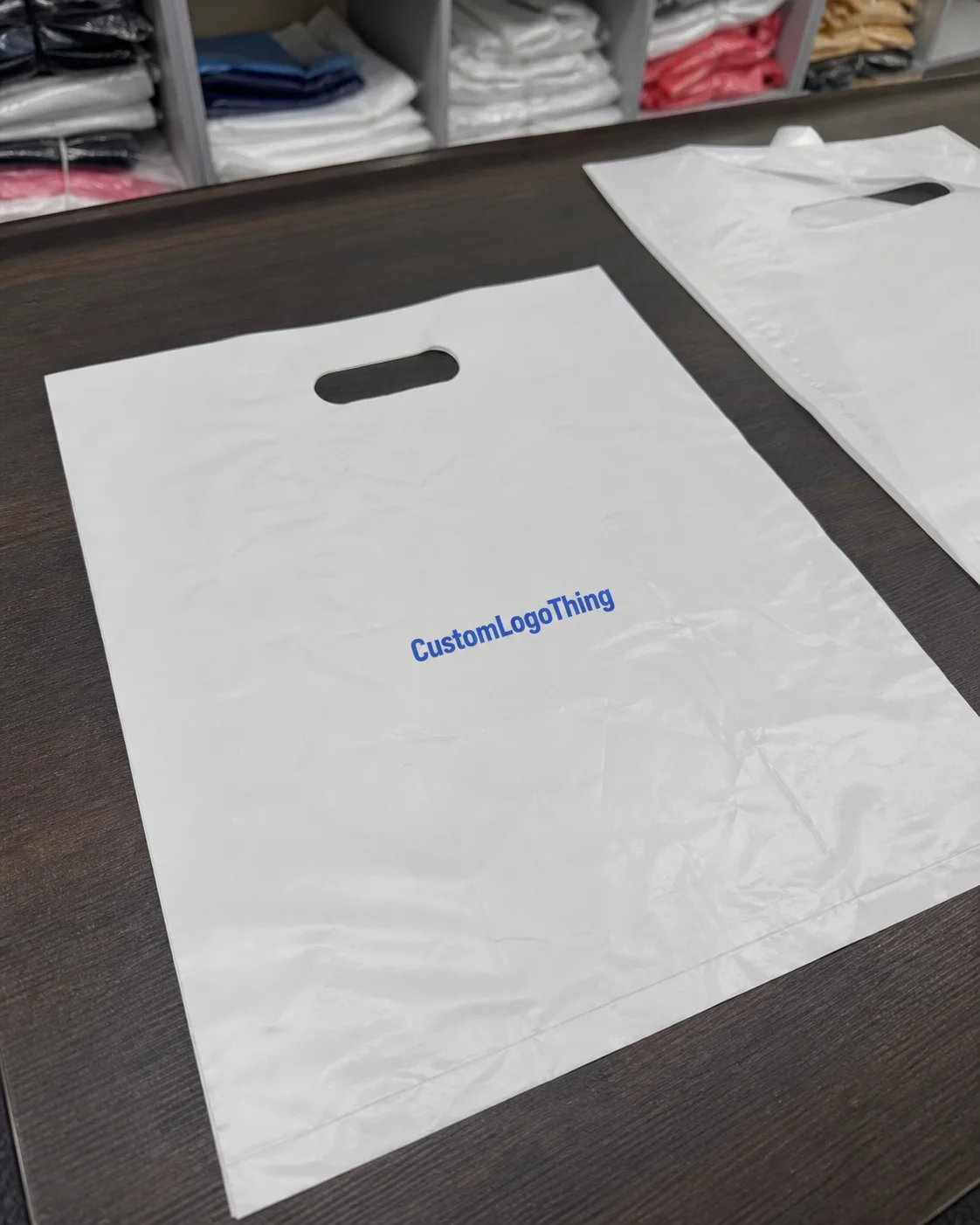
Coffee Roasters Poly Mailers MOQ: Order Custom Mailers
For coffee brands, Coffee Roasters Poly Mailers MOQ is not a side note. It affects cash flow, storage, reorder rhythm, and whether the parcel that lands on a customer’s doorstep feels intentional or thrown together. Roasters can spend weeks refining roast profiles, sourcing notes, and brew guidance, then hand the outer mailer the first physical handshake with the buyer. That first touch matters more than most teams admit.
I have seen small roasters obsess over bag labels and ignore the shipping mailer until they are already out of stock. That is usually when the math gets ugly. A low MOQ can keep the first order manageable, but it can also keep unit cost stubbornly high. A higher MOQ can bring the per-piece price down, though it can also fill a warehouse corner with packaging that is not moving fast enough. The right balance is rarely poetic. It is usually practical, a little boring, and exactly what keeps margin intact.
There is also a branding angle that people underestimate. A wrinkled, undersized, or low-opacity mailer tells a customer something about the operation behind the coffee. Sometimes that message is unfair. Sometimes it is not. Either way, the packaging arrives before the tasting notes do, and it sets the tone. That is why coffee roasters poly mailers MOQ belongs in the same conversation as presentation, cost control, and repeat order planning.
One useful way to think about it: the best mailer order sits between two kinds of waste. Order too little and the unit price creeps up, setup costs get spread thin, and freight eats the savings. Order too much and pallets begin to stack up, inventory ages, and money sits frozen. A roaster that is gonna keep the same subscription bag for twelve months can justify a different MOQ than a brand testing three seasonal drops in one quarter. Different ship pattern, different answer. Simple as that, kinda.
Packaging mistakes usually cost more than the packaging itself. A mailer that is too small can trigger repacks, customer complaints, and replacement shipments. Weak adhesive can turn a clean delivery into a damage claim. The wrong opacity can expose what should stay private. So the best coffee roasters poly mailers MOQ is rarely the cheapest number in the quote. It is the quantity tier that fits demand, storage, and reorder behavior without creating a downstream headache.
Why coffee roasters poly mailers MOQ matters for repeat orders
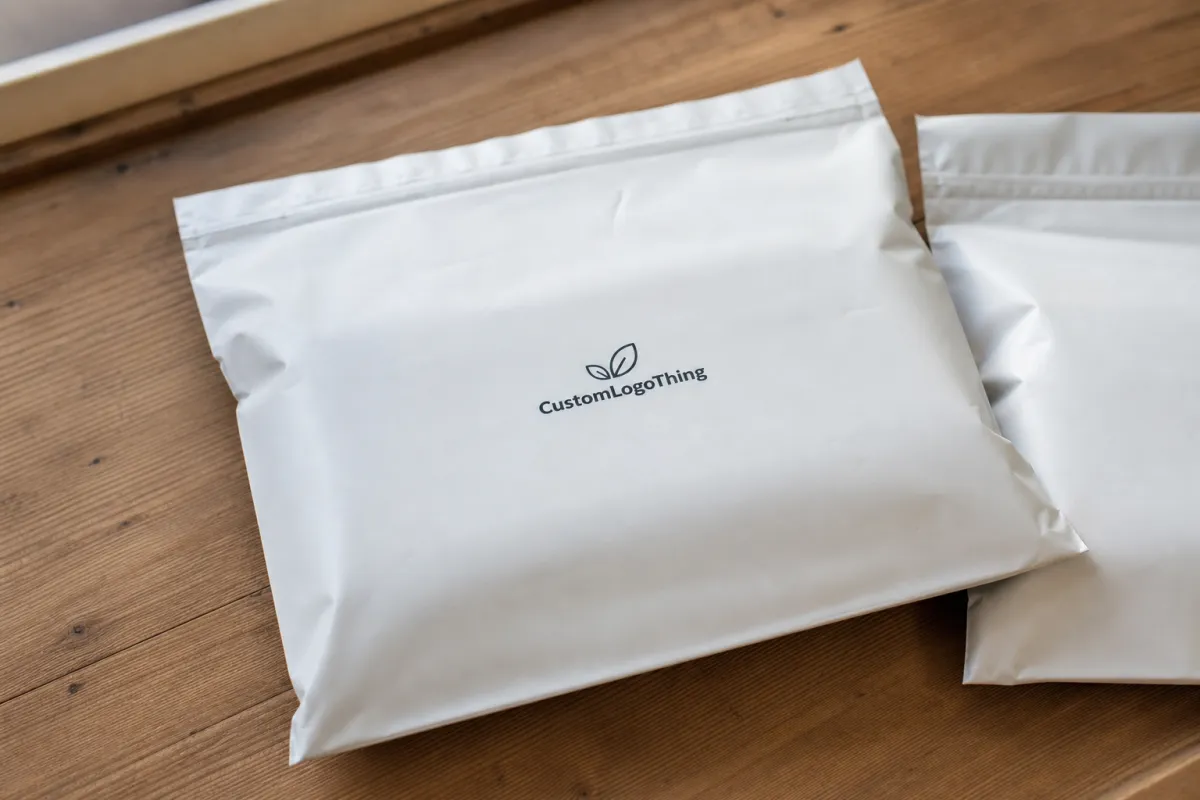
The clearest way to judge coffee roasters poly mailers MOQ is to look beyond the first shipment. A low MOQ helps if you are testing a new roast, a new subscription bundle, or a new visual identity and do not want to sit on boxes of unused mailers. The same low MOQ becomes expensive if your brand ships the same format every week and keeps paying higher unit prices because the run never gets large enough.
Roasters often scrutinize green coffee inventory down to the bag, then treat packaging as if it can wait forever. That is a mistake. Packaging is not the glamorous line item, but it is one of the easiest places to leak money. A 1,000-piece run may be the sensible choice if you ship 200 orders a month and expect the design to stay active for half a year. A 5,000-piece run can make sense if the mailer is now part of the permanent brand experience. The cost of waiting is not just price. It is also the possibility of a stockout right when orders spike.
Storage is the hidden cost many buyers miss. Even a thin mailer takes shelf space, and larger runs need clean, dry, accessible storage that does not interfere with packing lanes or receiving docks. A lower coffee roasters poly mailers MOQ can keep a small roastery from turning into a maze of cartons and shrink wrap. The savings do not look dramatic on day one. They show up in fewer packing mistakes, less clutter, and less time spent moving inventory just to reach inventory.
There is another comparison worth making. Packaging errors are usually more expensive than the difference between quote tiers. Wrong size, weak seal, and poor opacity can trigger customer service work that dwarfs a few cents per unit. In a shipping department, that is not theory. It is a Tuesday. That is why coffee roasters poly mailers MOQ should follow reorder confidence, not just the cheapest number on the page.
"The cheapest mailer can become the most expensive one the moment it forces a repack, a refund, or a replacement shipment."
From the buyer side, the decision framework stays pretty plain:
- New line: keep the MOQ low enough to test response without freezing too much cash.
- Stable subscription: raise the MOQ if the larger run lowers unit cost and supports margin.
- Seasonal offer: pick a quantity that clears before the next design change.
- Multi-SKU roastery: map active SKUs first, then size the coffee roasters poly mailers MOQ to the real ship count.
Coffee customers notice details quickly. Wrinkled corners, scuffed seals, and a mailer that looks like it was borrowed from another industry all change the perceived value of the coffee inside. That may sound harsh, but the market is harsh. A carefully roasted bag that arrives crushed or awkwardly wrapped creates a brand signal the roast cannot undo. For that reason, coffee roasters poly mailers MOQ belongs in the same room as presentation and repeat order behavior.
Coffee roasters poly mailers MOQ: choosing the right structure
Structure comes first because a bad fit makes every other decision harder. Flat poly mailers work well for a single coffee bag, a small insert card, or a lightweight subscription bundle. Gusseted mailers add depth for a thicker 12 oz or 1 lb pouch, plus a tasting card or sample packet. Opaque film is usually the better choice when privacy, branding, or a cleaner first look matters. Whatever the format, coffee roasters poly mailers MOQ only pays off if the structure fits what goes inside.
Start with the filled coffee bag, not the empty pouch. Measure the finished width, height, and thickness after the bag is sealed. Then add room for any insert, enough slack for sealing, and space for the corners so they do not pinch under pressure. Too many buyers size from a catalog thumbnail and end up with mailers that look right on a screen but slow down fulfillment in the real world. A poor size choice can turn a good coffee roasters poly mailers MOQ into a costly one.
Material matters as much as shape. Thin film may shave a few pennies off the quote, but a 2.5- to 4-mil coextruded poly structure usually handles parcel handling more reliably. Ask about tear resistance, puncture resistance, water resistance, and how cleanly the seal closes. If the mailer faces the customer, the finish should look deliberate, not warehouse-grade by accident. Matte surfaces can read more polished. Simple print can work if the brand voice is restrained. The right structure should support the coffee roasters poly mailers MOQ you choose, not fight it.
Custom printing earns its keep when the mailer is part of the story. Subscription shipments, wholesale sample kits, and direct-to-consumer orders all benefit from repeat visual cues. A logo on the outer mailer can land before the customer even opens the parcel. If your pack includes paper inserts or printed sleeves, ask for FSC-certified paper options where they fit the job so the paper components line up with sustainability claims. That kind of consistency gives the coffee roasters poly mailers MOQ more strategic value.
Buyers who want a wider packaging program usually start with Custom Poly Mailers and then compare them against the broader range of Custom Packaging Products. That makes it easier to see how one branded format fits inside the larger shipping stack before a full run gets approved. In a margin-tight category, the coffee roasters poly mailers MOQ should fit the packaging system, not define it by accident.
Stock mailers still have a place. They work for short runs, internal use, or backup inventory while a custom program is still in proofing. Stock options usually give up control over color, placement, and opacity, though, and those trade-offs become visible quickly once demand stabilizes. Most roasters move toward branded mailers as soon as they know the SKU will stay in rotation. That shift is not cosmetic. It is a way to make the coffee roasters poly mailers MOQ work harder for the sale.
Specifications that protect roasted coffee in transit
Once the structure is chosen, the spec sheet becomes the real control document. Buyers should ask for dimensions, film thickness, seal type, adhesive strength, opacity, and whether the closure is tamper-evident. Those details decide whether a mailer survives parcel handling or fails somewhere between dock and doorstep. A clear spec sheet also makes coffee roasters poly mailers MOQ easier to quote because vendors are comparing the same thing rather than guessing across categories.
Size should follow the shipped unit, not the product photo. If the coffee bag measures 8.5 by 12 inches and you add a tasting card, the mailer needs extra room for movement and closure. Leave enough space so the seal does not crush the corners. Small errors here create the classic packaging trap: a line sheet that looks generous and a packing table that tells a different story. That is one reason coffee roasters poly mailers MOQ should not be finalized before a shipping sample has been checked.
Print details matter just as much. Ask for bleed area, safe area, color count, and whether the design is one-sided or full-wrap. A centered logo on one panel can feel premium without covering the whole bag. Full-wrap coverage makes sense when the mailer should feel closer to retail packaging than a shipping sleeve. If the artwork is complex, file prep can affect tooling fees and setup charges, so include that in the budget. Even here, coffee roasters poly mailers MOQ shapes the economics because larger runs spread setup costs more efficiently.
Quality control deserves a direct question. Ask how the manufacturer checks seam integrity, puncture resistance, and lot consistency. A mailer can pass visual inspection and still fail under carrier sorting. Buyers who ship nationally often reference ISTA packaging test standards when they want a more disciplined view of distribution risk. That is not overkill for a roaster with real shipping volume. It is just a better filter before the coffee roasters poly mailers MOQ becomes a larger cash commitment.
Three specifications matter more than most first-time buyers expect:
- Opacity so contents do not show through under bright light.
- Adhesive strength so the closure stays shut after repeated handling.
- Tear resistance so the outer layer does not split when parcels get compressed in transit.
There is a handling question that gets missed often. Is the mailer only an outer shipping layer, or does it also need to survive manual fulfillment, label removal, and occasional return processing? That changes film spec and seal strength. It can also change the right coffee roasters poly mailers MOQ, because a heavier-duty mailer often justifies a larger run once the spec is locked.
If the operations team uses a standard carton size or a fixed packing bench, align the mailer spec to that workflow. A mailer that is technically correct but awkward at pack-out slows the line and invites mistakes. The best packaging spec reduces labor friction. That is not a luxury. It is the point where coffee roasters poly mailers MOQ becomes a usable production plan instead of a quoting exercise.
Coffee roasters poly mailers MOQ, pricing, and unit cost
Price is where buyers often get pulled off course. A quote sheet can look clean, yet the final number is shaped by order quantity, material grade, size, print complexity, color count, and whether artwork is already cleaned up. The phrase coffee roasters poly mailers MOQ matters because the first production tier usually carries the heaviest setup burden. After that, the unit price tends to fall as volume rises.
The point is not that bigger is always better. The point is that coffee roasters poly mailers MOQ and unit cost move in opposite directions. Lower quantities mean less inventory risk, but setup charges are spread across fewer pieces. Larger quantities reduce unit cost, but only if the inventory gets used before the design changes. A roaster with steady weekly shipments can use bulk pricing as a margin tool. A seasonal roaster can turn the same decision into a storage problem.
Buyers should compare the quoted price with the landed cost. Freight, duties if they apply, packaging inserts, and rush charges can move the total well beyond the line item on the quote. If a vendor sends only the piece price, ask for the full delivered cost at two or three volume tiers. That exposes the point where the pricing curve starts to flatten. In many cases, the best coffee roasters poly mailers MOQ sits just beyond the most expensive setup step, not at the absolute lowest sticker price.
| Mailer option | Typical MOQ | Typical unit cost | Setup charges / tooling fees | Best fit |
|---|---|---|---|---|
| Stock poly mailers | 100-250 units | $0.09-$0.18 | Usually none | Testing, backup inventory, very short runs |
| Custom one-color mailers | 500-1,000 units | $0.18-$0.32 | $75-$250, depending on print method | Subscription shipments, steady DTC orders |
| Custom full-wrap mailers | 1,000-5,000 units | $0.30-$0.55 | $150-$500 for plates, screens, or file prep | Brand-forward programs and larger fulfillment volumes |
That table is a working frame, not a promise. Print method, film gauge, and artwork complexity can move every number. Still, it makes one point clear: coffee roasters poly mailers MOQ is a cost lever, not a simple order threshold. A buyer who only hunts the lowest unit price can end up with stale branding and extra boxes in storage. A buyer who only chases the lowest MOQ can end up paying too much per shipment to make the numbers work.
There is a better way to think about cost per piece. If a 1,000-unit run saves 6 cents per mailer versus a 500-unit run, the difference looks small until it is multiplied across thousands of orders. Over 10,000 shipments, that is $600 before the brand effects are counted. If the larger run also reduces reorder interruptions, the savings climb again. That is why coffee roasters poly mailers MOQ should be tied to annual ship volume, not only the first invoice.
One caution keeps showing up in low quotes: fragile specs can hide behind the price. Thin film, weak adhesive, or limited print capability can create returns that erase the first savings. The cheapest coffee roasters poly mailers MOQ is not the best one if it leads to even one extra reship every few hundred orders. The arithmetic is not forgiving.
Order process, proofing, and lead time for coffee roasters poly mailers
A clean order process is worth real money. The usual path is inquiry, quote, artwork submission, digital proof, approval, production, and shipping. Each step acts like a gate. Vague specs slow the quote. Messy files slow the proof. Late proof changes can move the production slot entirely. That is why coffee roasters poly mailers MOQ should be decided alongside the process, not after it.
For a typical run, a vendor may turn a proof around in 24 to 72 hours if the logo file is ready and the size is already set. Production often takes 12 to 18 business days after approval for a standard custom job, with longer timing for larger quantities or more complex printing. Freight then adds its own clock. Seasonal launches leave very little room for drift. A strong coffee roasters poly mailers MOQ loses value if the mailers land after the campaign window closes.
Proof approval deserves more attention than it gets. The usual delays are not factory failures. They are client-side issues that can be prevented: wrong dimensions, low-resolution artwork, incorrect colors, or a missing return address. A buyer who checks the proof line by line saves days. A buyer who rushes it can turn a simple coffee roasters poly mailers MOQ order into a rescue project.
Repeat orders usually move faster. Once the spec is locked and the print file is on record, a reorder can skip much of the back-and-forth. That is one reason roasters should archive final art files, dielines, and approved color references. The cleaner the record, the easier it becomes to reorder at the right coffee roasters poly mailers MOQ before stock runs low.
Use this checklist before approval:
- Mailer size confirmed against a filled coffee bag and inserts.
- Artwork checked for bleed, safe zone, and brand color accuracy.
- Quantity tier matched to forecasted ship volume.
- Shipping address, contact name, and receiving hours verified.
- Lead time and freight method aligned with launch or reorder timing.
That checklist looks basic. It saves money anyway. In packaging, the cleanest jobs often appear dull on paper because all the risk got removed before production started. They are also the jobs where coffee roasters poly mailers MOQ stays under control because each department knows what happens next.
If you want a useful internal reference for the rest of your packaging stack, the most relevant support pages are usually the FAQ and the product catalog. Buyers who understand the process place better orders. Better orders mean fewer surprises, which is exactly what coffee roasters poly mailers MOQ should deliver.
Why buyers choose us for coffee roasters poly mailers
Packaging buyers do not keep coming back because of polished promises. They return because the numbers make sense, the print stays consistent, and the reorder path does not turn into a scavenger hunt. For coffee roasters, that means a supplier has to speak in the language of MOQ, unit cost, storage, and repeatability. The best partner for coffee roasters poly mailers MOQ is the one that can explain what happens across the first run, the reorder, and the scale-up without hand-waving.
Consistency is the hidden advantage. If size drifts between runs, fulfillment slows down. If color shifts, the brand looks less polished. If quote language stays vague, buyers spend time decoding assumptions instead of making decisions. A supplier should show where setup charges sit, whether tooling fees apply, and how bulk pricing changes with quantity. That clarity saves management time, not just packaging cost.
Operationally, coffee buyers care about three things: shelf space, pack speed, and damage prevention. A well-designed mailer helps with all three. It fits the pack table, seals quickly, and protects the product from dirt and moisture during the shipping cycle. That is why a strong coffee roasters poly mailers MOQ offer should include practical guidance, not only a number on a quote.
There is a strategic advantage in working with a packaging partner who understands both brand presentation and warehouse reality. Generic mailer sellers often push a size or print format that looks fine in a catalog but slows the actual line. For a roaster, that mistake is expensive. The right coffee roasters poly mailers MOQ should make the work easier, not harder.
"The real value is not the printed logo. It is the fact that the next 10,000 parcels can leave the dock with the same size, the same seal, and the same cost model."
That is the kind of stability Buyers Should Expect from a serious packaging supplier. It is also why the conversation should not stop at artwork. Ask how the vendor stores reorder documentation, proof records, and size continuity. Ask what happens if you need a second run with the same spec and only a small change to the address panel. Those answers show whether the coffee roasters poly mailers MOQ is built for a one-time order or an ongoing program.
If you are comparing broader formats beyond mailers, start with the full line of Custom Packaging Products and narrow from there. That approach helps roasters compare shipping cost, presentation, and inventory burden side by side. In practice, the best supplier helps you choose the right coffee roasters poly mailers MOQ for the business you actually run, not the one you imagine running someday.
Next steps for a quote-ready coffee roasters packaging order
The fastest way to get a real quote is to gather the basics before you ask for one. Put together a simple spec sheet with the mailer size, quantity target, print need, shipping address, and the product it has to fit. Include the filled coffee bag dimensions, not just the empty pouch size. That one habit removes a lot of guesswork and keeps the coffee roasters poly mailers MOQ conversation centered on useful numbers.
Ask for at least two tiers. A 500-unit quote and a 1,000-unit quote usually show the break point where unit cost starts to move. If the order volume already supports it, ask for a third tier too. That gives you a clear read on storage impact, cost per piece, and reorder timing. For a transactional purchase, the clearest decision is often the best one. The right coffee roasters poly mailers MOQ should make that choice visible.
Gather artwork early. Vector logos, brand colors, and placement notes help the proof move faster. If the file is not print-ready, get a dieline review before approval. That small step prevents delayed production and avoids the awkward situation where a flawed proof gets accepted because the launch date is too close for comfort. A strong coffee roasters poly mailers MOQ order starts with clean files.
If the mailer will face customers directly, request a sample or printed proof before the full run. Real handling can expose issues a spreadsheet never will: a closure that bites too hard, a finish that looks flat under warehouse light, or a size that only works when the pouch is packed perfectly. That is exactly why the sample matters. It protects the final coffee roasters poly mailers MOQ decision from avoidable regret.
For buyers who want a quick internal checklist before reaching out, use this order sequence:
- Measure the shipped coffee bag and inserts.
- Choose the mailer structure and thickness.
- Decide the artwork coverage and color count.
- Request two or three volume tiers.
- Confirm lead time, freight, and reorder path.
That is the practical side of packaging buying. No drama, no guesswork, just clear steps and the right economics. If you choose the coffee roasters poly mailers MOQ that matches your reorder frequency instead of the lowest sticker price, you protect margin, cut mistakes, and keep the brand looking sharp every time a shipment leaves the dock.
What is a typical MOQ for coffee roasters poly mailers?
coffee roasters poly mailers MOQ usually depends on whether the bag is stock or custom printed. Stock items can be available at much lower quantities, while custom print runs often start at a few hundred units and commonly move into the 500-1,000 range. The real decision point is not the lowest number available; it is the tier that keeps unit cost, setup charges, and inventory risk in balance.
Are coffee roasters poly mailers better than boxes for shipping coffee bags?
For single-bag shipments, poly mailers are often cheaper, lighter, and easier to store than corrugated boxes. Boxes make more sense when you need crush protection for multiple items, fragile inserts, or a premium unboxing structure. The best choice depends on DIM weight, fulfillment speed, and the look you want the customer to see on arrival. For many brands, coffee roasters poly mailers MOQ is the more efficient path for everyday orders.
What size coffee roasters poly mailers should I order?
Measure the filled coffee bag and any inserts, then add enough clearance for sealing and movement. The smallest size that fits cleanly is usually the best choice because it reduces wasted material and avoids bulky shipping. If you ship several SKUs, map the sizes before ordering so the coffee roasters poly mailers MOQ matches the real mix of products, not just the largest bag.
How long does production take after approving coffee roasters poly mailers?
Proof approval is the first gate, and delays there usually affect the full schedule. After approval, production time varies by quantity and print complexity, then shipping time is added on top. If you need a reorder fast, ask whether your spec is already on file. A repeat order often moves more quickly because the coffee roasters poly mailers MOQ has already been defined and the artwork is approved.
What artwork files do I need for custom coffee roasters poly mailers?
Vector artwork is the best starting point because it scales cleanly and keeps the logo crisp. You should also provide brand colors, placement instructions, and any required safe zones or bleed settings. If you do not have a print-ready file, ask for a dieline review before proof approval. That saves time and helps the coffee roasters poly mailers MOQ run move without avoidable corrections.
What is the best takeaway before placing an order?
Compare at least two quantity tiers, measure the filled coffee bag instead of the empty pouch, and confirm the film thickness before approving artwork. If the lower tier protects cash but the higher tier drops your landed cost enough to matter over the year, the better coffee roasters poly mailers MOQ is the one that matches your reorder cycle, not the one with the smallest upfront number.